



September is our best month to visit Toronto for a first trip. June is a close second. Both give you a good chance to spend much of the day outside without building the whole holiday around peak-summer heat or winter cold.
Choose July or August for beach time and a busy summer city. Choose January or February only if you actively want a winter trip. If your idea of a holiday is long, easy walks from morning to night, winter is the weaker choice.
The main deal-breaker is your must-do activity. A September trip does not guarantee a basketball game. A February trip does not guarantee fresh snow or an open natural skating route. Book around the thing you care about most, then choose the month.
This guide combines Toronto's climate records with current official visitor and event information. Month ratings are our editorial judgement for a typical first-time visitor, not a weather forecast or measured satisfaction score. Facts and event dates were checked September 22, 2026.
The best months for different trips
| What you want | Our pick | Main drawback |
|---|---|---|
| A first visit with lots of walking | September | Film-festival dates need a separate hotel check |
| Long outdoor days before peak summer | June | Busy event periods and hot spells still happen |
| Beaches and summer evenings | July or August | Heat, humidity and popular-site crowds |
| Cooler walks and fall colour | October | Shorter days; leaf timing varies |
| A deliberate winter city break | February | Cold, slippery surfaces and weather-dependent outdoor plans |
| Spring without expecting beach weather | May | Layers and a rain plan are still necessary |
| Holiday lights and festive outings | December | Snow is not guaranteed; holiday travel can be expensive |
| A cheaper hotel search | Flexible winter or shoulder-season dates | No month is automatically cheapest for every booking |
Our overall order is September, June, May, October, July, August, December, April, February, January, November and March. Change that order for your own goal. A beach lover should move July up. Someone seeking snow should not follow a walking-first ranking.
Toronto weather by month: what the averages really mean

The table uses Environment and Climate Change Canada's 1991–2020 Toronto CITY climate normals. These are long-term average daily highs and lows. They do not describe every day or predict your visit.
| Month | Average daily high | Average daily low | Our first-visit score |
|---|---|---|---|
| January | -0.3°C | -6.7°C | 2/5 |
| February | 0.6°C | -6.0°C | 2.5/5 |
| March | 5.1°C | -1.8°C | 2/5 |
| April | 11.7°C | 3.9°C | 3/5 |
| May | 18.8°C | 10.0°C | 4.5/5 |
| June | 24.2°C | 15.3°C | 5/5 |
| July | 27.0°C | 18.1°C | 4/5 |
| August | 26.1°C | 17.7°C | 4/5 |
| September | 22.0°C | 13.8°C | 5/5 |
| October | 14.6°C | 7.7°C | 4.5/5 |
| November | 8.1°C | 2.3°C | 2/5 |
| December | 2.6°C | -2.7°C | 3/5 |
A 27°C average July high does not mean Toronto never gets much hotter. A January average near freezing does not mean a light coat is enough. Wind, wet clothing, sun and the length of time outside all change how the day feels.
These records are for Toronto CITY. Airport readings, exposed lakefront spots and places outside Toronto can differ. Use the forecast for your actual dates when packing.
January: visit for winter, not effortless sightseeing

January is a poor first choice if you mainly want to wander outdoors. Cold, early darkness and slippery patches can turn a long walking route into several short outings.
But a winter trip can still work. Put one main indoor attraction in each day. Add a short outdoor walk or a maintained skating session when conditions suit you. Leave time to warm up instead of treating indoor breaks as a failure.
Best for: visitors who want a winter city experience and are happy with a slower outdoor pace. Main drawback: fresh snow is not guaranteed. You can get bare pavement, rain, slush or a sharp cold spell during the same trip.
Pack footwear that handles wet streets and layers you can remove indoors. Do not buy a holiday based only on a photo of a perfect snowy street.
Choose January if winter itself is part of the attraction. Otherwise, move the trip to a milder month.
February: our pick if January and February are your only choices

If your holiday window is limited to these two months, we would choose February. You gain daylight as the month goes on while keeping a winter-focused trip possible. That is an editorial preference, not a promise of warmer weather.
Build the trip around things that can happen indoors, then add skating or a snow outing when conditions allow. Book any must-see game from the official schedule before fixing every other part of the holiday.
Best for: a planned winter break with flexible outdoor days. Main drawback: a thaw can spoil a snow plan, while a cold snap can make long waits outside unpleasant.
A winter holiday does not need four weeks in Toronto itself. If you have that much time, consider a few city bases and allow proper travel days. Do not turn every day into a weather gamble.
Choose February for an intentional winter visit. Keep a full indoor alternative for each major outdoor plan.
March: the awkward middle month

March is our weakest all-purpose choice. It is too early to rely on spring warmth, but you should not assume dependable winter conditions either.
This does not make the city closed. Food, museums, galleries, shopping and performances can support a good trip. The problem is expecting green parks and warm patio weather because the calendar says spring.
Best for: a fixed-date visit built around indoor interests. Main drawback: a mixed wardrobe and flexible daily plan are still needed. School-break periods can also change demand at family attractions.
If you can move a sightseeing holiday from March to May, do it. If you cannot, choose accommodation near the places you most want to visit and keep outdoor routes short enough to change.
Use March for a specific reason, not as a shortcut to summer.
April: a workable shoulder-season visit
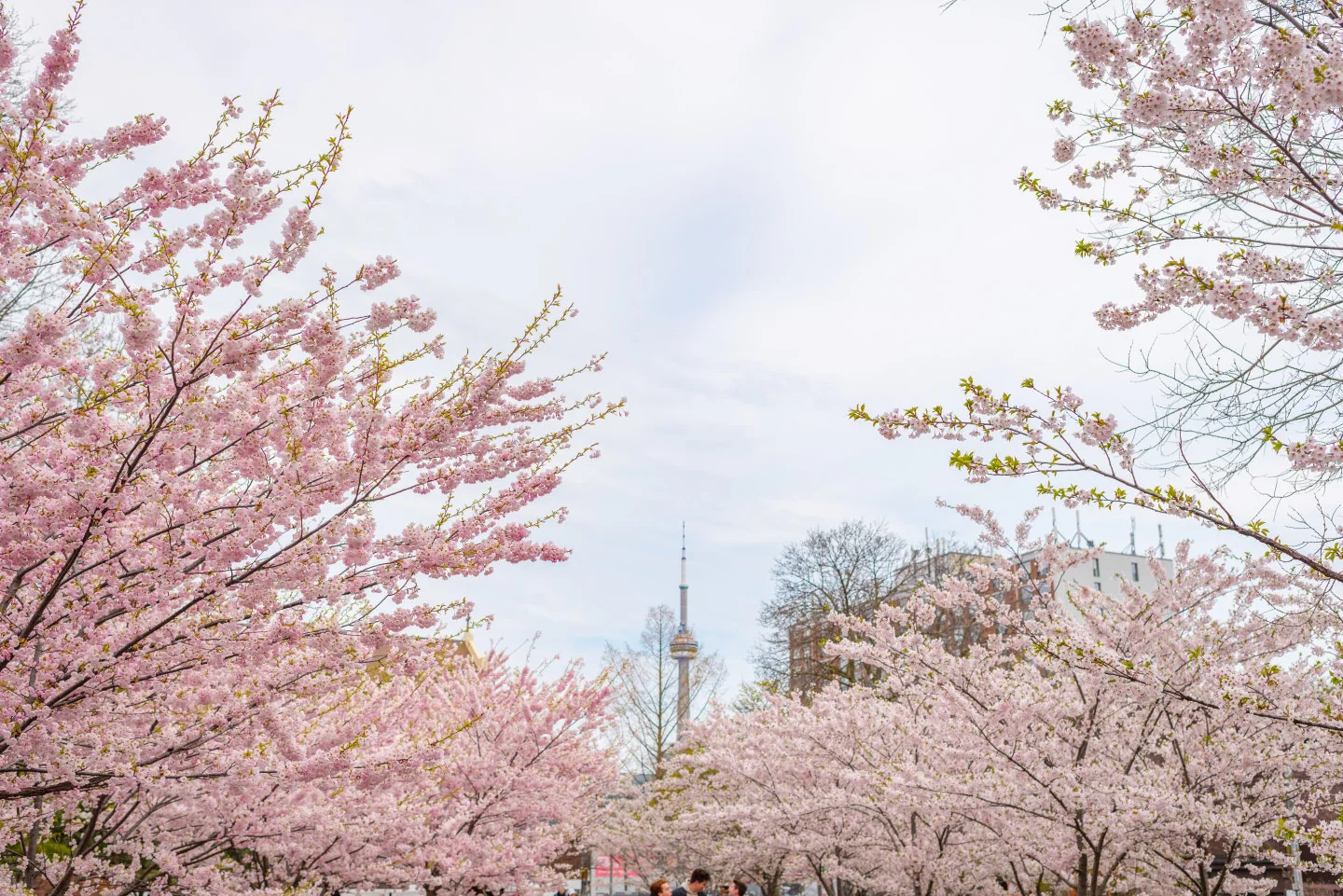
April is a reasonable compromise when you want to travel before summer. The average high is much milder than March, but evenings still need layers.
Plan a mix of indoor and outdoor days. A neighbourhood walk can be excellent in pleasant weather. Rain or a cold spell can still change the plan quickly.
Best for: visitors who accept mixed weather in exchange for more date flexibility. Main drawback: seasonal attractions and services may not yet be running their full summer offering.
Do not make a trip depend on a precise blossom date. Flowers respond to the year's weather. Use current park updates if a bloom is the main reason you are coming.
Choose April if the price and dates work, with realistic spring expectations.
May: one of the best months for walking

May is our third choice overall. Its long-term average high is about 19°C, which makes it a strong month for a trip built around streets, parks and neighbourhoods.
You still need a light layer and a rain plan. Do not assume every day will be warm enough for the beach or every seasonal operator will follow the same opening date.
Best for: visitors who want to explore outside without making hot weather the main goal. Main drawback: holiday weekends and individual events can make some dates busier than the month-wide label suggests.
Leave room to follow good weather. Put a fixed-ticket indoor visit on one day, but keep another afternoon open for a longer walk if the forecast improves.
Choose May when walking matters more than swimming.
June: the best alternative to September

June offers a strong balance of warmth and long daylight. It is our pick if September does not fit your calendar.
This is a good month to build a trip around outdoor meals, parks and the waterfront. You can stay outside later than in winter, but “long days” does not mean the sun sets at 10 p.m. every night. Check actual sunset times for the date if you are planning a photo outing.
Best for: an active first visit with plenty of time outside. Main drawback: hot spells, thunderstorms and busy event weekends still need a backup plan.
Do not squeeze every attraction into the day just because it stays light. Toronto is more enjoyable when you leave time to eat, sit down and explore one area properly.
Choose June for an outdoor-focused first trip. Check the event calendar before locking in the hotel.
July: best for a full summer trip

July is the strongest choice if your picture of Toronto includes beaches, outdoor meals and busy evenings. It is also the warmest month in the climate table.
Heat changes how much walking feels pleasant. Plan an indoor break in the middle of a hot day. Take water, sun protection and a route with places to stop.
Best for: visitors who want summer activity and do not mind a busy city. Main drawback: heat and humidity can make an ambitious walking itinerary miserable. A warm evening does not cancel the need to check thunderstorm forecasts.
For a Toronto Island Park visit, read the current ferry and attraction information before choosing a day. A park visit, a swim and a paid attraction can have different operating conditions.
Choose July for summer itself. Pick June or September if cooler sightseeing is the priority.
August: strong summer weather, with late-month choices

August is another good beach-and-evening month. Its climate averages are close to July's, so do not expect a major heat discount simply by moving the trip a few weeks.
The Canadian National Exhibition can shape a late-August visit. The 2026 CNE ran August 21 to September 7 and has ended. For a future summer trip, check the organizer's dates for that year. Go because you want the fair, not because it is something every visitor has to squeeze in.
Best for: families and visitors who want a busy summer schedule. Main drawback: popular outings can involve crowds and queues. Book the things you care about and leave the rest flexible.
If you dislike fairs, do not pay for one out of obligation. Use the time for another neighbourhood or an outdoor day that better fits your interests.
Choose August for a summer holiday. Check whether a major event helps or harms your plans.
September: our best month for a first Toronto visit

September wins for its balance. The long-term average high is 22°C and the average low is 13.8°C. That supports a trip with plenty of walking without relying on peak-summer heat.
The main date trap is the film festival. TIFF 2026 ran September 10 to 20 and has ended. Check the festival's dates for the year you plan to visit. If films are your reason for coming, that is the point. If they are not, compare hotel prices on dates outside the festival before choosing.
Best for: a first-time visitor who wants several kinds of outing. Main drawback: “September is good” is not the same as “every September week is cheap.” Festival demand and individual events can change a booking.
Evenings can need a layer. Seasonal services also begin to change after summer, so read the timetable for a ferry, tour or attraction instead of copying July hours.
Choose September first. Then choose the exact week around your interests and actual hotel quotes.
October: the fall-walk choice

October is our pick for visitors who prefer cooler walks and a fall setting. Bring layers and plan earlier outdoor starts as the days shorten.
Fall colour is a reason to keep part of the trip flexible. A single date cannot guarantee peak leaves in every park. Weather, tree species and location all matter.
For a specific 2026 event, Nuit Blanche runs from 7 p.m. on October 3 to 7 a.m. on October 4. It is a night-long art event, so comfortable shoes, a realistic route and the trip home matter as much as the first installation.
Best for: cooler walks and an autumn trip. Main drawback: a shorter day gives you less room for a late start and a long outdoor route.
Choose October if you like layers and earlier sunsets. Check live leaf conditions rather than booking a promise of peak colour.
November: choose it for indoor interests

November is a weaker all-round sightseeing month. Summer activity has faded, daylight is short and the festive season may not yet be fully underway on your dates.
It can still be a sensible visit for food, shows, galleries and time with friends. The key is to book for those reasons rather than hoping it feels like late September.
Best for: an indoor city break or a specific event. Main drawback: grey, wet or cold weather can make long outdoor days less appealing.
Do not assume an annual holiday market has opened because you saw last year's November photos. Wait for the current organizer's dates and ticket rules.
Choose November when the actual itinerary and hotel price work. Move a walking-first holiday to another month if you can.
December: festive, but not a snow guarantee

December works when holiday events are a main reason for your trip. It is less reliable if you are imagining deep snow and outdoor winter sport every day.
Check opening hours around Christmas and New Year's. Restaurants, shops, attractions and transit do not all follow the same holiday schedule. Reserve a meal that matters instead of assuming you can improvise on the day.
Best for: a festive city break with indoor warm-up stops. Main drawback: holiday flights and accommodation can be costly, while weather still varies widely.
Bring a proper winter plan even if the forecast looks mild before you leave. Wet cold and a long wait outside can feel much worse than the temperature number suggests.
Choose December for the season's events. Choose a flexible later winter trip if snow is the main goal.
When is Toronto cheapest to visit?
There is no honest single cheapest month for every Toronto trip. A hotel rate changes with the date, room type, booking terms and local demand. A low airfare can also be cancelled out by an expensive hotel week.
Start by comparing flexible dates in winter and the shoulder seasons. Treat that as a search strategy, not a proven citywide price ranking. Compare the same room, taxes and cancellation terms across at least two date ranges.
Check the whole bill: accommodation taxes and fees, airport travel, attraction tickets, meals and any winter clothing you need. A cheap room far from your daily plans can cost more in transport and lost time.
For September 2026, compare the TIFF period with dates outside September 10 to 20. That is a useful demand check, not a claim that every hotel will be cheaper after the festival.
Choose the lowest suitable total for the trip you actually want. Do not book a disliked season just to save on one line of the bill.
Coming for basketball, hockey or a winter side trip?

Open the official Raptors schedule, Maple Leafs schedule or Toronto Sceptres schedule before booking a sports-led trip. Check the season year, home venue and date. An away game will not help your Toronto plan.
Do not build an itinerary around an assumed playoff game. Qualification, dates and tickets are separate uncertainties. The Sceptres schedule link still resolved to 2025–26 information during our check, so we are not presenting an unverified 2026–27 home date.
If you want to add Ottawa for skating, the NCC's Rideau Canal Skateway page is the authority. Its season depends on weather. A cold Toronto forecast does not prove the canal is open, and a booked hotel does not change the ice conditions.
Ottawa, Montreal and Quebec City can be separate parts of a longer trip. Give each proper travel time. Vancouver belongs in a different distance category. Treat it as a major flight or rail segment, not an easy day trip from Toronto. VIA's Canadian route is a cross-country journey to plan in its own right.
If you have four weeks in Canada, split the trip by what you want to experience. Do not spend all four in Toronto only because that is where the international flight lands.
20 planning checks before you choose the month
- Name your must-do activity. A beach trip and a hockey trip need different dates.
- Check the exact event year. An old calendar can look current in search results.
- Compare two date ranges. One hotel quote tells you little about the whole season.
- Use the total room price. Match taxes, fees and cancellation terms.
- Check the airport. Your airport transfer is part of the journey, not a detail to solve after landing.
- Keep the first day light. A long flight and a packed itinerary are a poor match.
- Plan by neighbourhood. Crossing the city repeatedly wastes the good weather you came for.
- Allow a rain day. Have a real indoor plan, not just “we'll find something.”
- Allow a heat day. Put an indoor break into a summer walking route.
- Allow a cold day. Short winter outings can work better than one long exposed walk.
- Check sunset for the date. Do not use a summer photo schedule in October.
- Read seasonal hours. Summer service can change after Labour Day.
- Check holiday closures. A long weekend does not mean every attraction stays open longer.
- Book the essential ticket first. A sold-out game or performance can change the whole trip.
- Leave one flexible afternoon. Use the best weather for the outdoor outing that matters most.
- Check current access details. Seasonal entrances and icy routes can affect an otherwise suitable plan.
- Pack for the forecast, with a spare layer. Monthly averages are only a starting point.
- Keep winter transfer buffers. Do not make a tight, separate-ticket connection the weak point of the trip.
- Treat natural conditions as uncertain. Snow, leaf colour and safe natural ice cannot be reserved.
- Choose the season you will enjoy. A small saving is not worth spending a holiday avoiding the weather.
For most first visits, start with September or June. Once the month is settled, plan a few strong days and leave room for Toronto to be a real city rather than a checklist.
More useful Toronto guides
- Toronto tourist traps and better alternatives
- A useful rainy-day plan
- A three-day Toronto itinerary
- What a winter Toronto Islands visit involves
Frequently asked questions

What is the best month to visit Toronto for the first time?
Our pick is September, with June a close second. Both offer a strong balance for walking and outdoor plans. Check the actual event calendar and hotel quotes before choosing the week.
Is January or February better for Toronto?
We would choose February if those are your only options, partly for the increasing daylight. Both need a proper winter plan. Neither guarantees snow or dependable natural ice.
Is Toronto worth visiting in winter?
Yes, if you want an indoor-focused city break with flexible outdoor time. It is a weaker choice for someone who wants effortless all-day walking. Book around confirmed activities and keep alternatives for bad weather.
When is Toronto warm enough for a beach trip?
July and August are our first choices for a summer beach holiday. Check the day's weather and current beach information before swimming. A warm monthly average does not prove suitable water or weather conditions on your date.
Is September cheaper than summer?
Not automatically. Compare your exact accommodation dates, especially around major events such as TIFF. Use complete hotel and flight totals rather than a general seasonal claim.
Will Toronto have snow at Christmas?
It is not guaranteed. December can bring snow, rain, slush or bare ground. Choose a holiday trip for confirmed seasonal events rather than a promised white Christmas.
Can I see fall colours in October?
October is a sensible month to plan a fall visit, but peak colour varies by year and location. Check current park reports close to the date. Keep some flexibility if leaves are the main reason for the trip.
Is four weeks too long for Toronto?
It depends on the purpose of your stay, but most first-time sightseeing trips benefit from using part of that time elsewhere. Give other cities their own travel days and budget. Do not treat Vancouver as a nearby side trip.