

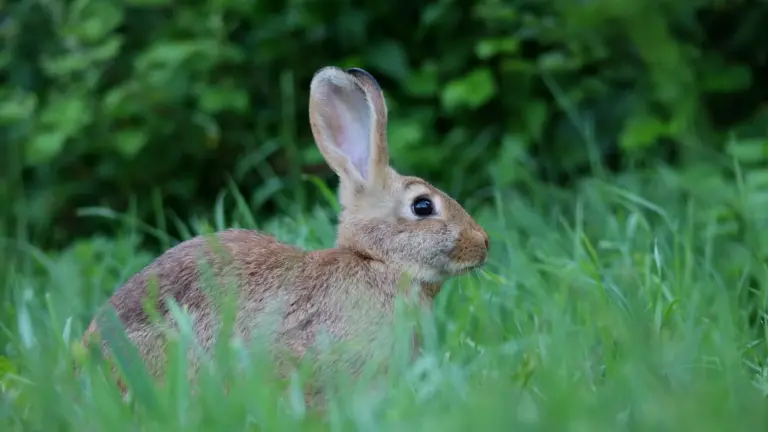

The kindest thing you can do for a baby wild animal is often to leave it alone. A rabbit sitting by itself, a young bird on the ground or a raccoon without its mother in sight is not automatically abandoned.
Our verdict: do not feed it. Do not pour water into its mouth. Keep people and pets back, take a clear photo from a safe distance and use Toronto Wildlife Centre's species guide or hotline before moving it. Call 311 for a sick or injured wild animal that needs City help.
The biggest mistake is a well-meant rescue that separates a healthy baby from a parent. The second biggest is feeding cow's milk, formula or water. That can cause choking, digestive damage or death.
The emergency answer
| What you see | What to do now |
|---|---|
| Bleeding, broken limb, severe weakness or trouble breathing | Keep back. Call Toronto Wildlife Centre and 311 for instructions |
| Animal in traffic, beside active construction or under immediate attack | Move it only if you can do so safely and an expert advises it |
| Baby is quiet, warm and not visibly hurt | Watch from far away. A parent may be nearby |
| Baby touched by a cat or dog | Treat it as urgent even when no wound is visible |
| Baby rabbit alone in grass | Usually leave it. Mothers visit briefly, often around dawn and dusk |
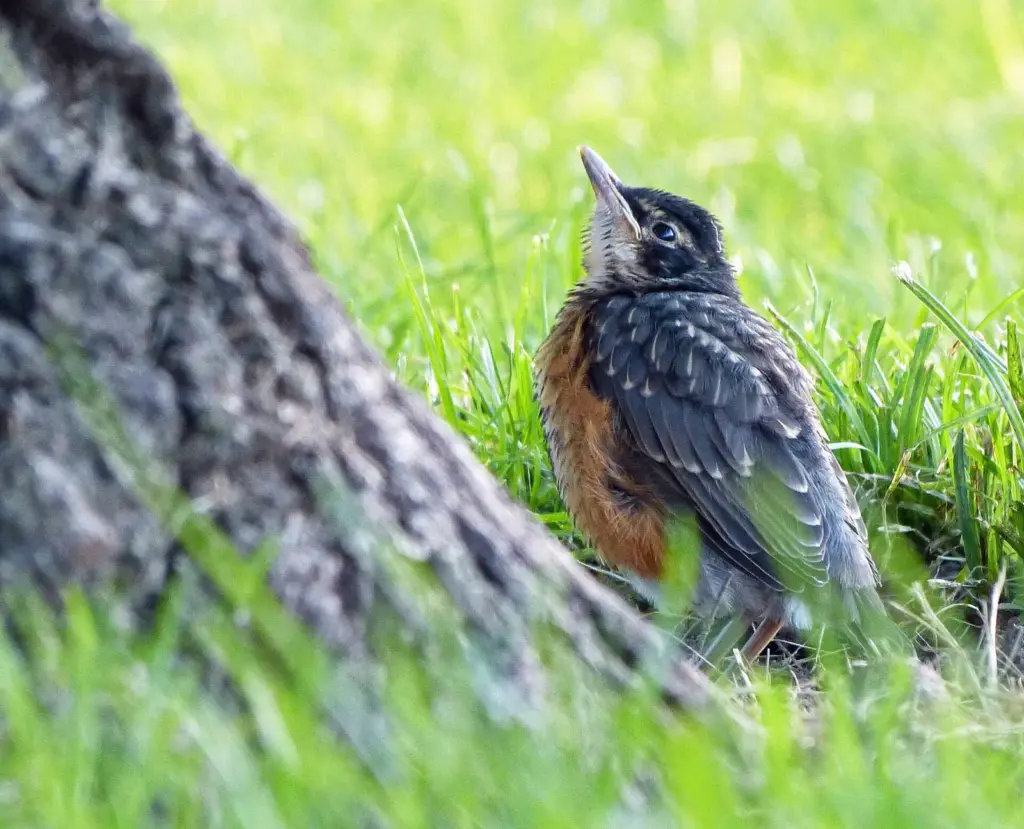
| Feathered young bird hopping on the ground | It may be a normal fledgling. Keep pets away and check the bird guide |
| Animal is cold and needs temporary containment | Use a ventilated box, soft cloth, darkness and quiet only after expert direction |
| You want to give food or water | Do not. Wait for a licensed wildlife rehabilitator |
First, protect yourself
Wild animals bite, scratch and carry disease. An animal in pain can defend itself even when it looks weak.
Do not handle raccoons, bats, skunks, coyotes, foxes or adult mammals. Do not put your face near any wild animal. Keep children and dogs away.
If a person or pet was bitten, scratched or exposed to saliva, contact a doctor, veterinarian or Toronto Public Health as appropriate. A wildlife rescue call does not replace medical care.

The five-minute check
Before touching anything, ask:
- Is it truly a baby?
- Is there blood, a visible wound, a dangling limb or laboured breathing?
- Did a cat or dog have it in its mouth?
- Is a dead parent nearby?
- Is it in immediate danger from traffic, flooding, machinery or people?
- Is it behaving normally for its species and age?
Take a photo and note the exact location. That information can help a rehabilitator decide whether the baby should be watched, reunited, contained or brought in.
Do not decide that it is orphaned after five minutes
Many wild parents stay away while people are close. Some feed young only a few times a day. Others leave a nest to find food.
Watch from inside a building or vehicle when possible. Keep enough distance that the parent feels safe returning.
If an expert asks you to monitor, agree on how long and what sign ends the wait. Do not stand over the animal for hours.
Baby rabbits
Young cottontails leave the nest while they are still very small. A baby with open eyes, upright ears and the ability to hop may already be independent.
Rabbit mothers avoid the nest for most of the day so they do not attract predators. They usually return briefly around dawn and dusk. The mother's absence during lunch is not proof of abandonment.
If you uncover a nest while mowing or gardening, replace the fur and grass cover. Mark the area so no one runs over it. Keep dogs on a leash.
Toronto Wildlife Centre warns that rabbits are extremely sensitive to stress. Do not pet, feed or give water to a contained rabbit.
Choose this: leave an uninjured rabbit where it is and use the official rabbit decision guide. Move it only for immediate safety or after expert advice.
Baby squirrels
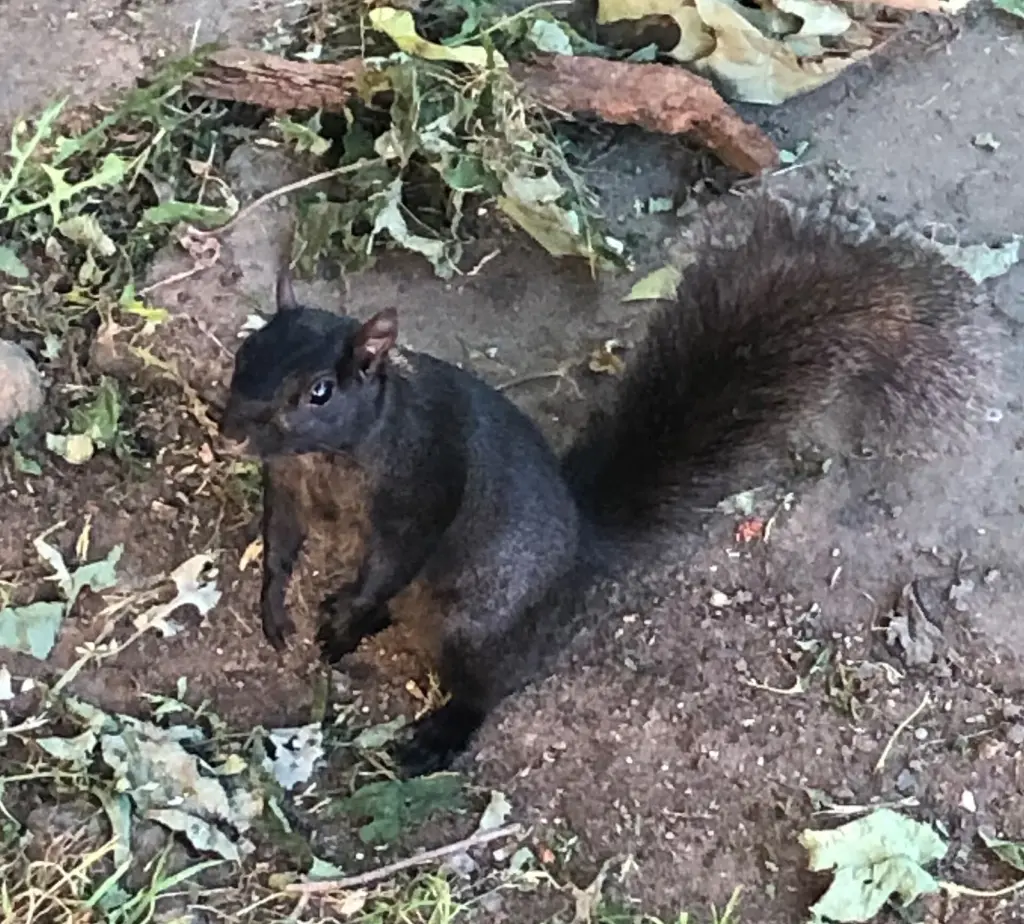
A small squirrel may fall from a nest during wind or tree work. The mother can often carry it back.
Keep the baby near the tree, warm and protected from pets while you get instructions. Do not leave it exposed overnight. Do not attempt a reunion if the mother is dead, the baby is injured or the site is unsafe.
Never feed nuts, milk or water. A baby squirrel needs a specialized formula and feeding method. Getting it wrong can send liquid into the lungs.
Choose this: call Toronto Wildlife Centre and follow its reunion directions for the exact age and condition.
Baby birds
First decide whether the bird is a nestling or a fledgling.
A nestling has little feathering and cannot perch or hop well. If it is uninjured and you can safely identify the correct nest, an expert may tell you to place it back. Parent birds do not reject a baby simply because a human touched it.
A fledgling is feathered and may hop, flutter and hide on the ground while parents feed it. This is a normal stage. Put cats inside, leash dogs and give the family space.
Do not throw a bird into the air. Do not drip water into its beak.
Choose this: leave a healthy fledgling. Get help for an injured bird, a cat-caught bird or a true nestling that cannot be returned safely.
Baby raccoons
A raccoon alone in daytime is not automatically sick. A mother may be moving young or searching for food.
Do not pick up a raccoon. Keep people and pets back. Note whether it is crying constantly, following people, cold, weak, injured or beside a dead adult.
Raccoons can carry rabies and roundworm. Their waste should not be handled casually.
Choose this: call a wildlife professional or 311. Do not attempt a kitchen-table rescue.
Baby skunks
Young skunks sometimes trail behind their mother. One may become separated without being permanently orphaned.
Keep a wide distance and remove dogs. Never corner it. A box, garage or fenced yard can trap the animal and increase stress.
Choose this: get species-specific instructions. Do not grab it with a towel because it looks small.
Ducklings and goslings
A waterfowl family crossing a road is stressful to watch. Chasing the birds can scatter the group and make the situation worse.
Call 311 for a dangerous road situation. Do not stop live traffic yourself. If one baby is separated, note where the family went and ask a rehabilitator how to attempt reunion.
Bread is not rescue food. Leave feeding to the parent or rehabilitator.
Choose this: control pets and people, then call for help when traffic or injury creates real danger.
Baby opossums
Very small opossums may be found near a dead mother. The young can remain attached or hide nearby.
Do not handle a dead animal with bare hands or search a pouch without professional direction. Tell 311 or the rehabilitator that young may be present.
Choose this: treat a small lone opossum as a professional assessment, not a pet project.
Turtles and hatchlings
A healthy turtle crossing a road usually needs to continue in the direction it chose. Moving it back can force another crossing.
Do not lift a snapping turtle by the tail. Do not move any turtle far from where it was found. Ontario turtles face serious pressure, and taking one home is not conservation.
If a turtle is injured, mark the exact location and call a wildlife rehabilitator. Eggs exposed by road work or a damaged nest also need expert advice.
Choose this: protect its route without risking traffic, and get help for injury.

Bats
Never touch a bat with bare hands. A bat on the ground or inside a room may create a rabies exposure question even when no bite is visible.
Keep people and pets out of the room if it can be done safely. Do not release or destroy the bat before speaking with public health when someone may have had contact, was sleeping in the room or cannot reliably describe what happened.
Choose this: call Toronto Public Health for possible human exposure and a wildlife professional for safe removal.
When temporary containment is appropriate
Contain an animal only when a professional directs you or when immediate danger makes waiting impossible and you can act safely.
Use a secure cardboard box with small air holes. Line it with a smooth cloth or paper towel. Keep it dark, quiet and away from pets. Do not use a wire cage that can damage feathers or teeth.
Warmth may help some young animals, but too much heat is dangerous. Use only the method given by the rehabilitator.
Do not keep opening the box for photos. Stress is part of the emergency.
Who to call in Toronto
Toronto Wildlife Centre
Use its online decision guides and wildlife emergency hotline for advice about sick, injured or orphaned wild animals. The centre may have limited capacity for common species. That is not permission to improvise care.
Toronto Animal Services and 311
The City asks residents to report sick or injured wildlife through 311. Give the exact location, species if known, condition and immediate hazard.
An authorized Ontario wildlife custodian
Ontario maintains a list of authorized wildlife rehabilitators. Only authorized custodians may rehabilitate wildlife. Call before driving because species, capacity and intake hours differ.
911
Call 911 for an immediate threat to human life, not a routine wildlife concern.
What if every rehabilitator is full?
This is the hardest part. Toronto Wildlife Centre sometimes reaches capacity, especially during baby season. Call other authorized custodians listed by Ontario and explain the exact species and condition.
Do not release an injured animal in a park to avoid a hard outcome. Do not keep protected wildlife for days without authorization. Ask 311 or a veterinarian what humane option is available.
Sometimes an animal cannot recover. A humane professional decision is kinder than prolonged fear, pain or starvation.
What not to post online
Crowds make a rescue harder. Do not publish the exact location of a nest, den, rare bird or vulnerable young animal.
A local post can help find a rescuer, but include a general area and send exact coordinates privately to the right organization. Do not invite strangers to feed or handle the animal.
A simple rescue kit to keep at home
Keep a cardboard carrier, small air-hole box, smooth cloth, disposable gloves, flashlight and the wildlife hotline numbers together. The kit is for safe temporary containment after advice, not home treatment.
Do not keep formula, syringes or wildlife medicine. Those tools encourage the most dangerous mistake.
Keep exploring Toronto
- Thirteen independent Toronto vet clinics
- Six Toronto-area nature trails and natural spaces
- Downtown Toronto dog boarding prices and tradeoffs
Official pages to check
Prices, rules, hours and project details can change. Check these primary pages before you spend money or make a special trip:
- Toronto Wildlife Centre, emergency hotline
- Toronto Wildlife Centre, orphaned baby animal selector
- Toronto Wildlife Centre, baby rabbit outside nest
- City of Toronto, Wildlife in the City
Frequently asked questions
Can I give a baby wild animal water?
No, not unless a licensed rehabilitator gives exact instructions. Pouring or dripping water can enter the lungs. The animal may also need medical stabilization before fluids.
Will a mother bird reject a baby I touched?
Human scent does not normally cause a parent bird to reject its young. The real question is whether the bird is a healthy fledgling, an injured bird or a nestling that can be returned safely.
Is a baby rabbit alone in my yard abandoned?
Usually not. Rabbit mothers visit briefly and stay away for much of the day. Use Toronto Wildlife Centre's rabbit guide before moving it.
Should I call 311 for injured wildlife in Toronto?
Yes. The City directs sick or injured wildlife reports to 311. Toronto Wildlife Centre can also provide species-specific rescue advice.
Can I raise an orphaned squirrel myself?
No. Wildlife rehabilitation requires authorization, proper food and specialized care. Home feeding can injure or kill the animal.
What if my cat caught the animal?
Get professional help even if you cannot see a wound. Tiny punctures and bacteria can be fatal without treatment.
Can I take the animal to any vet?
Call first. Not every clinic is licensed, equipped or able to accept wildlife. A rehabilitator or 311 can direct you.
What is the best first move?
Back away, contain pets, take one clear photo and use the Toronto Wildlife Centre species guide. Do not feed or move the animal unless safety or expert advice requires it.