


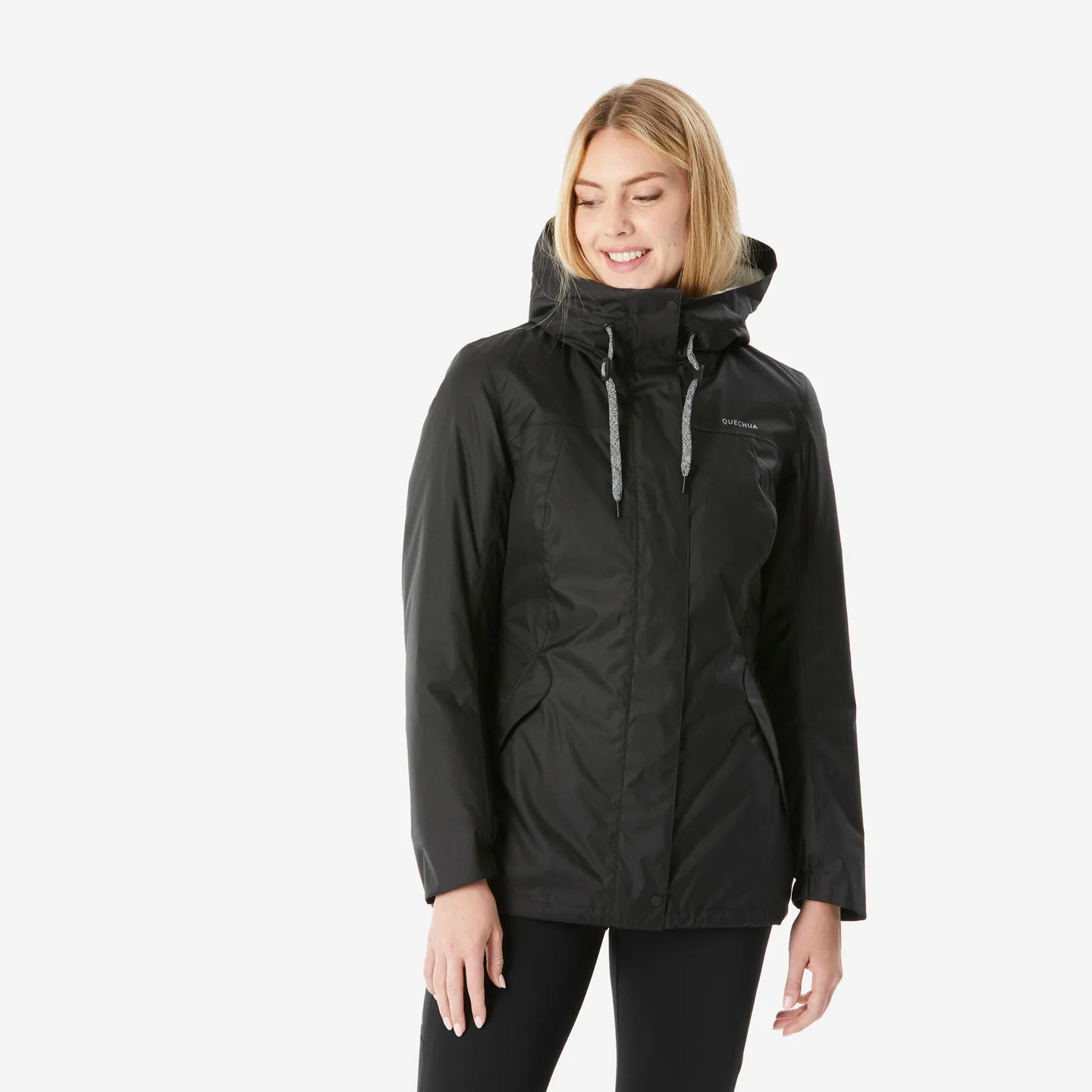
For your first Toronto winter, buy a warm coat, waterproof boots, a hat and hand protection. Add layers that you can remove on a hot bus or in class. Spend on fit and grip before a famous label.
Our best starting plan is a small wardrobe you can change with the weather. For a long outdoor commute, spend more on boots and coverage. For a short exchange, buy fewer pieces. The main mistake is spending the whole budget on a coat while your feet get wet.
Prices and store details were checked on September 5, 2026. These are researched buying choices, not products we have worn through a winter. Size, stock and how cold you feel will change the answer.
Start with your day, then set the budget
Toronto winter clothing has to do two jobs. It must help outdoors and be easy to manage indoors. A heavy coat can be useful on a cold platform. The same coat needs somewhere to go during a two-hour lecture.
| Your day | Best starting choice | Main drawback | Our verdict |
|---|---|---|---|
| Short walk between heated buildings | Warm coat over easy layers, suitable boots and small accessories | You still need a plan for a storm or delay | Buy a small set first |
| Bus or GO trip with outdoor waits | More coat coverage, warm boots, dry socks and strong hand protection | More to carry indoors | Put comfort ahead of a slim fit |
| Long walks, dog walks or outdoor work | Clothing chosen for the actual time, weather and activity | A basic city basket may be too light | Get activity-specific advice |
| Gym before class | Outdoor layers over dry clothes, with a separate gym kit | A change of clothes takes bag space | Keep the trip home dry |
| Exchange ending in December | A useful coat and layers that can travel home | Early cold weather is still possible | Borrow suitable extras before buying a second wardrobe |
These verdicts rate the buying plan, not the safety of a specific outfit. Check the forecast for the trip home as well as the morning. A bus delay changes a five-minute wait into something else.
1. Count your time outdoors
Write down your walk to the stop, your likely wait and any change between routes. Include the walk from the last stop to your door. Do this for your slowest regular trip.
Pro: the money goes toward your actual day. Con: it takes more thought than buying whatever a friend wears.
If your friend drives from a garage to indoor parking, their coat advice may be a poor match for a Scarborough bus connection. Buy for your route.
2. Keep a reserve instead of buying everything in September
Buy the basic pieces before you need them. Keep some money for a better pair of socks, warmer mitts or a fit problem you notice later.
Don't wait for a sale if you have no suitable clothing for the current weather. But don't buy three parkas because the shop has three different temperature labels.
Pro: you can fix the weak part of your outfit. Con: the size or colour you want may sell out. Save a reserve, not an excuse to stay unprepared.
3. Read this starter basket as an example, not a universal kit
These Canadian prices show that a large designer budget is not the only route. The items are from different ranges and must be checked for fit. The $55 boot had a last-quantities notice. It is not a reliable price for every size.
| Item | Posted example | Price before tax |
|---|---|---|
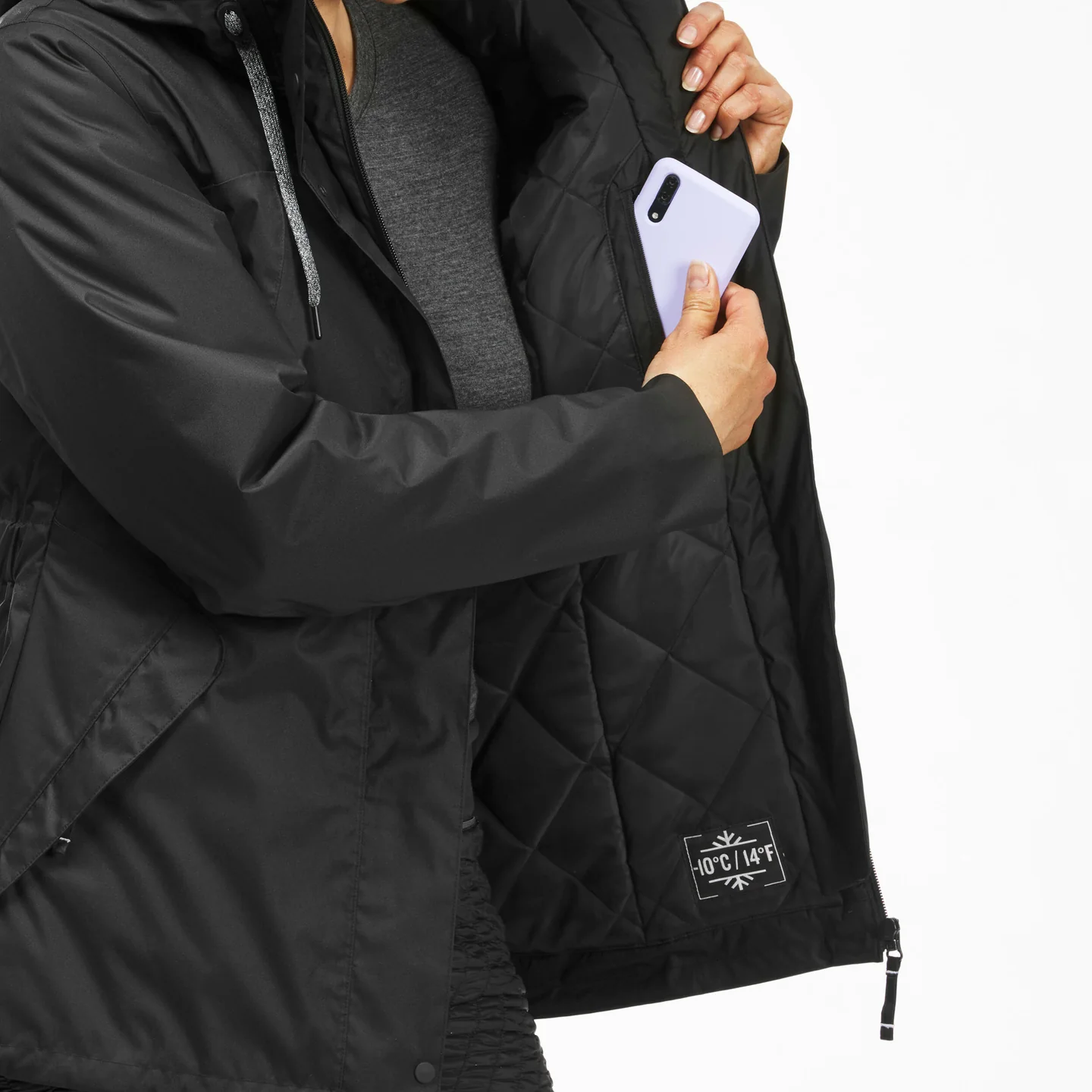
| Winter jacket | Decathlon women's NH 500 waterproof winter jacket | $60 |
| Winter boots | Decathlon women's SH 100, limited quantities | $55 |
| Base top | UNIQLO women's regular HEATTECH crew neck | $19.90 |
| Base bottoms | UNIQLO women's Extra Warm cashmere-blend leggings | $34.90 |
| Mid-layer | Decathlon women's MH 100 full-zip fleece | $25 |
| Warm socks | Decathlon SH 900 merino-blend hiking socks, two pairs | $30 |
| Gloves | Decathlon Ski 100 warm ski gloves | $18 |
| Hat | Decathlon Rider 500 cuffed ski hat | $12 |
| Neck warmer | Decathlon Tanka fleece neck warmer | $6 |
| Total | Before delivery | $260.80 |
At 13% HST, that example is $294.70 before delivery. Replacing the $60 jacket with the listed $140 NH 500 parka brings it to $385.10 with HST, before delivery.
This basket does not prove that either coat will keep you warm through every Toronto day. It also does not include a tested ice-grip upgrade, rain pants or clothes you already own. A planning budget of roughly $400 to $550 gives more room for footwear, fit and delivery. That range is our allowance, not a quoted store bundle.
Check the Decathlon winter coat range, fleece and jacket prices, winter accessories, winter camping clothing and UNIQLO women's HEATTECH range before ordering.
Pro: a real total exposes the cost beyond the coat. Con: limited sizes can break the cheapest version. Use the basket to compare, then buy the pieces that fit.
Choose the coat by fit, coverage and the trip
4. Try the coat over a sweater
Zip it fully. Reach forward as if holding a bus rail. Sit down, bend and put on your backpack. Your shoulders should move without pulling the front tight.
Check the sleeves with your arms raised. A coat that looks tidy while you stand still can leave a gap at the wrist when you carry groceries.
Pro: this catches a problem before you remove the tags. Con: roomy coats take more space in a bag. Choose useful movement over a perfect mirror pose.
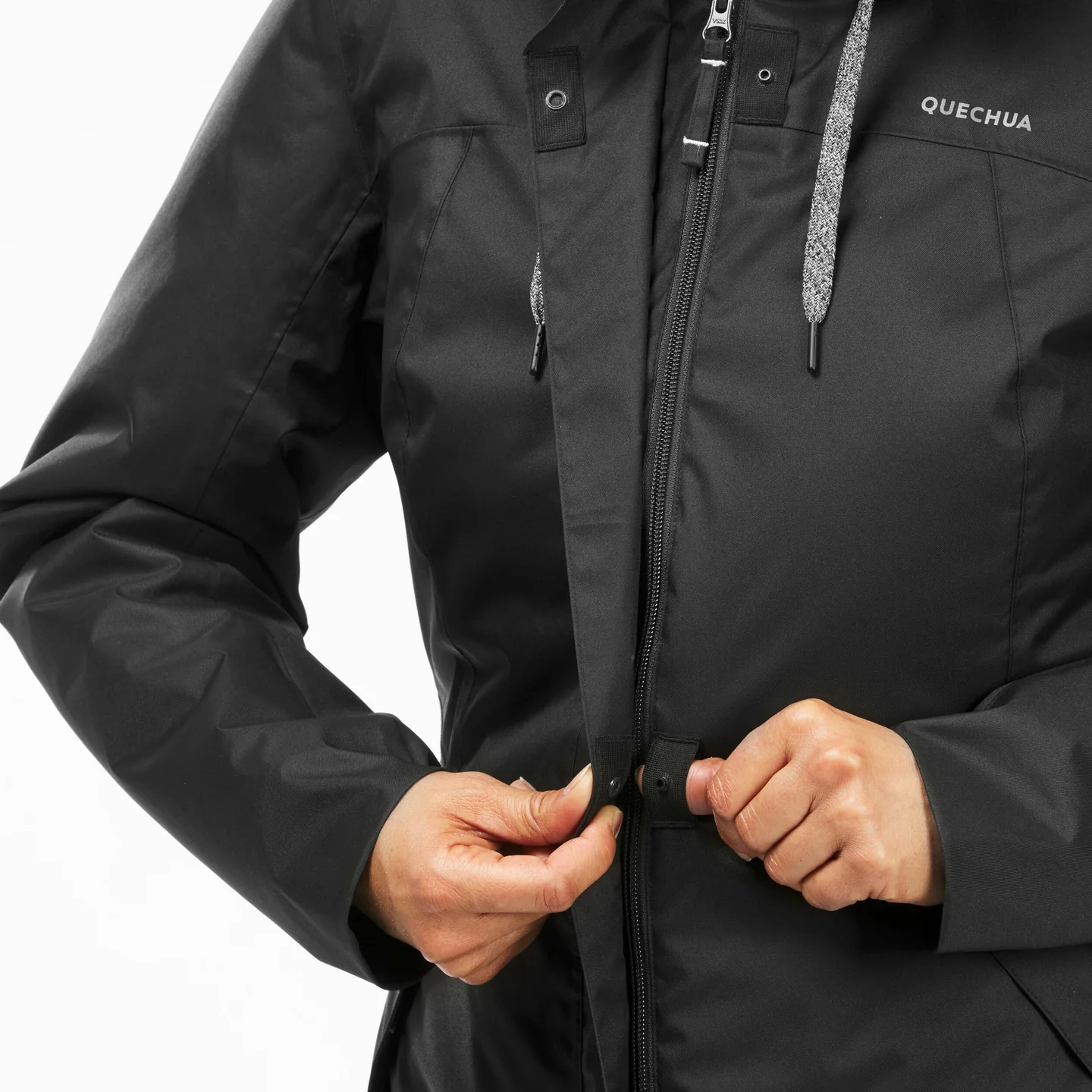
5. Pay for a good hood and covered gaps
Look at the hood, neck, cuffs and front fastening. Can you adjust them without taking off your gloves? Does the hood stay in place when you turn your head?
The NH 500 jacket has an adjustable hood, lined hand pockets and a flap over the zip. Those are useful features to compare at its $60 price. Its posted comfort figure is a maker's test claim, not a guarantee for you.
Pro: closing gaps helps the rest of the outfit work. Con: a badly shaped hood can block your view. Walk around in it before choosing it.
6. Choose a longer coat for standing, if it lets you move
A longer coat covers more of your legs and seat. We would start here for someone who gets cold at a bus stop. A shorter coat is easier to move in and pack.
Try sitting on a chair in the shop. If the hem or zip pulls hard, the length is not working for you. People who cycle, use a mobility aid or need to reach pockets while seated should test those movements too.
Pro: extra coverage without putting another layer under your trousers. Con: bulk and restricted movement. Choose length that helps your day.
7. Separate rain protection from insulation
Insulation holds warmth. The outer fabric deals with wind and wet weather. A puffy coat is not automatically waterproof, and a waterproof shell is not automatically warm.
For a wet walk, check the actual product description. Words such as water-resistant and water-repellent do not mean the same thing as a fully waterproof garment. Look at the seams as well as the fabric.
Pro: you avoid buying a warm-looking coat for the wrong weather. Con: a protective shell can feel clammy when you work hard. Choose a system you can open or remove indoors.
Build layers you can take off
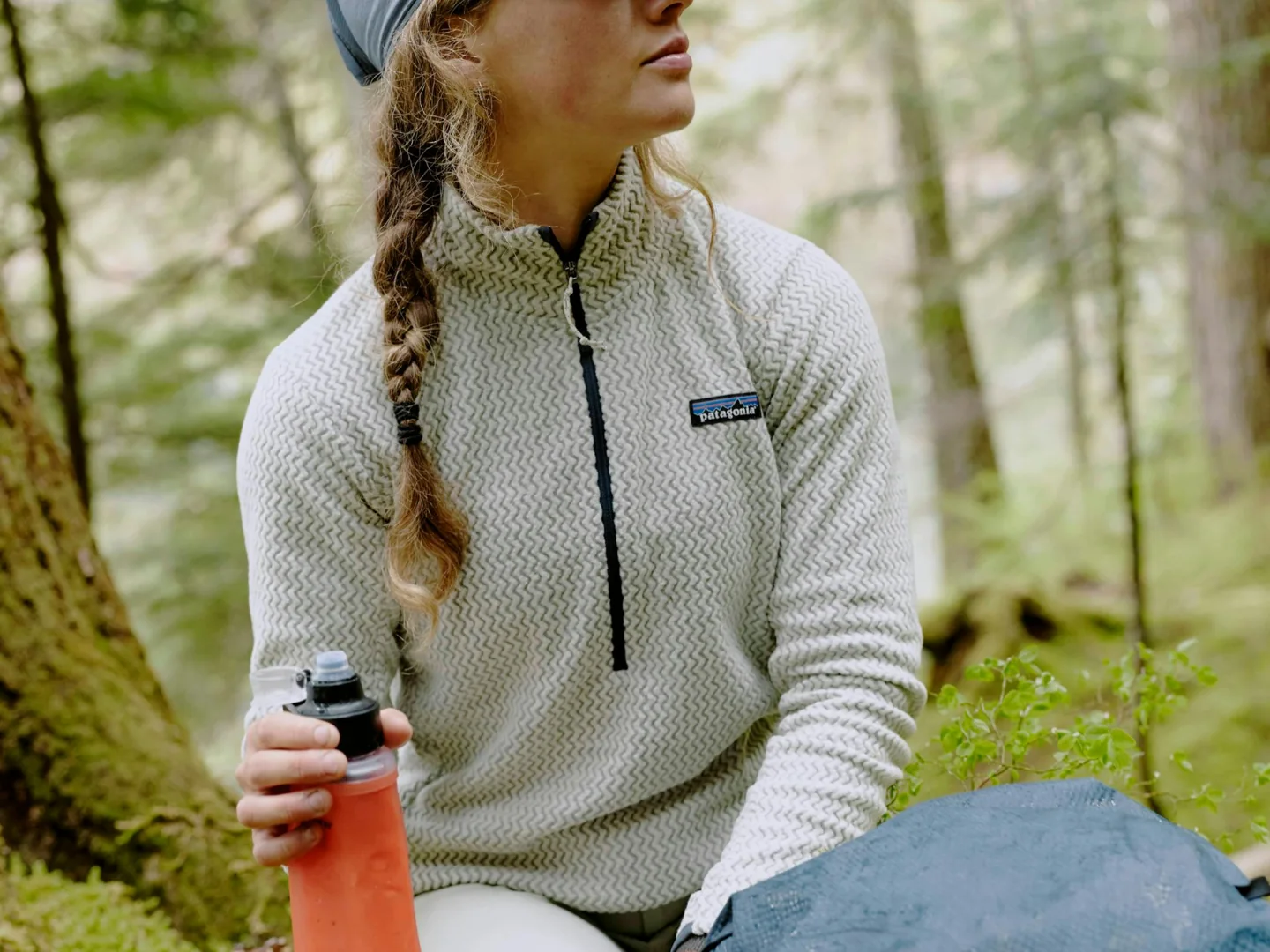
The City's cold-weather advice supports layers, dry clothing and protection from wind and water. You don't need a complicated outdoor wardrobe to use that idea.
8. Start with one base layer
A base layer is the thin layer next to your skin. Try one before buying a week's supply. Wear it under the clothes you actually use for class or work.
For a sweaty outdoor activity, look for a suitable wool or synthetic fabric. CCOHS explains why wet cotton is a poor choice in the cold. That does not mean you must throw away every cotton shirt you wear indoors.
Pro: a thin layer adds warmth without much bulk. Con: you may be stuck wearing it in a hot classroom. Start with a light version for mixed indoor and outdoor days.
9. Reuse a sweater or fleece you already own
The middle layer adds warmth. A working fleece or sweater in your cupboard is a better first choice than a new item bought only because it says winter.
Zip-up styles make small changes easier. You can open the front on the train and close it before leaving the station. The $25 fleece in our basket is a comparison point, not a required purchase.
Pro: this is an easy place to spend nothing. Con: a very thick sweater can make a coat too tight. Try the two together.
10. Add thermal bottoms for the days that need them
Your legs can feel cold even when your torso is warm. Thin leggings or long underwear help under loose trousers. Tight jeans may leave little room.
The warmest thermal range is not automatically best for someone sitting in a heated classroom all afternoon. UNIQLO lists regular, Extra Warm and Ultra Warm products at different prices. Some sizes, colours and new arrivals have different availability.
Pro: useful on a longer outdoor day. Con: harder to remove than a coat. Buy one pair, test the fit and save the thickest version for a clear need.
11. Plan a dry change for the gym
Bring gym shoes and a dry top. If your workout leaves your clothes damp, change before the trip home. Put wet items in a separate bag so they do not soak the rest of your kit.
Warm trousers that go over your gym clothes can be simpler than wearing thick thermals through the whole workout. Check that you can take them off easily at the gym.
Pro: you use ordinary clothes you may already own. Con: more to carry. Choose a dry trip home over the smallest possible gym bag.
Buy boots for water, fit and walking
12. Check waterproofing on the exact boot
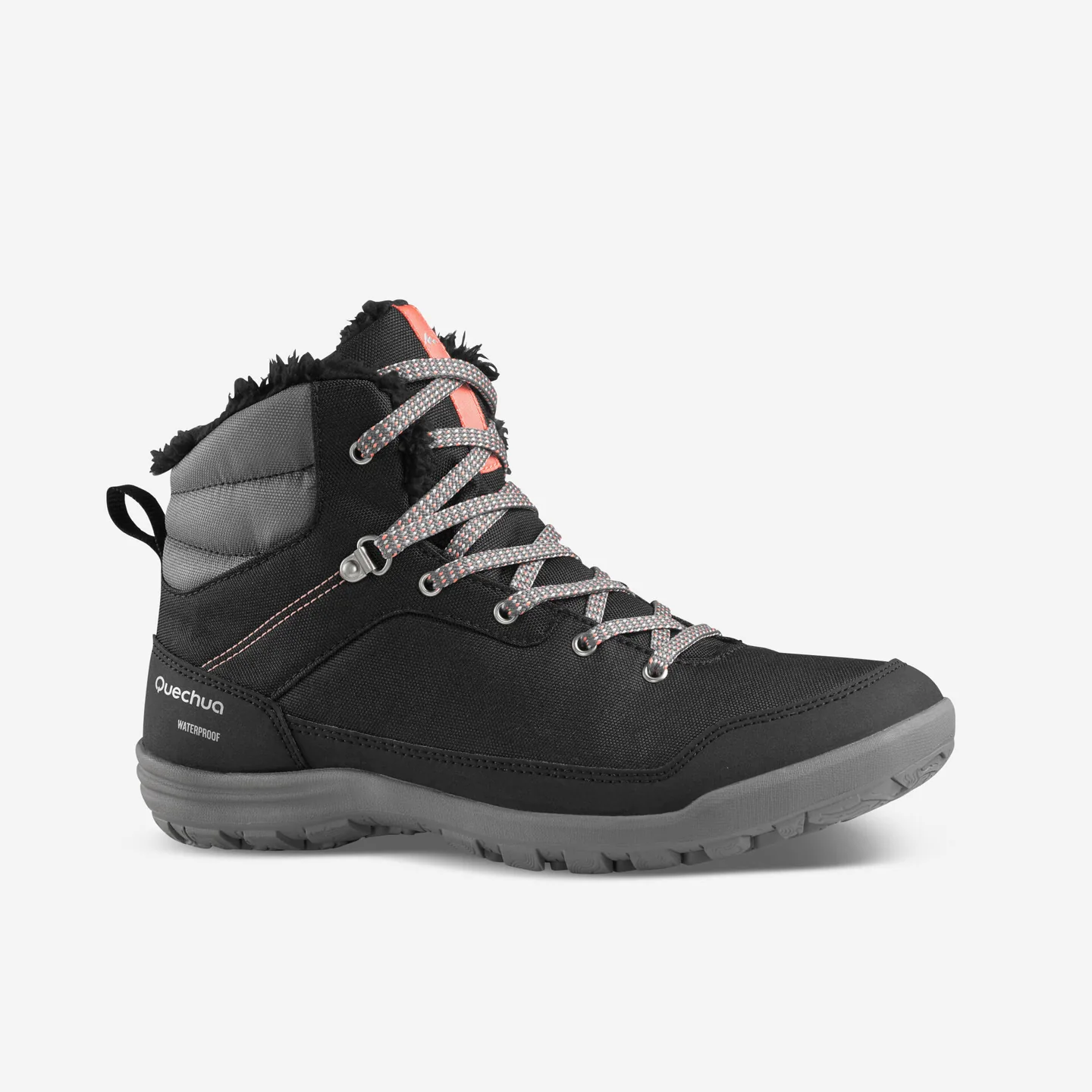
A puddle at the curb can be the weak point in an otherwise warm outfit. Check the upper, seams, tongue and fastening. A low opening can let water in even when the material is waterproof.
The SH 100 boot is a $55 waterproof example with a snow-focused sole. Its page showed limited quantities when checked. We would not treat that sole description as proof of good grip on wet ice.
Pro: dry feet make a long commute easier. Con: warm waterproof boots can feel too hot indoors. If possible, keep indoor shoes at work or in your locker.
13. Fit the boot with your actual winter sock
Try both boots. Walk, turn and use the shop's fitting ramp if one is available. Your toes need room, but your heel should not slide around so much that walking feels loose.
Bring any orthotic you normally use. Don't blindly buy one size larger because someone else did. Boot shapes, widths and size systems differ.
Pro: a fit check catches pressure and slipping. Con: online-only prices make this harder. If you need ankle or foot support, ask a qualified professional about your own needs rather than relying on a brand name.
14. Buy spare socks before a second fashion boot
Keep a dry pair in your bag on a wet day. Choose a thickness that fits inside the boot. Two thick pairs squeezed into a tight shoe are not a clever substitute for a good fit.
Check the fibre mix and washing instructions. A merino blend is not necessarily pure wool. A sock you can wash, dry and wear often is more useful than an expensive pair you save for special occasions.
Pro: a small purchase can rescue the journey home. Con: thicker socks need space. Start with two usable pairs and a place to dry them.
Ice grip needs its own check
15. Use model-specific boot ratings
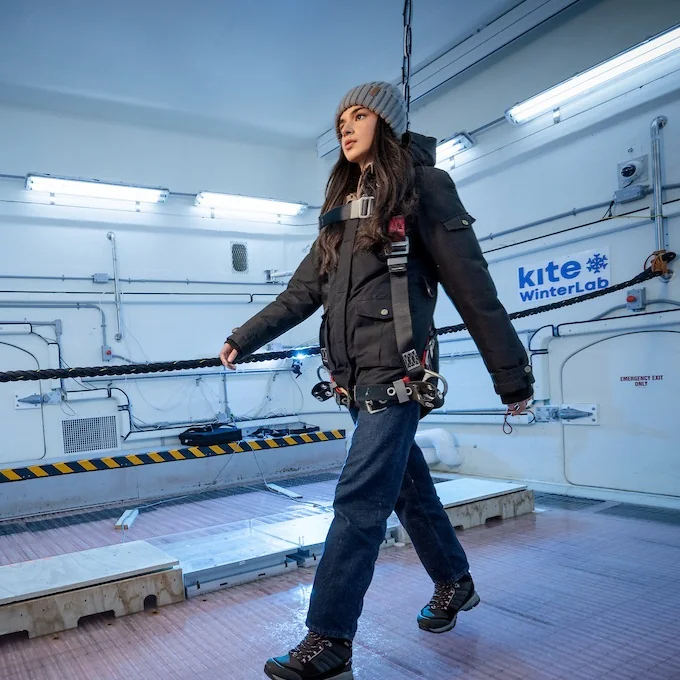
UHN's Rate My Treads is more useful for ice grip than a claim that a whole brand is good. It tests particular footwear, not every boot the company makes.
For example, the posted table gives the women's Keen Revel IV Polar Boot an MAA score of 10. It lists the women's UGG Adirondack III at 2 and the women's Sorel Tivoli IV Parc at 0. These are the site's test results, not our ratings. They do not rank warmth, comfort or every newer version.
MAA means the steepest test slope reached under the method. The test explanation describes wet and cold ice, both walking directions and the lowest result across participants. Match the model name and number before using a result to shop.
Pro: evidence beats judging a sole by its chunky look. Con: not every current boot has been tested. Prefer a suitable model with useful test evidence when ice grip is your main concern.
16. Consider ice grips, then learn when to remove them
Removable grips can be useful for icy sections of a walk. Check that they fit the boots you own and that you can put them on without a struggle.
Read the instructions for the exact product. ICETRAX warns that most of its studded models are for packed snow and ice, with different rules for certain transition designs. Exposed studs can be a problem on smooth indoor floors. Carry a bag for them and remove or change them as directed before going inside.
Pro: an extra option for an icy route. Con: another thing to handle at a station or shop door. They do not make an icy path risk-free. Change the route when conditions are poor.
Small items and smart timing
17. Cover your ears, hands and neck
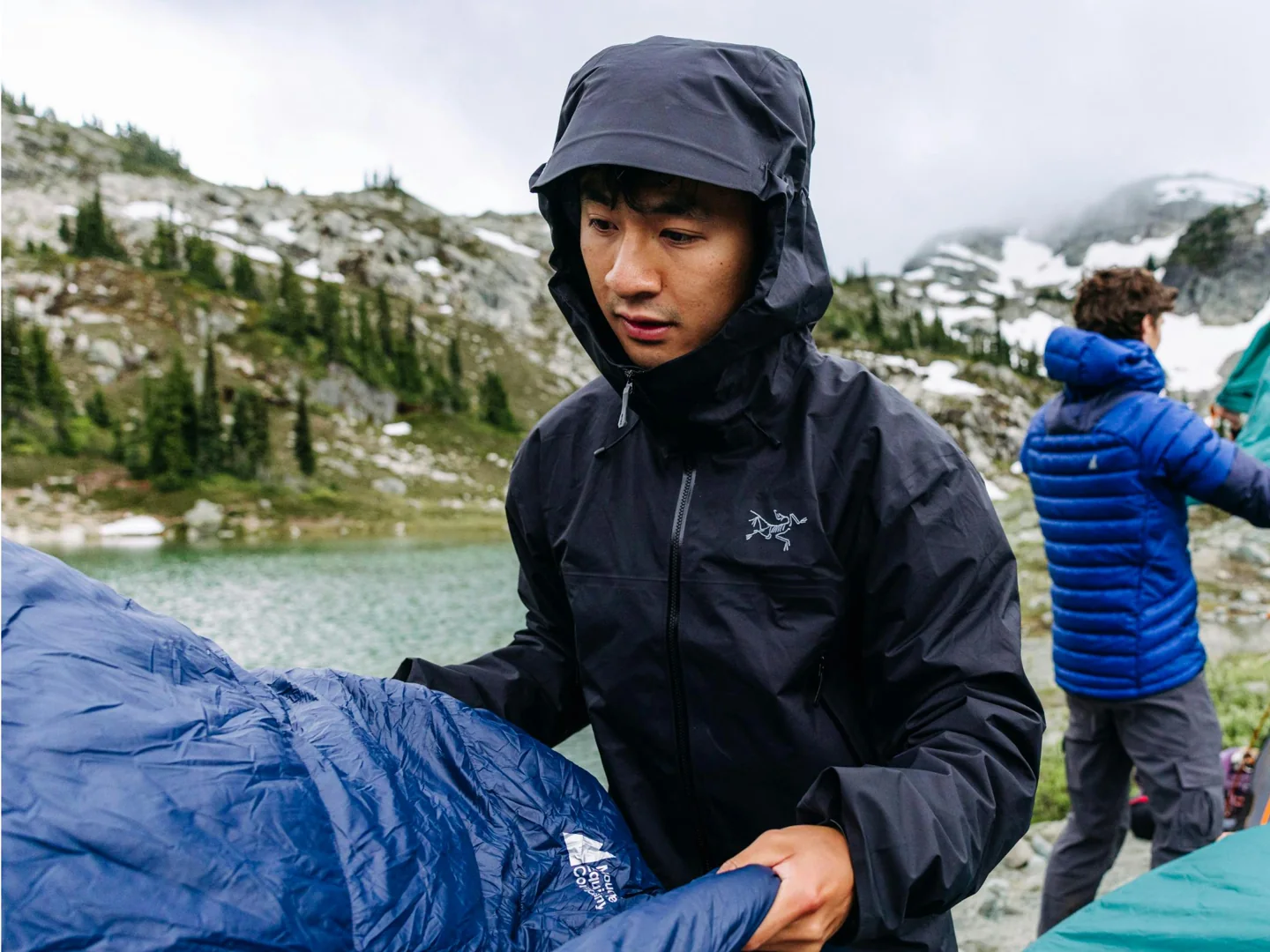
Buy a hat that covers your ears and hand protection that works with your coat sleeves. Try opening your bag and holding your phone with it on. A neck warmer is easier to tuck away than a very long scarf.
Cheap fleece is useful, but check its limits. The $6 Tanka neck warmer is listed as not windproof. A liner glove is not the same thing as an insulated outer glove or mitt.
Pro: these pieces cost less than replacing the coat. Con: thin accessories can disappoint in wind or wet weather. Choose coverage first and add stronger hand protection if your waits are long.
18. Wait on duplicates, luxury labels and specialist gear
You do not need two expensive parkas on arrival. You also do not need ski pants just to attend an indoor lecture. Buy specialist gear once you know the activity, time outdoors and conditions.
For used clothing, check zips, seams, lining, smells, washing needs and return terms. A used boot with a worn sole is not a bargain just because the same model once did well in a test.
Old sales are another trap. A past email coupon or a screenshot of a low price does not prove the deal works today. Compare the delivered total and the return rules.
Pro: you keep money for the pieces that matter. Con: waiting can reduce choice. Buy enough for the weather now, then add only what your day is missing.
Two useful downtown places to try things on
19. Start at MEC for a multi-brand boot comparison
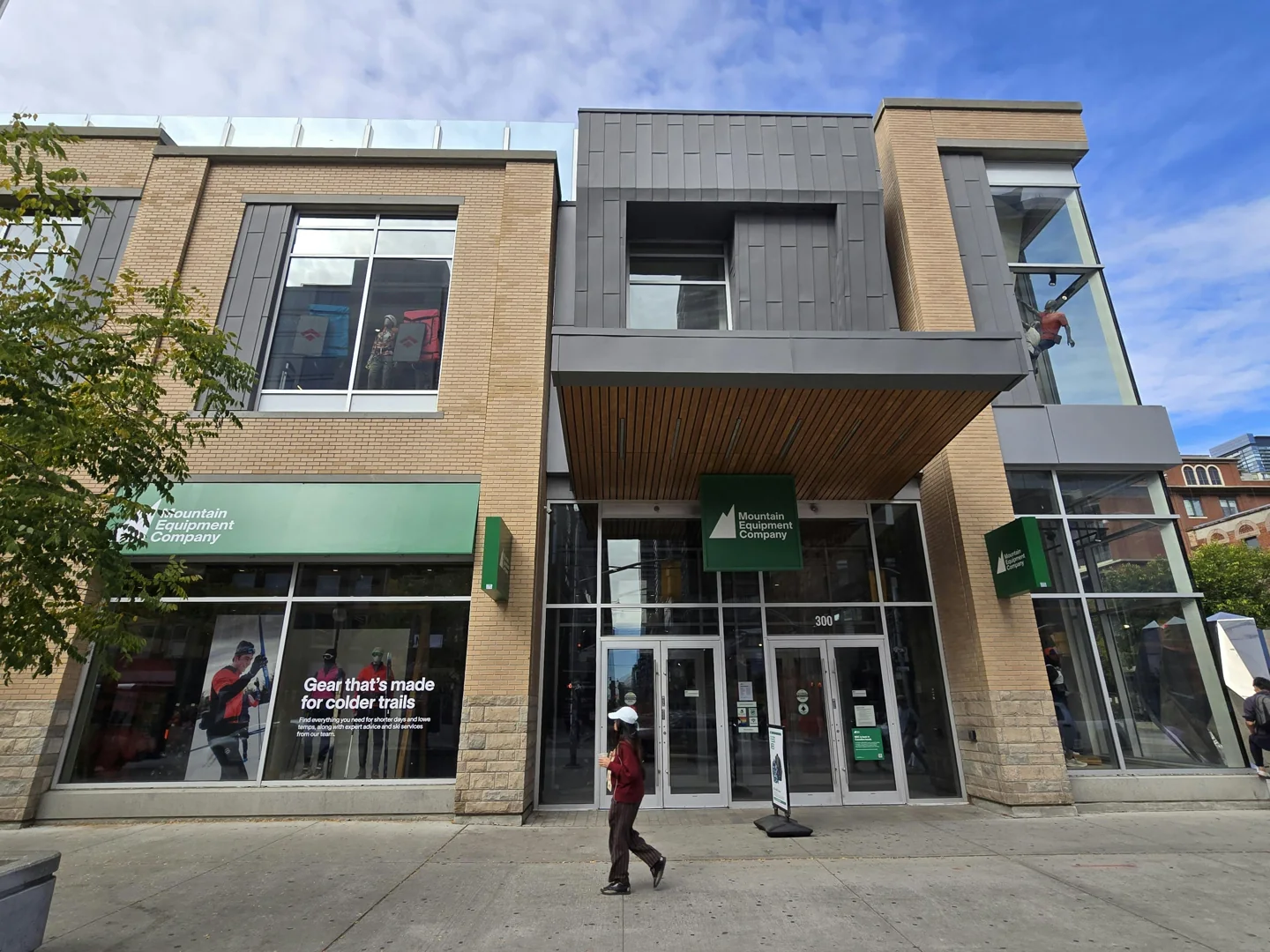
Address: 300 Queen Street West, near John Street. Check the Toronto store page before travelling.
MEC is our better first stop when boot fit is the hard part. Its footwear range lets you compare different brands in one visit. Bring your socks, explain how much you walk and ask for suitable ice-grip options in your size.
Pros: several outdoor brands, a physical fitting visit and a central Queen West location. Cons: many choices cost more than a basic online boot. A product listed online is not proof that this shop has your size.
The store's current page shows it closed on Monday, September 7. It also says in-store gear repairs are paused. Don't bring a broken coat expecting an on-the-spot repair.
For transit, use Osgoode station and walk west along Queen, or check the current Queen streetcar service. If step-free access is essential, check the TTC elevator status and confirm any shop access needs before leaving.
Choose MEC for comparison and fit. Don't buy an expensive boot just because you made the trip.
20. Use UNIQLO Eaton Centre to compare thinner layers
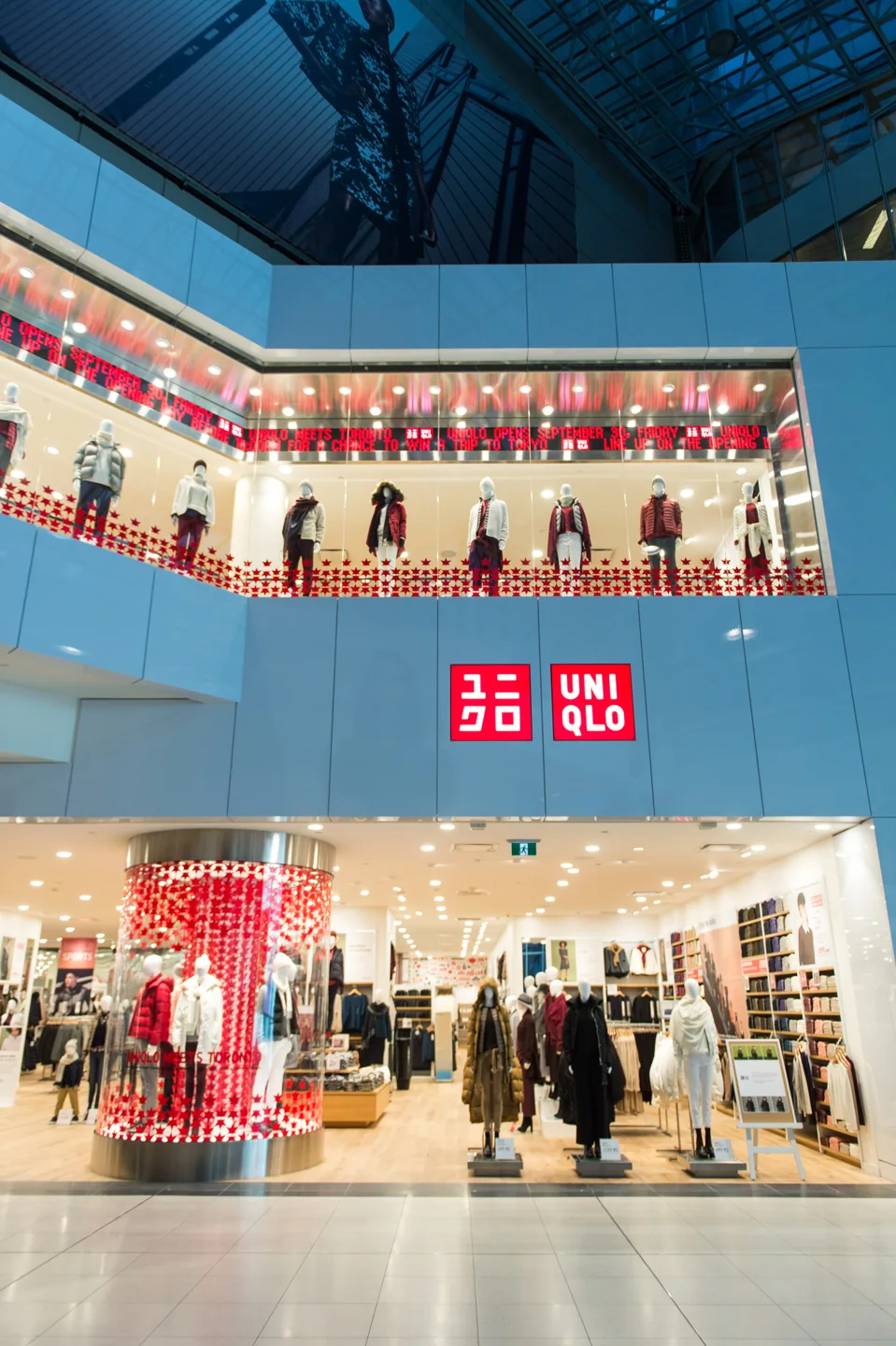
Address: CF Toronto Eaton Centre, 220 Yonge Street. The official store listing has current hours and services.
UNIQLO is our more useful stop for comparing thin thermal layers and everyday clothes. Look at the fabric and feel the thickness. Buy a single base layer first if you do not know how warm your classroom or office will be.
Pros: a broad size and clothing range online, central mall access and several levels of thermal warmth. Cons: the exact size or colour may be online-only or unavailable. The store says it does not hold items. Heat-generating marketing is not a promise that one shirt replaces a winter coat.
The store lists Labour Day, September 7, and Thanksgiving, October 12, hours of 11 a.m. to 7 p.m. Regular hours differ. Check the listing again for your date.
Use the Eaton Centre's north end from the Dundas station area, or the mall from Queen station. Check station elevators and the mall directory if you need a step-free route to the shop.
Choose UNIQLO for layers. Keep the larger part of a tight budget for a coat and footwear that fit.
Decathlon is an online comparison in this guide. Its official GTA closure notice names Brampton, Burlington, Markham, Scarborough and Vaughan. Use the current store locator before planning any visit. Old lists of GTA stores are not a shopping route.
Once the clothes are sorted, plan a short outing. Our guide to Toronto Island in winter explains why the season changes the trip. For a poor-weather day, choose from indoor things to do in Toronto. If you work late, read about TTC travel after the subway closes before choosing your way home.
Frequently asked questions
How much should I budget for my first Toronto winter clothes?
Our example basket totals $294.70 with HST before delivery, but it uses a limited-stock boot and a basic jacket. A planning allowance of about $400 to $550 gives more room for fit, footwear and warmer extras. Reuse suitable clothes you own and spend more if your work or commute keeps you outside for long periods.
Do I need Canada Goose for Toronto winter?
No. The brand name is not a requirement. Compare warmth, coverage, wet-weather protection, fit and the full cost, then choose something suited to your time outdoors.
Are waterproof boots enough for winter?
Waterproofing deals with wet conditions. It does not prove warmth, support or ice grip. Check each of those separately and try the boots with the socks you will wear.
Are snow boots with deep treads good on ice?
Not automatically. Snow traction and ice grip are different questions. Look for a test of the exact model, such as the results at Rate My Treads, and remember that worn soles and changing conditions affect use.
Should I buy all my winter clothes before arriving in Toronto?
Bring enough suitable clothing for your arrival weather. Leave room to try the larger purchases locally when possible, especially boots. Don't rely on being able to find your size at the cheapest online price on the day you arrive.
Can I wait until Black Friday to buy a coat?
Only if you already have suitable clothing for the weather before then. A future sale is not guaranteed and popular sizes can sell out. Buy what you need for current conditions and wait on optional duplicates.
Do I need thermal underwear every day?
No single rule fits every person or trip. Thin base layers help on some outdoor days but can feel too warm during a long indoor day. Start with one set and change the outfit based on the forecast, activity and your own comfort.
How should I dress for the gym in winter?
Wear suitable outdoor layers for the trip and change into gym shoes inside. Bring dry clothes for the journey home if the workout makes your kit damp. Loose outer trousers can be easier to remove than thick thermals worn throughout the workout.