


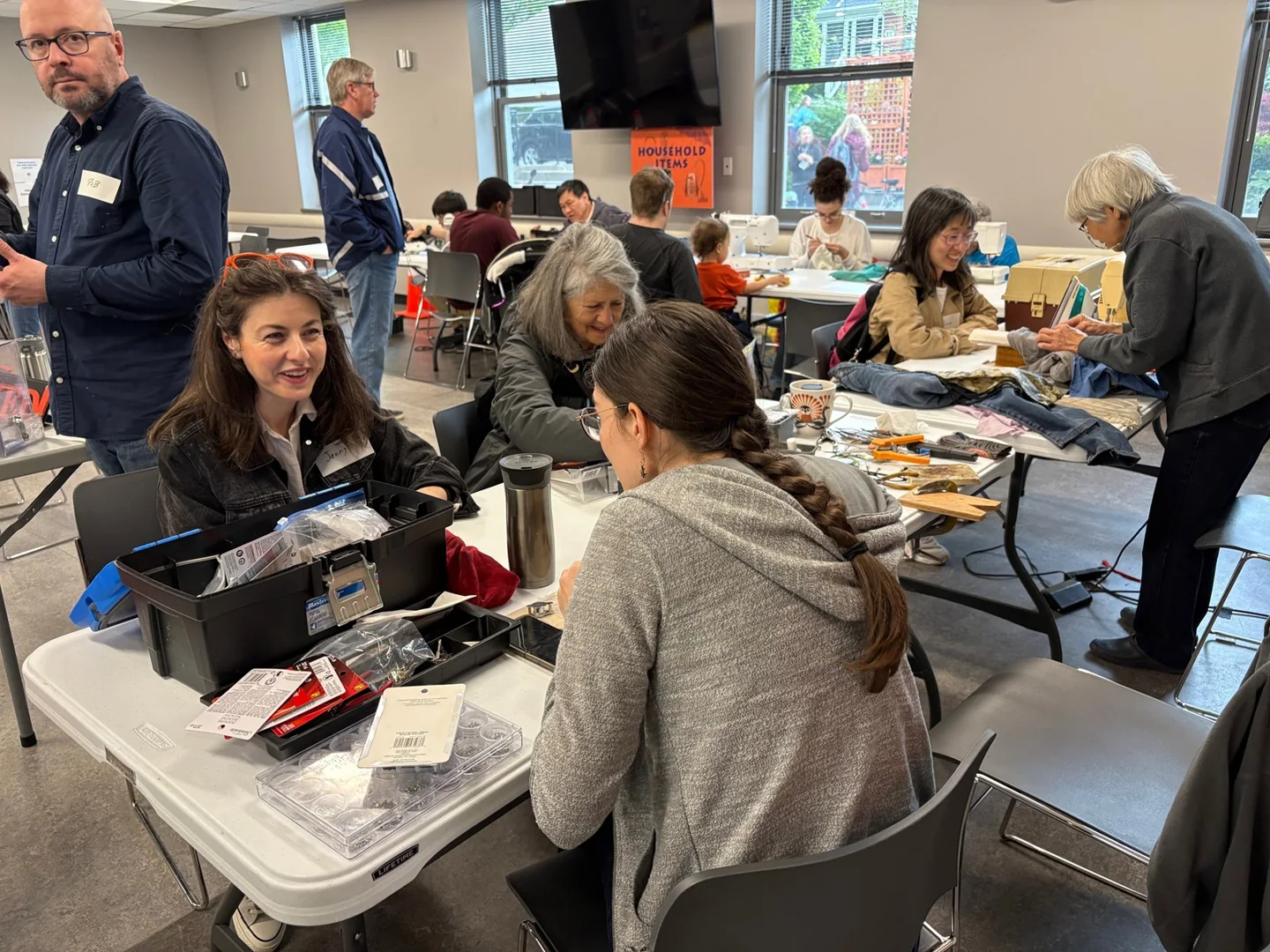
Try Repair Café Toronto first for a small, non-urgent repair that you want to understand. Volunteers help with household items, and the labour is free. It is a practical way to give a lamp, a worn piece of clothing or a small appliance another chance.
Use a paid shop when you need a firm deadline, warranty work or a repair that needs specialist equipment. The main limit at a Repair Café is that a successful repair isn't guaranteed. Parts and the right volunteer also need to be available.
The details below were checked on September 20, 2026.
In this guide
What is a Repair Café?
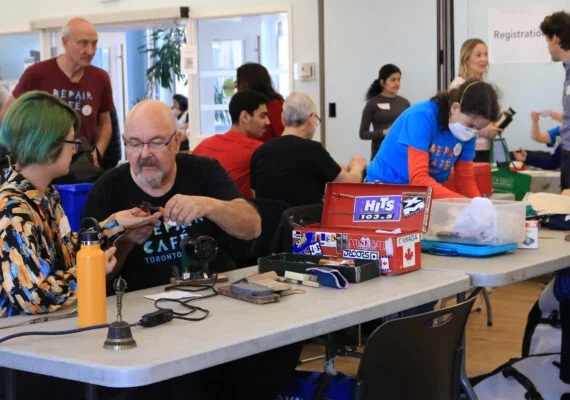
It is a community repair event. You bring a broken item and work with a volunteer, or watch and learn as they investigate the problem. It isn't simply a counter where you leave a bag of broken things for someone else.
Toronto's first event took place in May 2013. Events now take place through different community hosts. Use the current calendar rather than assuming an old location is still a permanent drop-off point. About Repair Café Toronto.
What should you bring?
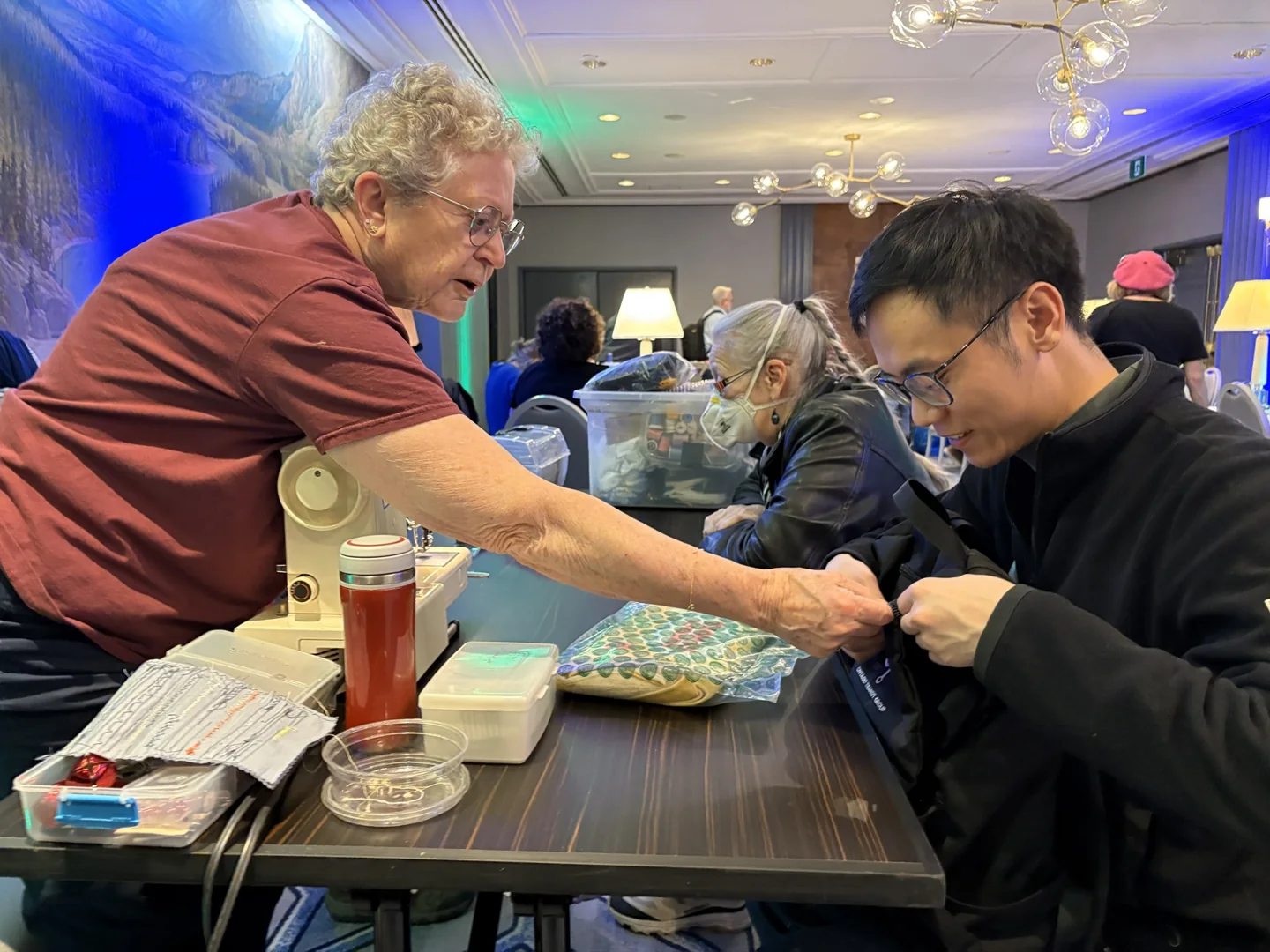
Small appliances, lamps, electronics, computers, clothes, jewellery, books and toys are useful starting points. The available skills depend on the event. Clothing work is focused on repair, so choose a tailor for a redesign or fit alteration. The visitor guide explains the usual scope.
A hair straightener with a failed button, a stuck DVD tray and a lamp needing a part are examples people have brought for help. They are possible repair jobs, not promises that your model will be fixed. Describe the symptom rather than arriving convinced that a particular part is the problem.
Check the exclusions before hauling something across town
The current house rules allow volunteers to reject dirty or hazardous items, gas-powered or refrigeration equipment, jobs needing welding, and equipment using more than 120 volts of alternating-current power. Mobile phones, cameras and devices managed by an employer are also on the rejection list.
Heating devices made before 1994 must not be opened at these events. Safety switches and fuses won't be bypassed. If the age or condition is uncertain, describe it to the organizer first.
Our advice: take one manageable item that isn't needed urgently. Keep large appliances, valuable data-recovery jobs and complicated restoration projects for the right specialist.
How to find the next event


The official Repair Café calendar is the best starting point. Open the individual listing. Some smaller events cover only certain repair types, and their arrival rules can differ from the general guide.
The calendar was checked again on September 20, 2026. Oakwood and Wexford below are recent examples whose dates have passed. Creative Reuse has a September 27 session listed. All times are Toronto time:
| Event | Date and time | Detail to know |
|---|---|---|
| Oakwood-Vaughan Community Hub, 529 Vaughan Road | Past: September 18, noon to 3 p.m. | Entrance on Winona Drive, door 9; ring the buzzer. |
| Wexford Mini Repair Café, 2021 Lawrence Avenue East | Past: September 19, 10 a.m. to 1 p.m. | Clothes, small appliances and jewellery; registration ends at 12:30 p.m. |
| Creative Reuse Toronto, 68 Abell Street | September 27, noon to 4 p.m. | Small appliances, home electronics, clothing, jewellery and small furniture; intake ends at 3 p.m. |
The calendar also lists events in Etobicoke, Scarborough and the east end. Pick the session whose skills match your item, then work out the trip. The closest event is no help if it only handles a different type of repair.
The general visitor guide says first come, first served, with registration closing an hour before the finish. Follow the individual listing when it gives a different cutoff or RSVP route. For example, CNIB's listing encourages advance RSVPs while allowing walk-ins. Don't arrive ten minutes before closing with your only chance of getting home.
More regular free repair options across Toronto
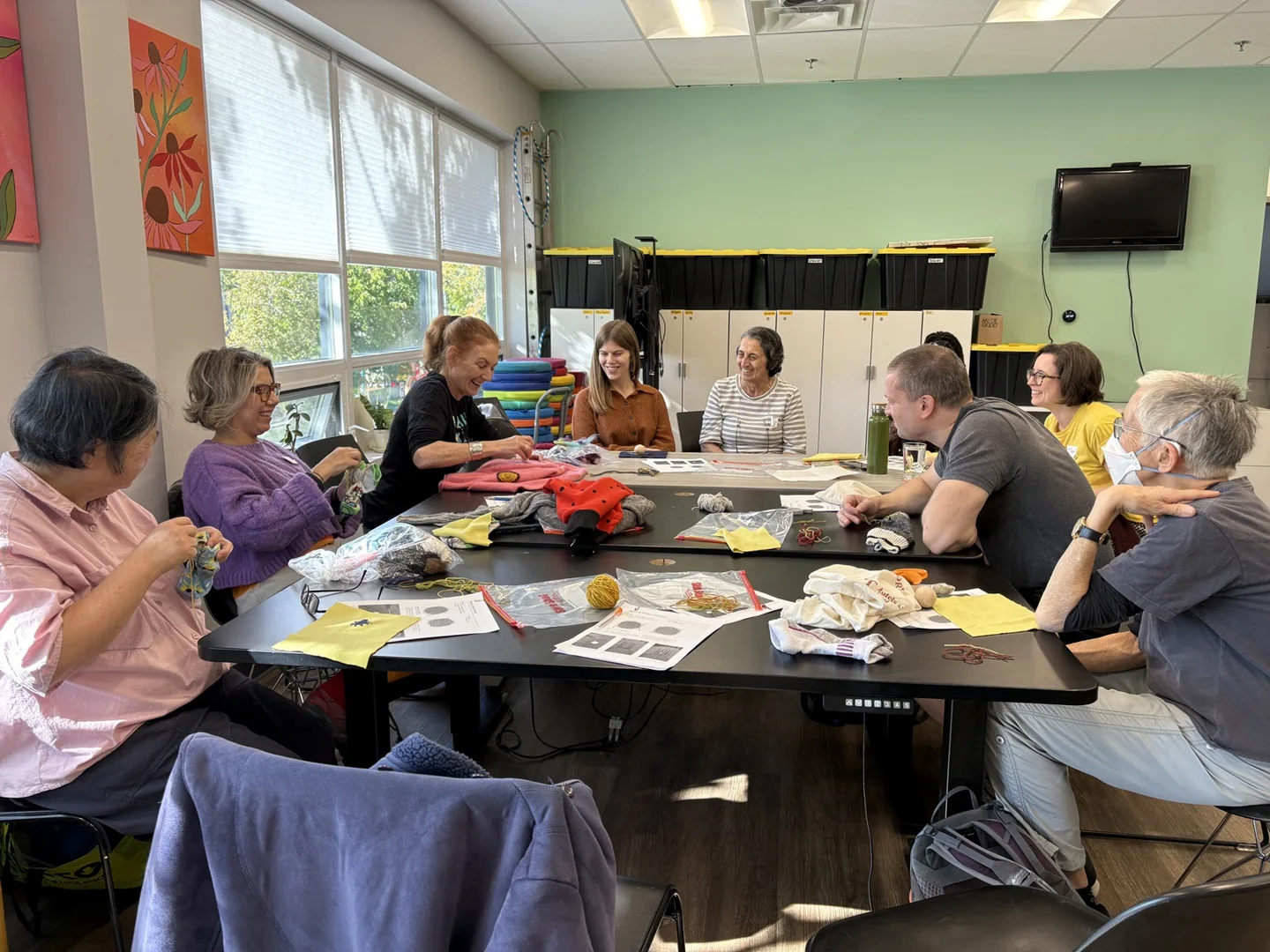
Repair Café events move between hosts. If the calendar does not fit your week, the City's Community Reduce and Reuse schedule lists recurring free programmes.
| What needs help | Place to check | Current schedule or booking rule |
|---|---|---|
| Clothes and basic sewing | Scadding Court, 707 Dundas Street West | Repair clinics Mondays, 3 to 4 p.m., or by appointment |
| Clothes, alterations or a sewing machine | Community Place Hub, 1765 Weston Road | Textile repairs Mondays and Tuesdays; sewing-machine service Fridays |
| Clothes and alterations in north Etobicoke | 2677 Kipling Avenue | Tuesdays and Thursdays, 10 a.m. to 3 p.m. |
| A sewing machine in Thorncliffe Park | 10 Gateway Boulevard | Tuesdays, 10 a.m. to noon, by appointment |
| Electronics, clothes, bikes, jewellery, computers or small furniture | The Corner, 240 Wellesley Street | Monday to Saturday by appointment or consultation |
| Small appliances or electronics in Rexdale | 2667 Kipling Avenue, unit B107 | U Fix It on Thursdays, 9 a.m. to 5 p.m. |
The same City schedule lists bike help at 15 Tobermory Drive, 3079 Danforth Avenue East, 3939 Lawrence Avenue East and 10 Gateway Boulevard. Some are do-it-yourself sessions and some require appointments. Read the current entry and contact the host before travelling with a bike.
These programmes are better than waiting for a general event when you know the item category and can use the recurring location. Repair Café remains the best first stop for a mixed event where you want to learn alongside a volunteer.
What to do before you go
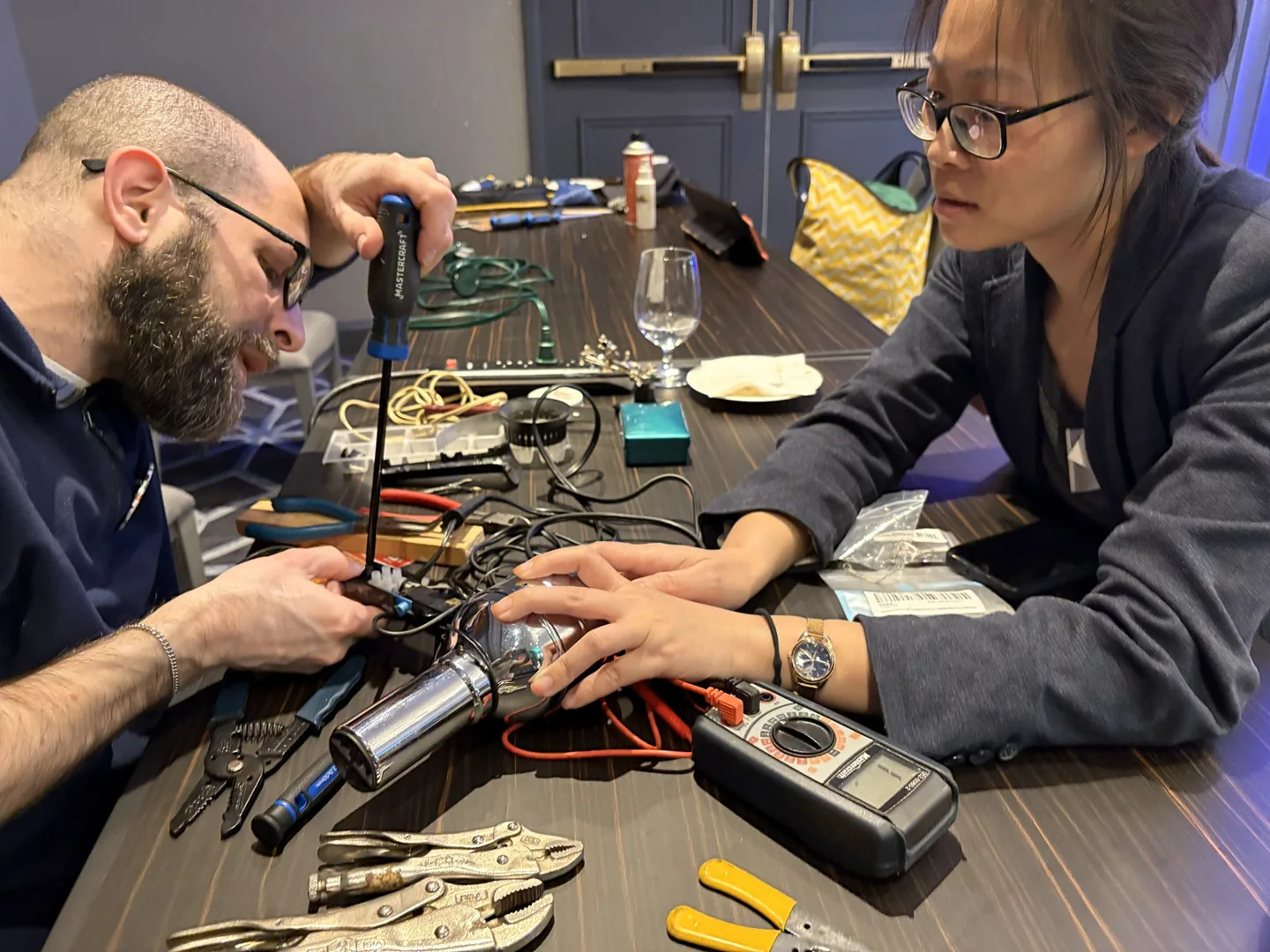
Clean the item. Bring its power adapter and any pieces that came loose, packed so they won't be lost. A photo of the model label helps when a number is hard to reach.
Write a short description of the problem: when it started, what still works and what happened just before it failed. “The button stopped responding” is more useful than “it's broken.” If the fault only happens sometimes, a short video can help show it.
For a computer, back up important files first. Bring the information needed to discuss the problem, but don't hand over an email or banking password. Stay involved in any device access.
Plan for one item to be examined. The house rules allow further items only if time permits. You must take away anything that can't be repaired. A repair event isn't an automatic recycling drop-off.
If a replacement part is needed, ask the fixer for the exact part details before buying one. New plugs, fuses or zippers aren't generally supplied. Buying a part on a guess can waste more money than the repair saves.
Pack for the queue, not just the repair
Bring the item in a box or bag you can hold while waiting. Keep screws, covers and loose pieces together. For a lamp, bring the bulb that was in it. For a small appliance, bring removable bowls, lids or safety parts when the machine will not run without them.
Do not bring every accessory if the problem can be shown without it. A stand mixer still needs its bowl or safety guard if the machine will not engage without them, but a broken toaster does not need a bag of bread.
Take photos before any disassembly. If the item has sentimental or resale value, say so before work begins. Volunteers need to know that a scratch, changed finish or non-original part would matter to you.
What counts as a useful outcome?
A same-day fix is the best result, but it is not the only useful one. A volunteer may identify a failed switch, show that a cord is unsafe, find a model-specific part number or explain that repair would cost more than replacement.
Ask for the diagnosis in plain language. Write down the part and tool needed. If the item is unsafe to use, mark it before packing it away so nobody at home plugs it in by mistake.
Is it really free?
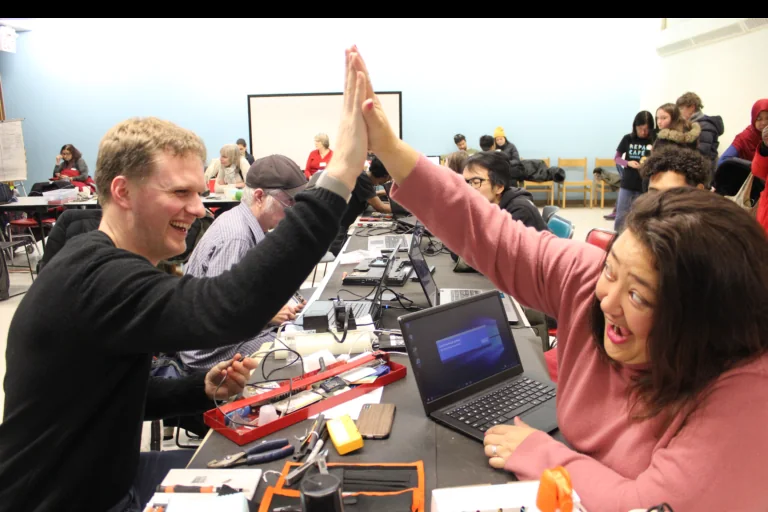
Volunteer labour is free. Cash donations are optional and help cover the programme's costs. There is no required $20 contribution, and a donation doesn't buy a successful repair. Bring a reusable cup if you want to join the social side of the event. Visitor information and donation guidance.
Arriving early improves your chances of joining the queue. It doesn't guarantee no wait. A volunteer also needs time to work safely and explain what they find.
Don't open an appliance that plugs into a wall socket on your kitchen table just because the fault sounds simple. Bring it intact and let the fixer explain the safe next step. A good outcome can be a repair, a clear parts list or an honest answer that further work isn't sensible.
When a paid repair makes more sense
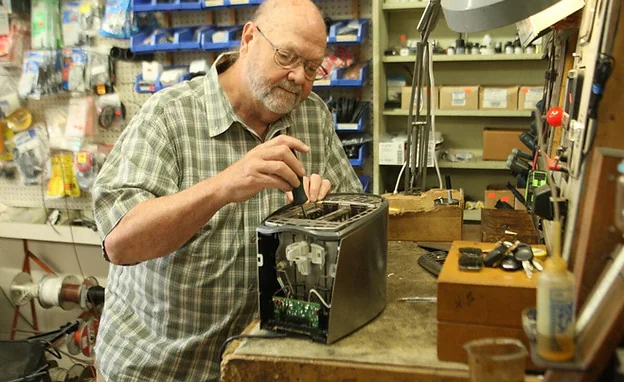
For a cheap fan, the labour and motor can cost more than replacing the whole item. For a sturdy fan you like, a repair quote can still be worthwhile. Compare the total cost, expected result and remaining life, rather than using purchase price as the only test.
Before approving paid work, ask about the inspection fee, parts, tax, labour and the maximum bill you authorize. Also ask what happens if the item can't be repaired.
Butler's Appliance Service is a useful paid alternative for small appliances and electric tools. Its site lists in-shop work at 249 Coxwell Avenue, with weekday hours and no weekend opening. Call 416-463-1164 with your model before travelling. The published hours are Monday to Thursday, 8:30 a.m. to 5 p.m., and Friday to 4 p.m. Butler's services and contact details.
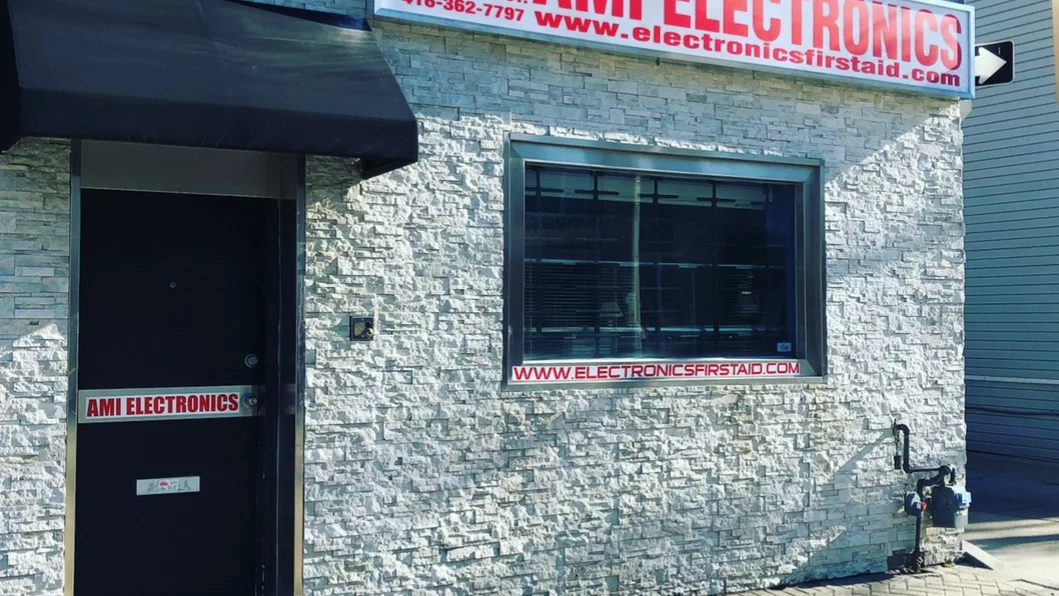
AMI Electronics lists electronics work at 379 Shuter Street and asks customers to call first for an appointment. Use 416-362-7797 to ask whether it handles your item. An old, second-hand $65 minimum-charge claim is unconfirmed as of September 15, 2026. The current site advertises an estimate; get your own written figure. AMI Electronics.
Neither shop is a free Repair Café. Choose one when its skills and quote fit the job, rather than assuming every business called “appliance repair” handles a small table fan.
Decide whether a paid repair is worth it
Use four questions:
- What is the total estimate? Include the inspection fee, parts, labour and tax.
- What happens if it cannot be fixed? Ask whether the inspection fee still applies.
- How old is the item? A durable machine with available parts can justify more work than a sealed, low-cost product.
- What does replacement really cost? Compare a like-for-like model, not the cheapest object that performs a similar job.
For an item under warranty, contact the maker or retailer first. An unauthorized repair can affect warranty coverage. For a recalled product, follow the recall instructions instead of asking a volunteer to make it usable.
Free Geek is useful, but it isn't a general repair shop
Free Geek Toronto is a separate non-profit at C3-180 Sudbury Street. Its August 2026 update says it offers basic checks to find computer problems for a pay-what-you-can donation. It also lists a $50 Linux Mint installation, HST included.
It explicitly says it does not offer general computer hardware repair, component replacement or Windows reinstallation. Choose it when you need help understanding a computer problem or discussing Linux Mint, the software that runs the computer. Don't take a broken component there expecting a repair counter. Free Geek's current service description.
It also accepts many types of unwanted technology for reuse and recycling. Its donation page excludes household appliances and motors. Published drop-off windows differ slightly between pages, so confirm before taking equipment over. Check accepted items and donation arrangements.
If an item can't be fixed or donated, use the City's Waste Wizard for that exact item. A metal body doesn't mean every electrical part belongs in a household recycling bin.
Frequently asked questions
Can I leave an item at a Repair Café and collect it later?
Plan to stay and take part. The normal experience is a shared repair session. Don't leave equipment behind unless the organizer has explicitly agreed to another arrangement.
Do I need to know how to repair things?
No. Learning is part of the point. Explain what went wrong, ask questions and let the fixer guide the work. Don't attempt an unfamiliar electrical repair first just to show that you tried.
Will the volunteers supply a replacement part?
Don't count on it. A diagnosis and an exact part specification can be the first useful outcome. Ask what is needed before spending money on a replacement.
Is a Repair Café the right place for a clothing alteration?
Choose a tailor when the goal is a new fit or a redesign. Repair Café's clothing focus is mending. Check the event's listed skills before bringing a garment.
Can Repair Café fix a bicycle?
It depends on the event's listed skills. The City's recurring bike hubs are a better first choice when the problem is clearly bicycle-related. Contact the host if the bike is not safe to ride there.
What if my item can't be repaired?
Ask what failed and whether further work or a specialist makes sense. Take the item home with you. Use an appropriate reuse or disposal route once you know the outcome.
Can I help without being an expert fixer?
Yes. Repair Café also seeks volunteers for event support and work behind the scenes. Read its volunteer information and offer the skills you actually have.