

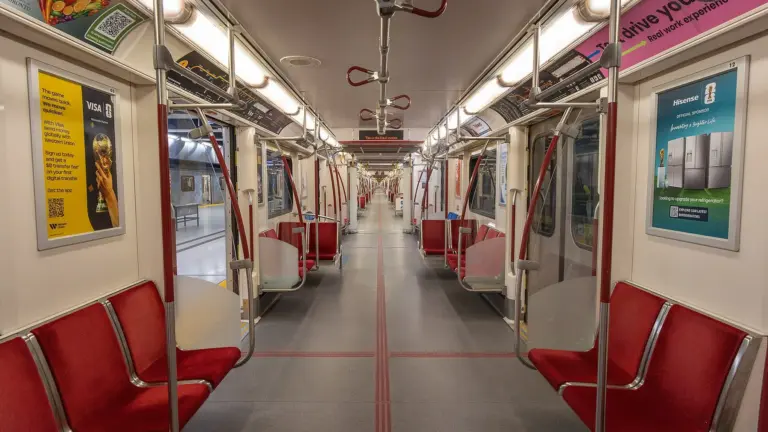

Toronto's subway looks small beside systems in New York, London, Paris, Seoul or Delhi. The map is not lying. Toronto spent decades extending a few long lines while relying on buses and streetcars to feed them. Projects were studied, changed, cancelled, revived and handed between governments.
Our verdict: Toronto should have built more rapid transit earlier. It also needs a fair comparison. The TTC is a bus-heavy network, GO rail covers regional trips, and Lines 5 and 6 add rail without being traditional subway everywhere. None of that excuses the missing downtown relief line, the unfinished Sheppard corridor or Scarborough's long wait for replacement rapid transit.
The best thing happening now is the Ontario Line because it adds a new route through downtown instead of stretching the same two lines farther. The main deal-breaker is timing. Construction underway is not service a rider can use today.
The short answer
Toronto's subway is small for six connected reasons:
- The city opened its first subway late, in 1954.
- It built a strong bus-and-streetcar feeder system instead of subway under every corridor.
- Metropolitan growth spread over a large, lower-density region.
- Governments funded projects in bursts instead of a steady program.
- Political changes repeatedly altered routes and technology.
- Modern tunnelling, stations, utilities and property work are slow and expensive.
No single mayor caused the whole problem. Many governments chose short-term announcements over a permanent building pipeline.
How small is the current subway?
The traditional TTC subway network has Lines 1, 2 and 4 with 70 stations. Line 1 forms the U-shaped Yonge-University route. Line 2 runs Bloor-Danforth. Line 4 is the short Sheppard line.
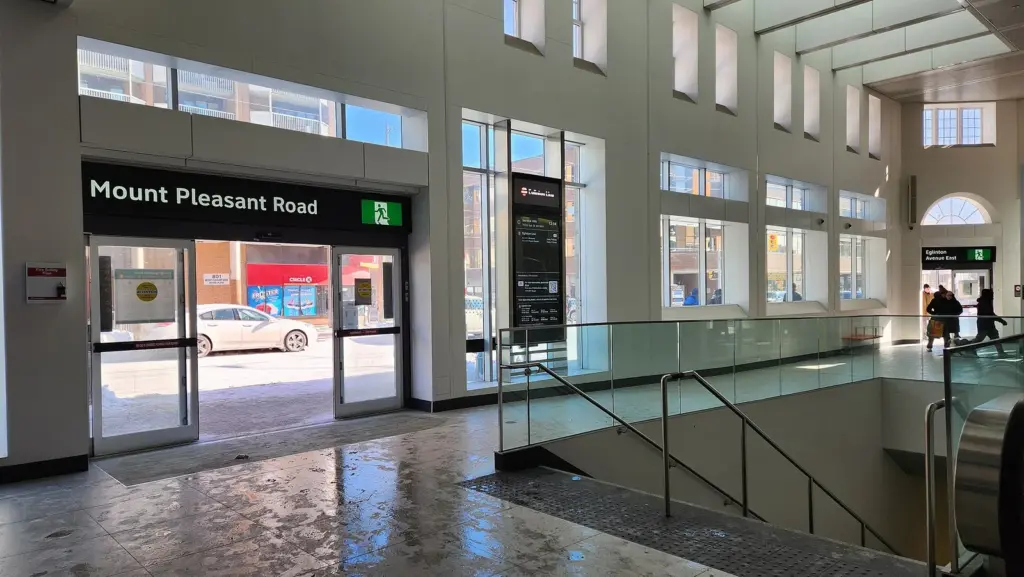
Line 3 Scarborough closed. Line 5 Eglinton began introductory service on February 8, 2026 with 25 stations and stops between Mount Dennis and Kennedy. Line 6 Finch West also adds modern light rail.
Calling all five active numbered lines "subway" overstates underground heavy rail. Calling only Lines 1, 2 and 4 "the TTC" ignores useful rapid transit. Define the comparison before counting.

Toronto started talking about a subway in 1910
City consultants recommended subway construction in 1910. Toronto did not have the money or political agreement. The idea was shelved for decades.
Canada's first subway finally opened under Yonge Street in 1954. London had opened an underground railway in the 1860s. New York's first subway opened in 1904.
Starting later matters. Older world cities accumulated routes before current construction standards, accessibility requirements, utility complexity and property costs.
That does not mean old building was easy or harmless. It means Toronto entered the race with fewer decades of track.
The system Toronto chose
Toronto built a "surface network feeds the subway" model. Frequent buses and streetcars carry riders from neighbourhoods to a smaller set of rapid corridors.
This approach can be efficient. A bus route can change, branch and serve lower-density streets without a billion-dollar tunnel. Toronto's broad frequent bus network is a real strength.
The weakness appears when too many feeder routes pour into one overloaded line. A delay at Bloor-Yonge or St. George affects trips from across the city because there are few parallel rail paths.
Toronto built a spine. It needed a network.
The Yonge line shaped everything
The original Yonge subway proved popular and extended north. The University branch and Bloor-Danforth line created the basic network shape still visible today.
Extensions to North York, Scarborough, Etobicoke, Downsview and Vaughan made the lines longer. They improved access but did not add many alternate paths through the centre.
A rider can travel far north or west on rail. A rider trying to move across the middle of the city often still feeds into Lines 1 or 2.
Why Line 4 Sheppard is so short
The Sheppard subway grew from decades of suburban-centre planning. Political and funding changes reduced the built project to five stations between Sheppard-Yonge and Don Mills.
The short line is useful for riders along that corridor. It also looks unfinished because it is. Transfer costs, limited reach and bus connections weaken its network role.
Calling it a complete failure is lazy. Pretending its current length fulfilled the original east-west idea is worse.
Our view: complete a strong eastward rapid-transit connection through Scarborough, but choose technology and alignment through evidence, not another slogan war.
The cancelled Eglinton subway scar
Toronto began work on an Eglinton West subway in the 1990s before the provincial government cancelled it. The project became a symbol of stop-start planning.
Decades later, Line 5 Eglinton serves a long version of the corridor using light rail, with underground and surface sections. It is valuable service. It also arrived after years of delay and is not the same heavy-rail subway once planned.
The lesson is not "always build a subway." The lesson is that cancelling work after spending time and money leaves the city with costs and no ride.
Scarborough lost a line before gaining its replacement
Line 3 used older technology and reached the end of practical life. It closed before the Line 2 Scarborough Subway Extension opened.
That created years of bus replacement and construction for Scarborough riders. The final extension will add modern subway service, but a future opening does not erase the current gap.
Toronto should never again wait until a line is failing before locking the replacement plan and transition.
The missing downtown relief line
Transit planners discussed a downtown relief route for decades. The need grew as Yonge ridership and development increased.
The Ontario Line is the current answer. Metrolinx describes a 15.6-kilometre route with 15 stations from Exhibition Place through downtown to Line 5 at Don Mills Road.
This is the right network move because it adds new downtown crossings and connections. The honest criticism is that riders needed the relief years ago.
Funding came in political packages
The best subway-building cities plan, fund and construct continuously. Toronto often waits for a federal, provincial and City agreement tied to one named project.
Elections can change priority. A surface LRT becomes a subway. A network becomes one extension. Design work repeats. Inflation grows while the project resets.
Every government can blame the one before it. The rider still stands on a shuttle bus.
Our recommendation: create a permanent regional rapid-transit capital program with published priorities, stable funding and independent benefit reporting.
Density matters, but it is not an excuse
Subways carry the most riders when many homes and jobs sit near stations. Toronto's postwar growth often spread through detached homes, industrial lands and wide roads.
That pattern makes a dense subway grid harder to justify everywhere. It does not explain why central corridors with strong demand waited so long.
The right answer is mixed technology: subway where capacity and network role demand it, LRT on strong medium-capacity corridors, dedicated bus lanes where they can work now, and regional rail for longer trips.
Putting a subway under every suburban avenue would waste money. Leaving every bus in traffic also wastes people's lives.
Construction is genuinely harder now
Modern stations need elevators, emergency exits, ventilation, fire systems, communications, utilities and accessible paths. Dense streets contain water pipes, sewers, cables and private buildings.
Labour and materials cost more. Public consultation, environmental review and Indigenous engagement add time but also catch real harm and design flaws.
These facts explain cost. They do not excuse weak procurement, unclear accountability or years without a credible public schedule.

Why comparing Toronto with Delhi can mislead
Delhi Metro began service much later and expanded rapidly. That achievement is real. The region also has a far larger population, different density, governance, construction costs and travel market.
A route-kilometre screenshot does not compare:
- metropolitan population and land area
- station spacing
- elevated versus underground construction
- labour and land cost
- regional rail counted separately
- opening year
- daily service frequency
- bus connections
- fare integration
- accessibility
Toronto still looks underbuilt after a fair comparison. The fair comparison tells us what to fix instead of only creating embarrassment.
Why the TTC map hides GO Transit
GO rail provides rapid regional travel on corridors that a visitor may expect to see on one metro map. Historically, separate fares and agencies made GO feel like a different product.
Ontario's One Fare program improved transfers among participating systems, but frequency and station spacing still differ from a subway. Many GO lines do not provide subway-like all-day intervals.
Count GO when comparing regional reach. Do not count it as a full substitute for a frequent urban line.
Does Line 5 make the subway big now?
Line 5 is a major improvement. It adds 25 stations and stops, connects to Lines 1 and 2, and links with GO and UP Express at Mount Dennis.
Its introductory service opened in 2026 after a notorious delay. Parts run on the surface. End-to-end travel and reliability need real operating evidence.
Our verdict: celebrate the service and measure it honestly. One long LRT line does not solve the missing network.
What Toronto is building
Four large provincial programs dominate current expansion:
- Ontario Line
- Scarborough Subway Extension
- Eglinton Crosstown West Extension
- Yonge North Subway Extension
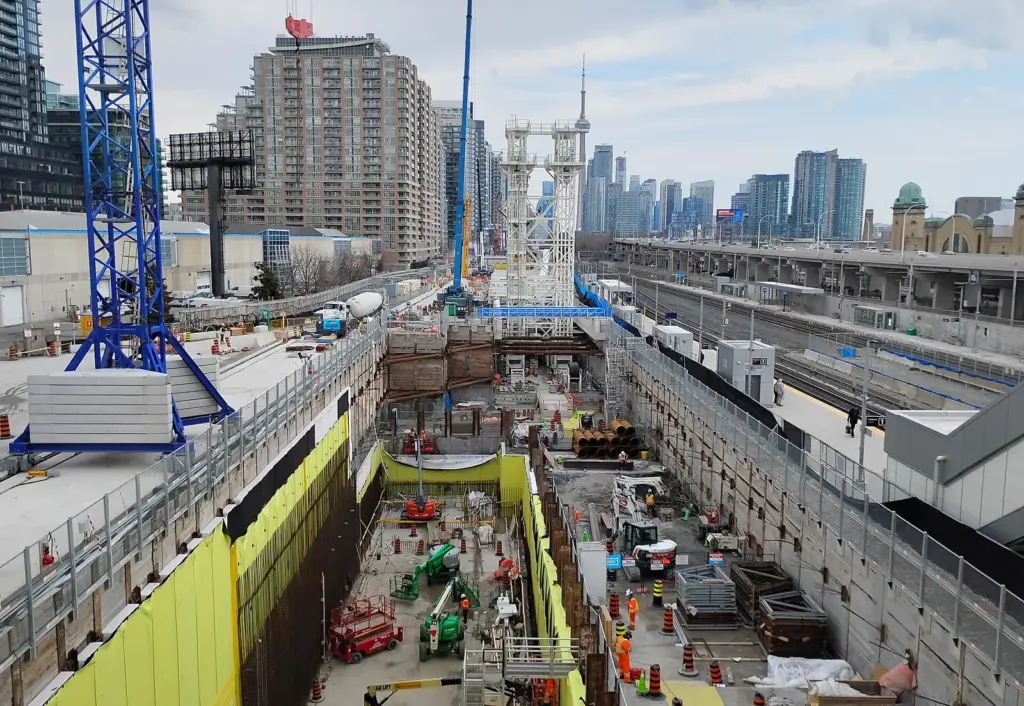
These can change the map. They also create years of construction and do not all open together.
Readers should separate "under construction" from "funded," "planned" and "open." A coloured future-map line cannot take you to work.
What Toronto should build next
1. Finish a true relief network
Open the Ontario Line and protect capacity for high frequency. Plan any further northern or western extensions through network need, not election geography.
2. Create stronger east-west rapid transit
Finish the current Eglinton and Scarborough projects. Build reliable service across corridors that currently feed overcrowded north-south lines.
3. Speed buses now
RapidTO lanes can save time years before a subway opens. They need camera enforcement, signal priority and continuous lanes, not scattered red paint.
4. Run GO more like urban rail where possible
More frequent all-day service, useful local connections and clear fare integration can turn existing rail corridors into stronger parts of the city network.
5. Stop changing technology for politics
Use transparent capacity, cost, constructability and land-use tests. Publish why one corridor gets subway, LRT or bus priority.
Why maintenance slows expansion too
Old lines need track, signal, station, power, vehicle and accessibility work. The TTC reported many weekend, early and overnight closures to complete state-of-good-repair projects.
A city cannot spend every dollar on new ribbon-cutting while the existing line fails. It also should not use maintenance as a reason to stop expanding.
Stable funding must cover both.
Our final answer
Toronto's subway is small because it started late, stretched a few lines, relied on buses, spread outward and let politics reset projects. Construction cost is only part of the answer.
The city now has serious expansion underway. Judge it by opened service, frequency and network connections, not tunnel announcements. The Ontario Line is the strongest current project because it changes the shape of the network. Toronto needs more projects that do that.
Keep exploring Toronto
- The best walkable GO Train day trips from Toronto
- Why Uber takes so long in Toronto and the best backups
- Toronto versus New York City as a place to live
Official pages to check
Prices, rules, hours and project details can change. Check these primary pages before you spend money or make a special trip:
- TTC, official opening dates
- City of Toronto, Canada's First Subway
- City of Toronto, Yonge northern extension history
- City of Toronto, Sheppard subway history
Frequently asked questions
How many subway stations does Toronto have?
The traditional TTC subway on Lines 1, 2 and 4 has 70 stations. Line 5 and Line 6 add LRT stations and stops, so totals differ depending on what a comparison counts.
When did Toronto's subway open?
The first Yonge subway opened in 1954. Toronto had discussed subway plans decades earlier.
Why is Line 4 Sheppard so short?
Longer Sheppard rapid-transit plans were reduced through political and funding decisions. The built line runs only between Sheppard-Yonge and Don Mills.
Is Line 5 Eglinton a subway?
It is an LRT line with underground and surface sections, not a traditional heavy-rail subway along its full route. It opened introductory service in February 2026 with 25 stations and stops.
What is the Ontario Line?
It is a new 15.6-kilometre, 15-station rapid-transit line planned from Exhibition through downtown to Don Mills and Eglinton. It is intended to add capacity and new connections.
Why not build subways everywhere?
Subways cost the most and suit the highest-capacity corridors. LRT, regional rail and dedicated buses can serve other routes faster and at lower cost when designed properly.
Does GO Transit count as Toronto rapid transit?
It counts for regional reach and some city trips. Its frequency, station spacing and history as a separate fare product mean it does not replace an urban subway grid.
Will Toronto's subway become much larger soon?
Several major projects are under construction, but opening dates and phases differ. Treat a line as usable only after service starts.