

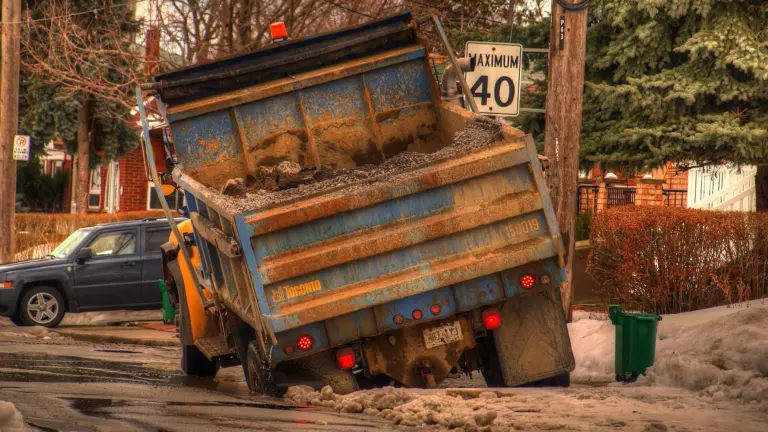

Call 311 when you need the City to fix, inspect, collect or report a specific non-emergency problem. Contact your councillor when a service request is stuck, several City divisions are passing responsibility, or you want a policy or budget decision changed.
Our verdict: start with 311 for a pothole, broken bench, missed garbage pickup, injured wild animal, damaged tree or property-standards complaint. Save the reference number. Escalate to the councillor only after the service deadline passes or the problem is larger than one work order.
The worst approach is emailing the mayor, councillor, 311, TTC and police in one angry message with no address, date or request. It creates five vague complaints instead of one trackable case.
The quick rule
| Need | First contact |
|---|---|
| Immediate danger, crime in progress, fire or medical emergency | 911 |
| Non-emergency City service or bylaw issue | 311 |
| Health, social or community service referral | 211 |
| TTC vehicle, operator, delay, station or route feedback | TTC Customer Service |
| Parking enforcement for an active illegally parked vehicle | Toronto Police Parking Enforcement contact route |
| Policy opinion, budget request or repeated City failure | Ward councillor |
| Provincial law or service | MPP or provincial ministry |
| Federal law, immigration or federal service | MP or federal department |
What 311 actually does
Toronto 311 operates 24 hours a day, seven days a week and offers help in more than 180 languages. It creates service requests, supplies City information and lets you track many cases.
Anyone inside Toronto can call 311. From outside the city, call 416-392-2489. TTY users can use 711.
The reference number matters. Treat it like a password. The City says it cannot replace a lost number or reveal private request details without it.

What a councillor's office actually does
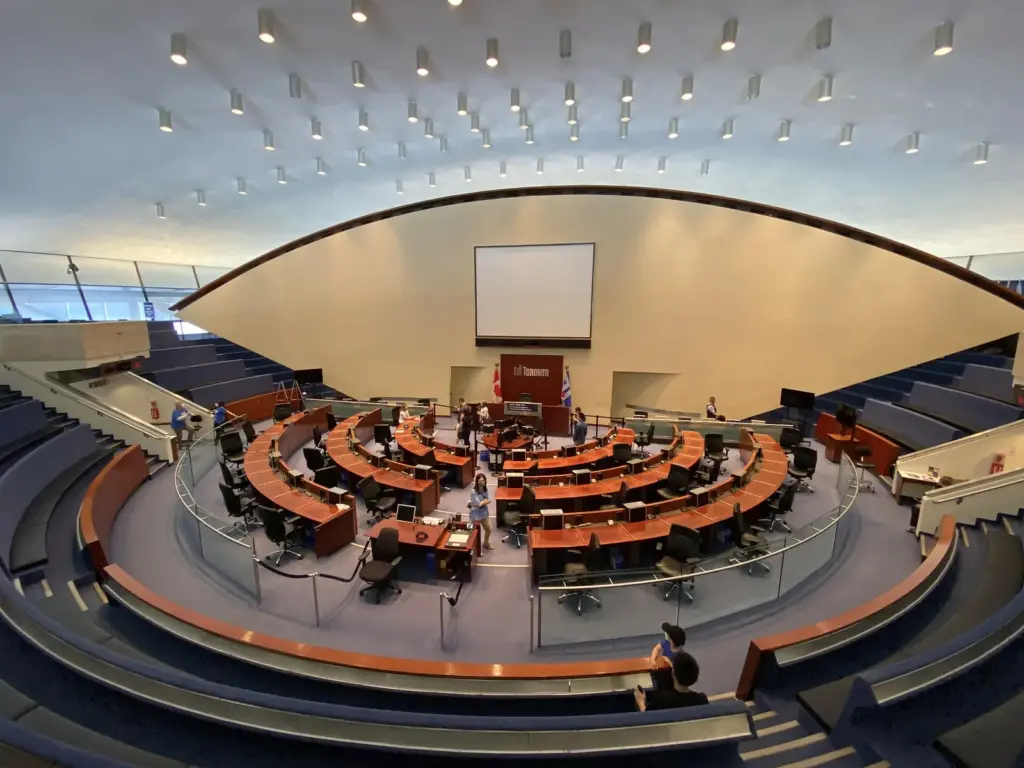
Toronto has 25 ward councillors plus the mayor. A councillor represents local residents, votes on budgets and bylaws, and can help people navigate City services.
The office is not a private maintenance department. Staff can ask a division what happened, clarify a policy and identify a pattern. They usually cannot order a bylaw officer to issue a ticket, skip a legal process or move one resident ahead unfairly.
Use the City's address lookup to find the current councillor. Do not rely on an old election flyer.
20 common Toronto problems and the right first contact
1. Pothole
Start with 311 online or by phone. Give the street, nearest address, travel direction and lane. Add a photo only from a safe place.
Contact the councillor if repeated requests close without repair or the whole road needs capital reconstruction.
2. Missed garbage, recycling or green bin pickup
Start with 311 after checking collection rules and timing. Keep the bin at the pickup point as directed.
Do not email the councillor for one missed bin. Escalate only if the route repeatedly fails or the service request is mishandled.
3. Overflowing public litter bin
Send 311 the nearest address and bin location. A landmark such as "south-east corner beside the bus shelter" is more useful than "Queen Street."
Use the councillor when an entire commercial strip lacks enough bins or collection frequency.
4. Broken park bench
Report it to 311 with the park name, path, nearby feature and asset number if visible.
A councillor can help when the issue is not a repair but the absence of seating across a neighbourhood. A public campaign that produced a TTC bench shows the value of escalation, but 311 should still create the first record.
5. Fallen or dangerous City tree
Call 311. Say whether the tree blocks a road, sidewalk, home access or power line. Stay away from wires.
Call 911 for immediate life danger. Contact Toronto Hydro for its infrastructure as directed. Do not wait for a councillor to read email during a storm.
6. Tree branches need routine pruning
Use 311 for a City-owned tree. Include the concern, not only "tree too big."
Your councillor is useful if pruning cycles or urban-forestry policy are the problem across a ward.
7. Noise complaint
For an active emergency or threat, call 911. For amplified sound, construction or persistent bylaw noise, use the current 311 noise process and record dates, times and duration.
The councillor can work on a recurring venue or policy pattern, but cannot personally decide that a neighbour broke the bylaw.
8. Apartment has no heat, water, gas or power
Notify the landlord in writing first when safe and applicable. For unresolved vital services, contact 311. The City treats these as urgent property-standards issues.
Keep every message and reference number. Contact a legal clinic for tenant rights. A councillor can escalate a failed inspection response but is not your lawyer.
9. Leaky ceiling, pests or broken common area in an apartment
Report it to the landlord in writing. If it is not fixed within a reasonable period, file a 311 property-standards request with photos and dates.
Use the councillor when a large building has repeated systemic problems and City enforcement is not producing change.
10. Illegal dumping
Report through 311 with the exact public location, material and any hazard. Do not touch needles, chemicals or suspected asbestos.
If you witnessed a vehicle dumping, include the lawful details you observed. Do not confront the person.
11. Graffiti on City property
Use 311 and identify the asset, such as bridge, sign, park building or traffic cabinet. Hate-motivated graffiti may also require police reporting.
For private property, owner responsibility and City rules differ. Follow 311 direction.
12. Broken traffic light or stop sign
Call 311 immediately for a damaged or malfunctioning traffic control. If the condition creates immediate collision danger, call 911.
Do not email a councillor and wait. Give the intersection and direction.
13. Dangerous intersection design
Report the specific current maintenance issue to 311. Contact the councillor for a study, new crossing, signal timing change, traffic calming or capital redesign.
This is a both-contact problem: 311 records the hazard, while the councillor handles policy and prioritization.
14. Snow or ice not cleared from a public sidewalk
Use the 311 snow and ice request after the relevant service window. Give the exact segment and side of street.
Contact the councillor if an accessibility route repeatedly fails across several storms.
15. Private property blocks the sidewalk with snow
Use 311 for bylaw investigation. Document the address and timing safely.
Do not shovel the snow into the road or start a confrontation.
16. Injured wild animal
Call 311 and keep a safe distance. Toronto Animal Services handles City response, while Toronto Wildlife Centre can give species-specific advice.
Do not contact a councillor for an animal in immediate distress.
17. Loose or lost dog
Call 311 or Toronto Animal Services. Give current direction of travel and whether the animal is contained.
Post locally after the official report. A councillor is not the first search channel.
18. TTC bus never came or operator complaint
Use TTC Customer Service, not 311. Include route, direction, stop, date, exact time and vehicle number when available.
Contact the councillor for a persistent route-level service gap or policy issue. Keep the TTC case number.
19. Parking ticket dispute
Use the City's official parking violation review or dispute process before the deadline. A councillor cannot cancel a ticket because you disagree with it.
Contact 311 only for information. Use parking enforcement channels for an active illegally parked vehicle.
20. New bench, crosswalk, bike lane or bus lane request
Contact the councillor because this asks for design, funding or policy. Use a 311 report too when a current asset is broken or a specific safety condition needs a record.
Bring evidence: who uses the location, nearest alternatives, collision or service data and the exact decision requested.
Write a 311 request that gets understood
Use this format:
Problem: Large pothole in the eastbound curb lane
Location: Dundas Street West, about 20 metres east of Brock Avenue
Time observed: September 1, 2026 at 8:15 a.m.
Risk: Drivers are swerving toward cyclists
Requested action: Inspect and repair
Evidence: One photo taken from the sidewalk
Keep it factual. "This city is a joke" does not tell a crew where to go.
Write a councillor email that gets a useful answer
Subject: Repeated closed 311 requests for broken sidewalk at 123 Example Street
Then include:
- your address and ward connection
- one-sentence problem
- three most relevant 311 numbers and dates
- what happened to each request
- current safety or access impact
- one clear action you want from the office
Attach only the strongest photos and documents. A 90-page thread dump makes the problem harder to see.
When to escalate from 311
Escalate when:
- the published response period has passed
- the request closed but the problem remains
- the same failure repeats
- two divisions send you back and forth
- the issue affects many homes or a whole route
- a policy or budget decision blocks the fix
First call 311 with the reference number and ask for status or supervisor review. Then send the organized record to the ward office.
Do not create ten duplicate requests. The City maps and checks duplicates, and volume does not replace evidence.
311, 211 and 911
911
Use for immediate police, fire or paramedic help. A person in danger, active fire, serious collision or crime in progress belongs here.
311
Use for City services, bylaws, maintenance and information.
211
Use for health, social and community service referrals, such as food help, newcomer support, addiction resources and counselling information.
Calling the right number is not bureaucracy. It gets the case to the people who can act.
What about police non-emergency?
Use Toronto Police's current non-emergency route for a police matter that does not require an immediate 911 response. Examples can include a past theft or non-urgent report.
Parking enforcement has its own request path. Do not send a bylaw noise request to police simply because the music is annoying.
What about the Ombudsman?
Ombudsman Toronto can review complaints about City administration after reasonable efforts to solve the problem have failed. It is not the first stop for a fresh pothole.
Bring the history, reference numbers and division responses. The office examines fairness and administration. It does not replace an appeal process with a legal deadline.
Can a councillor speed up my request?
The office can ask questions and push for a response. It should not make an inspector ignore evidence, bypass a fair queue or promise an outcome controlled by law.
The most useful councillor involvement is pattern recognition. Ten broken benches, repeated dangerous turns or a building with many unresolved complaints can justify a wider fix.
Anonymous complaints
Some 311 requests can be made without personal details. Others need contact information for access, evidence or follow-up.
Do not assume anonymity is guaranteed in every enforcement process. Ask how your information will be used before filing when retaliation is a concern.
For tenant issues, get legal advice about documentation and protection.
Our final contact order
Use 911 for danger. Use 311 for a specific City job. Use TTC Customer Service for TTC operations. Use 211 for social services. Use the councillor for policy, repeated failure and escalation.
Always keep the reference number. A clear case with one number is stronger than an angry story with none.
Keep exploring Toronto
- A clear look at Olivia Chow's record as mayor
- Can you park in front of your own driveway?
- How working parents handle Toronto school pickup and care
Official pages to check
Prices, rules, hours and project details can change. Check these primary pages before you spend money or make a special trip:
- City of Toronto, About 311
- City of Toronto, Create a Service Request
- City of Toronto, Members of Council
- City of Toronto, Have Your Say
Frequently asked questions
Is Toronto 311 open all night?
Yes. Toronto 311 operates 24 hours a day, seven days a week. It provides help in more than 180 languages.
When should I contact my city councillor instead of 311?
Contact the councillor for policy, budgets, neighbourhood design or a service request that remains unresolved after normal escalation. Start routine maintenance and bylaw cases with 311.
Can a councillor cancel a parking ticket?
No. Use the official screening or dispute process before its deadline. A councillor cannot replace that legal process.
Is a TTC complaint a 311 issue?
Usually no. Submit vehicle, operator, route and station feedback to TTC Customer Service. Contact the councillor when the concern is a larger policy or repeated service problem.
What if I lose my 311 reference number?
The City says it cannot replace the number or provide private request updates without it. Save a screenshot and email it to yourself.
Can I track a 311 request online?
Many requests can be tracked through Toronto's 311 site using the reference number. You can also call 311 for help.
What is the difference between 211 and 311?
311 covers City services and programs. 211 connects people with health, social and community services from many providers and levels of government.
How long should 311 take?
It depends on the service and urgency. Check the current service standard for that request. A target response time is not always a promise that the full repair will be complete.