


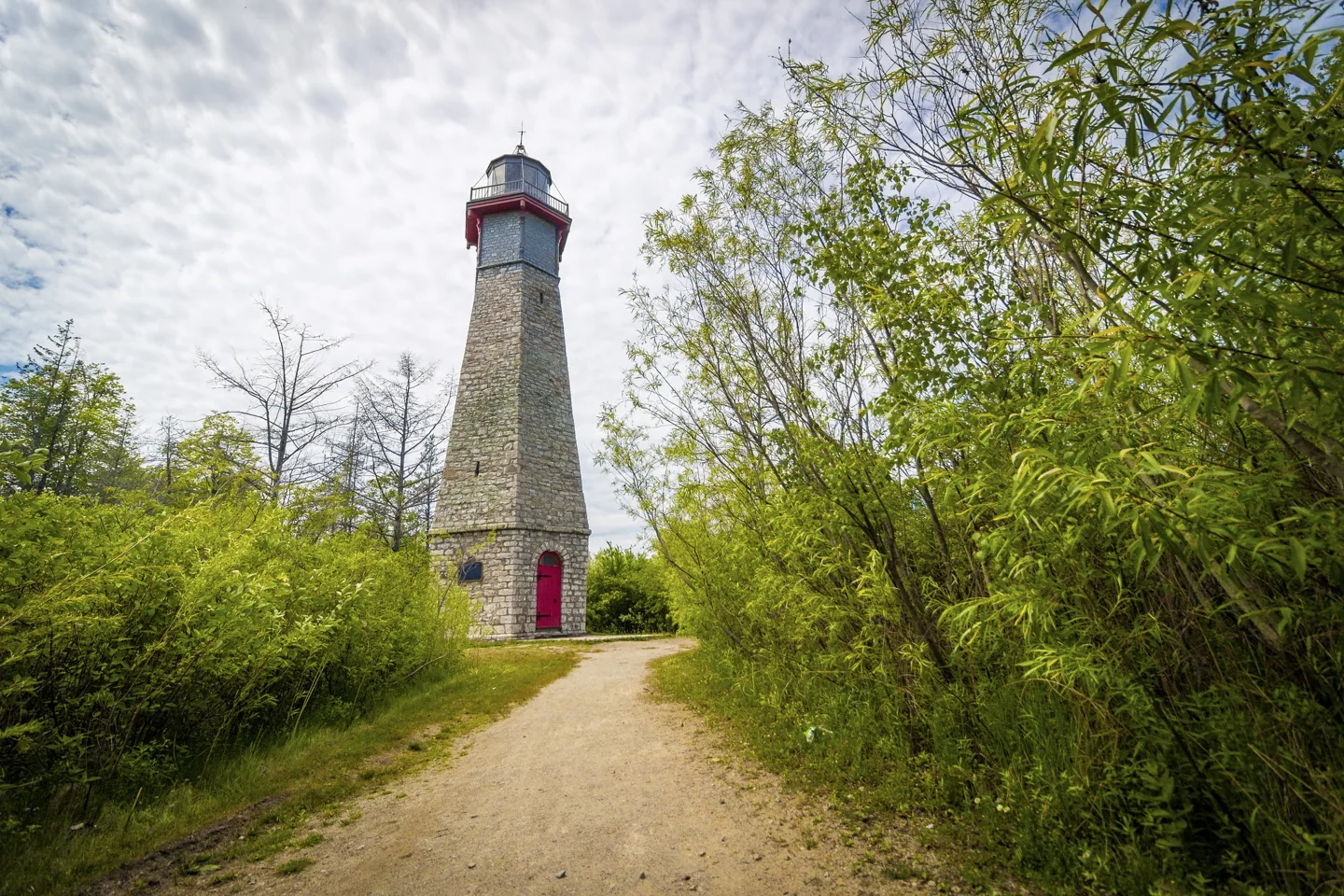
Start with Gibraltar Point Lighthouse if you want Toronto's strongest historical mystery. Choose University College if you want a good ghost story you can question as you walk. For a short, free downtown outing, pair Mackenzie House with Old City Hall.
The catch is access. A building with a ghost story is not always a building you can enter. Historic rooms are closed at Mackenzie House. Some popular tours have no current dates. Restaurants, colleges and hotels still have ordinary customers, students and guests.
This guide separates the records from the stories. It covers the main legends, what supports them, what to look for, current visitor rules and walks that fit together. We checked visitor information on September 10, 2026. None of the sources establishes that ghosts are present.
Our weakest use of your money: booking an expensive hotel room only because someone says a floor is haunted. Put the money toward a history tour or a meal you actually want.
Choose your story before you plan your visit

A good ghost outing needs something interesting to see even when nothing strange happens. These are our picks. Suggested visit lengths are planning estimates, not official tour durations.
| Place | Best reason to choose it | What to budget for | Main limitation |
|---|---|---|---|
| Gibraltar Point Lighthouse | A real 1815 death with surviving records | Ferry fare and a long island outing | Exterior viewing; seasonal ferry changes |
| University College | A famous legend with a useful evidence trail | Free exterior stop, roughly 20 minutes | College access and construction routes vary |
| Mackenzie House | Printing and Victorian political history | Free general admission | Historic rooms under restoration |
| Old City Hall | An easy stop beside Queen Station | Free exterior and online audio tour | Interior opens only for selected uses and events |
| The Keg Mansion | Dinner inside a former mansion | Your meal, drinks, tax and tip | Upstairs washrooms are not wheelchair accessible |
| Colborne Lodge | A house and the people behind High Park | Free general admission and house tour | House visits are guided; partial access |
| Elgin and Winter Garden | Remarkable theatre interiors | Listed $20 regular history tour | Advance tickets; September dates currently listed |
| Christie Mansion | Architecture and the Room 29 legend | Free exterior stop | A working college, not an open haunted house |
| Queen's Park | Stories told by the Legislature itself | Free regular building tour | Ghost-tour dates need separate confirmation |
| Casa Loma | A castle whose real rise and fall is a story | Paid daytime admission or a separate event | Halloween theatre is not historical evidence |
| Hockey Hall of Fame | Bank architecture and a story with a real person behind it | Paid museum admission | Concourse entrance; no entry through the old bank doors |
| Fairmont Royal York | A grand hotel beside Union Station | Exterior viewing or a chosen food-and-drink stop | Guest floors and service areas are private |
| Fort York | The documented violence behind ghostly tales | Free general admission | Mainly outdoors; some buildings have steps |
| Ireland Park | Understanding a memorial often misread as spooky | Free waterfront stop | Treat it as a place of remembrance |
Don't try to collect all 14 in one night. The island, High Park and downtown sites belong on different outings. There are suggested routes below.
Gibraltar Point Lighthouse: Toronto's best story to investigate
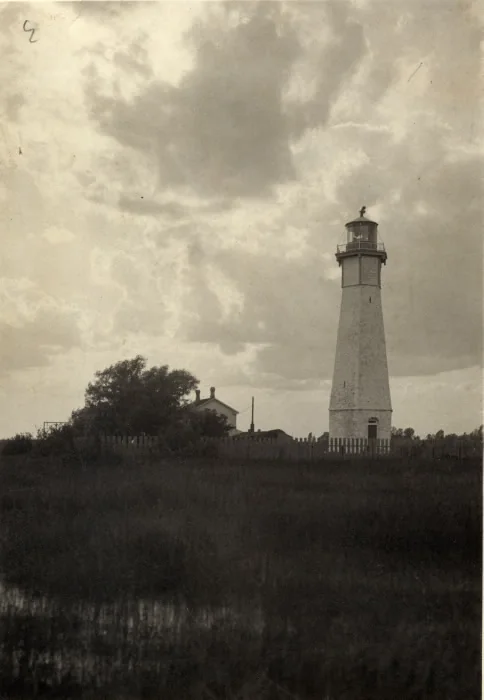
Location: Gibraltar Point on the Toronto Islands. Our choice for: readers who want a real mystery with documents to examine.
The usual story starts with lighthouse keeper John Paul Radelmüller and soldiers looking for a drink. It ends with a killing, a hidden body and a ghost near the tower. Some versions add gruesome details about what happened to the remains.
There is a documented core. Radelmüller died on January 2, 1815. Two soldiers, John Henry and John Blueman, whose surname also appears as Blowman, were tried and acquitted. Historian Eamonn O'Keeffe traces the case in his research on the lighthouse death.
The uncertainty is real too. The surviving records do not establish the full sequence of events. An acquittal is not proof that a later storyteller's version is correct. The familiar dismemberment and concealed-body details go beyond the available evidence.
O'Keeffe's collection of contemporary documents includes official correspondence, newspaper notices, court entries and military records. That is what makes this tale stronger than a list of unexplained noises. You can see which parts have a source.
Look at the building and its setting as well. The Toronto Public Library's lighthouse photographs show an older shoreline and a much more exposed setting. The island has changed around it. A historic photograph can explain more than a dramatic retelling.
Plan a daylight island visit, not a quick downtown detour. The City lists reduced ferry service from September 16, with a move to Ward's Island-only service in mid-October. The exact later change date was not yet specified on the page we checked. Use the City's island visitor information and that day's ferry schedule.
An ordinary trip does not include entry to the lighthouse. Bring walking shoes, a windproof layer, water and enough phone charge to check the return sailing. A distant skyline does not mean the next ferry dock is close.
Choose this if you enjoy the walk as much as the story. Skip it on a tightly timed evening with dinner reservations back on the mainland.
University College: a great legend with a weak murder record
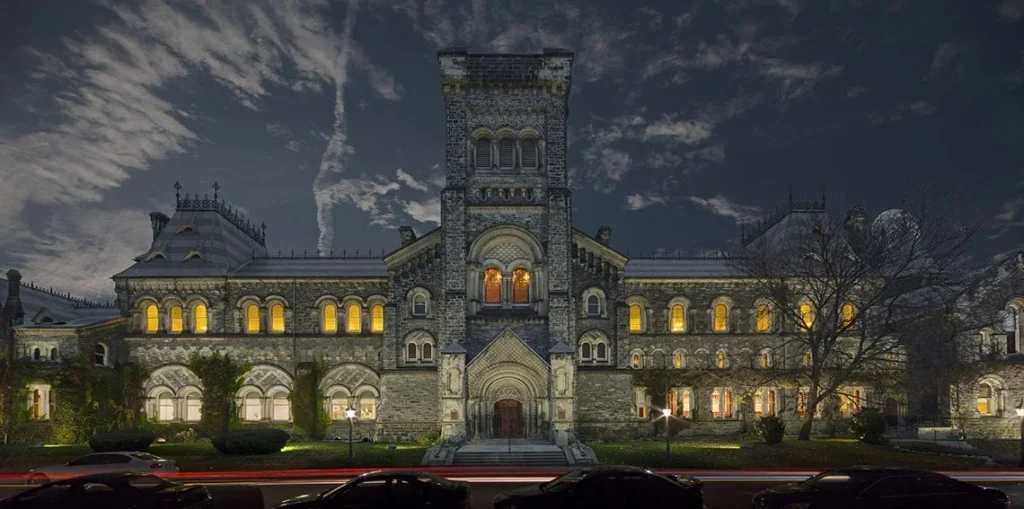
Location: 15 King's College Circle, University of Toronto. Our choice for: architecture, student folklore and a short campus walk.
University College's best-known tale involves two stonemasons, Ivan Reznikoff and Paul Diabolos, and a woman they both loved. The legend moves from rivalry to a fatal fight and a body hidden in the building. Carved faces become clues in the retelling.
The college preserves its version of the ghost story. Read it as a legend. The fact that a university shares a story does not prove the alleged killing happened.
A useful counterpoint comes from U of T's 2017 account of a Toronto Star investigation. The researcher quoted there had found no supporting documentation. The newspaper could not find the two names in the 1851 or 1861 census, or a newspaper report of a body discovered at the college.
The college's construction in 1856 to 1859 and the February 14, 1890 fire have firmer support. A knocked-over kerosene lamp caused the fire. A fire is not, by itself, evidence of a hidden murder victim.
This distinction matters because some older institutional retellings do repeat a skeleton discovery. Repetition across university pages does not settle the contradiction. We would not present that discovery as an established fact.
Walk around the public exterior and notice the stonework, arches and tower. Do not mistake a college building for a museum with unrestricted rooms. The college's access page carries construction information; use current signs and the campus's posted routes rather than an old map.
The pleasure here is comparing an elaborate story with a building you can inspect. Choose it for a thoughtful walk. Skip any plan that requires finding a locked room or entering student spaces.
Mackenzie House: check the restoration notice first
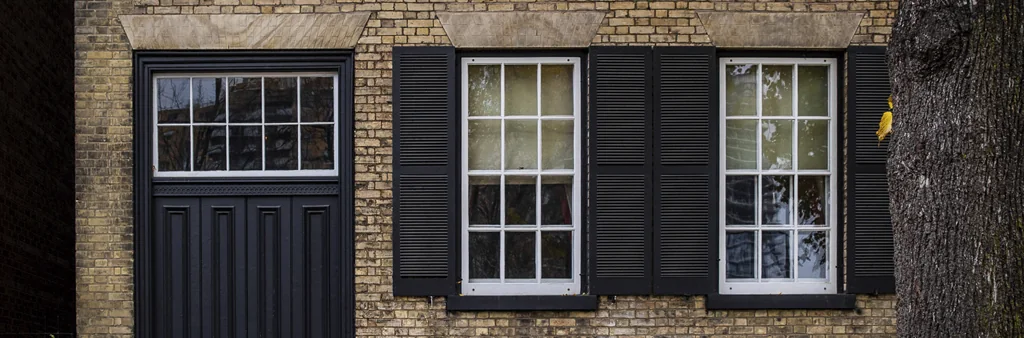
Address: 82 Bond Street. Best for: a small downtown history stop that pairs with Yonge Street.
This was the final home of William Lyon Mackenzie, Toronto's first mayor and a leader of the 1837 Rebellion. That political history gives the place a much stronger reason to visit than a vague claim that an old house feels strange.
The City's Mackenzie House page acknowledges its ghost rumours. That establishes the house's reputation. It does not establish that footsteps, noises or moving objects have a supernatural cause.
Here is the detail old haunted-house lists miss: the historic portion of the house is under restoration. The current offer includes drop-in printshop workshops, Wednesday to Sunday, 11 a.m. to 5 p.m. General admission is free. Some special events can cost extra.
The site has partial accessibility. Call 416-392-6915 if you need a precise answer about entrances, rooms or washrooms. “Historic house” is not an access description, and “open” does not mean every room is available.
Go for the printshop and the story of a difficult period in Toronto's history. Do not cross town expecting a full tour of restored domestic rooms until the City confirms they have reopened.
Old City Hall: an easy exterior stop, with limited interior access
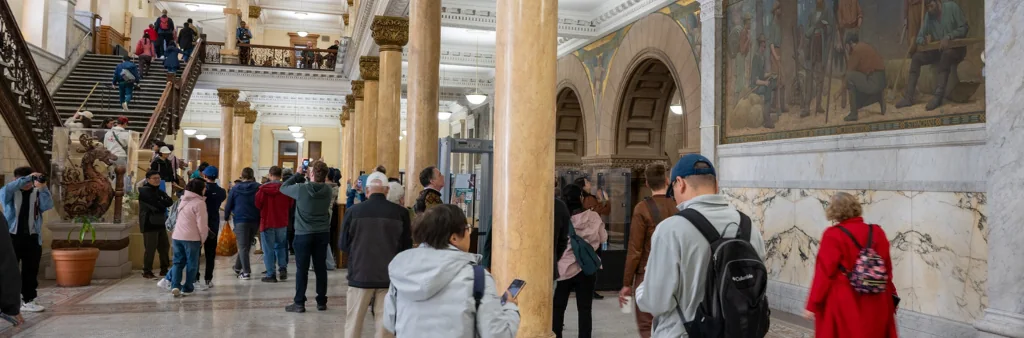
Address: 60 Queen Street West, at Bay Street. Best for: the shortest useful stop in this guide.
Old City Hall opened in 1899. It served as City Hall until 1965, then continued as a provincial courthouse until April 2025. Those changes matter when reading old stories about judges, court staff and particular rooms.
A 2010 ghost-walk booklet records tales linked to Courtroom 33, footsteps and robes being tugged. The booklet was written by the Toronto Ghosts & Hauntings Research Society. Its presence on a City website does not make those accounts verified government findings.
The City now describes occasional public opening for pop-ups, exhibits and civil weddings. There is no reason to assume daily access to former courtrooms. A wedding booking is also not a public tour.
Use the official audio tour to give your visit substance. Look for the clock tower, carved faces and the two-tone sandstone. The building rewards a slow look even from the pavement.
For an authorized interior visit, the visitor page lists ramp access from Albert Street only, small elevators and no accessible washrooms inside. It directs visitors to the Eaton Centre or Nathan Phillips Square for accessible washrooms. Small cameras and phones are allowed; professional cameras and tripods are not.
Choose the exterior for a flexible walk near Queen Station. Book or confirm a specific opening if going inside is the point of your outing.
The Keg Mansion: book it for dinner, not a promised encounter
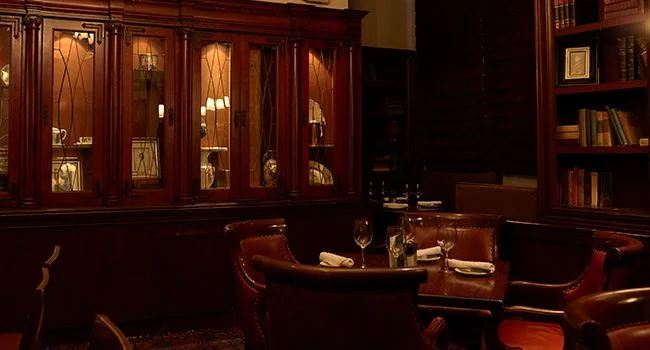
Address: 515 Jarvis Street, at Wellesley. Best for: seeing a historic mansion while doing something enjoyable anyway.
The building predates its restaurant use by more than a century. The City's heritage register records the 1868 Arthur McMaster house, its later Massey association and its 1975 heritage designation.
The best-known ghost story involves a servant's death after Lillian Massey Treble died in 1915. Other tales describe children on stairs, strange sounds and unexplained bathroom activity. These are folklore and personal reports, not verified findings about the building.
We did not find reliable historical evidence that establishes the servant story as it is usually told. Nor did we verify that visitors can consult a current “ghost log.” A staff anecdote or a customer's odd experience does not turn either claim into a guarantee.
The practical facts are much clearer. The Keg's Mansion location page lists 4 p.m. to midnight daily, free parking and a daily happy hour from opening to 6 p.m. and from 10 p.m. to close. The offer applies in the bar/lounge and patio where available. Check the current menu for the price of the meal you want.
The major deal-breaker is access: the washrooms are on the second floor and are not wheelchair accessible. Call 416-964-6609 before reserving if stairs are a problem. Do not accept a generic chain-wide accessibility answer for this particular house.
We like the idea of a meal here because the evening still works without a ghost story. Reserve for the room, food and company. Do not turn a shared washroom or staircase into a filming session that bothers other diners.
Colborne Lodge: the best free house visit for this topic
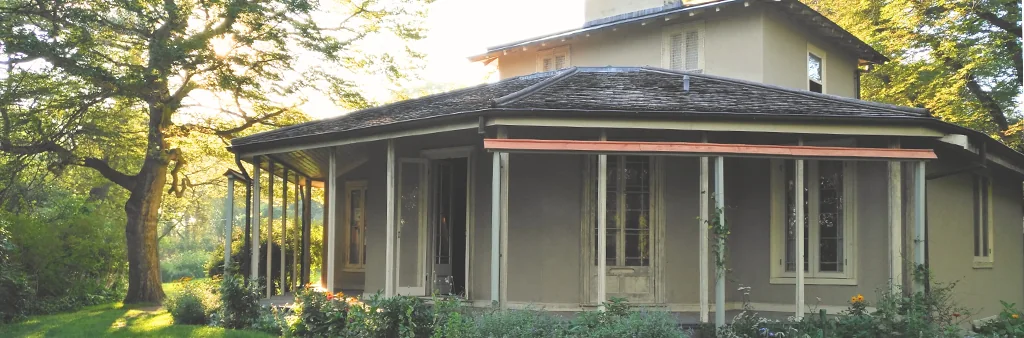
Address: 11 Colborne Lodge Drive, High Park. Best for: a real house tour, a park walk and a story with a clear setting.
John and Jemima Howard built this home in 1837. Their lives, art and connection to High Park are the main reasons to visit. The familiar ghost story places Jemima near a window, sometimes looking toward the Howards' burial place.
The City's museum page acknowledges reported hauntings. It also explains the house and the Howards' contribution to the park. That supports the site's history and its reputation, not a sighting.
General admission is free. The house is entered on a guided tour; the Coach House has drop-in access. The current schedule lists tours at 11:30 a.m., 1:30 p.m. and 3:30 p.m. on open days, with an additional shorter weekend tour at 5 p.m. The site opens Wednesday to Friday until 5 p.m. and weekends until 6 p.m., from 11 a.m.
Access is partial. Main-floor access is available in the house and Coach House; that does not cover every upper space. Call 416-392-6916 for your needs and to confirm that day's tour.
The house is near the south end of High Park. Entering beside High Park subway station means a much longer walk than some visitors expect. The City gives about 1.7 kilometres from that station. Vehicle restrictions also apply inside the park on weekends and holidays.
Choose the guided house visit and allow time outside. Leave the burial monument as you found it. A family grave is part of the history, not a prop for a challenge video.
Elgin and Winter Garden: buy the right kind of tour
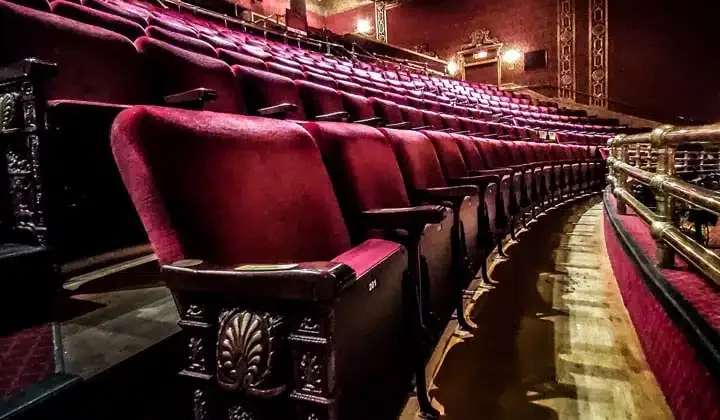
Address: 189 Yonge Street, north of Queen. Best for: readers who want an interior that is worth the admission on its own.
These are two theatres stacked one above the other. The lower theatre opened in 1913 and the Winter Garden followed in 1914. Their restoration brought the complex back in 1989. Heritage Toronto's Yonge Street history explains the building's place in the city's entertainment life.
The best-known spirit is usually called the Lavender Lady. The Historic Places Days listing describes a perfumed presence associated with stairs and elevators. It also records other theatre tales, including Sam the trombone player. These are theatre folklore. A named ghost and a widely repeated story are not proof of a person or an event.
There is a useful current way to see the building: the Ontario Heritage Trust's regular history tours. The listed September dates are September 14, 21 and 28, 2026, at 5 p.m. Tours last 90 minutes, with a listed price of $20 per person. Check the ticket checkout for any final charges.
Everyone, including infants, needs an advance ticket. There are no walk-up sales. Visitors must stay with the guide; photographs are at the guide's discretion and tripods are not allowed. The advertised free place for Canadian Armed Forces veterans requires arranging it by email and showing a service card. It is not a general discount for everyone.
The separate Haunted Walk experience, Alone in the Dark, currently says no upcoming dates are scheduled. Its published format is two hours, age 16 and up, with stairs and advance arrangements for elevator access. Do not confuse that dormant booking page with the active $20 history tour.
Choose the regular tour if your main aim is seeing both theatres. Wait for an actual dated booking if you want the after-dark experience. For access questions, contact [email protected] before paying.
Christie Mansion: Room 29 belongs in the legend column
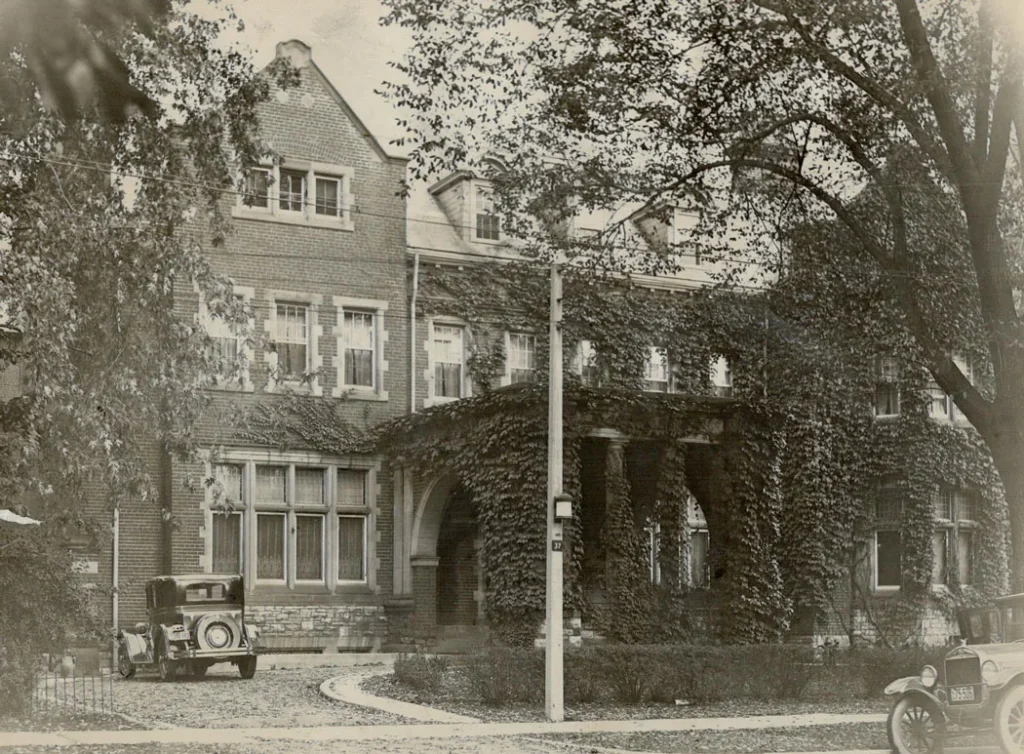
Address: 100 Wellesley Street West, beside Queen's Park. Best for: an exterior architecture stop while exploring the campus area.
The Christie name connects the house to Toronto's biscuit-making family. The building changed substantially over time. Doors Open Ontario's site history lists the original mansion around 1880, additions in 1910, and later buildings and connections. Calling the whole complex a single untouched Victorian house misses those changes.
The Room 29 story alleges that a woman was kept hidden in the mansion and died there. It is often told with confident details about a secret relationship and a locked room. We have not verified those claims in reliable historical records.
That is more than a small footnote. A story about a real family's alleged conduct should not become a biographical fact simply because it makes a memorable tour stop. Read it as folklore, and be cautious about retellings that supply a precise room without explaining their source.
The mansion is now part of Regis College. Its current facilities information describes rooms used for teaching and events. The 2026 Doors Open listing offered a legitimate public visit on May 23 and 24. Those dates have passed. They do not establish daily access in September or October.
Enjoy the exterior from public space or wait for another announced opening. For a real building visit, contact the college at 416-922-5474. Skip any suggestion that you should wander the corridors hunting for Room 29.
Queen's Park: an official storyteller is still telling stories
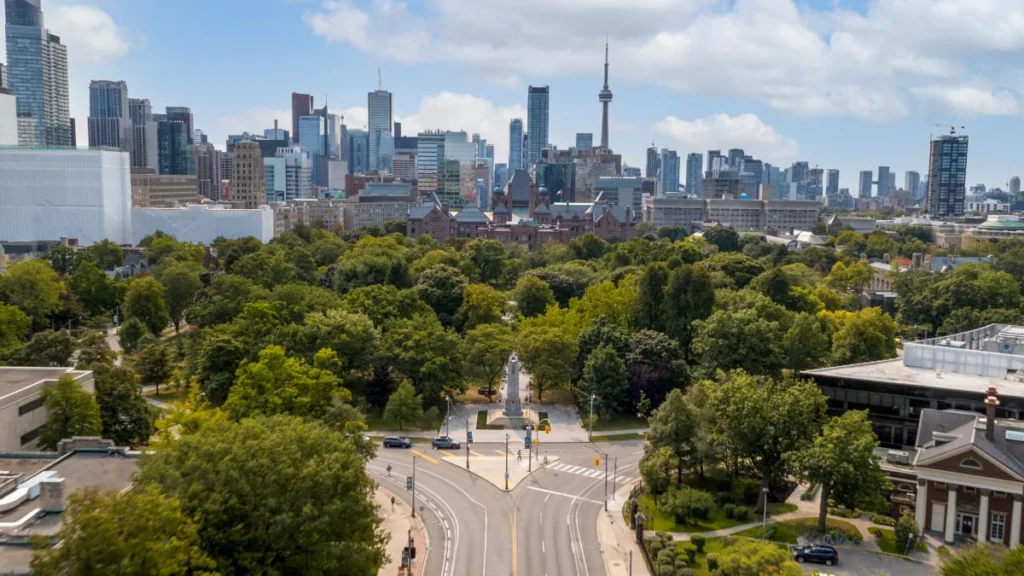
Location: Ontario's Legislative Building, Queen's Park, north of College Street. Best for: a free history visit with a ghost-story reading list.
The Legislature has its own Ghosts of Queen's Park podcast and transcript. It is a useful place to hear how staff present the stories themselves.
It also separates two parts of the site's past. A former college residence was used as an asylum from 1856. That earlier structure was demolished in 1886, before the current Legislative Building was built. “Parliament is in an old asylum” is an inaccurate shortcut.
The episode shares staff accounts and a medium's impressions. Those impressions are not independent historical proof. Its suggestion that limestone can hold ghostly energy is part of the supernatural explanation being discussed, not an established property of stone.
We would leave former patients out of the horror treatment. They were people receiving care under historical conditions, not a convenient explanation for every unexplained sound.
For a current visit, use Experience the Legislature. Regular building tours are free. The calendar also announces a Fall Festival on October 17, 2026, with its full schedule still to come. Neither item confirms a 2026 ghost-tour departure.
Older official pages advertise October ghost tours in 2024. They are useful evidence of a past programme, but not tickets for this year. Check the current booking page and follow its arrival and visitor-entry instructions.
Choose the free building tour for architecture and government history. Treat a ghost tour as an extra only when the current calendar names it.
Casa Loma: separate the castle's history from the Halloween show
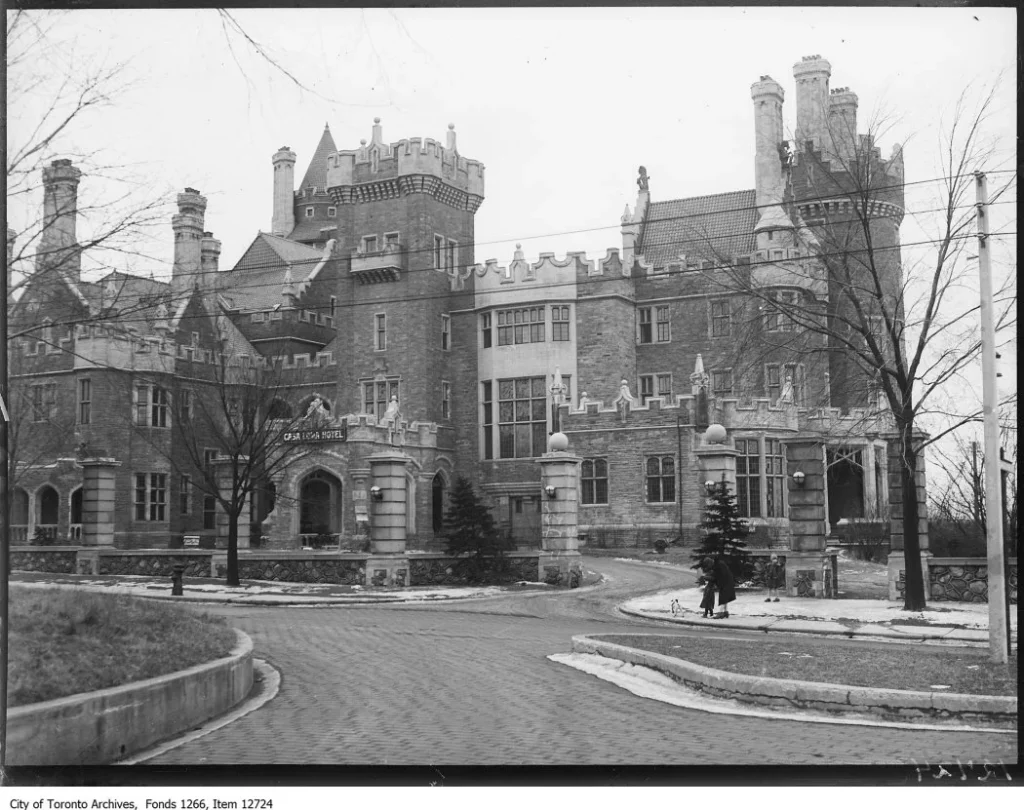
Address: 1 Austin Terrace. Best for: elaborate rooms and the story of an enormous private project that became too costly to keep.
Casa Loma's official history traces Sir Henry Pellatt's fortune, his work with architect E.J. Lennox and the castle's construction, begun in 1911. It took three years to build. Pellatt left in 1924 as financial pressures overtook him.
The building later had a short hotel phase, stood vacant and became a tourist attraction in 1937. That sequence is more useful than assuming every room still looks or functions exactly as it did when the Pellatts lived here.
Personal stories about sounds in the tunnel, odd movements and figures in the building remain unverified. A dark passage and a dramatic house create a strong setting. They do not identify the cause of an experience.
Legends of Horror is a staged attraction. It uses performers, installations and effects. Its tunnels and grounds are not evidence for the older haunting claims, and a Halloween ticket is not the same purchase as a daytime castle visit.
For 2026, Legends of Horror lists selected dates from October 3 to 31. The advertised advance general admission is $45 for October 3 to 15 and $55 for October 16 to 31. Closed dates and final charges need checking when booking. The VIP offers advertised at $150 and $200 are for a pair, not a single general-admission ticket.
The haunt route has stairs and is not suitable for wheelchairs, walkers or strollers. A quieter family session removes the actors, but mechanical effects remain. It is not automatically a gentle tour of the house.
Choose daytime admission for architecture and Pellatt's story. Choose the separately booked haunt for a performance. Do not pay for either expecting it to establish that the building is haunted.
Hockey Hall of Fame: remember the person behind “Dorothy”
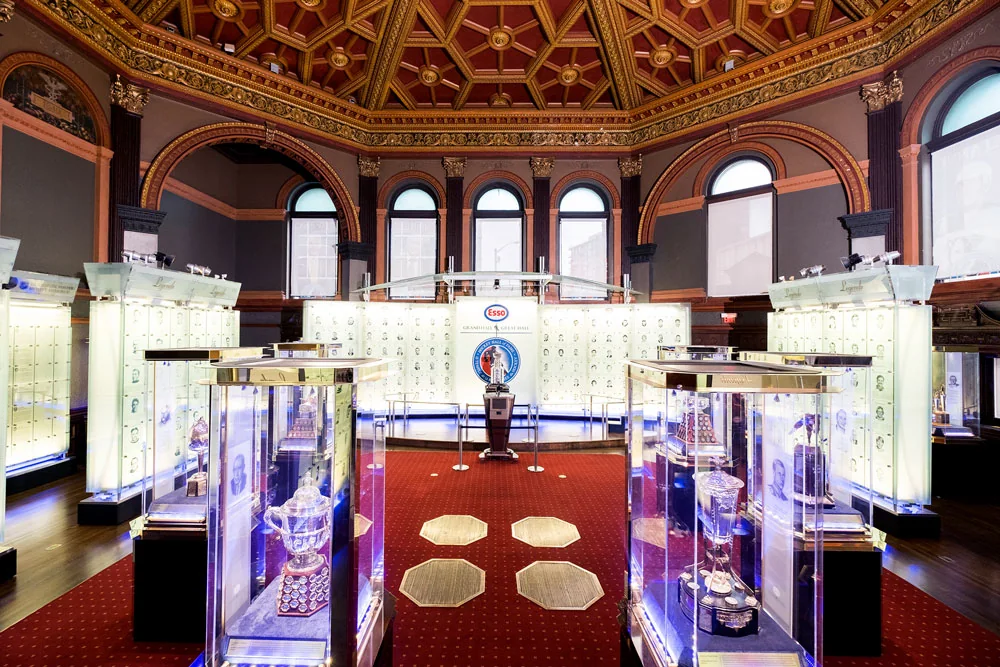
Location: Brookfield Place, at Yonge and Front. Best for: a museum visit that includes remarkable bank architecture.
The Esso Great Hall began as a Bank of Montreal building. Construction started in 1885. The Hall's architectural history explains its stained-glass dome, carvings and former banking rooms. It also repeats the rumour of a former teller called Dorothy.
There is a real person behind that name. In Paul McLaughlin's 2009 Toronto Star investigation, the writer used old reporting and a death notice to identify Dorothea Mae Elliott, who died in 1953, aged 19.
That research does not prove that a later reported figure, moving chair or unexplained sound was Elliott. Claims about a relationship and the reason for her death also need care. The article relied in part on an unnamed source for intimate details. We would not reduce a young woman's death to a neat romantic ghost story.
The same report says her family objected to her being treated as an object of fun. That is a good reason to visit with a little respect. Skip jokes about summoning her or staging a frightening scene for other visitors.
The museum's admission information lists $29.95 for adults and $19.95 for children aged four to 13, plus tax. The current fall schedule is 10 a.m. to 5 p.m. daily, subject to special closures. You are paying for the hockey museum, not a ghost tour.
Enter on the shopping concourse level of Brookfield Place. The visitor tips explicitly say there is no public entrance through the historic bank doors at Yonge and Front. Wheelchairs and strollers can reach every area, with an elevator beside the steps to the Great Hall. There are no lockers or coat check.
Choose this if the museum and building interest you. If you only want a quick look at the exterior, keep it as a street-level stop near Union and spend your admission money elsewhere.
Fairmont Royal York: see the hotel without bothering its guests
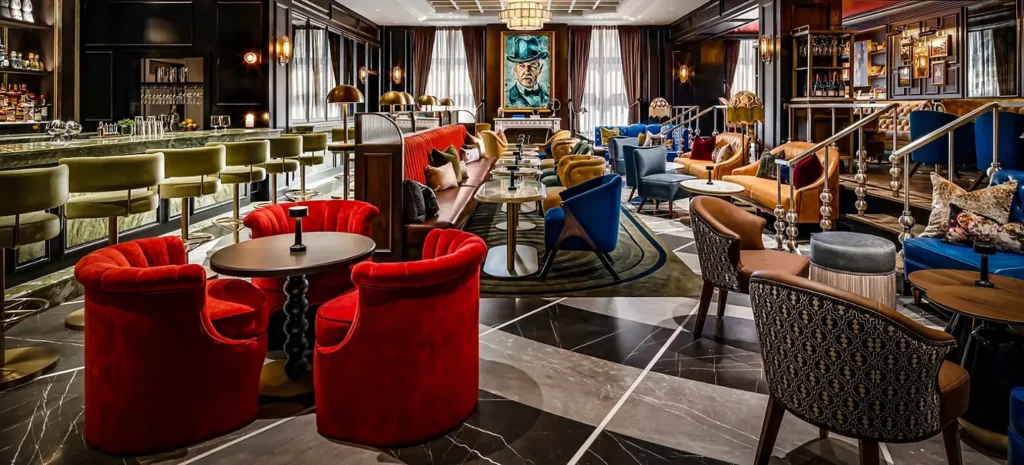
Address: 100 Front Street West, opposite Union Station. Best for: a grand building that fits a downtown evening without another long journey.
The hotel's own history dates its opening to 1929 and describes its later renovation. Today's public rooms are part of a working, changing hotel, not a sealed time capsule.
Older folklore includes a man in a maroon jacket, sounds on upper floors and phantom guests. The 2010 ghost booklet records some of those tales. It supplies a history of the reputation, not a reason to enter a guest corridor.
There is an easy way to make a visit worthwhile: look at the exterior and book a drink or meal if it fits your budget. Library Bar is an actual current option. Its official menu lists a Classic Birdbath martini at $28 before tax and tip. That is a splurge, not a cheap admission fee to a haunted attraction.
You do not need to book a room to appreciate the outside of the hotel. You also do not get access to private floors because you bought a drink downstairs. Keep photographs out of other guests' faces and follow staff directions.
Choose it as a comfortable finish to an evening near Union. Skip an overnight booking made solely for the hope of a strange noise.
Fort York: the documented history is already unsettling
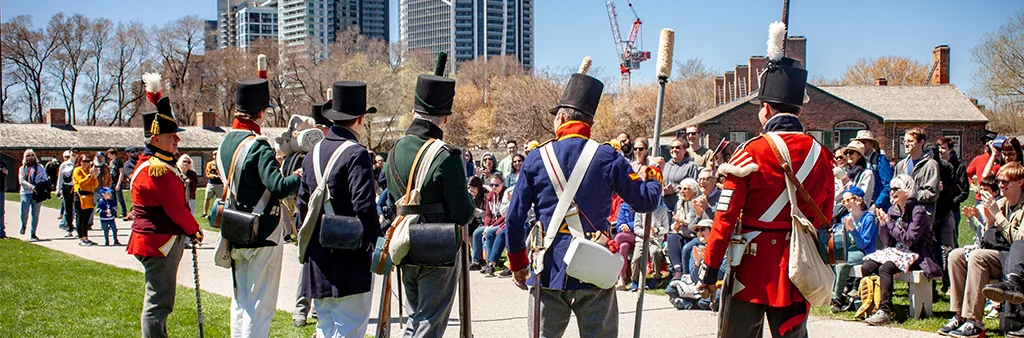
Address: 250 Fort York Boulevard, visitor centre entrance. Best for: readers who want substantial history without paying for a scare attraction.
On April 27, 1813, retreating British forces destroyed the fort's gunpowder magazine as American troops advanced. The explosion killed and injured people on both sides, including American General Zebulon Pike. The City's Fort York history explains the battle and the fort rebuilt after it.
Stories of ghostly soldiers belong in the folklore category. The battle's reality does not establish a later sighting. It also should not flatten the site into a tale about only two armies. The City's interpretation includes First Nations allies, Black communities and civilians whose lives were affected.
General admission is free. Current hours are Wednesday to Sunday, 10 a.m. to 5 p.m. Free 45-minute guided tours start hourly from 11 a.m. to 4 p.m. Groups of 15 or more have a separate booking and fee arrangement.
Most of the site is outdoors. The walled site's paths are paved, and washrooms are accessible, but the Stone and Brick Magazines are not wheelchair accessible. Other displays require stairs. An accessible path does not mean every historic room is accessible.
Our pick is a normal guided tour. It gives you people, dates and physical evidence to think about. An old recommendation for a seasonal ghost walk is not proof of a 2026 departure. Use the City calendar for anything beyond the regular visit.
Ireland Park: a memorial, not a haunted attraction
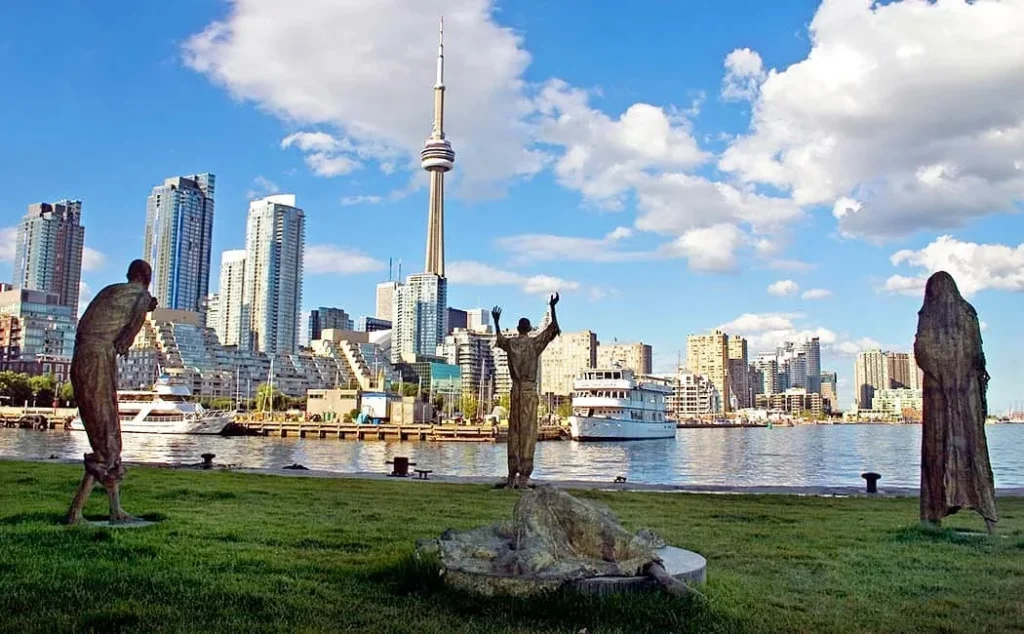
Location: the southern edge of Eireann Quay, near Bathurst Street and the Canada Malting silos. Best for: a quiet waterfront history stop.
The sculptures are not a memorial to a battle fought in 1812. Ireland Park honours Irish Famine migrants who reached Toronto in the 1840s. During 1847, tens of thousands arrived in a city whose population was only about 20,000.
The memorial opened in July 2007. Rowan Gillespie's five figures here connect with his departure sculptures in Dublin. Limestone columns bear the names of people who died in Toronto, including people who helped the migrants.
A distressed figure looks distressed because the sculpture has something to say. Its appearance after dark is not evidence of a haunting. We found no reliable basis for claims of ghostly voices at the park.
Read the memorial, give other visitors room and understand what the figures represent. This is worth adding to a waterfront walk. Skip it as a location for a staged scare or a joke about dead migrants.
Three walks that make sense on the ground
These are our suggested groupings. Times allow for looking around but are estimates. They exclude indoor tours, meals and transit disruptions. The individual map links above show destinations, not guaranteed accessible routes.
A short downtown walk, about 60 to 90 minutes: start outside Mackenzie House on Bond Street. Walk west toward Yonge, then south to Elgin and Winter Garden. Finish at Old City Hall. You can shorten the outing by starting at Queen Station and keeping the two Queen-area buildings.
This is the best first route because there are several easy ways to stop. Add the printshop during its opening hours. Add a theatre tour only if you have a booking. Do not assume a closed interior will become accessible when you arrive.
A campus and Queen's Park walk, about 75 to 120 minutes: pair University College with the Legislative Building and the exterior of Christie Mansion. Allow extra time for crossings around Queen's Park. Start in daylight if reading details in the stonework matters to you.
A reserved Legislature visit makes this a longer outing. The Keg Mansion is farther east along the Wellesley area; it is an optional dinner destination, not part of a compact three-building loop. Decide on that extension before everyone gets tired.
An island half-day: take the ferry to a dock served on your date, walk to Gibraltar Point and return with a generous sailing buffer. Do not copy a summer route after the ferry changes to Ward's-only service. Keep the lighthouse exterior as the destination unless a specific tour has arranged more.
For the other areas, make Colborne Lodge part of a High Park day. Pair Fort York with Ireland Park only if your group wants a longer waterfront walk. Casa Loma works best as its own booked visit. These choices are more enjoyable than racing between distant addresses just to complete a list.
For more Toronto context, use our historic landmarks guide, museum guide and rainy-day ideas.
When a paid ghost walk is worth it
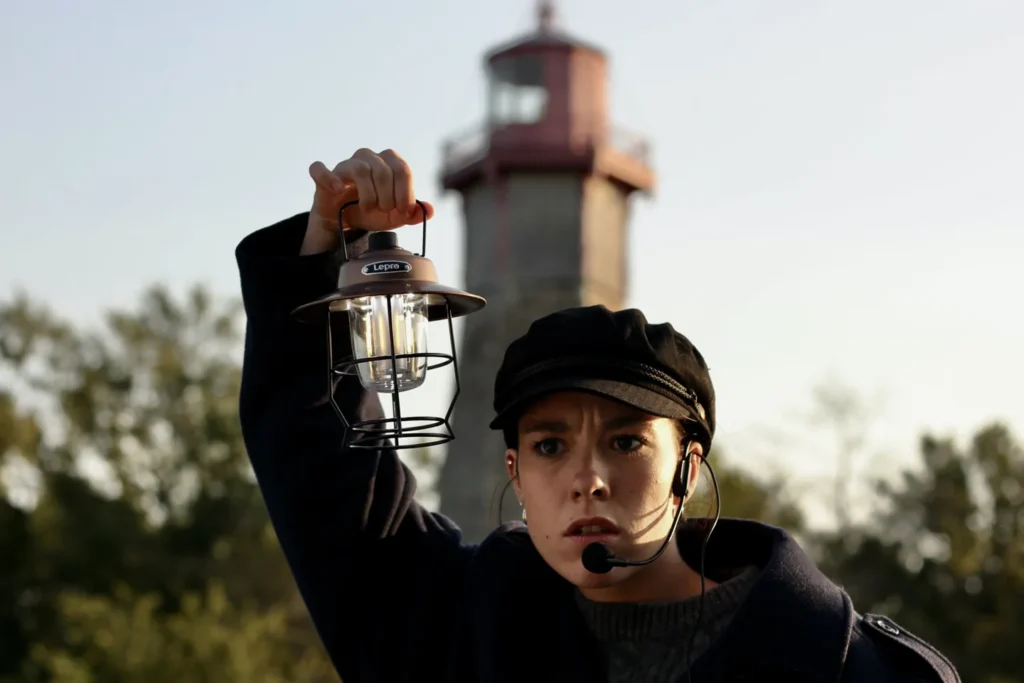
Pay for a guide's storytelling, route planning and authorized access. Do not judge the purchase by whether an unexplained event occurs. A strong guide can make a familiar street interesting without claiming every story is a court-proven fact.
The Original Haunted Walk of Toronto is the simplest downtown choice. Its published meeting point is outside the Hockey Hall of Fame at 10 Front Street West. The walk lasts 75 minutes, with adult tickets at $32.99 plus HST, fees included in that displayed base price. A normal adult total is about $37.28, before any optional extras.
The Campus Secrets & Spectres walk is a better fit if the university setting is your main interest. Check its current page for the meeting point, route, access information and available departure. A story about a campus building does not promise that the tour enters it.
For the island, Haunted Harbour offers a different format: a roughly 90-minute small-boat outing, with island stops, starting at 585 Queens Quay West. The listed adult fare is $55 before HST and a 7% service fee. That produces $66 before optional additions at the rates checked. It is not wheelchair accessible, and the operator recommends age eight and up.
A boat ticket buys a weather-exposed tour with a limited-capacity departure. It is a poor fit if you need a fully accessible route or a flexible last-minute cancellation. Read the operator's weather and rebooking terms before paying.
For the clearest value, choose the downtown walk. Choose the boat because the water and island setting are part of what you want, not because a higher price makes the story more authentic.
How to check a Toronto ghost story yourself
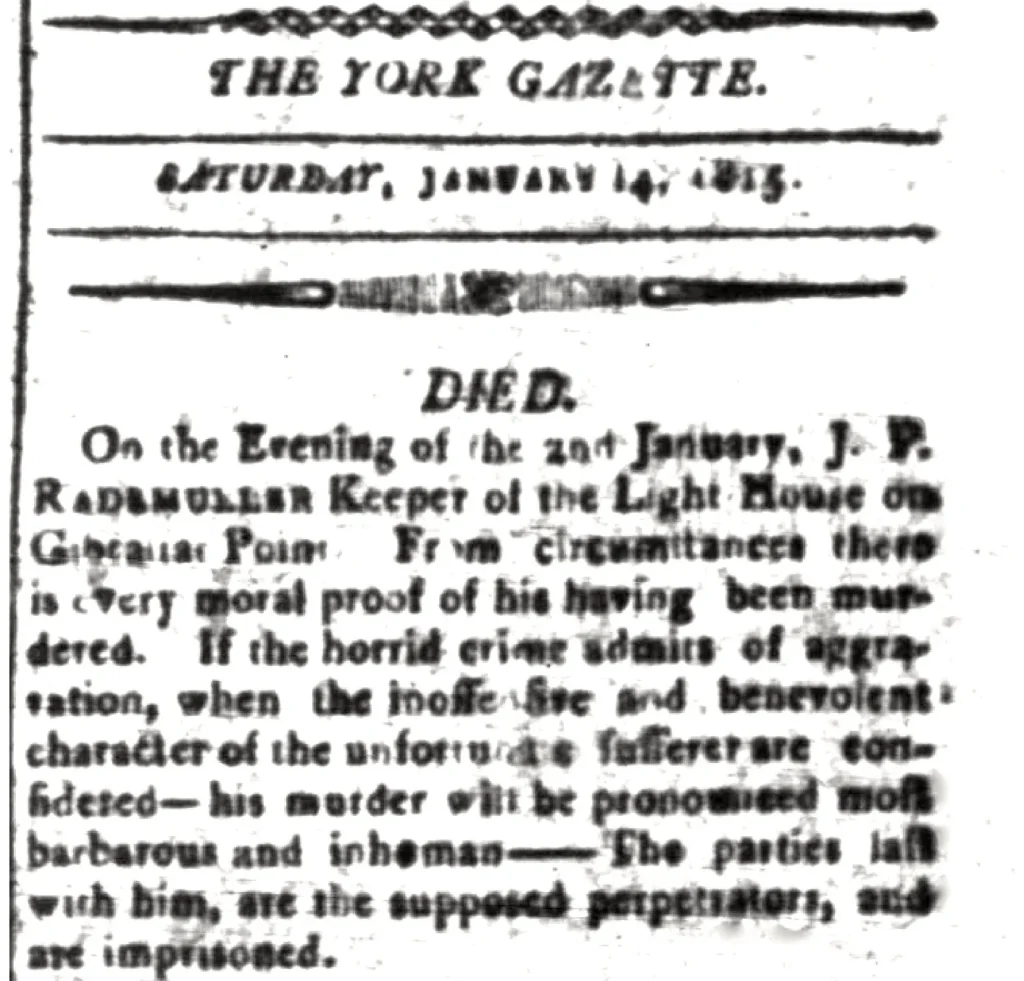
The newspaper image above is a useful example. It shows that a death was reported at the time. It does not establish every detail added a century later.
Start with the earliest source you can find. Write down the date of the claimed event, then the date of the source telling you about it. A large gap is not automatic proof that the story is false, but it is something the writer needs to explain.
Then ask what each source actually proves:
- A court record can show that someone was tried and what verdict was returned. It does not supply testimony that has not survived.
- A heritage record can establish a building's age and documented occupants. It does not verify every story attached to those people.
- An old newspaper report establishes what was reported. Check whether the reporter witnessed an event or repeated someone's account.
- A museum or tour page can verify a current programme and show that a legend is part of local storytelling. It is not independent proof of a haunting.
- A photograph or personal account needs context. Lighting, reflections, camera processing, other people and the building itself can all matter.
Use the Toronto Public Library's historical material, a site's heritage records and original documents together. Look for sources that disagree. The University College skeleton story is a good reminder that familiar institutions can publish different versions.
A phone app that labels a noise or a shape does not establish who caused it. Nor does the absence of an explanation establish a ghost. You can leave a question open without inventing certainty.
Rumours and seasonal tours that are not confirmed
Checked September 10, 2026. These leads remain separate from the verified visitor plans above. “Low confidence” describes our confidence in the claim, not a judgement about the person who shared an experience.
Former Howard Johnson's on Roncesvalles: stories about a haunting remain unverified. Confidence is low because we do not have reliable records establishing the reported events or a current public tour. A documented history and explicit visitor access would be needed before recommending it as a stop.
Former Bright Pearl restaurant on Spadina: stories about a woman, an upper floor and bathroom activity also remain unverified. Confidence is low. We have not confirmed a current public visit tied to that story. Do not transfer a rumour about an old business into a claim about current occupants.
Queen's Park ghost tours: past official October programmes make another run plausible, so confidence in a possible return is medium. Confidence in any specific 2026 date is low until the Legislature lists it. The announced October 17 Fall Festival is a separate item.
Exhibition Place ghost walks: older recommendations are not a current schedule. A 2026 themed departure was not confirmed in the official pages we checked. In the meantime, Exhibition Place offers self-guided history and art walks. Follow current public access and event closures rather than entering buildings on the strength of an old story.
Cabbagetown's Tunnel Monster: this belongs to Toronto's creature folklore, not its documented ghost history. A researcher's account of the newspaper story traces the familiar report to a claimed 1978 encounter and a 1979 newspaper article. That is evidence of a story being reported, not evidence of a creature. Confidence in the creature claim is low. A drain or service tunnel is not a visitor attraction, and we do not recommend searching for an entrance.
A second group of public-place stories is still too thin for a firm recommendation. These are unverified leads with low confidence, based on personal reports or brief retellings, not established history:
| Place or story | What remains unconfirmed |
|---|---|
| Royal Ontario Museum | Stories of a roaming former museum figure; no independently established sighting |
| Fox Theatre | A projection-room ghost and a past story-sharing event; no confirmed 2026 ghost programme |
| The Grange at the Art Gallery of Ontario | Domestic ghost stories; no verified event or special access connected to them |
| Tollkeeper's Cottage | A haunting reputation without a confirmed incident in this research |
| Wheat Sheaf Tavern | A supposed soldiers' tunnel to Fort York; no verified visitor route or proof of the claimed connection |
| Buddies in Bad Times | Brief claims of spirits, without a documented event or confirmed themed visit |
| Knox College and the older Royal Conservatory buildings | Vague reports of a presence; no evidence identifying a person or event |
| Spadina Museum | Personal accounts about the older building; no established supernatural explanation |
| The Village at Black Creek | Reported experiences remain unverified, even when a paid storytelling tour is operating |
A primary record could strengthen a historical claim. A current operator announcement could confirm a programme. Neither, by itself, would verify a ghost. We have not attached invented dates, prices or room access to these reports.
Other brief claims attach ghosts to hospitals, active emergency-service buildings and private homes. Those places are not additions to this itinerary. We have not verified the accounts, and the people living, receiving care or working there have not invited a ghost walk.
Frequently asked questions
What is the best Toronto ghost story to start with?
Gibraltar Point Lighthouse is our pick because contemporary records let you test parts of the tale. University College is a close second for a city walk and a useful example of how a legend grows. Neither story establishes that a ghost is present.
Was the Gibraltar Point lighthouse keeper really murdered?
Records support a violent death in January 1815 and a murder prosecution. The two accused soldiers were acquitted. The surviving material does not establish the full sequence of events or the dramatic details added by later retellings.
Can you visit these places without booking a ghost tour?
You can see many exteriors from public space. Mackenzie House, Colborne Lodge and Fort York have current free general-admission offers, with their own opening and access rules. Theatre tours, meals, ferry travel and Casa Loma visits are separate purchases.
Is any Toronto location proved to be haunted?
We found no source in this research that establishes a supernatural cause for the reported experiences. A real death, an old building and a sincere personal account answer different questions. Treat the haunting claims as folklore or unverified reports.
Which option works best for children?
Choose a daytime museum visit or a short exterior walk where an adult can control how much detail to tell. Stories involving violence, confinement or death can upset children even without actors or effects. Check a paid tour's age guidance and ask about its content before booking.
Which sites are suitable for a wheelchair user?
There is no single answer for every room or route. Fort York has paved paths and accessible washrooms, with some historic spaces excluded. Colborne Lodge and Mackenzie House have partial access; Old City Hall lacks accessible washrooms, and The Keg Mansion's washrooms are upstairs. Contact the exact venue or tour about your needs before paying or travelling.
Do I have to go after dark?
No. Daylight is better for reading plaques, seeing stonework and navigating unfamiliar paths. A storyteller can make the setting interesting without darkness. The island and park locations are easier to plan when you can see the route and have time before services finish.
Can I photograph or record my visit?
Follow the rules of the specific site and the people around you. Old City Hall restricts professional cameras and tripods, and the Elgin and Winter Garden history tour leaves photography to the guide's discretion. A public-facing business is not permission to film guests, staff or private areas.
Start with one story and a route you will enjoy. If nothing strange happens, you should still have had a good Toronto outing.