


If your stolen bike appears on Facebook Marketplace or Kijiji, save the listing before doing anything else. Then give the evidence to Toronto Police, along with your report number and proof that the bike is yours.
Our advice is clear: don't arrange a test ride and try to escape with it. You can't know who will arrive, whether they stole it, or how they'll react. The City's bike-theft guidance says to alert police when you find your bike online.
A report does not promise a quick recovery. Still, a clear evidence package is the best next step you can control.
In this guide
Save the listing before it disappears
Take screenshots that show the whole listing, its photos, price, description and date. Save the direct link too. A screenshot without a link is harder to trace. A link without a screenshot can become useless when the ad disappears.
Keep the seller's public profile link and any other relevant listings for police. If another item stolen from your locker appears in the background, point that out. Label what you can identify and what you only suspect.
Make one short file or email draft with:
- Your police report or event number, if you have one.
- The listing link and the date and time you saved it.
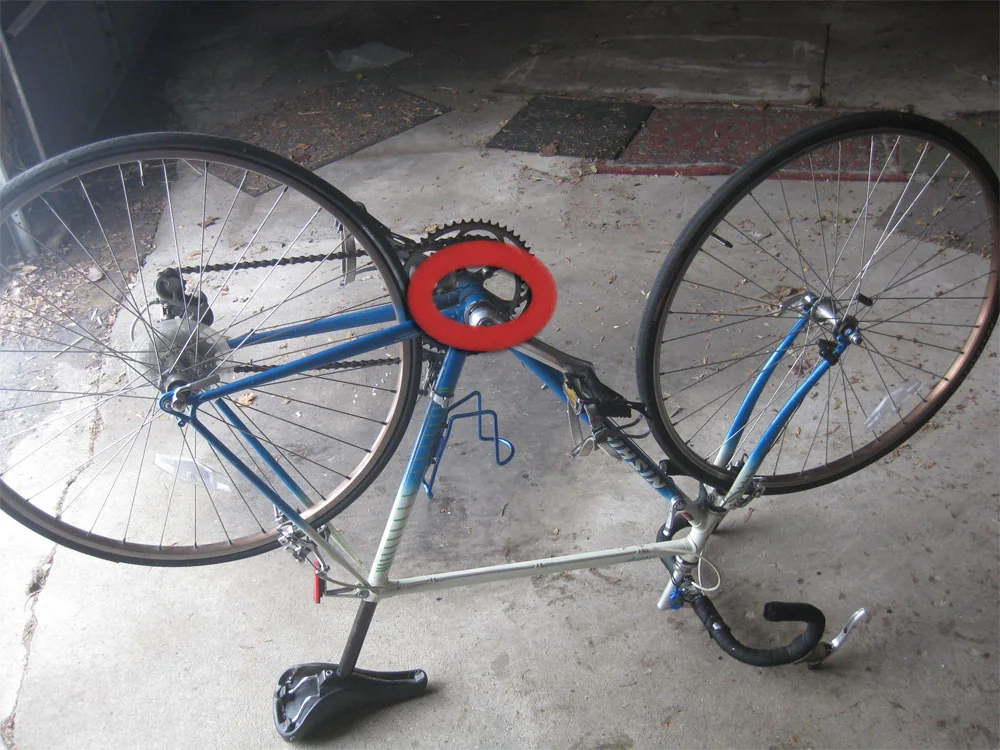
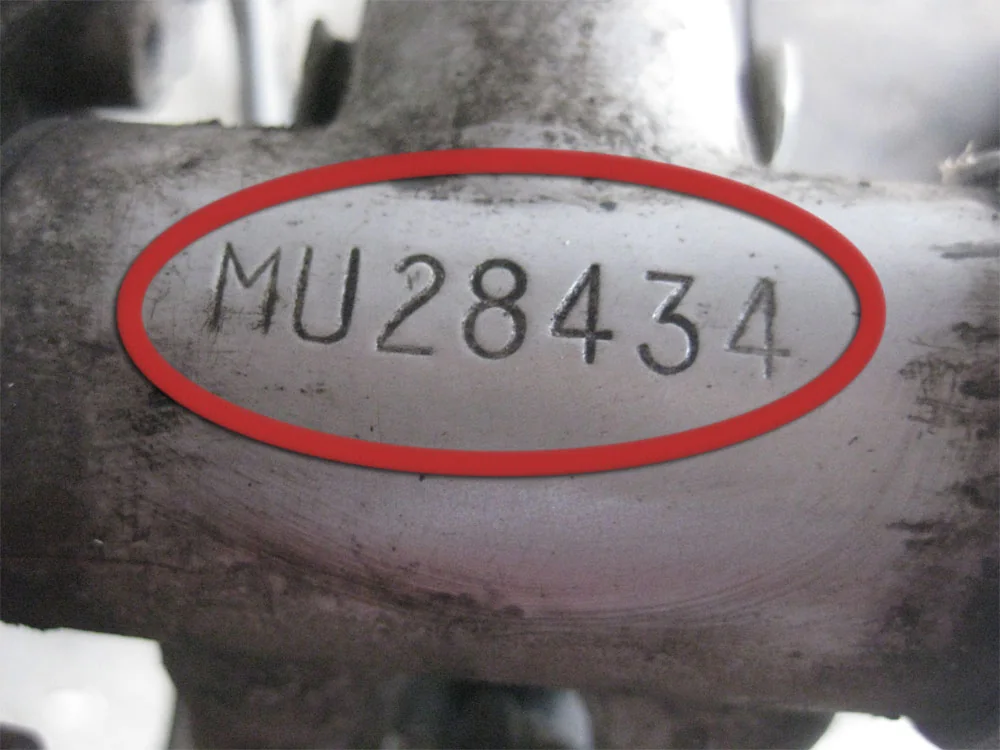
- Your bike's serial number, make, model, colour and size.
- Photos of your own bike, including unusual marks or parts.
- The date, time range and place of the theft.
- Any building-security contact or camera location that could help.
Ask the property manager to preserve relevant camera footage promptly. Don't assume it will still exist next week. Give police the contact details rather than asking security to post a suspect's image online.
Keep the original files. You can add arrows to a copy to show a matching scratch or part, but don't overwrite your clean evidence.
Build one clear comparison page
Put one older photo beside the seller's photo. Mark only details that are actually visible, such as a paint chip, a rack mount, a replaced saddle or a sticker under clear coat. Add the serial number separately if the listing photo does not show it.
Use careful language:
- Certain: the serial number matches your receipt or registration.
- Strong match: several uncommon parts and marks line up with older photos.
- Possible match: the make, model and colour are the same.
- Unknown: the photo angle hides the identifying detail.
That distinction helps police assess the lead. It also protects you from treating an ordinary matching model as proof.
Report the listing to the platform after saving it
Use Facebook Marketplace, Kijiji or the relevant site's reporting tool after you have preserved the listing. Choose the closest category and mention the police report number if the form allows it.
Do not rely on the platform report as your police report. A platform may remove the ad without preserving the evidence in a way you can access. Save first, then report through both routes.
Use the right Toronto reporting route
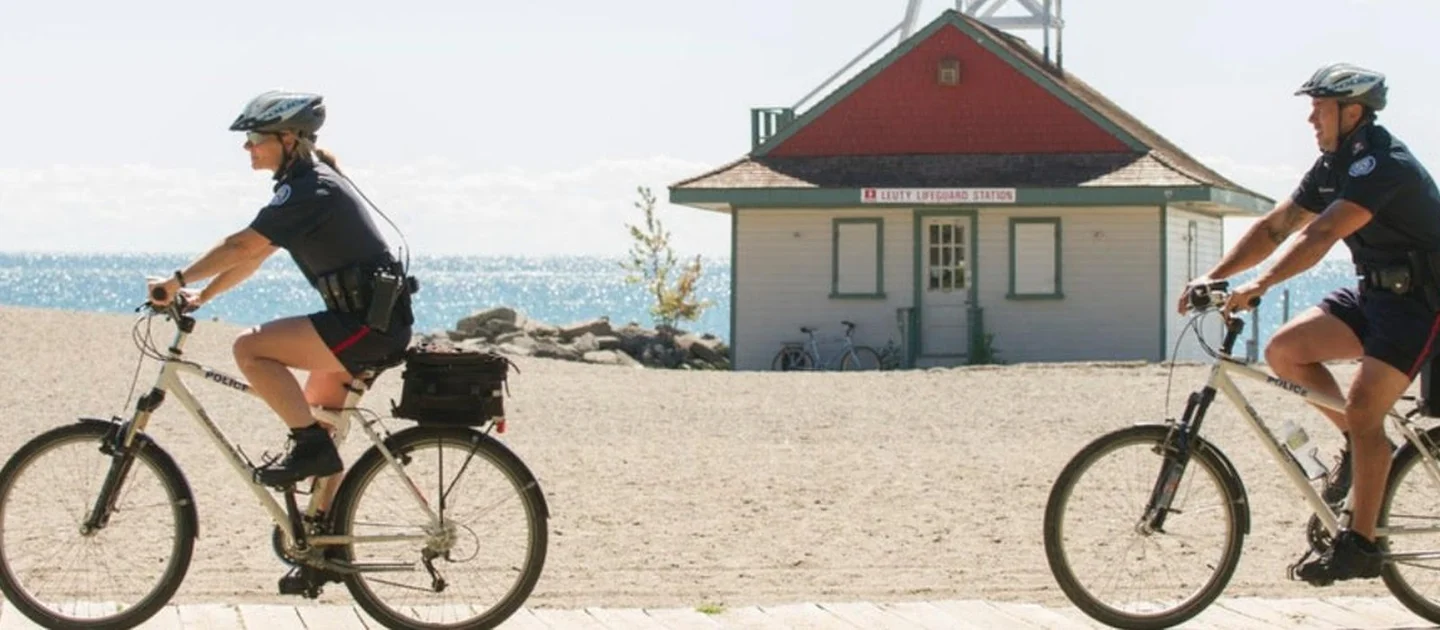
For a non-emergency theft in Toronto, start with the Toronto Police online reporting page. Bicycle theft is one of its listed categories. Online reporting requires an email address and an incident within Toronto.
For a stolen e-bike, call 416-808-2222. The live theft-report form directs e-bike owners to the non-emergency line. It does not accept those thefts online. We checked that instruction on September 15, 2026.
If someone is in immediate danger or a crime is happening now, call 911. Don't invent a weapon, threat or emergency to get a faster response.
If your condo storage locker was broken into, say that. Include the other stolen property and damage. Give the actual circumstances instead of treating every case as a bike missing from a street rack.
Already filed a report?
Use the supplemental-report page to add information. You can also call the non-emergency line with your event number and ask how to send the listing, photos or new location.
Keep a record of when you called and what you were told. Ask which number to use for follow-up. Sending a second unrelated report can make your own records harder to track.
No serial number?
Report the theft anyway. The current form explicitly encourages reporting a stolen bicycle without a serial number. It warns that these bikes are harder to find and that you might not hear from an officer unless the bike is found.
Call the shop that sold or serviced your bike. Ask whether its sales or repair records contain the serial number. Check old receipts, registration emails, warranty records and photos too.
Don't wait for a shop to reopen before saving a resale listing.
Show why it is your bike
A matching model and colour are a lead. They are not enough to be certain.
Custom pedals help. A particular paint chip, fitted rack, unusual wheel, repair mark or old lock still attached can add useful detail. Put your earlier photo beside the listing photo and explain the match in plain language.
A serial number is much stronger than “it looks exactly like mine.” For the next bike, photograph the number clearly and store it somewhere you can find without having the bike in front of you.
Toronto already has a police bicycle registry. You do not need to wait for a new city-wide licence-plate scheme. Registration creates a record that can help identify a recovered bike. It is not a tracking service.
The police site describes an online registry and a printable form. Its announced September 17 maintenance window has passed. If registration is unavailable when you try, keep your records and call the non-emergency line for help with the paper route. A registry outage is not a reason to delay reporting a theft.
The current registry asks for a serial number, make, model, vehicle type, frame colour and distinctive features. Register a new bike before it disappears. Add useful details while you can still turn it over, measure it and photograph every side.
What if police don't come quickly?
There is no honest timetable we can promise. Owners report both successful recoveries and long waits. Someone else's quick recovery in Hamilton, Montreal or Toronto doesn't tell you how your case will be handled.
When you follow up, lead with new information. A listing going live, a changed location or a clear serial-number match is more useful than repeating the whole story without an update.
You can also alert a local bike shop and share a careful missing-bike notice through a cycling group. Bike Index lets owners register a bike and mark it stolen. Its community network is another place to make the bike identifiable.
Share the bike's description and how to contact you. Keep your home address, private documents and claims about a named person's guilt out of a public post. Ask people to send sightings, not to confront anyone.
If you have insurance, ask the insurer what evidence it needs and whether a bicycle limit or deductible applies. Don't assume your home, tenant or bike policy covers the full replacement cost. Tell it if the bike is recovered later.
Why we would skip a meet-up, buyback or test-ride plan
Successful “I stole my bike back” stories leave out the outcome you can't predict. A seller could have bought the bike from someone else. A matching bike could belong to someone else. A confrontation can also expose your phone number, vehicle or home address.
Bringing friends, filming the exchange or choosing a spot near a police station does not make a planned confrontation safe. Nor does being larger than the seller.
Don't send a deposit or a finder's fee to someone claiming they can recover the bike. Discuss any proposed recovery with police first. Buying it back is not a guaranteed solution, and a payment can leave you with less money and no bike.
If police arrange a recovery, follow their instructions. Don't add your own surprise meeting or group of helpers.
What if you see the bike in person?
Do not grab it from a rider or enter private property. Move to a safe public place, call police and give the event number, exact location and a current description. Say whether the bike is stationary, being ridden or loaded into a vehicle.
Do not follow a person into traffic. A live sighting can feel urgent, but creating a collision or confrontation makes the situation worse. Note direction of travel and distinctive clothing only from a safe distance.
A tracker gives you a lead, not certainty
Save a dated screenshot of the tracker location and pass it to police. Don't enter a home, garage, storage room or encampment to follow the signal.
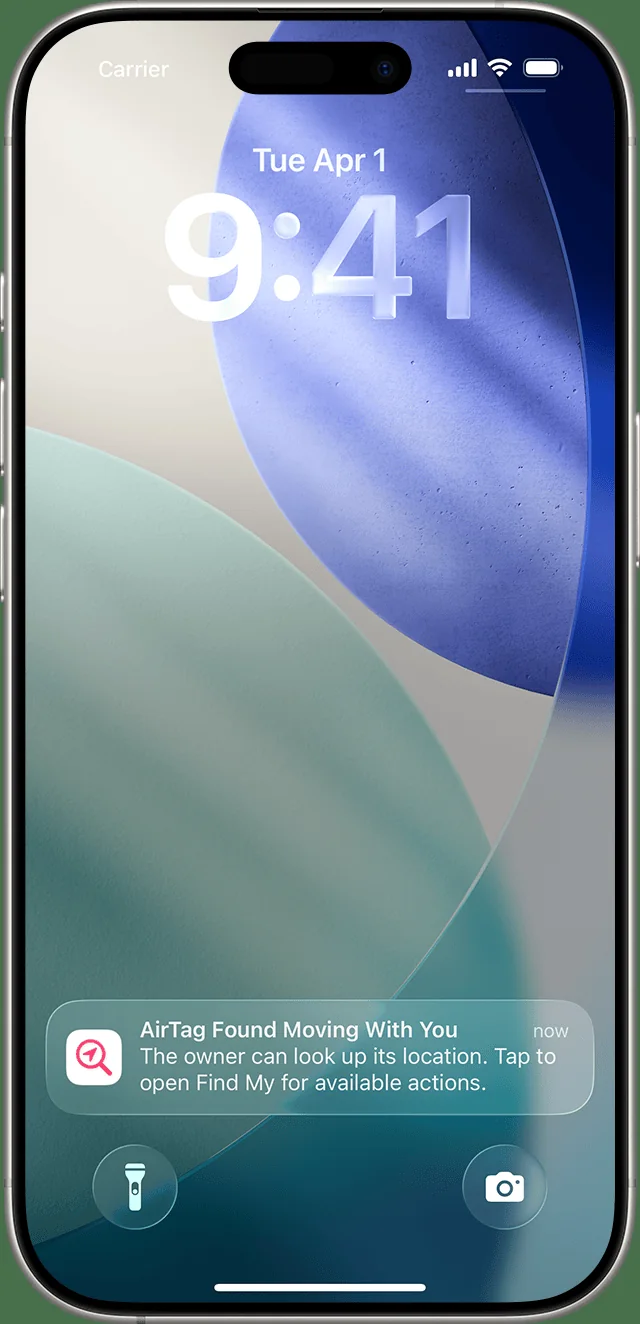
One AirTag, two AirTags or a pet tracker cannot guarantee recovery. A location pin also doesn't establish who took the bike. We would spend time on identification and secure storage before treating another tracker as the whole answer.
If an unknown-tracker alert appears after a recovery or second-hand purchase, take it seriously. Apple explains how to find and respond to an unwanted tracker. Its safety alerts can also appear with borrowed items, so an alert alone is not proof of criminal intent.
If the bike is recovered
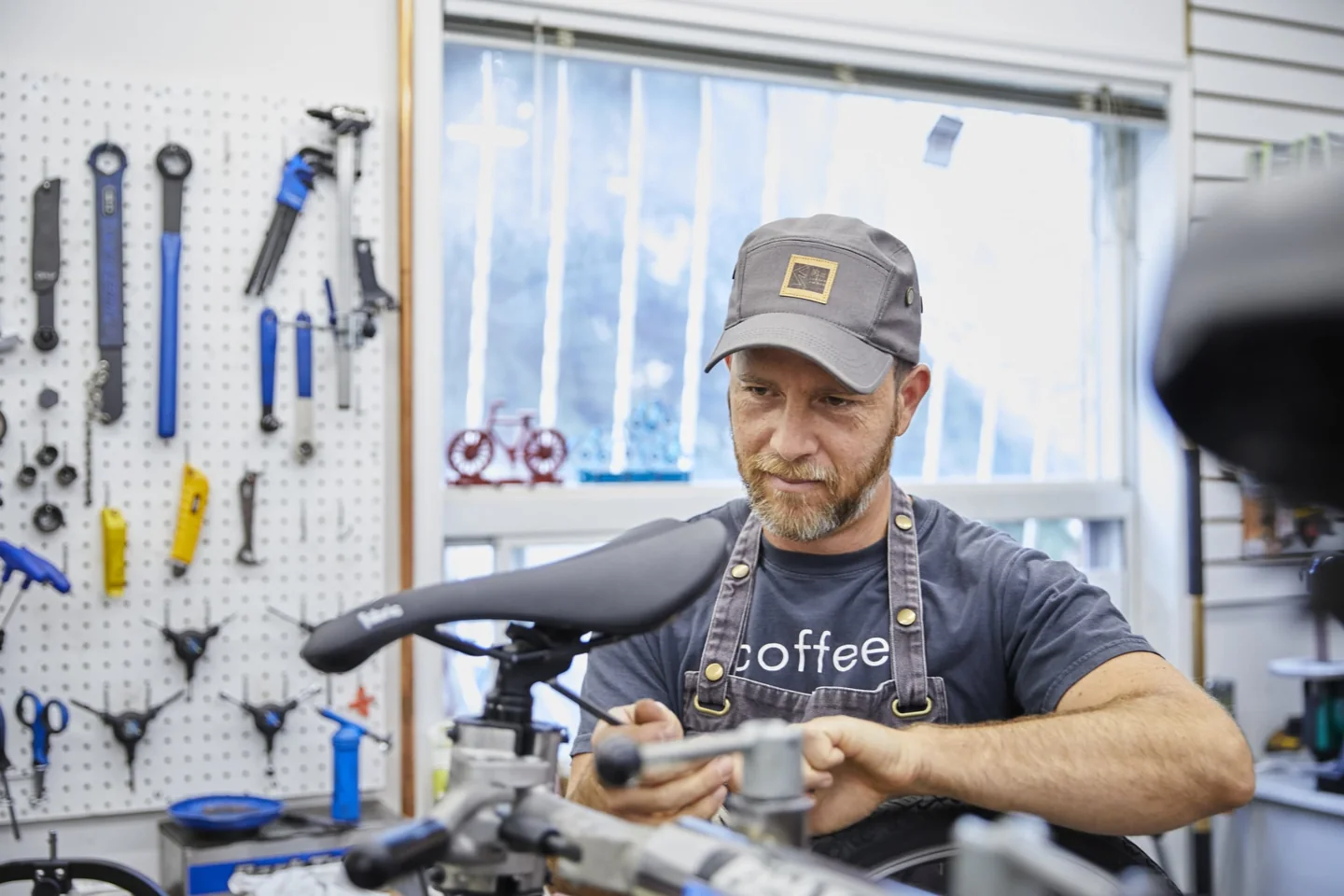
Before riding, check for damage and missing parts. If a lock was attacked or the bike was handled roughly, have a bike shop inspect anything you cannot assess safely. Getting the frame back does not mean the brakes and wheels are ready for a ride home.
Photograph its condition before riding it. Check the brakes, wheels, steering, frame and battery mount on an e-bike. A missing wheel nut, cut brake cable or damaged carbon frame can make a recovered bike unsafe.
Update the police report, insurer and any public registry when the bike has been recovered. Remove the stolen status only after it is physically back with you. If parts are missing or the frame is damaged, keep receipts and ask the insurer how to document the loss.
If you think police already hold your bike, ask about it using your report number and identifying details. Don't assume you must buy it at auction. We could not confirm a case-specific release timetable or a current public catalogue that will contain every recovered Toronto bike.
Make the next theft harder
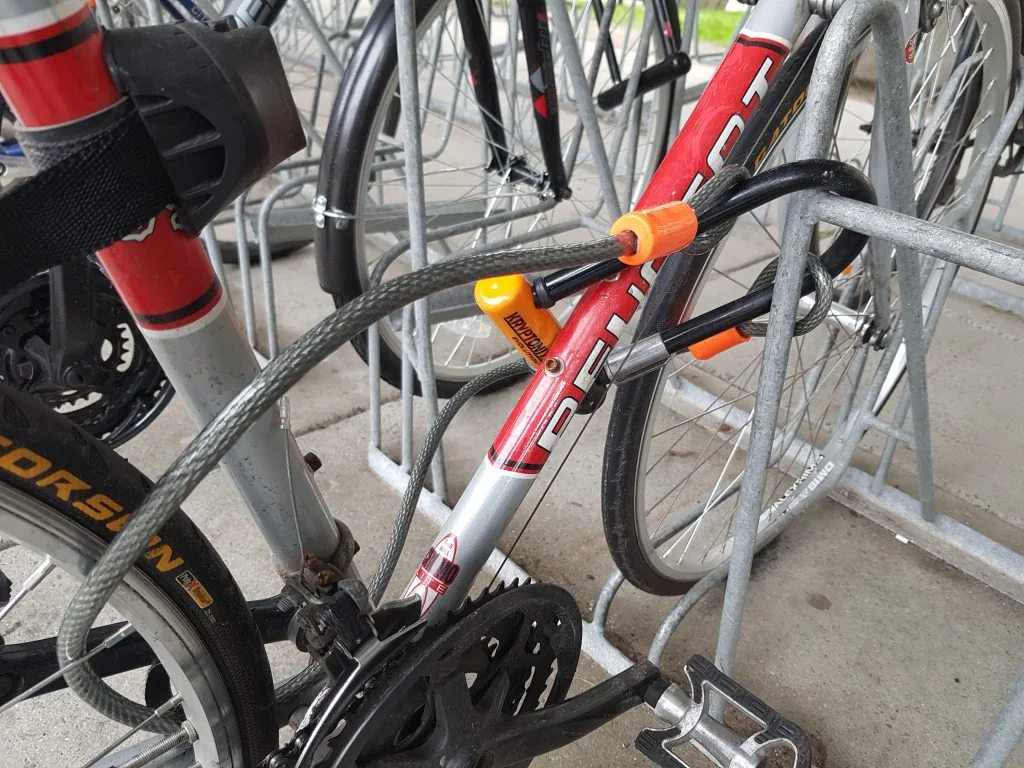
Toronto Police recommend a good hardened-steel U-lock or chain, with the frame and both wheels secured to an immovable object. Remove lights and bags when you leave the bike.
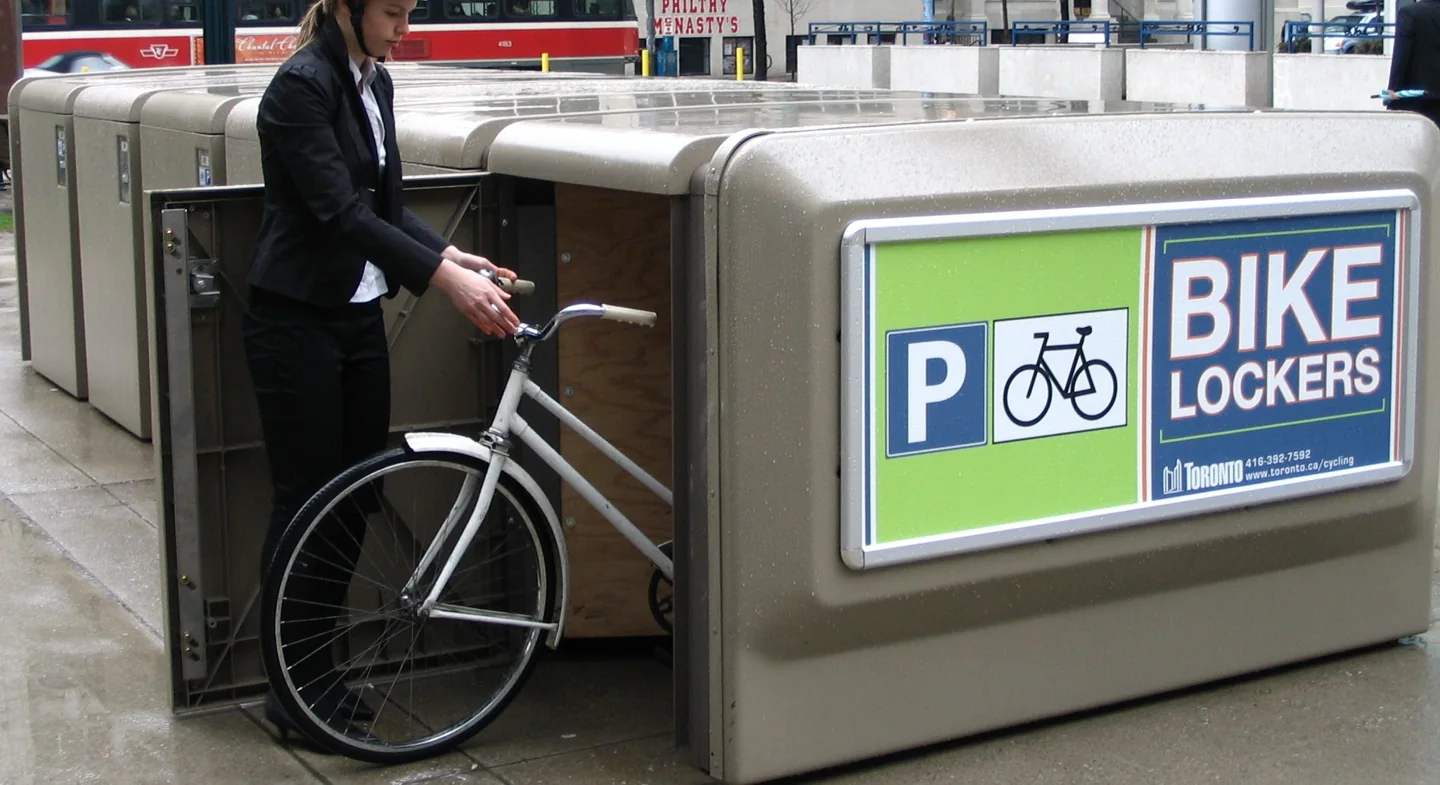
Check the rack as well as the lock. A rack that only grips a wheel is a poor choice if it leaves the frame unsecured. In a condo, use your lock inside the bike room too. A shared door is not a personal bike lock.
Add a second, different lock for a wheel if the bike will be left for more than a short stop. A cable by itself is a weak primary lock.
Check for a cut ring, loose sign pole or rack that can be unbolted. For overnight parking, an indoor room or locker is a better choice than a sidewalk rack, but shared condo rooms still need a lock.
A cheaper or less flashy bike can reduce how much money you risk. It doesn't make the bike theft-proof. Don't confuse that choice with blaming someone for owning a bike they liked.
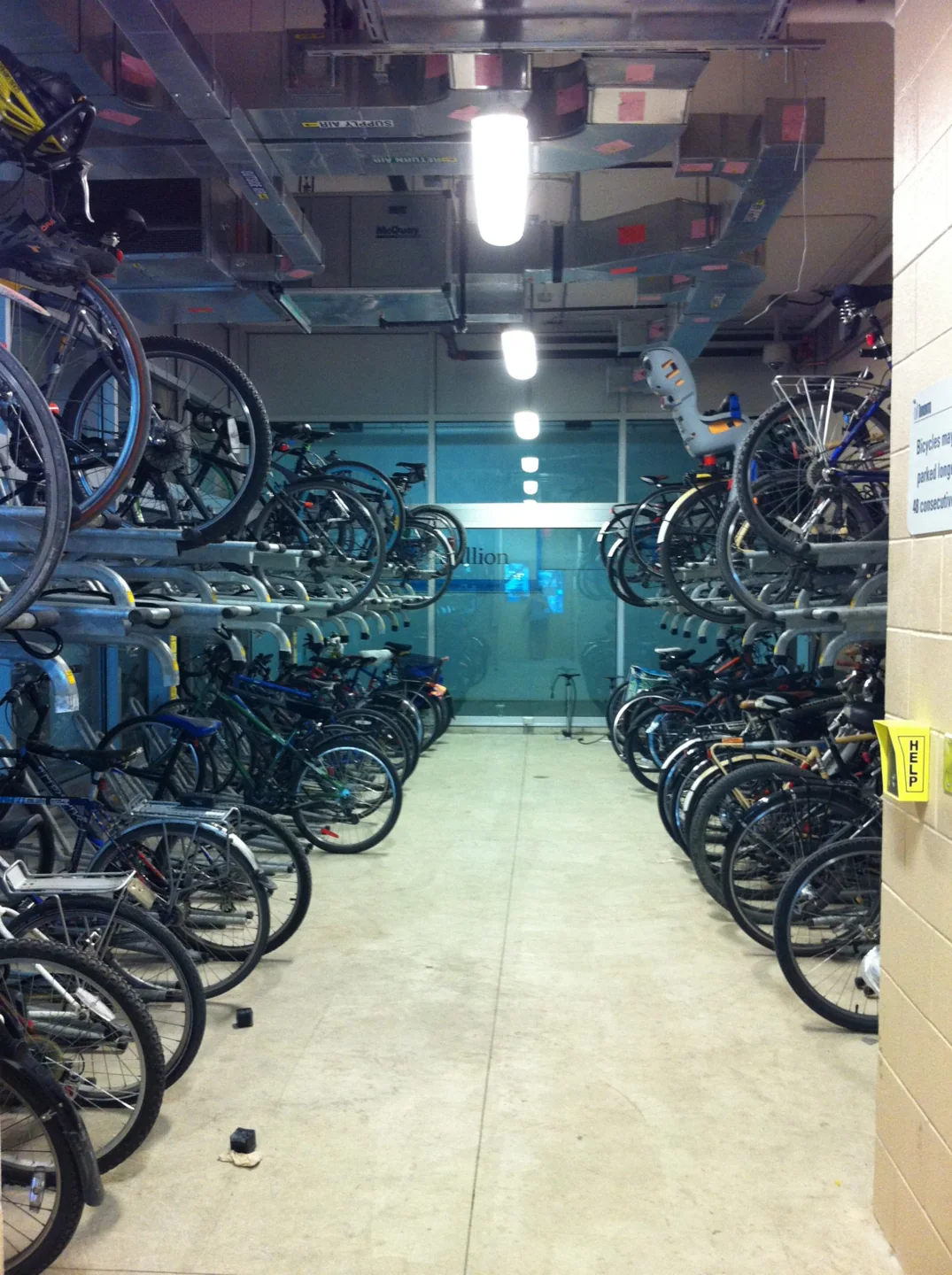
For regular commuting, look at the City's secure bicycle parking stations. On September 15, 2026, the listed one-time membership fee was $28.13, with parking plans at $67.51 for four months or $135.01 for a year. Those amounts include tax.
The big limit is availability. Union Station was not accepting applications because of its long waitlist. City Hall had a shorter waitlist. Register before you build your commute around a space.
A business installing a smart locking station could help its customers, but a manufacturer's brochure is not evidence that a station exists on your route. Use the City's actual locations and access rules when planning.
For short trips, a shared bike also avoids leaving your own bike outside a shop. Check the dock near your destination and the return rules first. If you carry panniers, ask about a shop's bag policy before leaving them unattended.
Frequently asked questions
Can I report a bike that was never registered?
Yes. Registration helps identify a bike, but the current police form still encourages a report without a serial number. Give the details and photos you do have, then add records you find later.
Should I message the seller to ask for the serial number?
We would save the ad and contact police first. The City specifically advises alerting police when you find your stolen bike online. Don't alert the seller or set up a meeting while trying to build a case yourself.
How do I check a used bike before buying it?
Ask for its serial number and purchase history. Search the Canadian Police Information Centre bicycle database and a public registry such as Bike Index. A positive CPIC result should go to local police for confirmation; a search with no match is not a guarantee of clean ownership.
Also compare the seller's account age, other listings and knowledge of the bike. None of these proves theft on its own. They help you decide whether the transaction is clear enough to continue.
Should I report the Marketplace or Kijiji listing too?
Yes, after you save it. Use the site's reporting tool and keep the direct link, screenshots and police event number. Platform removal can stop a sale, but it does not replace a police report or prove ownership.
What if the seller says they bought it from someone else?
Pass that information to police. It is possible for a bike to change hands, and a resale listing does not establish who committed the original theft. Keep the discussion factual and avoid public accusations.
Could the City have removed my bike?
Yes, that is worth checking if it disappeared from City property. The City's bicycle-parking page directs people to 311 if they believe the City removed a bike. On private property, ask the building manager.
Is there a way to guarantee I get it back?
No. Registration, a tracker, photos and a strong report all serve different purposes, but none promises recovery. Save the evidence quickly and avoid turning a lost bike into an injury or a second financial loss.