



Someone can be friendly at work and still never invite you home. That can feel cold, especially when you're new to Toronto and don't have family nearby.
But the lack of a Thanksgiving invitation doesn't prove that a whole city is unfriendly. People differ in how they celebrate, whom they host and whether they have room or money for guests. Our advice is to stop waiting for a vague “we should hang out” to become a plan. Make one small, clear invitation and look for people who make an effort back.
Polite isn't the same as close
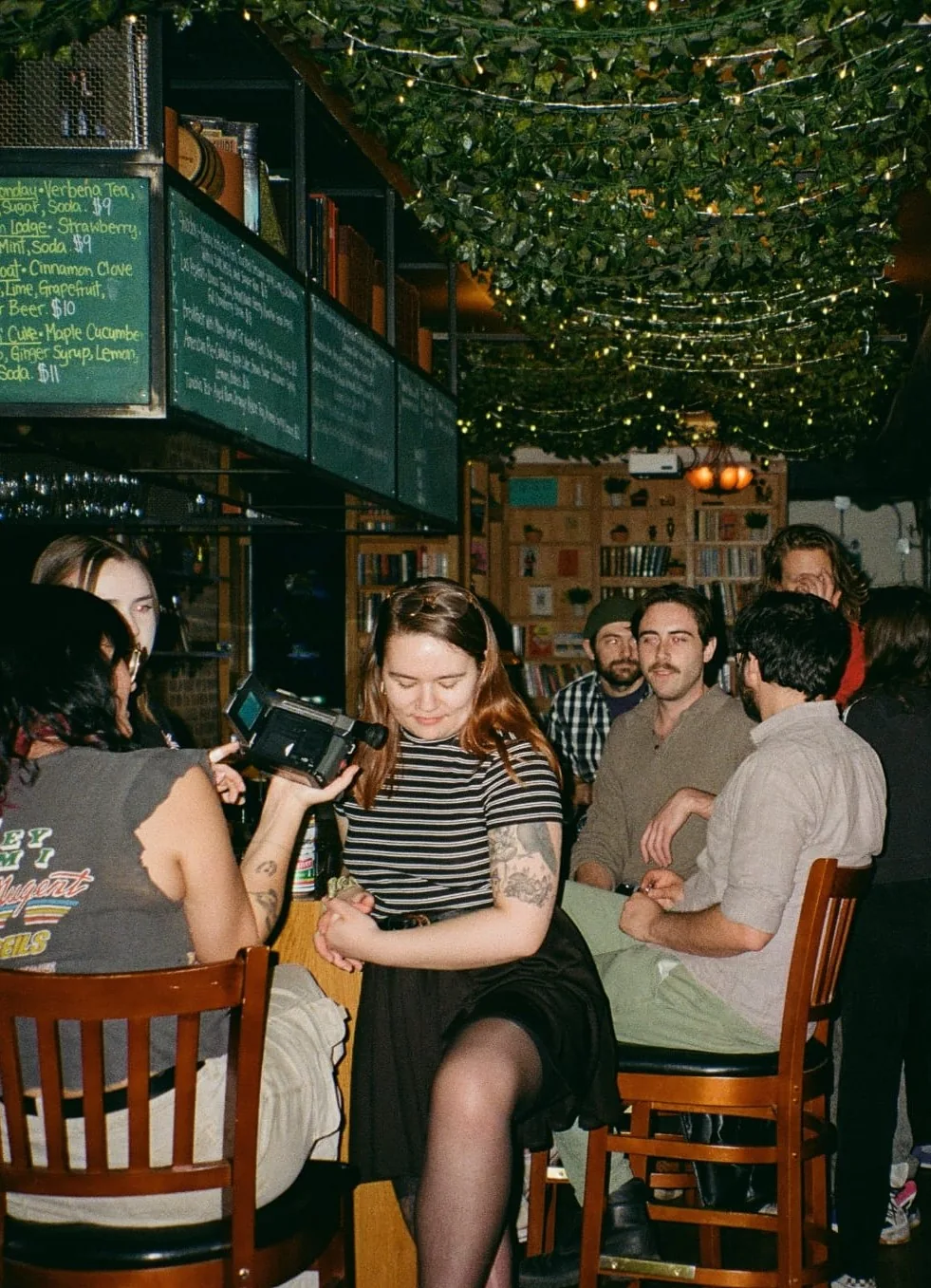
A good conversation at the office is a start. It isn't a promise that you are now part of someone's holiday plans.
That gap can be especially confusing if you're used to casual home visits or open holiday tables. You may be using a different measure of friendliness from the person you met.
The fair question is about their behaviour over time. Do they follow up? Do they suggest another day when they can't come? Do they ask about you without needing something?
Choose people who show interest in those ways. Don't invest months in someone who is pleasant but never makes space for a real plan.
Thanksgiving doesn't have one Toronto meaning
Some households treat it as a family gathering. Others invite friends, combine the two, work through the weekend or don't celebrate it.
That variety matters in a city with many backgrounds and routines. A missing invitation can have several explanations. It doesn't reveal which one applies to the coworker you know.
Claims that Americans always welcome strangers or Canadians never do are too broad. Personal experiences can be true without describing an entire country.
If the holiday matters to you, say so plainly to a friend you trust. You can also create a small gathering yourself. Don't wait for a national tradition to solve a personal need.
Space and money are real limits, but not the whole answer

A home invitation can involve cleaning, food, chairs, noise rules and roommates. Some people feel uncomfortable hosting in a small or shared space.
That is a reasonable constraint. It doesn't explain every person, and it shouldn't become an excuse for friends who never make any effort.
A park walk, a coffee or a simple potluck can reduce the cost. The location matters less than whether the invitation is clear and welcome.
Choose a plan with a low burden for the first few meetings. Save a full holiday dinner for people who want to help make it happen.
Make the invitation easy to answer
“Let's hang out sometime” leaves all the work unfinished. Give a day, a place and a simple activity.
For example: “I'm going for a walk at Christie Pits on Saturday at 2. Do you want to join for an hour?” That tells the person what the plan costs in time.
If you're inviting someone home, say who else will be there and whether it's a meal or a short visit. Ask about food needs before deciding what to cook.
A specific invitation isn't pressure. Let the person say no. One alternate date is enough; repeated chasing can make an ordinary invitation uncomfortable.
Choose clarity. Skip the hint that someone should notice you're lonely and create the whole plan for you.
Read a declined invitation fairly
A “no” with another suggested day usually leaves the door open. A “no” without an alternative can still be genuine busyness.
The pattern is more useful than one reply. If you initiate several times and the other person never offers anything, reduce the effort.
You don't need to accuse them of being fake. They may see the relationship differently, or have no capacity for it right now.
Keep them as a friendly acquaintance if that suits you. Put your time into people who want to spend some back.
Repeated activities are better than starting from zero every weekend
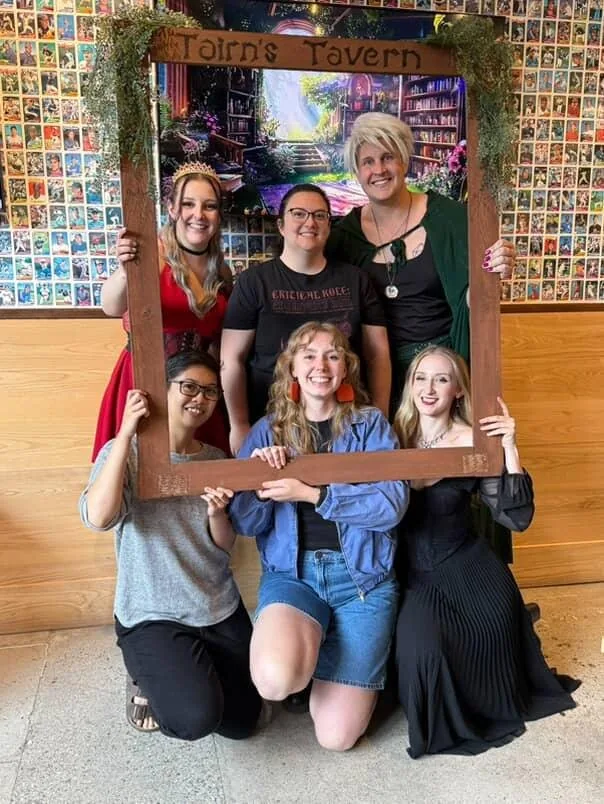
The City's arts, hobbies and interests programmes include clubs, games, crafts and other group activities. Toronto Public Library's calendar can help you find book clubs and programmes.
The practical benefit is repeat contact. You don't have to create a conversation with a new room of strangers every time.
Choose an activity you would enjoy even if no friendship forms that day. That makes it easier to return and gives conversations a natural subject.
A weekly course, volunteering role or hobby group can be useful. Check the commitment, costs and registration rules first. Don't sign up for a large package only because it promises a community.
Choose two manageable repeat activities. Skip filling every evening with social plans you dread.
Find a repeat plan that doesn't need a restaurant bill
City recreation gives you a concrete low-cost route. Its current swimming page says leisure swim is free at City indoor and outdoor pools. Indoor lane swim is a different programme and usually has a fee, with free-centre exceptions. Check the live session type and schedule.
For a more talk-friendly activity, use the designated free-centre list. City-run classes there are free for Toronto residents, though a full class still needs a place. Find a recurring programme you would enjoy even if a friendship takes time.
Don't choose a pool expecting a long conversation during lane swim. It is a shared exercise session. Invite someone for a short walk afterward, or choose a class with a natural break.
A low-pressure invitation can be specific: “I'm going to this Tuesday class for the next few weeks. Want to join, or walk home together afterward?” Send the official schedule so they can check the cost and timing themselves.
Our pick is a nearby activity you can repeat. A free plan across town that you abandon after one visit is less useful than a manageable habit near home.
Where a public first meeting helps
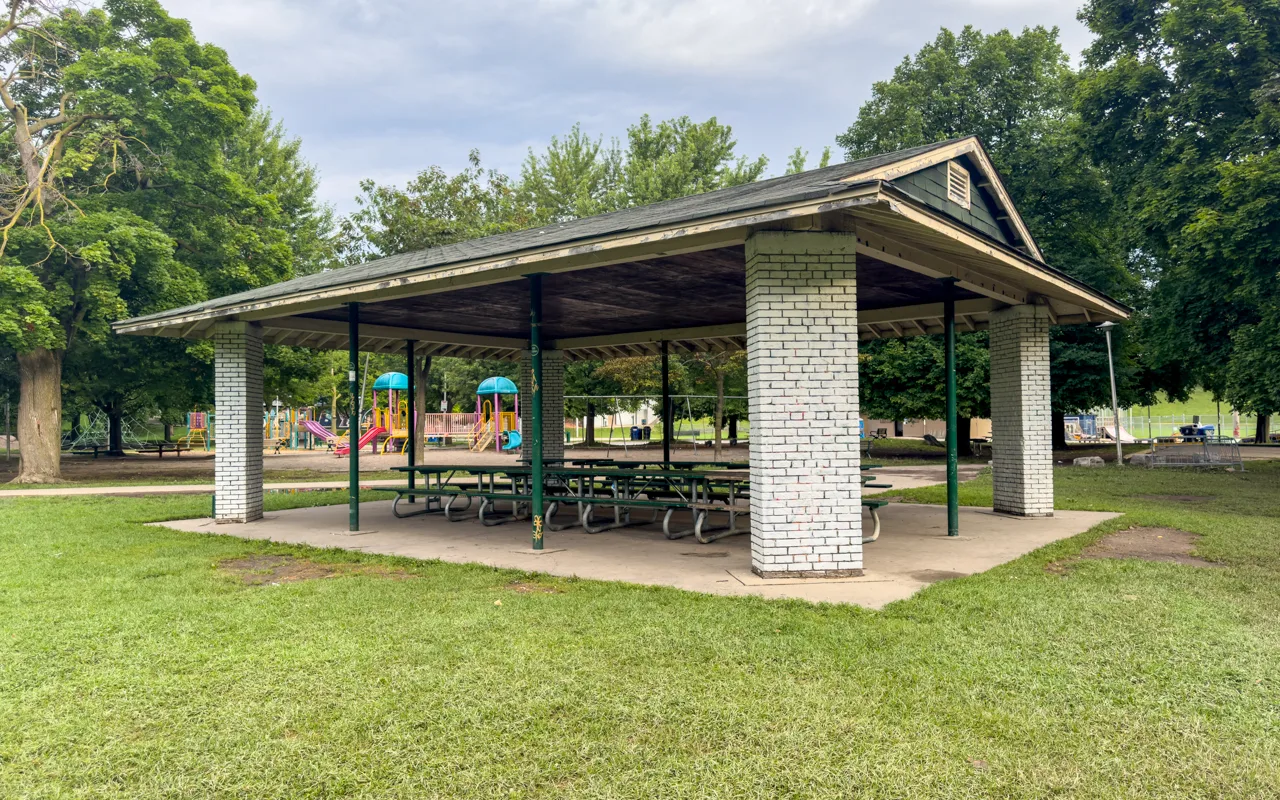
A café, library event or daytime park walk can be a comfortable first plan with a new acquaintance. It keeps the commitment short and doesn't require sharing a home address.
Christie Pits is one example of a Toronto meeting place. Pick a specific spot and check the weather. A large park name alone can leave people waiting in different corners.
Public meetings are also useful when the group has different budgets. Say the expected cost in advance. Don't invite someone to “a casual drink” and then move the plan to an expensive dinner.
Choose a place everyone can reach. A recurring plan that takes one person two hours to attend is harder to sustain.
More places for a specific, easy first invitation
“Let's play a game at this place for two hours” is easier to answer than “We should hang out sometime.” These choices offer different costs and interests.




| Place | Location | Useful difference |
|---|---|---|
| See-Scape | 347 Keele Street | Published board-game fee is $5 per person for all-day play; food and drinks are separate |
| For The Win | 3216 Yonge Street | North of Lawrence station; reserve on weekends if you need guaranteed seating |
| Space Social | 87 Wade Avenue, Unit 102B | Trading cards and coffee; best when you share that interest |
| Twilight Café | 16 Park Home Avenue, or 3300 Midland Avenue, Unit 35 | North York and Scarborough choices, so every meet-up needn't be downtown |
See-Scape also lists video games at $5 per person per hour, or $10 per person for all-day board and video games. Choose the board-game option for a lower-cost first meeting. The site warns that Friday and Saturday evenings fill up.
For The Win's own website recommends weekend reservations and has a separate inquiry for groups above ten. Don't rely on an old review's $5 entry claim. We haven't verified today's gaming fee on its current primary page.
Space Social lists Tuesday-to-Saturday hours of 10 a.m. to 7 p.m. and Sunday-to-Monday hours of 10 a.m. to 5 p.m. Choose it for a daytime card-game connection. It isn't a late-night bar alternative.
Twilight's booking rules add costs for some visits. A board-game reservation requires $6 plus tax per person, credited toward the first two hours of gaming and not refunded for a no-show. Groups of eight or more have a 12% automatic gratuity. Dine-in-only visits have a two-hour limit. Agree on the format and budget before inviting people.
For a dated outdoor plan, Fitzrovia’s September 3 announcement lists a public guided five-kilometre run at Elm-Ledbury, 25 Dalhousie Street, on Tuesdays at 6:30 p.m. through October 13, 2026. The organiser says all paces are welcome and includes a complimentary non-alcoholic drink from 10 DEAN. RSVP is encouraged. October 13 is the last listed date. Don’t assume the public series continues after it.
Pick the place nearest the people you're inviting. Repeat the invitation next month if it goes well. A familiar, affordable meeting is more useful than a perfect venue nobody can get to.
What research says, and what you can actually do in Toronto
This isn't only a personal complaint
The 2022 Toronto Social Capital Study surveyed more than 4,000 Torontonians. Its release reported a substantial group with no one to rely on, alongside many residents who did have supportive networks. It was a pandemic-era study, not a fresh 2026 count.
That supports taking disconnection seriously. It doesn't establish that every Toronto household is closed to newcomers, or that a particular coworker owes you a holiday invitation. A citywide survey and one friendship answer different questions.
Jeffrey Hall's friendship-development study used two US samples: 355 adults who had recently moved and 112 first-year students followed over nine weeks. Time together and shared leisure were associated with closer friendships.
The study is often turned into a fixed number of hours needed to make a friend. Don't treat that as a personal deadline or a Toronto rule. Its useful lesson is simpler: repeated, enjoyable contact offers more opportunity than a single pleasant chat.
Downsview parkrun: a free weekly point of return
Downsview parkrun lists a free Saturday event at 9 a.m. The five-kilometre format welcomes walking, jogging and running. Its park address is 70 Canuck Avenue. Register once with parkrun and bring the barcode if you want a recorded result.
This works better as a repeated activity than as a one-day search for a best friend. You can attend, learn the routine and recognise people next week. You don't need to be a fast runner to use the walking option.
It may be the wrong choice if early Saturday travel is difficult or the route doesn't suit your access needs. Read the course details first. A free event is only useful if you can keep attending it.
Choose it when you like outdoor activity and want a recurring low-cost plan. Invite someone for a short coffee afterward, without making the event itself an obligation to socialize.
A paid games visit has a more predictable bill than a vague dinner
Snakes & Lattes Annex, at 600 Bloor Street West, lists $20 game admission with selected unlimited non-alcoholic drinks. Reservations use three-hour slots. For six or more guests, the venue lists an 18% automatic gratuity.
Its step-free entry is at 602 Bloor, through a ramped automatic door, with accessible ground-floor washrooms. The College location describes entry steps and washroom limits. Don't assume all branches have the same access.
For two people, game admission starts at $40 before whatever else the bill requires. For six, admission starts at $120 before added food and the published group gratuity. Agree on the spending plan before booking. Trivia and other ticketed programmes can have separate conditions.
This is useful when the activity helps conversation. It is a poor first suggestion for someone who has just told you money is tight. Choose a library event or walk for that person rather than insisting the games fee is small.
Four starting plans with different costs
| Plan | Main cost | What creates repeat contact | Main limit |
|---|---|---|---|
| Saturday parkrun | No event admission | Same weekly activity | Morning travel and course conditions |
| TPL book club or other programme | Often free; check the event | Shared subject and repeat meetings | Registration, language and branch schedule |
| City class at a designated free centre | Free for eligible Toronto residents in applicable City programmes | A series of sessions | A place must still be available |
| A games visit at the Annex | $20 listed admission per person | A shared activity you can repeat | Food, group charges and booking terms |
The best starting point is the one you would enjoy without a friendship result that day. That makes the second visit easier. A club chosen only because it promises social success can become another chore.
A four-week approach without turning people into a project
In the first week, attend one activity that is convenient enough to repeat. Learn how it works. There is no need to leave with a phone full of contacts.
In the second week, return and speak with someone you recognise. Ask about the shared activity. If the conversation feels mutual, suggest a short nearby plan after a future session.
In the third week, make one specific invitation. Say the time, place and likely cost. “Coffee after Saturday's walk for half an hour” is easier to answer than “we should become friends.” Accept a decline without demanding an explanation.
In the fourth week, look at the pattern. If the person follows up or suggests an alternative, keep investing. If you do all the work, keep the acquaintance pleasant and widen the circle. This is an editorial plan, not a research-tested four-week friendship formula.
What a Thanksgiving invitation can and cannot tell you
A family holiday may be the most difficult first invitation, because it involves other relatives, food traditions and hosting capacity. It is also a more intimate setting than a weekly activity. Waiting for that invitation can make an otherwise growing friendship feel like a failure.
Try a smaller plan before treating the holiday as the test. If you want to host, start with people who have shown interest in spending time together. Share the work and the food cost. A four-person potluck can create real contact without turning one person into the caterer.
The goal is reciprocity over time. A home invitation can be one sign of closeness. It shouldn't be the only sign you count.
The social problem behind the missing invitation

A city can be busy and socially thin at the same time. You can exchange messages all day, speak to people at work and still have nobody to call on Saturday. Contact and closeness are different things.
Toronto adds several kinds of friction. Friends can live far apart. A late shift can clash with a nine-to-five schedule. A small apartment can make hosting awkward. A meal can cost more than one person is comfortable admitting. None of these explains every missed invitation, but they change how easy friendship is to maintain.
The result is often a loop. Someone feels stretched, postpones a plan and stays home. The other person reads silence as rejection and stops asking. Both people wanted contact. Neither person supplied the next workable step.
Our view is that friendship needs some shared responsibility. A city needs places where people can gather without buying a full meal. Employers need to respect time outside work. Friends need to make a few real plans, rather than only saying they are busy. The individual and the wider conditions both matter.
Loneliness, isolation and having few friends are different questions
Being alone is not automatically a problem. Some people enjoy a quiet evening. Having fewer close friends is not automatically a failure either. The useful question is whether your relationships give you the contact, care and company you want.
Someone can have a large contact list and feel lonely. Someone else can have two close friends and feel supported. Counting followers doesn't tell you who will listen, show up or make a plan with you.
Before changing everything, name the missing part. Is it a person to see often? Someone to discuss a hard day with? A group that shares your hobby? An invitation into a household? Those needs call for different next steps.
If the missing part is regular company, a recurring local activity is a practical start. If the missing part is trust, adding ten strangers to a group chat won't solve it by itself. Choose the kind of relationship you want to build.
The liking gap: don't treat every awkward pause as rejection
Research on the liking gap found that people often underestimated how much a new conversation partner liked them and enjoyed their company. The researchers observed the pattern in several settings, including strangers meeting and students getting to know each other.
That doesn't prove the person you met wants to be your friend. It does give you a reason not to treat your own nervous replay of the conversation as reliable evidence that you were disliked.
Use a modest test. Invite the person to a clear, low-pressure plan connected to the activity you shared. Their response over time tells you more than a theory about one facial expression. A warm answer, a suggested alternate day or a later invitation is useful evidence.
Respect an actual no. The lesson is to question your gloomy guess, not to ignore another person's boundaries.
A boundary is not always coldness
An invitation home can feel more personal than an invitation to a café. Some people need to know you well before bringing you into the space where they live. Others are happy to host almost immediately. Neither rule is universal.
Roommates, partners, children and shared chores can also affect the answer. The person you know may not be the only person who decides whether guests come over. A household is not a public venue with an empty seat you can claim.
The problem starts when a boundary becomes permanent vagueness. “I don't host, but let's meet at the park” makes space for friendship. “Soon, definitely” repeated for months leaves you doing all the work. Look for an alternative, not just an explanation.
Friendship has a money cost, even when nobody says so

The cost is often hidden in the plan. Dinner adds food, tax, tip and travel. A group may choose the place before the person with the tightest budget speaks. Saying “just come for a drink” can still mean admission, a minimum order or a long trip.
Consider a clearly hypothetical monthly plan. Four outings at a $35 food-and-drink subtotal cost $140 before tax and tip. Add 13% HST and a tip of 15% on the pre-tax subtotal, and the total is $179.20. Travel and tickets are still outside that figure.
That isn't a measured average Toronto friendship bill. It's an example of how a casual weekly habit can become a large expense. Someone declining the fourth dinner may be protecting their budget rather than rejecting the friendship.
Say the budget before choosing the place
Try “I'd like to keep this under $15 each” or “I can do a walk, but dinner is outside my budget this week.” That gives the group something useful to work with. It also saves the awkward moment when the bill arrives.
For a host, be just as clear. “I'm making soup. Please bring bread if you can” is a simpler plan than silently buying an expensive spread and hoping guests repay the favour. A potluck works best when the shared work is named.
Separate fairness from identical spending. One person can bring food, another can help clean and another can choose a route. A friend with less money should still be able to contribute without pretending to have the same income.
Choose a recurring plan that the least comfortable spender can join. An expensive outing every month can be fun. It shouldn't be the only door into the group.
Hosting can carry unpaid work and shame
Cleaning, shopping, cooking and being pleasant while tired are work. One person in a household may carry most of it. If invitations depend on that person doing a full evening's work, hosting will happen less often.
There is also the fear of judgement. A person may worry that their home is too small, too messy or less polished than the rooms they see online. The worry can stop an invitation even when the guests would have been happy with tea at the kitchen table.
Lower the standard in a real way. Invite two people for an hour. Serve what you already planned to eat. Let the guest bring something or wash dishes. The point is company, not a photograph of the table.
Guests can help by avoiding jokes about the space, furniture or food. Don't make someone regret trusting you with an ordinary home.
A low-cost public room is part of a functioning city
Libraries, parks, recreation centres and community spaces reduce the cost of meeting. They also let people join without offering access to their home. That matters for newcomers, people in shared housing and anyone whose household cannot host.
The Toronto Public Library programme search is a useful first step. Look for a repeat book group, discussion or workshop near home. The City's recreation programme search gives another route, with age, registration and location rules to check.
Use the space for its actual purpose. A class doesn't guarantee a friend, and a quiet library room isn't a party room. But a repeat public activity can remove the need to pay for dinner every time you want company.
Work, travel and care can use up the social part of a day

A person can finish paid work and still have several hours of obligations ahead. There may be a commute, a child to collect, meals to cook, a relative to support or another shift. “Everybody gets the same 24 hours” ignores how those hours are already claimed.
This is why a small invitation can work better than a grand plan. Coffee near the end of an existing activity needs less travel and less coordination. A late dinner across the city creates another journey and another recovery cost the next day.
Remote work can save time and remove casual contact
Statistics Canada's analysis of the 2022 Time Use Survey examines how telework relates to time use and well-being. It compares groups of workers, not a random assignment that proves working from home causes a particular friendship result.
The practical tradeoff is easy to recognise. Working at home can remove a commute and create more control over a day. It can also remove the repeated short exchanges through which some work acquaintances grow. Returning to an office can restore those exchanges while making travel and care harder.
There is no honest universal verdict that everyone must return to the office to make friends. If you work remotely, give repeated local contact a place in your week. If you commute, use a nearby plan that doesn't add another trip across Toronto.
Don't ask your employer to supply every relationship. Colleagues can become friends, but a workplace also has power, evaluations and changes in staff. A wider circle makes a job change less socially disruptive.
Shift work changes what “available” means
A weekend worker may have Tuesday free. A parent may have an hour before school pickup. A person with an early start may be happy to meet at 6 p.m. and need to leave at 8. Those schedules aren't evidence that someone is boring or uninterested.
Offer one plan that fits the actual schedule. A breakfast, a daytime walk or a short afternoon visit can create more contact than repeated late-night invitations that never work.
If the group always chooses one person's timetable, it quietly chooses which people can remain in the group. Rotate the plan when possible. Ask for a workable window instead of demanding that someone “make time” for the same impossible slot.
The distance between two Toronto friends can become a second commute
A friend in Mimico and a friend near Scarborough Town Centre may both live in Toronto, but meeting isn't a short neighbourhood walk. The journey can become the biggest part of the outing. Weather, service changes and an early shift can make it harder.
Alternate neighbourhoods or choose a meeting point that gives both people a reasonable trip. If one person always travels farther, acknowledge it. A friend who keeps doing the journey is already contributing time.
For new friendships, start with people you can see regularly near home, work or an existing activity. Keep distant friendships too, with longer visits less often or a scheduled call. Different distances need different routines.
Generations matter, but labels explain less than life stage
It's tempting to say young people live online, older people never make new friends or one generation forgot how to host. Those claims turn many different lives into a stereotype. They also make the problem harder to solve because nobody can change their birth year.
The Canadian time-use release shows a decline in seeing friends across age groups, with a particularly large decline among working-age adults. It doesn't show that one generation's character caused it. The 1986 and 2022 surveys compare different periods as well as different people.
Age can affect routines. It doesn't tell you whether someone is generous, lonely, socially skilled or willing to meet. Ask about their actual life.
| Life situation | What can make contact harder | A more workable invitation |
|---|---|---|
| A student living with family far from campus | A long commute and rules at home | Meet before an existing class or near the route home |
| A newcomer | Few existing contacts and unfamiliar local habits | A clear public plan with price and directions |
| Someone with young children | Care, bedtime and little spare energy | A child-friendly daytime plan, if they want it |
| A person working evenings | Weekend plans clash with paid work | A weekday daytime meeting |
| Someone caring for an adult relative | Unpredictable demands and travel limits | A short nearby visit with an easy cancellation |
| A retired person | Loss of workplace contact or friends moving away | A recurring daytime activity with accessible travel |
| Someone after a breakup or move | Several shared routines vanish at once | One repeat local activity, plus contact with existing friends |
These are planning examples, not claims that everyone in a group needs the same thing. Use them to ask a better question.
Growing up with different hosting rules
Some people grew up in homes where guests came without much planning. Others learned that home visits need an invitation, notice or a special occasion. A friendly workplace exchange can carry different expectations under those two habits.
Migration can make the gap more noticeable. A person may miss a familiar kind of community while trying to work out a new set of local signals. That doesn't mean their previous culture was perfect or Toronto has one cold rule.
Explain the thing you miss without judging the person in front of you. “I miss casual meals with friends. Would you like to do a simple dinner sometime?” is clearer than “People here never invite anyone.” The first sentence makes a plan possible. The second asks someone to defend a whole city.
Social media can make a friendship feel active while the relationship stands still

Liking a photograph is a small signal. It can be kind and useful. It doesn't do the same work as a conversation, a visit or help on a difficult day.
A group chat can keep people connected between meetings. It can also become a place where every invitation gets a reaction and no decision. The technology saves the message. It doesn't choose the day.
Use the chat to finish a plan
Give two possible times and a clear deadline for choosing. Name the price, place and length. If only two people can come, meet with two people. Waiting for the whole group can cancel every plan without anyone saying no.
Be careful with polls that reopen endlessly. Someone proposes dinner, somebody asks about Friday, another person offers a better restaurant and a week passes. The problem is not a lack of ideas. It's the absence of a decision.
Pick a small plan that can survive one cancellation. A walk that still happens with two people is sturdier than a booking that needs eight people and a deposit from each.
Online comparison can raise the price of an ordinary evening
If every gathering must look like a restaurant launch or a perfect apartment party, people with less space, money or energy can stop participating. An ordinary invitation begins to feel inadequate before it is sent.
This is an editorial reading of a familiar pressure, not a Toronto-specific measurement. The useful response is to make plain invitations acceptable again. A bowl of soup, a park bench or a shared errand can count as time together.
A randomized Facebook-deactivation study found changes in offline activity and well-being during a four-week break. That result concerns a particular platform, sample and period. It doesn't prove that every app or every use of social media harms friendship.
Keep the parts that help you arrange and maintain contact. Notice when browsing other people's plans replaces making one of your own. Try moving one short period of scrolling into a call or an actual visit and see what changes for you.
Always seeing more options can weaken a commitment
A better event can appear after you agree to meet a friend. So can a cheaper ticket or a more impressive invitation. If every plan stays provisional until something better stops appearing, other people can't rely on you.
Keep an agreed ordinary plan unless there is a real reason to change it. If you must cancel, say so early and offer a workable alternative. Don't leave someone waiting because the next outing looked more exciting online.
Friendship needs some tolerance for nights that are merely pleasant. A relationship built only around spectacular plans becomes expensive and fragile.
AI can help you send the invitation. It can't make the friendship mutual

A chatbot can help draft a clear message, suggest a low-cost activity or let you practise a conversation. Those are practical uses. It can remove some of the awkwardness that stops a real invitation from being sent.
The risk is using the smooth conversation as the entire social plan. A bot doesn't need the same patience, time or compromise as a human friend. It can make ordinary human limits feel frustrating by comparison.
The OpenAI and MIT research published in March 2025 included a four-week randomized study with nearly 1,000 participants. Findings varied by use and participant. Very high use was associated with indicators of emotional dependence. That is early evidence with limits, not proof that a specific person's AI use caused isolation.
Use AI to support an action in your real life: write the message, choose a date, then send the invitation yourself. Don't count time with a chatbot as evidence that another person is getting closer to you.
An AI-written message can still sound like you
“Want to walk at Christie Pits on Saturday at 2?” is enough. You don't need a polished paragraph about the importance of connection. A friend should be able to recognise your voice and answer the plan quickly.
Avoid using a tool to score a friend's messages or decide what they secretly feel. A short reply can reflect a busy day, a different texting style or a weak connection. A confident machine interpretation doesn't settle which explanation is true.
Ask the person when a question matters. “I enjoy seeing you. Is a monthly plan realistic?” gives you more useful information than repeatedly analysing punctuation.
What a better friendship culture would look like

It would let someone say they can't afford dinner without embarrassment. It would let people bring an ordinary meal to an ordinary home. It would make a simple invitation feel complete, even without a special event attached.
It would also expect some effort back. Boundaries matter, but friendship cannot grow if one person always has to arrange, travel, pay and follow up. A fair relationship can survive unequal money or time. It can't survive permanent indifference from one side.
Make your next step match the actual problem
| The pattern | What to try | What to stop doing |
|---|---|---|
| You know nobody nearby | Return to one local activity for several weeks | Starting over with a different crowd every weekend |
| You have pleasant acquaintances | Offer a short plan after the shared activity | Waiting for them to guess you want more contact |
| Friends decline costly plans | Name a low budget and suggest a free alternative | Reading every declined dinner as rejection |
| One person always arranges everything | Ask for a specific contribution to the next plan | Silently keeping score while doing all the work |
| Your group never agrees on a date | Choose two times and proceed with whoever can come | Waiting for perfect attendance |
| Home visits feel too personal | Meet publicly and allow trust to develop | Treating entry to someone's home as a debt they owe you |
| Long travel keeps cancelling visits | Alternate areas or meet less often for longer | Calling the journey trivial because you aren't making it |
| Online contact fills the day but feels empty | Arrange one call, walk or visit | Counting reactions as a substitute for every other kind of contact |
These are useful experiments, not a promise that you can turn every acquaintance into a close friend. The goal is to create room for mutual interest and see who uses it with you.
A more honest answer to “Is Toronto unfriendly?”
Toronto contains people who are warm, guarded, generous, tired, distracted and lonely. A citywide personality label is too simple. The more useful criticism is that many of our routines make repeated, affordable contact difficult.
We can change some of those routines. Keep public meeting spaces usable. Protect time outside work. Let invitations be small. Say the cost. Accept a no and notice an alternate offer. Show up often enough that someone can know you.
Start with one clear plan this week and one repeat activity near your own life. Look for effort back. Closeness grows through what people actually do together, not through how friendly a whole city is supposed to be.
Hosting a small Friendsgiving
You don't need to recreate a large holiday meal. Start with a few people who actually want the same plan.
Agree on whether it is a potluck, shared-cost meal or host-provided food. Be clear about food restrictions and whether partners or children are included.
Give an arrival time and a rough ending time. Ask guests to bring a specific thing if you need help. “Bring whatever” can leave you with several desserts and no main food.
Keep the invite open to people who don't celebrate the holiday, but don't assume they want to. Some may prefer an ordinary meal on another day.
Choose a small gathering you can afford. Skip a huge table that leaves you stressed and resentful.
Don't confuse a community meal with a social service you can consume casually
Community meals can serve people with specific needs and can have limited capacity. Check the organization's purpose and participation rules.
If you want to volunteer, use the organization's actual volunteer process. Turning up with no agreement can create more work for staff.
If you need the meal, there is no shame in checking a service. But don't present a food-support programme as a general dinner party for anyone looking for entertainment.
Choose the right service for your situation and follow its rules.
Frequently asked questions
Is Toronto unfriendly because people don't invite me home?
That conclusion is too broad. Look at whether the people you know follow up and make time in other ways. Home invitations are only one part of a friendship.
Is Thanksgiving only for family in Canada?
No single practice applies to everyone. Some households host family, some friends, and some don't celebrate. Ask rather than assume.
Should I invite a coworker first?
A small public plan can be a sensible first step if you get along. Keep it easy to decline and don't make the workplace relationship uncomfortable.
How many times should I keep asking someone to meet?
Judge the pattern, not one busy week. If effort stays one-sided after several attempts, step back and invest elsewhere.
Where can I meet people repeatedly in Toronto?
Try a library programme, community recreation course or a hobby group you enjoy. Verify registration and costs, and return often enough to become familiar.
Can I host Friendsgiving without a big budget?
Yes, by keeping it small and agreeing on a simple shared meal. Be clear about costs and food needs. Don't spend beyond your means to earn an invitation back.
For activity ideas, see our adult hobbies guide and commuter-student friendship guide. Make one clear plan this week. Pay attention to who helps the next one happen.
Can AI help me make friends?
It can help you shorten an invitation, suggest an affordable plan or practise a conversation. It cannot make another person want a friendship. Use it to support a real exchange, and avoid uploading someone’s private messages just to score their interest.
Does working from home cause loneliness?
A work arrangement alone does not answer that. It changes how often you meet colleagues, but your household, friendships, commute, health and chosen activities matter too. If work is your only repeated social contact, add one regular in-person activity rather than waiting for a large one-off party.
Related Toronto guides: Toronto Trivia Nights: Where to Play and How to Join Solo.