


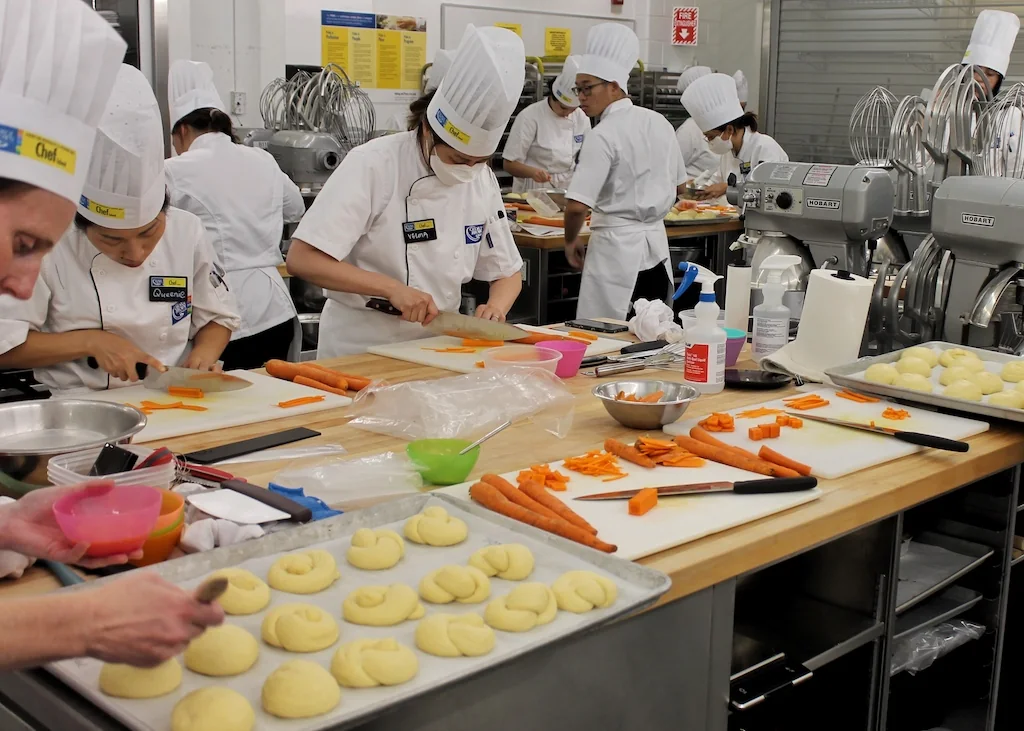
If you want to cook better every week, choose a course with repeated practice. George Brown's Culinary Arts 1 is our first pick for structured training. Its biggest drawback is the bill: the in-person course costs $1,017.01, with shoes and tools extra.
TDSB's Cooking 101 and Beyond is the lower-cost in-person alternative, at $575 for the fall 2026 session. George Brown's $362.01 online course cuts the tuition further, but you need a kitchen and ingredients at home. Skip a one-night social workshop if your real goal is to build a routine.
We checked the course information on September 15, 2026. Fees and open places can change.
In this guide
- Which course fits your budget and week?
- George Brown: best for a structured start
- George Brown online: lower tuition, more responsibility at home
- TDSB Learn4Life: the lower-cost in-person choice
- City cooking classes: start close to home
- The questions to settle before paying
- Can you learn with videos or a meal kit instead?
- Frequently asked questions
Which course fits your budget and week?
| Option | Checked fee | Format | Best reason to choose it |
|---|---|---|---|
| George Brown Culinary Arts 1, HOSF 9088 | $1,017.01, including class food and uniform | 48 hours, on campus | A structured foundation with a route into further courses |
| George Brown Culinary Arts 1 online, HOSF 9473 | $362.01 | 48 listed hours, combining live and self-directed work | Lower tuition and practice in your own kitchen |
| TDSB Cooking 101 and Beyond, PR-7828 | $575, including $80 materials | 11 Thursday evenings, three hours each | A lower-cost general course in the west end |
| City of Toronto cooking programs | Varies by activity | Multiweek classes and single workshops | Local basics without committing to a college course |
| Home practice with videos and recipes | Groceries and any equipment you need | Self-directed | Lowest commitment if you can make yourself practise |
The fees don't buy identical things. Compare teaching time, your own cooking time, equipment, travel and the food supplied. A course that fits your week is better value than one you'll keep missing.
Pick the skill gap, not the most impressive menu
| If this is your problem | Look for |
|---|---|
| Dinner takes too long | Knife skills, timing and simple weeknight menus |
| Food tastes flat | Seasoning, browning, sauces and tasting as you cook |
| Meat or fish comes out dry | Heat control, doneness and resting |
| You waste groceries | Menu planning, storage and recipes that share ingredients |
| Recipes feel confusing | Demonstrations that explain terms and show each stage |
| You already cook basic meals | A focused intermediate course, not another general introduction |
A class that teaches one method you can use in many meals can be more useful than a menu of five exciting dishes. Ask how much hands-on work each student gets and whether the instructor gives individual feedback.
George Brown: best for a structured start
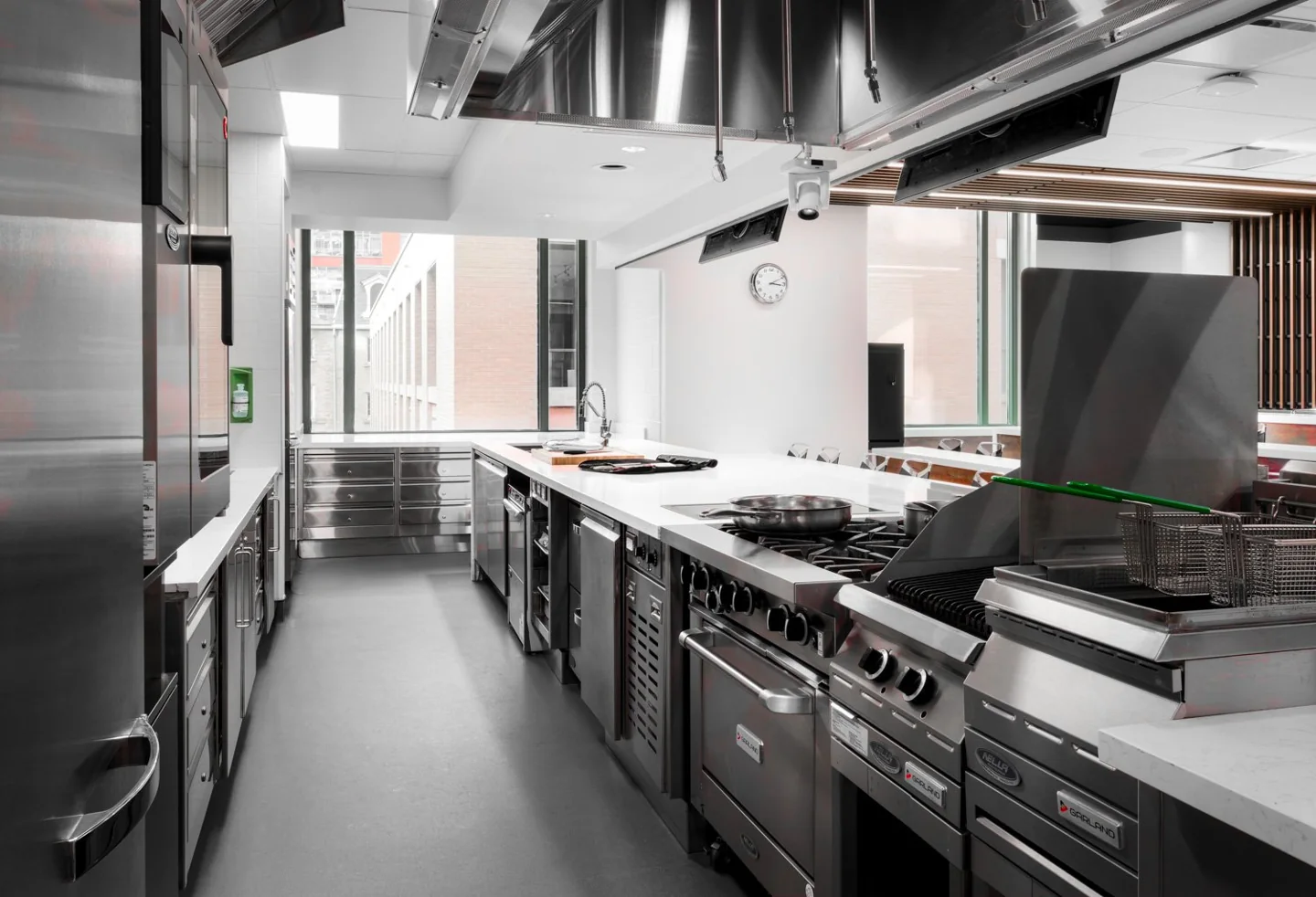
The on-campus Culinary Arts 1 course teaches knife work, sauces and cooking methods such as searing, poaching and roasting. Listed dishes include lasagna, minestrone, roast chicken and steak au poivre. Classes use a range of vegetables, eggs, beans, meat and fish. Read the current course description.
The listed St. James teaching location is 300 Adelaide Street East, Building B. Check your room assignment rather than heading to a different George Brown campus.
This is the choice we'd make if we wanted someone to explain why dinner goes wrong. Ask for feedback on seasoning, heat and timing. Those lessons transfer to the food you make at home. A new recipe each week is less useful if you never learn how to fix a dry chicken breast or an underseasoned sauce.
Be honest about the schedule. Some evening sections run from 6:15 to 10:15 p.m. Four hours in a teaching kitchen after work is a real commitment. A weekend section is the better choice if you're usually tired before dinner.
Bring a friend if that will help you keep showing up. But don't choose a worse time slot just to match someone else's schedule.
The equipment cost is part of the decision
The school requires a full chef uniform and black, non-slip, steel-toed safety shoes for culinary lab courses. The beginner course includes a uniform package. Shoes and tools are separate purchases. Follow the course's first-class instructions before buying a large knife kit. Check the continuing education dress code.
This is more setup than a casual cooking night. If you only want to test whether you enjoy a class, try a shorter community program first.
If you already cook, check the next course's actual prerequisite
You don't have to assume that every experienced home cook must repeat the same route. Culinary Arts 2 accepts Culinary Arts 1, its online version or an other training that the school accepts. Approval matters; cooking at home for years doesn't automatically establish an exemption. Check the current prerequisite.
Culinary Arts 2 broadens the range of dishes, including Korean, Indian, Greek and other cuisines. Indian Cooking, formerly listed as Indian Cooking 1, also accepts the introductory courses or an other training that the school accepts. Its current 24-hour fee is $488.41, including class food. See Indian Cooking.
Thai cooking and other cuisine-specific classes are also subjects to look for in the cooking catalogue. Check the current title, dates and prerequisite before building a certificate plan around an old recommendation.
Our view: take the foundation if you need technique, even if you already make dinner. Ask whether your skills let you skip the first course if you can already explain and use those techniques. Don't pay to repeat basics simply because someone says the intro is always compulsory.
George Brown online: lower tuition, more responsibility at home
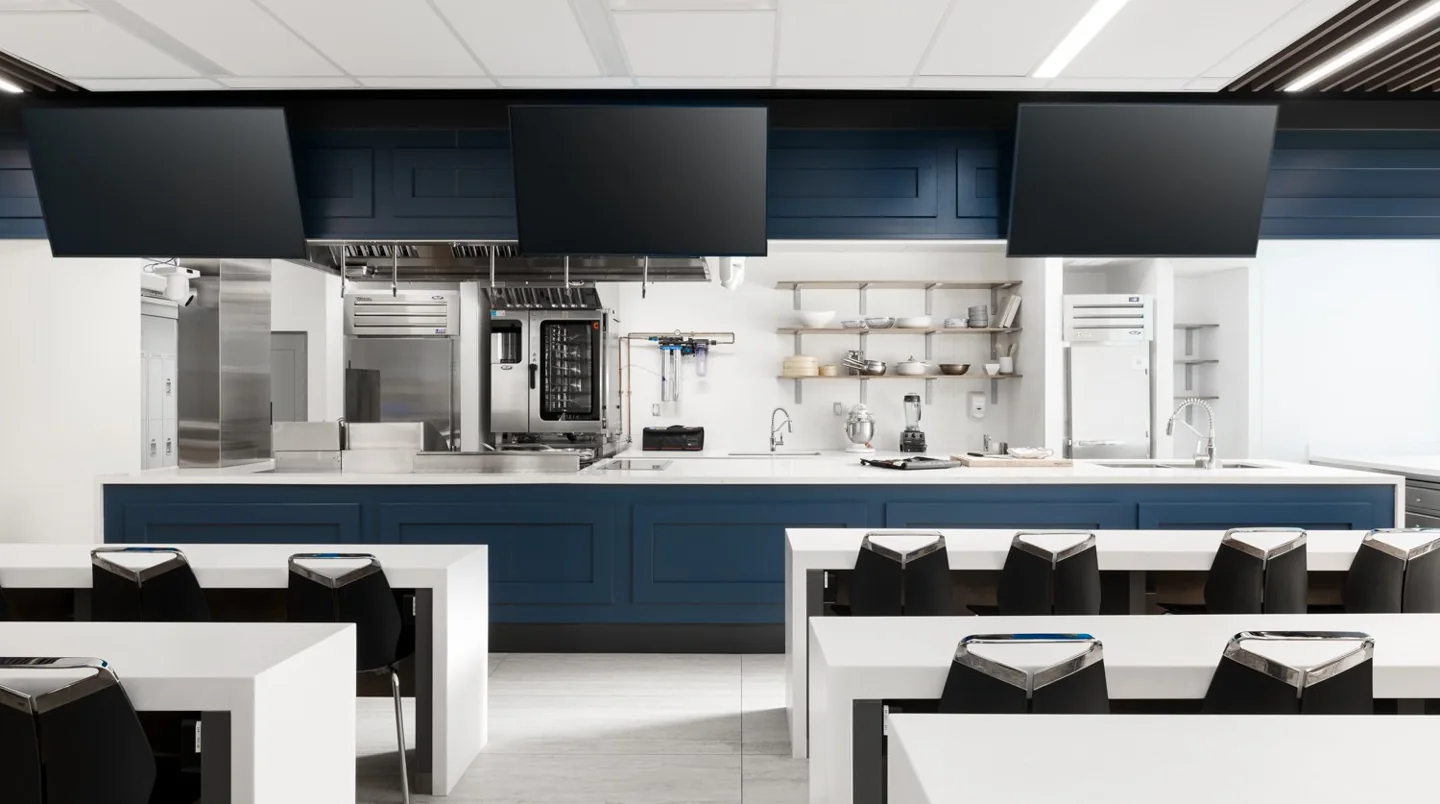
The online version lists a $362.01 fee and 48 total hours. The fall session runs from September 30 to December 16, 2026. Its Wednesday live meeting is 6:15 to 7:45 p.m. You also practise on your own. Those 48 hours are not all live classes. Check the online course and next dates.
Allow room in your budget for ingredients and any missing kitchen tools. Ask for the shopping and equipment requirements before enrolling. Don't compare its tuition with the campus price as though both include the same food and facilities.
This format has a useful advantage: you learn on the stove you'll actually use. Its weakness is that nobody can stand beside you and immediately spot every mistake. Choose it if you can practise between sessions and ask clear questions when something goes wrong.
TDSB Learn4Life: the lower-cost in-person choice

The live fall catalogue lists Cooking 101 and Beyond, PR-7828, at Western Tech. & Comm. School, 125 Evelyn Crescent. It runs Thursdays, September 17 to November 26, 2026, from 6:30 to 9:30 p.m., in classroom 248. The minimum age is 18. This session has already started. Ask about late entry before paying, or use the course name to find the next term.
The $575 total includes an $80 materials fee. The description covers knife skills, menu planning, pasta, bread, sautéing and roasting, plus sushi and seafood. Find the course number in the current Learn4Life catalogue.
Ask how much cooking each student does. A group course can divide tasks between people, and a demonstration isn't the same as practising each technique yourself. The catalogue description doesn't establish how many people share a station.
Older recommendations include Indian vegetarian cooking. We couldn't confirm a current section of that exact course in the listings checked on September 15. Its present availability is unconfirmed, with low confidence. A current course entry would settle it.
Our verdict: compare TDSB first if the college price is too high. Book a course whose actual menu and format suit you, rather than assuming every Learn4Life cooking class is the same.
Discounts and materials
TDSB says its fees include HST. People aged 65 and over receive a 20% discount on course fees, but not materials. The checked Cooking 101 listing shows a senior total of $476.
There is also a social-assistance subsidy process. It requires documents and a registration request, followed by an email telling Learn4Life they're ready for review. It isn't an automatic public discount. Read TDSB's payment and subsidy rules.
City cooking classes: start close to home
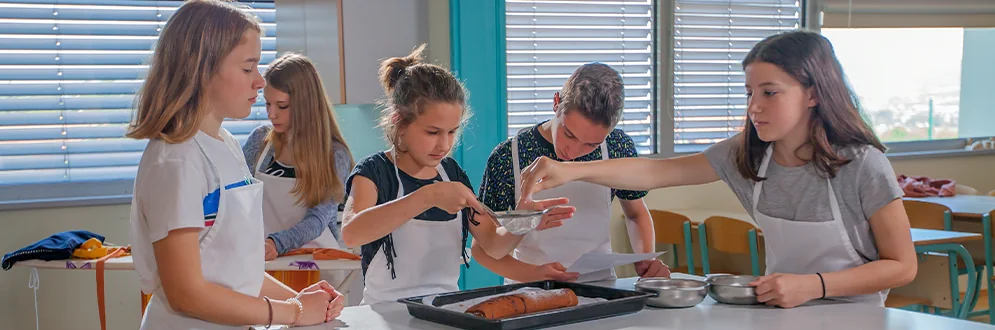
City of Toronto programs cover cooking basics, food handling, baking and some cuisine-specific activities. There are multiweek courses as well as one-day workshops. Utensils and ingredients are supplied for City cooking programs. Browse the City's cooking options.
Use the age filter. A cooking result can be for children, adults or older adults, and a caregiver class is not an adult skills course. Check the location and total number of sessions before comparing prices.
This is the best starting point if a nearby class makes weekly attendance possible. Choose a multiweek skills course for steady progress. Use a pasta or baking workshop to learn one specific thing.
For help with the registration process, see our Toronto fall recreation guide.
The questions to settle before paying
Allergies and dietary needs
George Brown says its culinary labs are not allergen-free. Its food purchases may not meet every dietary requirement. The school asks students to discuss alternatives with the teacher. If a restriction determines whether you can take part, get an answer before your refund deadline. Read its food-handling policy.
TDSB's course category also warns that it cannot guarantee a nut-free environment. City staff will discuss dietary needs, but the City doesn't promise allergen-free supplies either. A vegetarian course title alone doesn't answer an allergy question.
Piercings, jewellery and uniforms
Don't rely on a past instructor being relaxed about jewellery. George Brown's published lab guidance restricts jewellery, including facial piercings. We did not verify that covering a piercing with tape is an accepted exception for every continuing education class. Read the school's practical-course guidance.
As of September 15, 2026, confidence in a general tape exception is low. Get written advice for your section before enrolling if you cannot remove a piercing. The same applies to any equipment or clothing accommodation you need.
Tests, take-home food and supplies
Past students describe courses without conventional exams and with food to take home. That doesn't prove every current section has the same assessment or portion sizes. Ask for the outline if either detail changes your decision.
A cooler bag and suitable containers are practical things to ask about. Don't budget on the assumption that every class will replace several meals. Nor should you avoid all Friday classes because of an unverified report about ingredients running short.
Current assessment, take-home amounts and a recurring Friday shortage were not established by the sources checked on September 15. Confidence in treating those reports as standing rules is low; the school can confirm its current arrangements.
Can you learn with videos or a meal kit instead?

Yes, if you cook rather than just watch. Start with food you want to eat. Pick one dish, repeat it, and note what you changed. Spend money on a manageable amount of ingredients. You don't need a huge bulk bag just to practise chopping.
America's Test Kitchen and Bon Appétit's videos are places to look for technique explanations. Lidia's Kitchen is another starting point; PBS also has Lidia Bastianich's recipes and videos. Two Fat Ladies is an older show to seek through a legitimate broadcaster or library collection. We haven't confirmed current Canadian streaming access to every episode of these shows.
Videos save tuition, but they won't taste your food or correct your grip. Choose a class when feedback, a fixed schedule or meeting people is what you need.
Use a four-week home test before paying for a long course. In week one, practise safe knife work and two vegetable cuts. In week two, cook eggs and a simple pan sauce. In week three, roast one protein and vegetables on a schedule. In week four, make two dinners from one grocery list.
Write down what goes wrong. If timing and heat remain confusing, live instruction will probably help. If the main problem is motivation, a scheduled multiweek class helps you keep practising. If you learn well alone, spend the tuition on groceries and repeat the same method until it feels ordinary.
HelloFresh is a meal subscription, not a teaching course. Its portioned ingredients and recipe cards remove some planning. That can make starting easier, but it doesn't replace learning to shop or work out why a recipe failed. Compare the ongoing box cost, delivery and any extras, not just a first-box offer. Read how HelloFresh works.
We haven't quoted a universal weekly price because the plan and meals affect the total. Check the account's deadline when pausing or cancelling. HelloFresh's cancellation page explains the process.
If grocery cost is what stops you practising, our guide to Chinatown produce prices is useful. Bulk buying deserves a separate decision; see whether a Costco membership makes sense in Toronto before spending more to save on ingredients.
Frequently asked questions
Do I need to apply to a full-time college program?
No. The George Brown courses discussed here are continuing education options. Check each course's registration and prerequisite requirements rather than applying to a full-time culinary diploma by mistake.
Which course should a complete beginner choose?
Choose Culinary Arts 1 for a structured foundation if you can afford the full cost and time. TDSB's Cooking 101 and Beyond is the lower-cost in-person choice in this comparison. A nearby City course is a practical first step if weekly travel would be a problem.
Is an online cooking course all live teaching?
Not necessarily. George Brown's online introductory course combines a scheduled live meeting with self-directed work. Read the delivery breakdown before treating the total course hours as live instruction.
Can an experienced home cook skip the introductory course?
Some further George Brown courses accept an other training that the school accepts. Ask the school to assess your background before registering. Don't assume either that an exemption is impossible or that home experience guarantees one.
Are all equipment and ingredients included?
No. The campus beginner fee includes food and a uniform, but shoes and tools cost extra. TDSB's checked course includes its listed materials fee. Online learning needs a separate plan for home ingredients and equipment.
Can I take a class if I have food allergies?
Ask the provider about your specific needs before paying. The programs checked here do not promise allergen-free kitchens. A general willingness to discuss alternatives is not a guarantee that a particular allergy can be accommodated.
Is a meal kit enough to teach me to cook?
It can help you start following recipes regularly. It doesn't provide a teacher's feedback or teach every shopping and meal-planning skill. Use it if the planning is your main obstacle; choose a class if you need someone to explain and correct technique.
Pick the course you can attend consistently, then make one thing from it again at home that week. That's the part that turns a class into a useful skill.