


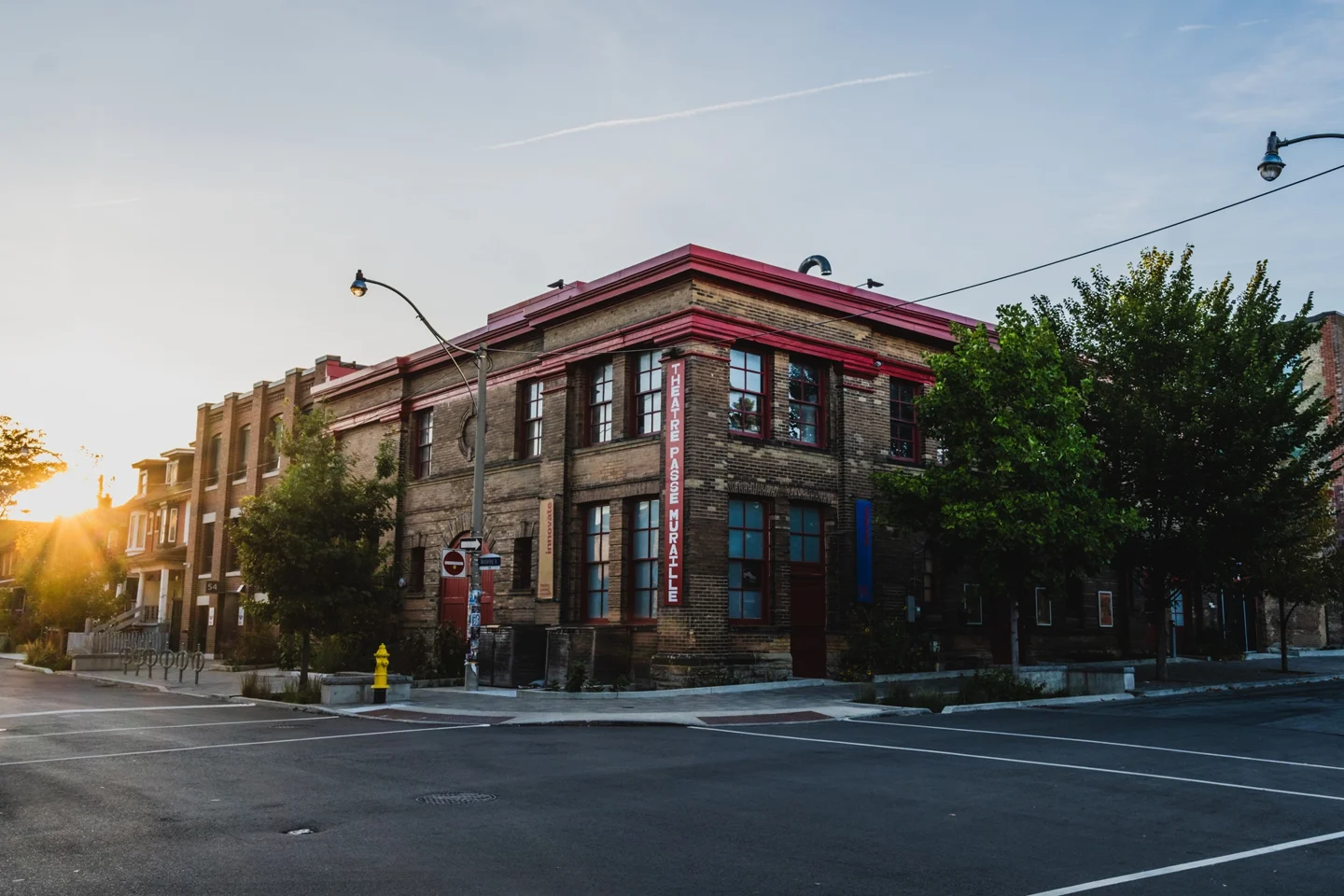
The best accessible Nuit Blanche plan starts with the support you need, then chooses the art. For a downtown rest option, our strongest practical pick is Theatre Passe Muraille’s Rest Stop. For avoiding travel and crowds, choose the Remote Access Hub online. Both are part of the announced 2026 programme.
The main deal-breaker is an incomplete route: an accessible artwork does not solve a broken elevator, a long standing queue or a difficult trip home. Skip a multi-hub marathon if it leaves no room to rest.
The main event runs 7 p.m. on October 3 to 7 a.m. on October 4, 2026. Details below were checked September 23. Some accommodations need advance arrangements, and the City’s pages describe the Remote Access Hub’s physical location differently. We explain what is confirmed below.
Use the project filters to match your access needs
The official Nuit Blanche project map has filters for wheelchair and mobility access, ASL, audio description, open captions and tactile experiences. Start with the support you need rather than choosing a route and hoping every stop will work.
A filter narrows the search. The individual project description supplies the useful detail. For example, captions do not establish a step-free entrance, and a step-free entrance does not establish seating or a low-sound environment.
| Need | What to look for | What to confirm with the project |
|---|---|---|
| Step-free access | Mobility and wheelchair filter | Entrance, internal route, surface and washroom |
| ASL | ASL-listed project or performance | Which activity and what time |
| Captions | Open-captioned work | Where captions appear and how you can view them |
| Audio description | Description-listed project | Live or recorded format, timing and equipment |
| Tactile access | Tactile-listed experience | What visitors are invited to touch |
| Lower sensory load | City’s sensory notices and quieter options | Sound, lighting, fog, seating and exit route |
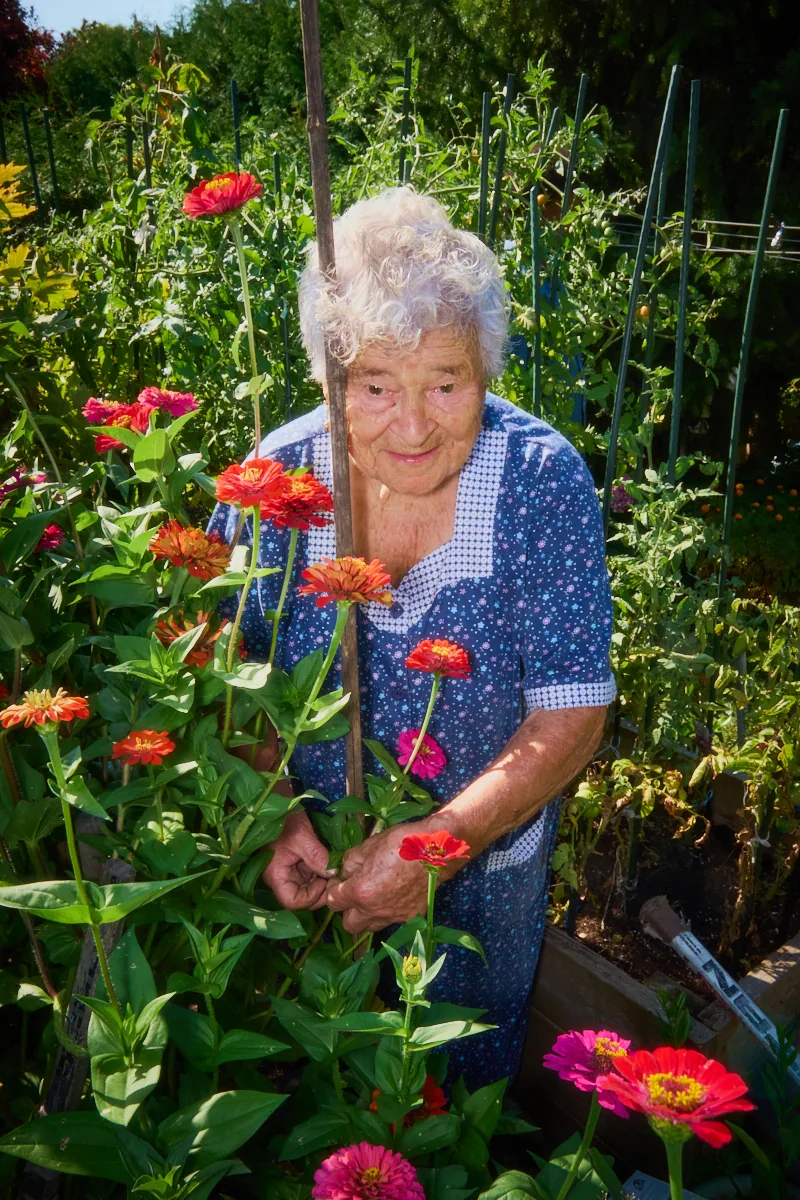
The City lists Rosa’s Garden, pictured in its project preview above, among the captioned options. That is a concrete reason to inspect its current project entry, not a claim that every other access need is covered.
Keep your shortlist small. One well-matched work and a workable rest plan are better than five listings that leave important questions unanswered. The City’s accessibility page is the main current reference.
Theatre Passe Muraille is our practical rest-stop pick
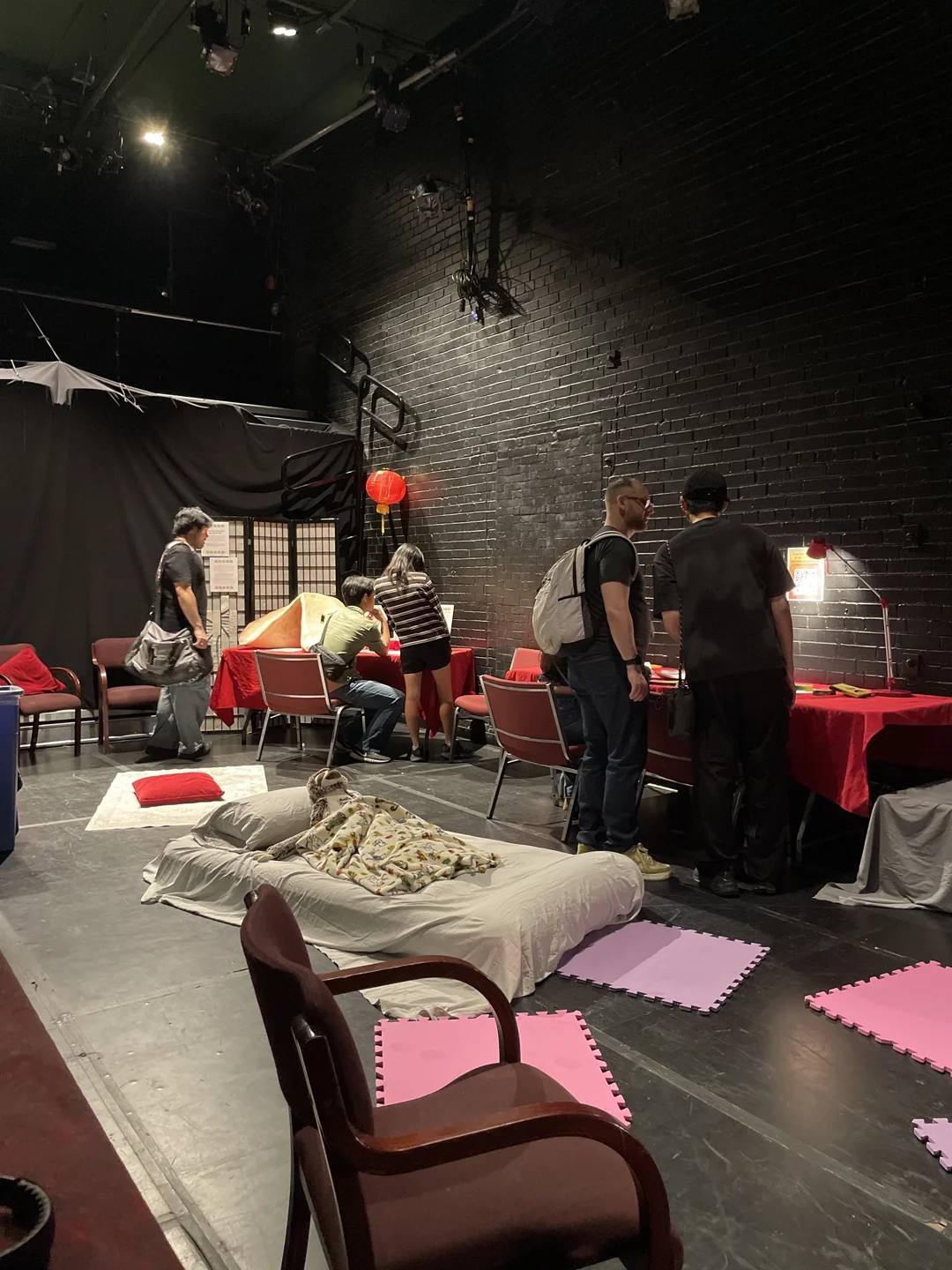
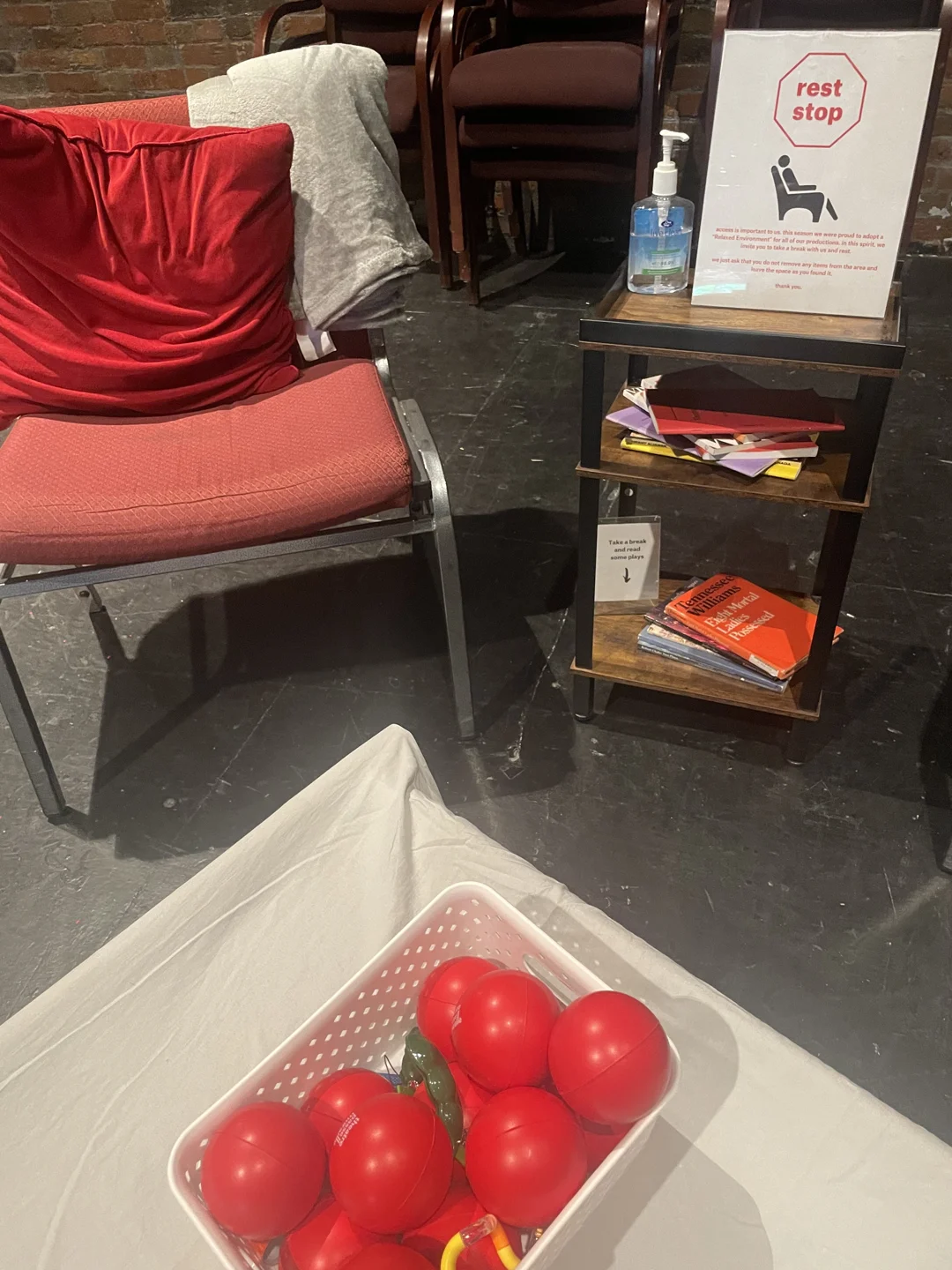
Theatre Passe Muraille Backspace, 16 Ryerson Avenue, has unusually useful detail in its Rest Stop project listing. It describes a ramped street-level entrance, ground-floor accessible washrooms and a relaxed, lower-sensory setting.
The programme also lists sound-reducing headphones and staff trained in access support. There are soft places to sit, and the space screens Tangled Art + Disability’s Remote Access Hub. The room photograph is from 2025, supplied with the current listing; it is not a photograph of the coming event.
This makes the Rest Stop a strong anchor for an outing already in this area. It does not make it sensible to travel across Toronto for a break when you are exhausted. Check how you will reach it from the specific art you choose.
A shared rest room cannot promise a particular chair will be free when you arrive. If seat type, transfer space or a quiet wait is essential, ask the organizer in advance. Do not treat a general access label as an answer to a specific requirement.
The map marks the Backspace address, not a guarantee about the surface, street closures or your full approach route.
Which works need a closer sensory check?
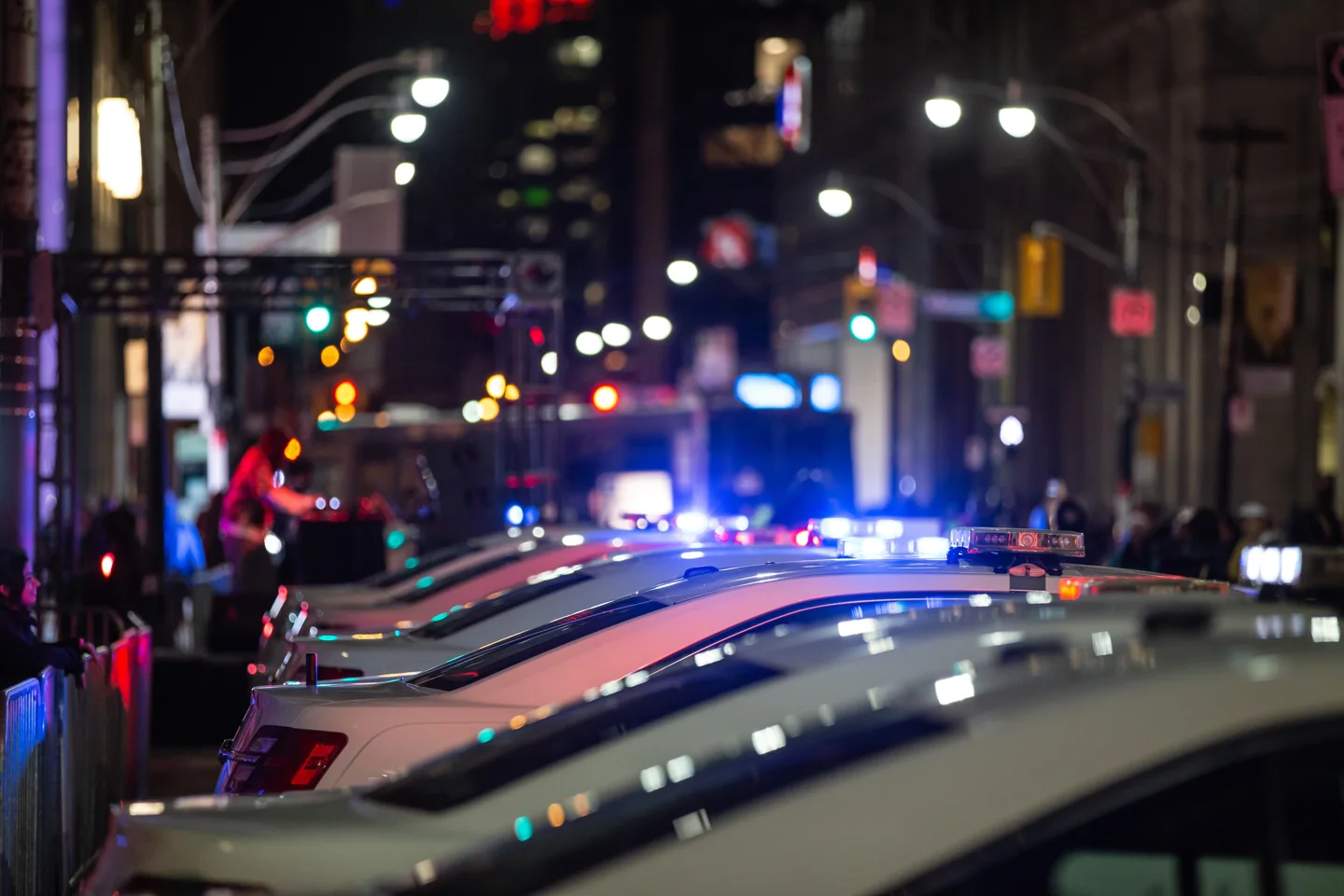
The City flags strobe lighting at On Flashing Lights, fog at that work and UFO, and loud sound at On Flashing Lights and band band clock. If any of those features is a problem, skip the relevant work unless its current details give you a suitable way to participate.
Do not use a still photograph to judge sound or lighting intensity. The image above shows an earlier presentation of On Flashing Lights. A photo cannot tell you the 2026 timing, exposure or conditions at the entrance.
The City identifies the Rest Stop, Remote Access Hub and Gibson House’s anniversary programme as lower-sensory options. It also says 4 to 7 a.m. often has lower stimulation. That time window is useful only if the journey, sleep disruption and individual project hours work for you.
For many readers, an early, short visit or the online programme will be the better choice. Lower crowds at dawn do not automatically make dawn more accessible.
Follow project rules about photography and flash. Keep paths and exits clear, and move a conversation away from a listening work. These small decisions can make the same room easier for someone else to use.
Check the whole transit route, not just the station symbol
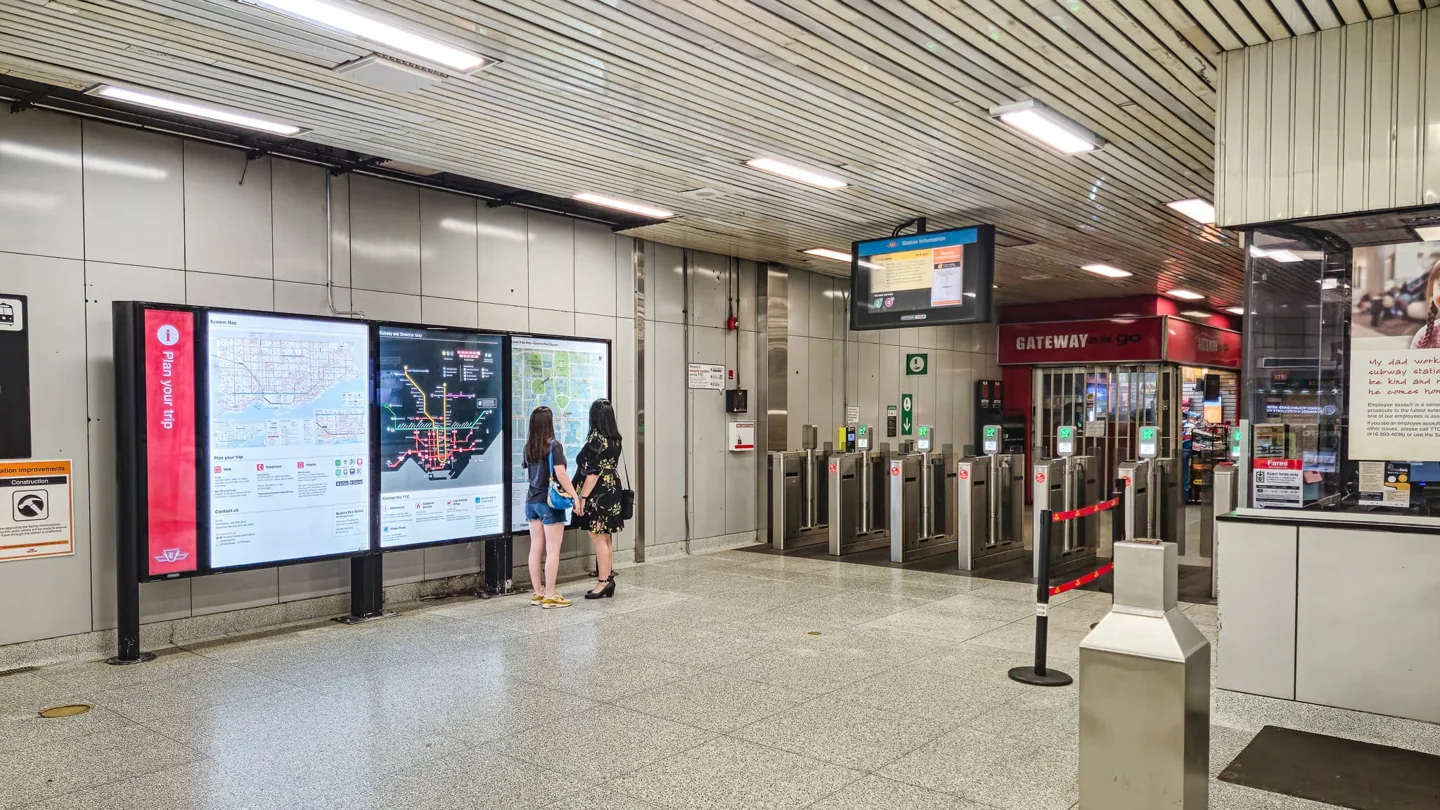
For central works near Queen and University, Osgoode station has an accessible entrance in the Four Seasons Centre at 145 Queen Street West, on the southeast corner. Save that entrance address rather than assuming any subway stairwell will do.
Check TTC elevator status before travelling and before returning. Lift Line is 416-539-5438. An accessible station listing and a working elevator on the night are separate things.
Work through the journey in order: origin entrance, transfer, destination exit, street approach, venue entrance and washroom. Then check the same chain in reverse. A route that only works in one direction is not a complete plan.
At our September 23 check, a special 2026 overnight TTC schedule had not been verified. Do not assume the festival’s 7 a.m. finish guarantees a usable subway journey at that hour. Our guide to the regular overnight TTC network explains the backup system, but you still need current route and access details.
If you normally use a booked accessible transport service, arrange the outing around its confirmed journey and pickup point. This guide cannot promise an event-night reservation, pickup space or transfer assistance. Choose fewer works if that protects a reliable return.
How to use the Remote Access Hub
The Remote Access Hub is a disability-led online way to follow the festival, with ASL, captions and live audio description described in the official programme. Use the watch information linked from the current City access page and the Remote Access Hub project entry. Check the stream’s event date before saving it.
For someone who wants the art without a crowded journey, this is our best alternative. It lets you use your own seating, volume and breaks. It cannot reproduce every physical artwork, but it offers a real way to participate rather than treating staying home as missing the entire event.
Physical location note, checked September 23: the City’s access overview points to Theatre Passe Muraille, while the hub’s project entry lists City Hall. Separately, the Rest Stop entry explicitly confirms a screening at Theatre Passe Muraille. That screening is verified; the pages do not clearly establish that the live hosts and the viewing room are at the same place.
If you want to attend the broadcast site or meet the hosts, confirm the address with [email protected] or 311 before travelling. Confidence in one single physical hub address is low until the organizer clarifies the two descriptions. The online option avoids that location question.
Do not mistake an old video link for the 2026 live programme. Follow the current organizer page on the day, and check any timed features you especially want to catch.
Selected art continues after the overnight event
The City lists selected projects for extended presentations during October 5–10. This is worth checking if an overnight visit is the biggest barrier. It is not a blanket promise that every project runs every day or during daytime hours.
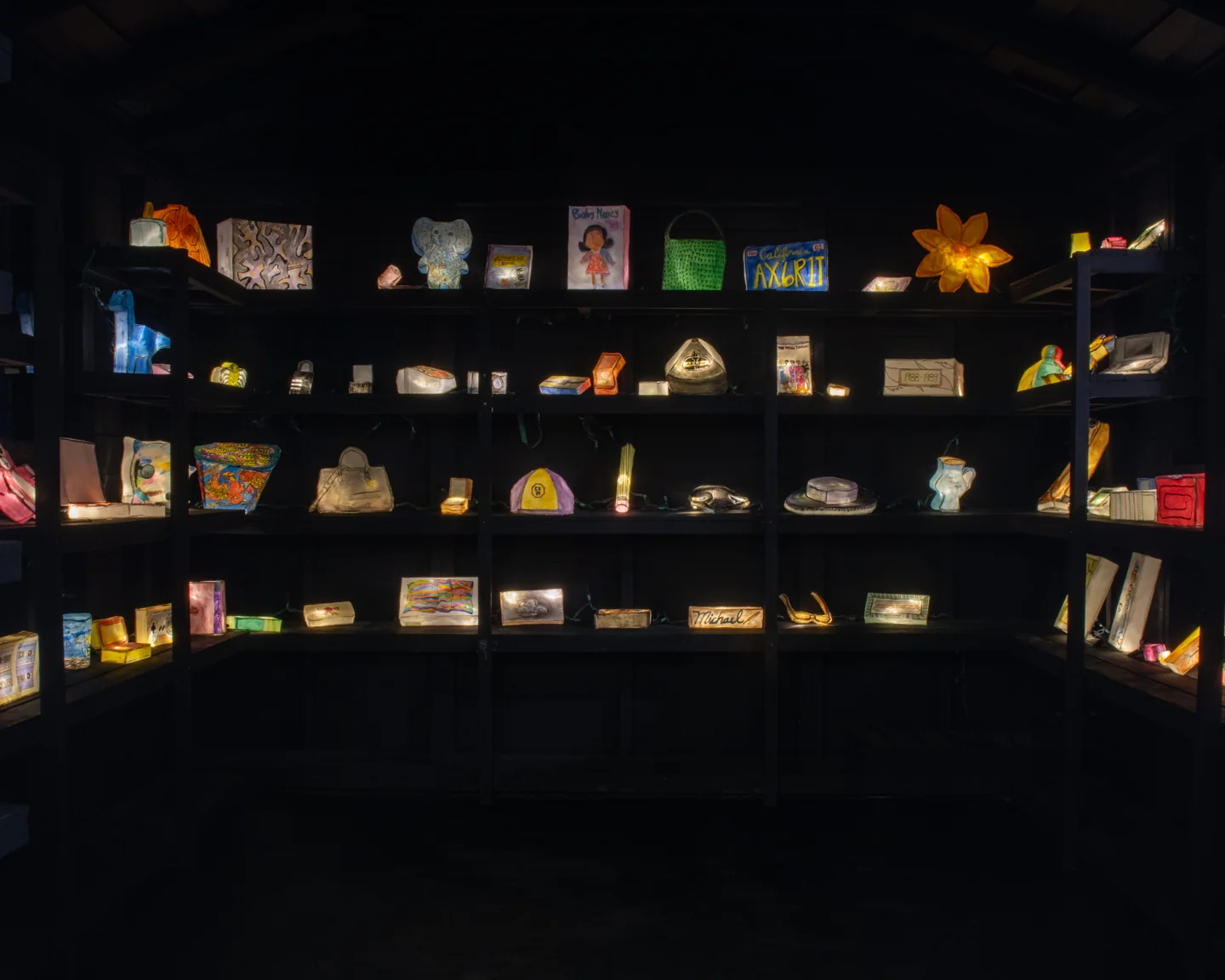
The extended list includes Museum of Lost Things, Ephemera, Simile Aria and Blankets (Under) Cover, among others. The museum image above is an earlier presentation in New York City in 2024, used as a project preview. It does not depict a Toronto 2026 installation already open.
Choose a work from the current extended-project list, then read its own location, dates and hours. Recheck access support too. A support provided during the main event may have a specific time, so do not assume it carries across every extended opening.
For the wider art selection, our Nuit Blanche route guide helps identify the works that interest you. Use it as a shortlist, not a requirement to complete the walk.
Check the forecast and our October clothing guide if your chosen work is outdoors. Pick the date and format that make the art usable for you, even if that means leaving the main night out of the plan.
Frequently asked questions
Is every Nuit Blanche venue wheelchair accessible?
No single festival-wide label settles every venue and route. Use the mobility and wheelchair filter, read each project’s access notes and confirm any specific entrance, surface or seating need before travelling.
Where are accessible washrooms available?
The City says accessible washrooms are available at all Event Centres. The Theatre Passe Muraille Rest Stop also lists ground-floor accessible washrooms; check the nearest facility before starting a long queue.
Are ASL and captions available at Nuit Blanche?
Yes, selected projects and the Remote Access Hub list these supports. Use the official filters and confirm which activity and time the support covers rather than assuming every performance includes it.
Can I experience Nuit Blanche from home?
Yes. The Remote Access Hub provides an online programme, with ASL, captions and live audio description described in the official listing. Follow the current organizer page for the 2026 watch information.
Where is the Remote Access Hub in person?
The City’s current pages describe its physical location differently. A screening at Theatre Passe Muraille’s Rest Stop is confirmed, but contact the organizer before travelling to find the live hosts or broadcast site.
Are service animals welcome?
The City’s accessibility guidance welcomes service animals. Read any relevant project conditions and contact the organizer if you need details about a particular space or experience.
Who can help if I need access information on the night?
The City describes volunteers in white high-visibility vests and orange hats, with access-support identification for trained helpers. Ask for the nearest suitable rest or washroom option, and use 311 for City information.