


The best Toronto outing for a blind or low-vision visitor starts with what that person likes. A good concert, a meal with friends or time on the water can be a better choice than an attraction chosen mainly because it sounds unusual to a sighted host.
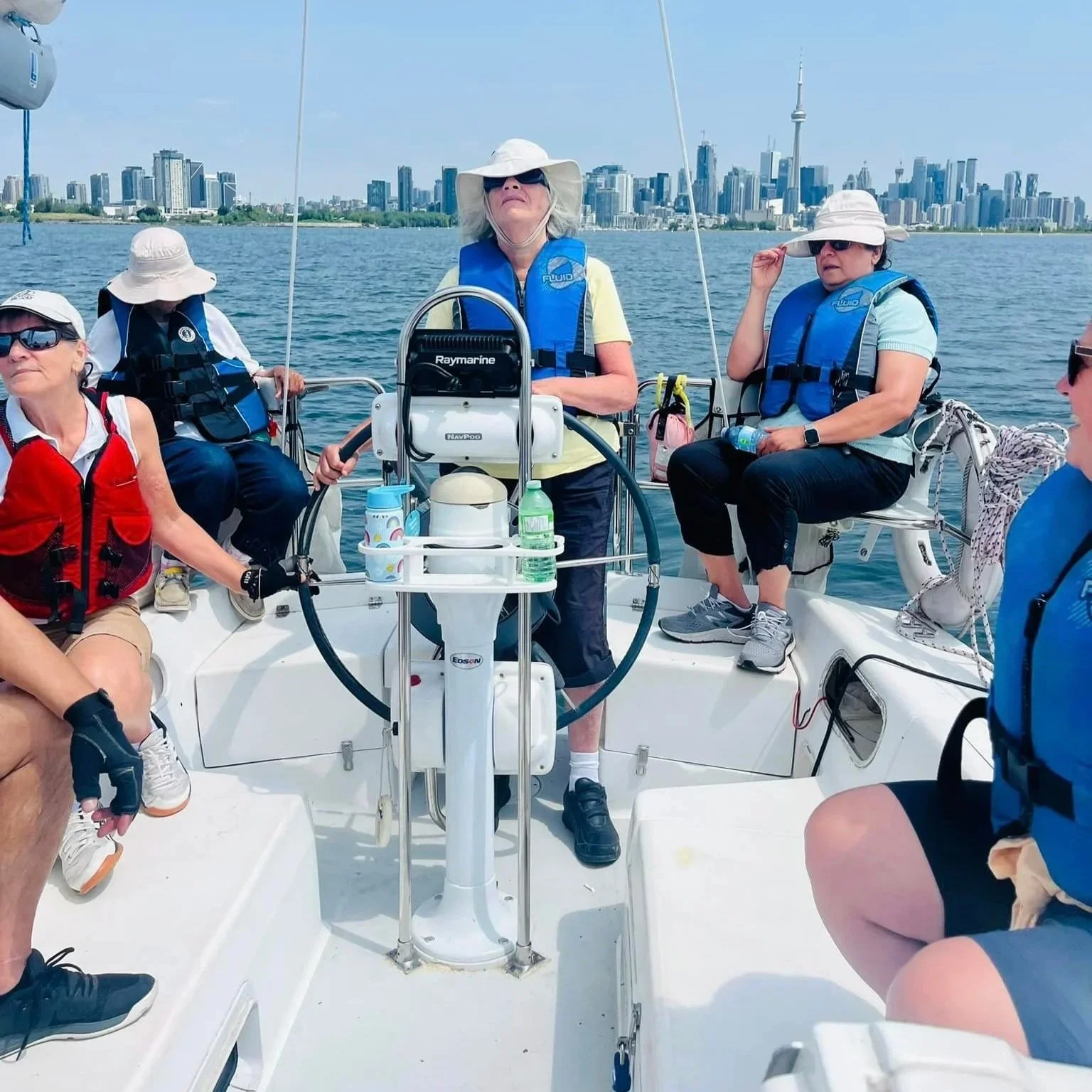
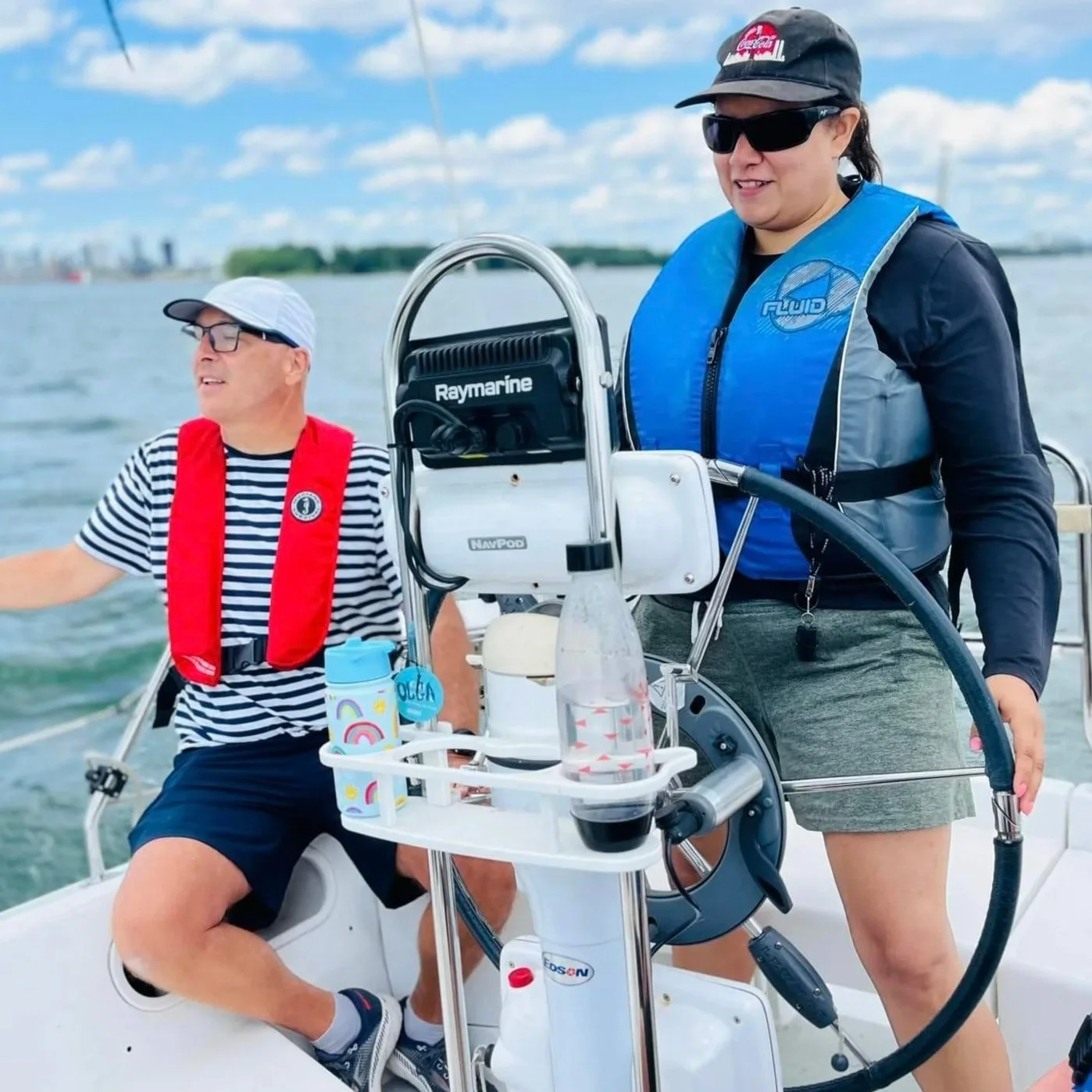
Our first pick is an interest-led outing with access confirmed in advance. For music, start with a concert venue that can explain seating and arrival support. For something more active, investigate Toronto's Blind Sailing Association. For museums, arrange the access you need before buying. A museum's general accessibility page does not guarantee a tactile tour on your chosen date.
Ask these questions before choosing a place
Ask your guest whether they want a busy social day, something quiet, a familiar interest or a new activity. Also ask how they prefer to get around and whether they want you to describe the surroundings. Don't assume the answer from the word “blind.”
Make the practical plan together. A clear meeting point, a known washroom and a simple route can matter more than adding another attraction. Offer help rather than grabbing an arm, moving a mobility aid or distracting a service animal.
Choose one main activity and one flexible meal or coffee stop. That gives the day room to work without turning every transition into a timed challenge. Keep booking details in a format your guest can use.
Our wheelchair-accessible Toronto guide can help with some physical access questions, but mobility access and vision access are different. Ask the questions that fit the person coming with you.
A concert is a strong choice for someone who loves music
.jpg)
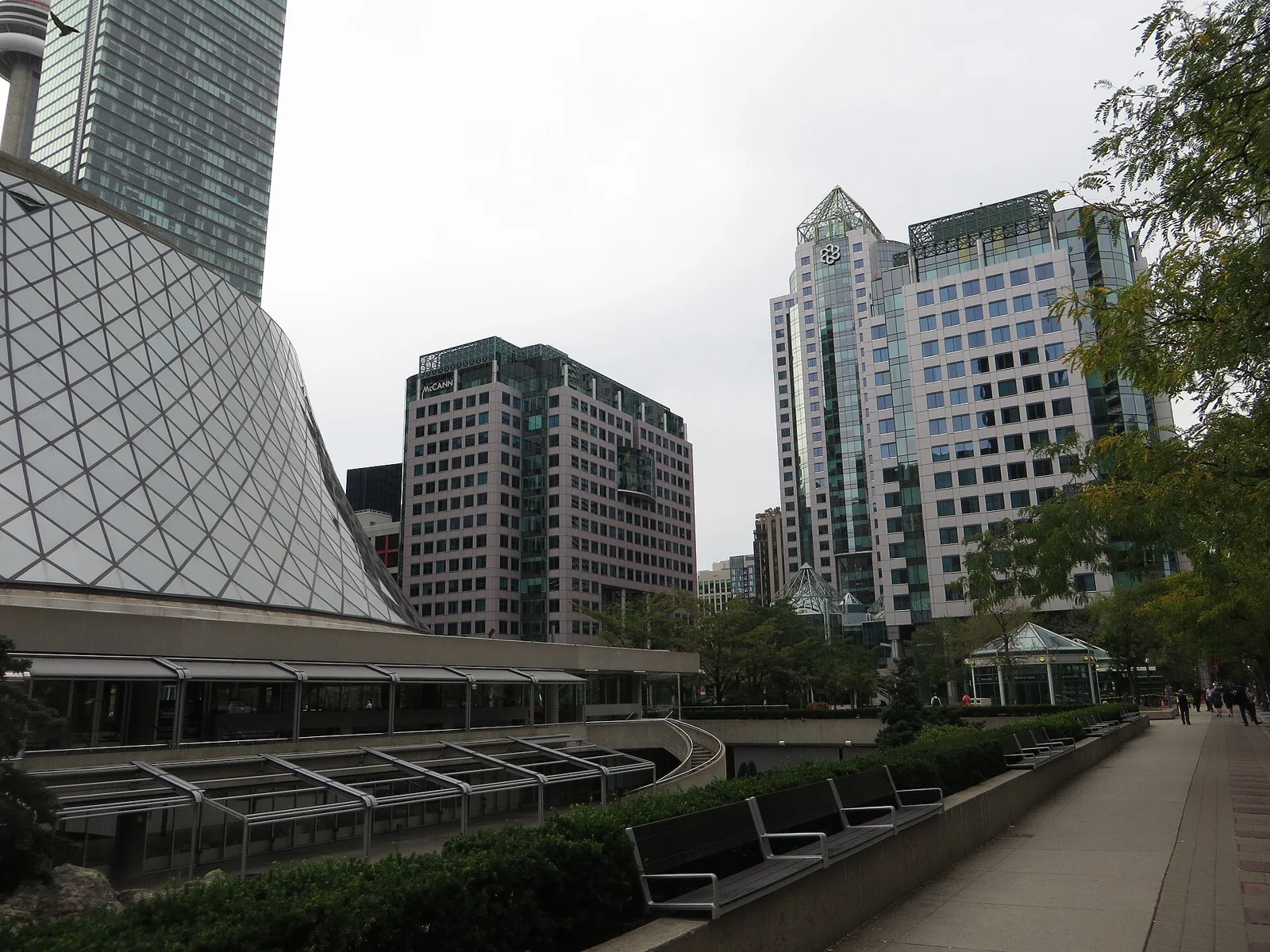
Roy Thomson Hall's accessibility information explains access and assistance options. Contact the customer-service team about the specific performance, seat location and arrival plan rather than relying on a general venue description.
Ask which entrance to use, where you can meet staff and how to reach your seats and the washroom. If your guest is sensitive to loud sound or crowds, discuss that separately. An accessible entrance doesn't tell you how a particular concert will feel.
The best programme is one your guest wants to hear. Don't choose an expensive concert merely because it is at a famous building. A smaller show with music they love may be the better evening.
For other options, our Toronto live-music venue guide is a starting point for research. Confirm current access directly with whichever venue you choose.
Museum access needs a specific conversation
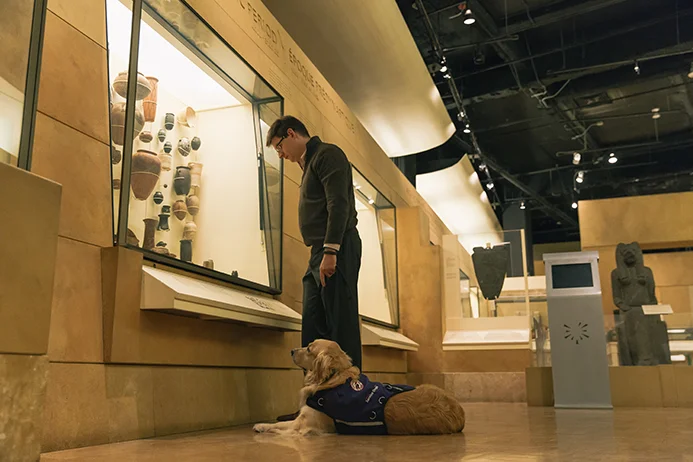
The Royal Ontario Museum's access page lists support-person admission and service-animal information. During the current entrance work, check the museum's arrival instructions instead of assuming the Bloor Street doors are the right entrance.
Ask whether a suitable tactile, described or staff-supported visit is available for your date. Don't assume every object can be touched. Use only objects that staff or signs identify as touchable.
At the ROM, check gallery closures as well as access services. Its Africa, Americas and Asia-Pacific galleries were listed as closed through October 2, 2026 when checked. If one of those collections is the reason for going, choose a later date and confirm reopening first.
Choose the museum when the subject interests your guest and the access plan is concrete. If the only plan is “I'll describe everything as we go,” ask whether that is actually what they want.
Sailing is worth investigating, but arrange it first
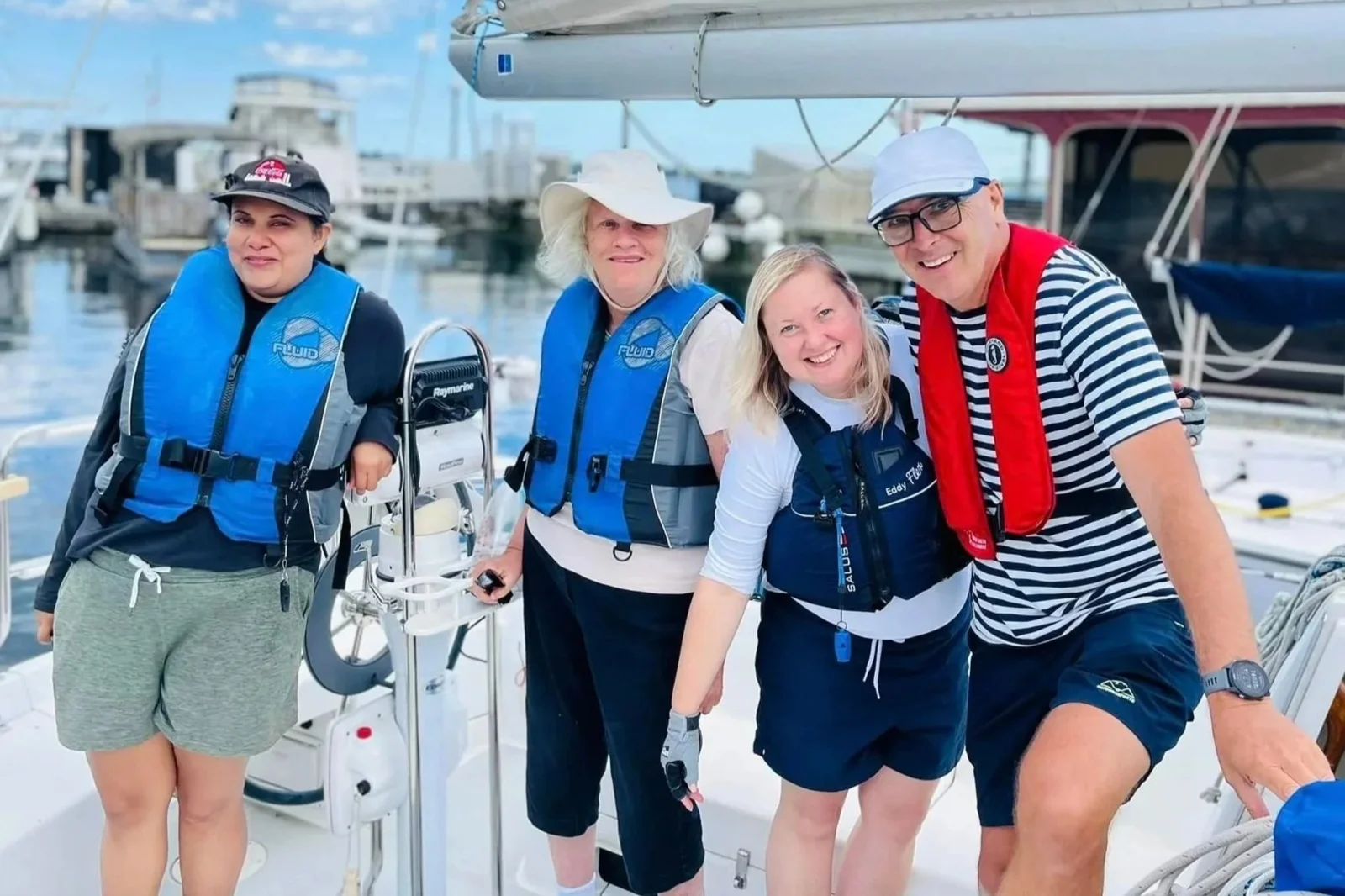
The Blind Sailing Association of Canada runs sailing activities in Toronto for blind and low-vision participants. This is a more relevant lead than simply booking a sightseeing boat because it has a skyline view.
Contact the association about current sessions, eligibility, meeting location, support and weather arrangements. Do not arrive at a dock expecting a walk-up public attraction. Water activities need a confirmed plan, particularly as the season changes.
For someone who likes being outdoors, a familiar park or waterfront walk is another option. Ask about surfaces, noise and distance. Avoid packing several distant places into one day just to make the itinerary look full.
Our Toronto Island fall guide can help with seasonal planning, but a ferry trip should be something your guest wants, not an automatic choice for every visitor.
Other ideas need a closer check
Dark dining, saunas with guided sound, tactile textiles and garden visits were all suggested during research. They answer different interests. Darkness is not automatically a novel or desirable dining experience for a blind person, and a visually marketed immersive attraction is not automatically accessible through its soundtrack.
The Textile Museum's Learning Hub and workshops are covered below. We still have not confirmed a suitable session at Othership or the exact support available for an O'Noir booking. These are possible leads to discuss, with low confidence about a particular visitor's fit until the operator and guest confirm it.
CNIB is another resource to contact for access advice and local suggestions. Confirm its current services rather than assuming a shop or drop-in is open near Sunnybrook on your chosen day.
Allan Gardens, High Park, the Beaches, Aga Khan Museum grounds, the zoo and out-of-town gardens also need a route and interest check. A long journey is a poor trade if the main appeal is something your guest doesn't enjoy. Choose the day with them and leave the optional stops optional.
Compare the day by interest, cost and effort

A famous attraction is not automatically a good fit. Use this comparison to narrow the conversation before looking at tickets.
| What your guest enjoys | Start here | The good part | The main drawback |
|---|---|---|---|
| Live orchestral music | Roy Thomson Hall | The performance is built around listening | Tickets and the crowd can make this a big evening |
| Objects, history and natural science | ROM | Published tactile and audio resources give you something concrete to plan | Not every gallery or object has the same access |
| A film and an easy dinner | TIFF Lightbox | A defined start and finish work well on a rainy day | Audio description is available for selected content, not every film |
| Making and handling materials | Textile Museum | A Learning Hub and workshops offer a more active route into the subject | A general ticket does not promise a private touch tour |
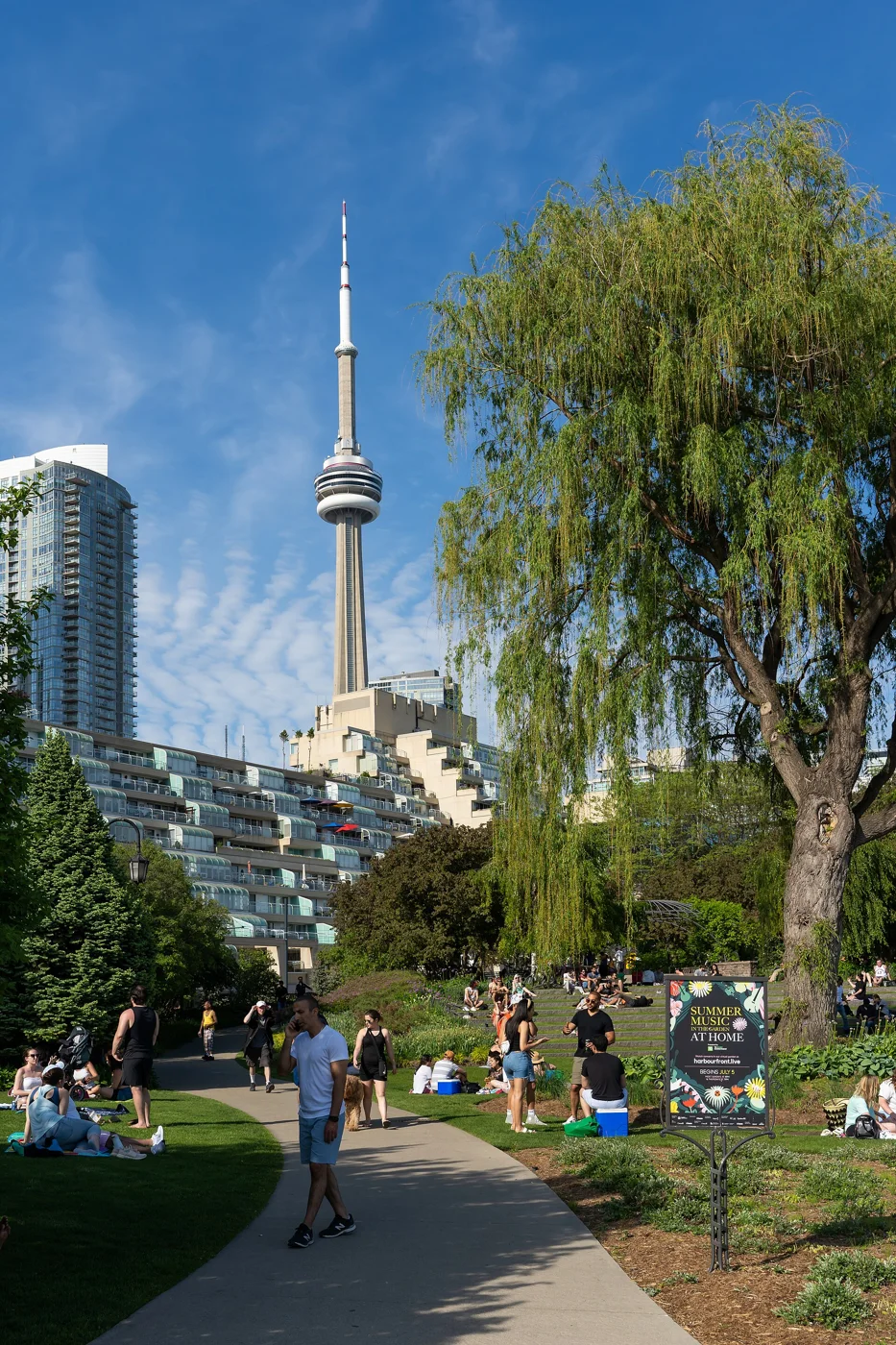
| Fresh air without a big bill | Toronto Music Garden or a chosen waterfront stretch | You control the pace and can keep the visit short | Wind, bikes and busy paths still affect the experience |
| An active outing on the water | Blind Sailing Association | The activity has a clear connection to participants with vision loss | You need a confirmed session and weather plan |
For a first outing together, we would choose the easiest option that matches a real interest. Save the ambitious itinerary for a day when you know each other's pace better.
TIFF Lightbox: a strong rainy-day option when the film has audio description
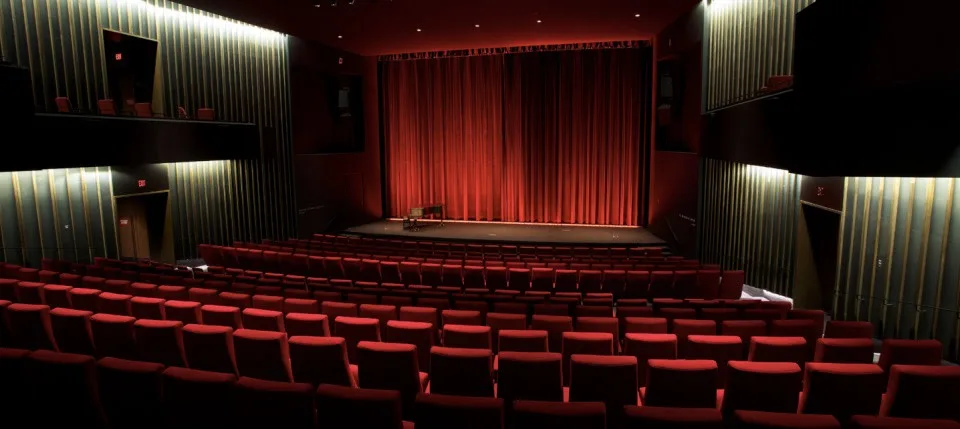
At 350 King Street West, TIFF Lightbox gives you a clear activity with seats, a start time and a manageable downtown location. The important feature is the film's audio description, which explains relevant visual action between dialogue.
TIFF's accessibility policy says its devices work with audio description for selected content. Assisted listening is a different service. A headset that makes dialogue louder does not necessarily describe what is happening on screen.
Look for the AD notation, then ask Customer Relations to confirm the exact screening and device availability. Arrange any support-person ticket at the same time. Do not buy two seats online and assume a refund or a working device will be simple to arrange on arrival.
The upside is that the visitor chooses a film for its story, cast or subject, just as anyone else would. The limitation is availability. If the wanted film has no description, choose another plan rather than treating two hours of whispered explanations as an equivalent experience.
Textile Museum: choose the workshop or Learning Hub, not an assumed touch tour
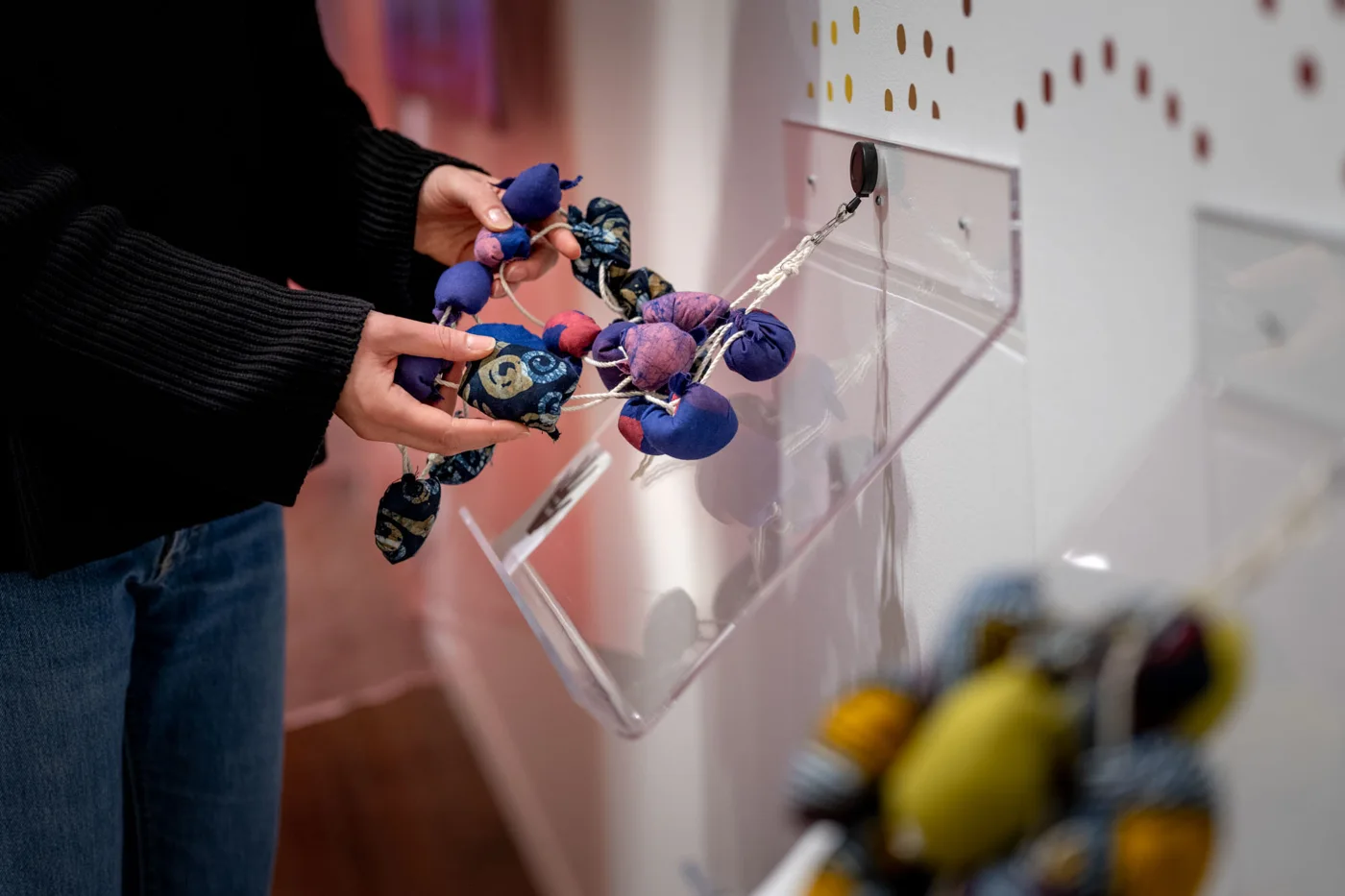
The Textile Museum of Canada is at 55 Centre Avenue, near University and Dundas. Its checked hours are Wednesday to Sunday, noon to 5 p.m. Adult admission is listed at $15, with lower student, youth and senior rates.
The museum's learning programme describes a Learning Hub, staff support and public workshops. This is a useful starting point for someone who enjoys sewing, fibres, craft or the stories behind clothing. Ask what can actually be handled and what kind of session is available.
Do not translate “textile museum” into “everything is touchable.” Collection objects can be fragile. A creative session using teaching materials is a different activity from touching an exhibition. That distinction should be settled before the ticket is bought.
Our pick is a confirmed hands-on programme for a guest who likes making things. Skip a general wander if the operator cannot explain how the current exhibition will work for that person's access needs.
AGO: good for an art lover, but secure the actual access first
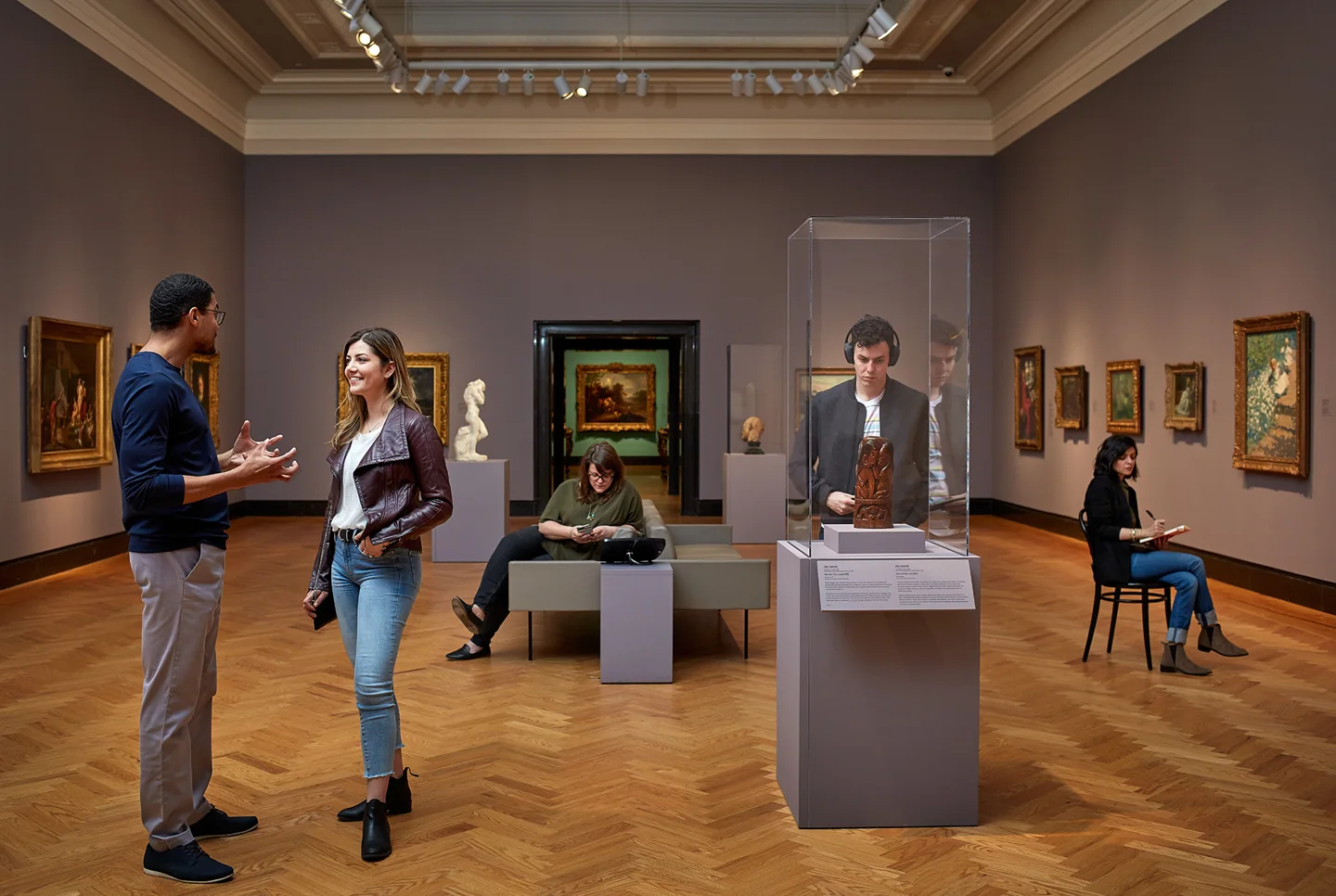
The AGO at 317 Dundas Street West has Multisensory Museum resources. They are useful evidence that art can be discussed through sound, language, materials and personal response. They are not a timetable for a daily walk-in touch tour.
Send a specific request: the date, group size, art interests and the kind of description or tactile material the visitor would find useful. Ask whether any programme needs advance registration or a separate fee. A clear answer is worth more than a broad statement that the building is accessible.
The good part is the depth of the subject. Someone who loves art can spend a whole visit discussing a small number of works. The drawback is that an unplanned general visit can leave too much of the work to the companion. Choose a few works and a supported format rather than trying to cover the building.
A waterfront hour can beat another paid attraction
The Toronto Music Garden is at 479 Queens Quay West. It is a sensible meeting point for a short outdoor plan, with the waterfront nearby. The garden's musical design is not a promise of a live concert that day.
Choose a stretch together and agree on the turnaround point. One person may enjoy boats, wind and the sound of the lake. Another may find those same sounds tiring. A bench and a conversation are enough; you do not need to turn the walk into a sensory exercise.
The Beaches can work for someone who specifically wants sand, water or a boardwalk outing. High Park offers a different setting, but a longer park route is a poor choice if the guest wants an easy afternoon. Check the surface and distance instead of labelling an entire park accessible.
A ferry adds movement, weather and a return schedule. Book that version because the visitor wants the boat trip. For a relaxed first meeting, a short mainland waterfront visit is easier to change if the weather or energy level shifts.
Three plans that leave room to enjoy the day
For a music lover: meet for an early meal, arrive at Roy Thomson Hall with enough time to find the seats and washroom, then make the concert the whole evening. Avoid another timed booking afterwards.
For a curious maker: arrange a Textile Museum programme, then have a meal nearby. Discuss the materials and what the person enjoyed. There is no need to add another museum just because it is close on a map.
For a low-key day: meet at a known waterfront point, take a short walk and stop when the guest wants. Keep an indoor food stop available if the weather changes. This is the best value option when company matters more than a ticketed activity.
Don't promise a surprise itinerary with no details. A surprise meal can still include the location, menu format and access information needed to make the day comfortable.
Frequently asked questions
What is the best Toronto attraction for a blind visitor?
There is no single best attraction for every blind person. Start with their interests, then confirm the access and support needed for the exact visit.
Does the ROM always offer tactile tours?
A general accessibility page does not guarantee a tactile tour on a chosen date. Contact the museum about current programmes and only touch objects that staff or signs identify as touchable.
Is dining in the dark a good surprise?
Ask before booking it. The novelty for a sighted companion may not be the reason a blind guest would choose a restaurant.
Can visitors go sailing in Toronto?
The Blind Sailing Association of Canada is a relevant local programme to contact. Confirm sessions, participation arrangements and the meeting point in advance.
Should I describe everything during an outing?
Ask what your companion prefers. Some people want detailed descriptions, while others want selected information or a normal conversation without constant narration.
How much should I put in one day?
One main activity and a flexible food stop is a sensible starting plan. Leave time for travel, washrooms and changes rather than filling every hour.