


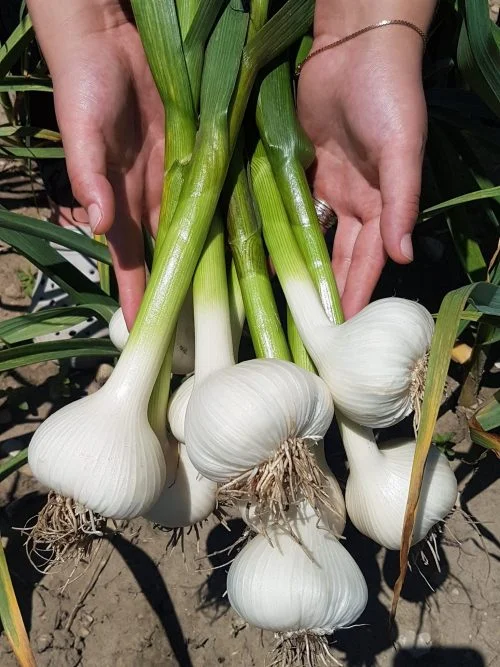
For seed garlic in Toronto this September, the Toronto Garlic Festival is the strongest local place to start. The 2026 event is scheduled for Sunday, September 27, from 10 a.m. to 5 p.m. at Allan Gardens, 160 Gerrard Street East. Admission is free.
Ask the grower specifically for garlic intended for planting. A large, attractive bulb sold for cooking is not automatically the best planting stock. If you miss the festival, contact a nursery or Ontario garlic grower and confirm seed stock before travelling or ordering.
The festival is a useful buying opportunity, not a stock guarantee
The official 2026 visitor page confirms the date, place and hours. The organiser says sales do not begin before 10 a.m., so arriving very early does not mean you can shop early.
Use the vendor list to decide whom to ask about planting garlic. Ask the grower what variety it is, where it was grown and whether it is suitable for planting in your conditions. A conversation with the grower is the main advantage over buying an anonymous bulb.
Bring a way to keep varieties separate and label them when you get home. If you mix several bulbs in one bag, you may lose the information you paid attention to at the stall.
The festival is a one-day opportunity. This guide's planting advice remains useful afterward, but the September 27 shopping plan does not. Check the organiser's page again before leaving for any last-minute change.
Seed garlic means planting stock, not a packet of ordinary seeds
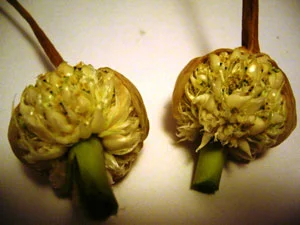
Most home growers plant individual cloves from a garlic bulb. The small bulbils that some garlic produces are a different route and can take longer to reach a useful bulb size. If this is your first crop, ask for planting cloves rather than buying something because the label says “seed.”
Ontario's garlic-production guide explains the crop and its growing cycle. Use it to understand the difference between varieties and planting material, then ask the seller how their stock fits your garden.
Choose sound planting stock and avoid damaged or obviously unhealthy cloves. “Organic” does not by itself prove that a bulb is free of pests or suitable for propagation. Ask about the grower's planting-stock practices instead of treating a marketing label as a guarantee.
Our pick for a first attempt is a small, labelled quantity from a grower who can answer questions. Buying a huge bag is not good value if you don't have the bed space or lose track of the varieties.
Plant in autumn for the following summer's crop
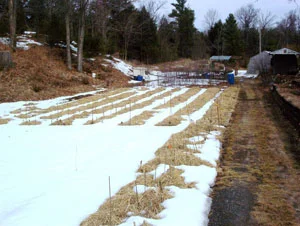
Ontario garlic is commonly planted in fall for harvest the next summer. The useful plan is to prepare the bed before the ground becomes difficult to work, then follow local planting guidance for your soil and conditions.
Choose a well-drained spot. A bed that stays waterlogged is a poor starting point, even if the cloves were expensive. Work out the space available before deciding how much garlic to buy.
Separate the cloves when you are ready to plant and keep the variety labels with the rows. Follow the grower's depth and spacing guidance rather than packing every clove into the smallest possible space.
If you are considering containers, ask specifically about overwintering in your setup. A balcony pot experiences different conditions from a garden bed. Don't assume a general field-growing instruction is a complete plan for an exposed high-rise balcony.
For more local plant shopping, see our Toronto houseplant store guide. Indoor plants and outdoor garlic are different purchases, so confirm that a shop actually carries seasonal planting stock.
Where to look after the festival
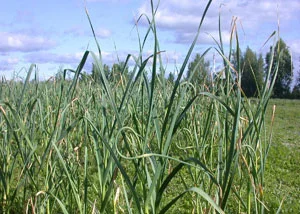
Nurseries, garden centres and Ontario garlic farms are sensible leads. As of September 24, 2026, we had not confirmed live seed-garlic inventory at every Toronto nursery. Confidence in a particular shop's stock is low until it confirms the variety and quantity you need.
Sheridan Nurseries publishes garlic-growing advice, but a growing article is not an inventory listing. Call the branch you would visit. For a farm order, check dispatch timing, minimum quantity and whether the product is sold for planting.
Don't substitute supermarket garlic without understanding the limits. Its source, storage history and suitability for planting may be unclear. If the purpose is a reliable first crop, named planting stock is the cleaner choice.
If gardening is becoming a regular interest, our Toronto hobby guide offers ways to build a routine. For another seasonal trip, compare our apple-picking options without a car. Buy the garlic for the space you have, then make a simple planting plan you can follow.
Three more ways to find planting stock
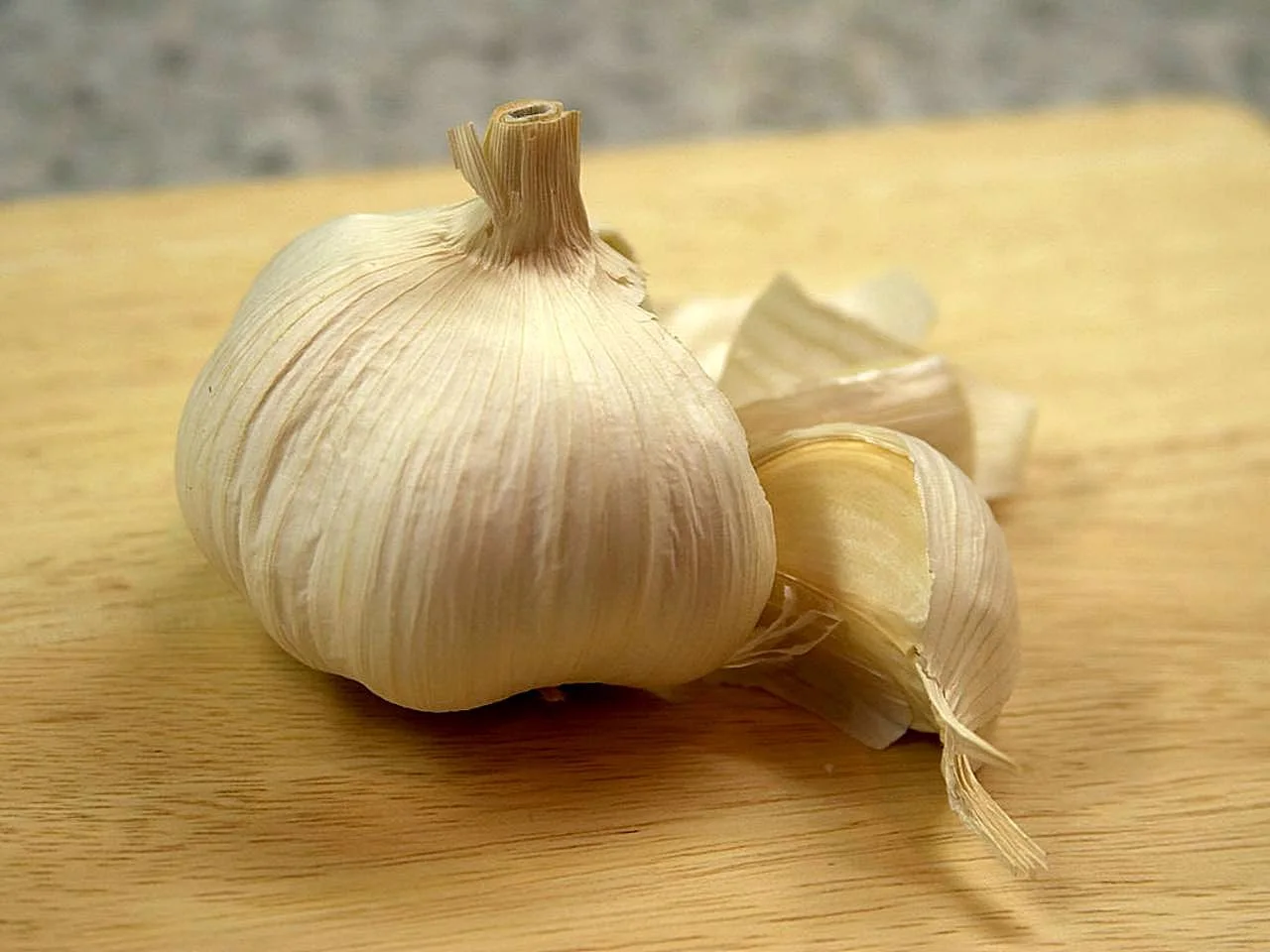

The Ontario growers' directory for a direct conversation
The Garlic Growers Association of Ontario directory separates growers, buyers and processors. Its marketplace includes businesses offering seed and table garlic.
This is our best starting point after the festival, or when you want a particular variety and are willing to arrange shipping or pickup. Ask the grower about current seed stock, minimum quantity and delivery timing.
The drawback is that a directory is not a live inventory system. A listing can remain online after a variety sells out. Do not send money or drive to a farm until the seller confirms the order and collection arrangement.
Ask whether the stock is intended for planting and what testing or clean-seed programme the grower can document. “Locally grown” and “organic” do not answer every question about plant health.
A dated farm inventory is more useful than a generic catalogue
Golden Acres Farm's own garlic updates include a September 2026 inventory note and distinguish seed garlic from smaller eating garlic. That is a useful example of the detail to look for.
It is a lead for an order enquiry, not a promise that the listed bulbs remain available today. Confirm the variety, current quantity, price, pickup or shipping and the expected arrival date.
The good part of buying direct is asking about the growing conditions and intended use. The weak point is logistics. A small order can become poor value if shipping or a long drive costs more than the bulbs.
A garden retailer only counts when the actual seed product is confirmed
Richters publishes gardening information, including fall garlic advice. Use a current product listing or a direct stock confirmation before treating a retailer as a source for this year's planting material.
Be careful with similar names. Urban Harvest's garlic chive seeds are Allium tuberosum, a different plant. They are not cloves for growing ordinary garlic bulbs.
We would not replace a missing seed-garlic order with a packet labelled “garlic chives” unless that is the crop you want. The name contains garlic; the harvest is different.
Decide what to buy before arriving at the stall
| Your situation | A sensible first purchase | What to avoid |
|---|---|---|
| First small garden bed | A modest amount of one or two clearly named varieties | Buying many varieties you cannot label or compare |
| You want reliable local advice | Planting stock from a grower who can explain its history | Treating a large bulb as proof of good seed quality |
| You need a particular variety | A confirmed order before travelling | Hoping the last stall will have it |
| A balcony container experiment | A small order and a realistic overwintering plan | Spending heavily before checking the growing space |
| You only want garlic to cook | Table garlic suited to your kitchen | Paying a seed-stock premium without a planting plan |
Ask about hardneck and softneck rather than buying by appearance
Ontario's production guide explains the main garlic types and the Ontario growing cycle. Hardneck varieties are common in Ontario, but a familiar type name is not a guarantee for every garden.
Tell the grower whether you value large cloves, storage, flavour or trying a small crop. Ask which variety they would choose for that goal and why. Their answer should be more useful than calling every variety the best.
For a first year, we would choose fewer varieties and label them carefully. You can learn which performs well in your actual space. A bag of mixed, unidentified bulbs makes that comparison much harder.
Count planting places, not just bulbs
Ordinary seed garlic is divided into cloves for planting. A bulb contains several potential plants, and the number varies by type and bulb size. Ask how many usable cloves to expect from the order.
Measure the bed and use appropriate spacing guidance before buying. More cloves do not create more garden space. Crowding the bed to use up an oversized order is a poor start.
Keep the varieties labelled through purchase, planting and harvest. A simple bed sketch and a dated note are enough. This is particularly useful if you want to save suitable planting material later.
Make the first season manageable
Prepare the space before the garlic arrives
Choose a suitable outdoor growing space and read the Ontario planting guidance. Check drainage, sunlight and the site's previous crops. Do not leave the planning until the bag arrives and the weather turns.
If the soil or stock has a known pest or disease concern, seek current local growing advice. A home grower should not improvise a chemical treatment from a commercial-farm document.
A balcony is an experiment, not a guaranteed substitute for a bed
Containers experience winter differently from soil in the ground. Ask a local growing adviser about container depth, drainage, exposure and winter protection for your setup.
Start small if you have not grown an overwintering crop there before. The success of someone else's sheltered balcony does not establish what will happen on your windy upper-floor terrace.
Keep a short record
Write down the seller, variety, planting date and where each group went. Take a photo of the label. Next year, compare the result with the actual stock you bought instead of relying on memory.
Our pick is a direct grower conversation at the September 27 festival while that option is available, then the Ontario growers' directory for later orders. Buy healthy, identified planting stock in a quantity you can manage. The most interesting-looking bulb is not automatically the right purchase.
Frequently asked questions
Where can I buy seed garlic in Toronto in September 2026?
The Toronto Garlic Festival is scheduled at Allan Gardens on September 27, from 10 a.m. to 5 p.m. Ask vendors for planting stock and confirm any change on the official event page before going.
Is the Toronto Garlic Festival free?
The 2026 visitor information lists free admission. Purchases from vendors are separate, and sales do not begin before the event's opening time.
When should I plant garlic in Toronto?
Fall planting is the usual route for a crop harvested the following summer. Follow Ontario growing guidance and the seller's advice for your soil and setup.
Can I plant garlic from the grocery store?
It may grow, but its suitability and planting history can be unclear. For a first crop, we prefer labelled planting stock from a grower who can answer questions.
Is organic garlic automatically safe planting stock?
No. Organic production does not by itself establish that a bulb is free of pests or suitable for propagation. Ask about the actual planting stock.
Can I grow garlic on a balcony?
Ask for advice specific to containers and overwintering at your location. An exposed pot and a garden bed do not have the same growing conditions.