


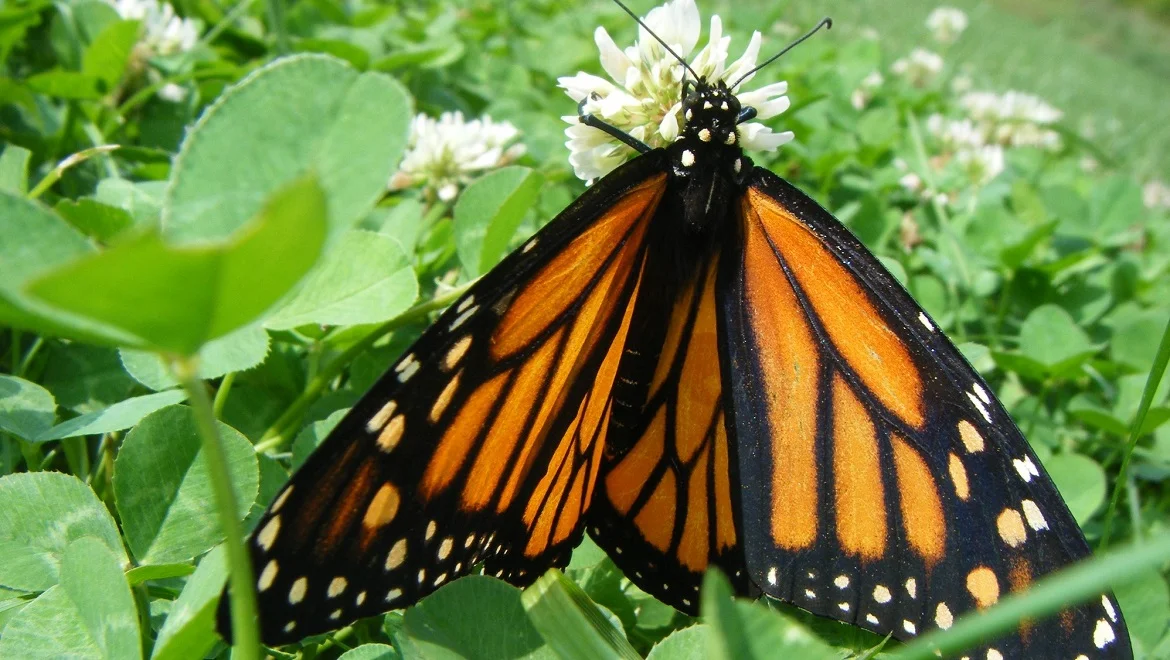
Tommy Thompson Park is our first choice for a dedicated monarch walk. Its role as a migration stop is documented by TRCA. Humber Bay Butterfly Habitat is the stronger west-end alternative, especially if you want a shorter outing around planted habitat.
The deal-breaker is timing. Butterflies move with the weather. A hundred in one tree yesterday does not mean a hundred will be there tomorrow. Choose a park you will enjoy even if you see only a few.
There is also a practical wrinkle at Tommy Thompson this autumn: weekday bridge closures and an erosion closure affect the route. A long walk to a closed crossing is avoidable. Here is where to start, what the September sightings actually tell us, and how to watch without disturbing the migration.
Where we would go first
| Place | Best reason to choose it | What limits the trip |
|---|---|---|
| Tommy Thompson Park | A documented migration and roosting site | Long distances and current route closures |
| Humber Bay Butterfly Habitat | Dedicated habitat in the west end | Remaining park finishing work and variable sightings |
| Biidaasige Park | A new waterfront walk with recent sighting leads | Reports are not a live butterfly forecast |
| Bluffer's Park | A Scarborough waterfront alternative | Plan the trip to the lower park, not just the cliff-top area |
| High Park | A useful inland option you can combine with another walk | A single garden report does not establish a daily gathering |
| Toronto Islands | A full outdoor day with recent sightings | Ferry time and cost make it a poor bet for butterflies alone |
Skip the idea of visiting all six in one day. Pick one part of the city, give yourself time to stand still, and watch flowers and sheltered vegetation as well as the sky.
Why Toronto suddenly has so many orange butterflies
Late-summer and fall monarchs head south toward wintering areas in central Mexico. Toronto's waterfront is one place where people notice that movement. A garden full of nectar or a sheltered resting area can concentrate butterflies that were spread out earlier.
A group resting together is often called a roost. A stream moving in the same direction is migration in progress. “Swarm” describes the spectacle, but it does not mean the butterflies are behaving like a defensive swarm of stinging insects.
The federal monarch species profile explains the key generation difference. Most adults live for weeks; the migrating generation can live for months. The butterflies returning to Canada the next spring are descendants, not simply the same individuals completing a round trip to your garden.
That also corrects a common mix-up: the southbound journey is not a two- or three-year relay. The annual cycle includes a long-lived migrating generation and later generations moving north.
When is the best time to look?
Plan around late summer and early autumn, with September a sensible Toronto viewing month. Parks Canada's Ontario migration account describes movement through the province from late August into mid-October. That is a broad season, not a reservation window for a particular Toronto park.
Weather can move the action quickly. Conditions that hold butterflies in one place can produce a gathering; favourable travel conditions can send them onward. A warm-looking day on your calendar does not promise a roost.
For an ordinary walk, our practical choice is daylight with enough warmth to make standing outside pleasant and enough time to watch flowers slowly. For a reported roost, check when it was observed and whether you can reach it within the park's opening rules. Don't enter a closed area to catch an early-morning photo.
Bring a light layer even if the city feels warm. An exposed shoreline can make a patient watching session less comfortable than a walk between buildings.
Tommy Thompson Park: the strongest dedicated outing
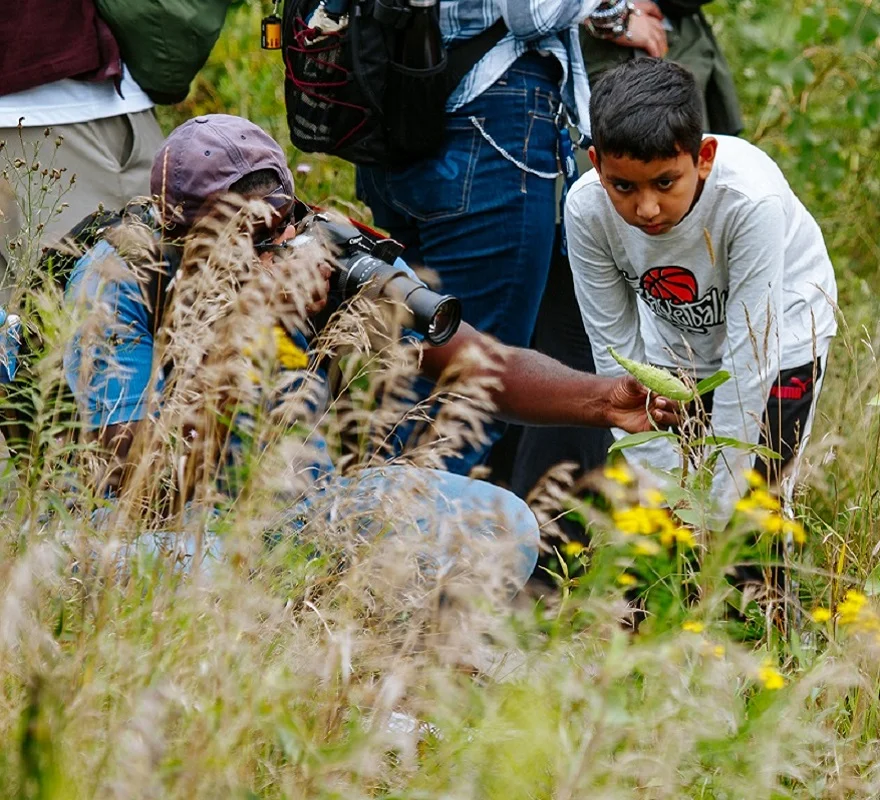
Start: 1 Leslie Street, at the south end of Leslie Street. The park is also known as the Leslie Street Spit.
TRCA identifies Tommy Thompson as an important roosting place for migrating butterflies. It has recorded more than 50 butterfly and moth species. This gives you a sound habitat-based reason to visit without needing a fresh viral video.
Don't treat the whole park as a quick loop. TRCA's visitor-distance guide places the Nature Centre about 700 metres from the entrance and the pedestrian bridge about 3 kilometres in. That scale matters if someone in your group has limited walking stamina.
Current route warning, checked September 29: TRCA's park notices say the pedestrian bridge is closed from Monday at 7 a.m. until Friday at 3 p.m., June 1 through December 18, 2026. The north section of the Embayment D trail is closed because of erosion. The usable south section should be treated as an out-and-back route, not a loop.
Public opening hours are another limit: the park's visitor page lists weekdays 4 p.m. to 9 p.m., and weekends and holidays 5:30 a.m. to 9 p.m. It is closed to the public before 4 p.m. on ordinary weekdays. A morning butterfly plan belongs on a weekend, holiday or at another park.
Bring water. The park says there is no running water, and pets are not permitted. These practical limits matter on a long walk. Follow current signs at the entrance.
Our advice is to keep the first visit modest. Walk slowly through accessible open areas, scan flowering plants and sheltered trees, and turn around before the group is exhausted. Don't rush to a distant tip because you assume the best butterflies must be farthest from the entrance.
The free Butterfly Festival took place on August 22, 2026. It is over. Past festival photographs show the habitat and activities, not an event you can still attend this autumn. Look for next year's announcement separately.
Choose Tommy Thompson for a proper nature walk. Choose another park if you only have a short gap in the day or need a simple nearby exit.
Humber Bay Butterfly Habitat: our west-end pick


The City's community stewardship information identifies Humber Bay Butterfly Habitat in Humber Bay Park East as habitat for native butterflies, including monarchs. It is a more useful reason to go than a vague claim that all lakeshore parks are equally good.
Start with the park area at 2195 Lake Shore Boulevard West, then use the park's paths and signs to reach the habitat. This is an outing around plants and habitat, not a fenced butterfly display with guaranteed residents.
Humber Bay Park East reopened in July 2026. The City says remaining planting and furniture installation continue into fall. A reopened park can still have unfinished sections, so follow temporary signs and don't assume every bench or path shown in an older photo is available.
Spend time beside nectar plants rather than walking straight past them. Leave space for cyclists and other walkers on shared routes. If nothing is moving, the waterfront walk still gives the trip a purpose.
Pick Humber Bay if you live in the west end or want a smaller commitment than the Spit. Don't cross the city solely because someone counted a large group here on another day.
Biidaasige Park: a good new waterfront walk, with sighting leads to check
.jpg)
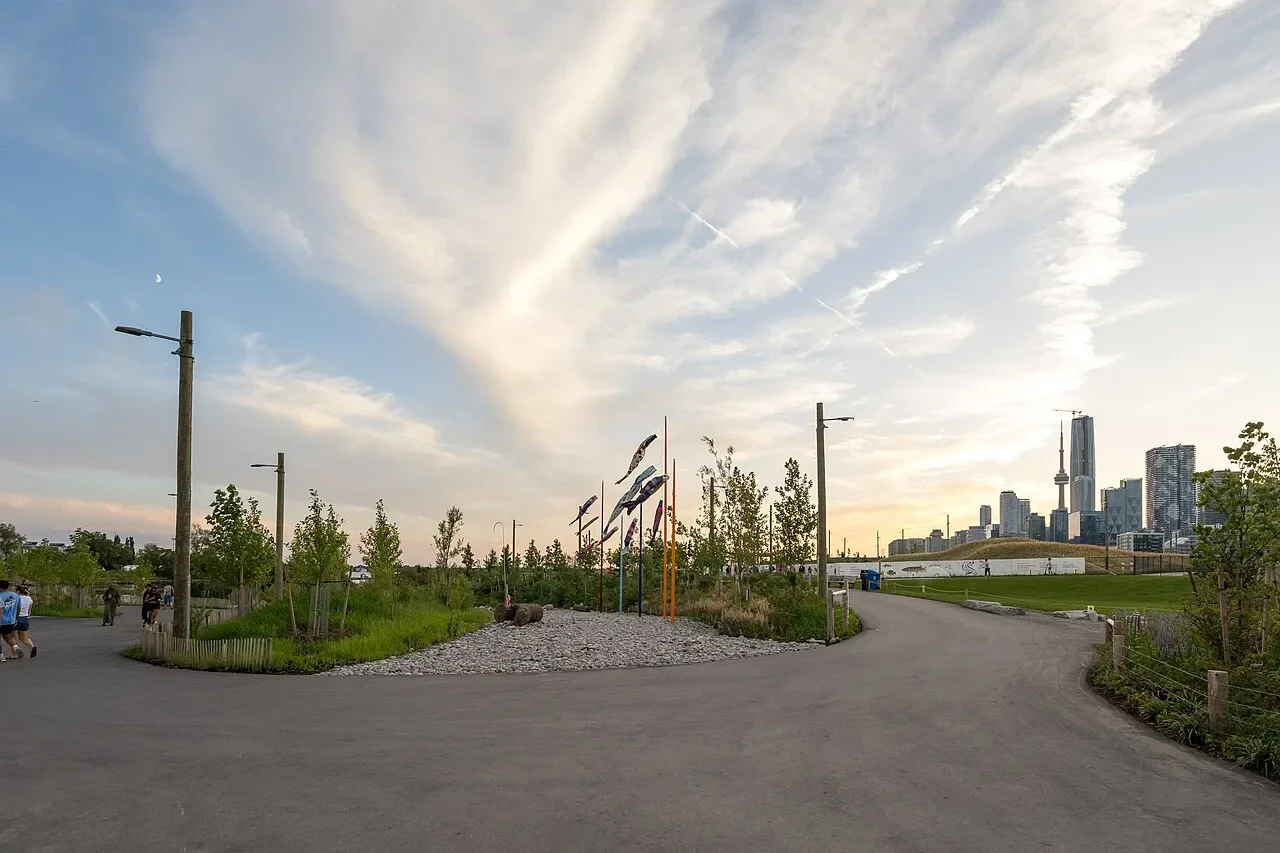
Waterfront Toronto's current park guide places Biidaasige Park around the new Don River mouth on Ookwemin Minising. Useful access points include 39 Commissioners Street for the eastern portion and 238 Cherry Street for the western portion.
Additional parkland opened in 2026. That matters when using older maps or reviews of what was accessible at the first opening. Use the current guide to choose your entrance and a route that fits your group.
Several September observations point to butterflies around the park's planted areas. These are recent sighting leads, not a verified daily count or a promise of a roost. We have verified the park and its current access points; we have not verified a butterfly gathering there today.
Our recommendation is to combine careful watching with a normal park visit. Stay on paths around planted areas. A better photograph is not worth trampling the flowers that make the stop useful to insects.
Choose Biidaasige for a flexible waterfront outing. Don't choose it over a confirmed habitat site solely because a social post describes a huge number.
Bluffer's Park: the Scarborough alternative

.jpg)
TRCA's Lake Ontario waterfront guide identifies Bluffer's as a place for migration viewing. For a Scarborough reader, that makes it a sensible alternative to travelling west across the city.
Plan to the lower waterfront park. A route to a cliff-top lookout is a different outing, with different access and views. Use the full map below and decide where you will enter and leave before relying on a broad “Scarborough Bluffs” search result.
Watch vegetation and open areas from established paths. Stay away from unstable cliff edges and closed sections. Neither a butterfly sighting nor a dramatic photograph changes those limits.
Pick Bluffer's when you also want the beach and waterfront landscape. If your only aim is a quick butterfly check, a closer pollinator garden is a better use of a short visit.
High Park and the Islands: useful alternatives, weaker reasons for a special trip

High Park has significant natural habitat as well as gardens. A September 1 sighting drew attention to butterflies feeding in the park. It establishes that someone saw them then, not that the same patch will be busy weeks later.
Choose High Park when an inland park is easier or you already have another reason to go. Don't post an exact location as a current butterfly hotspot without a fresh observation.
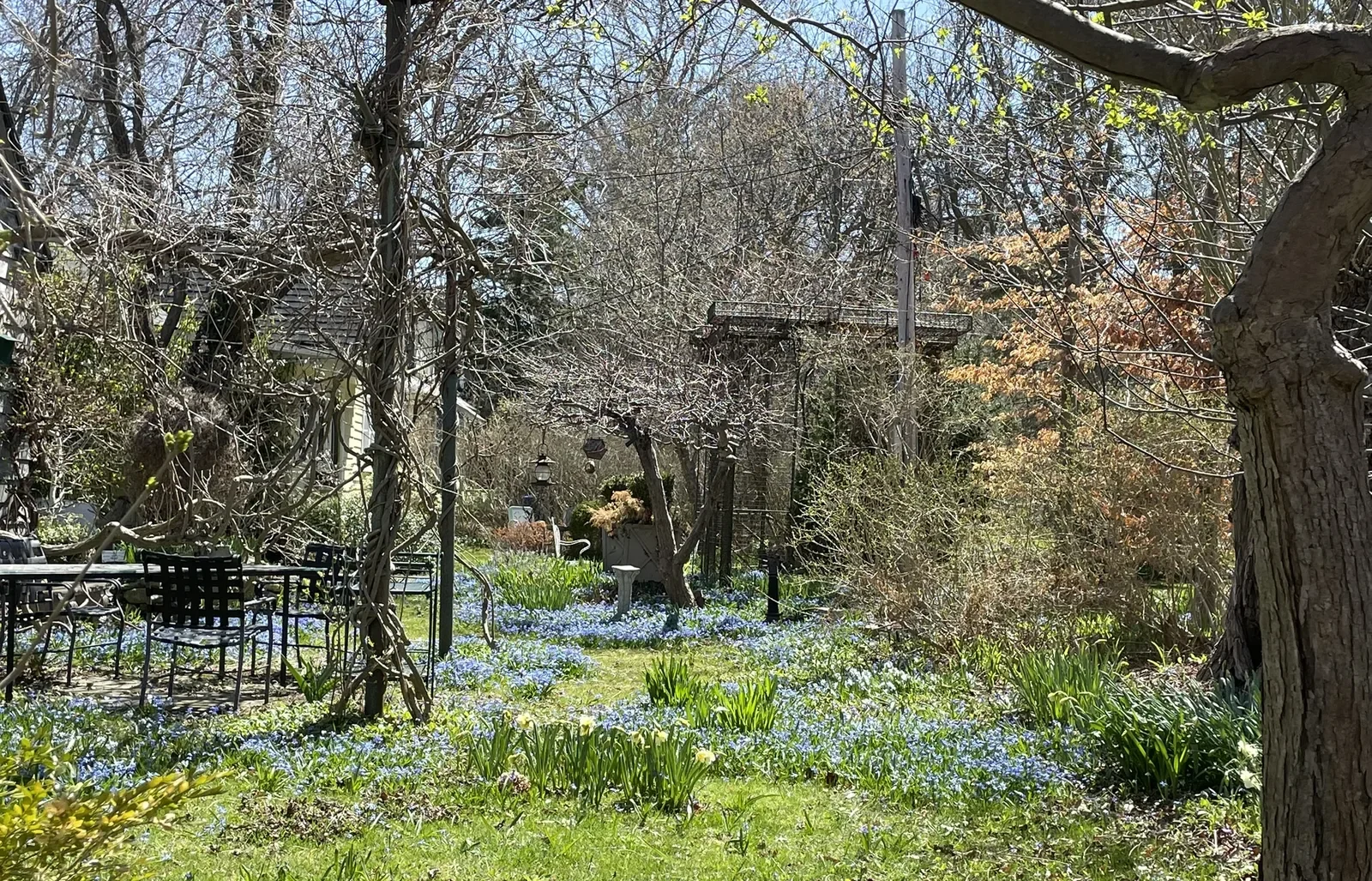

The Islands also appear in September sighting reports, and the City's natural-heritage work recognizes their role in migration. Still, a ferry outing involves more planning than stopping beside a mainland garden. Check current Toronto Island visitor information before setting off.
Choose the Islands for a full day that includes butterfly watching. For butterflies alone, we would start on the mainland. That avoids making the success of a ferry trip depend on wildlife that may have moved on.
Recent sightings: what is useful and what is not confirmed
Checked September 29, 2026. Confidence: moderate as reports of past observations; low as forecasts of what you will see now.
September reports mention the Martin Goodman Trail near Parkdale and Roncesvalles, Mimico, the Islands, Biidaasige Park, High Park, Queens Quay, Trillium Park and Leslieville. Some describe large groups; others describe a few butterflies passing a garden or street.
The useful pattern is that sightings were spread across the city and waterfront. The reports do not identify one reliable daily show. A new observation with a date, photo and location would be more useful than a large count with no time attached.
Treat claims of a city-wide population boom with care. More butterflies in one place can reflect timing, weather and concentration. It does not, by itself, measure the population across its range or prove a particular planting project caused the change.
Predictions about next year's numbers are even less certain. Conditions along the migration route and at wintering and breeding sites all matter. We would not plan a 2027 trip around a confident prediction made from a good September afternoon in Toronto.
How to watch without disturbing them
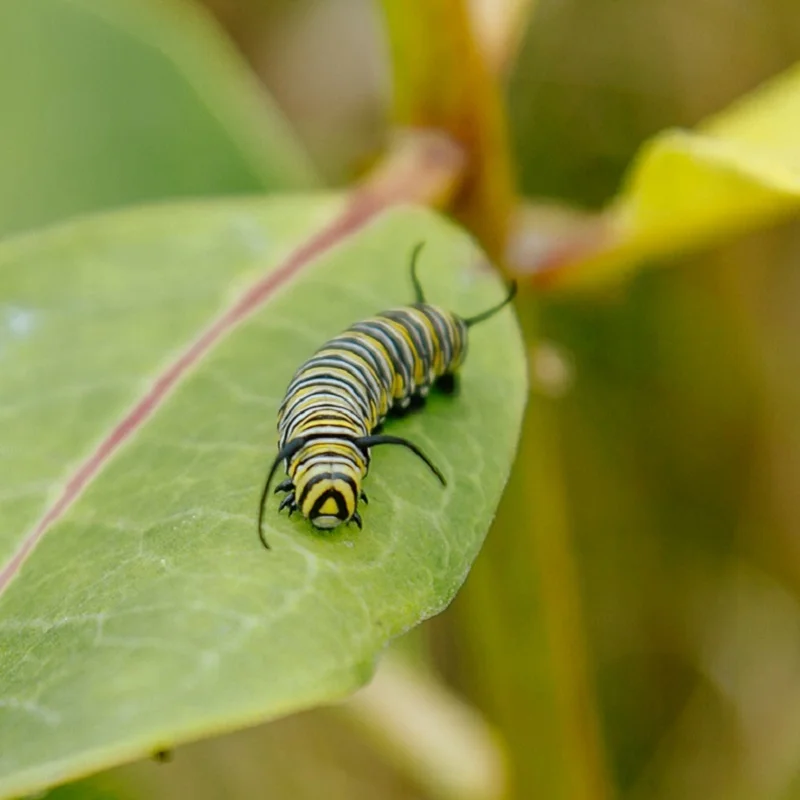
Stop a little back from the plants or tree you are watching. Let your eyes adjust to small movement. A butterfly with closed wings can be less obvious than one flashing orange in flight.
Use binoculars or a camera zoom if you have them. Keep feet, bags and bicycle wheels out of planted beds. Don't shake branches, touch wings or push a resting group into flight for a video.
Give other people room to look. If a path is narrow, step into a safe open space rather than blocking it. With children, make it a spotting game from the path: feeding, resting, flying, or a different kind of insect altogether.
If you see a tag, photograph the code only if you can do so without handling the butterfly. Monarch Watch's tagging programme explains the research and reporting process. A printed tracking tag is not automatically a live GPS tracker; research methods differ.
Don't start catching or rearing monarchs because an online post makes it sound simple. Federal rules protect monarchs on federal land, including eggs and caterpillars, and activities such as tagging can require permits. Follow the rules of the land manager and a properly run programme.
Milkweed is for caterpillars. Flowers also matter for adults
The City's pollinator guidance explains why native milkweed matters: it is the food plant monarch caterpillars need. An adult butterfly's needs are not limited to the same plant. Nectar sources are part of the journey too.
For a garden, think beyond one summer flower. Native plants that bloom at different times can keep food available later in the season. Choose plants suited to your actual sun, soil and space, and avoid pesticides that harm the insects you want to help.
Don't take plants or seeds from a protected park. Use a reputable native-plant supplier or a legitimate seed-sharing programme. If you volunteer, join a scheduled stewardship group rather than deciding on your own what a public garden needs removed.
A big cluster is exciting, but a small patch of well-chosen habitat has value even when nobody is photographing it.
Is Point Pelee worth the longer trip?
Point Pelee is a recognized migration stop on Lake Erie. Parks Canada describes monarchs gathering there when weather delays a crossing. It also makes clear that the spectacle is tied to conditions, not a guaranteed daily event.
For a Toronto resident, this is a separate trip to southwestern Ontario, not a nearby substitute for Tommy Thompson. Check current park access, admission, hours and same-day migration information before travelling. Road work is also flagged for 2026.
Go if the national park itself is worth the trip to you. Don't drive that far solely on the strength of a butterfly photo from another week.
Frequently asked questions
Can I still see monarchs in Toronto in late September?
It is within the broader migration season, and recent September sightings show they have been present. The number at a particular park can change quickly. Treat a visit as wildlife watching, not a scheduled attraction.
Where is the best place to start without chasing social posts?
Tommy Thompson Park has a documented migration role. Humber Bay Butterfly Habitat is a strong west-end alternative. Choose the one whose route and access work for you.
Does a large group mean monarchs are no longer endangered?
No. A local gathering does not establish recovery across the population. Canada lists the monarch as endangered under the federal Species at Risk Act.
Are the butterflies returning next spring the same ones?
Generally, no. The annual cycle includes successive generations. The long-lived fall generation is different from the descendants that reach Canada the following spring.
Should I go to the end of the Spit?
Not automatically. Useful habitat is not defined by distance from the entrance, and the park has current route closures. Choose an open route you can comfortably complete.
Can I touch or tag one?
For an ordinary visit, watch without handling. Research tagging has procedures and can involve permit requirements. Follow the programme and land manager's rules rather than improvising.
Is the Toronto Butterfly Festival still coming up?
The 2026 TRCA event at Tommy Thompson Park took place on August 22. Check the organizer for a future date; old festival information is not an upcoming booking.
What if I see none?
Stay a while near suitable flowers, then enjoy the park for its other features. A quiet visit does not prove the habitat has failed. Return on another day if the outing itself is worthwhile.