


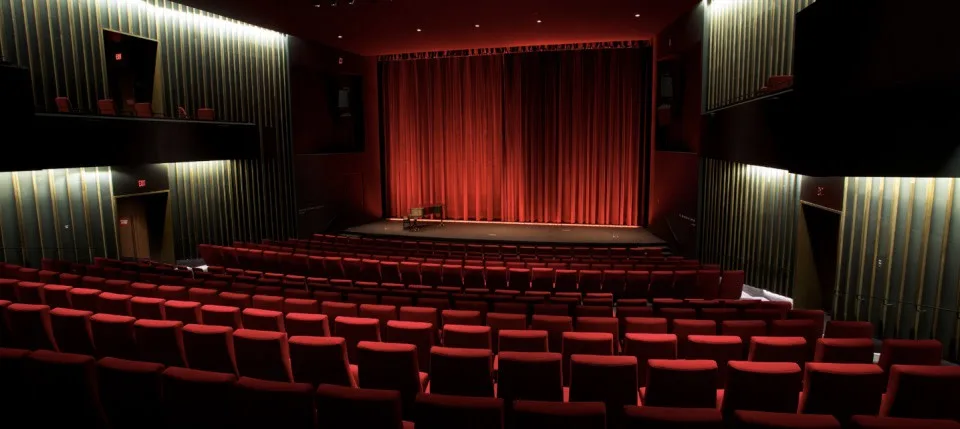
Start with TIFF's open-caption calendar if you want words on the screen without a separate device. Hot Docs is our next choice for documentary fans. Inside Out's year-round programme is another strong option, especially for queer cinema.
For a new mainstream release, Cineplex is usually the more practical place to search. The catch is that the caption track must be available for your exact showing. A general accessibility logo doesn't settle that question.
There isn't one Toronto cinema that guarantees an open-caption version of every film. This guide separates confirmed options from places that still need a direct answer, then explains what to do before booking and if equipment fails.
Choose by the kind of film and access you need
| Your priority | Start here | The limit to check |
|---|---|---|
| Captions on the main screen | TIFF's open-caption calendar | Your film and date may not appear |
| Documentaries with caption options | Hot Docs Cinema | Only selected screenings have the required format |
| Queer films and repertory events | Inside Out's year-round programme | Check the individual event and whether it uses captions or full subtitles |
| A new mainstream release | Cineplex showtimes marked CC | Track and equipment depend on the exact presentation |
| An independent cinema close to home | Ask that cinema about the specific screening | Assisted listening alone is not written captioning |
| No suitable cinema screening | A legal home release with a verified caption track | You may have to wait beyond the theatrical release |
Our pick is based on the published access information, not a test of every device in Toronto. No venue here gets a promise of flawless equipment.
What OC, CC, SDH, DS and assisted listening actually mean
Open captions, or OC, appear on the main screen. Everyone sees them. You don't collect, position or return a separate reader. For someone tired of fighting a caption box, this removes that particular problem.
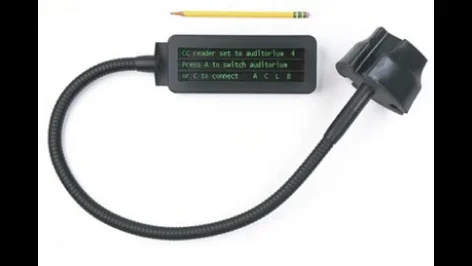
Closed captions, or CC, are available through a separate display or supported system. They are not normally visible to everyone in the room. At a cinema, this can mean a small reader mounted near your seat.
SDH means subtitles for deaf and hard-of-hearing viewers. These can identify speakers and meaningful sounds as well as dialogue. Ordinary translated subtitles can leave out those cues. A film described as subtitled is therefore worth a second question if sound information matters to you.
DS or AD refers to described audio. A voice explains visual details for blind or low-vision viewers. That is a different service from captions.
Assisted listening makes audio easier to hear. A headset or amplified feed does not necessarily show written words. A relaxed or sensory-friendly screening also describes the room and audience experience, not a guarantee of captions.
The useful question is: “Will I be able to read the dialogue and important sounds at this exact screening?” Asking only whether the cinema is accessible can produce the wrong answer.
TIFF Lightbox: our first stop for open captions
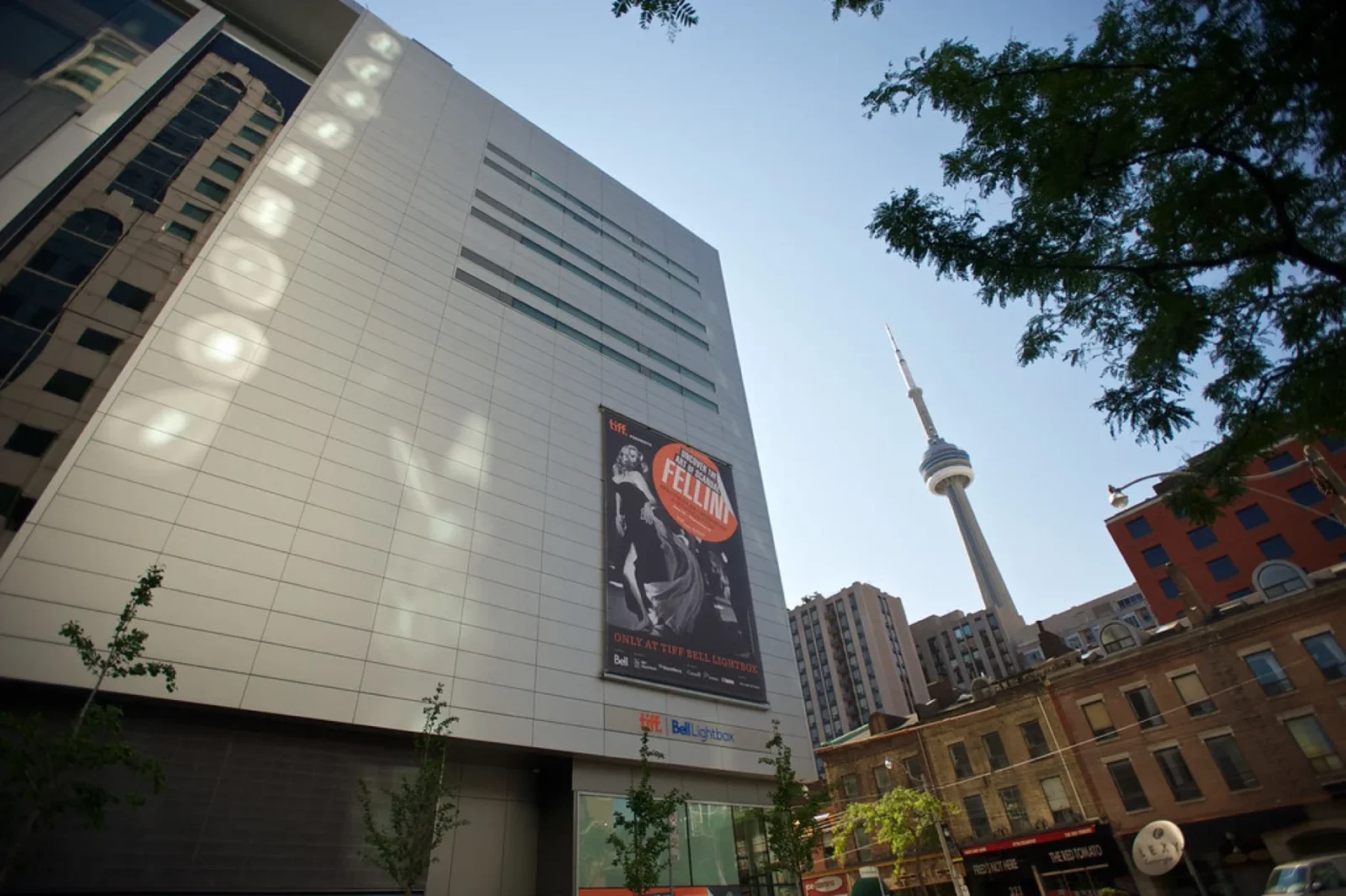
Where: 350 King Street West, near John Street.
Use TIFF's open-caption calendar, then open the individual film and date. If nothing fits, try the closed-caption calendar. These are more useful than searching the film's title and hoping a general listing includes access details.
TIFF also provides caption devices for selected content. Its accessibility page directs guests to the box office; valid ID may be required. Read the current screening information before buying, especially for a restoration, repertory title or special presentation.
The reason TIFF wins is the direct route to finding open-caption shows. The limitation is the programme. It isn't a substitute for every multiplex release, and a film showing at TIFF is not automatically captioned at every performance.
Choose TIFF when the labelled screening fits. If the calendar has no suitable showing, move to the other options below before building an evening around it.
Hot Docs Cinema: a serious option for documentary fans

Where: 506 Bloor Street West in the Annex.
Hot Docs explicitly lists open captions, closed captions and audio description for selected festival and year-round screenings. This is not just a festival-week option. Start with the current cinema programme.
For CC, devices are borrowed from the box office on a first-come basis. ID may be requested as a deposit. Ask before travelling if you need a device or a specific combination of access features.
A personal support worker can attend free, but still needs a ticket arranged through the box office. Film access and access to an introduction or discussion are separate questions, so ask about both if the event includes a Q&A.
Pick Hot Docs for a film you actually want to see. It is a strong alternative to a multiplex, but a captioned documentary you don't care about isn't a replacement for the thriller you came looking for.
Inside Out: look beyond the spring festival
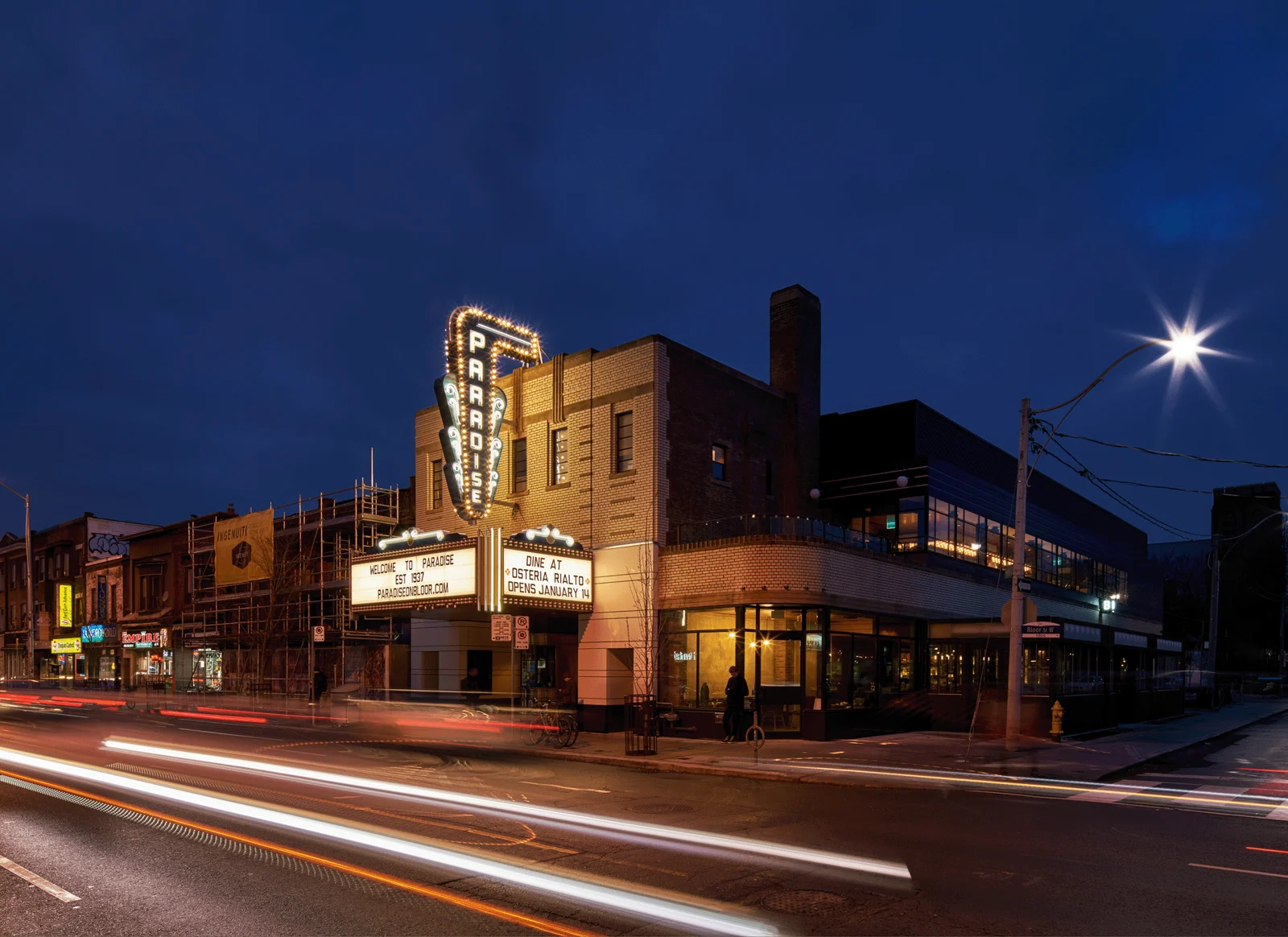
Inside Out's year-round accessibility policy commits to captioning or full subtitling across its year-round screenings. Its Run It Back series uses Paradise Theatre at 1006 Bloor Street West. Check the venue on each event; the organization also uses other cinemas.
Year-round events use general admission seating. Contact [email protected] about access needs and accessible or companion seating. A support person can attend free with an accompanying ticket holder, with arrangements made ahead. ASL interpretation requests need at least a week's notice.
Paradise's main level and accessible washroom are available to wheelchair users, but its balcony has no elevator access. Ask for the seating location that works for you.
The distinction between captions and full subtitles still matters. If you need speaker labels and sound cues, ask which version the event will use. Choose Inside Out for its specific programme and access commitment, not because every event at Paradise follows the same policy.
Cineplex: the practical choice for many new releases
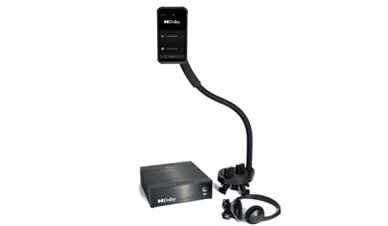
Cineplex's current policy says CC and described-audio devices are offered at all its theatres when the supplied content includes those features. Availability still varies by title, showtime, auditorium, language version and content type.
Look for CC beside the exact showtime. Event Cinema, a film print, a dubbed version and an ordinary digital feature are not interchangeable just because they share a title.
CaptiView has a small screen on a flexible support that fits in a cup holder. Selected locations offer the Dolby Accessibility Solution, which combines captions, amplified audio and described audio in one receiver.
That newer device is a useful lead, but the chain does not say it is installed everywhere. Ask the local cinema which system it has. Don't travel to a particular branch based only on an old comment about its equipment.
Use Cineplex when it confirms the showing and the device you need. A choice of premium seats or a larger screen comes after that basic check.
Questions worth asking the local theatre
Send one clear message with the title, date, time and location. Include the language version if more than one is playing.
Ask whether the screening has a caption track, which device will be provided, where to collect it and whether any ID is needed. If positioning a cup-holder reader is difficult for you, explain that and ask about another device or seat arrangement.
If your group needs several devices, say how many. A general “yes, we have captions” does not confirm that enough readers will be available for everyone.
Keep the reply with your ticket. This gives staff something concrete to work from if the information at the cinema differs.
Imagine Cinemas and other independents: useful leads, not a confirmed promise
Imagine's published accessibility plan names assistive listening devices at Carlton, Market Square, Elgin Mills, Promenade and Alliston. Its wording does not clearly establish an open-caption schedule or a particular caption-display system at each branch.
Not confirmed as of September 29, 2026: a dependable current Imagine open-caption programme and the caption-device setup at each named location. Audience reports suggest asking individual cinemas, but those reports are not enough to promise service. Confidence is low until the branch confirms the showing and equipment.
Carlton and Market Square are worth contacting if you already like their programme or location. Don't buy a ticket just because a general policy mentions assistive devices.
The same applies to the Revue, Fox and other independent cinemas. A venue can show a fully captioned film at one event without offering caption devices at every screening. Follow the film's actual access label. If the answer remains unclear, choose a confirmed screening elsewhere.
A booking message you can copy
Hello. I'd like to book [film], in [language/version], at [time and date]. I need written captions. Is this exact screening open captioned, or does it support a personal caption device? If a device is needed, which system is it, where do I collect it, and can staff check that it is charged and set for the right auditorium? Please also confirm [companion seating, multiple devices or another access need].
For a Q&A, add: “Will the introduction and discussion also be captioned or interpreted?” A film's caption track does not automatically cover a person speaking live on stage.
For a support-person ticket, ask about that booking process separately. Cineplex participates in the Access 2 programme, while some presenters publish their own arrangements. Confirm the current requirements before buying two ordinary tickets and hoping for a later adjustment.
At the cinema: check the setup before the film starts
Collect the device before settling into your seat. Ask staff to confirm its battery, auditorium setting and connection. Make sure you know where to find help if the display stays blank.
Position the screen where it is comfortable for your eyes and neck, without blocking the person behind you. Check the support is secure. A reader that keeps slipping is not a small problem over a two-hour film.
A blank display during an advertisement is not conclusive proof that the feature lacks captions. Ask staff when the caption track should begin. But don't spend half the film waiting for a problem to fix itself.
If you need to move seats for a workable view, get staff help. Don't assume an unoccupied reserved seat is free to take.
If the caption device fails
Tell staff what is happening: no text, text for another film, a frozen display, poor visibility or a reader that will not stay in position. Those are different problems and can require different fixes.
Ask for a replacement or another workable arrangement. If the screening becomes unusable, ask a manager about an exchange or refund while the details are fresh. Keep the ticket and any earlier confirmation.
We cannot promise a refund or a particular response. What helps is a short record: cinema, film, auditorium, date, showtime, problem and what staff offered. You do not need to turn your night out into a technical investigation.
A friend whispering every line, a phone trying to transcribe cinema sound or waiting months for streaming is not the same experience as a working captioned screening. Treat those as personal fallback choices, not evidence that the access problem has been solved.
If you want to pursue the access problem afterward
You can send the cinema a concise complaint with the facts and the resolution you want. That could be a ticket remedy, a working device process or a clearer published screening label.
For legal information about disability-related service barriers in Ontario, use the Human Rights Legal Support Centre. Its contact page explains intake and the general one-year filing period for a Human Rights Tribunal application. Get advice about your circumstances and deadlines rather than assuming every equipment failure has the same legal result.
This is an option, not another task you must complete to earn a decent night at the movies. If you only want a working alternative, start again with a confirmed open-caption screening.
Watching at home when the cinema options don't fit
Before renting or buying a digital film, open the language and accessibility details for that exact service and Canadian release. Look for the caption type you need. A trailer with subtitles does not prove the rented feature includes them.
Check the caption controls on the device you will actually use. A television app and a browser can present settings differently. Set text size and contrast before inviting friends over.
Library streaming and legal subscription services are useful places to look, but catalogue and account access change. Use our guide to library benefits as a starting point. For a brand-new film, the honest answer may still be that the accessible home version has not arrived.
Frequently asked questions
Where should I look first for open-caption movies in Toronto?
Start with TIFF's open-caption calendar. Then check Hot Docs and Inside Out's current events for a film that interests you. Confirm the individual screening rather than relying on the cinema's general access policy.
Are subtitles always enough for a deaf viewer?
No. Translation subtitles may omit speaker names and sound cues. Ask for the caption format you need, especially when a listing says only “subtitled.”
Does every Cineplex show support closed captions?
No. Cineplex says availability depends on the exact content and presentation. Look for the CC showtime label and confirm with the theatre.
Is a sensory-friendly screening also captioned?
Not automatically. Lower sound, different lighting and a relaxed audience setting do not answer the caption question. Check the written access information separately.
Can I bring someone to support me?
Several operators and presenters have support-person arrangements. Check the current programme and ticket process before booking, and ask for adjacent accessible seating if needed.
Can a cinema turn captions on for any film if I ask?
Don't assume it can. The supplied film version, caption track and equipment all matter. Ask early, but book only once the cinema confirms the arrangement.
Will captions cover the introduction and Q&A?
A film caption track does not cover live speech. Ask the organizer about live captioning or interpretation for those parts of the event.
What should I do if I cannot find a suitable screening?
Ask the presenter about another labelled performance, check the other cinema programmes here, or confirm a legal home release. Don't spend money on an unconfirmed showing simply because it is the only convenient time.