


Updated August 2026
Toronto neighbourhood guides can start to feel like the same list copied again and again.
Kensington Market. The Junction. Leslieville. Ossington. The Beaches.
Those places are popular for a reason. They are also a small part of the city.
Some of Toronto’s best neighbourhoods do not have a famous landmark or a row of bars. They have a good park, useful transit, small restaurants, friendly streets and enough going on to fill a slow Saturday.
This guide is about those places. It is for anyone who wants a new walk, a different lunch or a better sense of how big Toronto really is.
Underrated does not always mean cheap. It also does not mean secret. It simply means the area gives you more than most people expect.
The quick list
| Neighbourhood | Best for | Start here | Easy without a car? |
|---|---|---|---|
| St. Clair West and Corso Italia | Food, parks and an easy day out | Wychwood Barns | Yes |
| The Esplanade and St. Lawrence | A calm downtown walk | St. Lawrence Market | Yes |
| Danforth East | Subway access and local restaurants | Greenwood Station | Yes |
| The Pocket | Quiet streets and community feeling | Phin Park | Yes |
| Upper Beaches and Birch Cliff | Ravines, Kingston Road and the lake | Glen Stewart Ravine | Mostly |
| Junction Triangle and Wallace Emerson | Cycling, art and old industrial streets | West Toronto Railpath | Yes |
| Mimico, New Toronto and Long Branch | Waterfront parks and a slower pace | Mimico Waterfront Park | Mostly |
| Weston and Mount Dennis | The Humber River and strong transit | Weston UP Express station | Yes |
| Don Mills | Gardens, trails and mid-century Toronto | Toronto Botanical Garden | Plan the trip |
| Midland Park | Tree-lined streets and Scarborough food | Thomson Memorial Park | Plan the trip |
| Highland Creek and West Rouge | Nature, trails and the waterfront | Rouge Hill GO Station | Mostly |
| Oakwood Village | Everyday Toronto and small food spots | Oakwood Avenue and Rogers Road | Mostly |
1. St. Clair West and Corso Italia
Best for: eating, people watching and a full afternoon without much planning
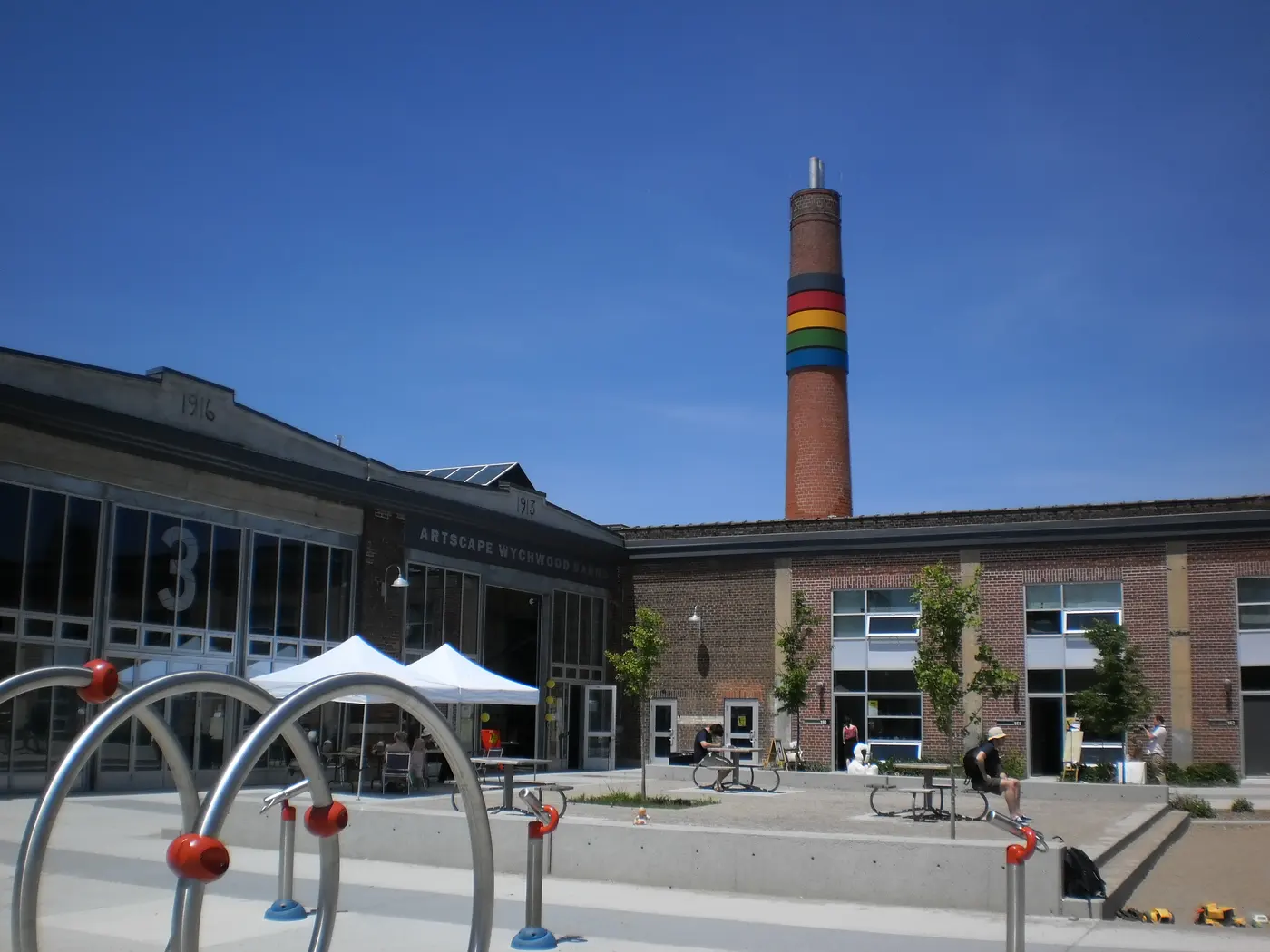

St. Clair West changes every few blocks. Around Bathurst you get Wychwood and Hillcrest. Keep going west and the street moves through Oakwood and Corso Italia. It feels like several small neighbourhoods tied together by one streetcar.
Start at Wychwood Barns. The old streetcar facility is now a community and cultural space with year-round programs. From there, walk west along St. Clair and stop when something looks good.
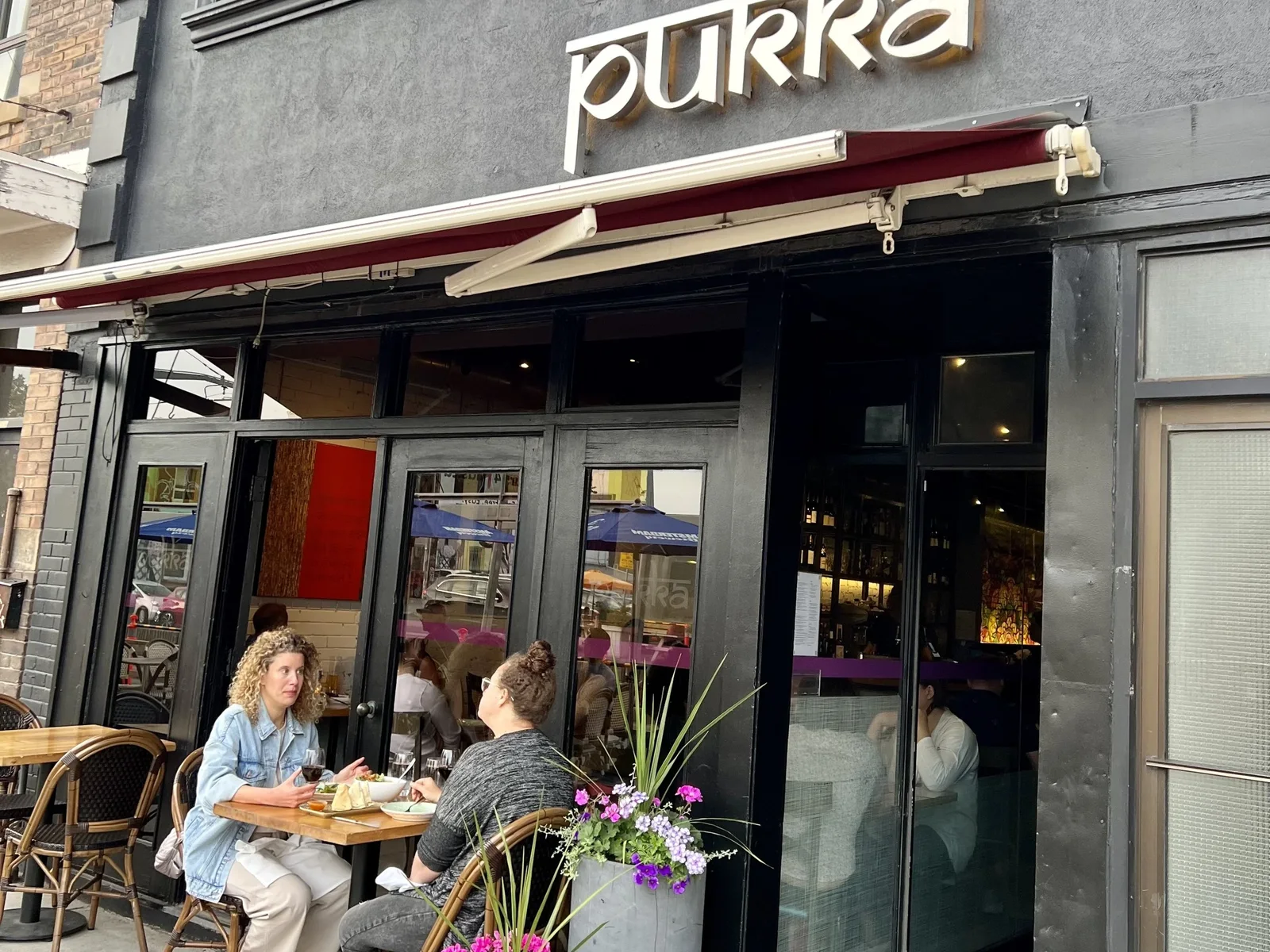
This is one of the easiest parts of Toronto for an unplanned food crawl. Pukka and Emma’s Country Kitchen are both still operating on the same stretch. You will also find Italian bakeries, gelato, tacos, Thai food, coffee shops and old neighbourhood bars.
The 512 St. Clair streetcar makes it easy to stop, eat and keep moving. Earlscourt Park is a good western end point when you want grass, a pool or a place to sit.
The honest catch: The streetcar is useful, but it is not always fast. The corridor is also much hillier than it looks when you bike north or south.
2. The Esplanade and St. Lawrence
Best for: a downtown neighbourhood that still feels like people live there
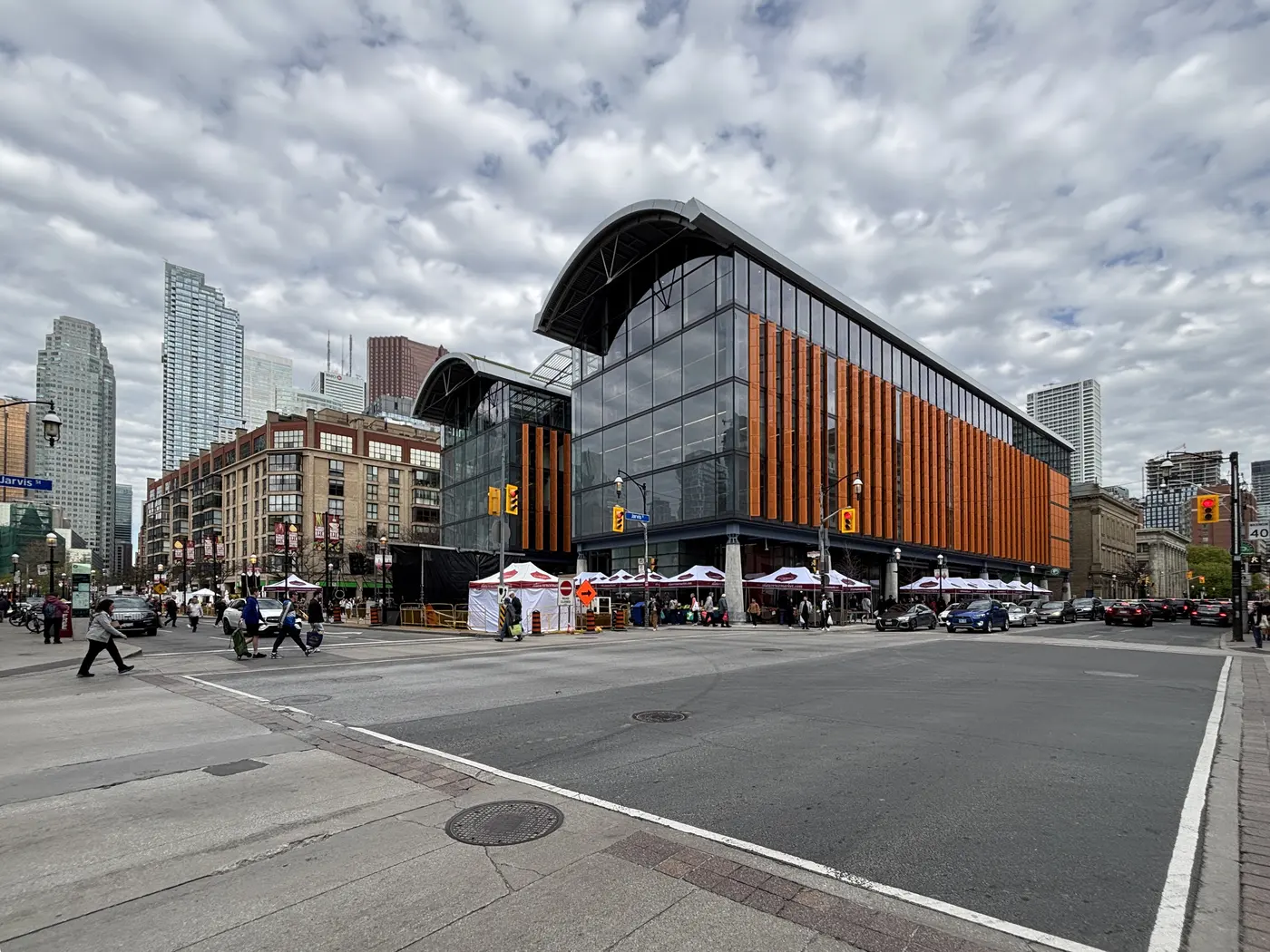

Most people visit St. Lawrence Market, buy lunch and leave. Walk a few minutes east and the area changes.
The Esplanade has apartment buildings, co-ops, schools, community spaces and people of many ages. David Crombie Park runs through the middle like a long backyard. It gives the neighbourhood playgrounds, sports space, trees and room to breathe.
A simple route starts at St. James Park. Walk through the market, continue east along the Esplanade, then finish in the Distillery District. Check Jamii before you go. The community arts group runs free workshops, festivals and outdoor events in the area.
This is one of the easiest underrated Toronto neighbourhoods to visit without a car. Union Station, King Station and several streetcar routes are nearby.
The honest catch: Some blocks around King East and Jarvis become quiet after work. The traffic near the Gardiner also makes the southern edge feel less friendly.
3. Danforth East
Best for: an easy subway trip with good food and very little fuss
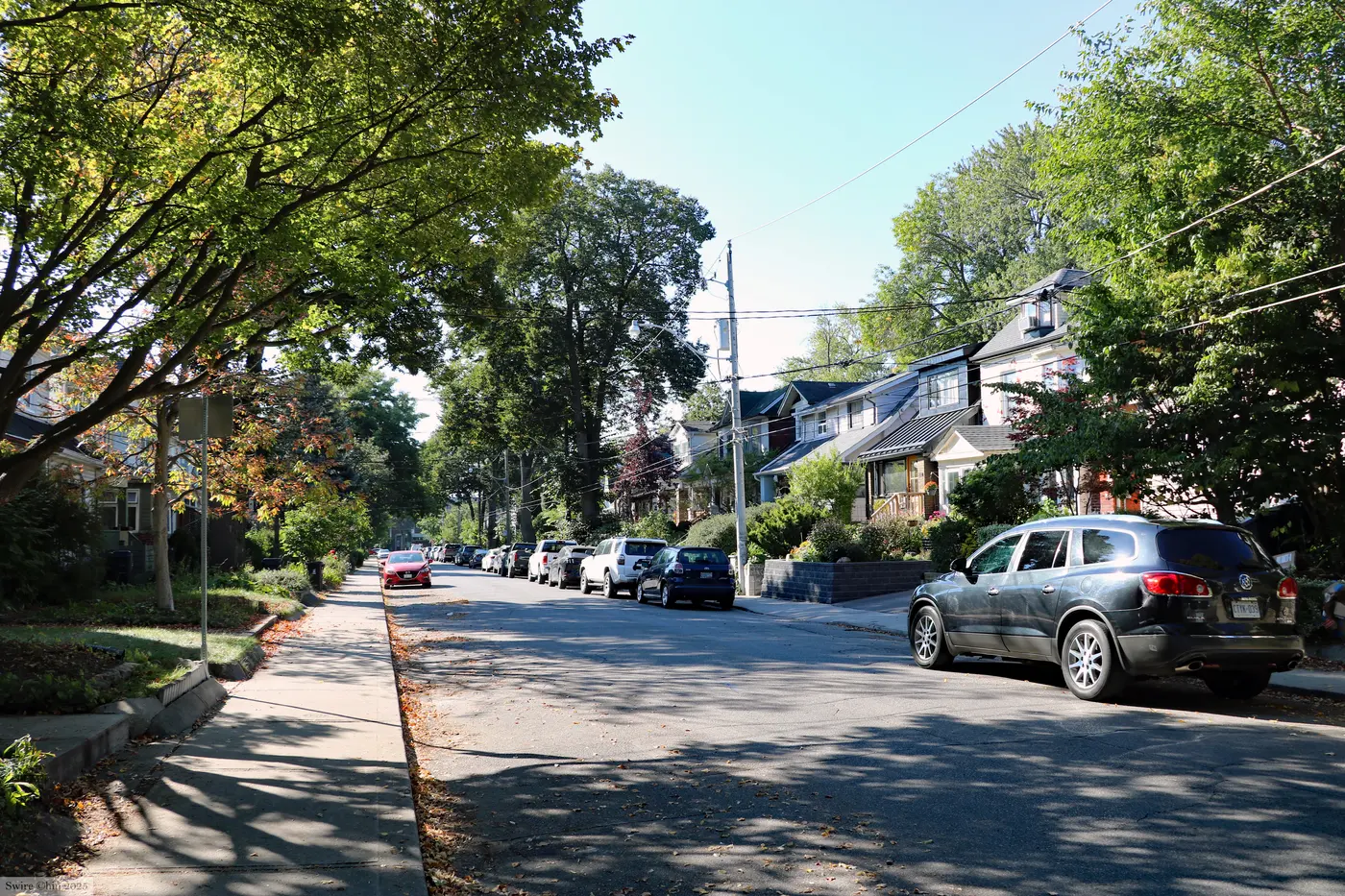

The Danforth gets plenty of attention around Broadview, Chester and Pape. Keep going east to Greenwood, Coxwell and Woodbine and it feels more local.
You still get Line 2 subway access, bakeries, pubs, small restaurants and useful everyday shops. The difference is that you are less likely to spend half the walk waiting in a line.
Start at Greenwood Station and walk east. Take a break in Monarch Park, a five-hectare park near Coxwell. If you have more energy, head south toward Gerrard Street East and the Gerrard India Bazaar.
This is a good pick when one person wants a neighbourhood walk and the other person wants a clear way home. A subway station is never far away.
The honest catch: Nightlife is quieter than it is farther west. That is part of the appeal, but it may not be what you want on a big night out.
4. The Pocket
Best for: a tiny residential area that feels separate from the busy streets around it
The Pocket from above. Photo: Fatima Bregman and Associates on Instagram.
The Pocket sits east of Greenwood Avenue, close to Danforth and Gerrard. Railway tracks and the street layout give it a tucked-away feeling.
There is no giant attraction here. That is the point. Come for a slow walk around Phin Park and the small residential streets. Then continue toward the Danforth or south to the Gerrard India Bazaar for food.
The area has the kind of community feeling that is hard to show in a top-ten list. You notice front gardens, neighbours talking and children using the park. It feels lived in.
Greenwood Station makes it easy to reach. It also pairs well with the Danforth East walk above if The Pocket feels too small for a full afternoon.
The honest catch: It really is small. If you need constant shops and restaurants, use it as part of a longer east-end walk.
5. Upper Beaches and Birch Cliff
Best for: ravines, Kingston Road and being near the lake without joining the busiest Beaches crowds
Glen Stewart Ravine in autumn. Photo: @jgazze on Instagram.
The name Upper Beaches is a little fuzzy. People often use it for the area north of the Beach around Gerrard, Kingston Road, Coxwell and Woodbine. Birch Cliff continues farther east toward Victoria Park and beyond.
The best reason to explore here is the mix. There are quiet streets, old homes, newer apartments, small Kingston Road businesses and quick access to the water.
Start at Glen Stewart Ravine. The City describes it as an 11-hectare ravine with diverse plant and bird life. Follow the boardwalk and trail, then climb back toward Kingston Road for coffee or lunch.
For a longer day, continue east into Birch Cliff or head south toward the Beach. Rosetta McClain Gardens is another calm stop near the top of the Scarborough Bluffs.
The honest catch: The boundaries are confusing and the subway is not close to every part. Check the TTC route before you leave, especially at night.
6. Junction Triangle and Wallace Emerson
Best for: cycling, public art, old industrial buildings and changing city streets
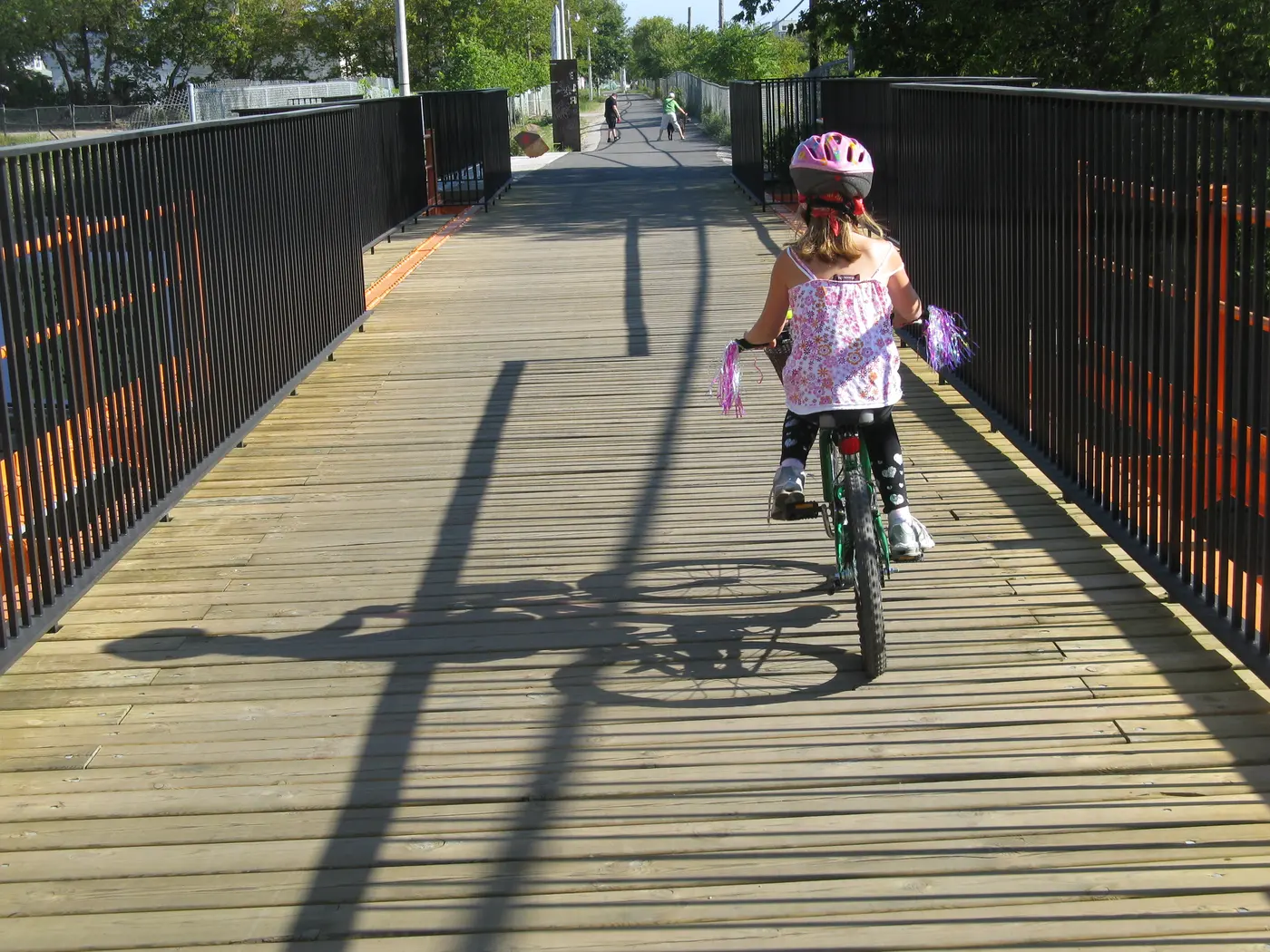

The Junction gets the name recognition. The Junction Triangle and Wallace Emerson sit closer to Bloor, Lansdowne and Dupont and still feel less polished.
The West Toronto Railpath is the easiest way to understand the area. The 2.1-kilometre trail runs through the Junction Triangle and works for walking, running, cycling and rollerblading.
Start near Bloor and Dundas West. Follow the Railpath north, look at the murals and then detour to Sterling Road for MOCA Toronto. The streets around Geary Avenue are also worth exploring for restaurants, studios and small event spaces.
Bloor GO and UP Express, Dundas West Station, Lansdowne Station and several buses make the broader area well connected.
The honest catch: Rail corridors cut through the neighbourhood, so a place that looks close on a map may require a longer route. Railpath extension work may also cause temporary changes. Check the City project page before planning a long ride.
7. Mimico, New Toronto and Long Branch
Best for: lake views, large parks and a Toronto day that feels slower

South Etobicoke is not one neighbourhood. Mimico, New Toronto and Long Branch each have their own centre. They do share the lake, the Lake Shore Boulevard corridor and a feeling of being slightly removed from downtown.
For a first visit, walk through Mimico Waterfront Park and the small parks around it. If you want more nature, head west to Colonel Samuel Smith Park in New Toronto. It is one of the city’s better places for birdwatching, waterfront paths and open sky.
Lake Shore Boulevard West has bakeries, casual restaurants, coffee shops and practical stores. It is not as tidy as a tourist district. That makes it feel more like a real neighbourhood.
Mimico and Long Branch GO stations connect to Union on the Lakeshore West line. The streetcar is useful for local stops, but allow extra time.
The honest catch: The good parts are spread out. Pick one section for the day instead of trying to walk the whole South Etobicoke waterfront.
8. Weston and Mount Dennis
Best for: the Humber River, community businesses and much better transit than many people expect
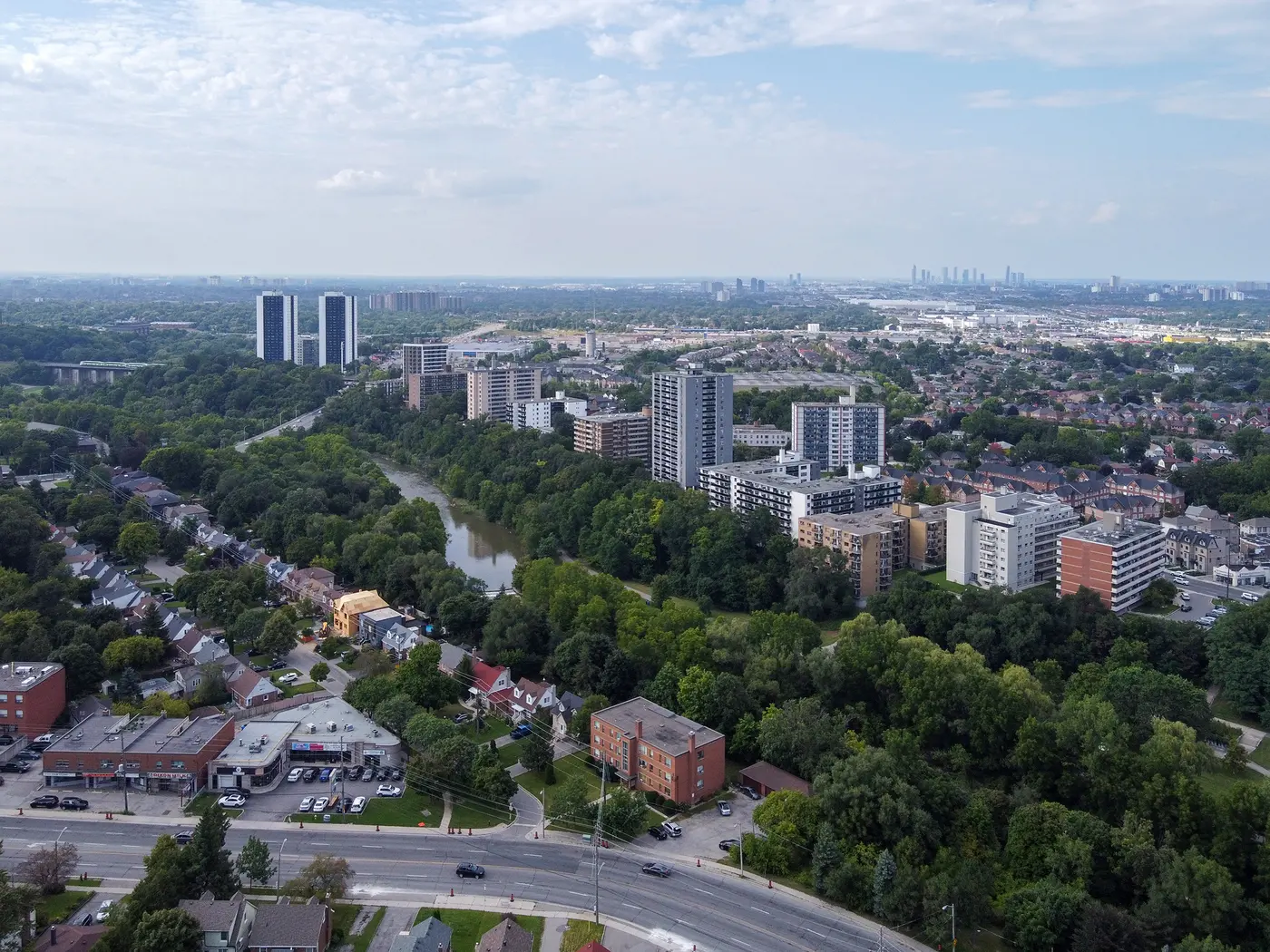

Weston and Mount Dennis are often talked about only when a new building or transit project appears. That misses the people, history and green space already there.
Start near Weston Station. Walk along Weston Road, stop at a local bakery or Caribbean restaurant, then head toward the Humber River trails. On market days, the Weston Village area feels especially active, but the river is worth visiting in every season.
Mount Dennis has also become much easier to reach. The new station connects the neighbourhood to UP Express and other transit. The UP Express neighbourhood guide is a useful starting point for planning the trip.
If you like long walks, Eglinton Flats and the Humber trail system can turn this into a full outdoor day. Our guide to Toronto nature trails has more ideas nearby.
The honest catch: The main roads can feel rough and the retail is uneven. One block may be lively and the next may feel empty. Give the area more than a quick drive through.
9. Don Mills
Best for: gardens, ravine trails and seeing a different kind of Toronto planning

.jpg)
Don Mills was planned around curving streets, parks and separated land uses. It does not look or feel like downtown Toronto. That is exactly why it is interesting.
The easiest first stop is the Toronto Botanical Garden. Admission to the outdoor gardens is free. Next door, Edwards Gardens has flowers, rock gardens and valley trails. From there, you can connect toward the wider Don ravine system.
The Aga Khan Museum and Shops at Don Mills give you indoor options when the weather changes. The neighbourhood also has some beautiful remaining mid-century homes and apartment buildings.
This area works best when you choose two or three stops before leaving home. It is not built for wandering one continuous main street.
The honest catch: Don Mills can feel car-focused. Buses reach the main attractions, but crossing the wide roads and moving between pockets can take time.
10. Midland Park
Best for: quiet tree-lined streets with some of Scarborough’s best food close by
Summer at Thomson Memorial Park. Photo: @trokozalex on Instagram.
Midland Park is the kind of neighbourhood people pass through without learning its name. It sits around Midland and Lawrence and has older homes, mature trees and a much calmer feeling than the nearby arterial roads suggest.
Make Scarborough Museum your first stop. It sits inside Thomson Memorial Park, which has wooded paths, sports space and plenty of room for a picnic.
Then explore Lawrence Avenue East. This part of Scarborough is better as a food corridor than a pretty shopping street. You can find Caribbean, Middle Eastern, South Asian and East Asian restaurants within a short bus ride.
Midland Park is a good reminder that a neighbourhood can be underrated because it is comfortable, not because it has a secret attraction.
The honest catch: The area does not have one obvious walking strip. It is easier by bus, bike or car, and you should choose your food stop before you go.
11. Highland Creek and West Rouge
Best for: people who want Toronto to feel like a nature trip

Highland Creek and West Rouge sit far enough east that many downtown residents never consider them. That is their advantage.
The Highland Creek trail system passes through wooded ravines and connects toward the lake. Colonel Danforth Park is a good place to enter. Farther east, Rouge National Urban Park has forests, wetlands, meadows and farmland. Check the current Parks Canada trail information before leaving.
Rouge Hill GO Station makes the waterfront surprisingly reachable. Get off the train and walk along the Waterfront Trail. Bring water and a snack because the route feels much less urban than most Toronto walks.
Highland Creek Village has small restaurants and local businesses when you want food after the trail. The area is also close to the University of Toronto Scarborough campus.
The honest catch: This is a long trip from the west end. Trail entrances and transit connections require planning, and conditions can change after heavy rain or snow.
12. Oakwood Village
Best for: small food businesses, residential streets and an area that has not been polished into sameness

Oakwood Village stretches around Oakwood Avenue, Rogers Road and Eglinton West. It is close to St. Clair West, but it has its own feeling.
This is everyday Toronto. You will find Caribbean restaurants, African food, Latin American bakeries, barbershops, small grocers and community spaces. The best places are not always grouped together, so slow down and look at what is open.
A good route starts around Oakwood and Rogers. Walk south toward St. Clair, eat something, then connect to the 512 streetcar. You can also head east toward Cedarvale for a longer ravine walk.
Oakwood is not trying to be a weekend destination. That is why it belongs on this list. It shows a version of Toronto built around residents first.
The honest catch: The commercial streets can feel inconsistent and traffic is heavy on the main roads. This is better for curious walkers than people looking for one perfect postcard block.
Which neighbourhood should you choose?
If you do not have a car: Try the Esplanade, Danforth East, St. Clair West or Junction Triangle.
If food is the main goal: Start with St. Clair West, Oakwood Village, Danforth East or the Lawrence Avenue East corridor near Midland Park.
If you want nature: Pick Highland Creek, West Rouge, Don Mills or the Upper Beaches.
If you want the lake: Try Mimico, New Toronto, Long Branch or Birch Cliff.
If you only have two hours: Walk the Esplanade, the West Toronto Railpath or Greenwood to Coxwell along the Danforth.
How to explore a neighbourhood without overplanning it
Choose one park, one food stop and one transit station.
That is enough.
Walk the blocks between them. Take the quieter side street when it looks interesting. Stop at a bakery you did not research. Sit in the park for ten minutes.
Do not try to prove that a neighbourhood is the best in Toronto. Just notice what makes it different.
Business hours, transit service and construction change. Check every important link on the day you go. For more ideas, see our guide to non-touristy things to do in Toronto.
Frequently asked questions
There is no single winner, but St. Clair West is the easiest place to start. It has good transit, parks, many food choices and several smaller neighbourhoods along one streetcar route.
St. Clair West and Corso Italia offer the widest mix in a walkable area. Oakwood Village, Danforth East and Lawrence Avenue East near Midland Park are also strong choices.
The Esplanade, Danforth East, The Pocket, St. Clair West and Junction Triangle are easy by subway, streetcar, GO or UP Express. Highland Creek and South Etobicoke also work without a car, but require more planning.
Highland Creek and West Rouge are the strongest choices for long trails and waterfront access. Don Mills is better for gardens and ravine walks, while the Upper Beaches offers Glen Stewart Ravine close to shops and transit.
Not always. Underrated means an area gets less attention than it deserves. It does not mean rent or home prices are low. Check current listings and visit at different times if you are thinking about moving.
Pick a subway, streetcar or GO stop you have never used. Choose one nearby park and one local restaurant, then walk between them. Toronto is easier to understand one small area at a time.
The bottom line
The best Toronto neighbourhood is often the one you have not bothered to visit yet.
Take the train a few stops farther. Get off the streetcar before its final stop. Walk toward the park instead of the busiest restaurant.
Toronto gets more interesting when you stop treating the same five neighbourhoods like they are the whole city.