


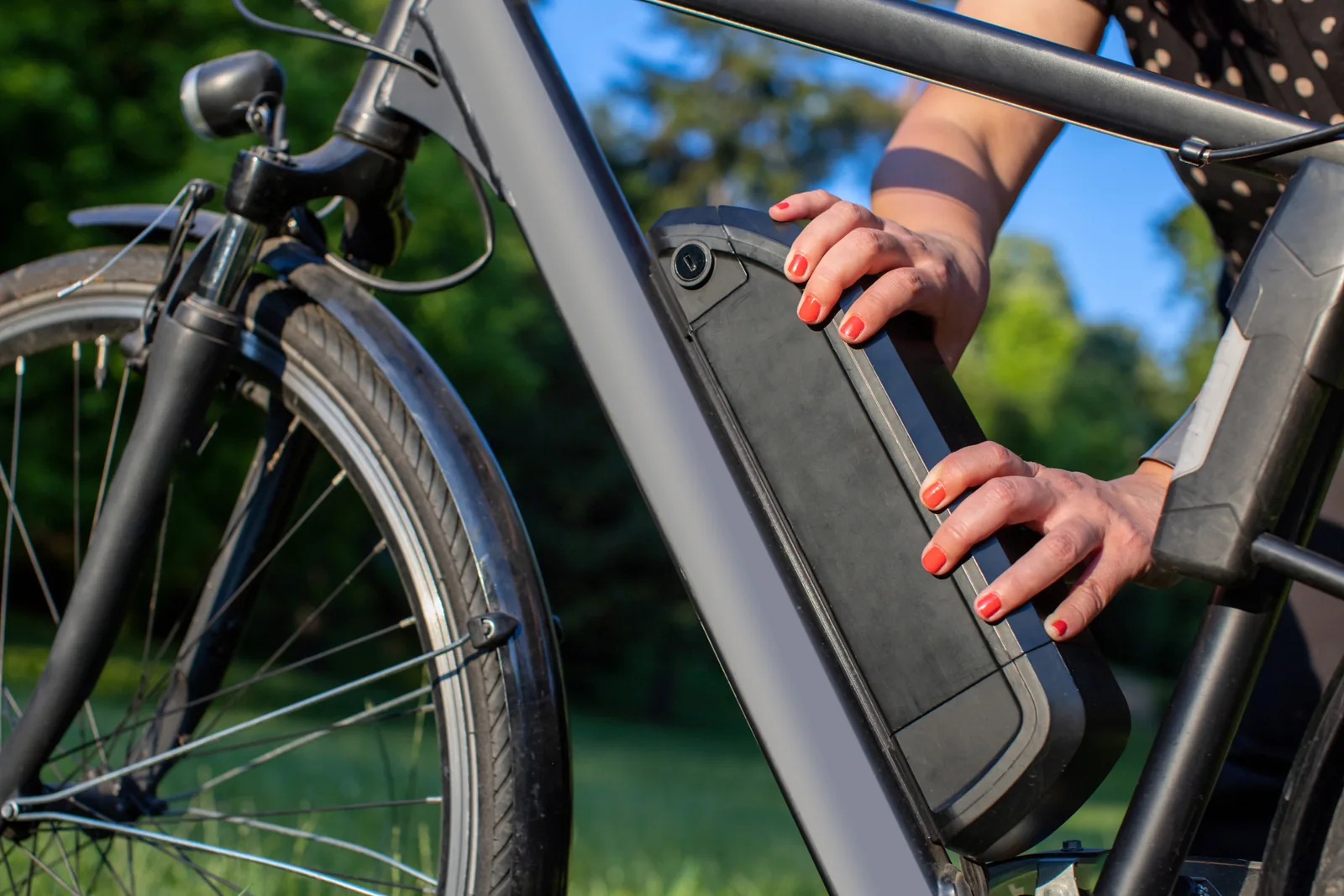
For most Toronto trips, choose a legal pedal-assisted e-bike that suits the routes you use. A lighter bicycle-style model gives you more useful options than a heavy moped-style machine. A regular bicycle or transit is the simpler alternative if charging and storage are a problem.
Skip an electric stand-up scooter for Toronto public travel. The City bans them on public streets, sidewalks, bike lanes, paths and parks. Buying one locally, riding slowly or owning it yourself does not remove that ban.
The main deal-breaker is classification. A shop calling something an “e-bike” does not prove it meets Ontario's requirements or belongs on your chosen trail.
Rules and primary guidance checked October 9, 2026. Proposed changes are separated below. Ordinary e-bikes, large cargo devices, mobility aids and motorcycles have different rules.
Start with the device, not the sales name
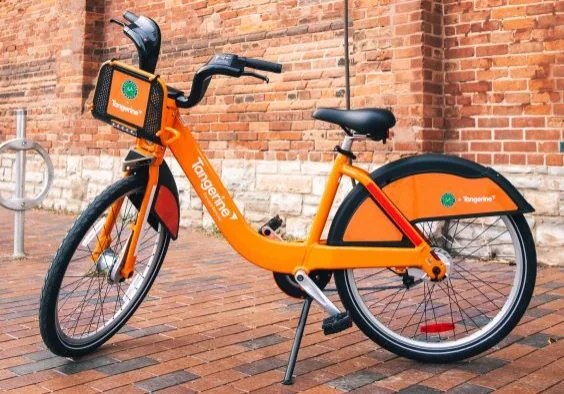
| Device | Useful Toronto starting point | The catch |
|---|---|---|
| Ordinary bicycle | Public roads and permitted cycling routes | Follow signs and traffic rules. Adult sidewalk riding is prohibited. |
| Compliant bicycle-style e-bike that needs pedalling | Roads and eligible cycling routes | Ontario equipment, age and helmet rules apply. Weight and propulsion matter on paths. |
| Throttle or moped-style vehicle sold as an e-bike | Check the precise legal category before paying | Painted bike lanes and protected tracks have different access rules. Decorative pedals aren't enough. |
| Electric stand-up kick scooter | Public use in Toronto is prohibited | Other Ontario municipalities can have different local rules. |
| Electric motorcycle or limited-speed motorcycle | A separate motor-vehicle purchase | The correct licence, registration, insurance and vehicle compliance are needed. |
| Mobility assistive device | A separate accessibility category | Don't confuse a wheelchair or mobility aid with a recreational kick scooter. |
For an ordinary Ontario e-bike, the province's guidance sets a maximum assisted speed of 32 km/h, motor power no greater than 500 watts and maximum bike-and-battery weight of 120 kilograms. Riders must be at least 16 and wear an approved bicycle or motorcycle helmet.
The Ontario kick-scooter pilot has its own limits in participating municipalities: 24 km/h, at least age 16, helmets for riders under 18 and no passengers. These do not create Toronto permission. A slower 12 km/h scooter is still covered by the local public-use ban. Ontario kick-scooter pilot
The pedals must work. Ontario also specifies wheel dimensions, secure electrical components and two independent braking systems. Ask for written compliance details for the exact model, rather than assuming its shape proves anything. Ontario's e-bike requirements
Private property is a separate question requiring the owner's permission and compliance with any applicable rules. Don't assume the whole Distillery District is an exception to Toronto's public-space ban. Public streets are still public streets. We found no general City permission for kick-scooter riding there.
Those are provincial road requirements. A model within the 120-kilogram provincial limit can still be too heavy for a Toronto park path. Local access is the next check.
The City says a qualifying e-bike does not require a driver's licence or vehicle registration. A teenager having a G1 does not turn an unsuitable vehicle into a legal e-bike. The model must qualify first. Toronto e-bike guidance
Our buying judgement: Start with a manageable bicycle-style model and a written specification sheet. Skip a machine sold mainly on its hidden speed, large motor or motorcycle look if you want ordinary city cycling access.
Where can you ride an e-bike in Toronto?
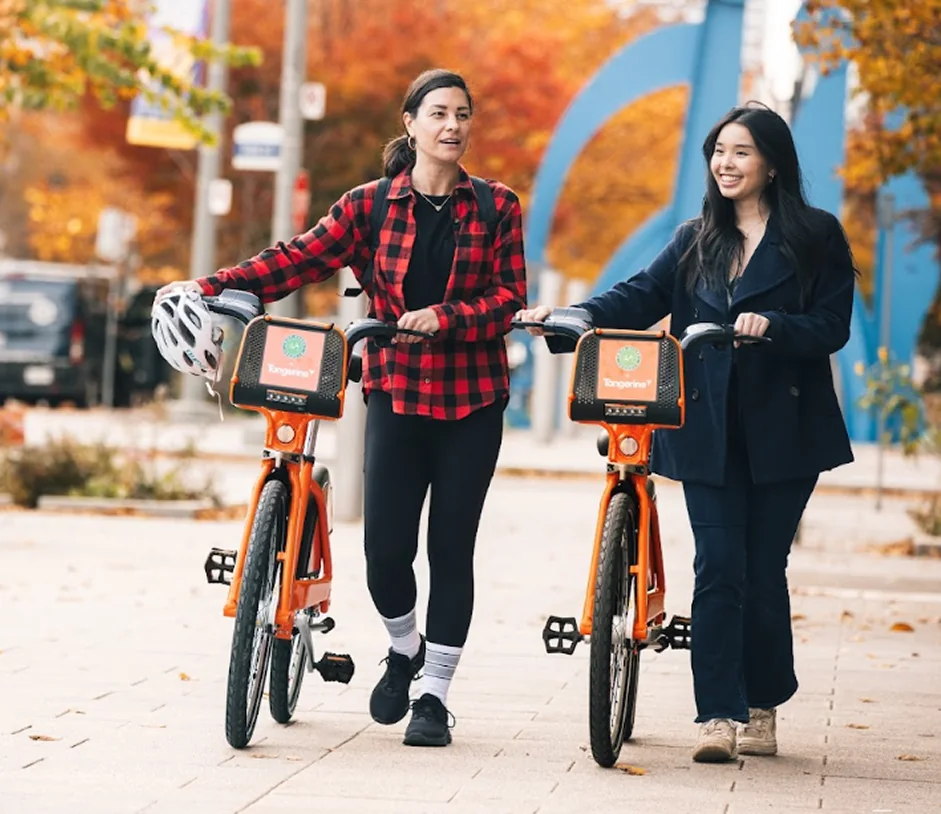
Toronto makes an important distinction between a painted bike lane and a protected cycle track. It also treats park paths differently from roads. Don't use “bike lane” as one label for every place with a cycling sign.
| Place | Current practical rule |
|---|---|
| Public road where bicycles are permitted | A compliant e-bike can be used, subject to local restrictions. |
| Painted on-road bike lane | The City permits bicycles, qualifying e-bikes and cargo e-bikes. |
| Physically protected on-road bike lane | The City's guidance permits bikes and e-bikes that require pedalling to propel them. E-bikes that don't require pedalling are excluded. |
| Park trail or multi-use path | Motorised vehicles are restricted. The City specifically excludes power-assisted e-bikes over 40 kilograms or those that don't require muscular power. |
| Toronto ferries and Island Park | The City permits conventional bicycles and e-bikes under 40 kilograms that require muscular power. Kick scooters, motorcycles and heavier e-bikes are excluded. |
| Sidewalk | Don't ride an e-bike here. Dismount and walk when using a pedestrian approach. |
The City's examples of restricted park paths include the Waterfront, Don Valley and Humber multi-use paths, West Toronto Railpath and hydro corridor trails. These aren't permission to use a heavy throttle machine as long as you go slowly. City e-bike access rules
For a machine right at a stated weight cutoff, get the City's interpretation before relying on it. Don't round the manufacturer's weight down or leave out the battery.
Toronto's parks guidance gives bicycles a 20 km/h maximum, and signs or conditions can require a slower speed. It distinguishes pedal-assist bicycles from other electric vehicles. A 32 km/h assistance cap is not a park-path speed limit. Current park rules
A mobility aid used by a person with a disability is a separate category. A recreational scooter does not gain that status because it is easier to ride than a bike. Read the rule for the actual device.
Choose the bike around your route. If your commute uses a protected track, ferry or park path, check that access before comparing battery range or colour.
A speed limiter is part of the rules, not an optional inconvenience
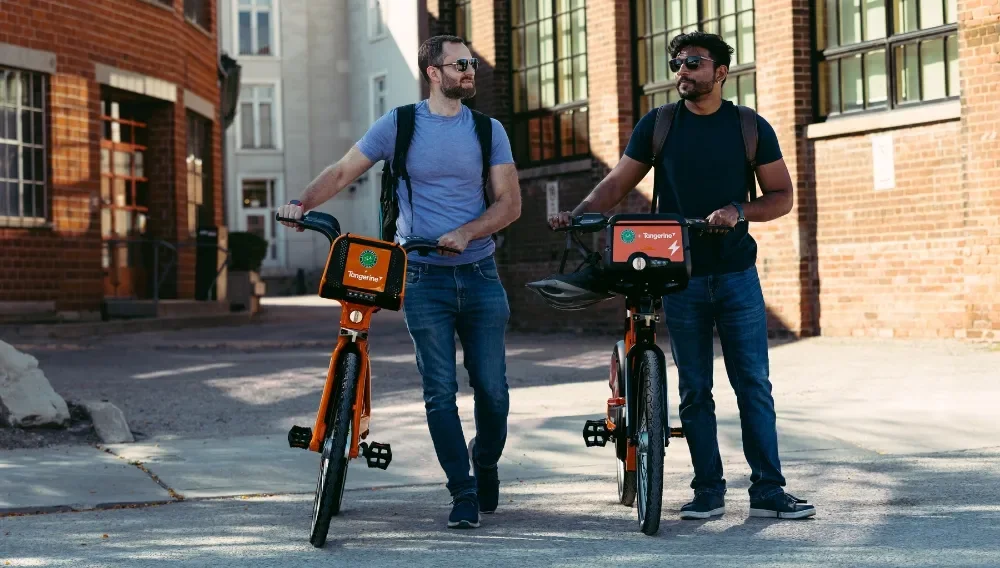
The 32 km/h figure is a limit on motor-assisted performance for an ordinary qualifying e-bike. It is not permission to ride at that speed in every place. Traffic signs, parks rules and the space around you still matter.
Ontario says it is illegal to modify an e-bike's motor to increase power or assisted speed beyond its limits. Riding a modified machine slowly does not resolve the equipment problem. Provincial modification rule
A bicycle rolling downhill or moving under muscular power raises a different question from what its motor is designed to deliver. Don't use that distinction to ignore a posted limit or pass someone dangerously. The useful question is both whether the device qualifies and how it is being used.
A seller's “off-road mode” is not a public-road exemption. An app switch, controller setting or assurance that “everyone does it” isn't evidence of legal public use. We won't turn a buying guide into instructions for bypassing a limiter.
The comparison with a car that can exceed a speed limit misses an important buying issue. Cars and motorcycles have separate registration, licensing and insurance systems. A small motorised device is not automatically entitled to the same public access as a bicycle.
If keeping up with 50 km/h traffic is your main reason for unlocking an e-bike, choose a different route or a properly compliant motor-vehicle category. A faster machine is a different purchase, with different costs and duties. Read Ontario's motorcycle licensing rules, and confirm the vehicle itself can be registered, before paying for that route.
Check the battery, warranty and total cost before paying
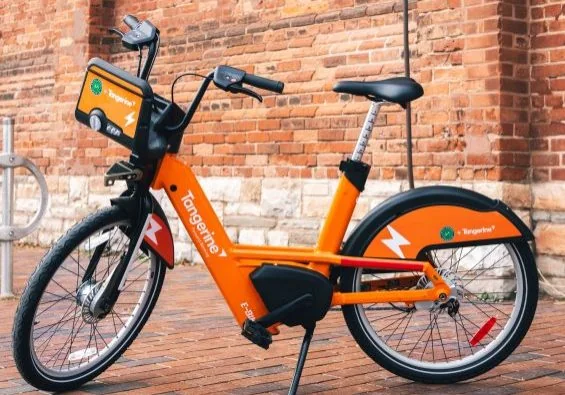
Ask the seller for these details in writing:
- The exact model and its continuous motor rating, assisted speed limit and complete weight.
- Confirmation that the pedals can propel it on level ground, without relying on the motor.
- The battery and electrical-system certification, plus the original compatible charger.
- The repair process, replacement battery supply and warranty exclusions.
- Your right to return it if the device cannot be used on the route you described.
A small charger certification mark does not answer every question about the bike and battery system. Health Canada and Transport Canada recommend relevant safety standards for the device and battery, including the e-bike electrical-system standard ANSI/CAN/UL 2849. Ask what is certified, by whom and for which exact model. Federal e-mobility battery guidance
Use the original or manufacturer-approved battery and charger. Toronto Fire Services says to keep charging in sight, unplug when complete and avoid soft surfaces that trap heat. Never tamper with a battery. Toronto lithium-ion battery safety
Health Canada says to charge at room temperature, away from exits, and not to charge below freezing. Don't use a damaged, swollen or modified battery. Health Canada charging and storage guidance
Before buying, check your building's written storage and charging rules. A bike that fits your commute can still be awkward if you cannot store or charge it where you live. Get the rule from management rather than relying on another tenant's routine.
What about theft and liability insurance?
A qualifying power-assisted bicycle is excluded from the Highway Traffic Act's general definition of a motor vehicle. Its treatment is different from a registered motorcycle. That does not mean you should assume every household insurance policy covers your exact e-bike. Current Highway Traffic Act
Ask an insurer separately about theft, accidental damage and liability to other people. Describe the model, value and how you use it. Delivery work can be a different risk from personal commuting. Get the cover, exclusions and deductible in writing.
A rider's old premium or a brand's advertised policy is not your quote. We have not verified a universal price or tested a specific insurer's claims service. Don't choose a faster or modified device assuming a policy will still cover it.
Add a good lock, helmet, lights, maintenance, battery replacement and storage to your budget. A longer-range battery is useful only if you can carry, charge and maintain the complete bike.
Can you take an e-bike on the TTC?
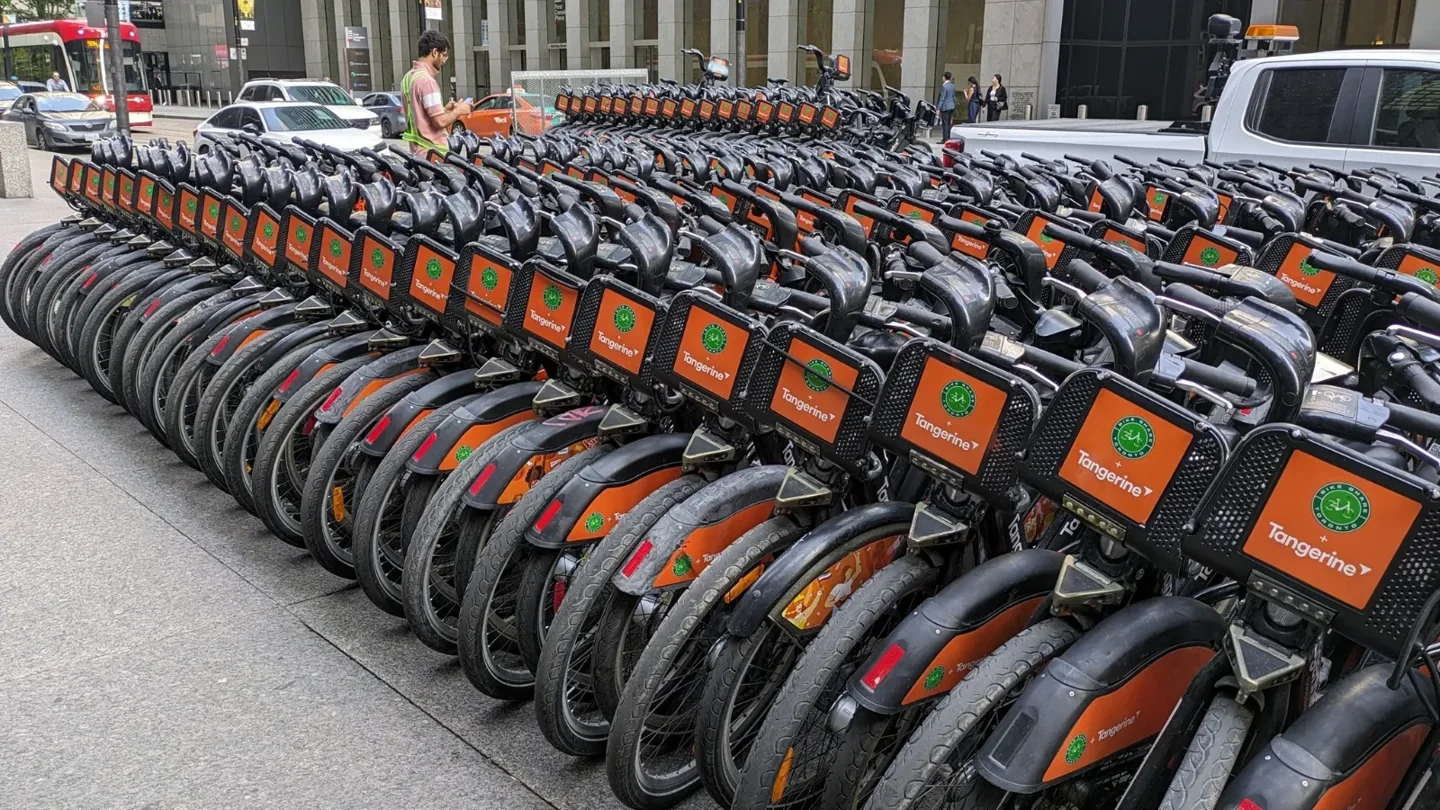
The TTC bans e-bikes and e-scooters from its vehicles and property November 15 through April 15 each year. A folding electric model is not the same as a permitted non-electric folding bike.
Between April 16 and November 14, the TTC permits e-bikes inside vehicles when space allows on weekends and statutory holidays. On weekdays, the listed windows are before 6:30 a.m., from 10 a.m. to 3:30 p.m., and after 7 p.m. E-bikes are not permitted on bus-front bike racks because of their weight. TTC bike-and-ride rules
That is a serious limit for someone planning a November-to-March ride-and-subway commute. Decide where the bike will stay before buying it.
TTC transport or storage wording does not legalise riding a kick scooter through Toronto public space. The City's scooter ban is still the starting rule for the trip to and from a station.
A regular bicycle can be simpler for a year-round mixed trip. If you only need an occasional short ride, compare Bike Share Toronto's costs and docking rules before taking on a private battery, lock and storage problem.
Choose your transport plan for the season you actually commute. Don't discover the winter restriction after buying a bike to carry onto the train.
Sidewalks, passing and parking: don't make people move for you

A bell is a warning, not a demand that a pedestrian leave the sidewalk. Stop riding, dismount and walk the bike through pedestrian space. Don't use a sidewalk to bypass a red light or a queue of cars.
Toronto's bicycle sidewalk rule is based on age, not the wheel-size rule some people remember. People 14 and older cannot ride a bicycle on a sidewalk. Ordinary child bicycle rules do not authorise a child under 16 to ride an e-bike. Toronto cycling law
A bike needs a working bell, gong or horn. Lighting and reflective equipment rules apply after dark and in poor visibility. A motor vehicle passing a bicycle must leave at least one metre as nearly as practical. None of that guarantees a particular road will feel comfortable. Equipment and passing rules
Use a quieter legal route if a road is beyond your confidence. The Ontario safe-cycling guide explains road position and riding techniques. Don't treat riding at the edge, taking a lane or adding a mirror as a guarantee that every driver will pass safely.
Only qualifying bicycles and e-bikes that can be propelled solely by pedal power can use sidewalk post-and-ring stands in the same way as a conventional bicycle. The City says scooter-style or moped-style machines that don't meet that definition need on-street parking instead. Leave the pedestrian route clear.
Don't stop in a cycle lane to collect a delivery or answer your phone. Don't leave a bike across a shop entrance, ramp or transit stop. Those few minutes can block someone else's whole route. Rules for Rideables
Our guide to Toronto's narrow sidewalks explains why these conflicts matter. The pavement isn't spare road space.
What should you do after a collision or dangerous incident?

If someone is seriously injured or there is an immediate emergency, call 911. Don't turn a collision into a roadside fight or try to seize someone else's bike.
The City encourages people involved in collisions to report them, including pedestrians and cyclists. A park or path location does not mean an injury stops being reportable. Don't rely on an old account that “police won't do anything.” Toronto Police collision reporting
Record what you can safely: time, location, direction of travel, device description and witness details. Get medical help when needed. Preserve your own photos or video without confronting or chasing the rider.
Toronto's cyclist and pedestrian collision reporting centre is at 350 Dovercourt Road. The City's current page lists 11 a.m. to 7 p.m., Monday to Friday, excluding holidays, and 416-808-1400. Confirm how your particular incident should be reported before travelling there. Other reporting centres handle different vehicle reports. City reporting information
For a dangerous pattern without a collision, use the police's appropriate reporting channel and give a precise place and time. A report can help document the problem. It does not promise an immediate traffic stop, seizure or change in enforcement.
Don't put spikes, barriers or other traps in a path. Don't retaliate. Those actions create another hazard for pedestrians, children and people riding legally.
Not confirmed yet: proposed e-bike changes and enforcement ideas
Status checked October 9, 2026: Ontario's 2026 e-bike modernisation notice remains presented as a proposal on the Environmental Registry. Its public comment period ran from April 23 to June 7. A closed consultation is not the same as a new rule taking effect. Ontario proposal notice
Toronto Council supported a proposed two-class approach and requested further work on cycling-infrastructure rules. The same item directs work on police identification training and sidewalk education and enforcement blitzes. Those are recorded directions, not a promise that every report will produce a seizure.
The adopted item calls for recommendations to the December 9 and 10, 2026 Council meeting. That request does not, by itself, enact a new citywide ban or registration system. Council's adopted directions
Confidence: high that these are recorded proposal and reporting steps. We have not confirmed a new effective regulation replacing the current guidance. A published enacted regulation and effective date would change this section.
Ideas such as licences for every motorised device, free rider courses, import controls or more spot checks are policy choices. They are not a buyer's current exemption or a guaranteed future rule.
Don't buy now on a salesperson's promise that a new law will make an unsuitable machine legal later. Buy for the rules and routes you can verify today.
Frequently asked questions
Are electric stand-up scooters legal in Toronto?
They cannot be operated or left on Toronto public property under the City's current rules. That includes roads, sidewalks, cycling lanes, paths and parks. Ontario's pilot lets municipalities choose whether to participate, and Toronto has not opted in. A private purchase is not an exception.
Can a Toronto shop legally sell a scooter that I can't ride here?
Yes, scooters can be available for sale even though Toronto public use is prohibited. The City says it regulates their public use, not retail sales. Ask where your exact device can legally be used before buying it. A store's address does not prove local road legality.
Can I ride an e-bike in a protected Toronto bike lane?
The City permits e-bikes that require pedalling to propel them in physically protected bike lanes. It excludes models that do not require pedalling. Painted lanes and park paths have different rules. Check the exact device and infrastructure type.
Is every e-bike under 32 km/h legal on a park path?
No. Toronto also considers weight and whether muscular power is required. Its current guidance excludes power-assisted e-bikes over 40 kilograms and those that don't require muscular power from park trails and multi-use paths. Park bicycle speed rules still apply to permitted bikes.
Can a child ride an e-bike in Ontario?
E-bike riders must be at least 16. They must wear an approved bicycle or motorcycle helmet. A child's ordinary bicycle sidewalk permission does not change the e-bike age requirement. A manufacturer's marketing age is not the legal riding age.
Does adding pedals make an electric motorcycle a legal e-bike?
No. The exact device must meet the full applicable definition and equipment limits. The pedals must actually propel it, rather than serve as decoration. A motorcycle licence alone does not turn an unregistrable device into a compliant road vehicle.
Can I carry a folding e-bike onto the TTC in winter?
The TTC's November 15 to April 15 electric-device restriction applies to its vehicles and property. Non-electric folding bikes have a different rule. Don't assume folding an electric bike makes it exempt. Check the current policy before planning the journey.
Can I unlock an e-bike and ride slowly to stay legal?
Ontario prohibits modifications that increase a qualifying e-bike's motor power or assisted speed beyond its limits. Riding slowly does not fix a non-compliant modification. Choose a compliant e-bike or a properly registered vehicle in the right category. Don't rely on an app mode or a seller's informal promise.
The best Toronto purchase is the device you can legally use, safely charge and reliably store. Verify those three things before paying for extra speed or range.