


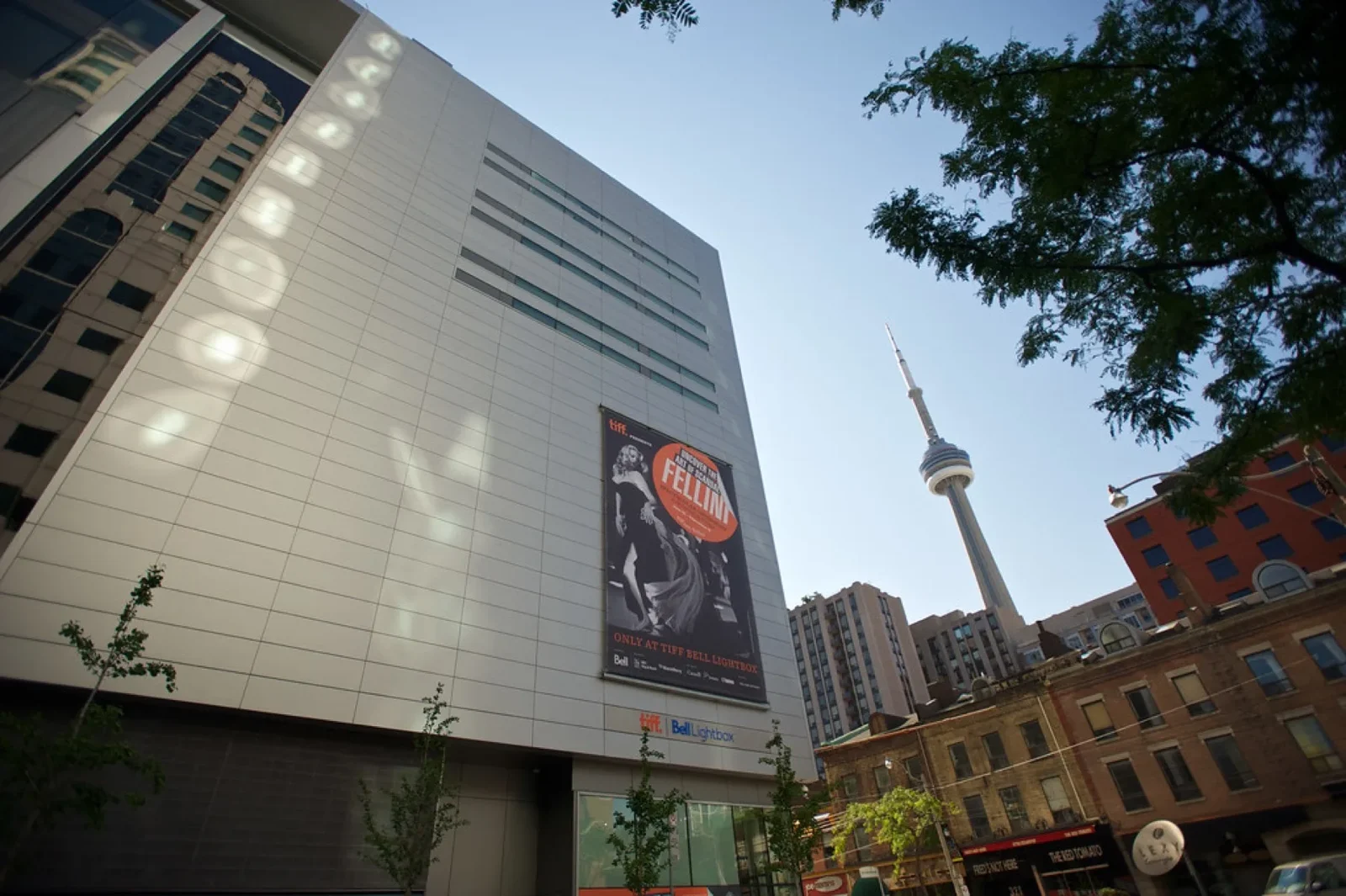
Featured photo source. CC BY 2.0.
Toronto’s public appearances go well beyond TIFF. This October brings novelists, a pop singer, comedy writers and fashion scholars to real ticketed programmes. The photos below put faces to the names, and the listings give you a plan you can actually book.
Our best choice is a public appearance connected to work you care about: a screening conversation, concert, author event or artist talk. For a free way to enjoy Toronto's film-city side, watch a production from a permitted public area without entering the set.
The main deal-breaker is the promise of access. A film ticket, restaurant reservation or production listing does not guarantee a meeting or a photo.
Choose an experience, not a rumour
| Plan | What it reliably gives you | What it doesn't promise |
|---|---|---|
| A public talk with a named guest | The advertised programme, subject to changes | A personal conversation afterward |
| A concert or performance | The performance described in the ticket | Backstage access |
| A film screening with a confirmed Q&A | The listed screening and conversation | Every cast member attending |
| Watching a visible shoot from a public area | A look at the work, where allowed | Access to actors or a set |
| A café or restaurant visit | The meal you ordered | A celebrity sighting |
| Waiting near a hotel | No useful guarantee | A respectful or worthwhile encounter |
Don't pay a “celebrity hotspot” premium unless the venue is worth visiting on its own.
Toronto is a working film city
The City's current-production list records projects and camera dates. On our October 11 check, it included productions such as Boston Blue, Doc and Murdoch Mysteries.
That explains why film equipment and crews can appear outside the festival period. It does not tell you where an individual actor will be today.
Production dates can change. A project on the list can be shooting indoors, at a studio or away from the street you are walking on. A camera schedule also doesn't mean every cast member is in Toronto for the whole period.
Choose the list for understanding local production activity. Don't use it as a person-tracking tool or a promise of a sighting.
A public appearance is the better bet
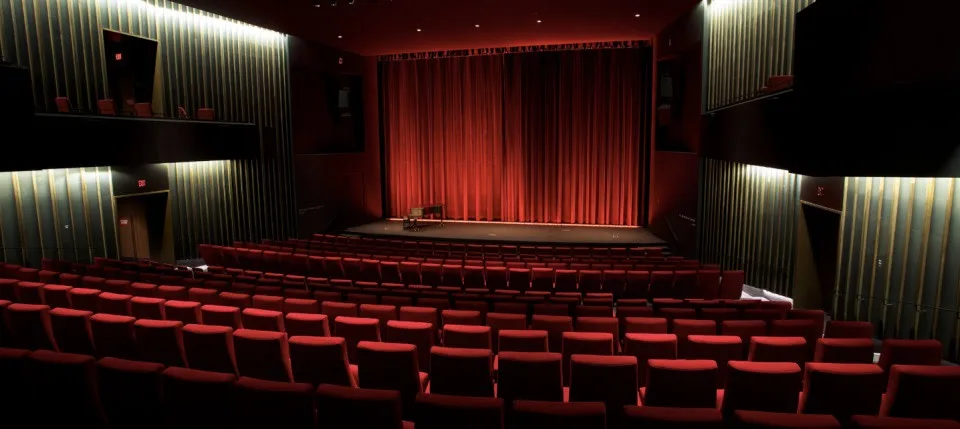
A named public programme gives you a clear reason to go. You can enjoy the work even if there is no chance to speak to the guest.
For film, use TIFF's current programme and the event-specific listing. TIFF Lightbox is a year-round venue. A regular screening isn't automatically a Q&A.
For music and performance, use the venue or artist's official ticket page. A tribute act, film screening and personal appearance are different things. Read the guest and format carefully.
For books, use the organizer or bookstore's current event notice. Check whether admission includes a book, whether signing is offered and whether there is a separate registration.
Choose the event you want to attend. Skip a ticket whose only attraction is an assumed selfie.
AGO talks: a useful alternative to film celebrity hunting
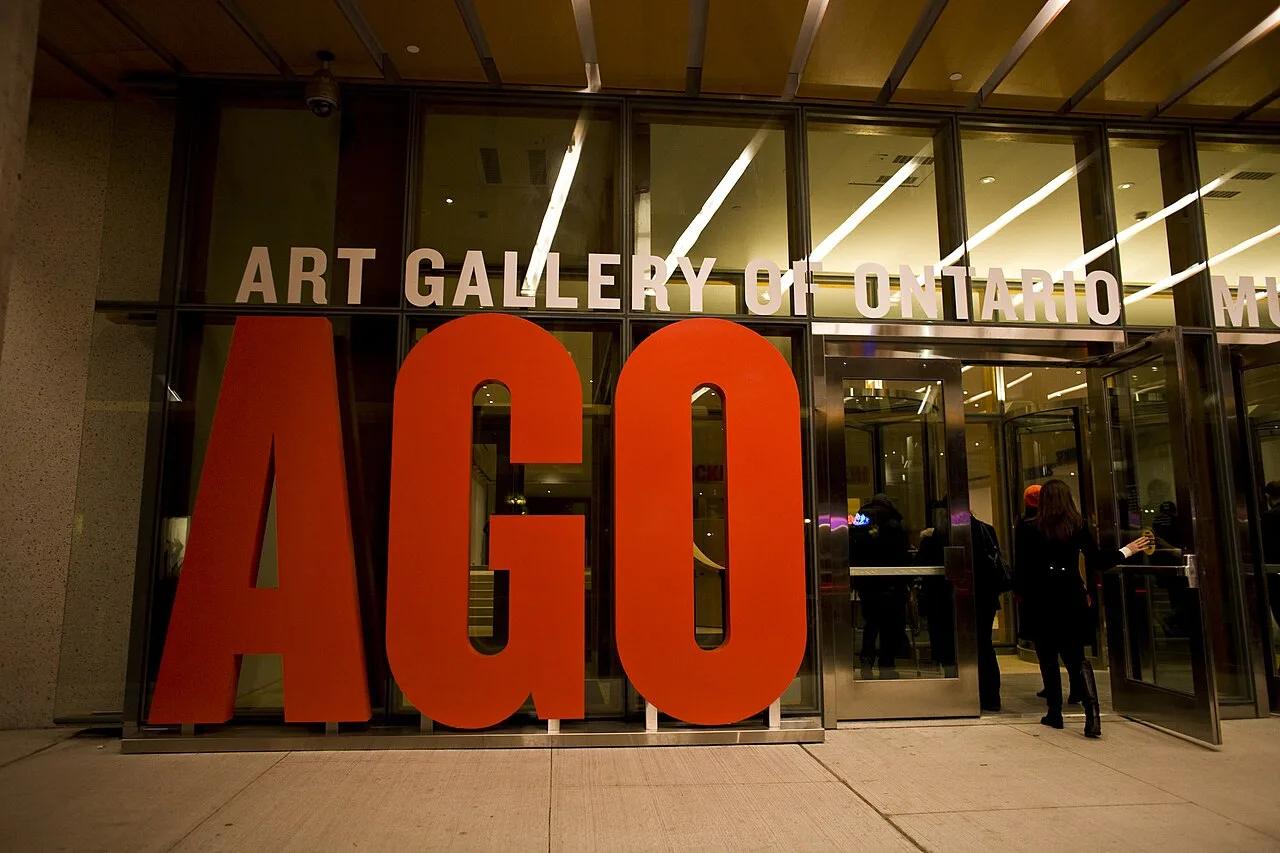

The AGO event calendar lists talks, openings and performances. Its October programme includes a conversation with Monica Miller and Jonathan Michael Square on October 21.
That is a public programme with a named purpose. It gives readers interested in art, fashion and ideas a more useful plan than guessing where a person eats.
But an exhibition ticket doesn't necessarily include a separate talk. Check the event's admission route, time and access details.
Choose an AGO programme because the subject interests you. Don't confuse “at the AGO” with unrestricted access to every event that day.
A bookable October conversation, with the real cost

The Monica Miller and Jonathan Michael Square conversation is scheduled for Wednesday, October 21, from 7 to 8:30 p.m. at the AGO's Marvin Gelber Print and Drawing Study Centre. The official page lists $15 for the public, $13 for annual passholders and $10 for members.
The topic is Black fashion, visual culture and a portrait in the AGO collection, alongside the Sunday Best exhibition. Choose it if those ideas interest you. It isn't a promised meet-and-greet or a film-star appearance.
The page has a separate booking link. Don't assume ordinary gallery admission includes the talk, or that a listed price proves a seat is still available. These details were checked October 12.
For ASL interpretation, live captioning or verbal description, the AGO asks for three weeks' notice where possible. It says it will try to accommodate shorter notice. With the event closer than that, contact the gallery promptly rather than assuming support is already arranged.
This is the useful alternative to a rumoured sighting: a named subject, a scheduled room and a known admission route. Choose the programme for its content. Any personal conversation afterward is an extra, not part of what the ticket promises.
Harbourfront: check the actual building and programme
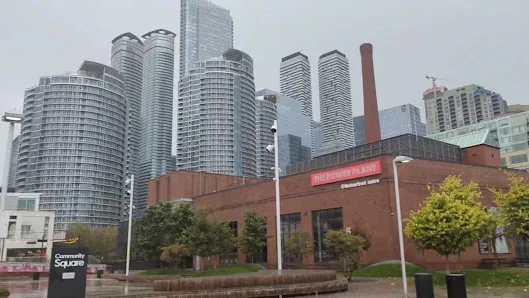
Harbourfront Centre has public performing-arts, music and cultural listings. The current programme includes the Shaw Festival's Sleuth production.
The practical catch this week is a posted main-building closure from October 5 to 18 at 235 Queens Quay West for infrastructure work. Check the actual event venue, not only the organization's address.
A public performance is not a meet-and-greet unless the organizer says so. A main-building closure also doesn't establish that every event across the site is cancelled.
Choose a dated programme with a clear venue. Skip a casual drop-in based on an old building listing.
If you happen upon a film shoot
Watch from a place you are allowed to stand. Follow staff directions, don't cross barriers and don't block pedestrians or equipment.
A quiet filming street can look inactive while a take is happening. A crew member asking you to wait may be protecting the shot, not withholding a celebrity moment.
The City's filming guidelines explain the permitted-production framework. Its notification rules describe how productions communicate local activity.
Use those notices to understand a disruption to your street. They are not invitations to enter the set.
Choose a brief look if the public space permits it. Move on if there isn't a safe place to watch.
What to do during an ordinary encounter
A famous person buying coffee is still a person buying coffee. You can recognize them without interrupting.
If the situation allows a greeting, keep it brief. Ask before taking a photo and accept no immediately. Don't turn a polite response into a long demand for attention.
A person eating, speaking privately, looking after children or working is a poor moment to approach. Waiting outside a home or hotel is not a better version of that encounter.
Don't publish a live location that encourages others to arrive. A general story after the fact and a real-time location alert have different effects.
Choose the respectful greeting when it fits. Otherwise, enjoy recognizing someone and leave them alone.
A concrete October option: the Festival of Authors
John Irving and Nazanine Hozar, with a stated signing

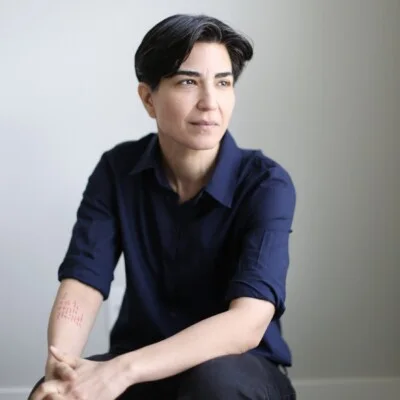
The Toronto International Festival of Authors runs October 28 to November 1, 2026, at Victoria University. That is a change from the older Harbourfront location many readers may remember. Use the event's actual venue.
The programme includes Nazanine Hozar in conversation with John Irving on Saturday, October 31, from 5:30 to 6:30 p.m. at Isabel Bader Theatre, 93 Charles Street West. The event page says a signing follows.
This is our clearest new option for someone who wants a public encounter connected to an author's work. A stated signing is a more useful format than hoping a person appears at a restaurant. The programme still doesn't promise an unrestricted conversation or a photograph with every attendee.
Choose it if you want the conversation and the book event. Read the ticket page for availability and signing instructions. Don't buy a pass only because the word signing makes you expect private time with a guest.
More recognizable authors, with faces to match the names


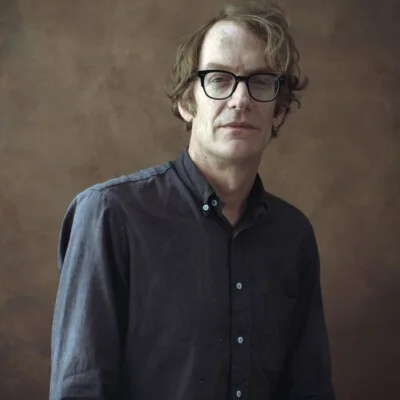



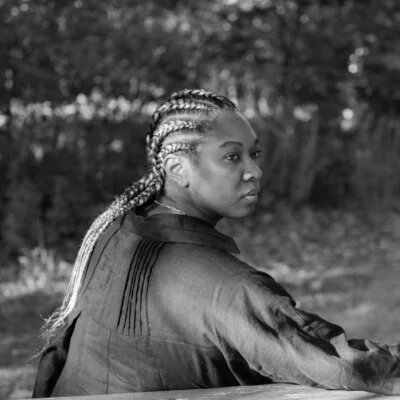
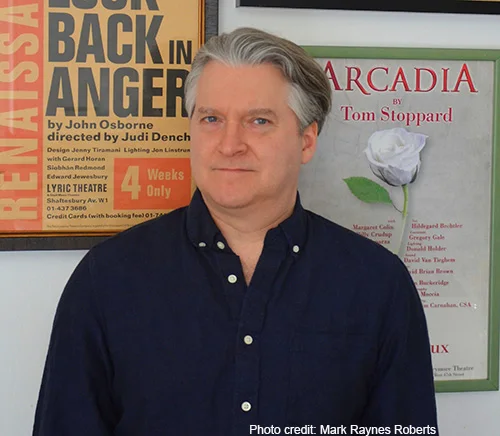
The festival's listed guests include Dave Eggers, Ann-Marie MacDonald, Patrick deWitt, David Szalay, Marie NDiaye, Vivek Shraya and Canisia Lubrin. Choose the writer whose work interests you. Their official festival biographies and programme links explain each guest’s work and connect to the individual session. The gallery labels identify every author; these are publicity portraits, not photographs proving that a guest is in Toronto today.
Use the festival programme to open the individual event. Some are conversations, some are special programmes and some require a different ticket. A person appearing on the festival's guest list does not prove they attend every day.
For someone who follows fiction, start with an author whose work you have read. For someone who follows art and fashion, the AGO's October 21 conversation may be more useful. For a film fan, choose a screening that explicitly names its Q&A guest. Those are three real formats with different reasons to go.
Passes: compare the days and exclusions before buying
The festival ticket page lists a five-day pass at $159, a weekend pass at $69 and a Saturday pass at $39. Under-30 tiers are listed at $79, $39 and $29 respectively. Verify eligibility and final checkout charges for the tier you choose.
Masterclasses are excluded from the passes. Day and weekend products also have special-programme exclusions, including Winter Garden events. Don't treat a pass as every event in every room. Some products or programmes can sell out independently.
For a standard-price visitor going only Saturday, $39 is the relevant comparison, rather than a $159 full-festival purchase. For two weekend days, $69 may be more useful than buying separate day access. The actual selected programmes and available products decide the value.
The listed pass price does not establish current remaining inventory. Open the selector before arranging the rest of the visit. A festival can still advertise its programme after a product sells out.
A better October plan than “celebrity spotting”
| Your interest | Concrete starting point | What you receive | What remains an extra |
|---|---|---|---|
| Fiction and an announced signing | Hozar and Irving, October 31 | A named conversation and stated signing format | The length of any personal exchange |
| Black fashion and visual culture | AGO conversation, October 21 | A scheduled 90-minute talk with a published ticket tier | A meeting with the speakers |
| Film | A TIFF Lightbox listing naming a Q&A | That screening and advertised conversation | Unlisted cast appearances |
| Theatre | A dated production with the actual room | The performance | Stage-door or backstage access |
The first two are specific dated leads in this check. The film and theatre rows are ways to choose from current listings, not invented guarantees about a particular star.
What to bring to a signing
Read whether the event supplies a book, requires a book purchase or allows books you already own. Check quantity limits if the organizer publishes them. A signing queue can have a different process from the seated talk.
Keep the request brief and respectful. Ask before taking a photograph. If the organizer says no photos or limits personalization, follow that rule. The ticket supports the public programme, not control over the guest's time.
If no signing is advertised, assume the talk is the complete plan. An interesting hour with an author can be worth the ticket without a personal exchange afterward.
Why private “hotspots” are a poor substitute
A restaurant reservation buys a meal. A hotel lobby doesn't buy access to guests. A production list records work, not an actor's private itinerary. The more money or time the plan needs to produce a chance encounter, the weaker its value becomes.
The stronger approach is now concrete: pick the October 21 AGO conversation, a festival programme from October 28 to November 1, or a screening with a named Q&A. Enjoy the work you chose. Treat a respectful personal exchange as an extra.
More public places to see a named speaker or performer
The Garrison: two current October examples

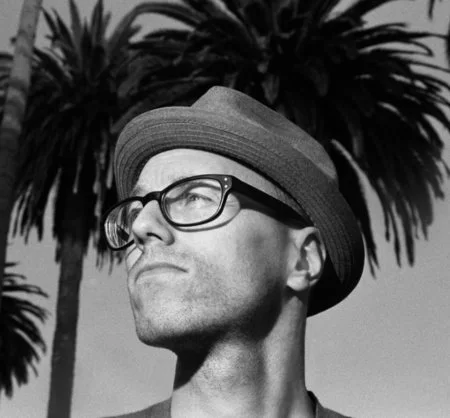
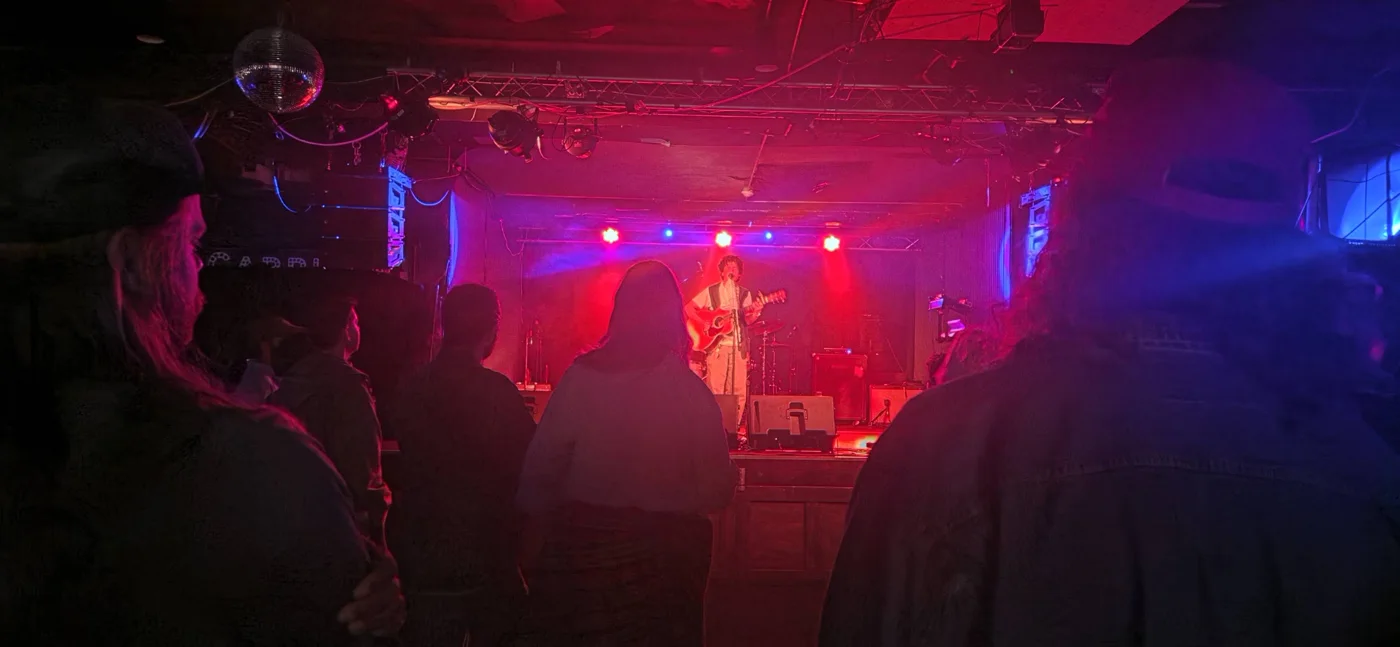
Garrison's calendar lists Isabel LaRosa on October 24, 2026, at 7 p.m., with $40.64 advance admission and a separate $255.47 Soundcheck Q&A Experience. On October 29, it lists Kliph Nesteroff in conversation with comedy critic Andrew Clark at 7 p.m., for $45.84 advance. The venue is at 1197 Dundas Street West.
Choose a talk if hearing the person explain their work matters most. For the soundcheck option, read the exact package inclusions. A Q&A is not automatically an individual meeting, photograph or autograph.
Bookshops: a better source for author appearances than celebrity rumours

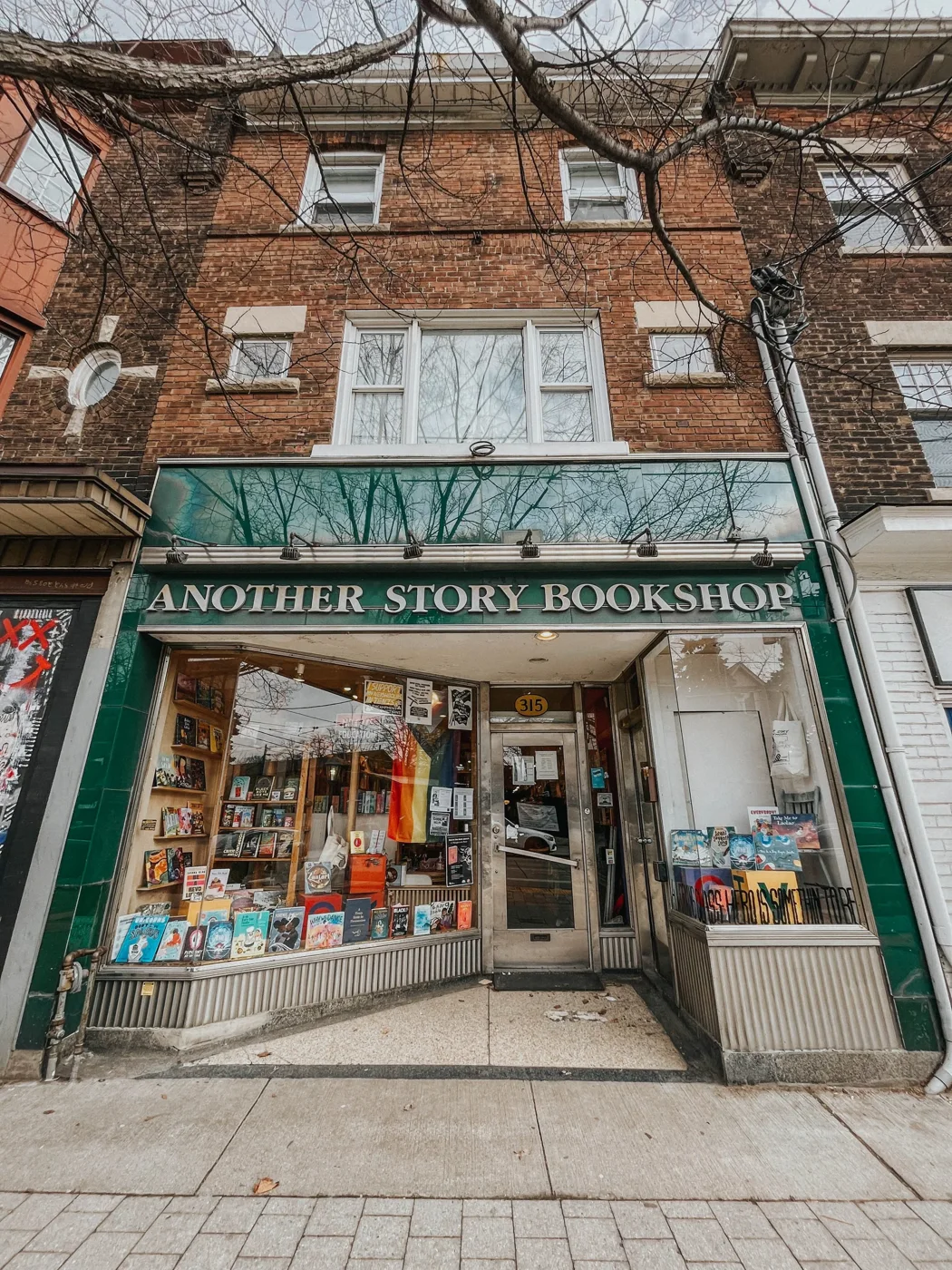
Queen Books is at 914 Queen Street East. Another Story Bookshop is at 315 Roncesvalles Avenue. Follow their own event announcements when you want a reading, book launch or author discussion.
These are verified shop locations, not a claim that a named author is there today. Some launches happen off-site. Use the event's address, registration and signing rules before travelling.
Choose a public appearance with a named person, date and ticket or registration link. Skip a detour based on a rumoured hotel or favourite restaurant. A ticket buys the stated event, not access to someone's private time.
Frequently asked questions
Can I see celebrities in Toronto outside TIFF?
It can happen, but no random encounter is guaranteed. Public performances and named talks give you a clearer plan.
Does a production listing mean the actors are in town today?
No. Camera dates describe production activity, not every cast member's location. Check public appearances separately.
Can I watch a film shoot?
Only from a place where public access is permitted, following staff directions. Don't enter the set or block the work.
Does a screening ticket include meeting the cast?
Not unless the event specifically promises that format. Even a Q&A doesn't guarantee a personal meeting or photo.
Is it okay to ask for a selfie in a café?
Use judgement and ask before photographing. Don't interrupt a private meal, family time or work, and accept no without pushing.
Which Toronto venues should I check for public talks?
TIFF's programme, the AGO calendar and current cultural-organizer listings are useful starting points. Verify the named guest and admission rules.
Should I visit a restaurant just because a celebrity was seen there?
Only if the restaurant is worth the trip and price for you anyway. An old sighting isn't a current promise.
For a wider plan, see our Toronto adult hobbies guide and cultural guides. Pick the work you want to see. A chance encounter can be a pleasant extra, not the whole trip.
Related Toronto guides: Free Toronto Attractions With a Library Card: How the tpl:map Pass Works, Nuit Blanche Toronto Date Night: Three Plans That Leave Room to Talk.