



The view is the least important part of choosing a high-floor Toronto condo. Elevators decide whether daily life works. Building management decides whether small problems stay small. Fire planning, wind, heat and moving rules decide whether the beautiful unit becomes a burden.
Our advice is blunt: choose a well-run building on the 25th floor over a badly run building on the 55th. The best alternative for someone who wants light without total elevator dependence is a mid-rise or lower tower floor. The main deal-breaker is mobility. If stairs are impossible for anyone in the household, repeated elevator outages carry more risk.
The quick high-floor verdict
| Issue | What matters most | What to do before signing |
|---|---|---|
| Elevators | Number, speed, outage history and service elevator rules | Visit at rush hour and ask for outage records |
| Fire safety | Two exit stairs, building plan and your ability to follow instructions | Read the plan and know both exits |
| Heat | Window exposure, glass, HVAC control and afternoon sun | Visit on a hot sunny day |
| Wind | Balcony use, noise and door pressure | Check the balcony and windows on a windy day |
| Moving | Elevator booking, fees and time limits | Read the building rules before making an offer |
| Power outage | Elevator, water, phone and medical needs | Make a household emergency plan |
| Resale | Building finances and elevator reputation | Order and review the status certificate |
Rent first if you are unsure
Renting on a very high floor for one year is a better test than buying one after a twenty-minute showing. You will learn how the elevators behave during morning rush, what the west sun does in August, how loud the mechanical systems are and whether the balcony is useful.
Renters still need the building rules. Ask about moving deposits, elevator reservations, pets, bicycle storage, parcel rooms and air-conditioning dates before signing. Get tenant insurance that covers your belongings, liability and the cost of living elsewhere after an insured loss.
Buyers take on a second layer of risk. They share the cost of elevators, pumps, windows, garage work and insurance through the condo corporation. A good unit in a weak corporation is still a weak purchase.
The verdict: if high-rise life is new to you, rent before paying a view premium.
Elevators matter more than the view
A tower can have five elevator cabs and still operate like it has two. One may be booked for moves. One may be under repair. Another may serve only part of the building.
On the 45th floor, a ten-minute elevator delay is not a small annoyance. It happens before work, dog walks, school pickup, deliveries and every forgotten item. When a cab is out for weeks, the problem repeats many times a day.
Do not ask only, "How many elevators are there?" Ask:
- How many serve this floor?
- How many were out of service in the last year?
- How long did the longest outage last?
- Is one cab regularly reserved for moves?
- How often does preventative maintenance happen?
- Can residents see current service notices?
- Does the building have a destination-dispatch system?
- What happens when a resident needs an accessible cab?
Visit at 8 a.m., 5:30 p.m. and during a weekend move. Time the full trip from lobby to unit. Let residents enter first and watch how many cars arrive full.
Ontario's Technical Standards and Safety Authority requires owners to report certain elevator outages lasting more than 48 hours. Its elevator availability portal can add context, but building records and resident experience matter more for short repeated problems.
The verdict: bad elevators erase the value of a high floor. Walk away when management will not discuss them plainly.
Score the elevators before you fall for the unit
Do not trust one smooth ride with the listing agent. Use a simple scorecard.
| Check | Strong sign | Weak sign |
|---|---|---|
| Cars serving your floor | Several cars with no obvious long wait | One or two cars carrying a large tower zone |
| Peak wait | Repeated trips arrive within a few minutes | Full cars pass or waits regularly exceed ten minutes |
| Outage history | Dates, causes and repair times are available | Management refuses to share details |
| Modernization | Completed or funded in the reserve plan | Old equipment with no funded project |
| Service elevator | Separate or tightly managed | A passenger car disappears for every move |
| Communication | Live notices with return-to-service estimates | Handwritten sign and no update |
| Accessibility | Clear help procedure and working accessible controls | Staff give vague answers |
Ride from the parking garage too. Some buildings require a transfer in the lobby. That makes groceries, wheelchairs and strollers harder. Ask whether every residential elevator reaches parking and whether fob access changes after hours.
The number of units per elevator also matters. A 500-unit tower with four cars can feel worse than a 250-unit building with three, especially when one car is booked. This is not a legal formula. It is a practical comparison between buildings on your shortlist.
The verdict: time six trips at real peak hours. One fast empty ride proves nothing.
Fire rescue does not work the way movies show
Toronto defines a high-rise building as seven storeys or more, or more than 18 metres high. The City's high-rise fire safety guide says exterior rescue from balconies or windows above the seventh floor is not possible.
That does not mean high-rise buildings are unsafe by default. It means the building's fire systems, stairwells and instructions are the plan. Firefighters use protected interior routes. Residents should know the building procedure and listen for instructions.
Never use an elevator during a fire. Learn both exit stairs. Count the doors between your unit and the nearest exit in case smoke makes signs hard to see. Keep keys, shoes, medication, a phone charger and a small emergency kit easy to reach.
Do not invent your own blanket rule to always stay or always leave. The correct action depends on where the fire is, smoke conditions and the building's voice instructions. If smoke enters your unit, call 911 and report the exact unit.
The verdict: read the plan before move-in. If management cannot provide it, that is a serious warning.
Know what emergency power really runs
Do not ask, "Does the building have a generator?" Almost every answer will sound reassuring. Ask for the emergency-power schedule or a written list of connected equipment.
Questions that matter include:
- How many elevators run on emergency power?
- Do they run together or one at a time?
- Are domestic water pumps supported?
- Are corridor lights, garage doors and fob readers supported?
- Does the fan-coil or heat-pump system in the unit keep working?
- Is the in-suite telephone or intercom dependent on building power?
- When was the last full-load generator test?
- How much fuel is stored, and who arranges refuelling?
Building-code requirements focus on life safety. They do not promise normal condo life during a long outage. A generator that supports a firefighter elevator and emergency lighting may leave your suite hot, dark and without normal water pressure.
The verdict: buy the written answer, not the concierge's guess.
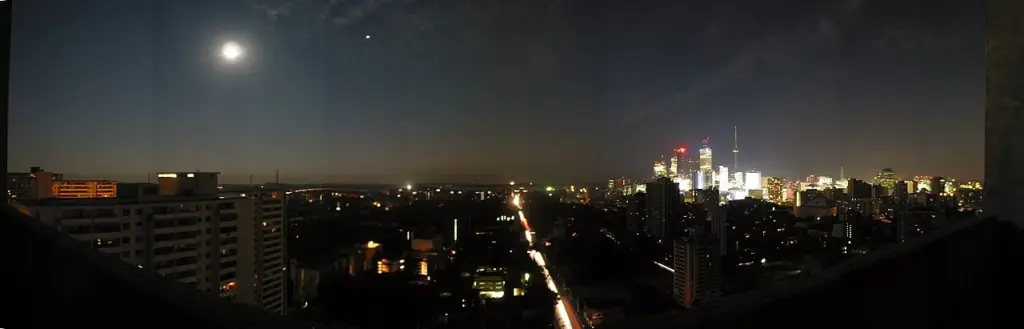

Power failures feel different forty floors up
Emergency power may run fire and life-safety systems. It may not run every elevator, outlet, water pump or fan normally. Ask exactly what the generator supports and for how long.
A high-floor resident should prepare for:
- A long stair trip if evacuation is required.
- Limited elevator service.
- Weak or unavailable water pressure in some conditions.
- Hot indoor temperatures if cooling stops.
- Poor mobile reception when networks are busy.
- Medical equipment that needs power.
- A pet that cannot manage stairs.
Keep drinking water, a flashlight, a battery pack, required medication and simple food. Do not store candles as the main light source. Flames create another emergency.
If someone uses powered medical equipment or cannot use stairs, ask management about the building's emergency assistance procedure. Do not leave this conversation for the day the power fails.
The verdict: a view is not worth an emergency plan that depends on luck.
Sun and glass can make the unit too hot
A south-west corner with floor-to-ceiling windows looks perfect at noon in winter. In July, the same glass can turn the unit into a greenhouse.
Condo HVAC systems vary. Some units have year-round control. Others switch the whole building between heating and cooling on set dates. A shoulder-season heat wave can arrive before cooling is available.
Ask for utility bills. Find the thermostat and fan unit. Listen to it on high. Check whether windows open and how far. The City restricts window openings in many multi-unit buildings for safety, often to about 10 centimetres under the applicable conditions.
Blackout blinds reduce light, but they do not fix a weak cooling system. Portable air conditioners may be banned or impossible with the window design.
The verdict: visit during direct sun. A cool morning viewing proves nothing.
Windows can be costly, restricted and hard to clean
In Toronto, an operable apartment window high above grade may need a guard or an opening restriction. The City's property standards rules commonly limit the clear opening to 100 millimetres when the opening is more than two metres above grade and close to the floor, subject to stated exceptions. Do not remove a safety device because the room feels stuffy.
Ask who owns and repairs the windows. The declaration may make the corporation responsible for the exterior assembly while the owner pays for screens, hardware, blinds or damage. The answer changes from building to building.
Look between the panes for fog. Check seals for drafts and water marks. Ask how exterior glass is cleaned and whether balcony access is ever required. A wall of failed insulated glass can become a major corporation project.
The verdict: a window wall is part of the mechanical shell, not free scenery.
Wind can make a balcony decorative
The balcony may be calm at street level and unpleasant above the 40th floor. Strong wind can make doors hard to handle, move furniture and create noise around railings or panels.
Some residents love the open feeling. Others stop using the balcony after the first few weeks. If outdoor space is part of the price, test it.
Look for building rules about furniture, planters, grills and loose objects. Never leave anything that could blow over an edge. Check whether the door seals properly and whether wind noise enters the bedroom.
The verdict: value a high balcony only after standing on it in real weather.


Noise is not always lower
Street voices fade with height. Sirens, motorcycles and construction can travel farther than expected. Wind noise becomes more noticeable. Mechanical equipment on a nearby roof may sit level with your window.
A high floor can also hear sounds from far across the city because fewer buildings block the path. The unit may be quieter with windows closed and much louder when they open.
Visit on a weekday. Pause without talking. Test the bedroom, bathroom fans, fan coil and hallway door. A Saturday open house cannot show weekday construction.
The verdict: high does not mean silent. Listen before you look.
The body can dislike height even when the mind loves the view
Some people feel uneasy near floor-to-ceiling glass. Others notice building movement in strong wind, although a properly designed tall tower is meant to move slightly. A marketing suite cannot reproduce that feeling.
Spend at least thirty quiet minutes in the real unit. Stand near the glass. Sit in the bedroom. Look down from the balcony only if it feels safe. If you feel dizzy or tense, do not assume you will get used to it after closing.
Mobile reception can also change by carrier, unit direction and coated glass. Make a call, send a message and test data in the bedroom. Ask where the internet equipment enters the unit and whether the provider options meet your work needs.
The verdict: your body and phone get a vote. Test both before signing.
Moving, groceries and deliveries take longer
Many towers require service-elevator bookings for moves and large deliveries. Time slots can fill weeks ahead. Fees or deposits may apply. The loading dock may have strict vehicle-height and timing rules.
A sofa that fits inside the unit may not fit the elevator turn. Measure the cab, doors and hallway corners. Ask how past residents moved large items.
Food delivery is also different. Some buildings let drivers upstairs. Others require residents to meet them in the lobby. A five-minute elevator round trip becomes part of every order.
Dogs add more trips. A puppy that needs to go out quickly cannot wait through a long elevator queue. A lower floor near an exit is usually the better dog home.
The verdict: if you move large items often, receive many deliveries or have a young dog, a lower floor is easier.
Water pressure and plumbing deserve a test
Modern towers use pressure zones and pumps to move water. A well-designed system works normally. A problem can affect a group of floors rather than the whole building.
Run the shower and sink. Flush a toilet. Ask about recent shutoffs, leaks and pump repairs. Look for water staining near fan-coil units and windows.
High-rise leaks can damage units below. Confirm insurance requirements and the unit's deductible coverage. Read the corporation's standard unit definition so you know what the condo insures and what you insure.
The verdict: test the boring systems. They cost more than a nice view adds.
Condo insurance has three different layers
The corporation's policy, the owner's policy and the unit's standard-unit definition work together. They are not interchangeable.
The corporation generally insures common elements and the standard unit described in its documents. An owner's policy should address belongings, improvements, personal liability, additional living expenses and appropriate loss-assessment or deductible coverage. A tenant needs a tenant policy even though the landlord owns the unit.
The Condominium Authority of Ontario's insurance guide explains that an owner can sometimes be charged for a corporation's insurance deductible when damage starts in the unit, subject to the Condominium Act and the corporation's documents. Water-loss deductibles can be large.
Ask for the corporation's current insurance certificate, deductibles and standard-unit bylaw. Send them to your insurer before closing. Do not discover after a leak that your policy limit is below the building deductible.
The verdict: match the personal policy to the building documents. A generic online quote is not enough.
The status certificate is not optional homework
The Condominium Authority of Ontario says a status certificate can cost up to $100 and should be provided within ten days after a proper request. It includes financial, legal and governance information about the corporation and unit.
Have a condo lawyer review it. Look for reserve-fund health, fee increases, special assessments, lawsuits, insurance problems and major planned repairs. Read the declaration and rules for pets, rentals, balconies and renovations.
Elevators are expensive capital equipment. A tower with old machines and a weak reserve fund can turn today's inconvenience into tomorrow's special assessment.
The Condominium Authority's resale-condo guide explains the basic documents. Do not replace legal review with an agent's verbal summary.
The verdict: no clean status review, no deal.
Read the reserve study like an elevator forecast
A reserve fund pays for major repair and replacement of common assets. The Condominium Authority of Ontario explains that corporations use reserve-fund studies to plan funding over a long period.
Do not stop at the current bank balance. Look at the next five to ten years. A strong balance can disappear into elevator modernization, garage membranes, windows, cladding, roofs, boilers or cooling equipment.
Compare the study with the building you see. If the elevators are rough but modernization is not funded, ask why. If a major project is listed, ask whether the budget is current and whether bids have been obtained.
A special assessment is an extra charge above normal condo fees. The amount can be small or financially brutal. The CAO special-assessment guide explains why corporations use them. Ask about approved assessments, proposed work and any history of repeated surprises.
The verdict: the reserve study tells you what the view may cost later.
New towers and older towers fail in different ways
A new tower offers new equipment but no operating history. Early years can bring unfinished amenities, noisy warranty work, false alarms, elevator commissioning problems and rapidly changing budgets. Interim occupancy can also mean paying occupancy fees before title transfers, depending on the purchase.
An older tower offers evidence. You can inspect audited statements, fee history, resident complaints and completed capital projects. The tradeoff is aging elevators, windows, plumbing and garage structures.
Do not assume new means reliable or old means bad. A well-funded older building with completed elevator modernization can be safer financially than a flashy new tower with a low first-year budget.
The verdict: prefer proof over age. New buildings sell hope; established buildings show records.
What to inspect in the unit itself
Use the same routine in every unit so the view does not distract you.
- Run the shower and two taps, then flush a toilet.
- Set the fan coil to high and listen in the bedroom.
- Check every window and balcony door for drafts, stains and difficult latches.
- Look inside sink cabinets and around the fan coil for old leaks.
- Test phone reception and internet options.
- Stand in silence for five minutes with windows closed, then open.
- Measure the elevator, unit door, hallway turns and storage locker.
- Check direct sun with a compass or return at the correct hour.
- Ask whether another tower can be built in front of the view.
- Photograph meter numbers and equipment labels with permission.
Toronto views are not guaranteed. A parking lot, low building or empty lot may become another tower. Search current City planning applications near the unit and have your lawyer review anything material.
The verdict: never pay a permanent premium for a view that may be temporary.
Questions to ask residents, not the sales desk
Stand near the mailroom and politely ask residents how the elevators behave. Ask whether the unit gets hot, how management communicates and how long repairs take.
Do not ask, "Do you like it here?" That gets a polite answer. Ask, "What breaks most often?" and "What would you change?"
For a new pre-construction tower, you do not have residents or a real operating record. The marketing view is therefore less valuable. Budget for growing pains, incomplete amenities and elevator demand as occupancy rises.
The verdict: an operating history beats a rendering.
Who should choose a very high floor?
Choose it if you value light and views, do not mind elevators, have a strong building and can handle emergency constraints. It suits people who spend time at home and will genuinely enjoy the outlook.
Skip it if you have severe elevator anxiety, limited stair ability without a clear assistance plan, a dog needing fast outdoor access, frequent large deliveries or a short temper for waiting.
A lower floor in the same tower may save money and time while keeping the amenities and location. A mid-rise often gives more predictable exits and less elevator pressure.
The final verdict: buy the building first, the unit second and the floor number last.
Frequently asked questions
Is it safe to live above the 40th floor in Toronto?
It can be safe in a compliant, well-managed building with working systems and a clear fire plan. Residents must understand that exterior rescue is not the plan at that height and elevators cannot be used during a fire.
How many elevators should a Toronto condo tower have?
There is no simple number that proves good service. Count the elevators that actually serve your floor, then inspect outage history, population, speed and service-elevator bookings.
Are high-floor condos hotter?
They can be, especially with large south- or west-facing windows and weak HVAC control. Test the unit during direct summer sun and ask when the building switches to cooling.
Is wind worse on a high condo balcony?
Usually. The exact effect depends on tower shape, direction and nearby buildings. Stand outside on a windy day before treating the balcony as useful space.
Can I use the elevator during a high-rise fire?
No. Toronto Fire Services says not to use elevators during a fire. Follow the building's emergency instructions and know both stair exits.
What happens to elevators during a blackout?
Emergency power may support limited elevator or life-safety operation, but not normal service. Ask management what the building generator actually powers.
Is a higher condo floor worth more?
It can command a premium for light and view. That premium is not worth paying when elevator service, heat, wind or building finances are weak.
What is the most important document before buying a resale condo?
The status certificate package is essential. Have a condo lawyer review the finances, rules, insurance, legal issues and planned major work before the condition in your offer expires.