


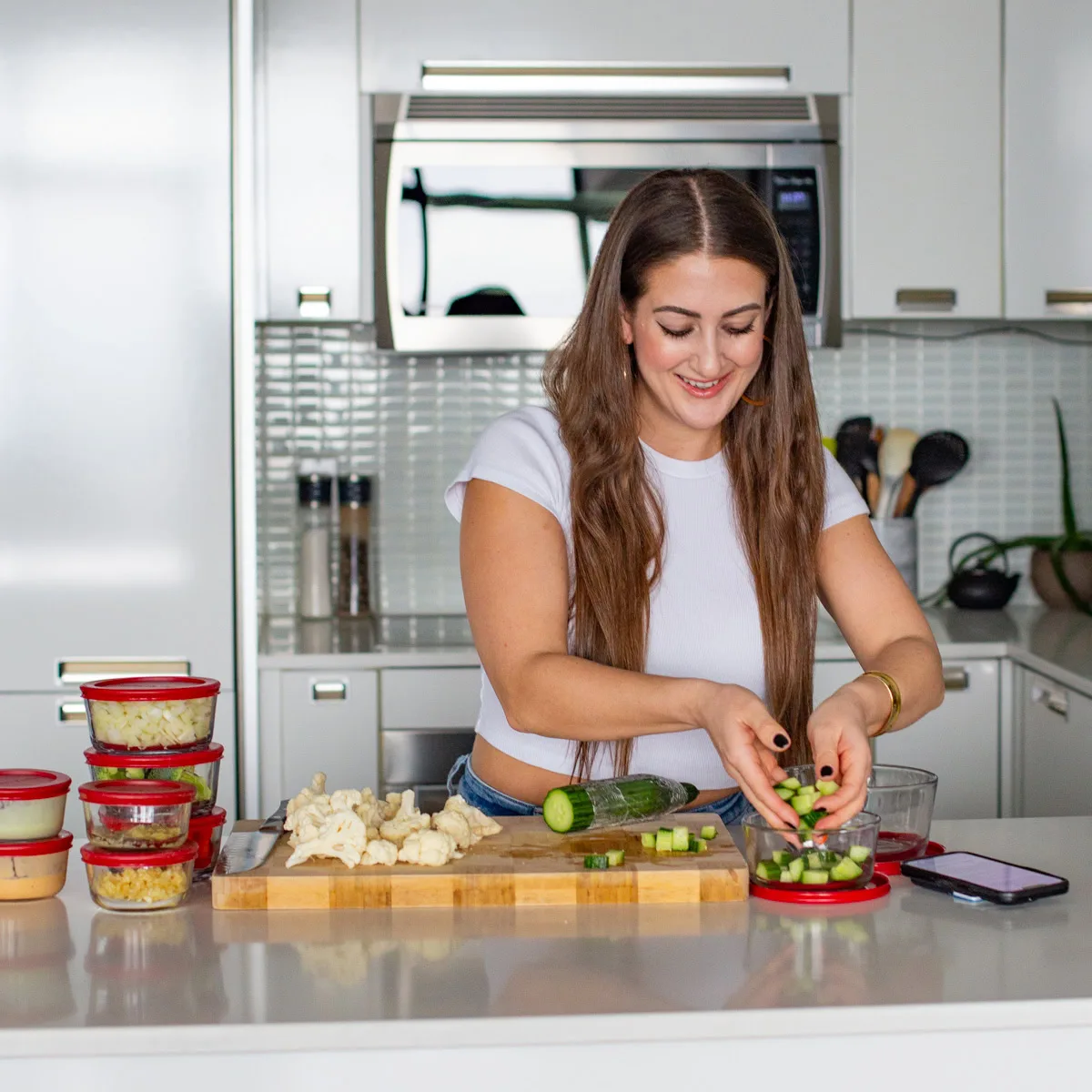
Meal prep for one in Toronto fails when it treats one person like a tiny family. You buy too much produce, make seven identical meals, get bored by Wednesday and order takeout while good food fades in the fridge. A better plan is two fridge meals, two freezer meals and flexible ingredients that can become something different tomorrow.
The goal is not a row of perfect containers. It is to spend less, waste less and have a decent dinner on the night you are too tired to think.
Quick picks
- Best basic system: cook four portions, chill two and freeze two on the first day.
- Best Toronto shopping rule: use one nearby main store, then add a second stop only when it is on your route or saves enough to matter.
- Best produce rule: buy sturdy vegetables for the week and only a few tender items for the first two days.
- Best value shortcut: frozen vegetables, canned beans, eggs, tofu, rotisserie chicken and a planned emergency meal.
- Best anti-boredom move: prep components and sauces separately, not seven finished plates.
- Best app rule: use Flashfood, Too Good To Go and flyers for flexible extras, never as the foundation of a meal plan.
The meal-prep problem when you live alone
Large recipes are built for four, six or eight people. Grocery packaging is often built the same way. The result is not that you are bad at planning. The system is badly sized for one person.
You need a plan that answers four practical questions.
- What will I eat in the first 48 hours?
- What can safely wait in the freezer?
- What will still taste good in a different format?
- What stops me from spending $30 on delivery at 8 p.m. on Wednesday?
If a recipe only works as the exact same meal seven times, it is probably not good solo meal prep.
Start with a Toronto grocery routine, not a perfect store
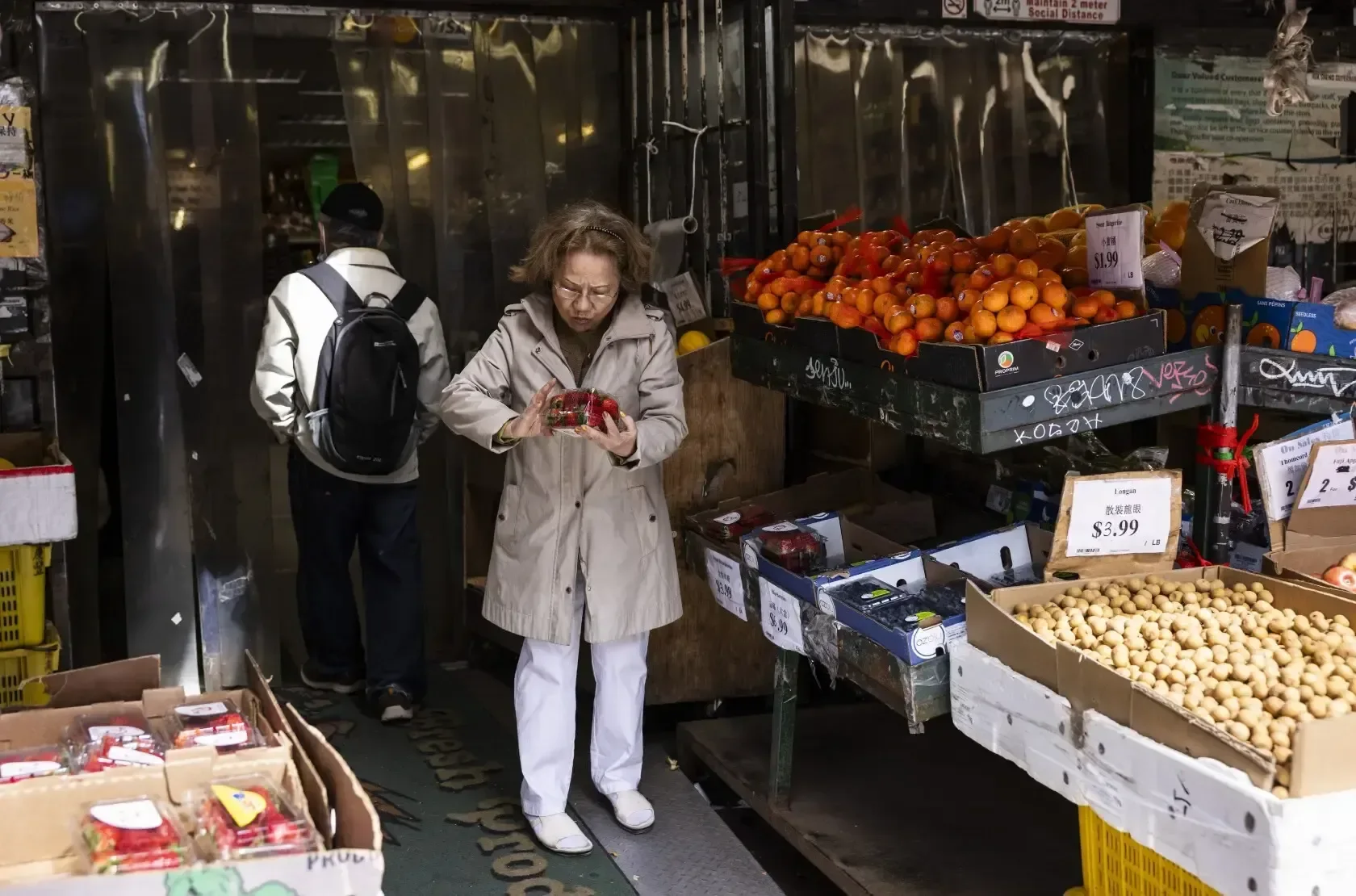
Toronto has useful discount chains, neighbourhood produce stores, Chinatown markets, independent grocers, large supermarkets and delivery services. The best store is usually the one you can get to without turning grocery shopping into an unpaid part-time job.
For many people, a nearby No Frills, Food Basics, FreshCo, Walmart or similar discount store is a sensible base for pantry staples, dairy, frozen vegetables and sale proteins. Add a produce shop, Chinatown stop or market when it is close to your commute and the quality is good that day.
The real savings come from using what you buy. A beautiful bag of produce that spoils before Friday is not cheaper than frozen vegetables. A two-hour cross-city sale chase is not free once you count TTC fare, carrying and the odds of adding things you did not plan to buy.
Use a two-shop maximum
Give each store a job.
- Main store: eggs, milk or alternatives, beans, tofu, grains, frozen vegetables, pantry goods and one protein.
- Second stop only if convenient: produce, herbs, a specific sauce, bread or a culturally specific staple.
Do not go to four stores to save a few dollars on every item. That works for a car owner who enjoys it. It is rarely a good one-person plan on foot or transit.
In neighbourhoods with a produce market, buy what looks good and has a clear use. Do not buy an overflowing bag simply because the price is low. Buy three apples if you will eat three apples.
The four-part grocery list that prevents waste
Before opening an app or flyer, write down one item from each group.
- Protein or main base: chicken thighs, eggs, tofu, lentils, chickpeas, ground meat, tempeh or fish.
- Starch: rice, potatoes, pasta, tortillas, noodles, oats or bread.
- Vegetables and fruit: one sturdy vegetable, one tender vegetable, one fruit you will actually eat.
- Flavour: one sauce, herb, pickle, spice blend, cheese or condiment that changes the meal.
Then check the fridge and freezer. Only after that should you check flyers. A sale should help you fill a gap. It should not force you to build the whole week around five unrelated bargains.
What to buy for the first two days versus later in the week
This is one of the biggest solo-grocery fixes.
Use early: berries, leafy greens, herbs, ripe avocados, delicate mushrooms, soft bread, opened dips and cooked fish.
Use later: carrots, cabbage, broccoli, cauliflower, onions, potatoes, apples, oranges, frozen vegetables, unopened yogurt, canned beans and dry grains.
Buy only a small amount of fragile produce. It is better to make a short midweek top-up on the way home than to throw out a large salad kit every Sunday.
A 45-minute prep that creates four different meals
You do not need to spend all Sunday cooking. This is a realistic weeknight or Sunday setup.
- Put rice, potatoes or another starch on first.
- Roast a tray of carrots, broccoli, peppers, onions or whatever needs using.
- Cook one main base. This might be chicken thighs, tofu, lentils or a bean-and-tomato mixture.
- Mix one bright sauce. Try lemon and yogurt, peanut-lime, tomato chilli, tahini, pesto or a jarred sauce you enjoy.
- Portion two dinners into the fridge. Freeze two portions before you are tired of them.
The next step is the part most guides miss. Do not pack every portion as the same bowl. Leave the rice, vegetables and sauce separate. Tomorrow's bowl can become a wrap. The next day can become noodles, eggs on vegetables or a soup.
A Toronto-friendly sample omnivore week
This is not a fixed budget or a promise that every store will have the same price. It is a flexible template for one person with a normal freezer.
Buy: a pack of chicken thighs or another sale protein, eggs, rice or potatoes, one can of chickpeas, frozen mixed vegetables, broccoli or cabbage, carrots, onions, fruit, yogurt, tortillas or bread, and one sauce or seasoning base.
Cook once: roast the chicken, carrots, onion and broccoli. Cook rice. Drain and season the chickpeas. Keep yogurt or sauce separate.
Eat it like this:
- Night one: chicken, rice and roasted vegetables.
- Night two: chicken-and-vegetable wrap with yogurt sauce.
- Night three: chickpea and vegetable rice bowl. Freeze one chicken portion now.
- Night four: eggs over the remaining vegetables and rice, or turn them into a fried-rice-style skillet meal.
- Night five: thaw the frozen chicken meal, or use an emergency meal if plans changed.
The point is not chicken. Swap it for tofu, lentils, ground turkey, beans or a prepared rotisserie chicken. The structure stays useful.
A vegetarian or vegan week that does not become sad leftovers
Buy: firm tofu or tempeh, two cans of beans or cooked lentils, rice or noodles, frozen edamame or mixed vegetables, cabbage, carrots, cucumber, fruit, tortillas or pitas, and a flavour base such as curry paste, peanut sauce, tomato sauce or tahini.
Cook once: bake or pan-fry tofu, cook the grain, shred cabbage and carrots, and make a quick bean or lentil base. Freeze half of the bean base immediately.
Use it three ways: make a warm grain bowl, a crunchy wrap with cabbage and cucumber, then a quick soup or noodle bowl using the remaining vegetables. This is filling, varied and less dependent on expensive specialty meat substitutes.
If you are increasing fibre, do it gradually and drink enough water. Variety matters. Do not assume one protein ingredient covers everything your diet needs.
Your freezer is a menu, not a graveyard
For one person, the freezer is the main reason meal prep can stay interesting. Put two portions away on day one, not on day four when you already dislike them.
Use single portions in flat freezer bags or stackable containers. Label the meal and date. Keep a short list on the freezer door or in your phone. Each week, freeze two and eat two older portions.
Good freezer meals include chilli, curry, lentil soup, tomato sauce, cooked beans, shredded chicken, cooked rice and many stews. Dressed salad, watery cucumber, delicate herbs and some dairy-heavy sauces are worse candidates.
The emergency meal is part of the plan
Keep one dinner that needs less than 10 minutes and very little thought. This is the meal that stops an expensive, hungry app order.
- Eggs and toast with fruit.
- Frozen dumplings plus frozen vegetables.
- A freezer portion of soup, chilli or curry.
- Canned beans on a tortilla with cheese, salsa or hot sauce.
- Pasta with tomato sauce and frozen spinach.
An emergency meal is not a failure. It is a small amount of planning that protects your budget on a bad day.
Use flyers and discount apps without letting them run your life
Flipp can help you see local flyers. Store loyalty offers can be useful when the item is already on your list. But one person rarely needs six boxes, giant bags or a second freezer full of things they only bought for points.
Flashfood lists near-date food at participating grocery stores, including some No Frills, Loblaws, Real Canadian Superstore and Your Independent Grocer locations. Too Good To Go can surface surprise bags from local businesses. Both can reduce food costs and waste when you can use the item immediately or freeze it.
The catch is that these are flexible deals, not a meal plan. A surprise bakery bag does not solve dinner. A marked-down family pack of meat only saves money if you portion and freeze it the same day. Check your closest locations and pickup window before paying.
Why a lower sticker price can cost more
Buy a sale item if you can name the meal, the day you will eat it and the backup plan if your week changes. Skip it if the honest answer is "maybe."
Near-expiry produce can be excellent for soup, roasting, smoothies or a dinner you will cook tonight. It is poor value for an optimistic future salad. The best use of a marked-down item is often the same evening.
A useful budget check for Toronto
There is no honest universal grocery number for one person. The City of Toronto monitors food affordability with the Ontario Nutritious Food Basket. Its 2026 cost for a family of four was $1,242 per month. That is useful context for why grocery bills feel difficult, but it is not a personal meal-prep target.
Build your own number from four weeks of receipts. Separate food from shampoo, cleaning products, pet food, delivery fees, alcohol and restaurant meals. Then look for two things: food you threw out, and the nights you bought food because there was no easy meal at home.
For one person, a small realistic shop plus a midweek top-up often beats an enormous weekly haul. Your goal is not the lowest theoretical basket. It is the lowest useful basket.
Grocery delivery, pickup and the downtown reality
Delivery can be worth it when it prevents an inaccessible, exhausting or time-consuming trip. It is also useful for bulky staples such as rice, canned goods, frozen vegetables and toilet paper. But compare the final checkout total, substitutions, service fees and tips with the store price.
For a car-free Toronto resident, a good hybrid is often delivery or pickup for heavy staples, then a quick walk for two days of produce. This avoids carrying a week's groceries on the TTC while keeping fresh food from turning into a Sunday pile of regret.
Food safety that actually matters
Keep the fridge at 4°C or colder and the freezer at -18°C. Refrigerate cooked food within two hours and cool it in shallow containers. Health Canada says refrigerated leftovers should generally be used within two to three days, although storage guidance can vary by food.
Reheat leftovers to 74°C. Do not trust smell alone. Label cooked food with the date. When in doubt, throw it out. Saving three dollars is not worth a ruined week.
Avoid refreezing food thawed in the microwave unless you cook it again first. Thaw in the fridge when possible. If you bring lunch to work, use an insulated bag and do not leave it at room temperature all morning.
Containers that solve real problems
Use containers you already own if they are safe for the job. The most useful set is not an influencer stack. It is a few shallow fridge containers, several freezer-safe single portions and one leak-resistant container for work lunches.
Clear containers show what needs eating. Wide shallow containers cool more quickly. Glass lasts but is heavy on transit. Plastic is lighter but should be replaced when cracked, warped or damaged. Only microwave containers labelled microwave-safe.
Five mistakes that make meal prep feel pointless
- Making seven exact copies of one dinner.
- Buying delicate produce for a whole week.
- Keeping every cooked portion in the fridge.
- Shopping a sale before checking the pantry.
- Treating delivery or takeout as a moral failure instead of planning a backup meal.
A simple Sunday reset checklist
- Look at the fridge, freezer and calendar.
- Choose four dinners, not fourteen meals.
- Pick one main base and one freezer meal.
- Buy only two days of fragile produce.
- Cook, cool and freeze two portions immediately.
- Put one emergency meal where you can see it.
- Write down what needs using first.
That is enough. The plan should make your week easier, not become a second job.
Frequently asked questions
How many meals should one person prep?
Start with four portions of one main or two short recipes. Refrigerate two and freeze two. Add simple components for breakfast and lunch rather than trying to prepare every bite of the week.
How long do meal-prep leftovers last?
Health Canada says refrigerated leftovers should generally be eaten within two to three days. Some specific foods have different storage guidance. Cool food quickly, keep the fridge cold and freeze portions you will not eat soon.
How can one person meal prep cheaply in Toronto?
Use a nearby discount store as the base, buy flexible staples, use frozen vegetables and avoid buying a full week of delicate produce. Use flyers and surplus-food apps only for items you can use right away. The biggest savings usually come from wasting less and avoiding emergency delivery.
Is it better to shop once a week or twice a week?
For many people living alone, one main shop plus a small produce top-up is the sweet spot. It limits transit and delivery costs while reducing food waste. Choose the routine that fits your route home and energy level.
What freezes best for meal prep?
Chilli, curry, soups, stews, cooked beans, sauces, cooked grains and shredded chicken generally freeze well. Dressed salad, cucumber and delicate herbs do not. Freeze in single portions and label the date.
Is rotisserie chicken good for meal prep?
It can be a useful shortcut. Eat or freeze it promptly, use it across different meals and compare its price with raw sale protein based on what you will realistically cook. It is most useful when it prevents several expensive takeout meals.
Should I use Flashfood or Too Good To Go for meal prep?
Use them as a flexible bonus, not a required step. A marked-down protein, produce bag or bakery item can be useful when you have a plan to cook or freeze it immediately. Do not buy a surprise bag and then build a week's nutrition around an unknown haul.
Do I need fancy containers?
No. A few clean freezer-safe containers or labelled bags, plus shallow containers for cooling food, are enough. Buy more only after you know what size fits your freezer and work routine.
Official links for planning
- Health Canada leftovers
- Health Canada safe food storage
- City of Toronto grocery shopping
- City of Toronto food affordability
- Flashfood availability at Loblaw banners
- Too Good To Go Canada
- Toronto Chinatown market photography
- Toronto home-kitchen photography