



TIFF can look like a private party for movie stars. It is not. Most of the Toronto International Film Festival is open to anyone who buys a ticket, and you do not need a tuxedo, an industry pass or a special invitation.
TIFF 2026 runs from Thursday, September 10 to Sunday, September 20. It has 293 films and events spread across six downtown venues. The useful way to plan it is to decide what you care about most: seeing great films, attending a premiere, watching red carpets, meeting other film people or simply enjoying Festival Street.
This is the complete practical guide. Our separate TIFF 2026 ticket guide explains the sales, prices and rush system. Our TIFF 2026 movies and celebrities guide covers the films, confirmed guests and red carpets.
TIFF 2026 quick facts
| Question | Answer |
|---|---|
| Dates | September 10 to 20, 2026 |
| Length | 11 days |
| Programme size | 293 titles and events |
| Public ticket sale | August 31 at 12 p.m. EDT |
| Regular tickets | Starting at $30 |
| Premium tickets | Starting at $46 |
| Main area | King Street West and the Entertainment District |
| Closest subway | St. Andrew Station on Line 1 |
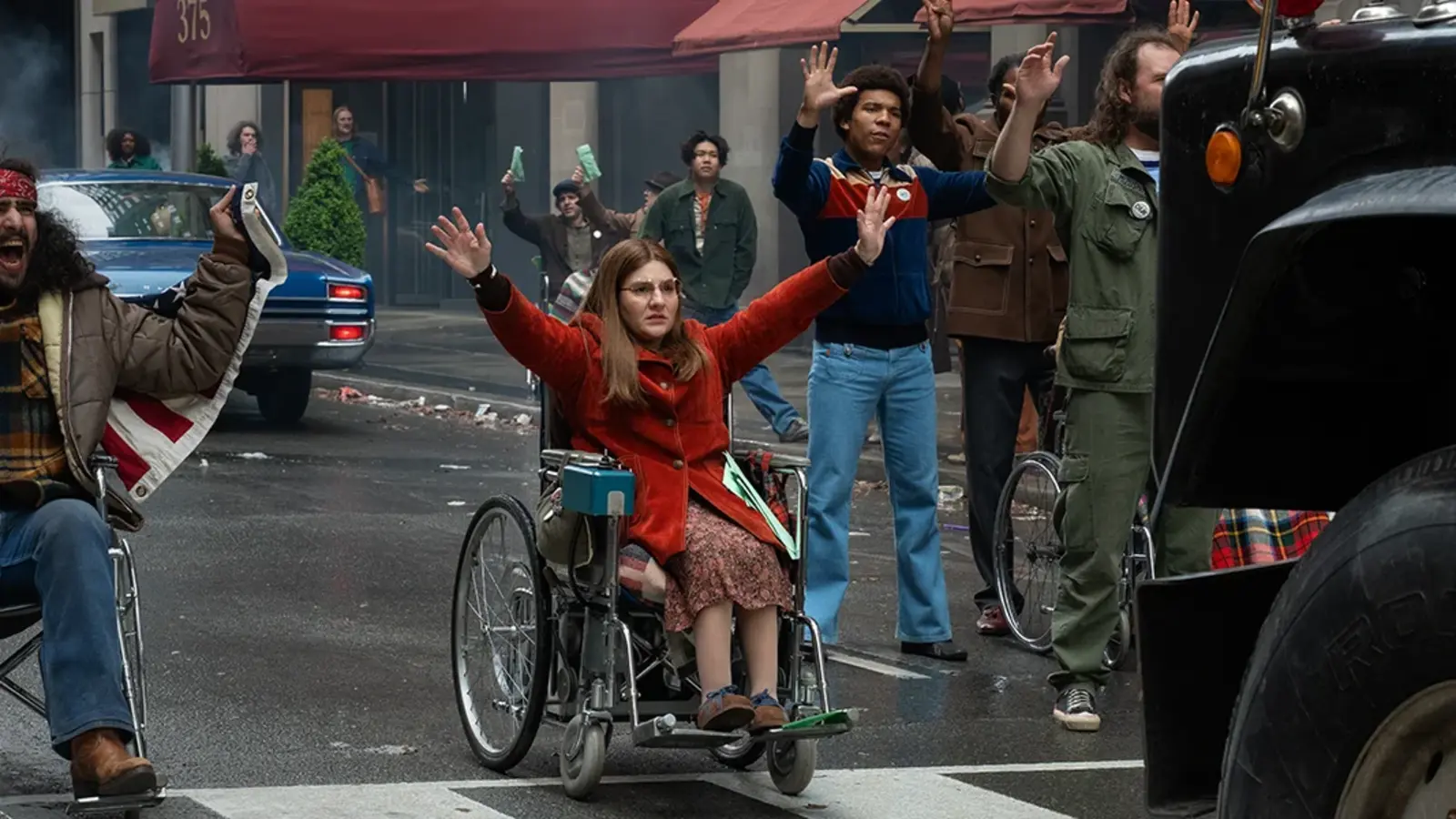
| Opening film | Being Heumann |
| Festival Street | Opening weekend, September 10 to 13 |
| Best first-timer plan | One Premium event and two Regular screenings over two or three days |
The dates, venues, arrival rules and road closures were checked against TIFF’s official 2026 visitor information on August 20, 2026. Festival details can still change, so check the official schedule again before leaving home.

What TIFF actually is
TIFF is several experiences happening at once.
The public festival is the part most people want. It includes film screenings, red-carpet premieres, filmmaker Q&As, the In Conversation With series, Festival Street and public fan areas.
TIFF: The Market is new in 2026. It runs from September 10 to 16 at the Metro Toronto Convention Centre. It is for the film business, including buyers, sales companies, producers and other accredited delegates. A public movie ticket does not give you Market access, and a Market badge is not required to enjoy the public festival.
Press and Market screenings are also different from public screenings. If the schedule labels a showing “P & I,” do not build it into a normal ticket plan. Choose one of the public Premium or Regular screenings instead.
The biggest mistake is treating TIFF as one enormous event that must be mastered. It is easier to think of it as a downtown cinema crawl. Pick a few films. Leave space between them. Let the city do the rest.
The best TIFF plan depends on what you want
If you mainly want great films
Buy Regular screenings. They cost less than Premium premieres and often show the same film one or two days later.
The room may have less celebrity energy, but the film is the same. Some Regular screenings still get a director or cast Q&A, though this is never guaranteed. You will also have a better chance of seeing smaller international films that may not return to Toronto soon.
Our pick is to book two planned films and leave one open slot. The empty slot lets you react to festival buzz, rest, or grab a late ticket that reappears.
If you want the classic red-carpet experience
Choose one Premium screening at Roy Thomson Hall, the Princess of Wales Theatre or the Royal Alexandra Theatre. Premium screenings are the strongest bet for a formal arrival, an introduction and a post-film conversation.
They are also expensive. TIFF says Premium tickets start at $46, but “starting at” is not a price ceiling. The best-known films and better seats may cost much more.
Do not buy a premiere ticket and assume you can also spend hours in the fan zone. Celebrity arrivals usually happen while ticket holders are being admitted. TIFF can release an unclaimed seat to the rush line 15 minutes before showtime.
If you mainly want to see celebrities
You may not need a film ticket at all. Public fan areas and sidewalks near the large premiere venues can offer a view of arrivals.
The tradeoff is time. You may wait for hours and still get only a brief look. Cast attendance can also change at the last minute. A film’s cast list is not a confirmed guest list.
For a more certain experience, buy a ticket to one of the five confirmed artist conversations with Lee Min-ho, Rachel Morrison, Chris Rock, Andrew Scott or Hudson Williams. Our celebrities and red-carpet guide has the dates and honest odds.

If you work in film and want to network
Do not expect a normal public screening to work like a job fair. The people beside you may want to watch the movie quietly, not hear a pitch.
Use public talks, professional associations, legitimate receptions and scheduled industry events. Have a short introduction ready. Ask people about their work before talking about yours. A good conversation and a later LinkedIn message are more useful than forcing a screenplay into someone’s hand.
TIFF’s public programme can still be valuable for emerging filmmakers. Q&As show how directors discuss their work, while Discovery, Short Cuts and Canadian programmes put new creators in the room.
Where TIFF 2026 takes place
The six public venues are close enough to walk between, but they do not feel equally close when King Street is packed.
| Venue | Address | What it is best for |
|---|---|---|
| TIFF Lightbox | 350 King Street West | Festival home base, smaller cinemas, talks and long days |
| Princess of Wales Theatre | 300 King Street West | Large Premium premieres and fan-zone activity |
| Royal Alexandra Theatre | 260 King Street West | Premieres, Midnight Madness and major public talks |
| Roy Thomson Hall | 60 Simcoe Street | The biggest Gala arrivals and formal red carpets |
| Scotiabank Theatre | 259 Richmond Street West | The most efficient place to watch several films in one day |
| John W. H. Bassett Theatre | 255 Front Street West | Large screenings beside the Metro Toronto Convention Centre |
Open the TIFF Lightbox area in Google Maps
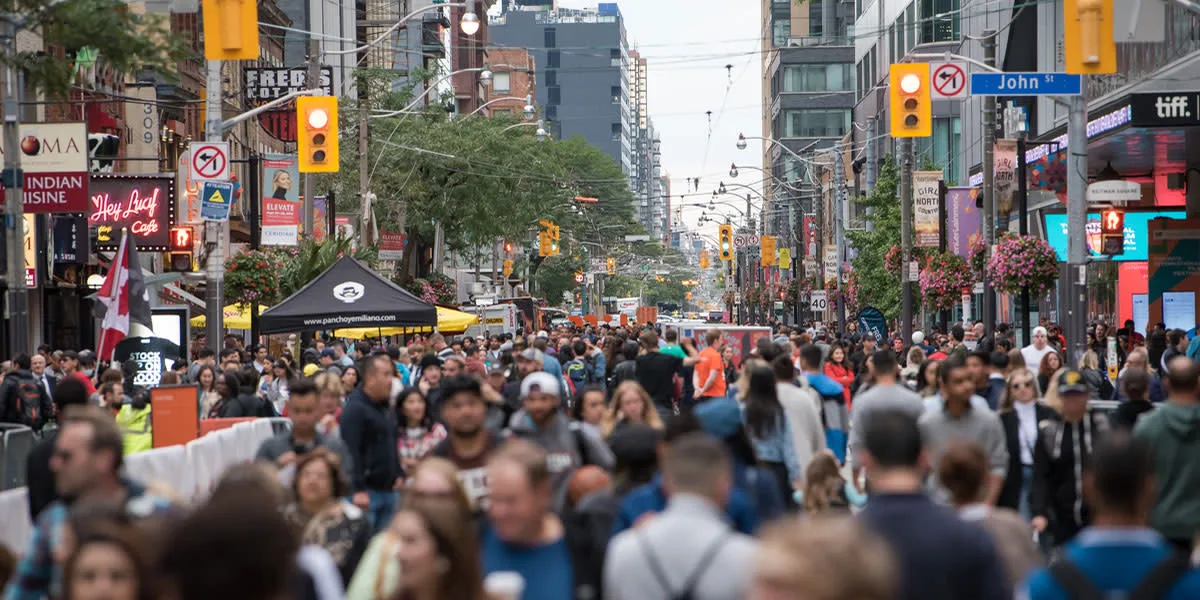
TIFF Lightbox, Princess of Wales, Royal Alexandra and Roy Thomson Hall sit along the same King Street corridor. Scotiabank Theatre is north on Richmond Street. The Bassett Theatre is south on Front Street inside the Metro Toronto Convention Centre complex.
The walking time looks short on a map. Opening-weekend crowds, security checks, washroom lines and the slow exit from a 1,700-seat theatre can turn a five-minute hop into 20 minutes.
Which TIFF venue is best?
TIFF Lightbox is the easiest home base
The Lightbox is the only venue that feels like the festival’s living room. It has several cinemas, box-office help, washrooms, concessions, the TIFF Shop and Varda Café-Bar in one building.
It is a good place for a first screening because staff and volunteers are used to questions. It is also useful when you have a long gap and do not want to wander far.
The downside is congestion. Multiple lines can form at once. Always ask a volunteer which queue belongs to your film.
Scotiabank Theatre is best for a three-film day
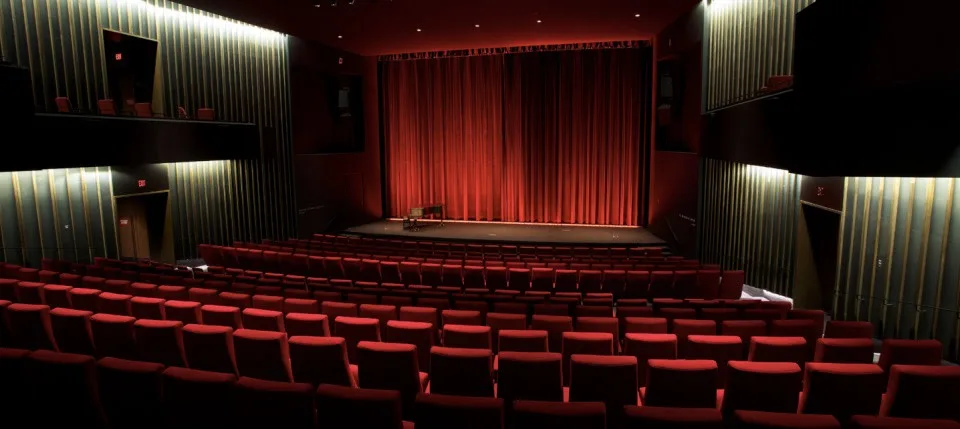
If the goal is to watch as much as possible, Scotiabank is the practical winner. Several festival screens operate in the same complex, so a tight gap between two films can work.
That does not mean a five-minute connection is comfortable. Everyone may leave at once, the escalators get busy and the washroom queue can be long. Fifteen to 20 minutes in the same building is possible. More is better.
Princess of Wales and Royal Alexandra deliver the big-theatre feeling
Both theatres are built for live performance. The scale, balconies and full audience create a special premiere atmosphere.
The compromise is that some seats are far from the screen or stage. Exiting can also take time, especially from an upper level. Do not book your next film as if you can teleport to Richmond Street.
Roy Thomson Hall has the biggest red carpets
Roy Thomson Hall is the most formal public TIFF venue. It is a strong choice when the event itself matters as much as the film.
Arrive early. The building holds a large crowd, and getting everyone through the doors takes time. The hall is also a poor choice for a rushed connection if your seat is on an upper level.
The Bassett Theatre is farther than it looks
The Bassett Theatre is still downtown, but it sits south of King Street inside the Metro Toronto Convention Centre. The route can be confusing on a first visit.
Give it an extra ten minutes and check whether your entrance is in the north building. In 2026 this area will also be busy with TIFF: The Market.
What do Gala, Special Presentations and the other sections mean?
The programme labels describe how TIFF has grouped the work. They are not quality grades.
Gala Presentations
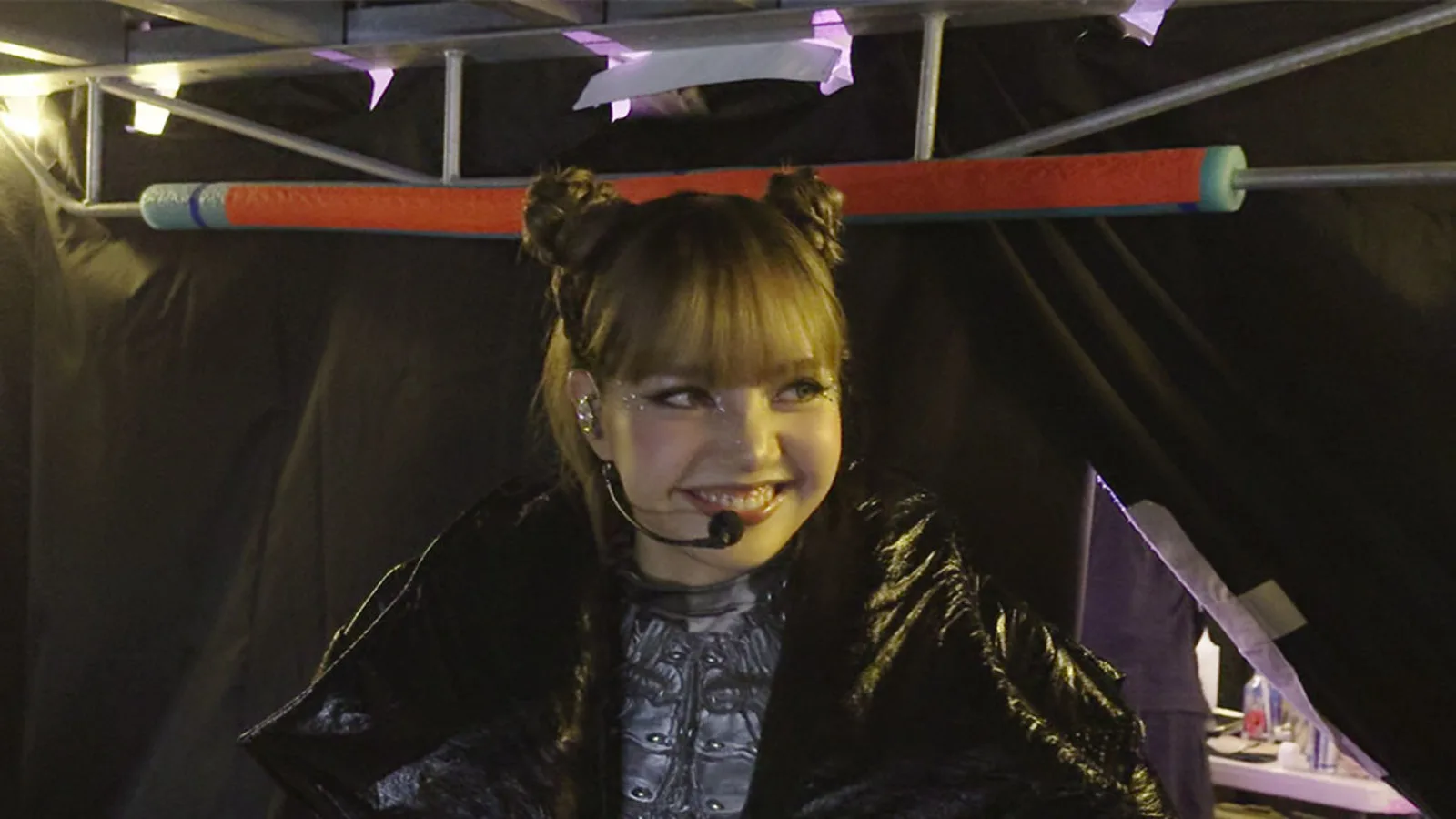
Galas are high-profile films suited to a large public event. They often have famous casts, formal arrivals and major venues. The opening-night Being Heumann, Prima Facie with Cynthia Erivo and the Lisa documentary Always Lalisa are 2026 Galas.
Choose a Gala for atmosphere. Do not assume a Gala is automatically the year’s best film.

Special Presentations
This section carries much of the awards-season and major-auteur weight. It includes returning filmmakers, large casts and films arriving from Cannes, Venice or Telluride.
For many people, Special Presentations offer the best balance of serious cinema and recognizable names.
Centrepiece
Centrepiece is broad international programming. It is where a curious viewer can find a film from a country or director they have never encountered.
The audience may be smaller and the ticket easier than a Gala. That can make the experience better, especially if the filmmaker attends and the Q&A feels personal.
Discovery
Discovery focuses on first and second features. The films have less marketing behind them, which is exactly the point.
Choose Discovery when you want to see a filmmaker before everyone knows the name. It is a better gamble than buying an expensive premiere only because an actor looks familiar.
Platform
Platform is a juried competition built around strong directorial vision. It is a small, deliberately selected group rather than a genre.
The section suits people who want a manageable shortlist inside a 293-title programme.
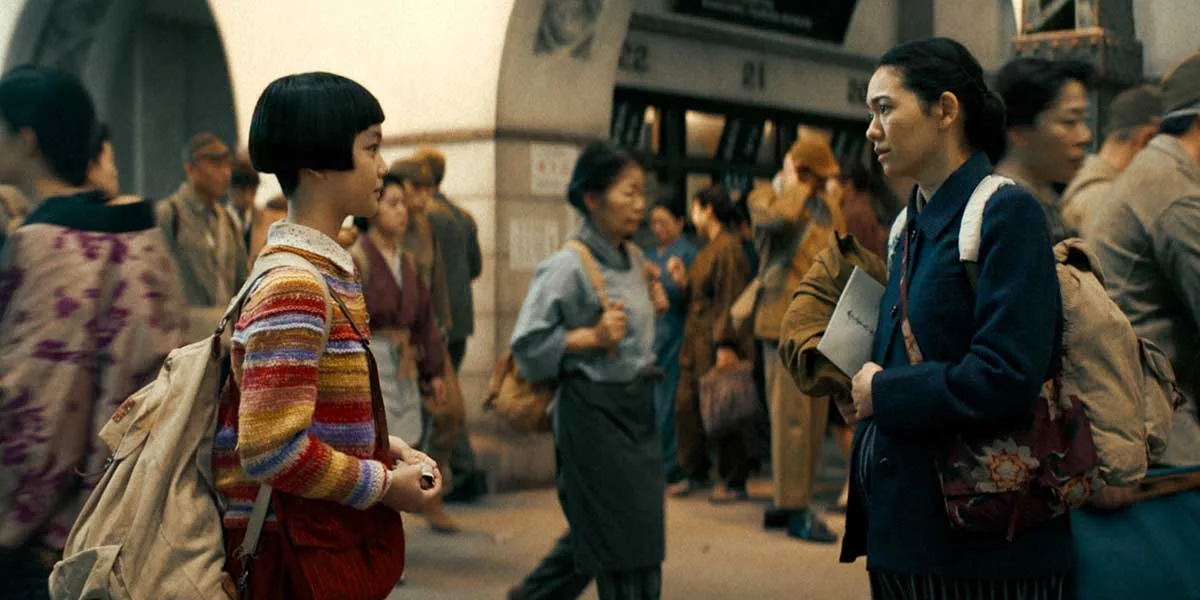
Midnight Madness
Midnight Madness is the loud, communal genre programme. Expect horror, action, strange comedy and an audience willing to cheer.
The crowd is noisy before the film and expressive at big moments, but people generally settle down for the movie. The harder part is the 11:59 p.m. start. A Midnight Madness screening can end after 2 a.m.
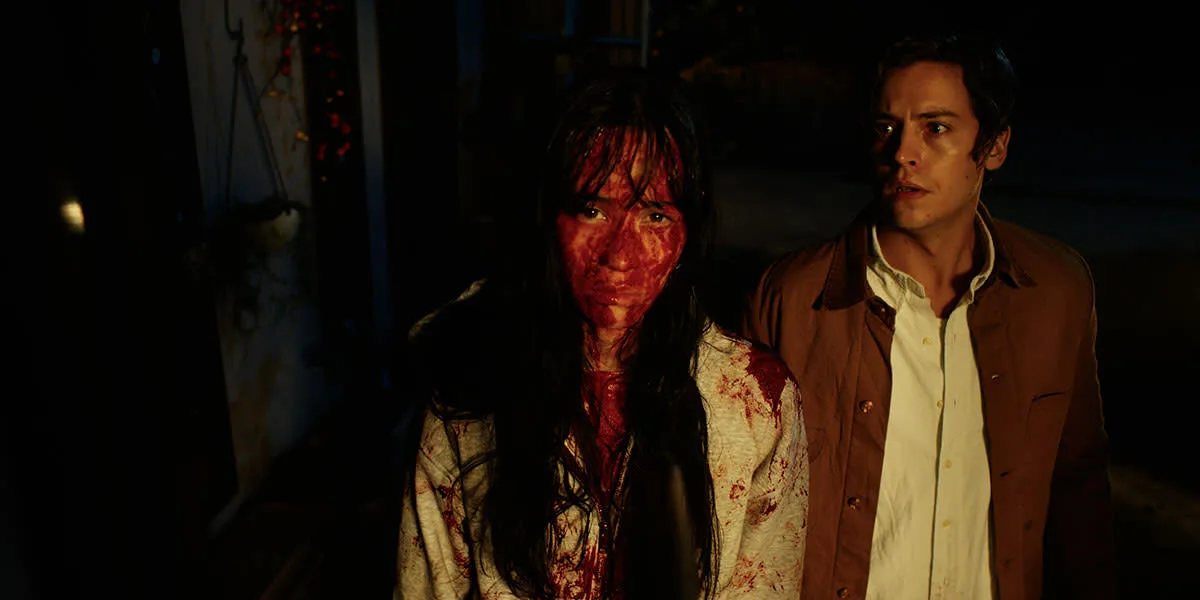
TIFF Docs
TIFF Docs covers nonfiction work, including biographies, politics, music and social issues. In 2026 the subjects include Neil Peart, Rick Hansen and major international stories.
Do not treat documentaries as filler between narrative features. They often deliver the most focused Q&As because the real people in the story may join the filmmakers.
Primetime
Primetime presents television and episodic work on a cinema screen. The 2026 programme includes the Canadian series YAGA with Hudson Williams, Carrie-Anne Moss and Noah Reid.
The screening may show selected episodes rather than a full season. Read the event page before buying.
Wavelengths, Short Cuts and Classics
Wavelengths is the home for experimental and formally adventurous cinema. Short Cuts groups short films into programmes. Classics brings restorations and rediscoveries to the festival.
These sections have less celebrity noise. They can offer the best reason to attend a film festival instead of waiting for a commercial release.
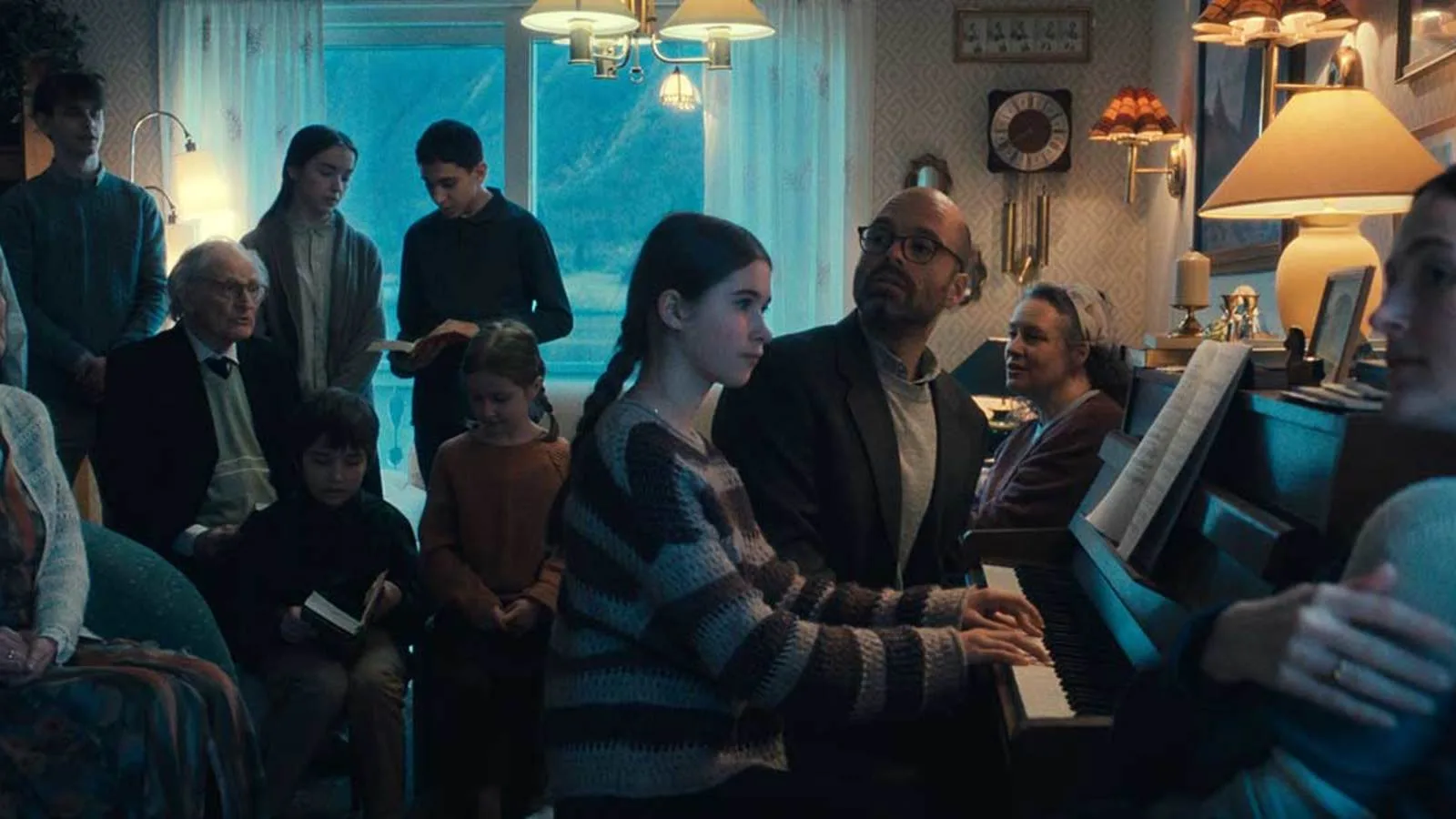
When is the best time to attend TIFF?
Opening weekend, September 10 to 13, has the strongest street energy. It also has the largest crowds, the most road disruption and the hardest tickets.
Monday to Thursday in the middle of the festival is our best overall window. The city is calmer, many major films have second screenings and the programme still feels active.
Closing weekend is good for people who care more about films than celebrity arrivals. Tickets can be easier, but do not assume every Sunday screening will be empty. A popular title in a small room can still sell out.
Morning screenings are underrated. They cost the same, but the area is easier to navigate and the audience is there for the film. The only danger is booking 9 a.m. after a Midnight Madness night.
| When | Best for | Main drawback |
|---|---|---|
| September 10 to 13 | Red carpets, Festival Street and the strongest city-wide energy | Harder tickets, closed streets and packed sidewalks |
| September 14 to 17 | The best balance of guests, repeat screenings and manageable crowds | Weekday times may be awkward for work or school |
| September 18 to 20 | Film-first days, easier movement and possible late ticket finds | Fewer major arrivals and less opening-weekend spectacle |
Is TIFF worth it for a normal moviegoer?
Yes, if you buy the experience you actually want. TIFF is not automatically better than seeing the same movie at a normal cinema two weeks later.
A $30 Regular ticket can be worth it when the film has no Canadian release date, the director may answer questions, or the audience turns the screening into a shared event. A costly Premium ticket is worth it only when the premiere atmosphere matters enough that you would still be happy if no actor appeared.
Ask these questions before paying:
- Is this film likely to open in Toronto soon?
- Does it have only one or two public screenings?
- Is a filmmaker conversation part of the appeal?
- Would I still want the ticket if the famous cast did not attend?
- Is this price stopping me from seeing two smaller films?
Our value pick is one Premium event, two to four Regular screenings and at least one title without a famous cast. That gives you spectacle and discovery without turning TIFF into a very expensive preview of movies that will be on streaming soon.
What happens at a TIFF screening?
The basic process is simple, but it takes longer than a normal trip to the cinema.
- Find the line for your exact film and ticket type. A venue may have several lines at once.
- Show the moving SafeTix ticket on your phone. A screenshot will not scan.
- Go through the bag check. TIFF’s 2026 maximum is 12 by 12 by 6 inches.
- Find your assigned seat. Ask an usher if the row or balcony is confusing.
- Expect sponsor messages and a live introduction before many festival screenings.
- Watch the film. The audience may applaud when the film starts, when a familiar Toronto location appears, or when the credits roll.
- Stay for a Q&A if one happens. It may add 15 to 30 minutes, but it is never guaranteed.
One small tradition can surprise newcomers. Some TIFF audiences make a pirate sound during the anti-piracy message. It is an old festival joke, not a problem with the theatre.
Do not leave the moment the credits begin if a Q&A matters to you. Watch the stage and follow the host. If you must leave for another ticket, use the aisle quietly and accept that the schedule was too tight.
Know which line you are joining
Ticket-holder, rush and fan-zone lines do different jobs.
The ticket-holder line is for people who already have a valid ticket. The rush line is for people hoping to buy a released seat shortly before a sold-out event. A fan-zone line is for a public red-carpet viewing area and does not get you into the movie.
Large theatres may also separate lines by entrance, balcony or accessibility need. Never choose a queue because it looks right. Show your ticket to a volunteer and ask, “Is this the line for this screening?” That ten-second check can save half an hour.
Our TIFF ticket guide explains rush and late inventory. The movies and celebrities guide tracks the 2026 fan-zone rules and confirmed public guests.
Three TIFF itineraries that make sense
One-day first taste
- Arrive at St. Andrew Station around 11 a.m.
- Walk Festival Street or explore the Lightbox.
- See one Regular afternoon screening.
- Leave two hours for dinner and street activity.
- Finish with one Premium premiere or major public talk.
This gives you the public festival feeling without turning the day into a race.
Three-day film trip
- Day one: One known film and one wildcard.
- Day two: Two or three Regular screenings at Scotiabank or the Lightbox.
- Day three: One morning film, a long lunch and one evening premiere.
Choose a hotel or rental near Line 1, not necessarily on King Street. A short subway ride can cost less than staying inside the festival block.
Full-week cinephile plan
Aim for two or three films a day, with one four-film day at most. Mix sections and countries. Keep one evening empty.
Festival fatigue is real. By day five, another “must-see” drama can feel like homework. A walk, a proper meal and eight hours of sleep may improve the next film more than squeezing in one extra ticket.
Getting to TIFF without making the day harder
St. Andrew Station is the most useful subway stop. TIFF says the Lightbox is about 450 metres, or a six-minute walk, west of the station.
Union Station is a good option for GO Transit, VIA Rail and UP Express passengers. The walk to the Lightbox is about 15 minutes. St. Andrew is one subway stop north if you do not want to walk with luggage.
The 504 King streetcar normally stops at John Street. During Festival Street from September 10 to 13, it will not run on King between University Avenue and Spadina Avenue. Do not follow a normal transit plan without checking the TTC alert.
Driving is our last choice. King Street closes during opening weekend, nearby parking is limited and traffic moves slowly around red carpets. If you need to use a taxi or rideshare, TIFF recommends 106 John Street for the Lightbox and the Princess of Wales rush line, and 14 Duncan Street for Princess of Wales ticket holders and the Royal Alexandra Theatre.
If you are coming from Pearson Airport, UP Express to Union Station is the simplest route. From Billy Bishop Airport, use the airport shuttle or streetcar network, then walk from the downtown core. Leave a generous luggage drop-off window because large bags cannot enter festival venues.
The sidewalks can be the real delay. King Street narrows around theatre entrances, barriers and fan areas. The block between Royal Alexandra and Princess of Wales can become especially slow. Keep moving, do not stop in an entrance and use Richmond or Wellington when you need to travel around the busiest block.
The PATH can provide shelter between Union Station, the convention centre and parts of the Entertainment District. It is useful in heavy rain. It is not a shortcut if you do not know it, so come back to street level well before your screening.
What to bring to TIFF
Bring less than you think.
- A charged phone with tickets saved to its digital wallet
- A small power bank and cable
- A light layer for cold cinemas
- A compact umbrella if rain is possible
- A small water bottle for use between venues
- Any needed medication
- Comfortable shoes
- A short backup list of screenings
TIFF recommends leaving bags at home. Bags larger than 12 by 12 by 6 inches are not allowed, and bags are checked at festival venues. Backpacks, laptop bags, large totes and rolling bags are the common problem items.
Outside food is not permitted in cinemas. Eat between screenings rather than trying to hide a full meal in your bag.
Food, washrooms and breaks
King Street restaurants fill before major evening premieres. A reservation helps, but a 90-minute sit-down meal can also trap you when service runs late.
For a film-heavy day, eat a real breakfast, choose a quick lunch away from the red-carpet block and book dinner only when you have at least two hours. Richmond Street, Queen Street and the PATH provide more choices than the busiest part of King.
Use the washroom before joining a large venue line. The biggest rush often comes when several Scotiabank screens end together.
The Lightbox is the easiest place to reset. Varda Café-Bar is in the building, though it can be busy. A bench in David Pecaut Square or a quiet lobby can be more useful than another coffee.
The cheapest useful move is to walk one or two blocks away from the carpet. Queen and Richmond have quick food north of the main strip. Wellington and Front have options south of it. Do not choose a restaurant only because you can see it from your line.
Keep an emergency snack for outside the venue, but remember that outside food is not allowed in TIFF cinemas. Finish it before security. Refill water between events rather than carrying a large bottle that makes the bag check awkward.
Use every easy washroom chance. Going before a Premium line, after a long film and before the walk to the next venue is less glamorous than a celebrity sighting, but it fixes more TIFF days.
Going to TIFF alone
TIFF is easy to attend alone. You do not need a group to enter a screening, sit in a fan area or enjoy Festival Street.
Lines can also be social. Ask someone what they have seen, but notice when they want to read or use their phone. A friendly two-minute chat is normal. A hard sales pitch, unwanted photo or forced networking conversation is not.
Use ordinary downtown safety habits at night. Keep your phone charged, know your route home and tell someone your late plan. Stay in public areas. Do not follow private cars or wait outside hotels to track a guest. If a crowd becomes compressed, step away instead of fighting for the rail.
Solo visitors should be especially careful with a four-film schedule. No one else is there to save a seat in a restaurant line, carry a charger or remind you to eat. Two or three screenings leave room to enjoy the city.
How to enjoy Festival Street without losing the day
Festival Street is best treated as its own event. It runs during opening weekend, September 10 to 13, when King Street becomes a public festival corridor.
Walk it when you have at least 90 free minutes. Activities can have lines, brand giveaways may not be worth the wait, and getting from one end to the other is slower than expected. If you have only 30 minutes before a film, go directly to the venue.
The free street atmosphere is a good TIFF sample for someone without tickets. You can see the crowd, pass the major theatres and possibly catch public programming. It is not a guaranteed celebrity route, and it does not provide access to a film or industry event.
What should you wear?
There is no public screening dress code.
Jeans, sneakers and a clean top are normal, even at major films. Some people dress up for an evening Gala because it feels fun. You will not be turned away for looking like a moviegoer instead of a movie star.
Comfort wins over glamour if you are walking between three venues. September evenings can cool down, and cinema air conditioning can be aggressive.
Accessibility at TIFF 2026
Accessibility varies by venue and seat location. Contact TIFF Customer Relations before buying if you need wheelchair space, companion seating, captioning, described sound, a hearing device or help with a queue.
TIFF lists [email protected], 416-599-2033 and 1-888-258-8433 for assistance. A Wheel-Trans stop is planned at Wellington Street West and John Street during the festival. Scotiabank Theatre allows direct vehicle drop-offs on Richmond Street.
Do not rely on an old venue guide. Ask about the exact screening and theatre. A building can be broadly accessible while a particular seat, entrance or temporary festival route creates a problem.
TIFF says accessible seating is available at public screenings. A support person can attend without an added ticket charge, but TIFF still needs to issue that person’s ticket. Contact Customer Relations before the event rather than expecting an empty companion seat at the door.
If standing in a long line is not possible, speak with Front of House. TIFF can provide lobby passes in some situations. The Lightbox also has accessible washrooms on every level, a Quiet Space on the fourth floor and sensory bags. Scotiabank Theatre has sensory bags through the box office.
Selected screenings offer assisted listening, audio description, closed captions, open captions or relaxed conditions. These features belong to the exact event, not every showing of the film. Check the film page and TIFF’s current accessibility guide before buying.
Common first-timer mistakes
Trying to see four major films every day
Four films can work once. It is a poor default. You need time to eat, walk, use the washroom and remember what you watched.
Planning with the bare runtime
The event can include an introduction and Q&A. Use the end time on TIFF’s official schedule, then add travel time.
Arriving inside the 15-minute cutoff
Assigned seating does not mean the seat waits forever. TIFF may offer it to the rush line 15 minutes before showtime.
Buying only famous titles
Many big films will open commercially within weeks. The unknown film with no Canadian distributor may be the only true one-time opportunity.
Assuming a sold-out label is final
Inventory can reappear through releases, returns, added seats or official resale. Keep checking the authorized ticket page and use rush as a backup.
Treating a cast list as a guest list
The schedule tells you who is in the movie. It does not prove who will walk the carpet.
Leaving no backup plan
Every high-demand slot should have a second film and a non-film option. TIFF is much more enjoyable when one failed ticket does not ruin the day.
Joining the first line you see
TIFF Lightbox and Scotiabank can have several queues at once. Ask a volunteer to confirm the film, time and line type before settling in.
Spending the whole day in a fan zone by accident
A major fan area can take hours. Decide in advance whether the possible sighting is more important than the screenings and meals you will miss.
TIFF 2026 FAQ
Can regular people attend TIFF?
Yes. Anyone can buy public TIFF tickets through Ticketmaster when inventory is available. You do not need a membership, invitation or industry pass.
What are the TIFF 2026 dates?
TIFF 2026 runs from Thursday, September 10 through Sunday, September 20. That is 11 calendar days.
Where is TIFF held in Toronto?
Most public events are in the Entertainment District near King Street West. The six 2026 venues are TIFF Lightbox, Roy Thomson Hall, Princess of Wales Theatre, Royal Alexandra Theatre, Scotiabank Theatre and John W. H. Bassett Theatre.
How many films should I see in one day?
Two or three is comfortable. Four is possible if the schedule is concentrated in one building, but it leaves little time for meals, travel or Q&As.
Is TIFF Festival Street free?
Festival Street is a public opening-weekend event along King Street West. Street access and many activations are free, while film screenings and some special events require tickets.
Do I need to dress up for TIFF?
No. There is no dress code for ordinary public screenings. Wear comfortable shoes and bring a light layer for the cinema.
Can I bring a backpack into TIFF?
Large backpacks are not allowed. TIFF’s 2026 bag limit is 12 by 12 by 6 inches, and all bags are subject to a security check.
How early should I arrive for a TIFF screening?
TIFF recommends arriving 30 minutes early. Your assigned seat is only guaranteed until 15 minutes before showtime, so do not plan to arrive at the last minute.
Is TIFF worth attending if I do not care about celebrities?
Yes. TIFF is better as a film festival than as a celebrity hunt. Regular screenings, international programmes, documentaries, shorts and filmmaker Q&As provide the strongest value.
What is the best TIFF 2026 advice?
Buy one event you are excited about, choose at least one film you know nothing about and leave more time between screenings than the map suggests. A good TIFF day should feel full, not frantic.
Is TIFF only for film-industry people?
No. Public screenings, Festival Street and public talks are made for regular ticket buyers. TIFF: The Market and accredited press events are separate business areas, and you do not need access to them for a full festival experience.
Is a $90 or more TIFF ticket worth it?
Only if the premiere itself matters to you. A high price can buy a larger event, better seat or in-demand title, but it cannot guarantee a celebrity. If you mainly want the movie, look for a Regular second screening or its normal commercial release.
Can I attend TIFF alone?
Yes. Assigned seating makes solo attendance simple, and lines can be friendly without requiring you to socialize. Keep a charged phone, plan the late trip home and avoid building a schedule that leaves no time to eat.
What happens if it rains during TIFF?
Screenings continue. Bring a compact umbrella and a light waterproof layer because some queues and fan areas are outdoors. The PATH can provide shelter around Union and the convention centre, but leave extra time if you do not know the route.
Is parking near TIFF a good idea?
Usually not during opening weekend. King Street closes for Festival Street, traffic is slow and lots can fill. TTC, GO Transit and UP Express are generally easier, while taxis and rideshares should use TIFF’s published drop-off points.
Do regular screenings ever have Q&As?
Yes, sometimes. A director or cast member may attend a later screening, but TIFF does not promise it. Buy the Regular ticket for the film and treat any guest as a bonus.
Do I need the printed TIFF programme book?
No. The official online schedule and film pages contain the information needed to plan and buy. TIFF also sells a printed 2026 programme book for people who want a keepsake or prefer marking choices on paper.
Can I see celebrities without buying a ticket?
Possibly. Public viewing areas near major red carpets may offer a brief view, but space and attendance are never guaranteed. Check the official 2026 fan-zone instructions before going.
Are films at TIFF shown with subtitles?
Films not in English normally list their subtitle language on the official film page. Accessibility captions are a different feature and are available only at selected screenings. Check the exact event before buying if captions are essential.
Can children attend TIFF screenings?
It depends on the film and event. Read the official film page for content information and any age restriction. Midnight Madness and adult material should not be treated as family programming simply because the festival is public.
The short answer
Start small. Pick one Premium experience if you want the spectacle, then spend the rest of the budget on Regular screenings. Stay near King Street, arrive early and use TIFF’s schedule times instead of bare film runtimes.
The festival is not a test. Missing a film is normal. The point is to see something that makes the city feel different for a few hours.