


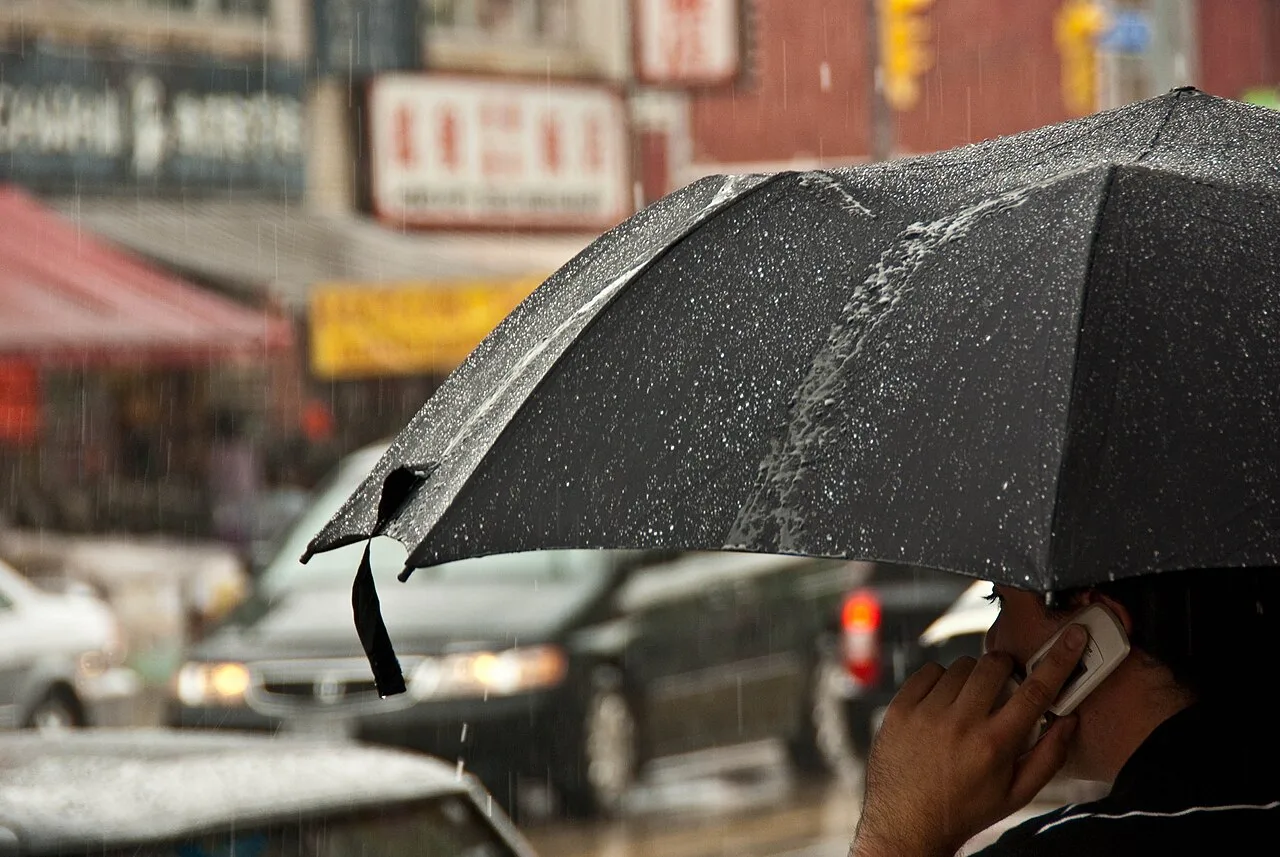
Bring a rain jacket, one warm removable layer and comfortable closed shoes. That is our best starting outfit for an October trip to Toronto. Add a light insulated jacket, a hat and gloves for a cold forecast or long evenings outdoors.
A heavy winter parka is a poor default for a trip built around shops, restaurants and the subway. A thin fashion jacket is a poor choice for hours beside the lake. The deal-breaker is how long you will be outside, especially after dark.
You do not need a new wardrobe. Start with clothes you already wear, then fill a real gap. This guide gives you weather context, outfit choices, packing lists for three to seven days, and two downtown places to buy a missing layer.
Weather sources and store details were checked on September 10, 2026. The weather figures below are historical averages, not a forecast for October 2026.
How cold is Toronto in October?
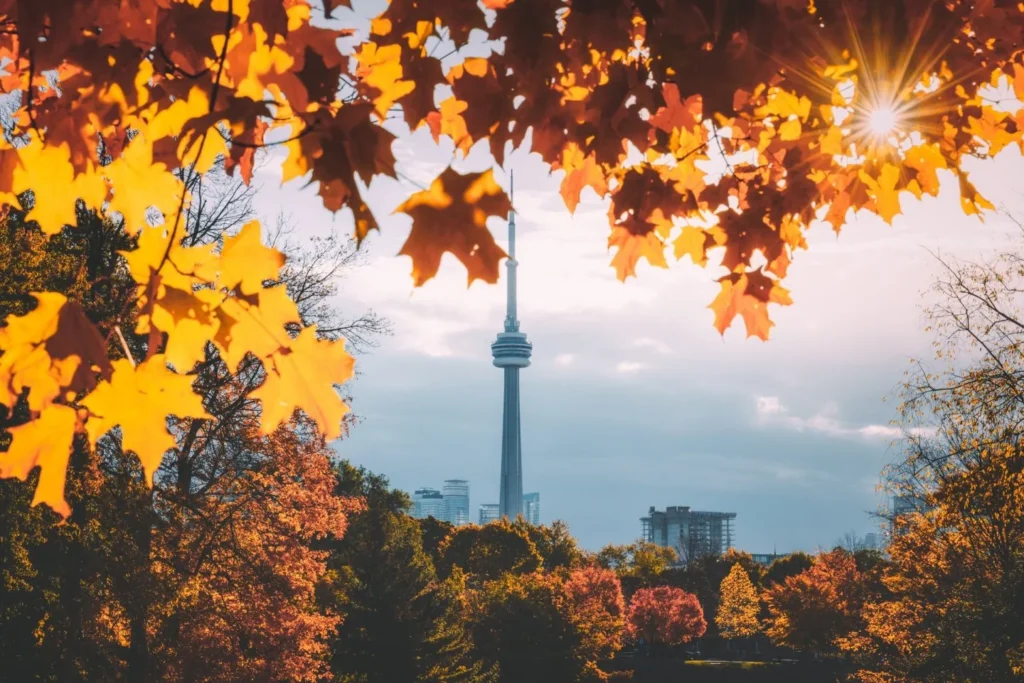
Toronto's October weather usually calls for more flexibility than a single thick coat. Mornings and evenings can need an extra layer, while an active afternoon can feel quite different.
The 1991 to 2020 Toronto City climate normals give this background:
| Month | Average daily high | Average daily low | What it means for packing |
|---|---|---|---|
| September | 22.0°C, about 72°F | 13.8°C, about 57°F | Do not use a warm September visit as your whole October packing plan |
| October | 14.6°C, about 58°F | 7.7°C, about 46°F | Bring a warm layer and rain protection even if the afternoon forecast looks mild |
| November | 8.1°C, about 47°F | 2.3°C, about 36°F | A trip extending into November needs another look at insulation |
These are monthly averages of daily highs and lows. They are not the warmest and coldest conditions you can encounter, and the average low is not necessarily the temperature during dinner.
The Pearson Airport normals show the same October average high, 14.6°C, but a lower average low of 5.3°C. The weather station and the part of the region you visit matter.
Early October versus late October
For an early-October city trip, start with a light top, sweater or fleece, and a rain shell. Keep the option to wear a short-sleeved top by itself on a warm afternoon.
For late October, give the warmer version of that outfit more space in your bag. A light insulated jacket, thin gloves and a toque, meaning a knitted hat, are useful if you will be outdoors at night. They do not need to be on your body all day.
This is our packing judgement, not a date when Toronto suddenly changes seasons. Check the forecast before you choose the final coat.
Does it rain or snow in October?
Plan for rain. The City station's October normal is 69.1 mm of total precipitation, with 11.4 days having at least 0.2 mm. That does not mean 11 full days of rain, or a guaranteed number of wet days during your stay.
Snow is possible, but it is not a reason by itself to pack a full set of ski clothes. The City station's October snowfall normal is only 0.1 cm, and Pearson's is 0.2 cm. An average near zero still does not promise zero snow on your dates.
Use the Environment and Climate Change Canada Toronto forecast close to departure. Read the daytime, evening, rain and wind details. A seven-day forecast cannot settle a trip several weeks away.
Build one outfit with three useful layers
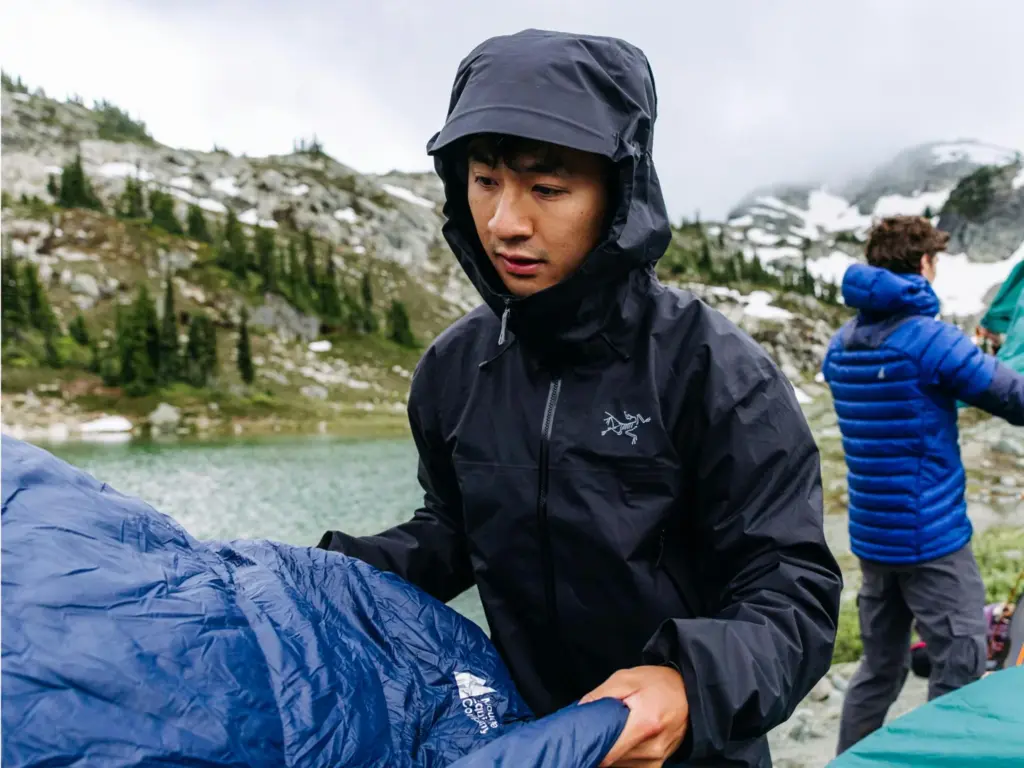
The simplest outfit is a comfortable top, something warm over it and a jacket that handles the weather. Each piece should work on its own when you remove the others.
The first layer: a T-shirt or light long-sleeved top. For ordinary sightseeing with indoor breaks, use something comfortable that you already own. If you expect a sweaty walk or a long wet outing, a quick-drying top is more useful than heavy cotton.
The warm layer: a sweater, cardigan or fleece. A zip or button front makes it easy to adjust on a crowded streetcar or inside a museum. You should be able to carry it without needing another bag.
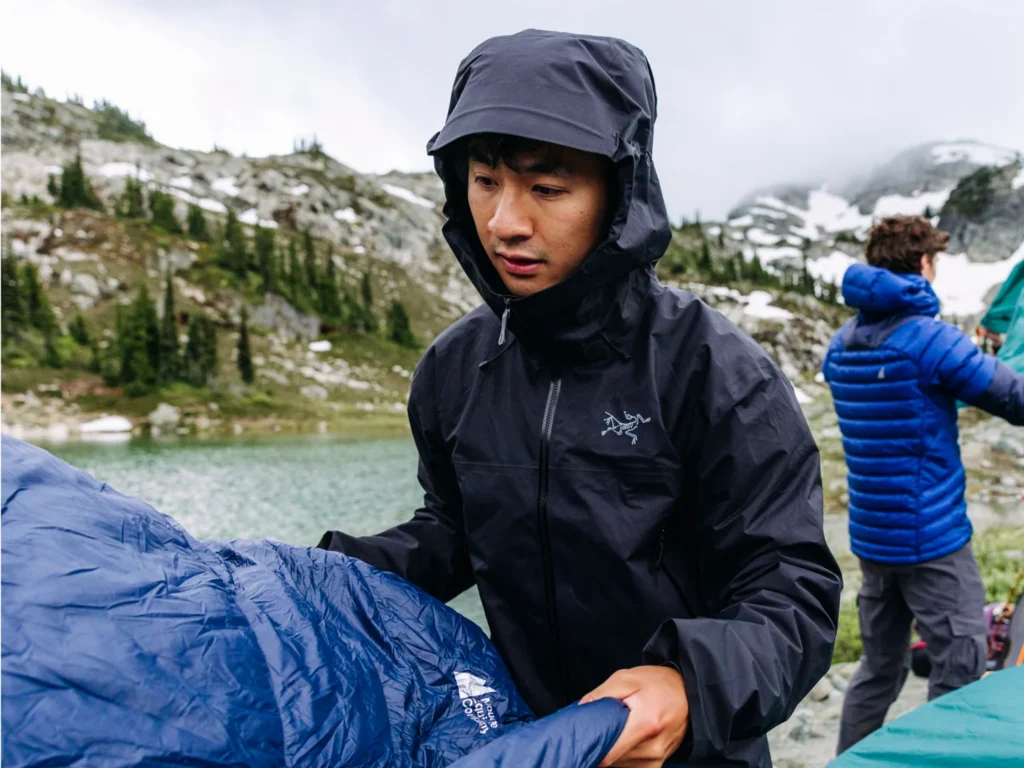
The outer layer: a jacket that fits over both pieces. A waterproof rain shell is the more reliable option for prolonged rain. A water-resistant casual jacket is better suited to light rain and short exposure. MEC's rain-jacket guide explains the difference.
Try the full outfit before packing. Zip the jacket, sit down and reach forward. If the sleeves pull tight or the sweater bunches at your shoulders, the combination needs changing.
For a cold day, add insulation. For a warm indoor stop, take something off before you become uncomfortable. Health Canada's cold-weather advice supports removable layers and changing out of wet clothes. This is useful planning, not a claim that an ordinary October day is extreme cold.
Which coat is the best choice?
| Coat or layer | Choose it for | Main drawback |
|---|---|---|
| Rain shell over a sweater or fleece | Most city trips with mixed indoor and outdoor plans | The shell supplies little warmth by itself |
| Light insulated jacket with rain protection available | Colder mornings, evening walks and visitors who feel the cold easily | An insulated jacket is not automatically waterproof |
| Wool coat | A mostly urban trip where you want one coat for daytime and dinner | Bulkier to pack and awkward if it gets soaked |
| Denim jacket or thin casual jacket | Mild, mainly dry days with indoor stops | Weak as your only protection for cold rain or a long waterfront evening |
| Heavy winter parka | A genuinely cold forecast, prolonged exposure or a trip continuing into colder conditions | Takes space and can be too warm while walking or using transit |
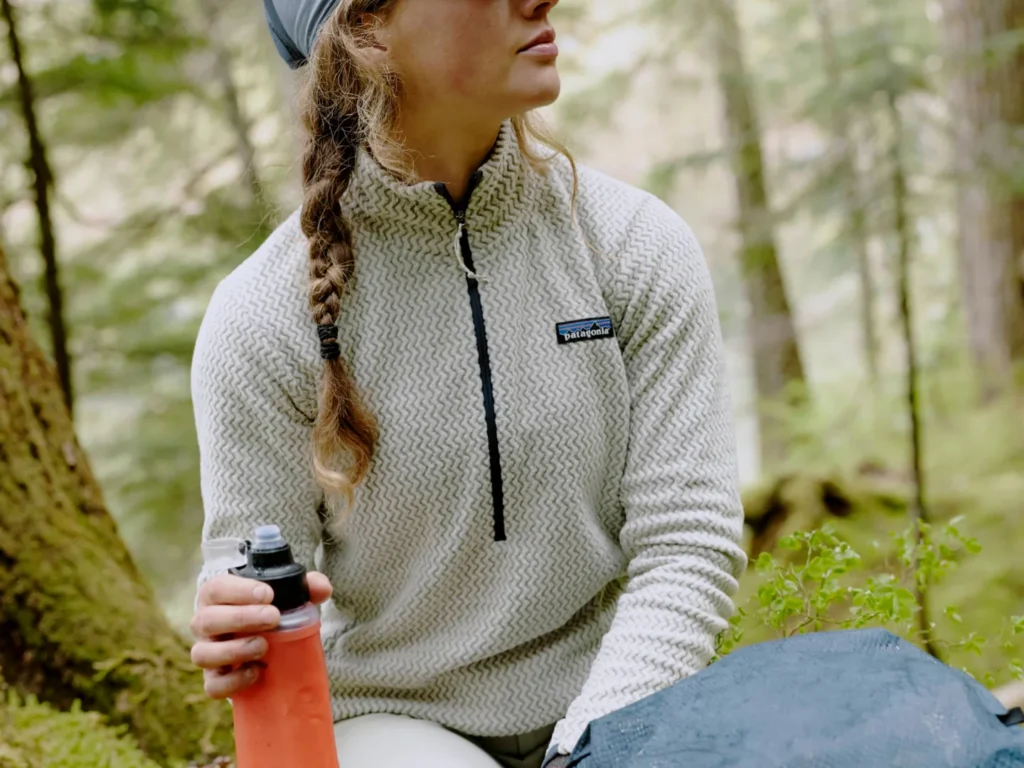
A removable warm layer wins for most visitors. It lets the same jacket cover more situations. MEC's layering guide explains why fleece, insulation and an outer shell do different jobs.
Do not buy an expensive technical shell just because a label sounds impressive. Look for a working hood, useful pockets, suitable rain protection and enough room for your sweater. Choose the features your trip needs.
Choose shoes for walking, rain and mud
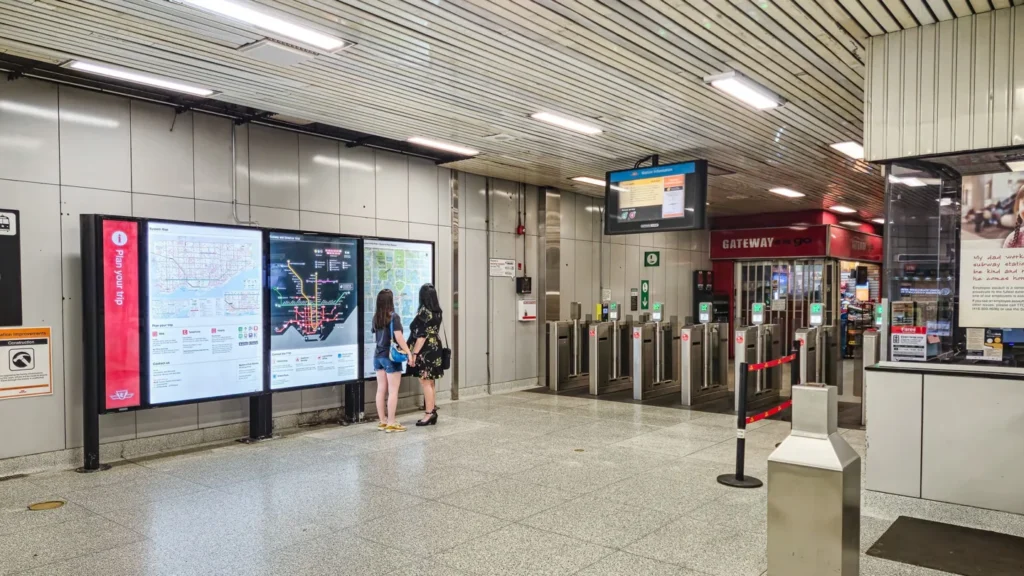
Comfortable walking shoes are our first choice for a city itinerary. Wear them on several proper walks before the trip. The subway, station corridors, pavements and queues all add time on your feet.
Running shoes or other closed walking shoes suit many October days. A pair that handles rain is useful, but waterproofing does not guarantee grip. Check the sole as well as the upper.
Ankle boots earn their space if they are comfortable enough for long walks and work with your dinner outfit. Tall insulated winter boots are unnecessary luggage when the forecast and your plans do not call for them.
Farm paths and muddy ravines are a different job. Bring footwear you can clean, with a sole that suits uneven ground. If a farm day is the only messy outing, do not sacrifice your only dry shoes for it.
Jeans are fine for normal city walking. For a wet hike, quick-drying trousers are the better choice. MEC's day-hiking checklist explains why heavy cotton is a weak option when it gets wet and has to dry outdoors.
Bring spare socks in your day bag for a wet outing. Do not solve cold feet by forcing very thick socks into tight shoes. Try the socks and shoes together at home.
Open sandals, delicate shoes and brand-new boots are the first things we would remove from a small suitcase unless they serve a booked event or a clearly warm forecast. If you bring a second pair, make it a useful backup, not a second version of the same problem.
A packing list for three, five or seven days
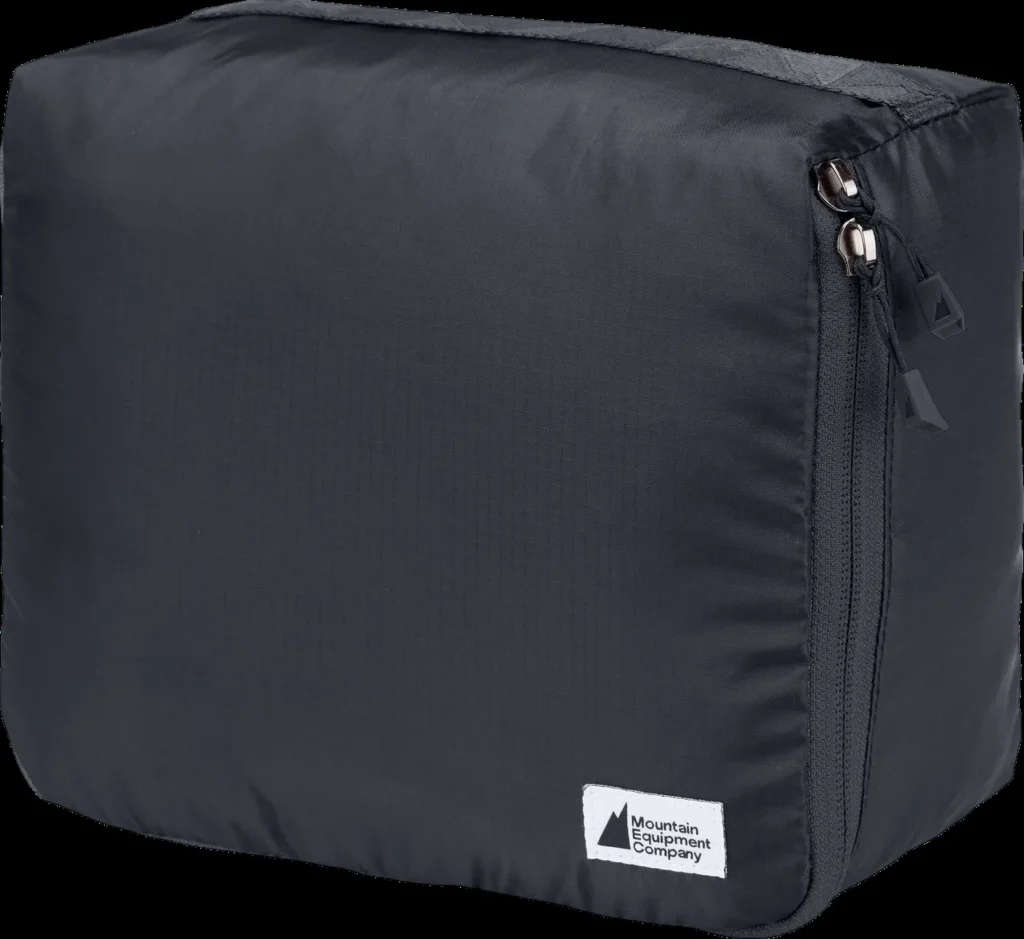
This is our starting list for one adult on a city trip. The quantities include the outfit worn on the travel day. Adjust for how often you change clothes, access to laundry, the forecast and any formal event.
| Item | Three days, no laundry | Five days, no laundry | Seven days, with one laundry day |
|---|---|---|---|
| Everyday tops | 3 | 4 to 5 | 4 |
| Comfortable bottoms | 2 | 2 | 2 |
| Sweater, cardigan or fleece | 1 | 1 | 1, or 2 if one is also your dinner layer |
| Rain jacket or suitable outer coat | 1 | 1 | 1 |
| Light insulated layer | Add if the forecast or outdoor plans call for it | Same | Same |
| Underwear | 4 | 6 | 5, then wash |
| Socks | 4 pairs | 6 pairs | 5 pairs, then wash |
| Sleepwear | 1 set | 1 set | 1 set |
| Main walking shoes | 1 pair, worn while travelling | 1 pair | 1 pair |
| Second shoes | Only for a real wet-weather or dress-code need | Same | Same |
| Hat, light gloves and scarf | Add for cold evenings | Same | Same |
For seven days without laundry, bring enough clean underwear, socks and tops for the full stay. Do not copy the smaller laundry column and hope everything dries overnight.
A nicer top can be one of the everyday tops. A skirt or dress can replace a pair of trousers if it suits your plans, with tights or another warm option for a cool evening. You do not need a separate complete outfit for every dinner photograph.
Make the clothes work together
Choose two bottoms and tops that work with both. Keep the warm layer simple enough to go over every outfit. Wear the bulkier shoes and coat while travelling, but leave room to carry the coat if the airport or plane is warm.
Pack one compact bag for used clothing. Keep wet or muddy items separate until you can dry or clean them. A packing cube can organise the bag, but it is optional and does not make clothes lighter. The cube shown above is an example, not a required purchase.
Leave space for the warm layer you remove during the day. A bag that is full before you take off your sweater is too full for the plan.
Add only what your itinerary needs
- A swimsuit for a hotel pool or a booked spa visit.
- A more formal outfit if a specific venue or event requires one.
- Quick-drying trousers and suitable footwear for a longer outdoor walk.
- A small umbrella for city rain, if you like using one.
- A light thermal top or leggings for a cold forecast, long outdoor evenings or your own comfort needs.
Check your airline's actual bag size and weight rules. This is a clothing list, not a promise that every combination fits every carry-on allowance. Lay everything out, remove duplicate jobs and try carrying the packed bag before you leave.
What to wear for the Toronto day you have planned
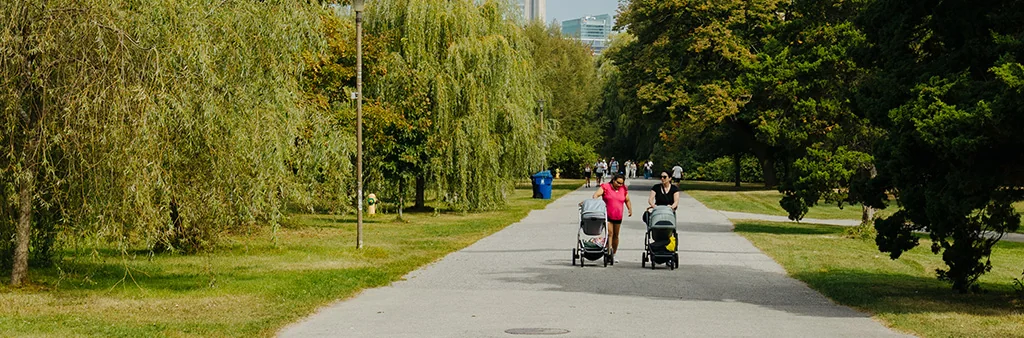
An outfit for shopping around Bloor Street is not the same as one for waiting for the last ferry. Use your schedule to decide what goes in the day bag.
| Plan | A useful starting outfit | What to add or change |
|---|---|---|
| Museums, cafés and city walking | Comfortable top, removable sweater, closed walking shoes, outer jacket | Carry the jacket or sweater indoors instead of overheating |
| A cool, rainy day | Top, warm middle layer, waterproof outer jacket, shoes that handle wet pavements | Spare socks and a dry place for your phone and belongings |
| Toronto Islands or the waterfront | Layers with a wind-resistant outer jacket | Insulation, hat and gloves when conditions call for them; plan for waiting as well as walking |
| Pumpkin patch or corn maze | Warm layers, trousers you can clean, suitable boots or grippy shoes | A bag for dirty footwear and dry socks; use the farm's weather advice |
| A long evening ghost walk or outdoor art event | Comfortable shoes, warm layer and outer coat | Dress for the return trip and standing still, not just the sunny start |
| Dinner or a show | An outfit that meets the venue's rules, with a coat for the trip | Keep walking comfort in mind if you will use transit |
The lake deserves an extra check
The City's Toronto Island guidance treats October to April as its winter visiting season. It warns that the Islands can be colder than the rest of Toronto and advises layers, insulation and cold-weather accessories.
That advice matters if you are spending time on the exposed shore or waiting at a dock. Do not judge the whole outing by how warm the hotel lobby or a sheltered downtown street feels.
Wind can make you feel colder even when the temperature is above freezing. Environment Canada's wind-chill explanation also explains that the formal wind-chill number is normally shown for freezing conditions. Its absence from a mild forecast does not mean wind is irrelevant.
Plan for being still
You can feel warm while walking quickly and cold while watching a performance or waiting in a queue. Carry the extra layer you will need during the least active part of the outing.
If you use a wheelchair, have limited mobility or expect frequent seated stops, plan around your own activity level. Do not copy the outfit of someone who will be walking briskly for most of the day.
For a heated patio, check the actual cover and heater arrangement. An exposed table can feel different from an enclosed section. Wear an outfit you can adjust if you move indoors.
Keep a weather backup in mind. Our rainy-day Toronto guide and Toronto museum guide can help you replace a long wet afternoon. If you are going to the Islands late in the season, read our winter Island guide as well.
Pack for children and Halloween without overcomplicating it

For a family day, the useful extras are often dry socks, spare trousers and a top that can replace a wet one. Keep them in the bag that stays with the child, rather than in luggage back at the hotel.
Use layers that are easy to remove and put back on. Try the coat over the sweater before the trip. A child who fits the coat in a thin top may have less room once the full outfit is underneath.
For a pumpkin patch, expect the possibility of wet grass and mud. Choose shoes and trousers that can handle it, and check the farm's own advice before leaving. A clean photo location does not mean every route is paved.
Halloween costumes need to work over the warm outfit. Health Canada's Halloween guidance advises a good fit over warm clothing, clear sight and freedom to move. Keep hems and accessories from dragging, and use reflective details where they help people see the child.
Try the costume with the actual coat and shoes. If the costume only works without the layers needed for the forecast, change the costume plan. Warm, comfortable children are a better starting point for the evening than an outfit that only works for a photograph.
A family travelling from a warm climate should also allow time to adjust. Do not treat another person's claim that they never need gloves as a useful rule for your child. Start comfortably, watch how everyone feels and shorten an outdoor stop if the clothes are not doing the job.
Where to buy a missing layer in downtown Toronto
You can fix a small packing mistake without spending a day shopping. Try the outfit you brought first. Buying another warm layer is usually more useful than buying a completely new coat when the coat already fits and keeps rain out.
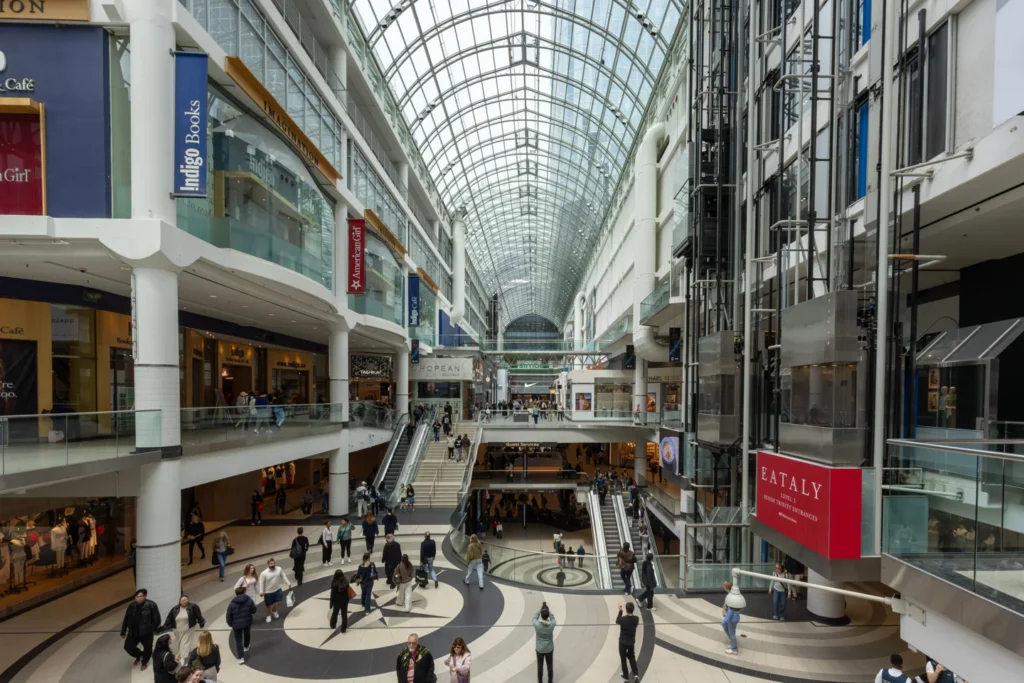
CF Toronto Eaton Centre: everyday layers and basics
.jpg)
220 Yonge Street.
The Eaton Centre is a practical stop if you are already downtown and need socks, a sweater or another top. For a specific option, UNIQLO's official Eaton Centre listing confirms the store at 220 Yonge Street, with women's, men's, kids' and baby ranges.
Its listed regular hours are 10 a.m. to 9 p.m. Monday to Saturday and 11 a.m. to 7 p.m. Sunday. At our September 10 check, it also listed Thanksgiving Monday, October 12, from 11 a.m. to 7 p.m. Other stores can keep different hours.
As a price example, the current women's HEATTECH range lists a basic long-sleeved crew-neck top at $19.90 before tax. That is $22.49 with 13% HST for the adult item. It is a current online price, not a promise of your size on the shelf.
The store says it does not hold items. Check stock and fit before making a special trip. Thermal clothing can also be too warm for someone spending most of the day indoors, so buy it to solve a cold-weather need, not simply because you are in Canada.
Choose the Eaton Centre for a straightforward missing everyday layer. Do not rely on a last-minute shop visit for a specialised fit you already know you need.
MEC Toronto: help with rainwear and outdoor footwear
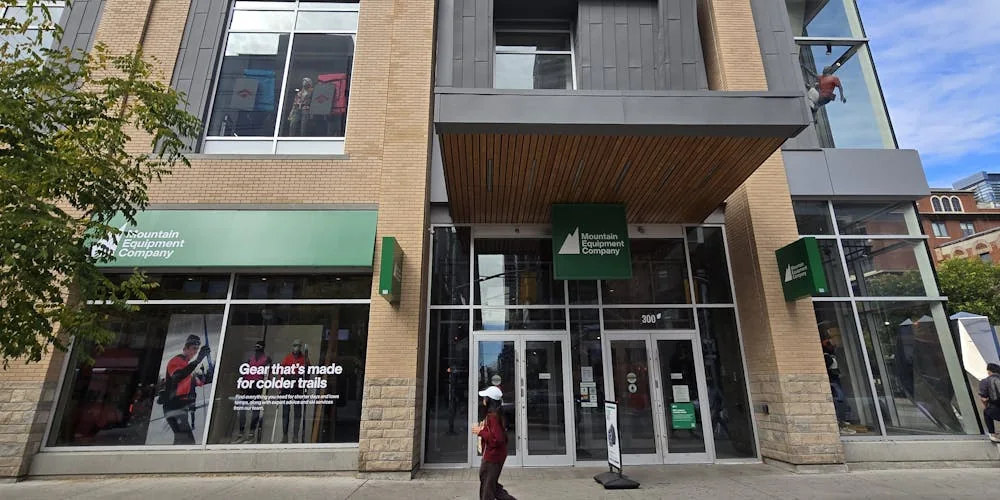
300 Queen Street West.
MEC's Toronto store is the more useful stop when the gap is a rain shell, outdoor footwear or a layer for a longer outing. Bring or wear the clothes that have to fit underneath the jacket.
Ask about the actual job: several hours in rain, a muddy farm, or an evening by the lake. Those are better shopping instructions than “I need something for Canadian weather.”
Technical clothing can cost more than a casual replacement layer. A short city holiday does not automatically justify premium gear. Try what fits, compare the features and check the price of the specific item before buying.
Check current hours and stock on the store page. We are not quoting a price for an unspecified jacket or promising a particular boot size. Choose MEC when you need the outdoor function; use the clothes you already own when they do the job.
Make the final packing decision close to departure
A few days before leaving, open the forecast for the places you will actually visit. Toronto, Niagara, Montréal and Calgary are separate weather checks. A cross-country packing list should not be built from Toronto's monthly average alone.
Look at the hours you will be outdoors. A mild afternoon forecast does not remove the need for a warmer layer if your tour ends at 10 p.m. For a trip longer than the forecast window, keep a flexible outfit and check again during the trip.
Then make five decisions:
- Coat: does the outer layer handle the expected rain and fit over the warm layer?
- Warmth: do the evening plans call for insulation, a hat or gloves?
- Shoes: can the main pair handle the walking, and does the second pair solve a real problem?
- Laundry: are the clothing quantities enough until the next confirmed chance to wash?
- Day bag: can you carry the layer you remove, plus the essentials for the outing?
A forecast is still uncertain, especially farther ahead. As of September 10, there is no reliable daily forecast here for a specific October visit. Claims that the whole month will be warm, or that snow cannot happen, should not decide your suitcase.
Pack the outfit you can adjust. Leave behind the duplicate coat, the untested shoes and the extra clothes that only work for an imagined photograph.
Frequently asked questions
Do I need a winter coat in Toronto in October?
Not as an automatic default. Start with a rain jacket over a warm removable layer for a typical city trip. Add a light insulated jacket or a warmer coat when the forecast, long outdoor plans or your own comfort level calls for it.
Are jeans and running shoes enough?
They can work for ordinary city sightseeing when the weather and fit suit you. Add a warm layer and suitable outer jacket. For a muddy farm or a long wet walk, choose footwear with useful grip and trousers that handle getting wet better than heavy denim.
Should I pack thermal underwear?
Bring it if you feel the cold easily, expect cold conditions or will spend long periods outdoors. It is not a requirement for every October visitor. A removable sweater is easier to take off during an indoor-heavy day than thermal leggings under your trousers.
Can I wear a dress or skirt in Toronto in October?
Yes. Plan the whole outfit, including tights or another warm layer if needed, comfortable footwear and a coat for the trip there and back. Check a booked venue's dress rules rather than assume Toronto has one shared dress code.
Do I need waterproof boots?
Only if they suit the weather and the outing. Comfortable shoes that handle wet pavements are enough for many city plans, while mud and longer outdoor walks can justify boots. Choose a pair you have already worn; waterproof material does not guarantee comfort or grip.
Should I bring an umbrella as well as a rain jacket?
A small umbrella is useful for city rain if you like carrying one. It is a weaker sole plan for a windy waterfront outing or a trip where your hands will be busy. Choose a jacket with the rain protection you need and treat the umbrella as an optional extra.
Will it snow in Toronto during my October trip?
It is possible, but the historical October snowfall average is very small. That average cannot predict your dates or rule out a cold spell. Check the forecast near departure and adjust the coat and footwear if snow or freezing conditions are expected.
What should I buy if I arrive and feel cold?
First try adding the warm layer you already packed and blocking the wind with your outer jacket. If that is not enough, buy the missing piece, such as a sweater, thermal top, hat or gloves. Check fit and stock before a special shopping trip, and move a long outdoor plan indoors if the current outfit is not comfortable.