



For a new renter, $80,000 to $95,000 before tax is a useful planning range for living alone in Toronto without a car. It is our budget judgement, not a legal income rule or a promise that every apartment will fit. A costly one-bedroom, debt or a car can push the number much higher.
At $65,000 to $70,000, living alone can work with a cheaper apartment and tight choices. At $110,000 to $120,000, there is more room for savings and ordinary extras. An old, low-rent lease can change the answer more than a small pay rise.
Our pick is to price a real apartment and build a monthly budget before deciding on a salary target. A studio or older rental near your work is the strongest alternative to an expensive condo. Skip any estimate that uses someone's 2017 rent as today's asking price.
Start with take-home pay, not the number on the job offer

Gross pay is the amount before deductions. Take-home pay is what reaches your bank account. Rent comes out of the second number.
The estimates below use the CRA's 2026 Ontario payroll figures. They include federal and Ontario income tax, the Ontario health premium, CPP and EI. They assume ordinary employment income and basic personal credits.
| Yearly salary before tax | Approximate monthly take-home pay |
|---|---|
| $35,000 | $2,450 |
| $50,000 | $3,350 |
| $65,000 | $4,200 |
| $70,000 | $4,500 |
| $80,000 | $5,050 |
| $85,000 | $5,300 |
| $95,000 | $5,900 |
| $110,000 | $6,750 |
| $120,000 | $7,300 |
We rounded to the nearest $50. Your pension, benefits, union dues, tax credits and other deductions can change the amount. CPP and EI deductions also change during the year when an employee reaches their yearly limits. This table is an annual average, not a promise about each paycheque.
Self-employed income needs a different calculation. A contractor's $80,000 is not the same as an employee's $80,000 with paid leave and benefits. Use your actual pay statements when you have them.
Do not use a possible bonus to cover rent you must pay every month. Build the first version of your budget using income you can count on.
Why people give such different salary answers

Two people earning $70,000 can live very different lives. One has a $1,400 rent-controlled apartment, no car and no debt. The other is signing a new condo lease, paying a student loan and driving to work.
Both can be honest about their experience. Neither gives you a complete budget until you know the costs behind it.
The CMHC mid-year rental update also separates existing rents from turnover rents. Turnover rent is what a unit costs when a new tenant moves in. An average that includes long-term tenants can make a new apartment look cheaper than it is.
The report's two-bedroom figures are not one-bedroom asking prices. A purpose-built rental and a rented condo are also different groups. Do not take the smallest number from a market report and use it as the price of the apartment you want.
Advice that says “$35,000 is enough” often relies on a low-cost room, help from family, an old lease or very little saving. A room in a shared home is not the same expense as an apartment to yourself.
Advice that says “you need $120,000” often includes a car, a central condo, frequent meals out, travel or a large savings goal. That is a comfort target, not proof that everybody below it must share a bedroom.
Compare the costs, not the confidence of the person giving the answer.
Build a budget around a real apartment

Find several current listings you would actually accept. Record rent, included utilities, laundry, parking and the trip to work. Check the building and the lease before treating any listing as real.
The table below is an example budget we made, not a survey of Toronto prices. Replace every line with your own quotes. It shows why the rent alone does not answer the salary question.
| Monthly cost | Lean example | More room to spend |
|---|---|---|
| Rent | $1,900 | $2,500 |
| Utilities and tenant insurance | $150 | $200 |
| Phone and internet | $100 | $130 |
| Groceries and household items | $400 | $500 |
| Transit and occasional rides | $180 | $250 |
| Health, clothes and personal needs | $150 | $250 |
| Meals out, hobbies and small extras | $150 | $400 |
| Savings and irregular bills | $500 | $900 |
| Total | $3,630 | $5,130 |
The lean example leaves about $570 a month at a $65,000 salary. That space can disappear with a loan payment, a pet, dental work or a rent increase. It also assumes you can find an acceptable home at the sample rent.
The larger example uses almost all of the estimated take-home pay at $80,000. It fits more easily around $95,000. This is why a salary that sounds large can still feel tight after a new lease.
Keep one-off costs separate. First and last month's rent, a move, furniture, kitchen basics and connection fees can use cash before the first normal month begins. An emergency fund also needs to survive the move.
For a tenancy covered by Ontario's Residential Tenancies Act, the standard-lease guide limits the rent deposit to one rental period, up to one month. It goes toward the last rental period. A landlord cannot add a separate damage or pet deposit. A refundable key deposit has its own limit based on replacement cost.
At a sample rent of $2,000 a month, the first month plus a full last-month deposit uses $4,000 before moving costs. That is an example, not a Toronto rent quote. Agreements where you share a kitchen or bathroom with the owner can fall outside the Act. Check which rules cover your home before paying.
Do not call money left after rent “spending money.” Food, transport, debt and future bills still have to come out of it.
Which housing choices bring the target down?
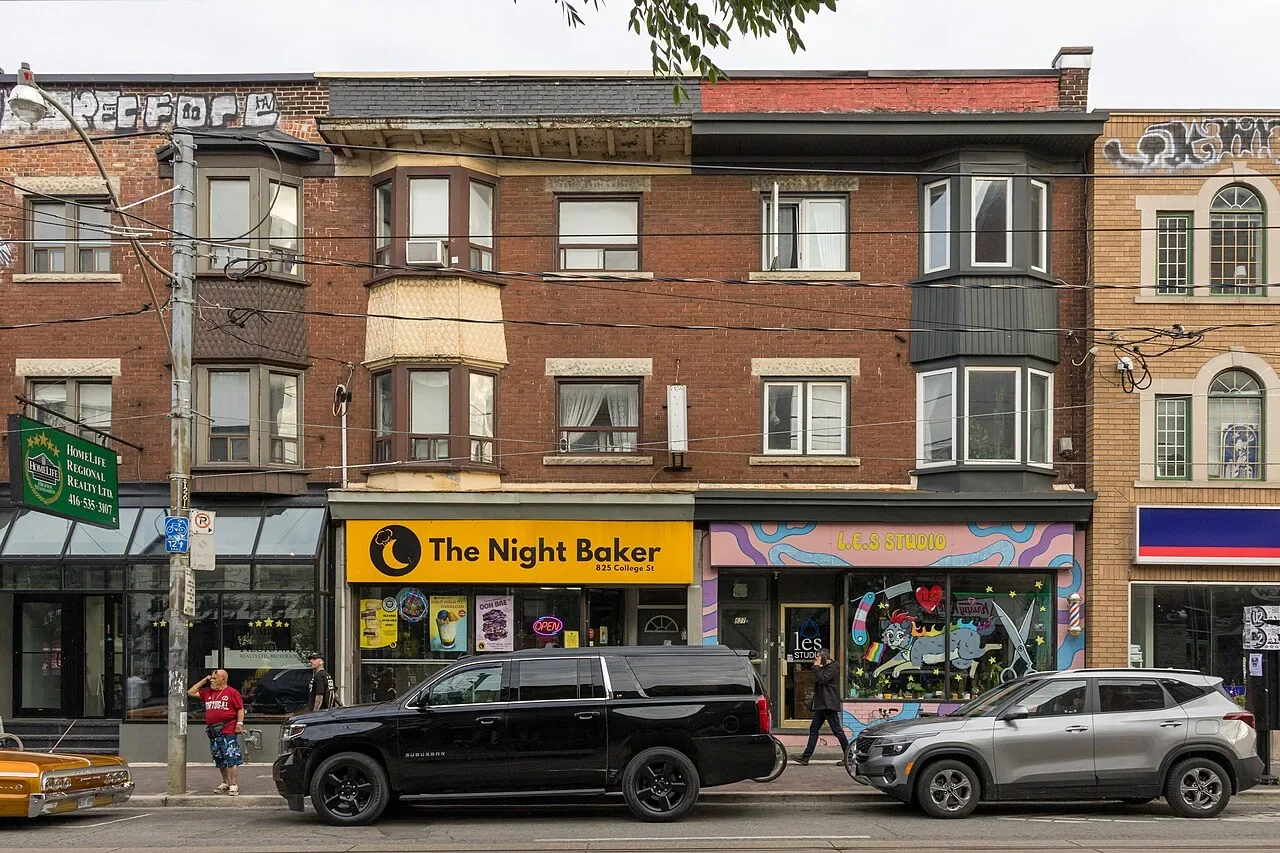

An older apartment or studio is the first place we would look. A smaller home near work can save both rent and travel. A shiny lobby does not help if the monthly bill leaves you short.
An older walk-up may offer useful floor space. But stairs can be a serious limit for a person with mobility needs. Check laundry access, heat, ventilation, pests, noise, storage and repairs. A basement needs careful checks for light, damp and safe exits.
A condo can offer a lift, laundry and shared facilities. It can also have a smaller usable layout, booking rules and higher rent. Compare the room dimensions, not only the advertised square footage.
Read Ontario's rent increase rules. Some units first occupied for residential use after November 15, 2018 are exempt from the yearly guideline. The detailed rules also matter for new additions and some new basement units. A renovated kitchen alone does not settle the question.
For a guideline-covered unit, the permitted annual increase is limited under the rules, subject to exceptions. For an exempt unit, a large future increase is a real budget risk. Ask for the building's occupancy history before signing.
Cheap rent is not a bargain if the listing is fake. Our Toronto rental scam checks help with identity, payment and viewing problems. Our apartment heating guide covers a cost and comfort issue that gets missed during warm-weather viewings.
Furnished short stays can help you test an area. They often cost more. Read the cancellation terms and check whether the arrangement gives you the rental protections you expect. Do not assume every room rental has the same rules.
A car can change the salary answer sharply
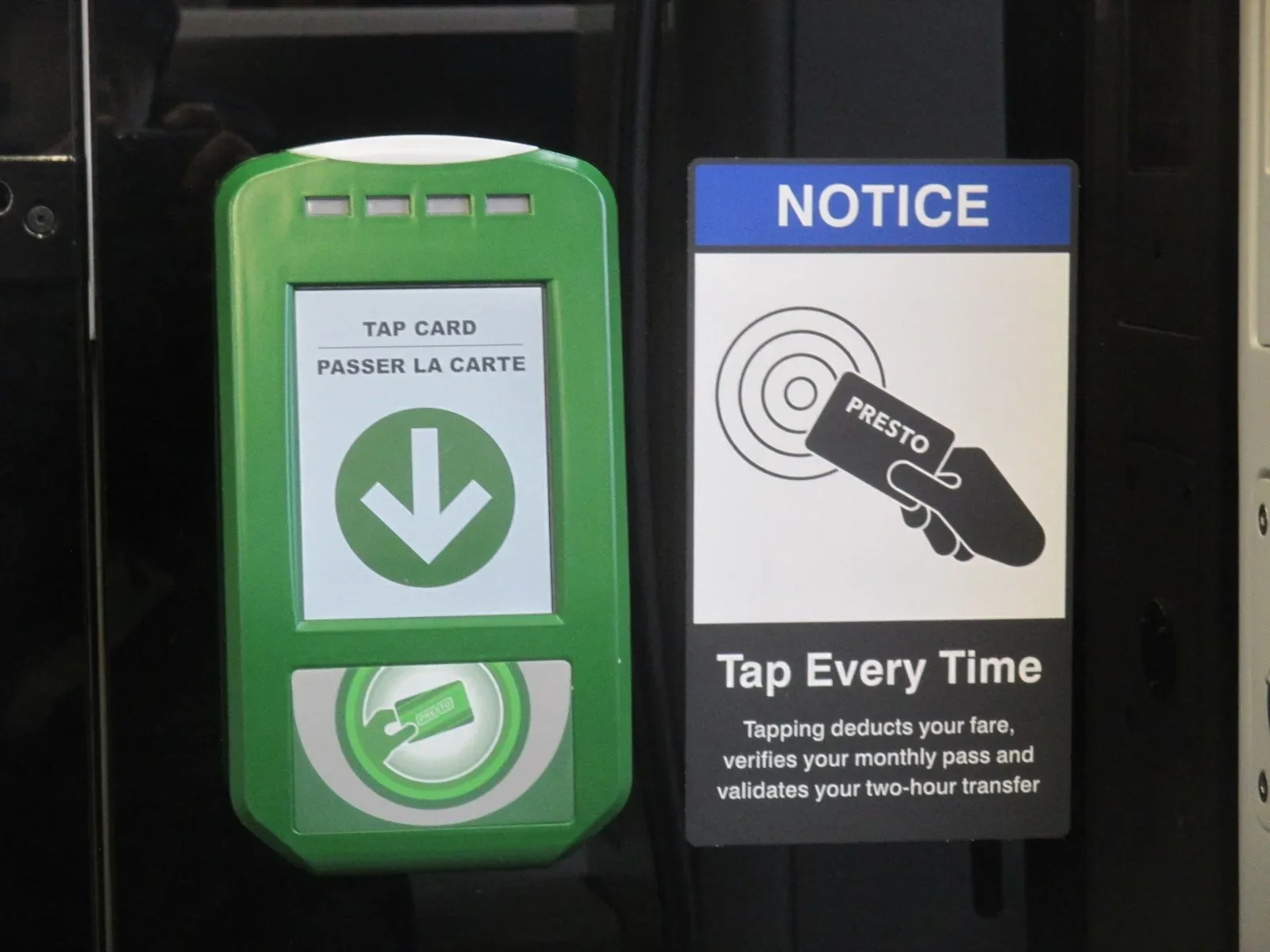

Living near a useful TTC route can be worth a higher rent if it lets you avoid owning a car. Compare the full monthly difference.
A car budget needs insurance, parking, fuel, repairs, tires, licence costs and payments, if any. A guessed $200 for petrol misses most of the bill. Get an insurance quote before deciding you can afford the vehicle.
An occasional taxi, car-share trip or rental can cost less than keeping a car for rare outings. It stops being cheap if you use it every day. Include booking fees, insurance terms, parking and the cost of returning the vehicle.
Markham, Thornhill and other areas outside Toronto have different transit services and travel patterns. A lower rent can come with another fare and a much longer journey. Time is a cost too, especially if a late trip home becomes a paid ride.
Use the TTC fare page and your actual route. For cycling, our Bike Share guide explains trip limits and the dock rules. For driving, check Toronto parking signs before treating a street space as free all year.
Choose the housing and transport plan together. Do not save $200 on rent and quietly add $500 in travel costs.
Does rent have to stay below 30 per cent of income?

Thirty per cent is a planning guide some people use. It is not a magic line that makes a home affordable for every person.
It also should not be confused with a landlord's legal screening rules. The Ontario Human Rights Commission says minimum income requirements and rent-to-income ratios are not allowed in ordinary rental screening. Subsidized housing has different rules.
A person with low rent and high medical costs can struggle below 30 per cent. A person with no debt and reliable income can choose to spend more. The useful test is the money left for all the other bills.
Give yourself a stress test. Could you still pay after a repair bill, fewer work hours or a period without a job? Keep enough cash to handle the risk you actually face. There is no honest emergency-fund amount that fits every worker and every household.
Savings are part of affordability. A budget that pays this month's rent but never allows a future move is fragile.
What if living alone does not fit yet?

Sharing rent is the most direct way to lower the fixed bill. A roommate can make a central location possible at a lower salary. You give up privacy and have to agree on noise, cleaning, guests and payments.
Moving in with a partner should be a relationship choice as well as a budget choice. Do not treat finding a partner as a housing plan. Know what happens to the lease if the relationship ends.
Cooking at home, buying fewer paid outings and meeting friends for walks can help. These choices cannot repair every income gap. Do not turn a housing shortage into a lecture about coffee.
Debt payments belong in the budget regardless of whether someone calls the debt “good.” A student loan, credit card or car payment still reduces the money available for rent. A homeowner who bought years ago is not a fair comparison for a new renter.
If privacy is the goal, compare a modest studio with a shared larger home. If the target apartment would leave no reserve, delay that lease or change the apartment. Keep the salary target connected to a home you can afford to keep.
Frequently asked questions

Can I live alone in Toronto on $70,000?
It can work with a lower-cost apartment, no car and limited debt. Our estimated average take-home pay is about $4,500 a month. Price the actual home and all other bills before signing.
Is $100,000 enough to live comfortably in Toronto?
For many single renters without a car or heavy debt, it allows more room than the lean budgets in this guide. A costly condo, frequent travel or large loan payments can still make it tight. “Comfortable” needs a clear list of costs.
Why is my friend's salary enough when mine is not?
Their rent, transport, debt and savings goal may be different. An old lease can be far cheaper than a new one. Compare monthly bills before comparing salaries.
Should I use gross or net income in my rent budget?
Use net income, which is the money you receive after deductions. Gross income helps compare job offers. It cannot all be spent on housing.
Is a cheaper apartment outside downtown always better value?
No. Add the extra fares, travel time, parking and rides home. A more expensive apartment near work can cost less overall if it removes the need for a car.
Can a landlord require me to earn three times the rent?
The Ontario Human Rights Commission says rent-to-income ratios are not permitted for ordinary rental screening. Subsidized housing has different rules. The landlord can consider permitted income information alongside other allowed screening information.