


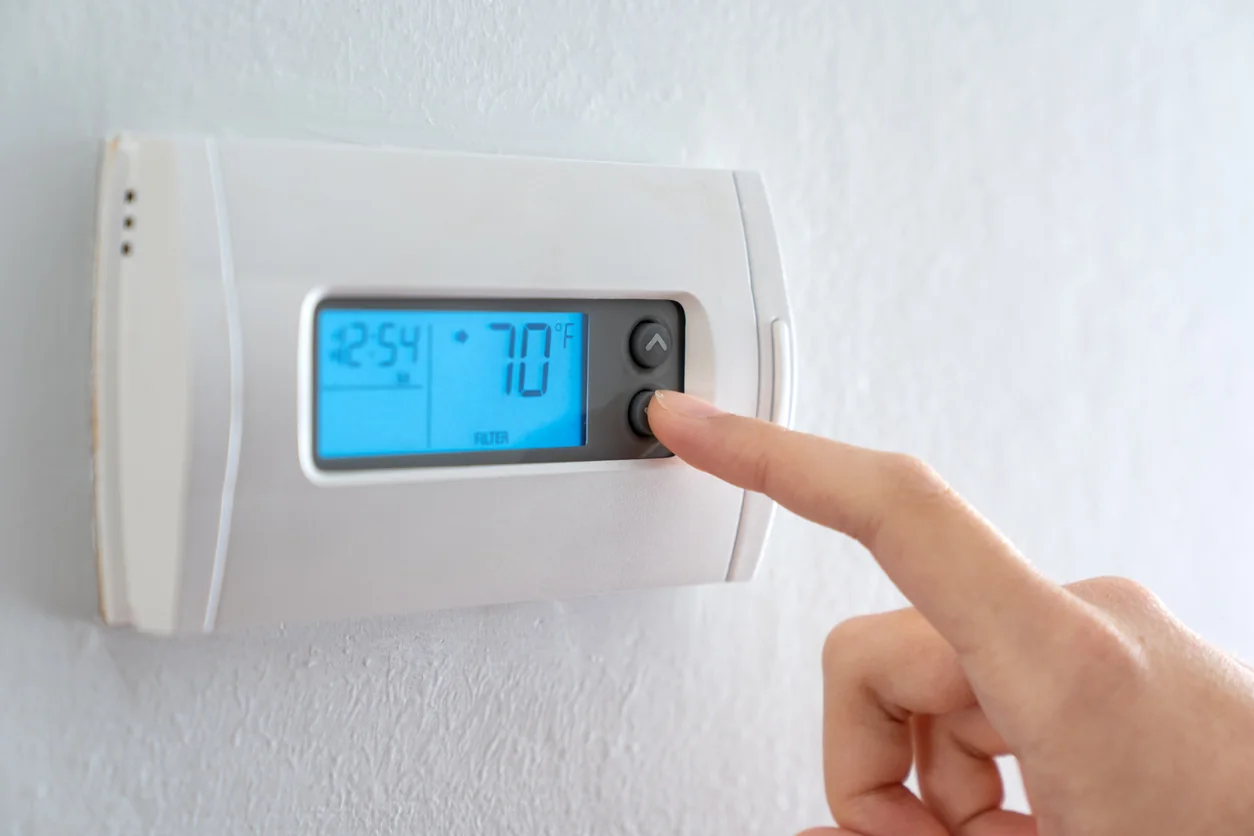
Toronto requires rented homes to stay at least 21°C from October 1 to May 15. That is a temperature rule, not an order to run the boiler on a warm day. If the flat is already warm enough, the heating can stay off.
But October 1 is not permission to leave a tenant cold through September. Ontario also treats heat as a vital service from September 1 to June 15, with a 20°C standard described by the Landlord and Tenant Board. The two sets of rules answer different parts of the problem.
Our advice is to measure the room, report the facts in writing and ask for a repair plan. If the problem is unresolved, use 311 and the right tenant-help route. Arguing about the date while nobody checks your bedroom temperature gets you nowhere.
This guide covers ordinary rental-housing questions in Toronto. Shared homes with an owner and some other arrangements have different legal treatment. Rules checked September 10, 2026. The photos illustrate heating and home comfort; they do not identify buildings accused of breaking the rules.
The current rules, without the usual date mix-up

| Rule or issue | Current guidance | What it means for you |
|---|---|---|
| Toronto minimum temperature | 21°C, October 1 to May 15 | Measure the room, not just the thermostat setting |
| Ontario vital-service guidance | Heat, September 1 to June 15; LTB guidance describes 20°C | Do not assume there are no obligations outside the City's 21°C dates |
| Existing landlord-provided air conditioning | Maximum 26°C, June 1 to September 30 under City guidance | This is not a promise of AC in every apartment |
| Qualifying RentSafeTO common cooling rooms | At or below 26°C, June 1 to September 30 | A common room is different from cooling inside your unit |
| Unresolved low or no heat | Tell the landlord; City guidance directs unresolved requests to 311 after 24 hours | Report emergencies immediately through the appropriate emergency service |
Read the City's indoor-temperature guidance and the LTB maintenance and repairs guide together. An old poster in a lobby is not a reliable substitute.
1. Use the new Toronto dates
Older Toronto advice often says September 15 to June 1. The City changed that window. The current local minimum is 21°C from October 1 to May 15.
If a manager sends you an old link, reply with the current City page. Keep the exchange short and factual. You need a working system and a clear response, not a long argument over who remembered the old rule correctly.
2. Check the actual room temperature
A thermostat can show the temperature you asked for rather than the temperature you have. Setting it to 25°C does not prove the bedroom reached 25°C.
Use a separate room thermometer and record where you put it. Avoid direct sunlight, an open window or a spot right beside a heater, which can give an unhelpful picture of the room. Leave it time to settle. If staff inspect, ask them to explain their measurement and equipment.
3. Do not treat October 1 as an automatic switch-on day
A warm autumn day can keep a home above the required minimum without active heat. In that case, a quiet radiator does not prove a violation.
The useful question is: “Can my home stay at the required temperature?” A building-wide notice saying “heat is on” also proves little if your unit's valve, controls or equipment are broken.
4. Do not dismiss a September complaint
Ontario's vital-service rules have a wider season. The LTB's current guide describes heat from September 1 to June 15 and explains that municipal standards can be higher.
If a cold spell leaves you without adequate heat in September, report it. Ask a community legal clinic which rule and remedy fit your situation. Do not accept “the Toronto date is October” as a complete answer to every rental-heating problem.
Make a report that someone can act on
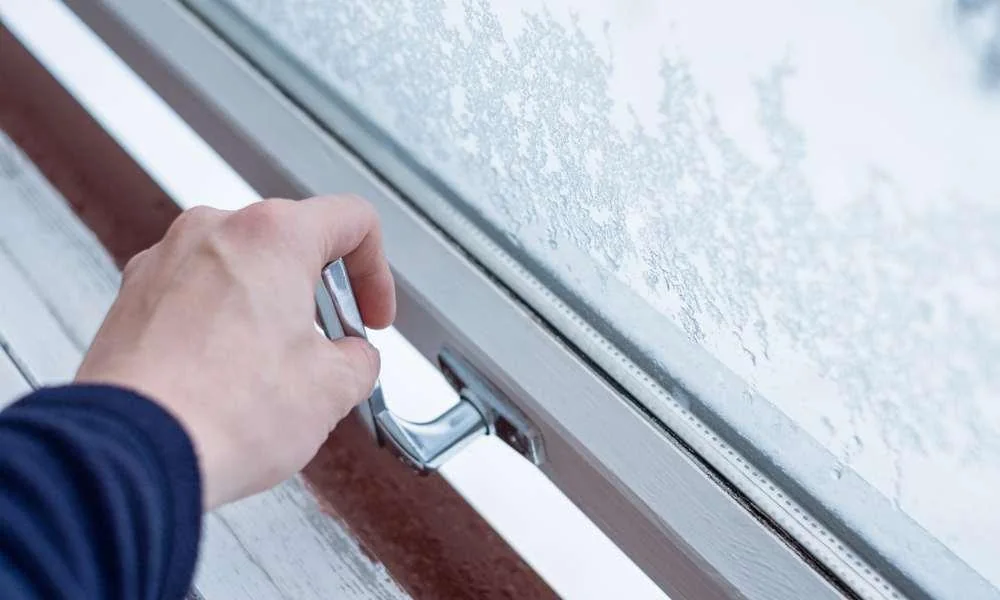
5. Ask why the fan blows cold air in heating mode
Some buildings have a two-pipe system. The same pipes carry water for heating or cooling, so the building cannot offer both at once. TCHC's February 2026 cooling report explains this seasonal limit. A fan running in your unit does not prove that hot water is available to heat the air.
Ask management which system serves your home and whether the seasonal change is complete. Other systems work differently. Building age and a recent service visit do not settle the question. Ask staff to explain any emergency-heat setting and its electricity cost before using it.
Look at the mode, chosen temperature and any visible error message. If the controller uses batteries, check the manual or ask staff whether they need replacing. Keep furniture away from vents and radiators. Report cold air entering from the hallway too. Ask staff to check ventilation and door seals instead of taping over shared ventilation or altering a fire door.
Do not remove equipment covers, alter wiring or work on a boiler. A renter should not have to become a heating technician to get a habitable home. TCHC's thermostat guidance explains why the requested setting and the system's behaviour can differ.
6. Check more than one room
A sunny living room can be comfortable while a back bedroom is cold. Record separate readings rather than reporting a single average for the flat.
Include the time, room and whether the system was running. Repeated readings are more useful than a dramatic photo taken beside an open window. Keep your evidence honest and easy to compare.
7. Tell the landlord or property manager in writing
State the address, unit, rooms affected, temperatures and when the problem began. Include a photo of the reading if you have one. Ask for a repair visit and an update.
If you call an emergency maintenance line, follow up by email or a portal message. Write down the time and any ticket number. A short dated record beats trying to reconstruct several phone conversations a week later.
8. Ask for both a repair plan and a temporary plan
“We know about it” is not enough information. Ask what is wrong, who is attending, when the next update will come and what the building will do while you wait.
A response within 24 hours is not the same as a guarantee that every repair will be complete within 24 hours. Nor does a difficult repair erase the duty to respond. Ask for concrete arrangements, especially if someone cannot safely remain in the unit.
Escalate the right way if the problem continues

9. Use 311 for the municipal complaint
The City's heat and vital-services page says to contact your landlord first and use 311 if the issue is not resolved within 24 hours.
Give the same clear facts you sent the landlord. Keep the service-request number. If the problem worsens, update the existing report rather than assuming an old temperature reading tells the whole story. A City response target is not a guaranteed repair time.
10. Keep your landlord involved in a rented condo
In a rented condo, the owner is still your landlord. The City says rented condo units must follow the heat bylaws and directs tenants to their landlord first.
Building management may control the central system, but that is not a reason to send you in circles. Copy the relevant parties on a factual update. Ask who is arranging the repair and when you will hear back. If you own the condo, the tenant process is not automatically your route.
11. Read the building's service notice
RentSafeTO buildings must give tenants information about planned and unplanned disruptions to vital services. Look for what is affected, which units are involved and the expected duration.
Save a photo of the notice. If the stated completion time passes, ask for an updated one. A notice can explain a disruption; it does not by itself show that every obligation has been met.
12. Get legal help for a repeated or serious problem
311 deals with municipal enforcement. The Landlord and Tenant Board deals with tenancy applications and possible remedies. They are different routes and can serve different purposes.
A maintenance issue can involve Form T6. Deliberate interference with a vital service can raise tenant-rights issues. Ask a qualified adviser which facts and application fit. Do not choose a form merely because someone with a different tenancy used it successfully.
Use Legal Aid Ontario's community clinic finder to find an appropriate service. Eligibility and the clinic's service area matter. Keep the complaint number and copies of every reply. That makes a follow-up easier.
Protect your budget and your repair record
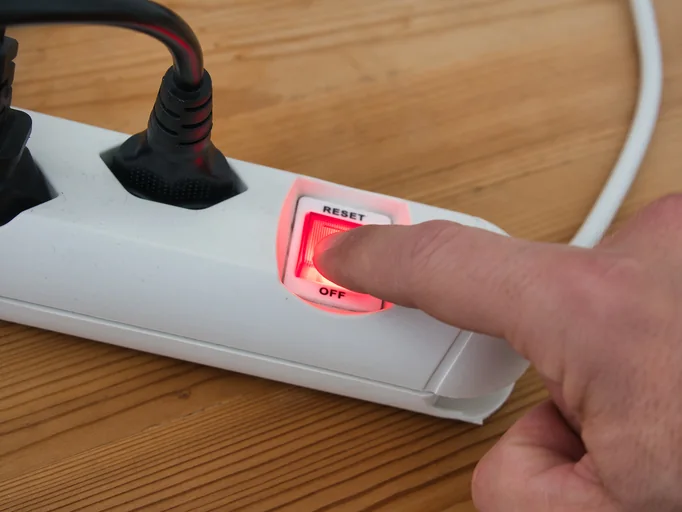
13. Keep paying rent unless you have lawful authority to do otherwise
The LTB tells tenants not to withhold rent on their own because of poor maintenance. An unresolved heating problem does not automatically cancel the rent obligation.
You can ask about remedies through the proper process. The Board can make orders in suitable cases, but you should not assume what it will decide. Get advice before turning a repair dispute into a rent-arrears dispute.
14. Keep receipts without assuming reimbursement
Save receipts for reasonable costs caused by the problem. Record what you bought, why and when. If the landlord agrees to pay for something, get the agreement in writing.
A hotel, extra electricity or a heater is not automatically reimbursed in every case. The evidence, necessity, responsibility and legal route matter. Keep the record even if the final answer is not clear yet.
15. Ask who pays for temporary electric heat
If staff provide a portable heater, ask how long it is expected to be needed, how to use it safely and who handles any extra electricity cost. Do not assume “we supplied the heater” answers the whole question.
For a rough energy calculation, a 1,500-watt heater running continuously for four hours uses six kilowatt-hours. Its real cost depends on your electricity plan and bill. That is a calculation example, not a Toronto Hydro quote or a prediction that the heater will run continuously.
16. Make repair access practical
Reply to proposed visits and keep the path to the equipment clear. Ask who is coming and what work is planned. Keep pets and belongings away from the work area.
Ontario has rules about entry and exceptions for emergencies. Do not assume every repair visit needs exactly the same notice. If access becomes a dispute, ask for advice and save the messages rather than blocking all visits while the problem continues.
Temporary comfort, overheating and cooling
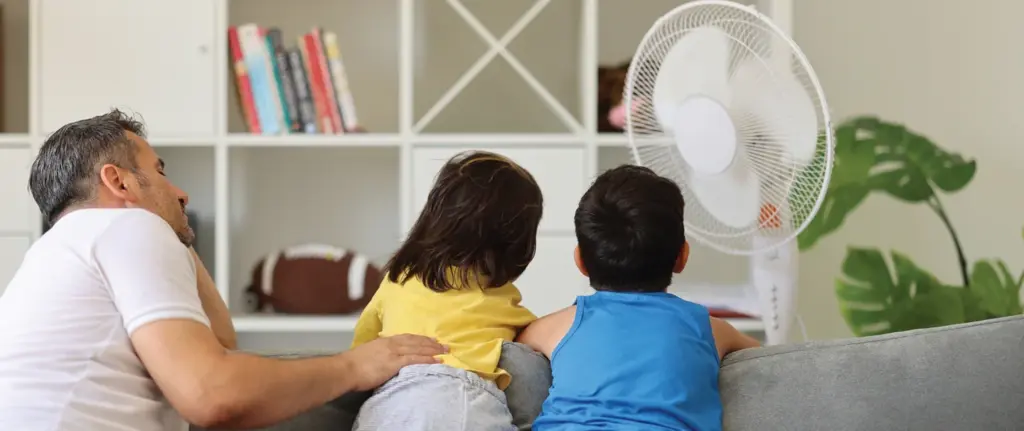
17. Use safe temporary heat only
Never use an oven, barbecue or fuel-burning outdoor heater to warm a room. The City's heating-safety guidance warns against these methods.
Keep a suitable portable heater at least one metre from bedding, curtains and other things that burn. Follow the manufacturer's electrical instructions and keep children and pets away. A portable heater is a temporary measure, not a proper permanent replacement for the building's heat.
18. Treat urgent danger as urgent
Do not wait for a routine complaint response if there is a fire, a carbon-monoxide alarm or another immediate emergency. Leave danger and contact emergency services as appropriate.
If cold or heat is making someone unwell, get medical help. A temperature that satisfies a general building rule does not answer every person's health or disability need. Ask the landlord for a workable arrangement and seek help with accommodation if needed.
19. Report overheating with measurements too
The answer to a 30°C bedroom is not simply “the heat has to be on.” Toronto's minimum rule does not require unnecessary heating when the home is already warm enough.
Record the room temperature, sunlight, control settings and any inability to turn the heat down. Ask staff to check the system. Do not tamper with communal equipment or remove safety devices. Keep the complaint about your actual conditions, not a guessed diagnosis of the whole building.
20. Separate existing AC from a new right to a cool unit
The City says landlord-provided air conditioning must maintain no more than 26°C from June 1 to September 30. The 2026 common-cooling-room requirement applies to qualifying RentSafeTO buildings with the relevant existing space and conditions.
Those rules do not guarantee central AC in every apartment. But Ontario's rules effective July 1, 2026 allow tenants to install a window or portable unit when the landlord does not provide cooling, if all conditions are met. A lease ban alone does not cancel that right.
Give written notice before installation. The unit must be safe, secure, lawful and cause no damage. If electricity is included in rent, provide available efficiency details and intended usage. Also give the months you plan to use it, then notify the landlord when you stop.
For units installed on or after July 1, an allowed seasonal charge cannot exceed the electricity cost, or a reasonable estimate when that cost cannot be determined. It must end when use ends. A lease promising no increase protects that term. Earlier installations have different notice and charge treatment. Mobile-home parks and land-lease communities are excluded. Read the linked rules before buying.
For TCHC tenants, the current RentSafeTO page explains where cooling-room information is posted. For other buildings, ask management for the location, access hours and current arrangements.
A short message you can send
Use plain facts. You do not need to threaten a lawsuit in the first message.
Hello. The heating in unit [number] is not keeping the home warm. At [time and date], the [room] measured [temperature]°C. The thermostat was set to [setting]. The problem began on [date]. I have attached the readings. Please arrange a repair and confirm the temporary plan and next update time. You can reach me at [contact]. Thank you.
If you have already reported it, add the earlier ticket number and date. Keep a copy somewhere you can access outside the building.
| Route | What it does well | Its limit | Our recommendation |
|---|---|---|---|
| Written maintenance request | Starts a clear record and gets staff involved | Can stall without a real plan | First step for a non-emergency |
| 311 complaint | Brings municipal enforcement into the issue | Does not decide every tenancy claim or refund | Use when the problem is unresolved |
| Community legal clinic | Helps identify the right tenancy remedy | Service area and eligibility can limit access | Best next step for a serious or repeated dispute |
| Social-media complaint | Can find neighbours with the same issue | Guesses and public arguments do not fix equipment | Keep it secondary to the actual report |
| Buying more heaters | Can provide temporary comfort in suitable conditions | Added cost and fire risk; does not repair the system | Use only as a safe temporary measure |
Start with a clear request, escalate with the record and seek advice before making expensive decisions.
If heating trouble is one part of a bigger housing problem, the bed-bug and tenant-responsibility guide shows why evidence and the correct reporting route matter across repair issues.
For a longer warm indoor break, see our rainy-day Toronto guide. Our library card guide explains useful public services for Toronto residents. These options help with a difficult day. They do not replace a working heating system.
Frequently asked questions
When does heat have to be on in Toronto apartments?
Toronto's current rule requires rented homes to stay at least 21°C from October 1 to May 15. Heat does not have to run when the room is already warm enough. Provincial vital-service rules also matter outside that local date window.
Is the old September 15 heating date still correct?
Not for Toronto's current 21°C minimum-temperature window. The City now lists October 1 to May 15. Do not confuse the old dates, seasonal operating advice and Ontario's separate vital-service period.
Can my landlord refuse all heat until October 1?
Do not assume that is lawful. The LTB describes heat as a vital service from September 1 to June 15 and gives a 20°C standard. Report inadequate heat and get advice on the rules that apply to your home.
Is a thermostat set to 21°C proof the home is warm enough?
No. It can show the requested temperature rather than the measured one. Use a room thermometer and record conditions in the affected rooms. Ask staff to inspect if the setting and actual temperature do not match.
Who do I call if the landlord does not fix the heat?
The City directs unresolved low-heat complaints to 311 after you have reported the problem to the landlord. Keep the service-request number and update the record. For tenancy remedies or an ongoing dispute, contact an appropriate legal clinic or the LTB.
Can I stop paying rent because there is no heat?
Do not withhold rent on your own. The LTB warns against this even when maintenance is poor. Ask about the proper application and any order that could apply to your case.
Do rented condos follow the same Toronto heat bylaw?
The City's guidance says the landlord of a rented condo unit is responsible for ensuring the heat bylaws are followed. Tell the landlord even when building management controls the equipment. An owner-occupied condo raises a different process.
Does every Toronto apartment now have to provide air conditioning?
No. Requirements for existing landlord-provided AC and qualifying common cooling rooms do not mean every unit must have central AC. Check the current City rules and Ontario's tenant-installation rules for your situation.