


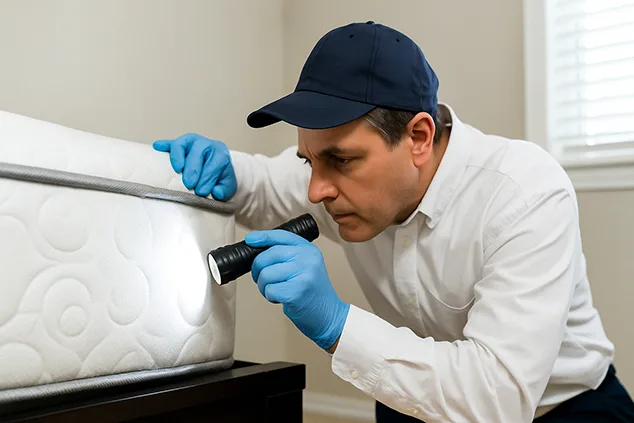
Do not pay for a full bed bug treatment only because you found unexplained bites. Ask for an inspection and written treatment plan first. Toronto quotes reported by residents vary from several hundred dollars for chemical treatment to more than $2,000 for whole-unit heat treatment. Size is only one factor. The method, infestation, follow-up, preparation and warranty can change the total.
Quick picks
- Renters: notify the landlord in writing immediately
- Ask for identification before treatment
- Get at least two written quotes
- Compare follow-up and warranty, not only price
- Do not use alcohol, foggers or improvised heaters
- Keep sleeping in the treated room unless a professional directs otherwise
First confirm that bed bugs are present
Bites alone cannot confirm bed bugs. Look for live insects, shed skins, dark spotting and eggs around mattress seams, the bed frame and nearby cracks. Capture a specimen in a sealed container or clear photograph if possible. A reputable company may recommend monitoring instead of treatment when evidence is absent.
Do not throw out the bed immediately. Moving furniture through a building can spread insects, and a new mattress can become infested if the room is untreated.
What treatment costs include
Ask whether the quote covers inspection, one treatment or several visits, every room, neighbouring-unit coordination, mattress encasements, preparation help, taxes and a written warranty. A cheap first spray can cost more if follow-up is not included.
Heat treatment usually costs more because it requires equipment, monitoring and time. Chemical and physical programmes often require repeat visits. No honest company can promise that preparation and building-wide reinfestation do not matter.
The renter and landlord path
Toronto says landlords and property owners are responsible for maintaining rental units free of pests and taking measures to eliminate infestations. Notify the landlord in writing and request a licensed professional. Tenants must cooperate with access and preparation instructions.
Do not quietly hire a company and assume reimbursement is automatic. Get advice before withholding rent or deducting costs. If the landlord does not respond, contact 311 and a tenant legal clinic for the process that fits the building.
Condo owners and neighbouring units
A condo infestation may involve the unit, common elements or movement between suites. Notify property management even when you own the unit. Ask what the corporation’s rules require and whether adjacent units need inspection.
A private treatment that ignores the building can fail. Request written information about responsibility, access and coordination rather than arguing in the hallway.
Heat, chemical and physical control

Heat can treat belongings and hard-to-reach areas when done professionally, but cold spots and unsafe DIY equipment are serious concerns. Chemical programmes rely on approved products, correct placement and follow-up. Vacuuming, laundering, steaming, encasements and interceptors support the main treatment.
Toronto recommends integrated treatment. One dramatic action is rarely enough. Ask the professional to explain what kills adults, nymphs and eggs, and how success will be checked.
Unsafe advice to ignore
Do not spray rubbing alcohol, use outdoor pesticides indoors, release a fogger or build a homemade whole-room heater. Alcohol is flammable, foggers can scatter insects and improvised heat can cause a fire. Diatomaceous earth also creates an inhalation risk when overapplied.
Use only products registered for the purpose and follow the label. A licensed Ontario exterminator should explain re-entry times for people and pets.
How to prepare without making things worse

Follow the company’s exact checklist. Common steps include laundering and drying suitable items on high heat, sealing clean belongings, reducing clutter and moving furniture as directed. Do not carry loose items into another room.
Ask for help if disability, age, pregnancy, work schedules or lack of laundry access makes preparation difficult. Poor preparation is a service problem to solve, not a moral failure.
How to choose a company
Look for Ontario licensing, a written inspection result, a clear method, preparation instructions, follow-up dates and realistic warranty limits. Ask who performs the work and how complaints are handled. Be cautious with pressure, miracle guarantees and cash-only demands.
Google reviews can reveal communication and follow-up patterns, but reviews do not prove technical skill. Compare the written plan.
What success looks like
Use monitors and scheduled follow-up. Keep records of sightings and bites without treating bites alone as proof. A professional should tell you when the treatment window is complete and what signs require another visit.
Moving without carrying bed bugs
Moving during an unresolved infestation can spread the problem. Tell the pest professional about the date and ask for a packing protocol. Use clean sealed containers and treat suitable belongings before they enter the new home.
Do not move loose mattresses or bags through common hallways. Label discarded infested furniture according to local requirements so another person does not take it home.
Pets, children and chemical sensitivities
Tell the company about every person and animal in the home before treatment. Ask for product names, registration information, re-entry time and written instructions. Aquariums, birds and small animals can need special planning.
“Natural” does not automatically mean harmless. Follow the label and professional directions.
The emotional part is real
Bed bugs can cause severe anxiety and lost sleep. That stress does not prove an infestation, but it deserves care. An inspection, monitoring plan and clear follow-up date can be more helpful than repeated unplanned spraying.
If anxiety continues after professionals find no evidence, speak with a health-care provider rather than paying for endless treatment.
Frequently asked questions
How much does bed bug extermination cost in Toronto?
Quotes vary widely. Residents report several hundred dollars for some chemical programmes and more than $2,000 for some heat treatments. Get an inspection and written scope.
Does a Toronto landlord have to pay?
Landlords are generally responsible for pest-free rental housing and treatment. Tenants must report and cooperate. Get legal advice before paying and seeking reimbursement.
Can I treat one bedroom only?
Sometimes, but bed bugs can move. A professional should inspect the unit and decide the scope.
Should I throw away my mattress?
Usually not before professional advice. Disposal can spread insects and does not treat the room.
Does heat treatment always work in one visit?
No method is an absolute guarantee. Cold spots, preparation, belongings and neighbouring infestations can affect results.
Are bed bugs caused by poor hygiene?
No. Anyone can bring them into a home. Clutter can make inspection and treatment harder, but it does not create bed bugs.
Who should I call if my landlord refuses?
Contact Toronto 311 and a tenant legal clinic. Keep your written notice and all responses.