


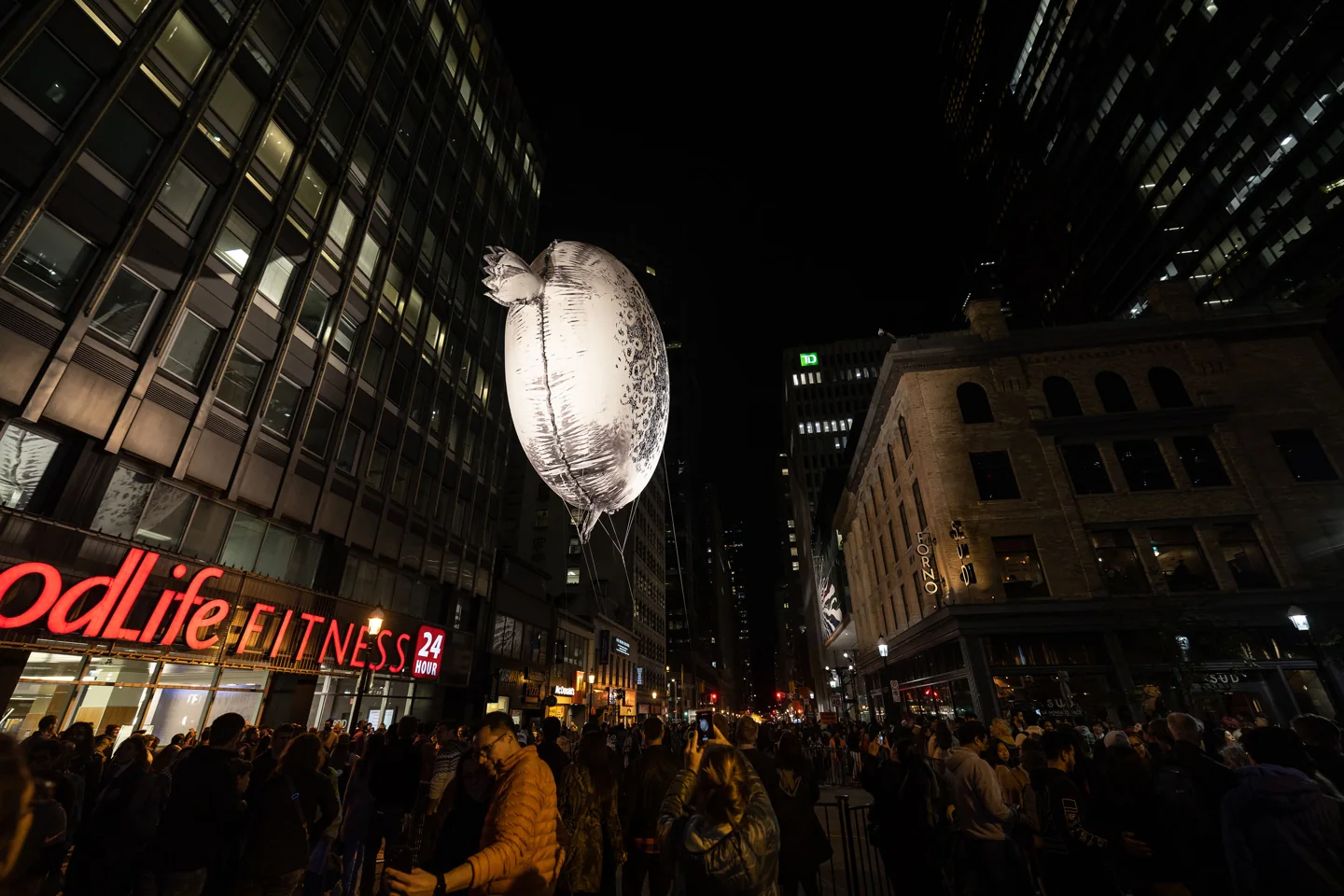
Start at City Hall. For Nuit Blanche Toronto 2026, it gives you several confirmed artworks in one small area, with more inside Old City Hall across Bay Street. That is our best plan for a first visit or a two-to-three-hour night.
Our first picks are in Water, Together for shared play, Avataq for a large outdoor sight and Museum of Lost Things for a slower indoor visit. Wychwood Barns is the best alternative if you would rather stay around St. Clair West and mix art with a market.
Skip a cross-city marathon. Pick one main area and one optional extra. Also skip On Flashing Lights if flashing lights, loud sound or fog are a problem for you. That is a real deal-breaker, not a small footnote.
The City confirms Nuit Blanche runs from 7 p.m. on October 3 to 7 a.m. on October 4, 2026. Admission is free. Food, shopping and your trip home still cost money.
We checked the live project listings and venue programmes on September 10, 2026. This is an editorial shortlist based on those plans. It is not a review of an event that has not happened yet. Artist previews and earlier versions of returning works are labelled in the photo credits. They do not show the finished 2026 night.
Which plan suits you?
| Plan | Our verdict | Main reason | Main limit |
|---|---|---|---|
| City Hall plus Old City Hall | Best first visit | Many confirmed works close together | Indoor queues can slow the second half |
| Wychwood Barns | Best St. Clair West option | Art, studios and a market in one hub | The market ends at 11 p.m. |
| Youngplace | Best for making something | Gallery floors and hands-on activity | Read each activity's schedule |
| Daniels Spectrum | Best Regent Park plan | Community art and family activities | GLOW market also ends at 11 p.m. |
| The Bentway | Best for a single thoughtful stop | Public Trust invites participation | One artwork should not be sold as a full route |
Our choices compare distance, format and published access details. The quality of the finished October installations is still unknown.
Our two-to-three-hour City Hall route
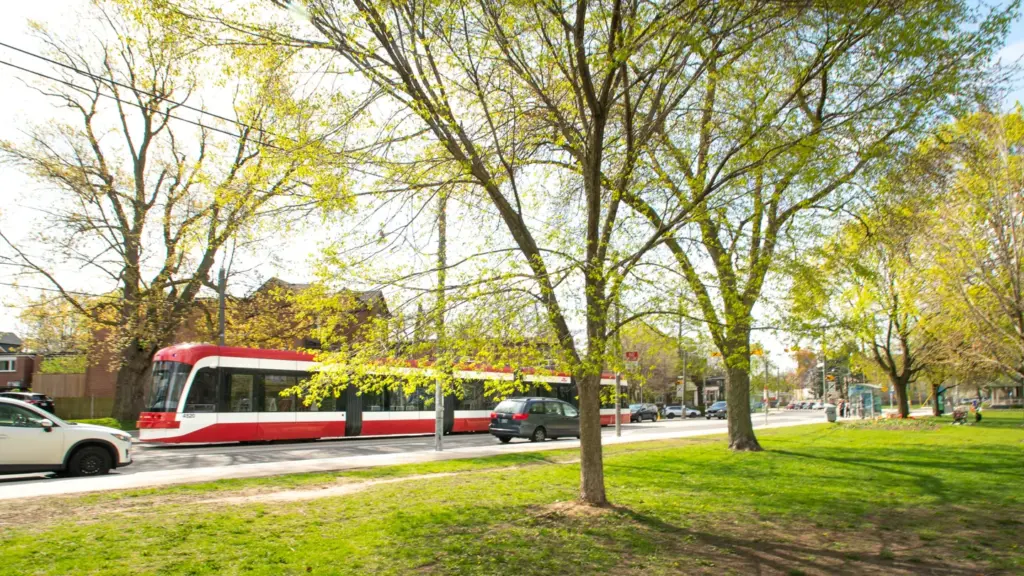
Begin around 7 p.m. near Nathan Phillips Square, 100 Queen Street West. See Avataq, in Water, Together and Blankets (Under) Cover. Watch for the hourly band performance, then look at the words on City Hall's east tower.
Check the line and access route for Echoes of the Apiary on the podium roof. If the wait is long, keep moving. Cross at the marked crossing to Old City Hall, 60 Queen Street West. Choose Museum of Lost Things and one performance or sound work inside. Finish with R.I.S.E. in the courtyard if its programme suits your arrival.
These are planning allowances, not measured walking or queue times:
| Part of the night | Allow | What to do |
|---|---|---|
| Outdoor City Hall works | 45–60 minutes | Take in three or four pieces rather than rushing all of them |
| Roof or garage choice | 20–35 minutes | Pick one only if the entrance and wait work for you |
| Old City Hall | 45–60 minutes | Choose two experiences; ask volunteers about current lines |
| Break and leaving time | 20–30 minutes | Use an official event centre, then head toward your chosen transit stop |
The outdoor cluster is the strongest part of this plan because you can change your mind without a long walk. Rain, crowds and access routes can stretch every part of it. If you have only 90 minutes, stay at City Hall and leave Old City Hall for another plan.
1. in Water, Together: our first interactive pick
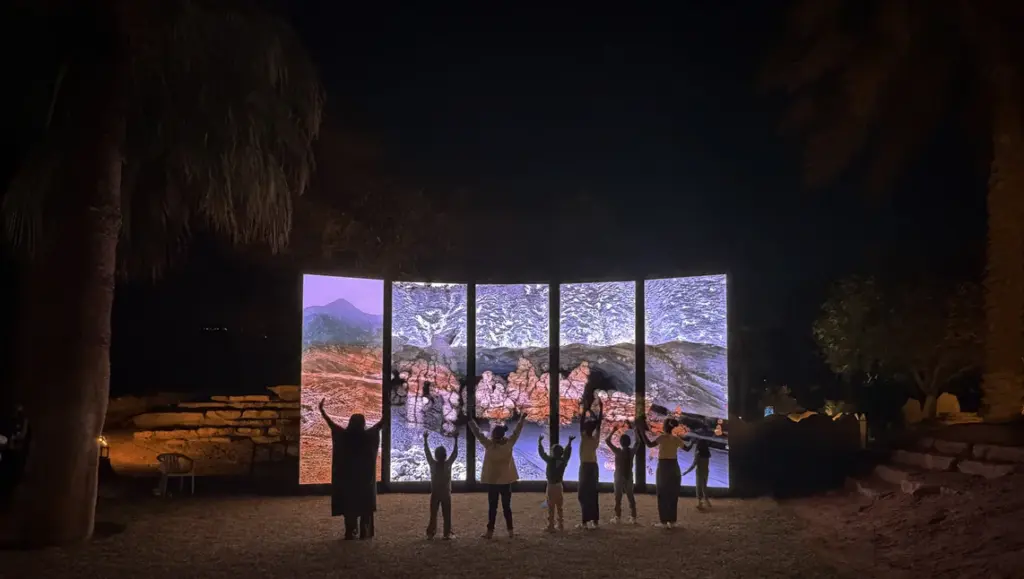
Artist: Alexandra Gelis. Location: Nathan Phillips Square, near the reflecting pool, 100 Queen Street West. Best for: friends or families who want to do more than look.
Moving images and sound respond as visitors move through the work. Its source material includes water and plant life recorded during the artist's fieldwork. The full effect depends on people taking part together.
The good: participation gives a group a clear way into the artwork. The limit: the preview does not tell us how many people can use it comfortably at once. A crowd may change the experience.
Try it when there is room to move. Give other visitors a turn instead of claiming the best spot for a long photo session. Official project details.
2. Avataq: the clearest outdoor starting point
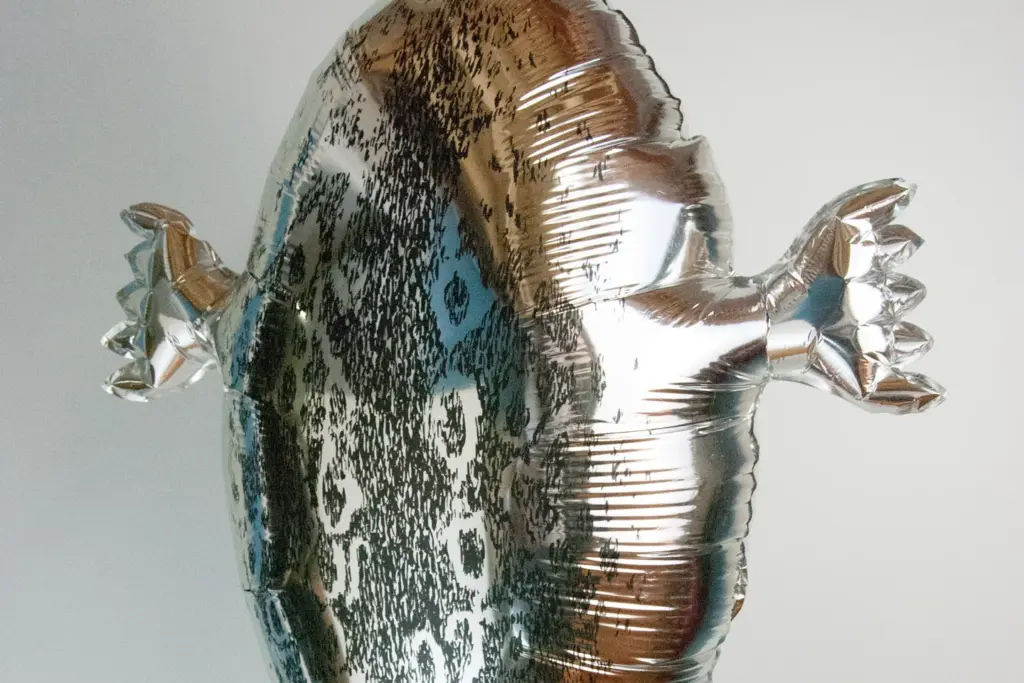
Artist: Couzyn van Heuvelen. Location: Nathan Phillips Square, 100 Queen Street West. Best for: a first stop with a strong visual form.
The planned 30-foot inflatable draws on an avataq, a traditional Inuit hunting float made from sealskin. Van Heuvelen connects that form with the familiar shape and feel of a foil balloon. An earlier version appeared at Nuit Blanche in 2022.
The good: a large outdoor work can be appreciated from different positions. The limit: seeing the shape is only the start. Read the artist's short explanation or you will miss what gives it meaning.
Use the square as your meeting area, but agree on a fixed landmark at ground level. Do not use the balloon's exact position as your only meeting point. Official project details.
3. band band clock: time your arrival to the hour
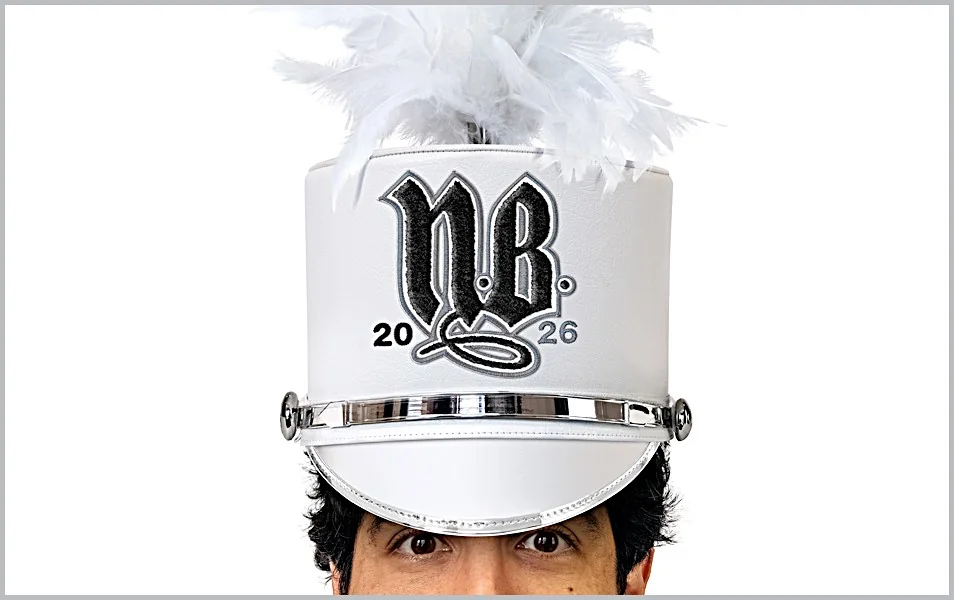
Artist: Lisa Kiss, with musical and performance collaborators. Location: City Hall ramp and Nathan Phillips Square. Best for: people who prefer live sound and movement.
The programme brings together marching bands to mark the hours. The City lists an appearance on the hour, with a procession across the square. Keith Cole leads the performance with musicians and other collaborators.
The good: this gives your route a useful time marker. The limit: it is loud. A scheduled appearance is also easy to miss if you are stuck in an indoor queue.
If this is your priority, stay outside as the hour approaches. If loud music is difficult for you, choose another point in the route and keep some distance. Official project details.
4. Everything I Wanted to Tell You: stop long enough to read
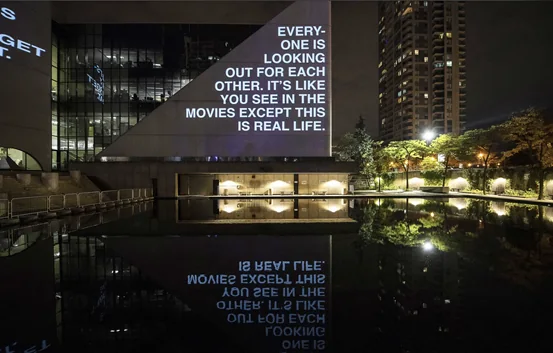
Artist: Hiba Abdallah. Location: City Hall's east tower, 100 Queen Street West. Best for: stories about Scarborough and the people who shape it.
This returning text-based work grew from conversations and workshops with Scarborough residents. It brings personal memories into public space. Its 2026 location is City Hall, even though its community roots and earlier presentation are in Scarborough.
The good: the words reward attention without asking you to understand a complex art form first. The limit: a quick glance at one line will give you only a small part of it.
Give it a few minutes. Read more than one passage before deciding what it is saying. The photograph shows the earlier 2018 presentation. Official project details.
5. Blankets (Under) Cover: our pick for a slower outdoor look
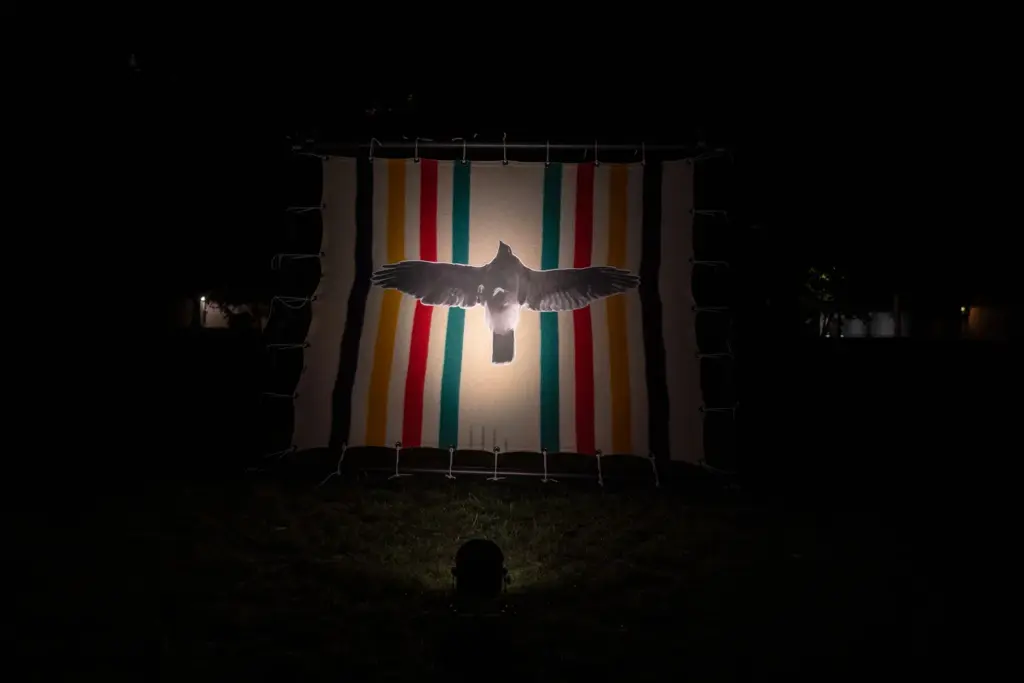
Artist: Shelley Niro. Location: south lawn at Nathan Phillips Square. Best for: viewers interested in history, family and the stories objects carry.
Thirteen stretched point blankets refer to Canada's provinces and territories. Images on them explore wildlife, Indigenous life, trade and the harm tied to colonial economies. The work returns from the 2022 programme.
The good: you can compare individual blankets rather than treating the installation as one fast photo. The limit: its detail is easy to lose in a hurried group or a thick crowd.
Choose two or three blankets and look closely. Read the context, then decide whether you want to spend longer. It is a better stop for patient viewing than a race for the loudest spectacle. Official project details.
6. Echoes of the Apiary: try it if the roof queue is reasonable
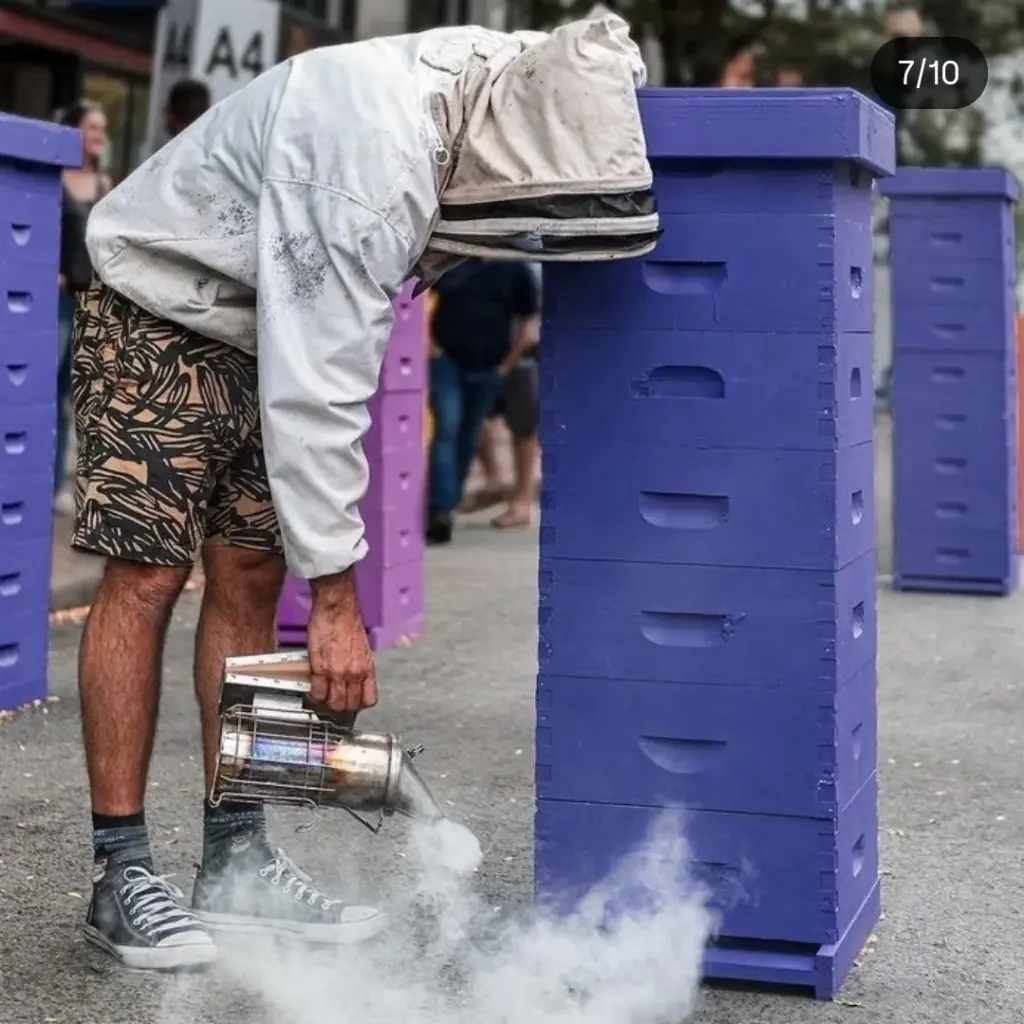
Artist: Joseph David Providence Farrugia. Location: City Hall podium green roof. Best for: a work built around sound, light and atmosphere.
Illuminated beehive forms, low buzzing sounds, voices and drifting smoke turn the roof into an imagined apiary, or place for beehives. The project draws on Farrugia's work as an artist and beekeeper.
The good: the setting should offer a different pace from the square below. The limit: access to the roof and the use of smoke deserve a check. Do not assume an open-air location means there are no sensory concerns.
Ask the event team about the current entrance, step-free route and wait. If any of those make the visit awkward, keep the outdoor square works as your main plan. Official project details.
7. On Flashing Lights: best for dancing, with clear limits
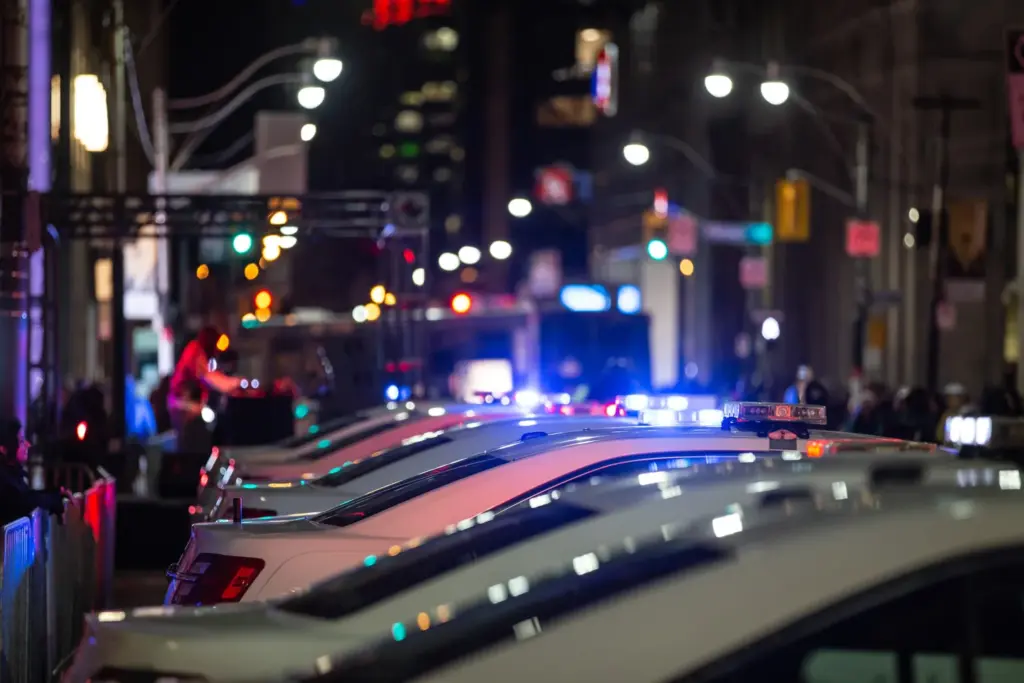
Artist: Brendan Fernandes. Location: underground parking garage at Toronto City Hall. Best for: adults who want dance, music and a work about gathering in public space.
Police vehicles, flashing lights and music create an uneasy meeting of celebration and surveillance. The 2026 programme names Shaun J. Wright, Nino Brown and Krishawn among the DJs.
The good: it offers a very different experience from quietly looking at sculpture. The limit: flashing lights, loud sound and fog can make it unsuitable. Choose another project if those features cause difficulty.
The project text directs visitors to the Bay Street ramp at City Hall and notes elevator access. Its address field and directions are inconsistent, so confirm the marked entrance with event staff. The map above marks the City Hall complex, not an exact garage door. Official project details.
8. Museum of Lost Things: our first indoor choice
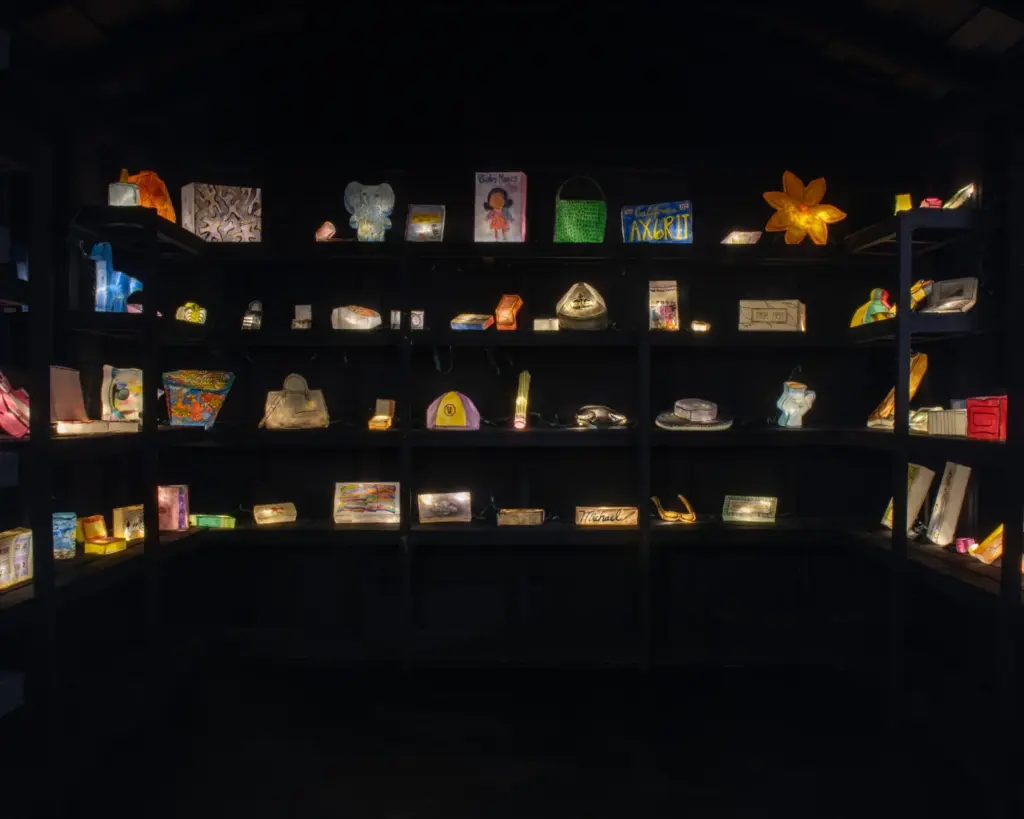
Artists: Rhonda Weppler and Trevor Mahovsky. Location: former library, Room 155, Old City Hall, 60 Queen Street West. Best for: a thoughtful stop with a simple idea behind it.
People drew objects they had lost, given away or used up. The artists turned those memories into lanterns made with wire and beeswax. The Toronto installation brings the glowing objects into the former Library of Justice.
The good: almost everyone knows what it feels like to lose an object that matters. The limit: an indoor room can become a bottleneck. The photograph shows the earlier New York installation, not the Toronto room.
This is our first indoor pick because the idea is clear and the small objects invite careful looking. Give it time if the queue fits your night. The City also lists a companion book in limited quantities while supplies last. It does not confirm a price or guarantee a copy. Official project details.
9. Everything and Nothing: choose it for the words
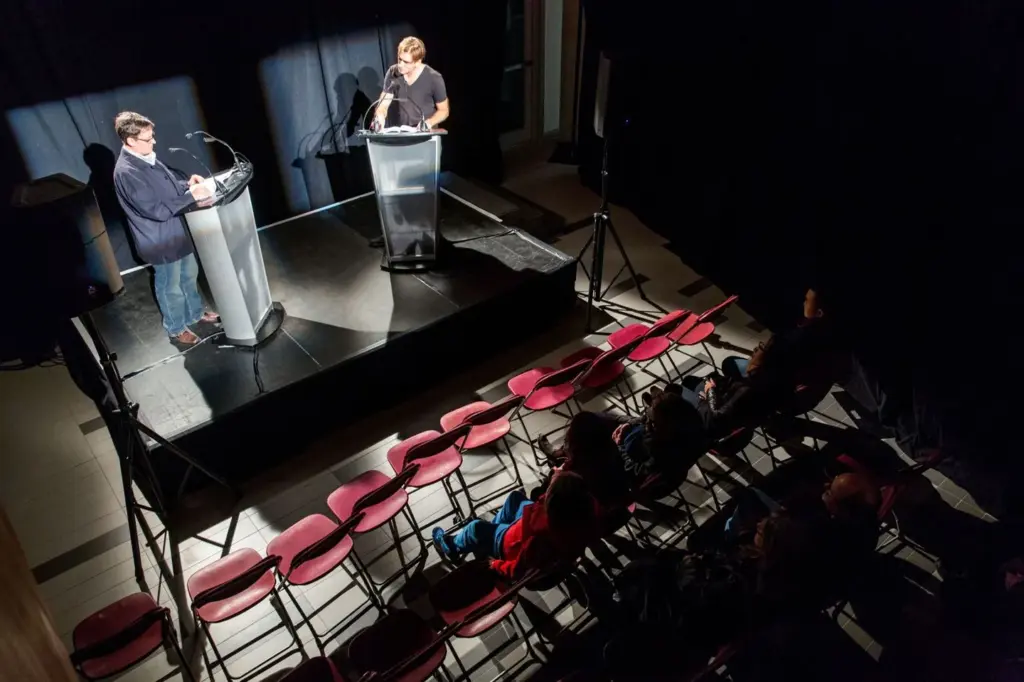
Artist: Kelly Mark. Location: courtroom at Old City Hall. Best for: people who enjoy spoken performance and dry humour.
Pairs of performers trade phrases about “everything” and “nothing,” then reverse roles. The 2026 restaging involves people from Mark's family, friends and wider community. It returns a work first presented at Nuit Blanche in 2014.
The good: a familiar phrase can change meaning when another person answers it. The limit: this needs listening time. It is a weak choice if your group only wants large visual effects.
Stay for an exchange rather than walking in and out after one sentence. If the room or schedule does not fit, choose a different Old City Hall work. Official project details.
10. Simile Aria: best for people drawn to sound
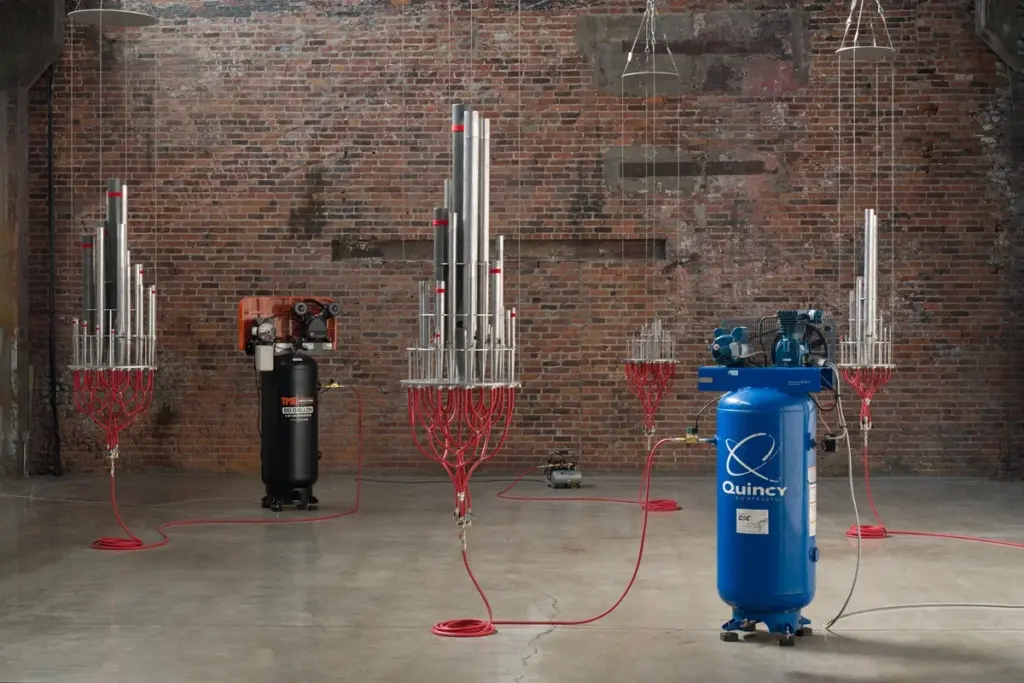
Artist: Maggy Hamel-Metsos. Location: multiple locations inside Old City Hall. Best for: visitors who want to hear and feel a work.
Air compressors bring salvaged organ pipes back to life. The piece uses breath-like sounds to explore feeling, voice and expression. You do not need to know musical terms to begin. Listen to how the sound changes your sense of the room.
The good: it adds a different form to a route full of images. The limit: strong sound can be tiring or uncomfortable. The preview does not establish a quiet listening experience.
Ask where it is installed and what the sound level is like before entering. Make this your sound stop if that is what you enjoy; do not force it into a low-sensory plan. Official project details.
11. Ephemera: The Art We Didn't Make: best for joining in
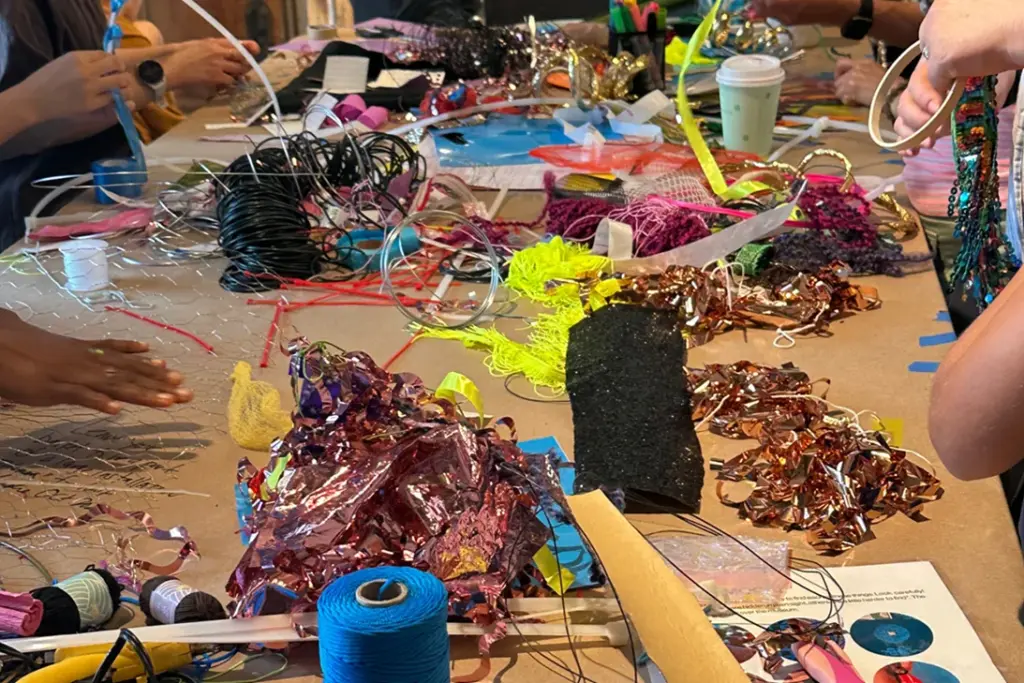
Artist: Blessyl Buan, collaborating with Toronto Dance Theatre. Location: Old City Hall. Best for: visitors interested in movement and unfinished ideas.
The project combines dance, sound and a changing installation. Visitors can contribute thoughts about ideas and forms of expression that never had the chance to grow. Materials gather through the night, so the work is intended to change as people take part.
The good: you can add something rather than only watch. The limit: participation and performance need attention. It is not a fixed object you can fully understand from a doorway.
Read the invitation, watch first and take part if it feels right. The photo shows a related August 2026 workshop, not the completed October installation. Official project details.
12. R.I.S.E. Through the Ages: choose it for live community stories
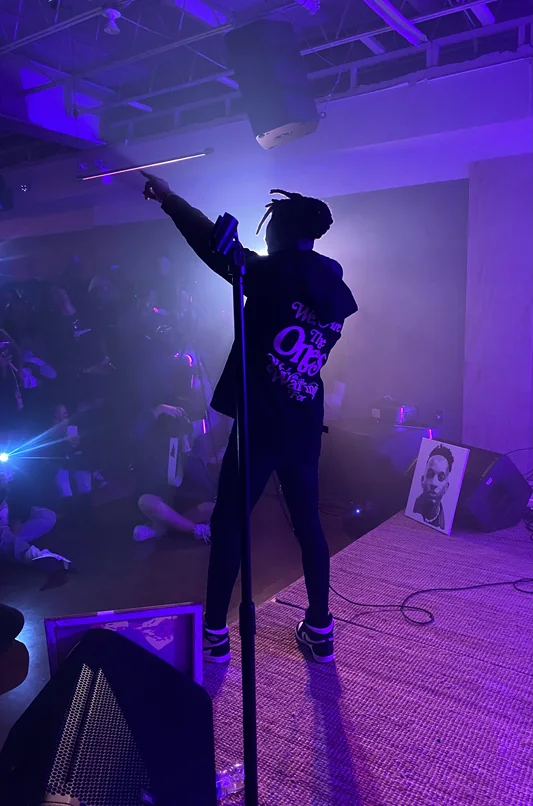
Artists: R.I.S.E. Edutainment. Location: Old City Hall courtyard. Best for: music, poetry and stories rooted in Scarborough.
The programme traces R.I.S.E.'s growth through memories, visual material and live performance. Visitors can also leave reflections that become part of a shared record of the night.
The good: it puts people and their voices at the centre. The limit: the experience will change with the performance schedule. Passing through between acts is not the same as seeing a full set.
Check the day's programme and choose an act you want to hear. Use this as a reason to pause in the courtyard, not another box to tick. The City lists ASL support for this project; check the relevant performance details. Official project details.
13. Rosa's Garden: a gentle idea near Osgoode Hall
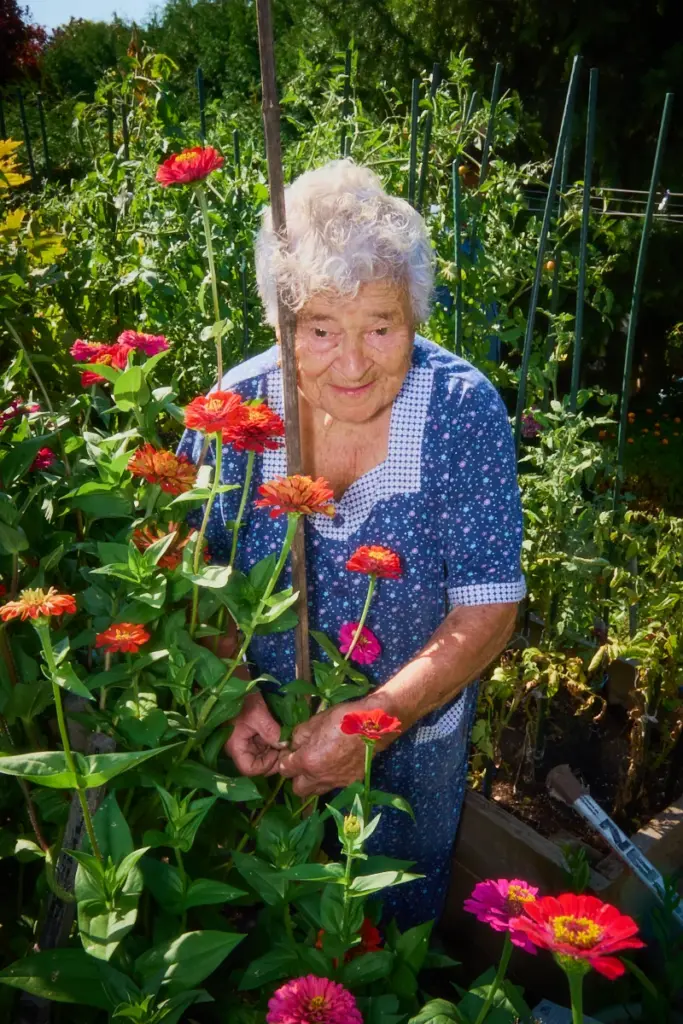
Artist: Marco Baldonado. Location: exterior rotunda laneway at Osgoode Hall, 361 University Avenue. Best for: stories about family, ageing and daily care.
The work draws on Baldonado's grandmother Rosa and her garden. Clotheslines, printed fabrics, baskets and a moving portrait lead visitors through memories of her growing seasons.
The good: its starting point is personal and easy to grasp. The limit: fabrics, a passageway and other visitors may make movement slower than the map suggests. Follow the signed event entrance rather than assuming every gate is open.
Add it to the west edge of the City Hall route if the entrance is clear and your group has time. This is a better fit for patient looking than a hunt for loud effects. Official project details.
14. UFO: a quick visual stop with sensory warnings
Artist: Brandon Vickerd. Location: Queen Street West road-closure area at 130–132 Queen Street West. Best for: people drawn to sculpture and science-fiction imagery.
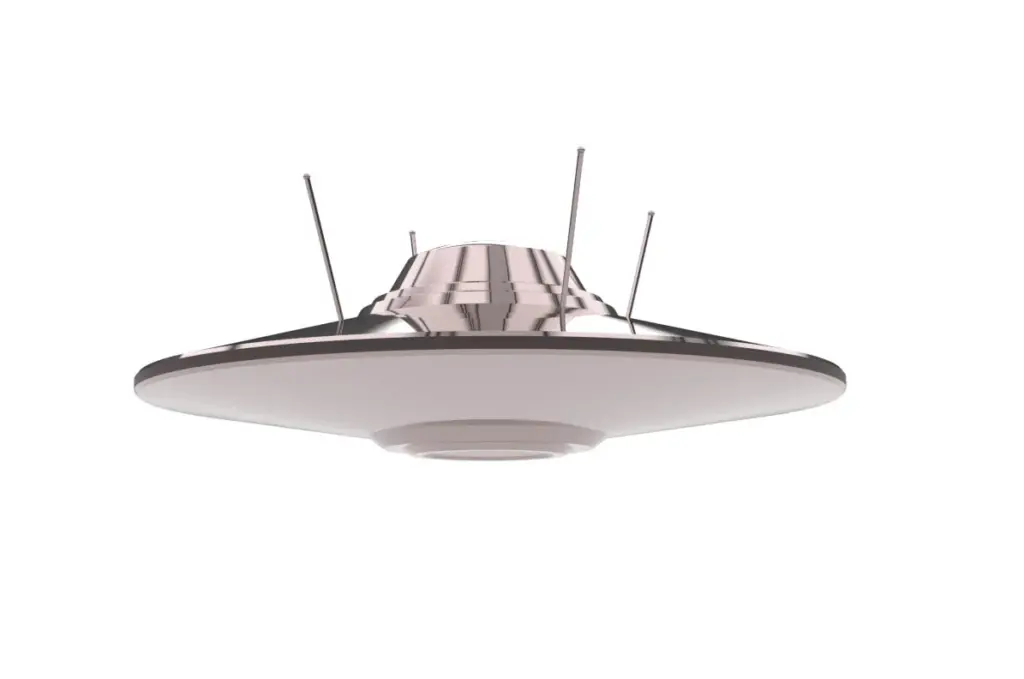
The planned work places a flying saucer on a crushed car. It uses an old-fashioned vision of space travel to explore spectacle, conspiracy and the stories people choose to believe.
The good: the basic scene is easy to understand without a long introduction. The limit: the project includes strobing lights and smoke. The City also warns of uneven ground in the viewing area.
Treat the image as the artist's rendering, not a photograph of a completed Toronto crash scene. Add this as a nearby stop only if the sensory features suit you. Official project details.
15. Ever Sick: movement on your own terms
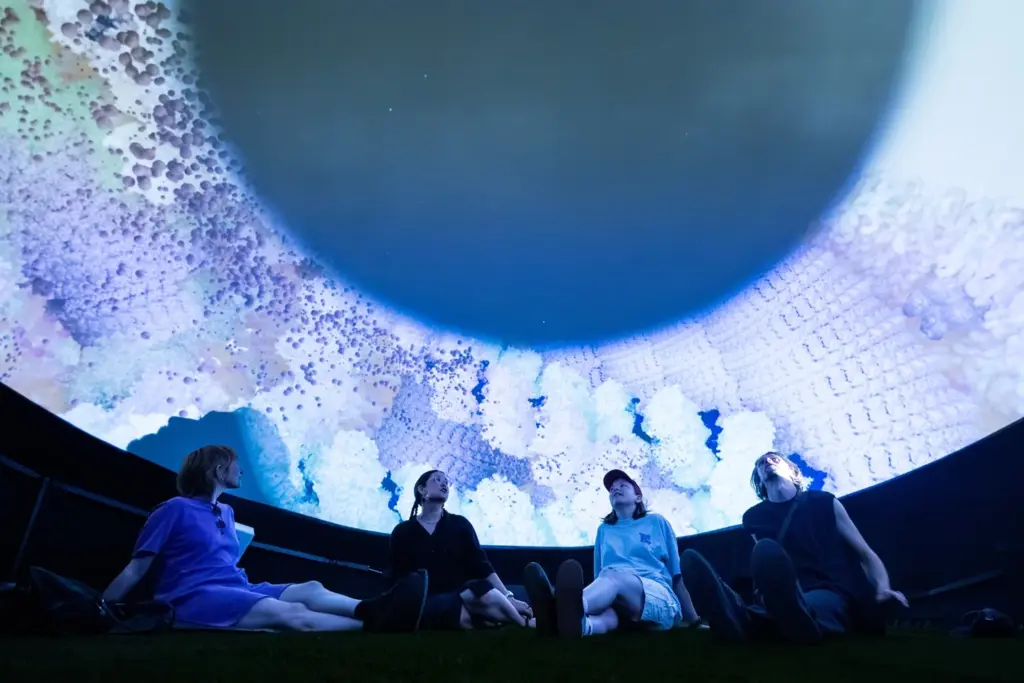
Artist: SJ Okemow. Location: Trinity Square Labyrinth, 24 Trinity Square. Best for: an interactive work shaped with disabled and chronically ill people in mind.
The project draws on the jingle dress dance tradition. Visitors move through a projected circle in ways that work for their bodies, shaping sound and animation. Live performers open the circle, and a closing ceremony is planned.
The good: participation does not demand one “correct” kind of movement. The limit: opening and closing ceremonies happen at particular times. The general festival hours do not tell you when each ceremony begins.
Check the final schedule if a ceremony is your reason to go. Respect the circle and the artists' guidance. This is an optional northward extension from City Hall, not a required detour. Official project details.
16. Avataq Gathering: add it if you are already heading north
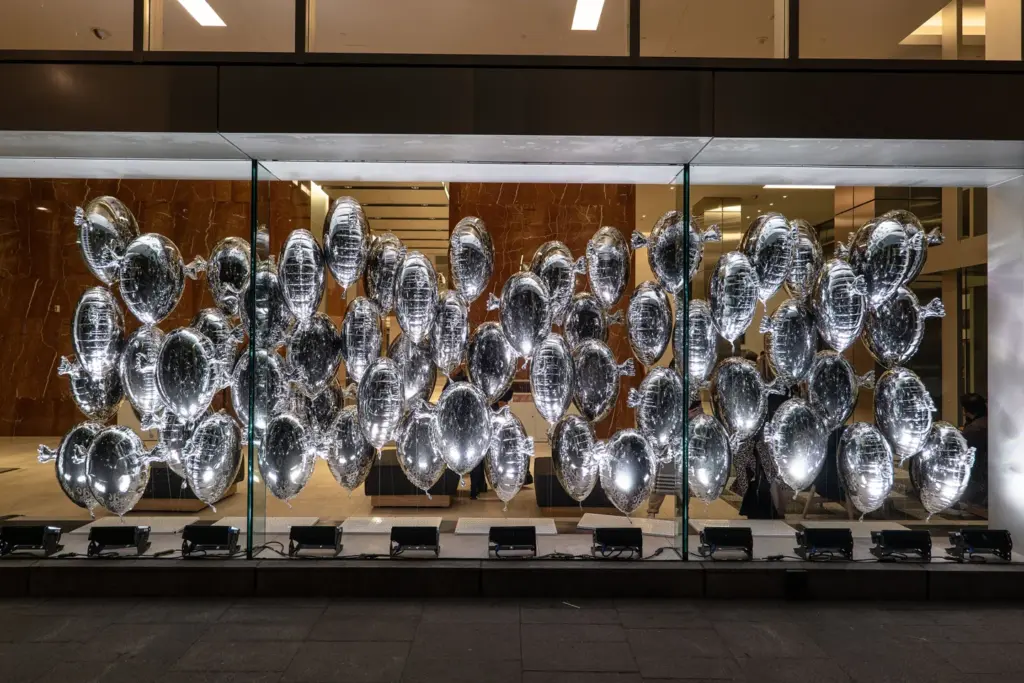
Artist: Couzyn van Heuvelen. Location: windows at Chelsea Hotel, 33 Gerrard Street West. Best for: a short addition to a northbound walk.
Multiple foil-balloon forms will fill the windows. This connects to the artist's larger Avataq at Nathan Phillips Square, using the traditional Inuit hunting float as a starting point.
The good: seeing the same idea at a different scale can be interesting. The limit: it is not our reason to cross town. If time is short, the main City Hall work takes priority.
The project schedule lists October 2–10. Add it after Trinity Square when it fits your way home, or check a daytime visit within those dates. The photograph shows the earlier waterfront presentation, not the Chelsea Hotel display. Official project details.
17. Youngplace: best for a whole evening under one roof
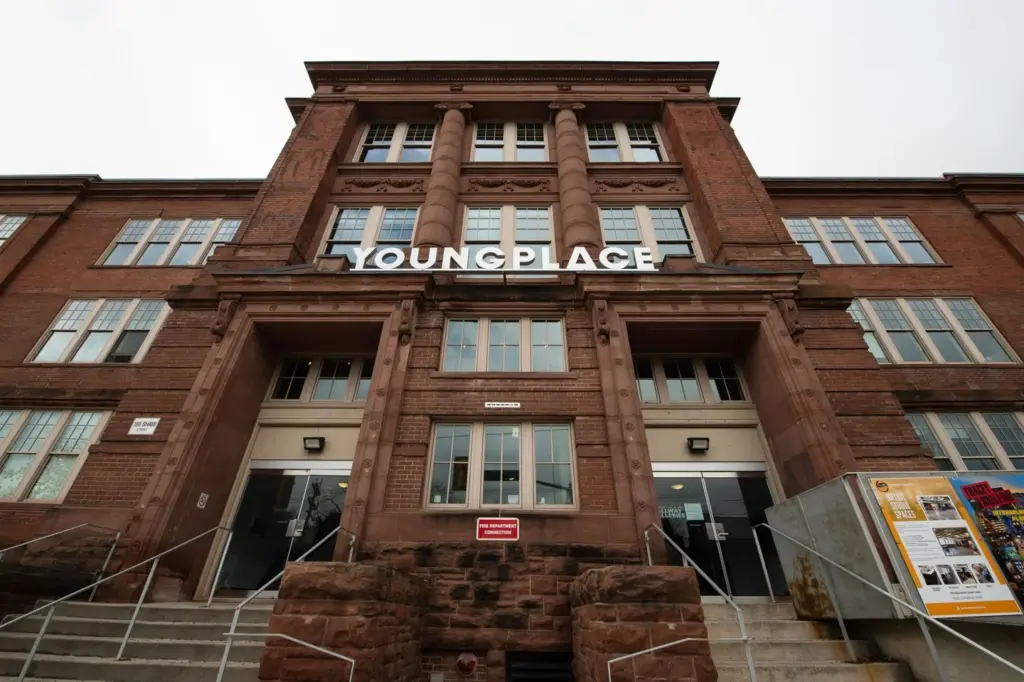
Location: 180 Shaw Street. Best for: West Queen West visitors and people who want to make something.
Familiar Echoes at Youngplace runs from 7 p.m. to 7 a.m. Its published programme includes Paula Hartmann's Many Colours, One Sky, fan making, Greg Angus's exhibition and work from Avenue Road Arts School. The Material Library lists 12 hours of crafting.
The good: several floors of activity reduce outdoor travel. The limit: the building-wide hours do not promise every workshop or performance runs without a break. Check individual listings and any registration request.
The venue describes itself as accessible. Ask about the specific floor, lift and activity if those details matter for your visit. Choose Youngplace as your main hub rather than tacking it onto a crowded downtown plan.
18. Wychwood Barns: our best alternative to downtown
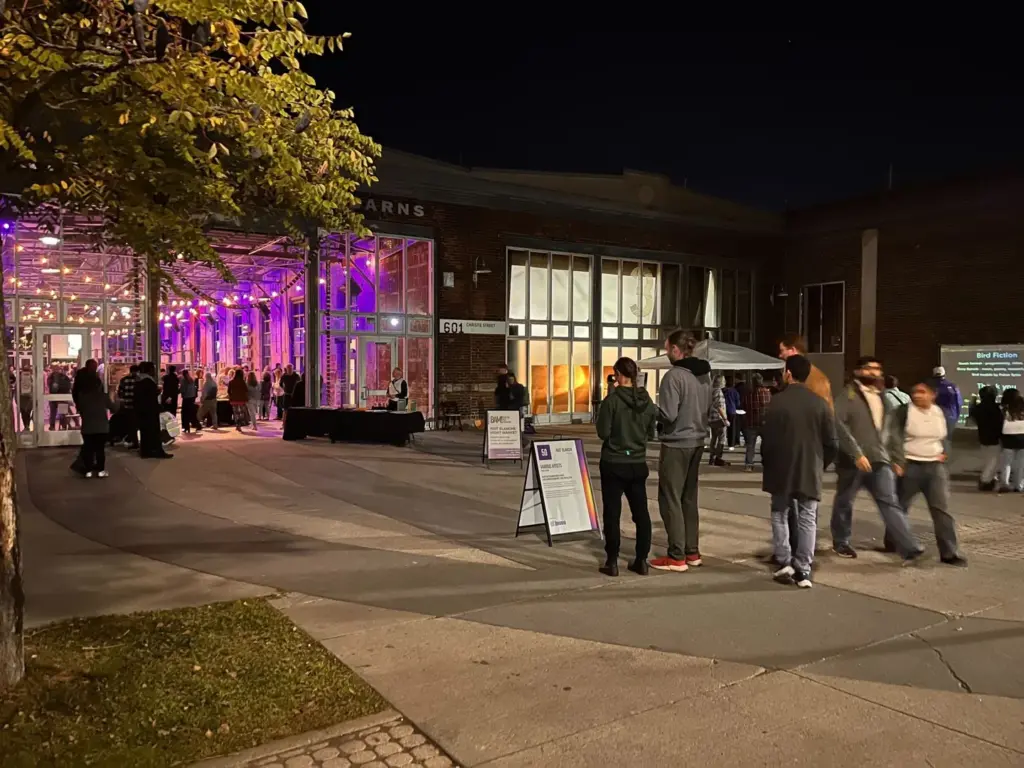
Location: 601 Christie Street. Best for: St. Clair West residents, families and people who like meeting artists.
Stories in Place includes an interactive light work, open studios and shared art making. The wider programme runs from 7 p.m. to 7 a.m. The BAM! art market runs 7–11 p.m. in Barn 2 and lists more than 35 artists.
The good: you can build a compact evening around a real venue. The limit: a market visit after midnight misses the market. Purchases are extra even though entry is free.
The venue points visitors to the 512 St. Clair route and describes the facility as accessible. Check TTC diversions for the night. Go early enough to shop, then stay for the art if you still have energy.
19. Daniels Spectrum: the Regent Park choice
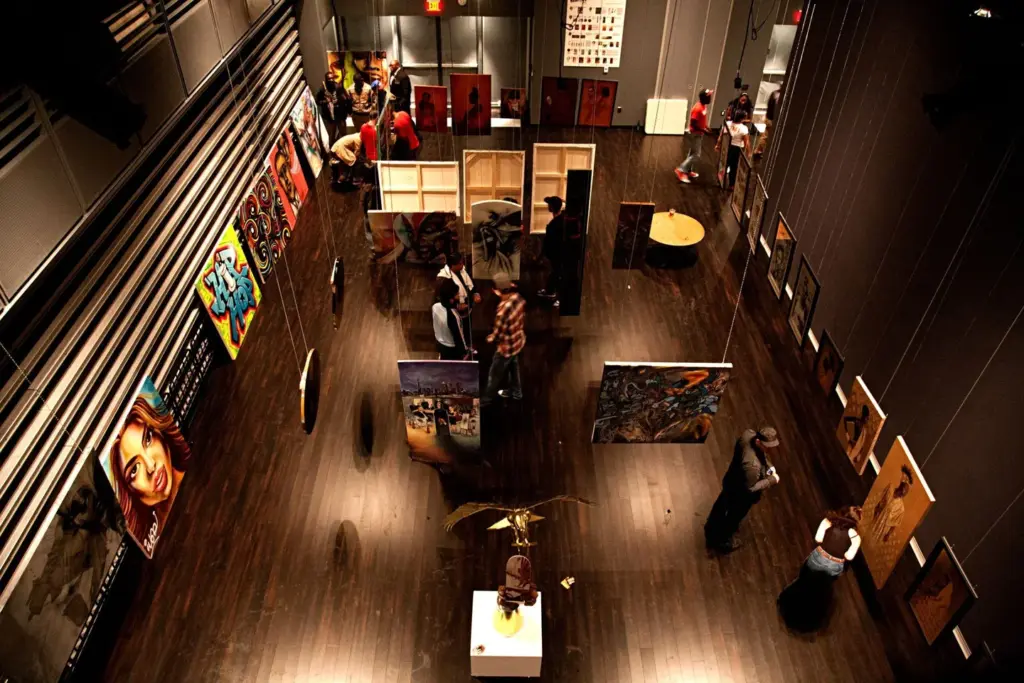
Location: 585 Dundas Street East. Best for: community stories and family art activities.
Echoes of Us brings visual art, sound, storytelling and participation into Daniels Spectrum. The programme names artists including Morgan-Paige Melbourne, Komi Olaf, Melissa Falconer and Benny Bing.
The good: the theme is tied to the people and history of Regent Park. The limit: the GLOW market ends at 11 p.m., while the broader programme continues overnight. Read those as two different schedules.
Choose it as your east-side hub. If you need a specific activity, performance time or access arrangement, check the venue's programme before leaving. A gallery building is not a promise that every activity suits every visitor.
20. Public Trust at The Bentway: best for one meaningful exchange
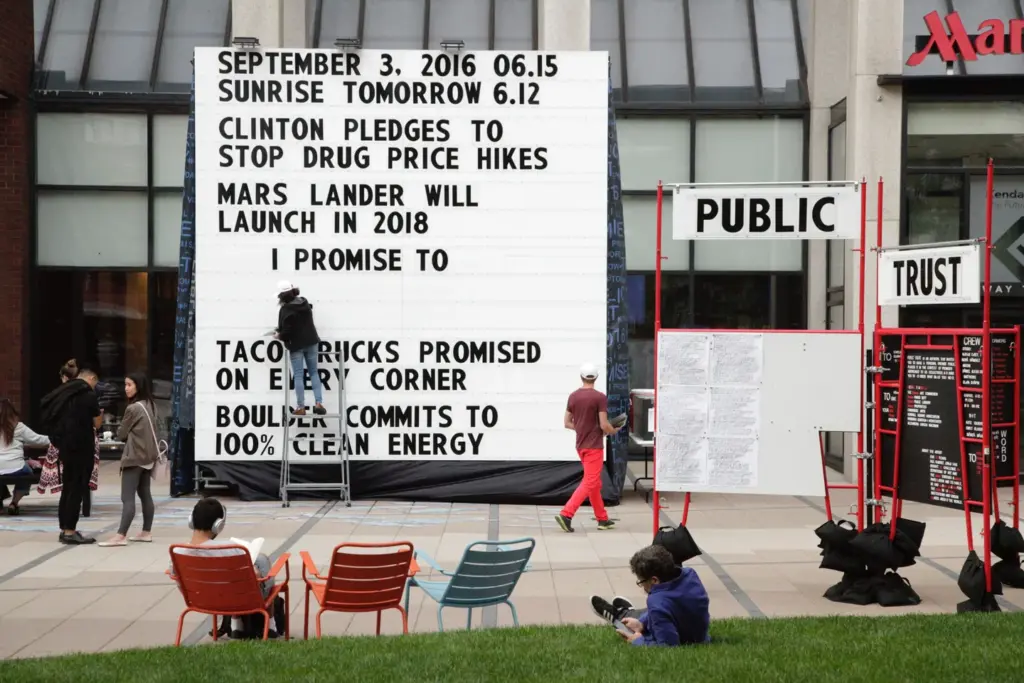
Artist: Paul Ramírez Jonas. Location on Nuit Blanche: The Bentway, 250 Fort York Boulevard. Best for: people who want conversation and participation.
In Public Trust, visitors make a promise. It is recorded in a drawing they can keep and shared anonymously on a large board alongside other public promises. You can also look without taking part.
The good: the invitation is clear and personal. The limit: an individual exchange can take time, and the work uses written and spoken English. The preview photograph is from Boston in 2016.
The Bentway lists October 3 hours of 1 p.m. to 7 a.m. the next morning. It also offers other dates at this location and elsewhere before the festival. Choose a daytime visit if you want the work without an overnight outing. Do not confuse its earlier waterfront stops with the October 3 venue.
Queues, food, washrooms and getting home
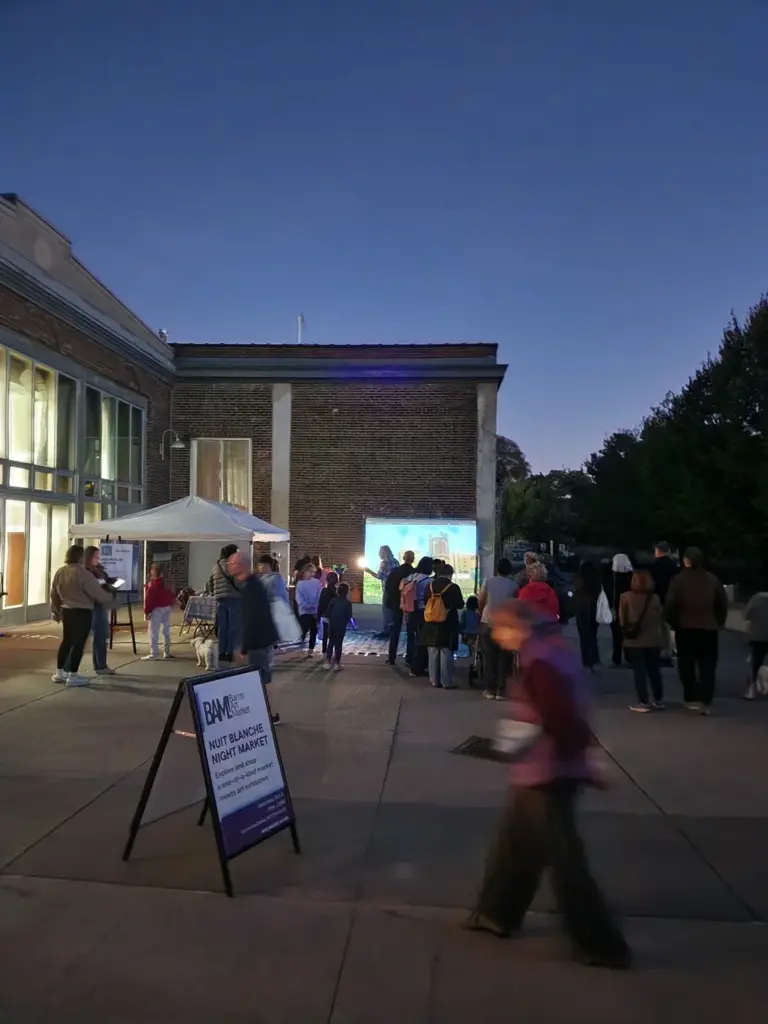
Set a queue limit before you arrive
Our suggested limit for a short night is 15–20 minutes per unplanned stop. This is an editorial rule of thumb, not a forecast. Make one exception for your top pick. If three indoor lines all look long, return to the outdoor works rather than spending the entire evening waiting.
Eat before the busiest part of the night
Have dinner near your starting area and keep a small snack budget. Do not assume a food hall, café or restaurant will stay open because the festival does. A late-night meal is an extra stop with its own hours and queue. Our Toronto rainy-day guide has indoor alternatives if you change the plan. Check each business’s October 3 hours directly.
Choose hands-on work with your clothes in mind
Ask what materials are used before joining a messy activity, and find the handwashing point first. Carry a few tissues and wear layers you can walk in for hours. Old stories about a paint-covered table do not establish that any 2026 project uses the same materials.
Use official event centres for practical help
The City's accessibility page says all event centres have accessible washrooms. Locate one on the official event map before beginning. A park on Google Maps does not prove its washroom is open overnight. Ask a volunteer if the nearest listed facility is closed or hard to find.
Check access for each work
Use the City's project filters for step-free access, captions, tactile elements and ASL. One building's access does not describe every room or performance. Some support needs advance notice. If you want a lower-stimulation night, start with the published relaxed options and confirm the sound and lighting details.
Consider the extended programme
The City lists selected projects for October 6–10, including Museum of Lost Things, Simile Aria, Ephemera and Echoes of the Apiary. Individual hours vary. This is our better option if the art interests you but the overnight crowds do not. Check the exact project before travelling; not every performance or participation element is promised on the extra dates.
The City also suggests 4–7 a.m. for many lower-sensory visits. That is guidance, not an empty-venue guarantee. Markets and some activities finish earlier, and a difficult trip home can cancel out the benefit of smaller crowds.
Keep the remote option in mind
The disability-led Remote Access Hub will offer a broadcast with descriptions, ASL and captions. The City's access page names Theatre Passe Muraille for the in-person hub, while its project listing still points to City Hall. The physical location is still unconfirmed as of September 10. Confidence is low because the two current City sources conflict. A corrected listing or confirmation from the organizer would settle it. Use the official access page for the final viewing link and venue update before making a trip. The online option does not depend on resolving that street address.
Don't assume the TTC is free or every subway runs all night
We had not confirmed an event-specific 2026 TTC overnight service or free-fare announcement at the time of this check. Confidence in any assumed special 2026 service is low until TTC publishes a dated notice. Read TTC service updates close to October 3. The normal Blue Night network is a different service from the daytime subway network. Plan the journey for the hour you intend to leave.
If you are using GO, check the last workable connection and one backup before going out. “The art runs until 7 a.m.” does not mean your train does. End the night while getting home is still simple. Our TTC after the subway closes guide explains the overnight basics. Read our TTC fare-capping guide before choosing how to pay.
Frequently asked questions
When is Nuit Blanche Toronto in 2026?
It runs from 7 p.m. on Saturday, October 3, to 7 a.m. on Sunday, October 4. Individual markets, performances and activities can have shorter hours. Check the listing for the part you want to see.
What is the best short Nuit Blanche route?
Start at Nathan Phillips Square and City Hall, then choose a few works at Old City Hall across Bay Street. That keeps several confirmed projects close together. Allow two to three hours, including breaks and possible lines.
Should I try to see all 20 picks?
No. The shortlist helps you choose, not race across Toronto. Pick a main hub, three or four priorities and one optional extra. You will have more time to understand the work and enjoy the night.
Is Nuit Blanche free?
The official art programme is free. Food, drinks, market purchases, parking and travel are separate costs. Some free venue activities ask you to register, so read the event page before arriving.
Is Nuit Blanche good for children?
An early, short visit can work well when you choose suitable projects. Youngplace, Wychwood Barns and Daniels Spectrum publish hands-on or family activities. Avoid assuming that flashing lights, smoke, loud music or a very late finish will suit every child.
Which projects should I avoid if I am sensitive to flashing lights?
On Flashing Lights explicitly uses flashing lights, and UFO's project description also includes strobing. Read the latest sensory notices for every planned stop. Leaving a project that feels uncomfortable is a sensible choice.
Are the photos from Nuit Blanche 2026?
The event has not taken place at the time of this check. The images show artist previews, related work, participating venues or earlier presentations. Captions identify the source and year when supplied, rather than passing old photographs off as the coming event.
Can I enjoy the event without staying up all night?
Yes. A focused evening is our recommendation for most first-timers. Some works also have extended dates, and Public Trust has daytime visits. Check each project's dates rather than assuming the whole festival continues after October 4.