


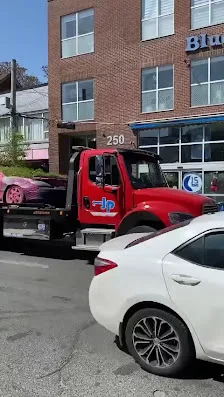
Ontario tow operators must show their certificate when asked, give you their maximum rates when requesting consent, use the most direct route to the place you choose and provide an invoice before asking for payment. Operators and storage yards must accept multiple common payment methods, including credit cards, debit cards and cash.
If a driver is pressuring you, slow the process down. Photograph the truck, licence plate, certificate number, your vehicle, the location and every document. Do not sign a blank form. Call police only for an immediate safety issue, threat or blocked emergency scene. A fee dispute is usually a complaint and evidence problem, not a 911 call.
This guide is general information, not legal advice.
The 60-second checklist
- Ask for the driver's name and provincial tow certificate.
- Ask for the operator's legal name and certificate number shown on the truck.
- Ask for the maximum rate schedule before consenting.
- Name the exact destination you want.
- Read every line before signing consent.
- Photograph the vehicle before it moves.
- Ask for an itemized invoice before paying.
- Pay by a traceable method and keep the receipt.
- Write down times, route, calls and words used while they are fresh.
Consent is the centre of an ordinary tow
For a normal customer-directed tow, the driver must give you prescribed information before requesting consent. The consent should identify the service and destination. If consent is required and you do not give it, the operator cannot charge for that towing service.
Police-directed, highway programme and private-property situations can follow different authority. Do not physically interfere with a lawful tow. Ask who directed it and record the answer.
Never sign a form with blank prices, destination or services. Cross out empty spaces or ask for a new form.
You choose the destination in a customer-directed tow
The driver must use the most direct route to the location chosen by the person directing the tow. A driver cannot take your vehicle to a repair shop merely because it is “preferred” unless you agree.
Ask for the full street address. “My shop” or “our yard” is not enough. Put the destination in the consent document and photograph it.
If the driver says your chosen shop is closed, call the shop yourself. You may need a lawful storage plan, but you do not need to accept an undisclosed referral.
Referrals and kickbacks
A tow driver must disclose an interest in a business or facility they recommend. Ontario rules also restrict inducements tied to further towing, storage, appraisal, repair or wrecking services.
Treat urgent repair advice with care. The person moving the car is not automatically the right person to choose the body shop, lawyer, clinic or rental company.
Rates are maximums, not mystery numbers
Tow and storage operators must submit maximum rates to the Ministry of Transportation and post them publicly. They cannot charge more than their published maximum.
That does not mean every tow in Ontario has one provincial flat price. The amount depends on the operator, service, vehicle, distance and programme. The provincial Tow Zone Programme has its own fee schedule for specified highway zones.
Ask which line of the published schedule supports each charge. “Special equipment” should name the equipment and why it was needed.
The invoice comes before payment
Ontario says tow operators must not request payment before providing an invoice. The invoice should let you understand the service, charges, taxes and operator.
Do not accept only a total shown on a phone calculator. Ask for the document. Photograph it before handing it back or signing.
Credit card, debit and cash
Tow operators and vehicle storage operators must accept multiple payment methods, such as commonly used credit cards, debit cards and cash. A demand for cash only is a serious warning sign.
If a terminal is “broken,” ask for another allowed method and record the refusal. Do not give a stranger your banking password or send an e-transfer to an unrelated personal name.
Paying to recover a vehicle does not always mean you agree that every charge was proper. Write that you dispute specific charges if the invoice or receipt provides a safe place to note it. Get legal advice for a large dispute.
Personal property in the vehicle
Tow drivers must allow customers to retrieve personal property from a towed vehicle without a charge. Storage operators must allow an authorized person reasonable access during regular business hours at no charge.
Bring identification and proof of authority. Do not remove parts that belong to the vehicle or interfere with an investigation.
If access is refused, ask for the person's name, the written reason and the next available time. Record the request calmly.
Private-property towing
A vehicle can be removed from private property under the authority of the property owner or manager. Your lack of consent does not automatically make that tow unlawful.
Ask who authorized the tow, when it was authorized and where the vehicle went. Photograph signs, curb markings, your parking position and any receipt or permit.
A private-property tow does not erase invoice, rate, certificate, payment and storage rules.
Collision towing
After a collision, safety comes first. Move only when police or road conditions allow it. If you can choose a tow, use an insurer, automobile club or known operator.
Do not sign repair authorization while frightened unless you understand it. Tow consent is not the same as permission for a body shop to dismantle or repair the car.
Call your insurer from the number on your policy or official app. Do not rely on a number handed to you by a stranger at the scene.
Highway Tow Zone Programme
Specified sections of provincial highway use the Tow Zone Programme. Authorized operators, dispatch and published fees apply. A driver cannot simply chase work into a restricted zone.
Ask whether you are inside a Tow Zone. Use the Ontario programme page and fee schedule to check the current zone and charge.
What to do when the car is already lifted
Do not stand under, climb onto or drive a partly lifted vehicle. Ask the driver to explain the authority, current charge and safe release process.
Whether a drop fee applies depends on the situation and lawful tariff. Do not invent a cash deal. Ask for the published line, invoice and receipt.
If the vehicle is being removed without required consent and no other authority is identified, record the scene from a safe location and contact the appropriate enforcement or complaint body.
Build an evidence package
Save photos, video, call logs, messages, consent forms, invoices, payment proof and storage documents. Write a timeline with exact times. Save a map of the route if distance is disputed.
Keep the original files. Do not edit a video in a way that removes context. Make a copy for a complaint.
How to complain
Start with a short written complaint to the operator. State the date, vehicle, invoice number, disputed charge, rule you believe applies and the result you want. Give a reasonable response deadline.
Ontario's Ministry of Transportation oversees tow and storage certificates and requirements. Consumer Protection Ontario accepts complaints about businesses and can direct towing and storage concerns. Your insurer, credit-card issuer or small claims process may also be relevant.
A card chargeback is not a magic refund. Give truthful documents and follow the issuer's process. A false chargeback can create a new problem.
Red flags
- The truck has no visible operator name or certificate number.
- The driver refuses to show a certificate.
- You are asked to sign a blank form.
- Rates are hidden until the car reaches a yard.
- The driver insists on one repair shop.
- The invoice appears only after payment.
- The business accepts cash only.
- Personal property access requires an invented fee.
- The final amount exceeds the posted maximum without a clear basis.
Frequently asked questions
Must an Ontario tow truck accept credit cards?
Operators must accept multiple common payment methods, such as credit cards, debit cards and cash. A cash-only demand conflicts with the provincial requirement.
Can a tow driver choose my body shop?
Not for an ordinary customer-directed tow. The vehicle should go to the location you specify, and the driver must disclose interests in a referral.
Can a tow company charge more than its posted rate?
It cannot charge above its published maximum rate. Ask for the schedule and the line supporting each service.
Do I have to receive an invoice before paying?
Yes. Ontario's requirements say operators must not request payment before providing an invoice.
Can I get belongings from a towed car?
Yes. Drivers and storage operators have duties to allow access to personal property without an added access charge, subject to reasonable identification and business-hour rules.
Should I call 911 over a towing fee?
No, not for an ordinary price dispute. Call 911 for immediate danger, threats or an emergency. Use the provincial complaint process for rates and conduct.
Does private-property towing need my consent?
Not necessarily. The property owner or manager may direct removal. Ask who authorized it and document the signs and location.
Can I dispute a tow after paying?
You may still complain or pursue a lawful dispute. Keep the invoice, receipt and evidence, and get legal advice when the amount is large.
The short answer
Ask for the certificate, rate schedule, written consent and destination before the car moves. Ask for an itemized invoice before paying. Use a traceable payment method, keep every document and complain with a clear timeline.
Official links for planning
- Ontario towing and storage requirements
- Towing and Storage Safety and Enforcement Act
- General regulation
- Charge regulation
- Tow Zone Programme
- Tow Zone fee schedule
- Consumer complaint
More useful Toronto guides
- Toronto Labour Day Weekend 2026: What to Do, What Is Open and What to Avoid
- Is the Temporary Ontario Science Centre Worth It? An Honest Harbourfront Review
- Late-Night Dessert in Toronto: 13 Honest Options After 10 p.m.
- Stores Like Kinokuniya in Toronto: Manga, Danmei, Anime Merch and Japanese Stationery
- Independent Vets in Toronto: How to Check Ownership and Choose a Clinic
- Dog Boarding Downtown Toronto
- Dogs Without Owning One Toronto
- Parking In Front Of Own Driveway Toronto
- Financial District Toronto Four Hour Itinerary