



The most ethical way to spend time with dogs without owning one is to help an organization that already has a job for you. Volunteer for a regular shelter shift, provide short foster relief, help at training classes or become a temporary boarder for a service-dog programme.
Do not expect instant puppy cuddles. Good programmes screen volunteers, train them and ask for a real commitment. That protects the dogs.
Quick picks by commitment
- One regular weekly shift: Toronto Humane Society or Etobicoke Humane Society.
- Short stays in your home: rescue respite or temporary foster programmes.
- Training-class help: When Hounds Fly.
- Longer foster role: Toronto Animal Services or a verified rescue.
- Service-dog support: CNIB Guide Dogs temporary boarder or volunteer roles.
- Occasional paid time: pet sitting or dog walking with insurance and honest experience.
- What to skip: puppy yoga that treats young dogs as props.

Toronto Humane Society: structured shelter volunteering
Toronto Humane Society is at 11 River Street. Its volunteer programme includes canine care, feline care, special species and support roles.
Most roles require volunteers to be at least 18 and commit to one weekly shift for at least six months. Applicants complete an interview, theory and hands-on training, testing and accessibility training. A current tetanus shot is strongly recommended.
The negative is access. Applications can close and waiting lists form. The six-month commitment is real. This is a good match for someone who wants a routine, not a visitor who wants one afternoon with puppies.
Toronto Animal Services: shelter and foster routes
Toronto Animal Services operates municipal shelters and foster programmes. Roles change by location and operational need.
Municipal shelter work may include cleaning, enrichment, adoption support and animal care. Direct dog walking comes after screening and training, not before.
The drawback is emotional weight. Some animals are frightened, injured or involved in enforcement cases. Volunteers must follow staff decisions and privacy rules even when they feel strongly.

Etobicoke Humane Society: volunteer-run and hands-on
Etobicoke Humane Society is at 67 Six Point Road. It is a volunteer-run shelter with animal care, office, fundraising and communication roles.
Because volunteers carry much of the work, reliability matters. Cleaning, laundry and feeding are as important as walking a friendly dog.
The Etobicoke location is awkward for some downtown residents. Apply only if the trip is realistic every week.

Rescue fostering: the most dog time and the most responsibility
A foster dog lives in your home while the rescue handles adoption. You may provide food, walks, training notes, transport and meet-and-greets.
This can be deeply useful. It is also close to temporary ownership. Landlord rules, household pets, work hours, travel and emergency transport all matter.
Ask who pays veterinary bills, food and equipment. Ask what happens if the placement is unsafe or the dog cannot be left alone. Get the foster agreement before the dog arrives.
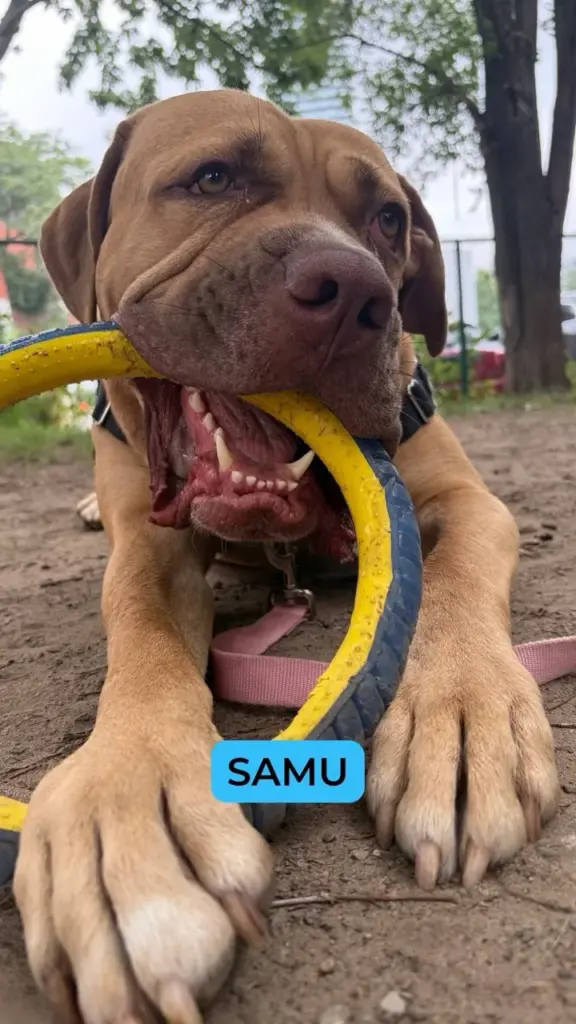
Short-term foster relief and respite
Some rescues need weekend or vacation coverage for established foster homes. This is a better entry point for someone who can help for two or three nights but cannot commit for months.
Respite still needs screening and a safe home. Moving can stress a dog. Do not treat it as a rotating free pet rental.
Follow the regular foster's food, medication, crate and contact rules exactly.
Redemption Paws and other rescues
Redemption Paws and other Toronto rescues recruit fosters and volunteers when dogs and resources allow. Availability changes quickly.
Research the rescue before applying. Look for transparent veterinary care, written foster agreements, adoption screening, financial reporting and a safe return process.
Do not rely only on emotional social posts. A rescue should be able to explain who is legally responsible for the dog and what support is available after hours.
When Hounds Fly: help people learn with their dogs
When Hounds Fly runs reward-based dog training in Toronto. Class-helper roles can let a volunteer support instructors, set up space and observe dog learning.
This is better for someone interested in behaviour than someone seeking unstructured play. You must follow the trainer and avoid giving clients personal advice.
Classes happen on a schedule and may require prior knowledge or a long commitment. Ask which current locations need help.
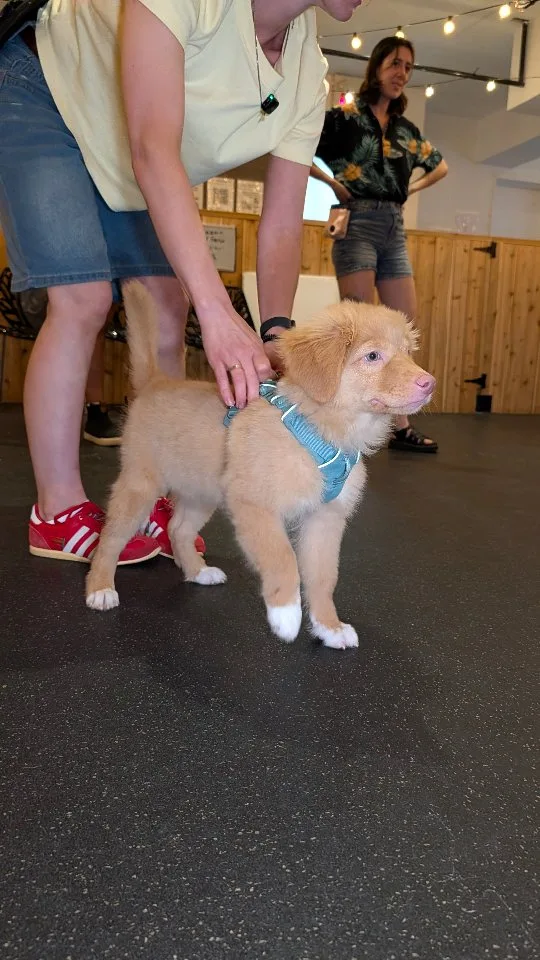
CNIB Guide Dogs: temporary boarding with a purpose
Service-dog programmes sometimes need volunteer puppy raisers, temporary boarders and transport help. CNIB Guide Dogs is one Canadian route to check.
The benefit is strong training support and a clear goal. The negative is strict rules. The dog is not a personal pet. Volunteers must follow feeding, equipment, public-access and training instructions and eventually return the dog.
This role can be hard emotionally. Apply only if everyone in the household supports the programme.
Paid dog walking and pet sitting
Paid work can create dog time without ownership. Start with dogs you can safely handle. Learn canine body language, first aid and leash skills.
Platform approval does not prove expertise. Carry business insurance, use written emergency contacts and disclose your real experience. Never accept a large reactive dog because the payment looks good.
Meet the owner and dog before the first unsupervised visit. Confirm keys, alarms, cameras, feeding, medication and bite history.
Dog parks are not free petting zoos
You can watch dogs from outside an off-leash area, but entering to touch strangers' dogs is a poor plan. Owners may be managing fear, training or conflict.
Always ask before touching a dog. Do not bring treats into an off-leash group. Do not photograph people or dogs for social media without permission.
Why we do not recommend puppy yoga
Puppy yoga can move very young dogs between strangers in a loud room during a sensitive development period. Some organizers work with ethical breeders or rescues, but others use puppies as entertainment.
Ask the puppies' age, source, vaccination status, rest plan, transport time, handling limit and who monitors stress. If the answer is vague, skip it.
A shelter shift or training-class role provides more useful contact and less risk of treating an animal as a prop.
What volunteers actually do
Expect cleaning, laundry, food preparation, paperwork, setup and quiet observation. Direct dog time is earned through training and trust.
This is not a negative. Dogs need clean bowls and dry bedding more than they need another stranger asking for a cuddle.
How to choose a programme
Pick a travel time you can repeat. Pick a commitment that fits your next six months. Tell the truth about allergies, injuries, housing and experience.
Ask what training is provided, who supervises, what insurance covers, how incidents are reported and whether you can step back safely.
Frequently asked questions
Can I volunteer to walk shelter dogs in Toronto?
Yes, but direct dog roles require an application, training and regular commitment. Openings may be paused when programmes are full.
Can I foster for only a weekend?
Some rescues need respite or temporary boarding. You still need approval, a safe home and a written care plan.
Do I need dog experience?
Not for every support role. Be honest. Organizations can train a reliable beginner, but should not place a difficult dog with an unprepared person.
Can a renter foster a dog?
Possibly. Check the lease, condominium rules, insurance and household agreement before applying.
Are there volunteer roles for people under 18?
Some organizations offer youth or family roles, but Toronto Humane Society's regular volunteer requirement is 18 or older. Check each current programme.
Can I just visit a shelter to play with dogs?
No. Shelters are working care environments. Follow their visitor, adoption and volunteer process.
Is puppy yoga ethical?
It depends on the source, age, health, rest and handling plan. Many events do not provide enough proof, so we prefer shelter, foster and training programmes.
What if I become attached to a foster dog?
That is common. The goal is still a safe permanent match. Discuss adoption rules before fostering and do not promise the dog to someone yourself.
The short answer
Choose service over access. A regular shelter shift, respite foster or training helper role gives you meaningful dog time because it meets a real need. If a programme sells cuddles but cannot explain welfare rules, walk away.
Official links for planning
- Toronto Humane Society volunteer page
- Toronto Animal Services
- Etobicoke Humane Society volunteering
- When Hounds Fly
- CNIB Guide Dogs
More useful Toronto guides
- Toronto Labour Day Weekend 2026: What to Do, What Is Open and What to Avoid
- Is the Temporary Ontario Science Centre Worth It? An Honest Harbourfront Review
- Late-Night Dessert in Toronto: 13 Honest Options After 10 p.m.
- Stores Like Kinokuniya in Toronto: Manga, Danmei, Anime Merch and Japanese Stationery
- Independent Vets in Toronto: How to Check Ownership and Choose a Clinic
- Ontario Tow Truck Rights: What to Do Before You Pay or Let a Driver Leave
- Dog Boarding in Downtown Toronto: Prices, Trial Days and Honest Tradeoffs
- Parking In Front Of Own Driveway Toronto
- Financial District Toronto Four Hour Itinerary