


Finding a public washroom in Toronto can be harder than finding a coffee. That is annoying for anyone. It can be frightening for a person with Crohn's disease, colitis, IBS, a bladder condition, a disability, or a young child who cannot wait.
The best first step is the City of Toronto Washrooms & Drinking Water Map. It shows City facilities and lets you check status, hours and known accessibility features. Do not look at the pin and assume the door is open. Open the listing and check it before you start walking.
This guide also lists every TTC station that the transit agency says has a washroom as of August 27, 2026. Each station has its own Google map below. We also explain GO train washrooms, the free GoHere app, late-night backups, winter closures and what to carry when waiting is not an option.
<div class="lit-quick-picks">
The short answer
- Best live City source: Use the City washroom map, then check the location status and hours.
- Best transit backup: Save the TTC's current washroom list. There are 14 unique stations on it.
- Best app for an urgent medical need: GoHere can search near you or along a planned route. It also offers a virtual Access Card.
- On a GO train: Look for the middle accessibility coach. It has an accessible washroom.
- If you leave the TTC: A two-hour transfer may let you continue without another fare if you paid with PRESTO, a PRESTO Ticket, debit or credit and use the same payment method.
- Our view: Toronto is improving, but a washroom that closes early or disappears in winter is not a full public service. Always save a second option.
</div>
Use Toronto's official washroom map first
The City's washroom and drinking water map is the best place to begin. It is more useful than a fixed list because a fixed list gets old quickly.
Search near your destination. Open each result. Check its status, linked facility page and hours. The City warns that availability can differ by place.
Use the accessibility filter if you need it. Details are listed only where the City has them, so a blank field does not prove that a washroom is inaccessible. It means you may need to call the facility or 311.
The map uses a specific label for a universal washroom. On the City page, that means the room includes space for a larger mobility device, an adult change table, a powered door opener and an emergency call system. That is more helpful than a vague wheelchair symbol.
Also check the washroom closures and service alerts page. It shows current problem locations. It is not a complete washroom directory.
A simple way to plan a route
- Find the washroom closest to where you are going.
- Check the posted hours and status.
- Save a second option within a short walk or one transit stop.
- Take a screenshot of the details in case your signal drops.
- Recheck before a long trip, a late night or a winter park visit.
This takes two minutes. It can prevent a much bigger problem.
TTC stations with public washrooms
The TTC's current official washroom page lists 14 unique stations. A few appear under more than one line because they are interchange stations.
The list is better than it used to be. Newer Lines 5 and 6 now add more options. Still, most TTC stations do not have a public washroom. You need to know your safe stop before you board.
Use the TTC Live Map to view supported station layouts. It can show the washroom inside the station, along with entrances, elevators and other features. A station can also have a temporary closure, so ask staff if the room is unavailable.
Line 1 washroom stations
Bloor-Yonge Station
.jpg)
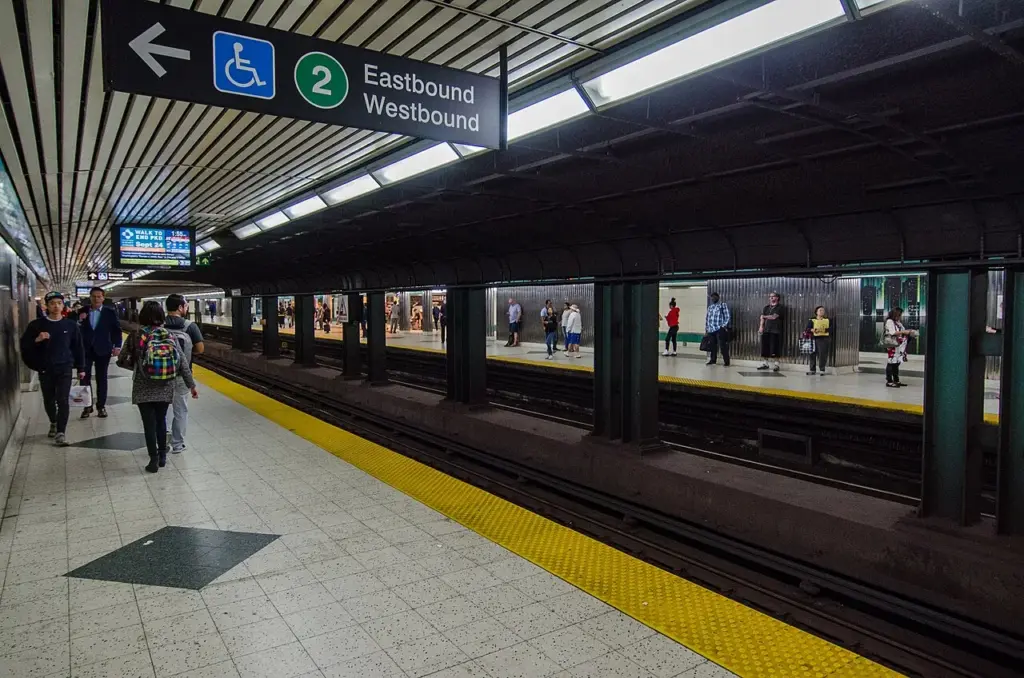
Bloor-Yonge is on Lines 1 and 2. It is an important backup for trips through the centre of the network. The station is large and busy, so check the station layout instead of waiting until the last second.
Eglinton Station
.jpg)
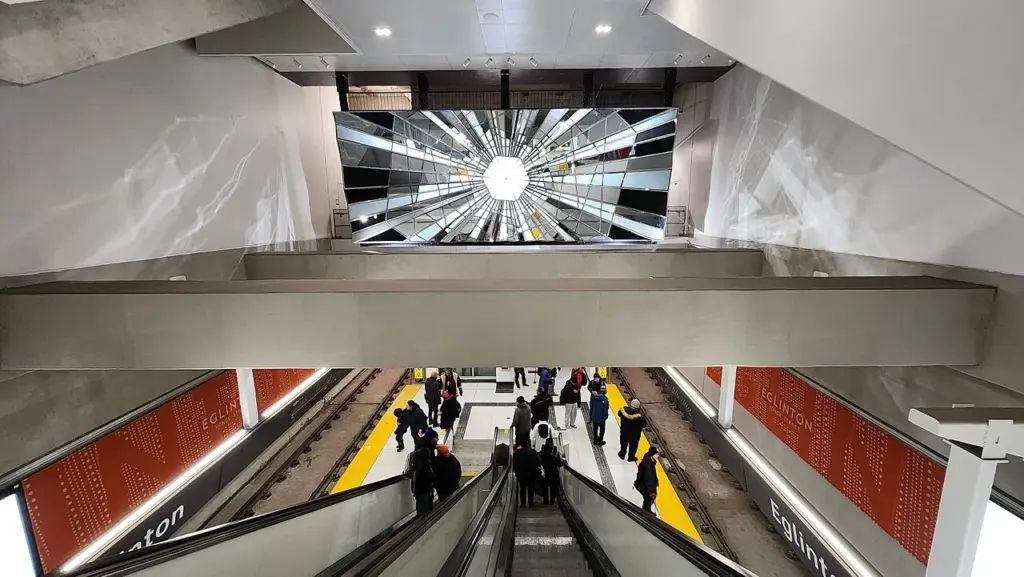
Eglinton is listed for Lines 1 and 5. Construction routes and station access can change, so use the TTC Live Map when time matters.
Finch Station
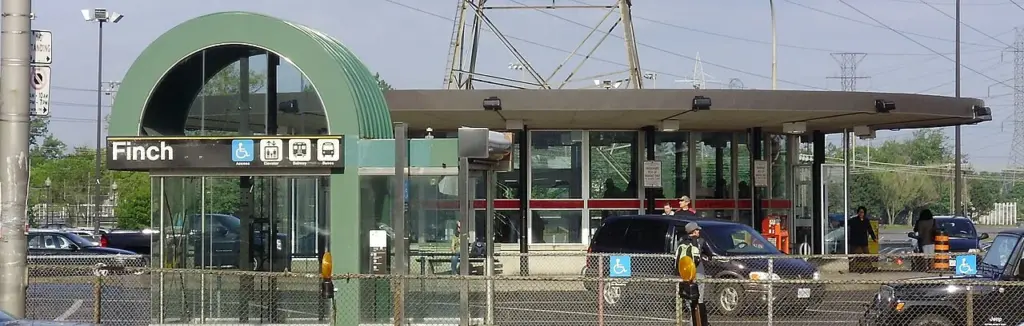

Finch is a Line 1 terminal with a public washroom. It is useful for riders connecting with buses in north Toronto.
Sheppard-Yonge Station
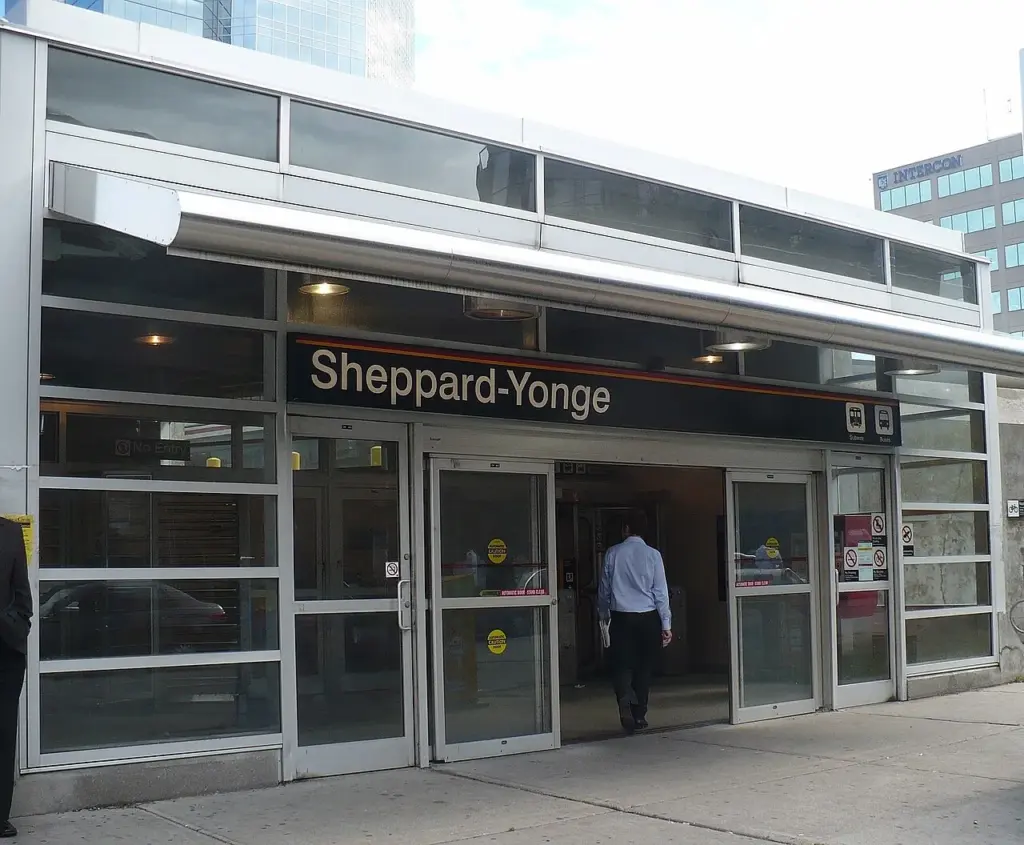

Sheppard-Yonge serves Lines 1 and 4. It can be a planned washroom stop before travelling east on Line 4 or continuing north on Line 1.
Sheppard West Station
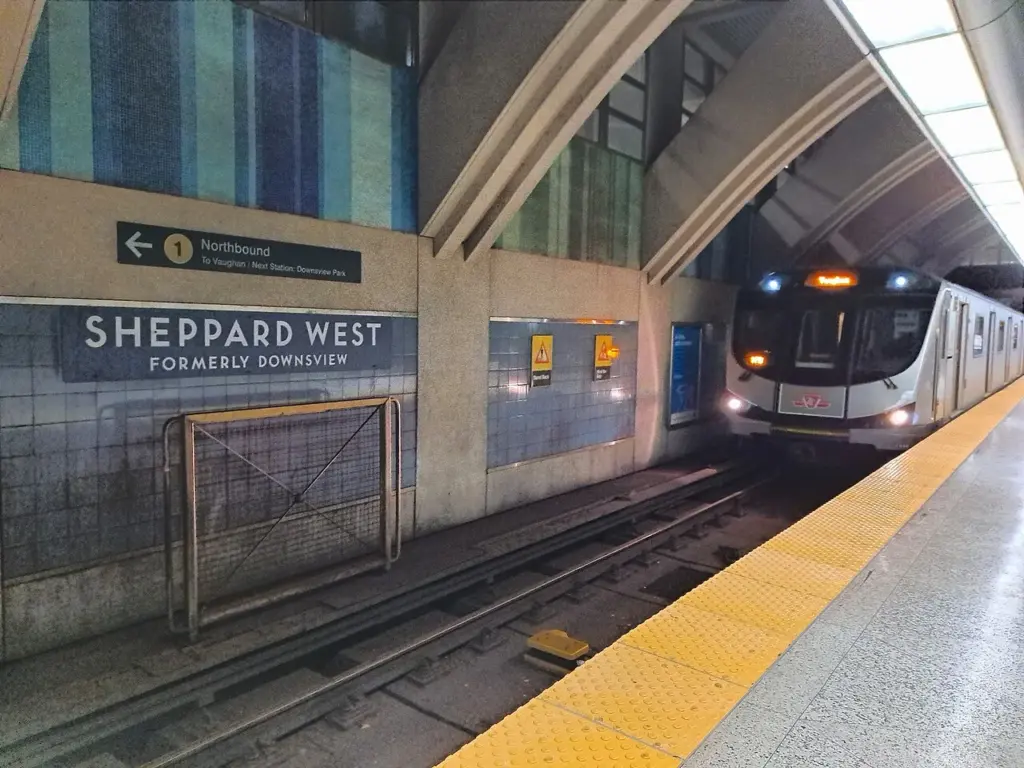

Sheppard West is on Line 1. It is one of the public washroom options between the downtown core and the northwest end of the line.
Vaughan Metropolitan Centre Station
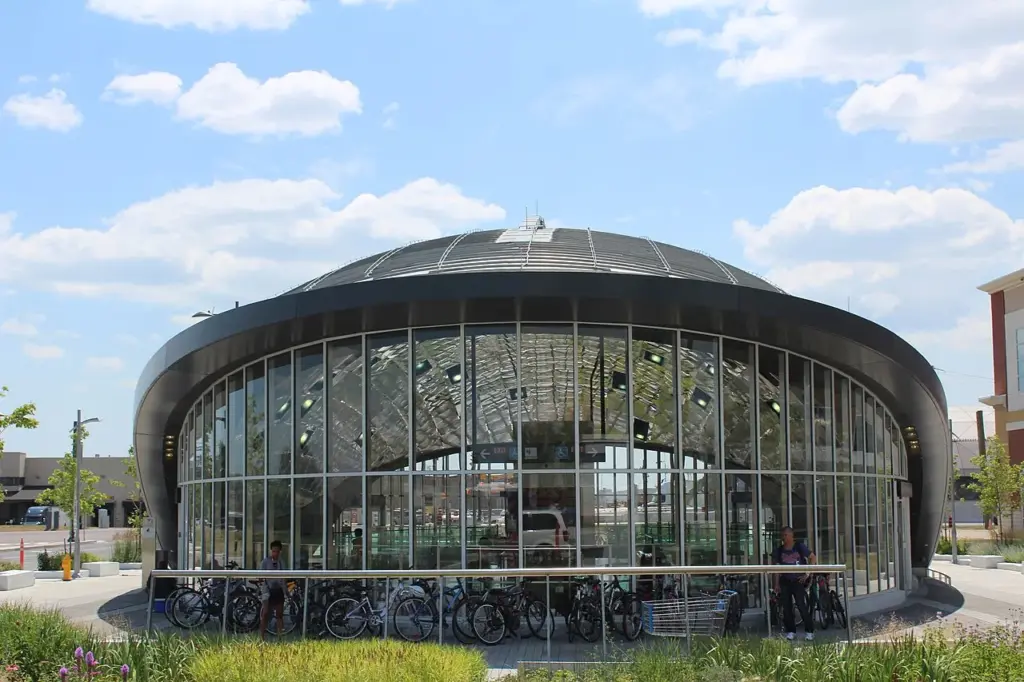

Vaughan Metropolitan Centre is the northwest terminal of Line 1. The station is outside the City of Toronto, but it belongs on the list because it is part of the TTC network and may be the closest option for a rider at that end of the line.
Wilson Station
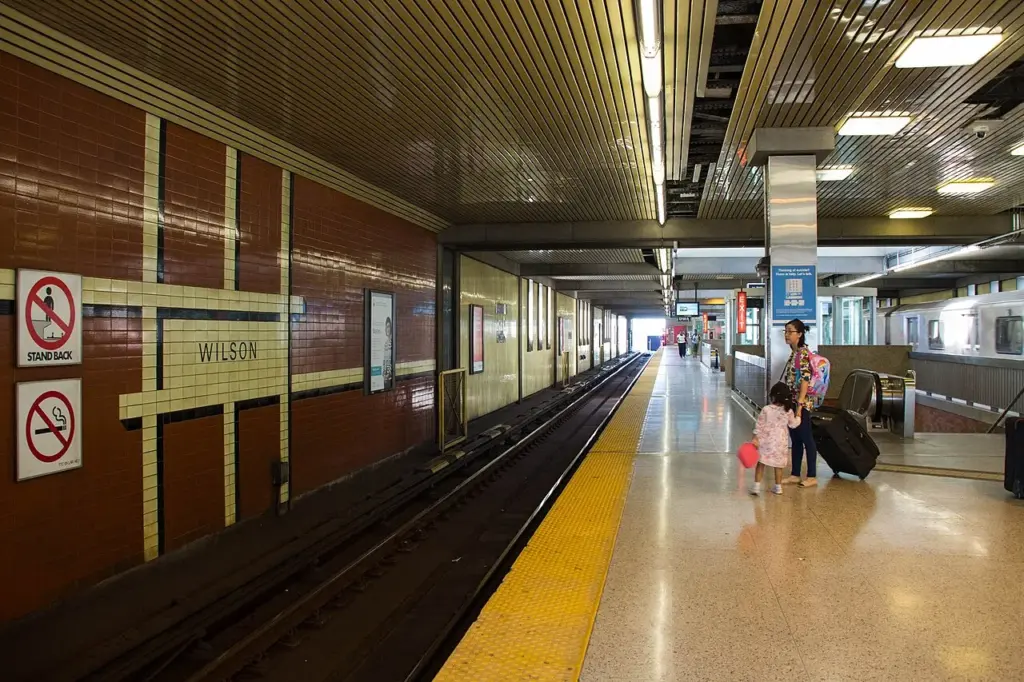

Wilson is on Line 1. Save it as a mid-route option if your trip runs through the northwest part of the subway.
Finch West Station
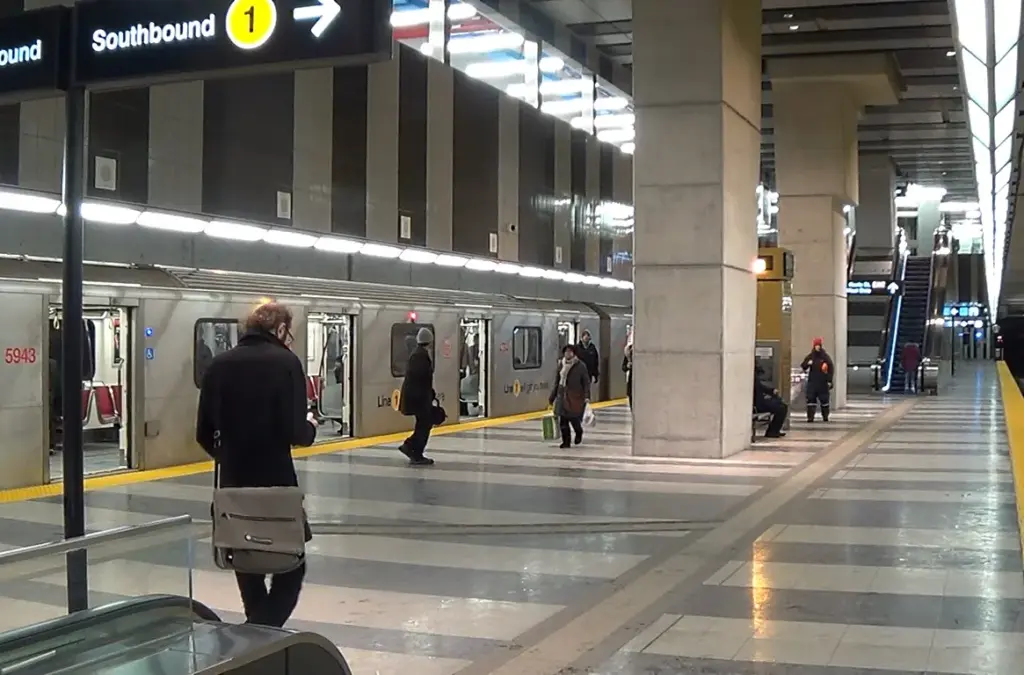

Finch West serves Lines 1 and 6. It is a useful transfer point because a public washroom is available before riders continue along either line.
Line 2 washroom stations
Kennedy Station
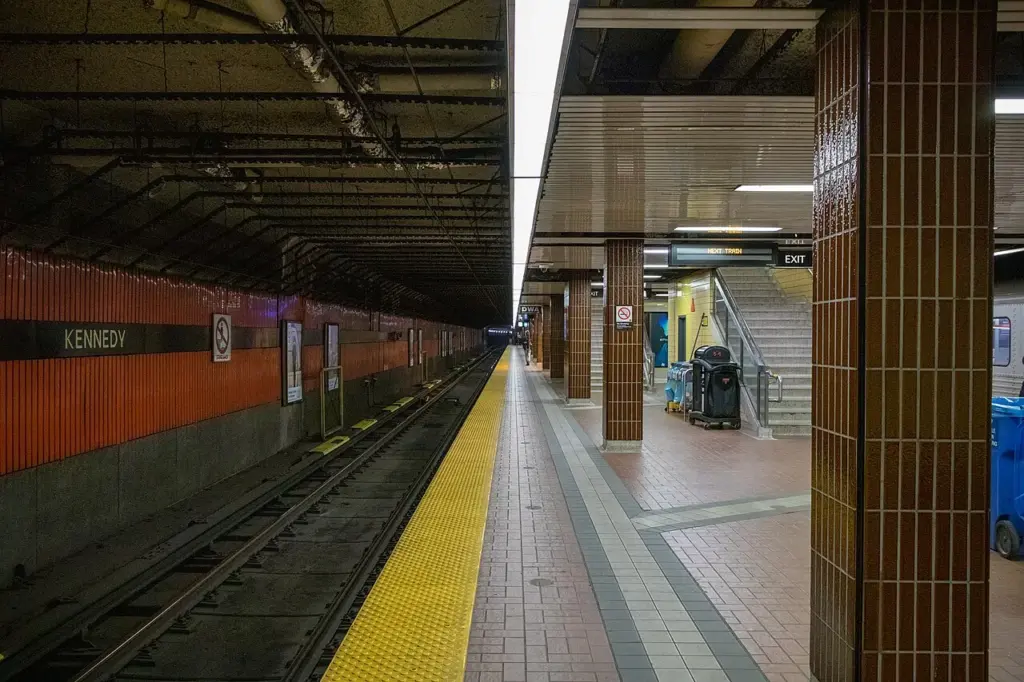

Kennedy serves Lines 2 and 5. For riders coming from eastern bus routes, this is an important washroom stop before a long trip across the city.
Kipling Station
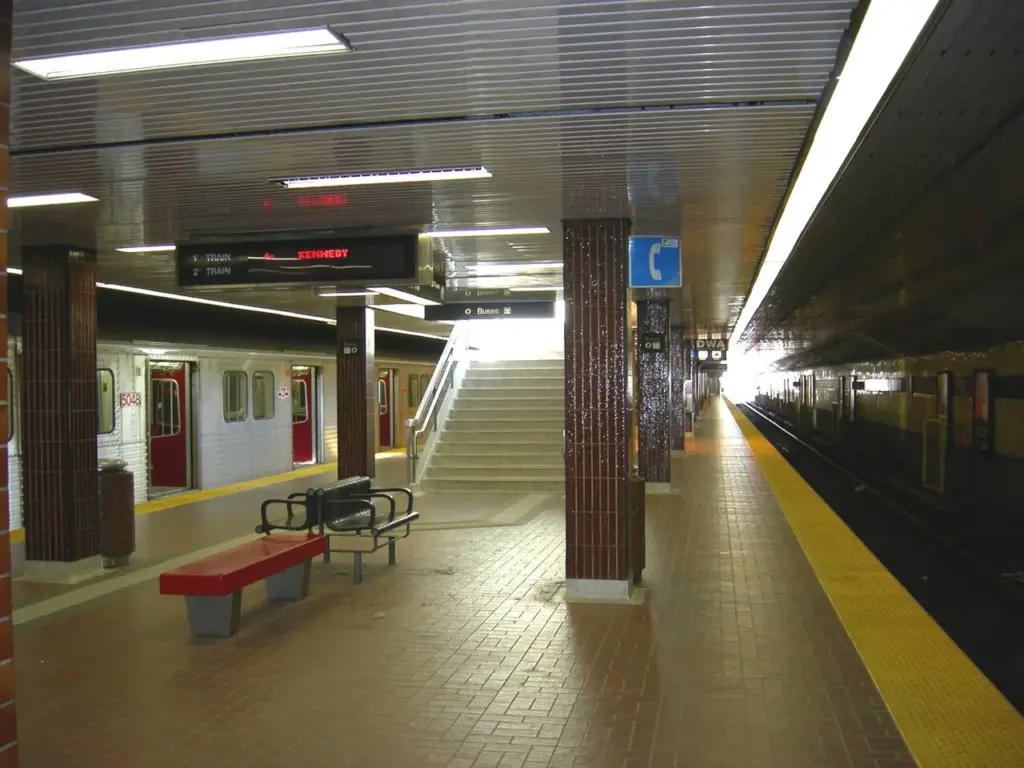

Kipling is the west end of Line 2. It is worth stopping here before a bus connection or a full trip across the Bloor-Danforth line.
Bloor-Yonge also serves Line 2 and is mapped above.
Line 4 washroom station
Don Mills Station
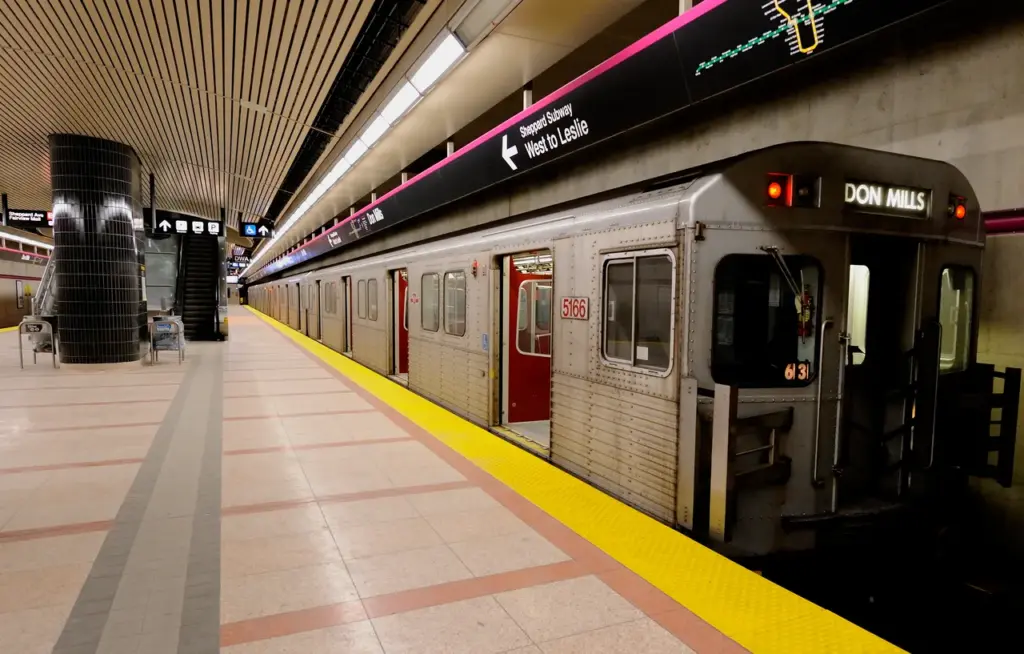

Don Mills is the east terminal of Line 4. It can be a planned stop before a bus ride or before travelling west toward Sheppard-Yonge.
Sheppard-Yonge also serves Line 4 and is mapped above.
Line 5 washroom stations
Mount Dennis Station
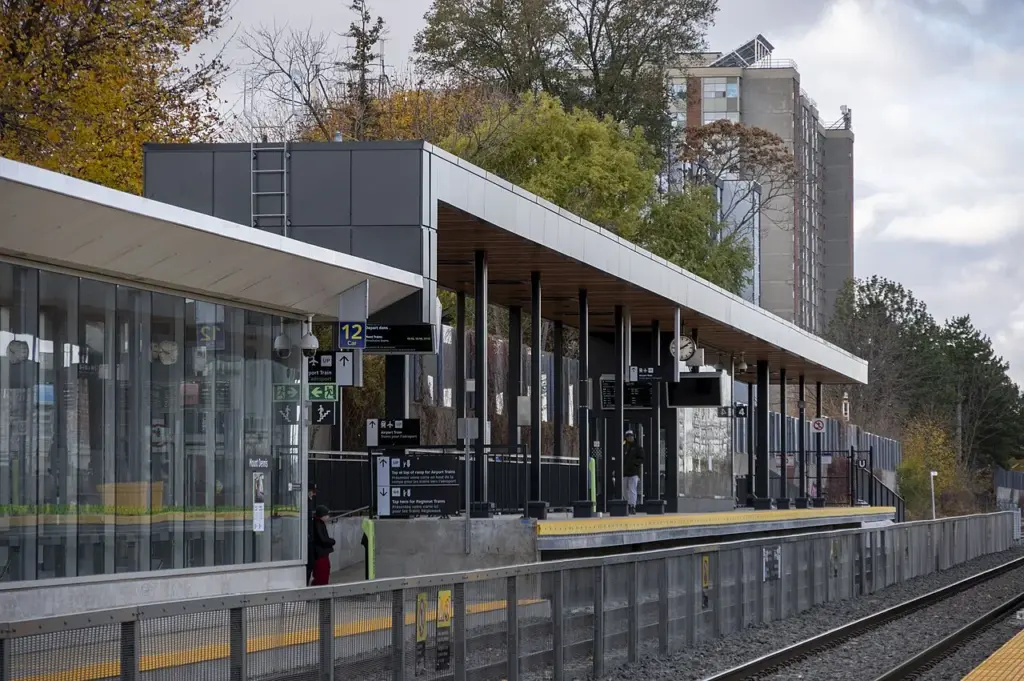

Mount Dennis is a Line 5 washroom stop at the west end of the route. Check the station layout before travelling because a surface entrance may not lead directly to the washroom.
Cedarvale Station
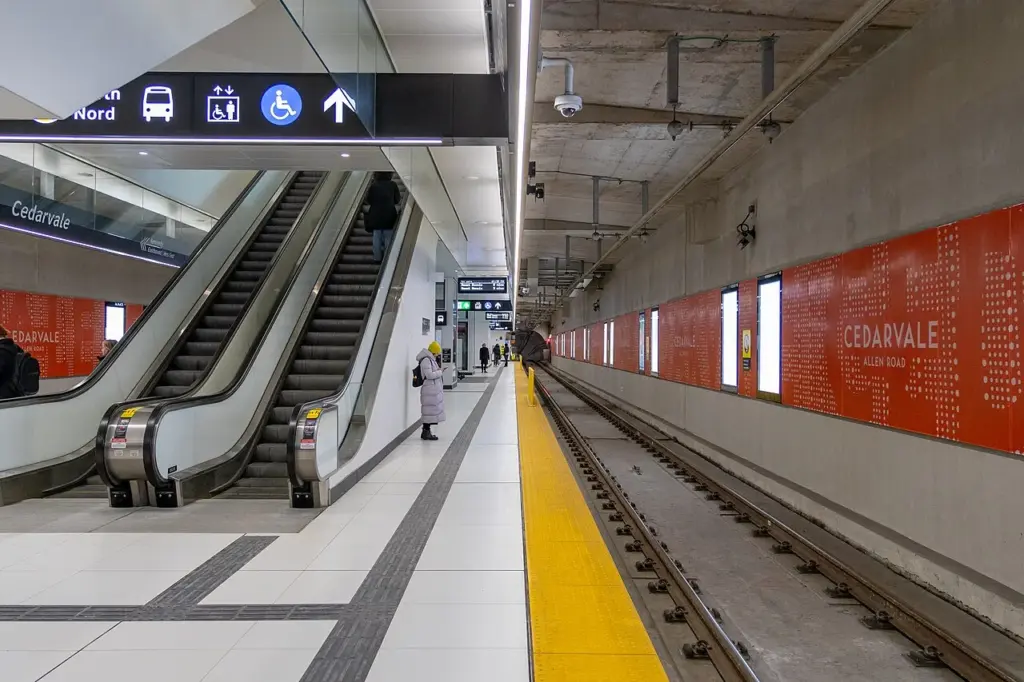

Cedarvale is listed as a Line 5 washroom station. It connects with Line 1 at the station formerly known as Eglinton West.
Eglinton and Kennedy are also Line 5 washroom stations. Their maps appear above.
Line 6 washroom station
Humber College Station
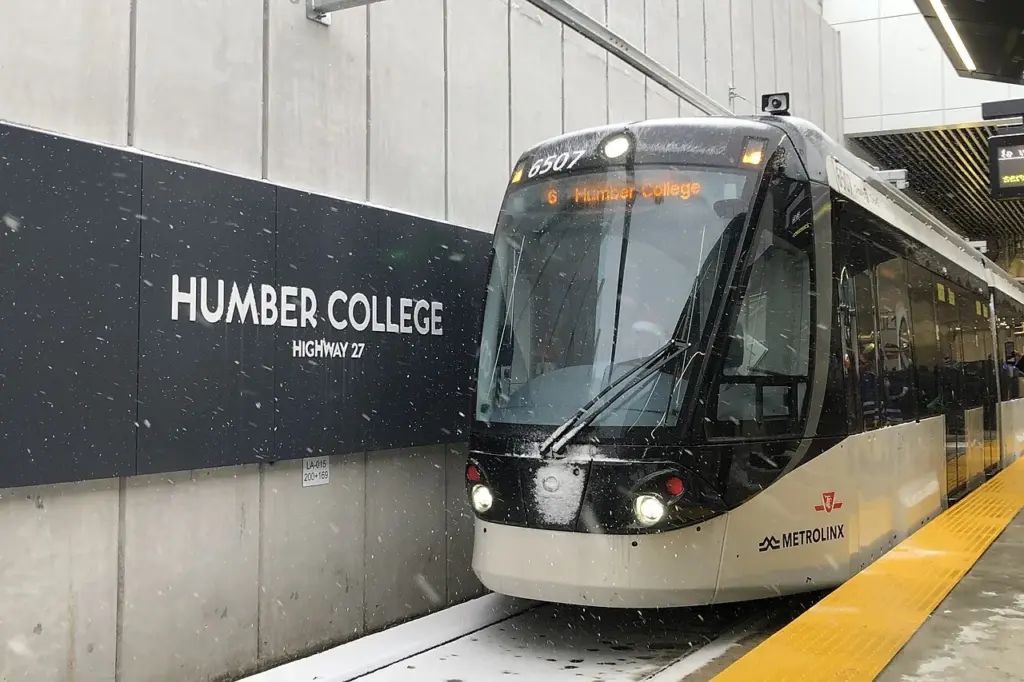
.jpg)
Humber College is a Line 6 washroom station. It gives riders an option at the west end of the route before they transfer to a bus or continue on foot.
Finch West also serves Line 6 and is mapped above.
Can you leave the TTC to use a washroom and come back?
Often, yes. The TTC gives a two-hour transfer when you pay with a PRESTO card, PRESTO Ticket, debit card or credit card, including a card in a mobile wallet.
The two-hour period begins with your first tap. Use the same card, ticket, phone or watch every time. Tap again when you enter a station or board another vehicle. If you switch from a physical card to the same card in a phone wallet, the system may treat it as a different payment method.
Cash is different. A cash transfer is for a continuous one-way trip and does not give the same freedom to stop, leave and return. If washroom access is important, a supported tap payment gives you more flexibility.
This is a backup, not a guarantee. The closest washroom may be locked or inside a business with its own rules. Plan one stop you trust and one second option.
Where is the washroom on a GO train?
The accessible washroom is in the middle accessibility coach. That is also where the Customer Service Ambassador works.
GO says its train cars have washrooms with touchless taps and soap dispensers. It also says most stations and terminals have barrier-free washrooms. Most is not all. Open the individual station page before relying on one, especially early in the morning or late at night.
GO buses do not offer the same on-board washroom option. A long bus connection needs a station or terminal plan.
The GoHere app is the best medical-access backup
GoHere is a free app from Crohn's and Colitis Canada. It is available for iPhone and Android.
The app can find the closest listed washroom or search along a route. A listing may show its address, open or closed status, hours, website and phone number. That makes it more useful than a loose pin with no details.
GoHere also offers a virtual Access Card. A person with a medical need can show it when asking to use a washroom. The card helps explain urgency without sharing a long personal story.
It is not a magic key. A location may have changed its rules, closed early or left the program. Check the listing and ask clearly.
GottaGoTO is another map listed in the City of Toronto's Open Data Gallery. It mixes official open data with crowdsourced entries. It can be a useful second search, but crowdsourced hours may become stale. Use the City map or a direct phone call when the stakes are high.
Other places to look for a washroom
Public libraries
A library branch can be a calm and useful daytime option. Check the branch's opening hours first. Holiday and Sunday schedules can be short, and a branch cannot help after it closes.
Community recreation centres
City recreation centres often have public facilities during building hours. Entry rules can change during programs, maintenance or private bookings. Use the City facility page rather than assuming every door is open.
Malls and large stores
Indoor shopping areas, supermarkets and large stores often have washrooms. These are private properties. Access is not guaranteed, and some doors need a code or purchase.
Ask politely. If your need is related to a disability, say that you have an urgent disability-related need and ask for accommodation. You do not have to give a stranger your full medical history.
Restaurants, cafés and hotels
These can be useful backups, but they set their own customer and security rules. Do not pretend to be a hotel guest. A simple, honest request is better.
Hospitals and medical buildings
Public areas may have washrooms, but layouts are confusing and some entrances close after hours. Do not use an emergency department only to find a toilet. That pulls attention from medical emergencies.
What disability rights mean when you need a washroom
Ontario's Human Rights Code protects people with disabilities when they use services. The Ontario Human Rights Commission says service providers must consider disability-related accommodation up to the point of undue hardship.
That does not mean every locked staff room must open on demand. It means a business or public service should listen, consider the individual need and look for a reasonable solution. Dignity and privacy matter.
A short request can be enough: “I have an urgent medical need. Is there a washroom I can use?” A GoHere Access Card may help.
Good public washrooms also need to work for wheelchair users, families, people who need an adult change table and trans or gender non-conforming people. A universal or gender-neutral room can help many of these users, but it still needs clear signs, reliable hours and safe access.
What changes in winter?
Many park washrooms were built for warm weather. Pipes can freeze. Seasonal buildings may close even when people still use the park.
Toronto is changing that slowly. In May 2026, the City said it had invested $132 million to upgrade 125 park washrooms for year-round use. The six-year plan calls for 15 conversions by November 2026 and another 21 by November 2027.
That is real progress. It does not mean all 125 are open all winter today. The work is staged over several years.
In summer 2026, the City said seasonal park washrooms were due to be open by May 4, except where repairs or construction were required. Fall closing dates are not one simple citywide rule. Check the live map.
What are Toronto's self-cleaning public toilets?
Toronto has automated public toilets as part of its street furniture program. The current City page says they take a 25-cent coin or a token.
A person gets up to 20 minutes. The unit gives audible and visual warnings. After the person leaves, it locks and runs a cleaning cycle. Sensors are meant to stop the cycle if someone is still inside.
The City says the toilets are barrier-free, well lit and serviced several times a day. That makes them useful, but a small number of paid units cannot replace a broad network of free washrooms.
Some older claims about a larger rollout, unit costs and cancelled plans are difficult to confirm from current public information. We would not plan an urgent trip around those claims.
Why does Toronto still have a washroom gap?
A public washroom is not just a room with a toilet. It needs water, heat, cleaning, toilet paper, repairs, safe disposal, lights, signs and staff who can respond when something goes wrong.
Building more rooms without paying to operate them will not solve the problem. A locked, dirty or broken washroom is only a pin on a map.
Safety concerns are real, but it is unfair to blame the entire problem on unhoused people or people who use drugs. Toronto needs facilities that are designed and staffed for the city that actually exists. Good lighting, regular cleaning, clear sightlines, sharps containers, outreach support and fast repairs can all be part of that work.
Charging a small fee may help maintain a few automated toilets. It can also block access for people who have no coin or no money. Our view is simple. Toronto needs a dependable free network first. Paid units can be an extra option, not the main answer.
Build a small emergency kit
People who cannot safely wait may want to carry:
- tissues or a small pack of toilet paper
- hand sanitizer
- spare underwear
- a sealable bag
- a phone charger or small power bank
- a written list of two washroom stops on a regular route
- a GoHere Access Card, if it fits their medical situation
Do not stop eating or drinking just to avoid a washroom. Do not begin taking anti-diarrheal medicine for every trip without advice from a doctor or pharmacist. A personal medical plan should come from a qualified professional who knows your health.
If symptoms are new, severe or getting worse, seek medical advice. A map can help with a trip. It cannot explain the cause of a medical problem.
What to do when the washroom is closed
First, tell staff. They may know another room in the building or the closest open facility. Do not assume they can unlock an employee-only washroom, but it is reasonable to ask for help.
For a closed or damaged City facility, call 311 or use the City's reporting tools. Give the exact location, time and problem. A useful report says more than “the washroom is bad.” Say whether the door is locked, water is off, the room is unsafe or supplies are missing.
On the TTC, use station staff or an assistance point if you need urgent help. If you have a medical emergency, call 911. Ordinary washroom urgency is serious and stressful, but emergency services should be reserved for an actual medical emergency.
Our honest take
Toronto's official map, new transit facilities and year-round conversion plan are meaningful improvements. The City is not doing nothing.
But the network is still too hard to trust without planning. Too many people must memorize malls, buy something they do not want, or leave transit and hope the next door opens.
A good public washroom system should be boring. You see a sign, find a clean room and continue your day. Toronto is not there yet.
Frequently asked questions
Where can I find a public washroom in Toronto right now?
Start with the City of Toronto Washrooms & Drinking Water Map. Open the location and check its current status, hours and accessibility notes. Save a second nearby option in case the first is closed.
Which TTC stations have public washrooms?
As of August 27, 2026, the TTC lists Bloor-Yonge, Eglinton, Finch, Sheppard-Yonge, Sheppard West, Vaughan Metropolitan Centre, Wilson, Finch West, Kennedy, Kipling, Don Mills, Mount Dennis, Cedarvale and Humber College. Check the TTC page or Live Map before travelling because temporary closures can happen.
Can I leave the TTC for a washroom without paying again?
You can usually return within two hours without another TTC fare if you paid with a PRESTO card, PRESTO Ticket, debit card or credit card, including mobile wallet. Use the exact same card or device and tap again. Cash transfers do not offer the same stopover freedom.
Do GO trains have washrooms?
Yes. The accessible washroom is in the middle accessibility coach, where the Customer Service Ambassador is located. GO also says most stations and terminals have barrier-free washrooms, but you should check the station page first.
Is there a Toronto washroom app for people with IBS or Crohn's disease?
GoHere is a free iPhone and Android app from Crohn's and Colitis Canada. It can find nearby washrooms or search along a route. It also offers a virtual Access Card for a person requesting washroom access because of a medical need.
Are Toronto park washrooms open in winter?
Some are, but many facilities are still seasonal. Toronto is converting 125 park washrooms to year-round use over six years. Check the City's live map and closure alerts instead of relying on an old list.
Are public washrooms in Toronto free?
Most City, TTC and GO washrooms are free to use when the facility is open. Toronto's automated street toilets cost 25 cents or one token according to the current City page. Private businesses can set their own access rules.
What should I do if a business refuses washroom access for a disability-related need?
Explain briefly that the need is urgent and related to a disability, then ask what accommodation is possible. A GoHere Access Card may help. Human rights duties depend on the situation and can be limited by undue hardship, so the card is not a guaranteed right to every locked room.
The bottom line
Use the City map, know the nearest TTC washroom station and save a second stop. If a medical condition makes waiting hard, add GoHere and a small emergency kit.
Toronto is adding facilities and making more park washrooms usable all year. That work matters. The real test is simple: people should be able to leave home without fear that a basic human need will trap them.