


Finding a loose dog or frightened cat creates one urgent question: help it without making the situation worse. Chasing can push an animal into traffic. Posting every identifying detail can attract a false owner. Taking a healthy outdoor cat across the city can remove it from the home it already knows.
Our verdict: protect the animal from immediate danger, call 311 or Toronto Animal Services at 416-338-PAWS, check for identification and file a found-pet report. For a dog, secure it if that can be done safely. For a cat, first decide whether it is injured, clearly lost or a healthy outdoor cat that belongs nearby.
The biggest mistake is waiting several days before making an official report. The second is handing the pet to the first person who replies online without asking for proof.
The first 15 minutes
- Move away from traffic if you can do so without chasing.
- Keep your own children and pets back.
- Take a clear photo and note the exact time and place.
- Check for a collar tag from a safe distance.
- Call 311 or Toronto Animal Services for direction.
- If contained safely, arrange a microchip scan with a participating vet or shelter.
- File the official found-pet information and check 24Petconnect.
- Post a limited public notice after the official report is started.
If the animal is injured, struggling to breathe, bleeding or in active traffic, tell 311 that it is an urgent welfare issue.
A lost dog and an outdoor cat need different decisions
Found dog
A dog roaming without a person is usually a lost pet or safety concern. Secure it in a fenced area, vehicle or quiet room only when you can do so safely.
Do not chase a scared dog. Turn your body sideways, avoid staring and use a calm voice. Food can help, but do not corner the animal.
Call 311. Toronto Animal Services can advise on pickup or next steps.
Found cat
A healthy cat outside may live nearby. Look for a collar, clean coat, healthy weight and relaxed behaviour. Ask immediate neighbours before moving it far away.
A cat that is injured, very thin, cold, confused, crying at doors or found in an unusual place such as a streetcar needs faster help.
Do not assume every ear-tipped cat is lost. An ear tip often identifies a community cat that has been spayed or neutered through a trap-neuter-return program.
Decision: contain an injured or clearly displaced cat. Monitor and investigate a healthy local outdoor cat before removing it.

Who to call in Toronto
Toronto Animal Services can be reached through 311 or at 416-338-PAWS (7297). The City directs residents to report lost and found pets, search current listings and use 24Petconnect.
Give:
- species and approximate size
- colour and markings
- sex if known
- collar or harness description
- exact found location
- time found
- injury or behaviour concerns
- where the pet is safely contained
- your contact information
Keep the case or reference number.
Check the tag before doing anything complicated
A readable phone number is the fastest route home. Call and text because people ignore unknown calls. Leave a short message with your first name and general area.
Do not publish the complete tag number or every unique marking. Save one detail for owner verification.
If the tag lists a veterinarian or licence number, contact the clinic or Toronto Animal Services. They may be able to reach the registered owner without giving private data to you.
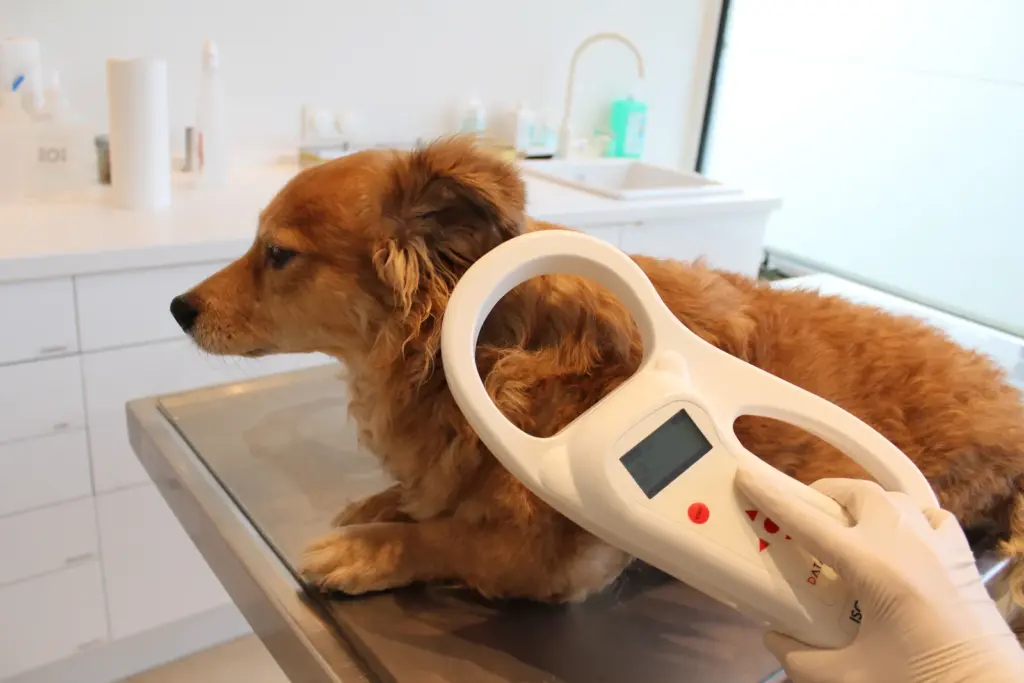
Get a microchip scan
Many veterinary clinics and shelters can scan a found pet. Call before travelling. A chip is not a GPS tracker. It stores an identification number connected to a registry.
The chip works only when the registry details are current. A clinic may need to contact the registry or original implanting clinic.
Do not assume "no chip found" means no owner. A chip can migrate, a scanner can miss it or the pet may never have been chipped.
How to make a useful found-pet post
Use:
FOUND CAT
General area: McCowan Road and Finch Avenue East
Date and time: August 31 at about 9 p.m.
Basic description: adult short-haired cat, mostly black
Status: safely contained and reported to Toronto Animal Services
Contact: private message with proof of ownership
Leave out one or two details, such as a collar colour, unusual toe marking or sex. Those details help screen claimants.
Post in neighbourhood groups, building groups, local lost-pet groups and nearby veterinary clinics. Share the official listing when available.
How to verify the owner
Ask for more than "that is my dog."
Useful proof includes:
- several older photos from different dates
- vet records with matching colour, sex and markings
- microchip registration
- City licence information
- a precise description of the collar, harness or unique mark you withheld
- behaviour the owner can explain
Watch how the animal responds, but do not use recognition alone. A friendly dog may greet strangers.
If something feels wrong, involve Toronto Animal Services. Do not arrange a tense handoff by yourself.
Safe temporary care
Keep the found animal separate from your pets. Use a closed room or secure crate with water, appropriate food and a place to rest.
Do not let the animal roam your home immediately. Fleas, respiratory illness, parasites and fear reactions are possible.
For a dog, use a secure leash and check gates twice. For a cat, keep windows and exterior doors closed. A frightened cat can disappear into a wall opening, basement or balcony.
Do not give human medication. Call a veterinarian about urgent health concerns.
What if you cannot keep the pet overnight?
Tell 311. Do not leave the animal tied outside a closed shelter or in a park.
Toronto Animal Services can explain intake, pickup and shelter location options. Capacity and hours can change, so use current direction rather than an old social post.
If a neighbour offers to foster, keep the official report current and record the foster's details. Moving the pet through several homes makes owner recovery harder.
What if the animal runs away before you can contain it?
Do not chase. Record the direction of travel, exact intersection and time. Take a photo or video if safe.
Call 311 with the sighting. Post "sighted, not contained" in bold. A sighting is not a found pet, and wording matters.
For a frightened dog, repeated crowds and cars can push it farther. Let an experienced owner, Animal Services officer or rescue team coordinate.
A cat on the TTC
A pet found on a streetcar, bus or subway is clearly displaced from its normal outdoor area. Tell the operator or station staff and call TTC Lost Articles and 311 as directed.
Do not carry a loose cat through a crowded station. Use a secure carrier or closed box with air holes if staff or Animal Services advises you to transport it.
Record the route, vehicle number, direction and stop. That detail may be exactly what the owner searches.
Puppies, kittens and litters
Very young animals need warmth and skilled care. A kitten litter outdoors may still have a mother nearby. Watch from a distance and contact a rescue or Animal Services before taking the whole litter.
Do not feed cow's milk. Do not separate nursing babies simply because the mother is away for an hour.
An unsafe construction site, flooding, injury or dead mother changes the answer. Explain the full scene when calling.

What about an ear-tipped community cat?
An ear-tipped cat has often been sterilized and returned to a managed outdoor area. If the cat appears healthy and is close to where it was found, removing it can separate it from its feeder and shelter.
Take a photo and ask nearby residents or businesses. Get help if it is injured, sick, trapped in danger or clearly far from a normal area.
Do not treat the ear tip as proof that no one cares for it.
What not to do
- Do not chase an animal into traffic.
- Do not put your face near an unknown dog.
- Do not mix the found pet with your pets.
- Do not hide the animal because you hope to keep it.
- Do not demand money before returning it.
- Do not give it to an unverified claimant.
- Do not publish every identifying detail.
- Do not rely only on one social platform.
- Do not move a healthy outdoor cat across Toronto without checking locally.
- Do not wait days to contact Animal Services.
If you lost your own pet
File the City report immediately. Search 24Petconnect and current shelter listings. Call the microchip company and mark the pet lost. Tell your veterinarian.
Search close to home first. For an indoor cat, check tiny hiding places, garages, sheds, stairwells and under decks. Ask neighbours to look rather than simply saying "keep an eye out."
Use large, simple posters with a clear photo, LOST CAT or LOST DOG, nearest major intersection and one phone number. Do not bury the number in a paragraph.
For a frightened dog, coordinate sightings instead of sending a crowd to chase.
How long should you search?
Do not give up after two days. Pets can be found weeks or months later. Refresh official reports and posters when required. Keep the chip registration current.
Check shelters repeatedly because descriptions and breed guesses can be wrong. Search by colour, size, sex and found area, not only the name or breed you expect.
The handoff home
Meet in a safe place. Bring the pet in a secure carrier or on a secure leash. Confirm proof before opening a door.
Exchange enough information to close the City report and online posts. Remove or update FOUND notices quickly so people do not keep sharing an old alert.
If the reunion happens through Animal Services, follow its process.
Prevent the next escape
Use a registered microchip, visible tag and current City licence. Check that a collar fits and a harness cannot be backed out of. Fix torn window screens and loose gates.
Take clear current photos from both sides. Save the microchip number and vet contact where more than one household member can find them.
For cats, use a carrier every time you travel. A cat loose in a car can escape when a door opens after a crash or stop.
Keep exploring Toronto
- Thirteen independent Toronto vet clinics
- Toronto off-leash areas for dog owners
- Downtown Toronto dog boarding prices and trial days
Official pages to check
Prices, rules, hours and project details can change. Check these primary pages before you spend money or make a special trip:
- City of Toronto, Lost and Found Pets
- Toronto Animal Services
- City of Toronto, Cats
- City of Toronto, Pet Licensing
Frequently asked questions
Who do I call for a found dog in Toronto?
Call 311 or Toronto Animal Services at 416-338-PAWS (7297). Give the exact location, description, condition and whether the dog is contained.
Should I take a found cat to a shelter?
Take an injured or clearly lost cat for professional help. For a healthy cat near homes, first check tags, neighbours and whether it is an ear-tipped community cat. Call 311 for direction.
Where can I scan a pet for a microchip?
Call a nearby veterinary clinic or Toronto Animal Services and ask whether they can scan a found animal. Call before travelling and keep the animal secure.
How do I prove someone owns the pet?
Ask for older photos, vet records, microchip or licence details and a private physical detail. Involve Animal Services if the claim is uncertain.
Can I keep a found pet in my home?
You may be able to provide short temporary care after reporting it, but keep it separate from your pets and follow Animal Services direction. A found animal is not automatically yours.
What does an ear-tipped cat mean?
It often means the cat was sterilized through a community-cat program. A healthy ear-tipped cat may have a local feeder and outdoor home.
What should I post if I only saw the animal?
Write SIGHTED, NOT CONTAINED. Include the exact time, general location, travel direction and a photo. Send exact sensitive details to the owner or official service.
What is the fastest way to get a pet home?
Check the tag, file the official report, scan for a chip and post locally on the same day. Do all four instead of waiting for one method to work.