


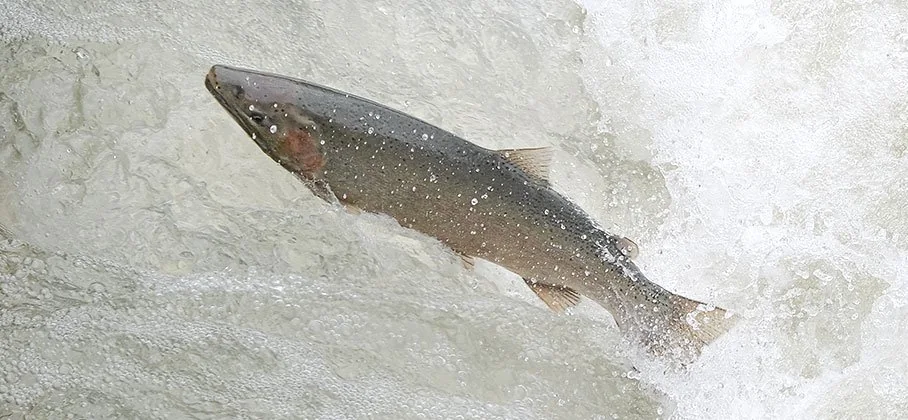
Etienne Brulé Park is our first choice for seeing the salmon run in Toronto. You can reach it from Old Mill subway station, and the Humber River is the reason to go. Morningside Park is our best Scarborough pick. Its free salmon event on October 4, 2026 adds something useful even if the fish are hard to spot.
The main catch is simple: salmon don't follow a show schedule. A famous spot can be quiet on the day you visit. Choose a pleasant walk with a chance of seeing fish, rather than building an expensive day around one leap.
For most Toronto visitors without a car, Port Hope is too much travel for a short outing. Its fish ladder is a good choice for a planned day trip. It isn't the easiest answer to this search.
Checked September 11, 2026. The photographs show the actual rivers, parks and salmon programmes. They are archive images, not proof of fish activity today. Our picks are editorial judgments about access and the outing, not measured odds of seeing fish.
Quick picks and the best time to go
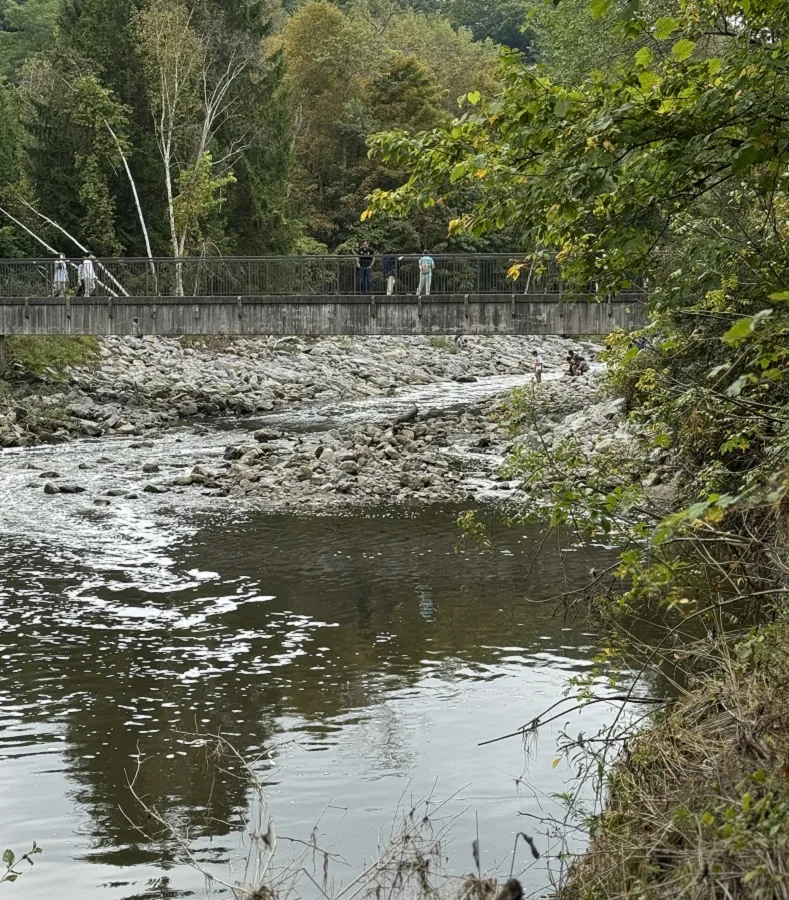
September and October are the main months to plan around. Different species and rivers have different timing. Some fall migration continues into November. There is no verified single peak date for all Toronto rivers in 2026.
| Your plan | Our pick | Main advantage | Main drawback |
|---|---|---|---|
| First visit by subway | Etienne Brulé Park | Simple trip from Line 2 | Busy viewing points and construction limits |
| Family day in Scarborough | Morningside Park | October 4 education event | Valley access adds a hill |
| Guided Don River outing | Charles Sauriol | Free October 18 walks | No public washroom at the trailhead |
| Humber walk closer to Weston | Raymore Park | A different stretch of the same river | Less direct from the subway |
| Mississauga walk | Erindale Park | Credit River trails and room to explore | September event closures |
| Eastern GTA fish ladder | Bowmanville Creek | Purpose-built fish passage | Long journey from central Toronto |
| Full day out | Port Hope | Fish ladder and a town to explore | Travel cost and time |
Plan to visit in daylight. Give yourself time to stand still and look into a clear stretch of water. A salmon resting in a pool can be harder to notice than a fish jumping over a barrier.
Rain can affect river levels and migration. Do not turn “after rain” into advice to visit a flooded river. Stay away during and after heavy rain until conditions are safe. TRCA's fall flood advice explains why nearby paths and banks can be dangerous too.
Toronto reported storm damage after the September 2 downpour. Check the City's facility service alerts and the individual trail-project notices before using a ravine trail. Facility alerts are useful for toilets and water fountains; they do not map every damaged trail. A general park listing is not a promise that every riverside path is open.
The confirmed 2026 guided-walk calendar
These are planned programmes, not forecasts of where fish will be most active. Register through the organizer. A free registration does not remove terrain limits.
| Date | Event and start time | The practical limit |
|---|---|---|
| September 27 | Greenwood Conservation Area, Ajax, 9–11 a.m. | Steep staircase into and out of the creek trail |
| October 3 | Marie Curtis Park, Etobicoke, 9–11 a.m. | Two-kilometre total walk; seasonal bathrooms will be closed |
| October 4 | Morningside Park, 10 a.m.–3 p.m. | Optional creek walks are first come, first served |
| October 17 | Etienne Brulé Park, 10 a.m. or 1 p.m. | Limited construction parking; confirm the morning end time |
| October 18 | Charles Sauriol, 10 a.m. or 1 p.m. | No public washroom at the trailhead |
Greenwood's event uses the conservation area at 2290 Greenwood Road, Ajax. The organizer will open the gate to a grass parking lot for this event. Do not assume that event arrangement applies on an ordinary day. This is a poor choice if a steep staircase is a deal-breaker.
Marie Curtis meets at the trail entrance shown on its event page, using 2 Forty Second Street as the park address. Free event parking is listed. The walk follows Etobicoke Creek. Choose it if two kilometres is comfortable and you can manage without an on-site toilet. Ask about access needs at least seven days ahead.
Read cancellation messages before leaving. Greenwood says it will email weather cancellations by 7 a.m. Marie Curtis can cancel for extreme weather or fewer than six participants, with at least two hours' notice. The Humber and Don walks say to check for an 8 a.m. cancellation email. A “rain or shine” listing is not an instruction to attend during hazardous weather.
1. Etienne Brulé Park: the best first stop by TTC
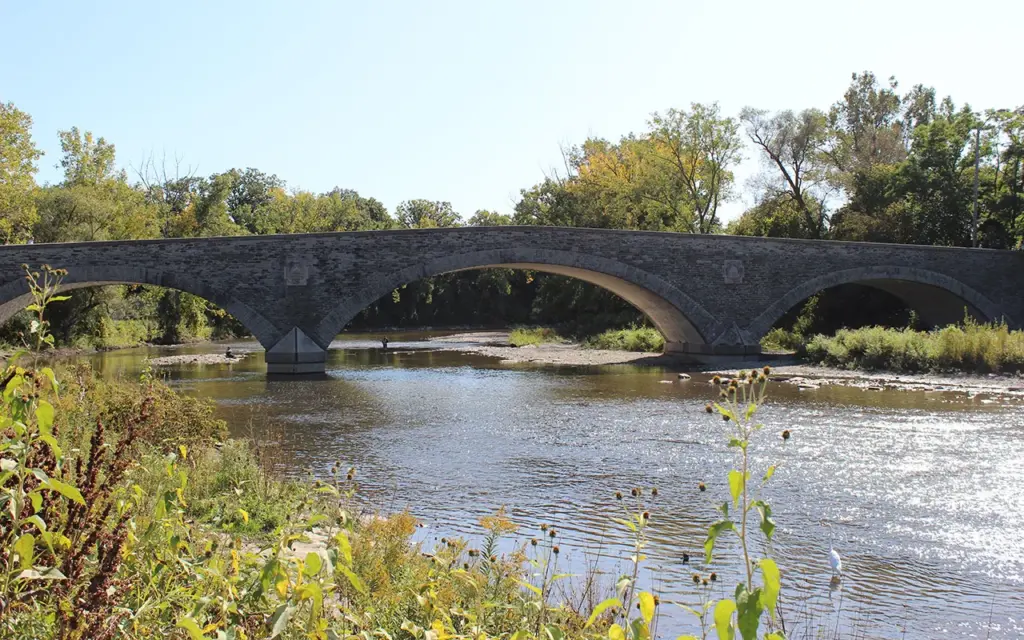
Best for: a short salmon outing from the subway.
Start at the park entrance by Old Mill Road and the Humber River. Old Mill station is on Line 2. TRCA describes its event meeting point beside the park parking lot as about a 10-minute walk from the station. Allow longer if you move slowly or stop on the way.
Old Mill's subway platforms are not accessible. The TTC station page confirms barrier-free access only between the street and bus platform. If stairs are a problem, arrange a suitable surface-transit or drop-off approach and check the route to the viewing area separately. The station has no parking lot.
Use the public riverside trail and established viewing areas. Look for fish in the water as well as at the low river barrier. You don't need to climb onto a structure to make the visit worthwhile.
The appeal is the easy trip. You can try a short visit, leave if conditions are poor, and come back another day without buying an attraction ticket. That matters more than a dramatic video of one lucky afternoon.
Pros: direct subway approach, a well-established salmon location and a river walk that still works as an outing when fish are scarce. Cons: narrow viewpoints can get busy, and current construction limits parking. Sloping approaches also matter if you use wheels.
TRCA lists a free guided event here on Saturday, October 17, 2026, with starts at 10 a.m. and 1 p.m. Register through the official Etienne Brulé salmon walk page. The morning end is printed as 11:30 p.m., an apparent typo. Confirm that session's end before booking travel. The afternoon slot is listed clearly as 1 to 2:30 p.m.
Choose this for your first try. Follow the event's meeting instructions if booked. The map below marks the park entrance, not a guaranteed fish position.
2. Morningside Park: the best family event
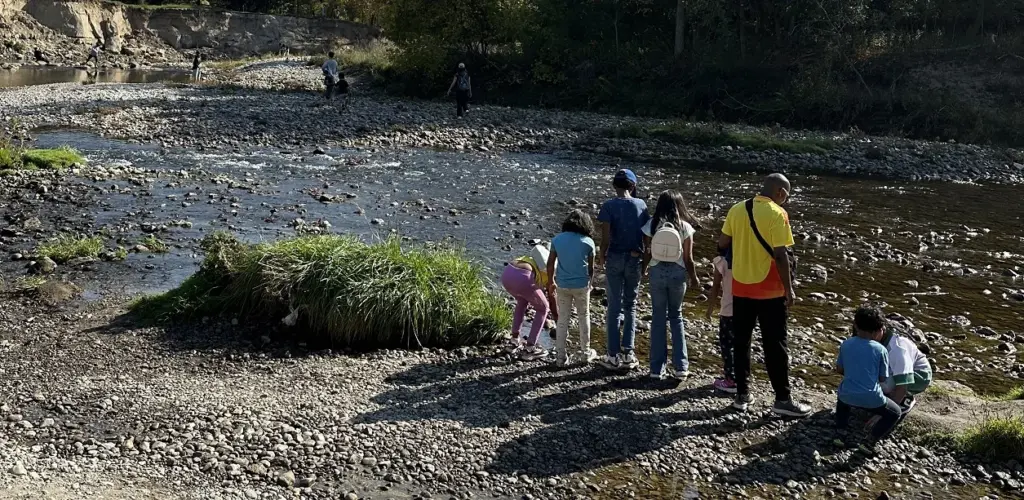
Best for: Scarborough families and children who like asking questions.
Morningside Park is at 390 Morningside Avenue. Highland Creek runs through the valley. Use the signed park entrance and trails, rather than trying to find a shortcut down a slope beside the road.
The river setting is different from a tight fish-ladder viewpoint. Look into the creek from public bridges and safe paths. Seeing a fish move through shallow water is part of the experience. Don't expect constant jumps.
TRCA's Adventures of Salmon runs Sunday, October 4, 2026, from 10 a.m. to 3 p.m. The event is free. The official event page has registration and programme details. This is our strongest family choice because the learning activities give the day a purpose beyond finding fish.
The programme includes species and life-cycle displays, crafts, children's activities and Indigenous storytelling. Optional guided creek walks are offered about every half-hour, subject to guide availability and river conditions. They are first come, first served. General registration does not reserve a particular walk departure.
Pros: a large natural setting, guided learning and a useful east-end option. Cons: the descent from Morningside Avenue adds effort, a park walk can become longer than expected, and wet valley paths are a poor fit after heavy rain.
For transit, plan to the park entrance on Morningside Avenue. Don't assume arrival at the road bridge means you have reached the creek. If steep slopes are a concern, ask the event team about the current step-free route and meeting point before travelling.
Choose the October 4 event if your child will lose interest after ten quiet minutes by the water. For a regular day, keep the walk short enough that the uphill return still feels manageable.
3. Charles Sauriol Conservation Area: best with a guide
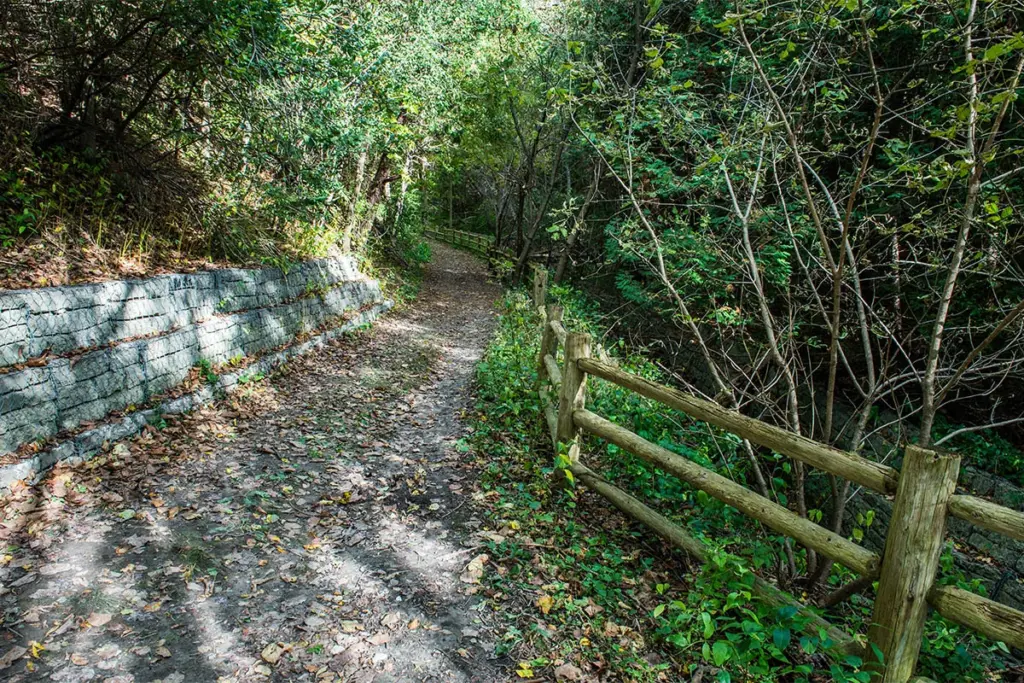
Best for: learning about the Don River.
The north entrance is at 1191 Lawrence Avenue East. TRCA's 2026 event meets beside the parking lot at the East Don Trail entrance. It lists the 91 bus from Woodbine station as a transit option. Check the current trip before leaving.
This is a stronger choice for a planned nature walk than for someone who wants a quick photo of a jumping fish. A guide can help you understand what you are looking at, even when the water is quiet.
The free salmon walks are on Sunday, October 18, 2026, with starts at 10 a.m. and 1 p.m. Use the official Charles Sauriol registration page. Its morning end is also printed as 11:30 p.m., an apparent typo. The afternoon is listed as 1 to 2:30 p.m. Confirm the morning end before arranging transport.
Pros: a guided Don River option and a clear meeting location. Cons: no public washroom at this trailhead, and the valley needs a current conditions check after the September storm. The event page offers accessibility requests at least seven days ahead.
The scheduled October walk does not prove that every path is open in early September. Watch for updates from the organizer.
Book the guided walk if you want this location. For an unplanned first visit from downtown, Old Mill is easier to understand.
4. Raymore Park: a useful Humber alternative
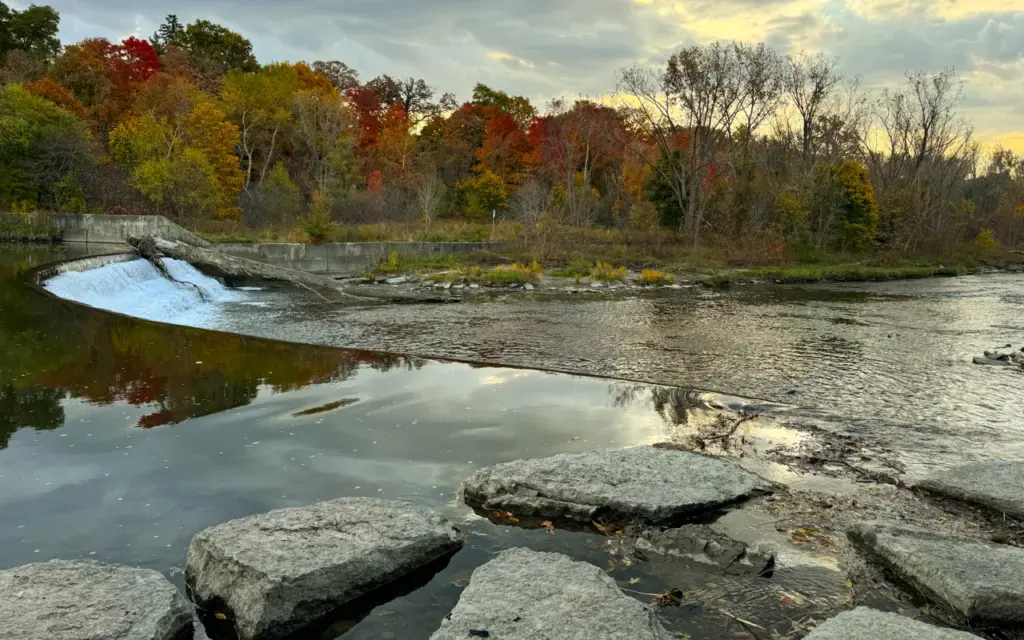
Best for: a Humber River outing closer to Weston and central Etobicoke.
Raymore Park is at 95 Raymore Drive. It appears in TRCA's salmon viewing story map. The Humber structure here includes a fish ladder, which helps fish travel past the obstacle.
The point of choosing Raymore is to avoid crossing the city to a more famous section of the same river. Use the park's public paths and safe views of the water. Never step onto the weir or into a fish passage.
Pros: a verified salmon-viewing lead from the conservation authority and a good local alternative. Cons: the trip is less direct from the subway, and a map pin at the park doesn't tell you which paths are clear after a storm.
Allow a flexible hour for a short visit, including time to look at the water. That is our planning allowance, not a measured route time. Check the City's Raymore Park listing and current alerts before setting out.
Choose Raymore if it saves you travel. There is no sound reason to promise it has fewer people or more fish than Old Mill on a particular day.
5. Erindale Park: the best Credit River starting point
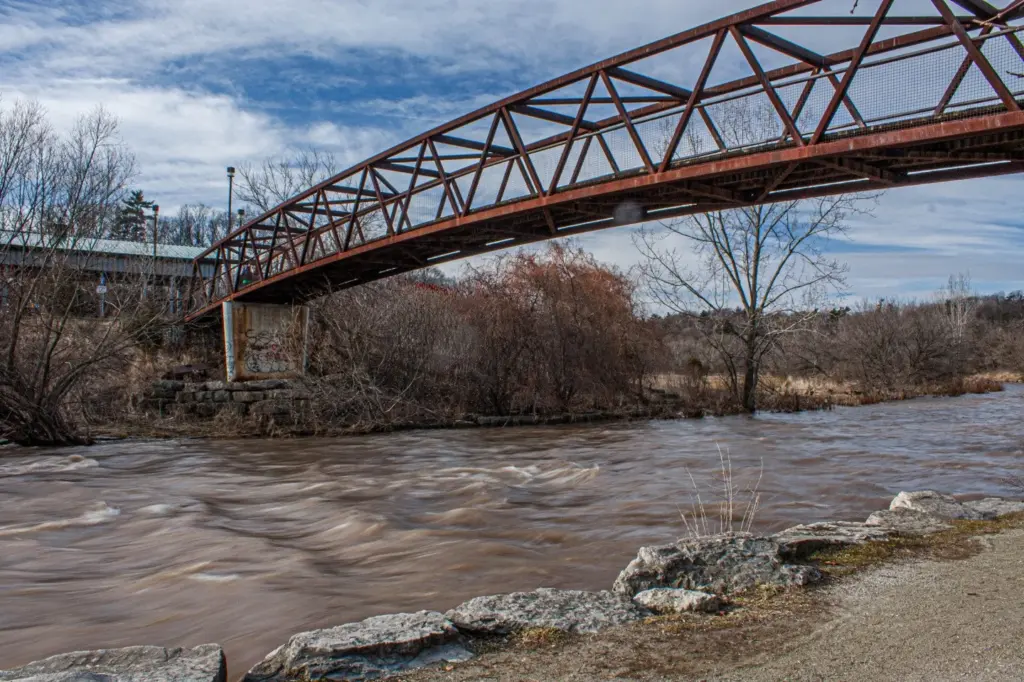
Best for: a Mississauga river walk.
The City's park listing gives 1695 Dundas Street West. Erindale is one of Credit Valley Conservation's recommended salmon-viewing locations. The Culham Trail gives access along the Credit River, so you can enjoy a walk instead of waiting at a single spot.
Don't confuse Erindale Park with Erindale GO station. Plan the complete journey to the park, including any local bus and walk. A station name is not proof that the river entrance is beside the train.
Pros: a well-supported salmon location, pleasant river scenery and an outing that can be longer or shorter. Cons: the trip from downtown takes planning, and festival work affects access from September 6 to 16, 2026.
For that period, the City says the park lots close and the main festival area is fenced. Lower riverside trails and the pedestrian bridge remain open, subject to temporary changes. The UTM trail entrance remains available. During the September 11 to 13 festival, the bus stops at the main entrance are out of service. The City’s published August 31 notice gives those arrangements. On September 11, its direct notice URL remained unavailable to our page checker, although the City's August 31 notice is still retrievable in search. Check current Erindale Park information or call 311 before making a special trip. Confidence is high in the published closure dates, but we have not confirmed any later change to the entrances or bus stops.
Choose Erindale after checking the day's access. If you are free to choose any date, avoiding the festival setup and event period is the simpler plan.
6. Bowmanville Creek fish ladder: best for an eastern GTA outing
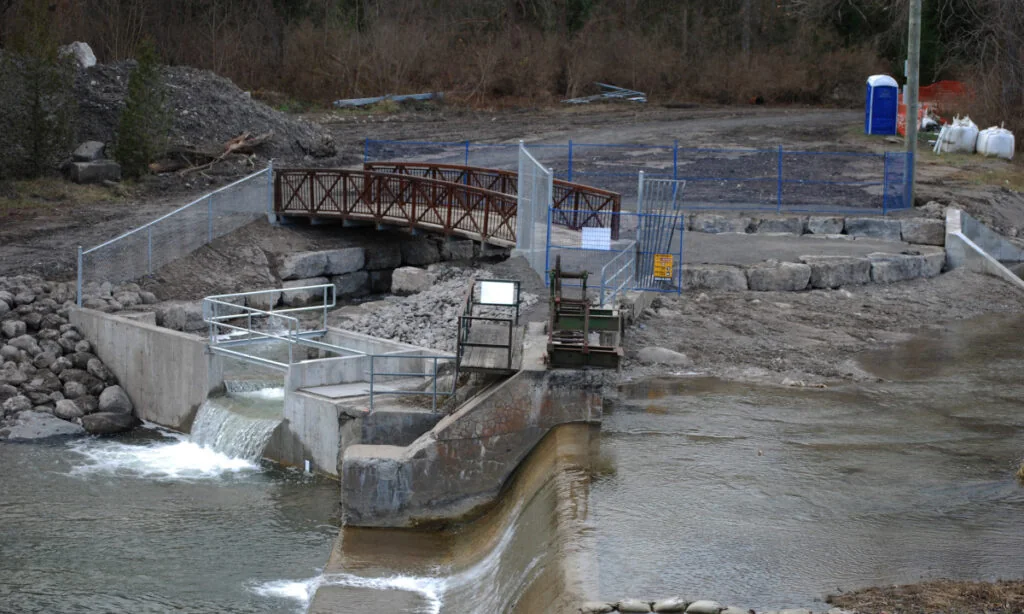
Best for: people already in Durham or planning a longer day out.
The fish ladder sits on the Bowmanville Valley Trail. Clarington lists access from Roenigk Drive, or about one kilometre north of the Baseline Road parking lot. Map the fish ladder itself, then choose the trail entrance that suits your route.
This is a real fish passage built to help migrating fish reach upstream areas. Valleys 2000 explains the project, and the municipality confirms fall salmon viewing at the ladder.
Pros: a clear feature to look for, an interesting conservation story and a walk along the creek. Cons: reaching Bowmanville from Toronto takes time, and the walk from your chosen parking area adds to the outing. Busy days can put pressure on legal parking spaces.
Clarington also describes an accessible natural-gravel fishing area south of Goodyear Dam and north of Spry Avenue. That is useful information about a specific area. It is not proof that every approach to the ladder is step-free or easy in wet weather. Check the municipal fishing and access page for the distinction.
Go here when you want a proper Durham outing. For a quick first look from a Toronto subway line, the extra journey buys no guarantee of more fish.
7. Port Hope: best for making a day of it
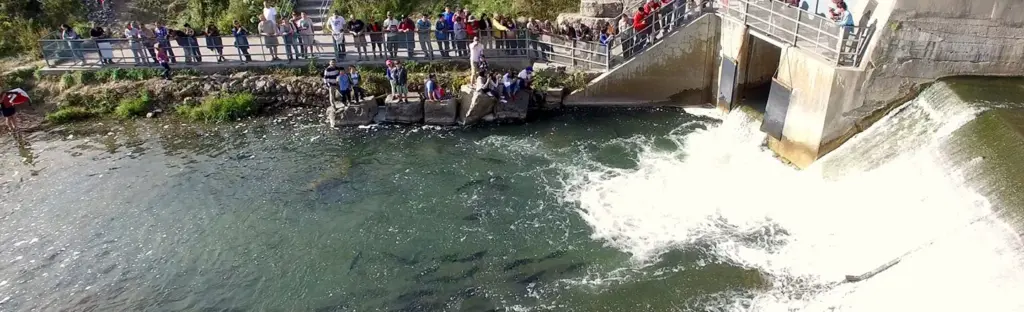
Best for: combining wildlife watching with a small-town visit.
The Ganaraska Fishway is on the west side of Corbett's Dam at 4 McKibbon Street, Port Hope. The town's official tourism page identifies this as its strongest fish-viewing point. Public riverside views downtown offer another way to look for fish pooling in shallow water.
Port Hope's salmon season often starts earlier than Toronto visitors expect. Its tourism guidance describes viewing from mid-August into early October. That is a normal seasonal window, not a live count for your date.
Pros: a dedicated fishway and a town centre that gives the day a second purpose. Cons: the distance from Toronto, travel costs and the risk of making a long trip on a quiet fish day.
The official fish migration page links to an underwater monitoring system. Check that before planning a special trip, while remembering that a recorded fish passage is not a promise of constant visible activity.
Do not enter the fishway or treat the dam as a climbing spot. Viewing and fishing are different activities, and protected sections of this river have strict fishing closures.
Choose Port Hope for the whole day. If your main aim is to keep the outing cheap and simple, stay in Toronto.
Where to eat without turning a free walk into an expensive day
Old Mill: close to the river, but a splurge
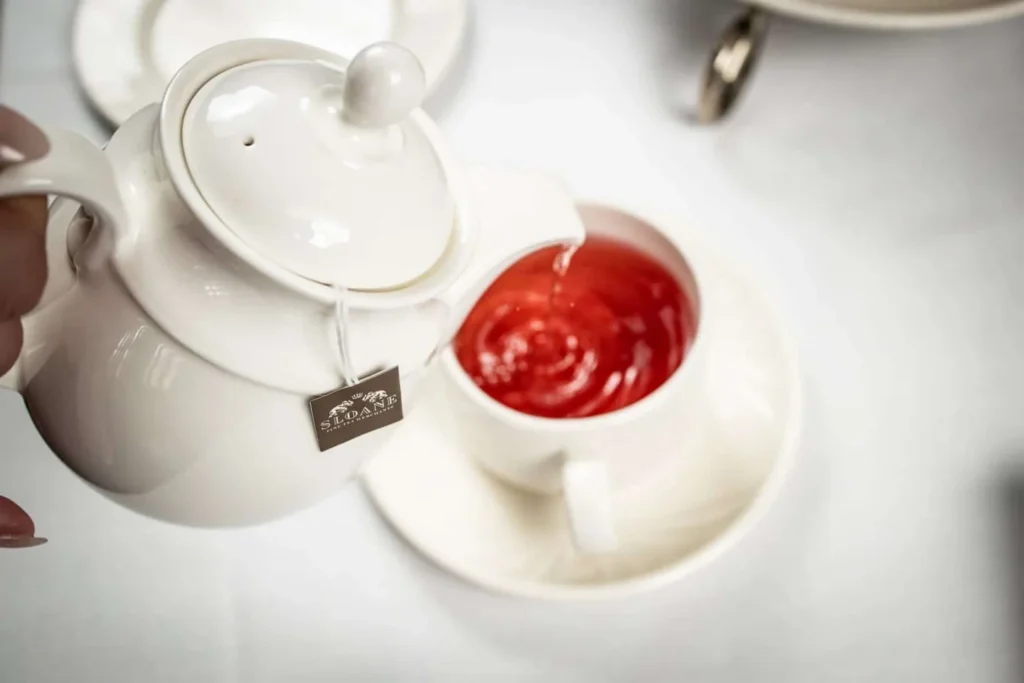
Old Mill Toronto is at 21 Old Mill Road. Its main afternoon-tea menu currently lists $68 per person, with Thursday-to-Sunday sittings at 3 p.m. and 3:15 p.m. Older $60 menus remain on the same site. Confirm your date's total, tax and gratuity when booking.
Skip tea if affordable food is the aim. Choose it only when a long, booked meal is part of the occasion. An ice-cream truck mentioned in older accounts has no confirmed 2026 schedule, so don't rely on it for food.
Bring a snack or eat on Bloor Street before descending to the river. Bloor West Village and Jane/Annette add distance and uphill walking. That matters if the short river approach is already your walking limit. A historical claim of “25 metres from parking” is not a checked step-free route or a guaranteed available space.
Apricot Tree Café: a separate meal near Erindale
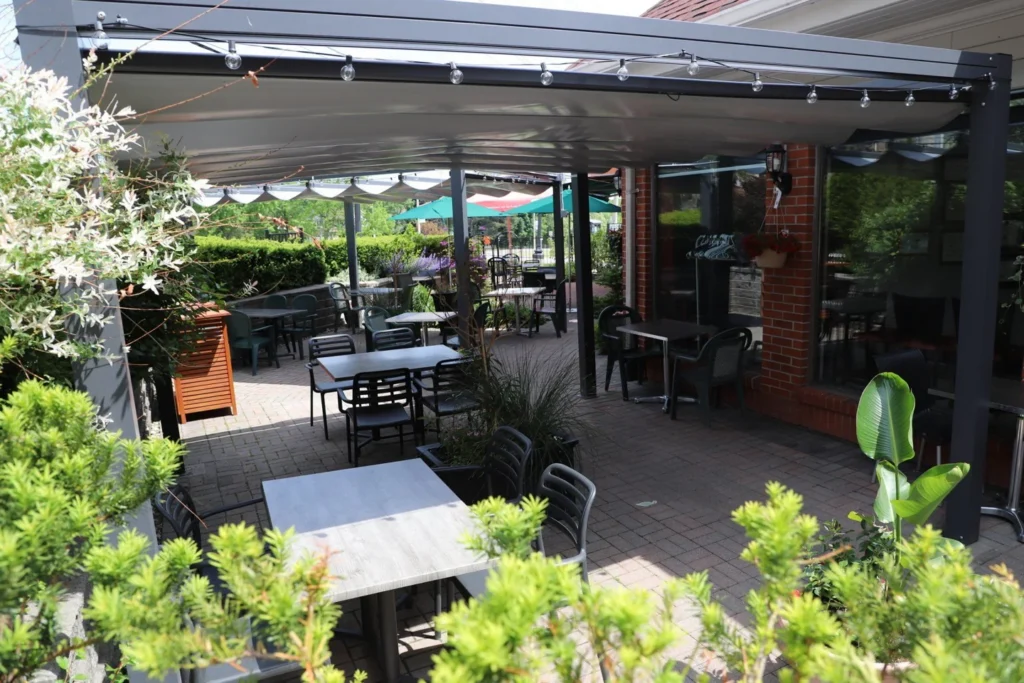
Apricot Tree Café is at 1900 Dundas Street West, Mississauga. Its current pickup menu lists soup at $9, a garden salad at $10 and schnitzel at $28. Those are menu prices before checkout extras, not a promise of an identical dine-in bill.
It closes Mondays. The posted hours are Tuesday to Friday, 10 a.m. to 9 p.m.; Saturday, 9 a.m. to 9 p.m.; and Sunday, 10 a.m. to 3 p.m. Customer parking is free.
Choose it for a seated meal after the park, not as a café beside the fish. Plan the separate trip from your park exit. Soup is a lower-cost choice; a full main, drink and dessert will make this a restaurant outing. Its patio photograph is an archive view, not a promise of outdoor service in October.
Plan a visit that still works when the fish are quiet
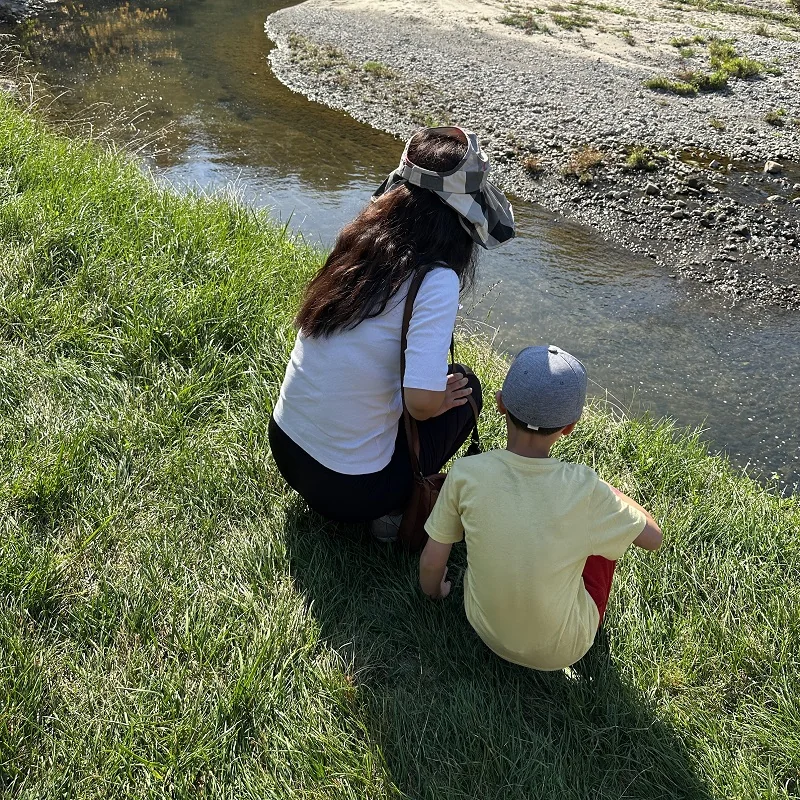
Pick one river, not a seven-stop route
These places are alternatives. Trying to visit the Humber, Highland Creek and the Credit River in one day turns a calm nature outing into a lot of travel. Choose the easiest good option from home. Leave a second river for another weekend.
A simple plan for a first visit
Start with Old Mill if the station stairs and outdoor approach suit you. Use a toilet before heading down, bring a snack and choose one or two safe public viewpoints. Spend part of the visit watching the water and part walking. Return by the same route while everyone still has energy.
For Scarborough families, the October 4 Morningside event is the stronger plan. Start with a display or activity, then join a creek walk if space and conditions allow. There is no need to fill the entire five-hour event window.
If you are driving because someone cannot walk far, establish the drop-off point, actual viewing distance and washroom route first. Limited parking at Old Mill and festival closures at Erindale make a vague “park nearby” plan unreliable. A shorter river visit is better than a promised easy outing that starts with a long walk from an overflow lot.
A realistic small budget
The river view is free. For two adults using the TTC, two outward and two return fares at the current $3.30 electronic adult fare total $13.20. Children aged 12 and under ride free. See the TTC fare rules for transfers and concession fares.
Bring food if the budget is tight. Two $68 Old Mill teas start at $136 before any added tax or gratuity. That is a special meal attached to a free walk. It should not be mistaken for the cheap version of this outing.
For Bowmanville, Port Hope or a GO journey, add the whole return fare and the last connection. Do not compare a Toronto subway outing with a distant trip using only the parking price.
Check the date on every sighting
A video posted today may show last October. Look for the date taken, the exact river and the location within the park. A recent observation is useful, but fish move and water changes. Treat it as a reason to look, not proof that a crowd of salmon is waiting.
Give the trip a second purpose
Bring a picnic, plan a short leaf walk or meet a friend. For a child, spotting a bird or collecting fallen leaves for a drawing can save a quiet fish day. Our car-free GO day trips help if you want a larger outing. Keep the backup close to the river you chose.
Set a sensible waiting limit
Our suggestion is to try two safe viewing points and spend about 15 to 20 quiet minutes at each. This is an editorial plan, not a scientific rule. If nobody is having fun, leave. Returning another day is better than spending three hours waiting for a leap because the trip took effort.
Check toilets before entering the valley
Use a washroom before the walk and carry water. Seasonal park toilets can close or be out of service. Charles Sauriol's event page explicitly says there is no public washroom at its trailhead. Do not assume a large green area on a map includes a usable toilet beside the river.
Know what you are watching
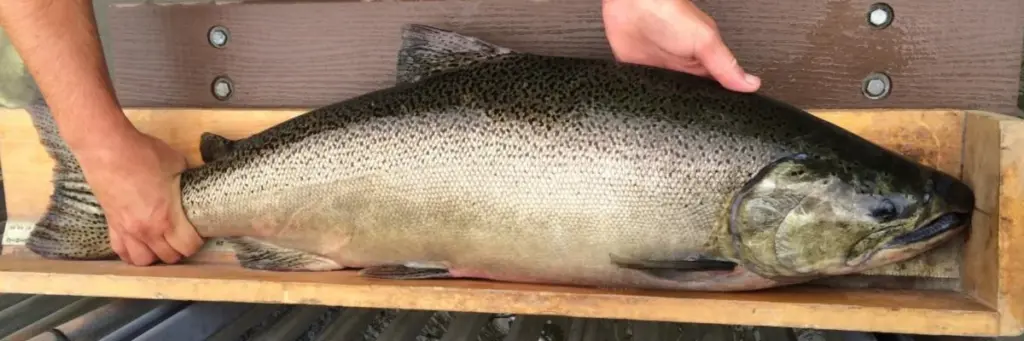
The identification photo above shows a Chinook salmon being measured. It helps explain the fish's shape. Visitors should leave fish in the river.
Look for a body shape, not just a splash
Stop on a bridge or safe path and let your eyes settle. A dark shape facing into the current may be easier to spot after you have watched the same pool for a while. Reflections and muddy water can hide fish. Use your phone's zoom rather than moving closer to the edge.
Not every fish is the same species
Chinook are the most common salmon seen in the region's rivers. Coho and Atlantic salmon are also part of the local story. Brown trout can migrate in fall too. Rainbow trout are mainly associated with the spring spawning run. TRCA's salmon identification guide helps you compare them.
Dead salmon can be part of the normal cycle
Chinook and Coho die after spawning. Their bodies feed the river ecosystem. Atlantic salmon can survive and spawn again. Explain this before a visit with children who may find it upsetting. Avoid promising a cheerful animal show. This is wildlife at a hard stage of life.
A difficult jump does not mean you should help
Keep your hands out of the water. Do not carry a fish over a barrier or move rocks and branches to change the flow. Barriers can have conservation purposes, including limiting invasive species. Watching quietly is the right role for a visitor. Tell the park authority about a major blockage rather than altering it yourself.
Keep the outing safe, kind and affordable
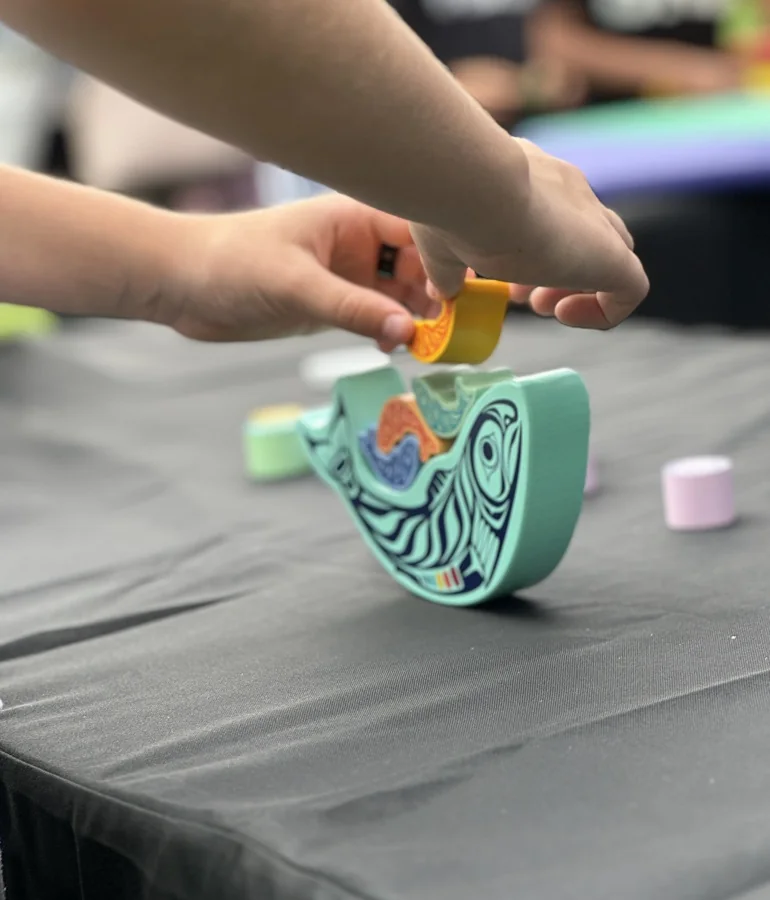
Keep children and dogs back from the edge
Use a public bridge or a broad path with room to stand. Wet rocks, steep banks and fast water are a poor place for a close-up. Keep dogs leashed where required and out of the spawning area. A photo of other visitors close to a creek is not an instruction to copy their position in today's conditions.
Leave fishing rules to the current official guide
This article is about watching. Seeing someone cast a line does not establish that fishing is allowed there. Ontario's 2026 fishing rules include a September 1 to October 14 no-fishing period on a defined downtown stretch of the Ganaraska. Other sections are closed all year.
If you suspect illegal fishing, use the Ministry's reporting line, 1-877-847-7667. Record the location from a safe place. Don't confront someone at the river or guess their eligibility from appearance.
Spend on comfort before spending on distance
Wear shoes with grip. Take a layer, water, snacks and a charged phone. You don't need a special camera or a paid tour to look from public paths. Set a transport and food budget first. A local river with a packed lunch is the better value if a distant trip would strain your budget.
Book a learning event when certainty matters
No organizer can promise fish. A guided event can promise a planned subject and someone to explain it, unless cancelled. The October 4 Morningside event and October 17 and 18 TRCA walks are the best starting points in this guide for that kind of visit. Check availability and cancellation messages before travelling. The calendar near the top also covers Greenwood and Marie Curtis, including their stairs, walking distance and toilet limits. Check the official salmon event calendar for additions or changes.
If the forecast turns ugly, use our rainy-day Toronto ideas instead. A river trip is easy to postpone. You can also use a Toronto library card for free attraction passes when you want a different low-cost outing.
A transport option for eligible newcomers
TCCSA lists an October 4 community trip to Morningside, with pickup at its York Centre in Markham. It is restricted to permanent residents and Convention refugees, with proof of status required. A $10 refundable deposit must be paid in person by September 30 after staff confirmation. An Eventbrite ticket alone does not confirm a seat. Ask the organizer about the exact pickup unit, since the page shows conflicting unit numbers. Bring lunch. This is not a free bus open to everyone.
Other locations worth watching, with limits
TRCA's story map also names the Lower Don River Weir, Rouge National Urban Park, Whitevale Park and Greenwood Conservation Area. They are useful leads for people nearby. They are not ranked above because this guide has not established a better current visitor approach than the seven full profiles.
The same map asks for reports from Nort Johnston District Park to learn whether fish reach that far. That is a monitoring question, not a confirmed viewing promise. Reports from private golf-course land are not a reason to enter without permission.
Older reports of Rouge sightings need special care in 2026. Parks Canada lists Rouge Beach construction closures, and access elsewhere in the park has changed. Do not assume you can walk from Rouge Hill GO along an open riverside path to every reported spot.
Frequently asked questions
When is the salmon run in Toronto?
September and October are the main planning months, with some migration continuing into November. The timing changes by river, fish species, water level and weather. There is no confirmed single peak day for Toronto in 2026.
What is the easiest salmon-viewing spot by TTC?
Etienne Brulé Park is our first choice if stairs suit you. Use Old Mill Station on Line 2 and the entrance near Old Mill Road. Old Mill's subway platforms are not accessible, so a visitor needing a step-free trip must arrange a different approach. Check construction and trail notices too.
Is watching the salmon run free?
You can watch from public paths at the locations in this guide without buying a salmon-viewing ticket. Transport, parking and food can add costs. TRCA also lists free 2026 salmon events, with registration through its official pages.
What time of day should I go?
Choose daylight and safe trail conditions. Clear water and a good viewing angle matter more than a claimed magic hour. Early visits may suit your schedule, but they do not guarantee fish or an empty park.
Should I go right after it rains?
Do not visit flooded banks or nearby trails during or after heavy rain. Rain can affect migration, but fast water and damaged paths can make viewing unsafe. Check flood messages and local closures first.
Can children watch the salmon run?
Yes, with close supervision from a safe public viewpoint. Choose a short walk, plan toilets and explain that they may see dead fish. Morningside Park's October 4, 2026 event is our best family pick because it adds learning activities.
Are the paths wheelchair accessible?
There is no single answer for every path in these parks. Check the exact entrance, slope, surface and viewing area, especially after storms. For a TRCA event, contact the organizer about access needs before booking travel.
Are fish sightings guaranteed on a guided walk?
No. A guide can explain the river and help people look, but wildlife moves on its own schedule. Book for the learning and choose an outing you will enjoy even if the fish stay out of sight.