


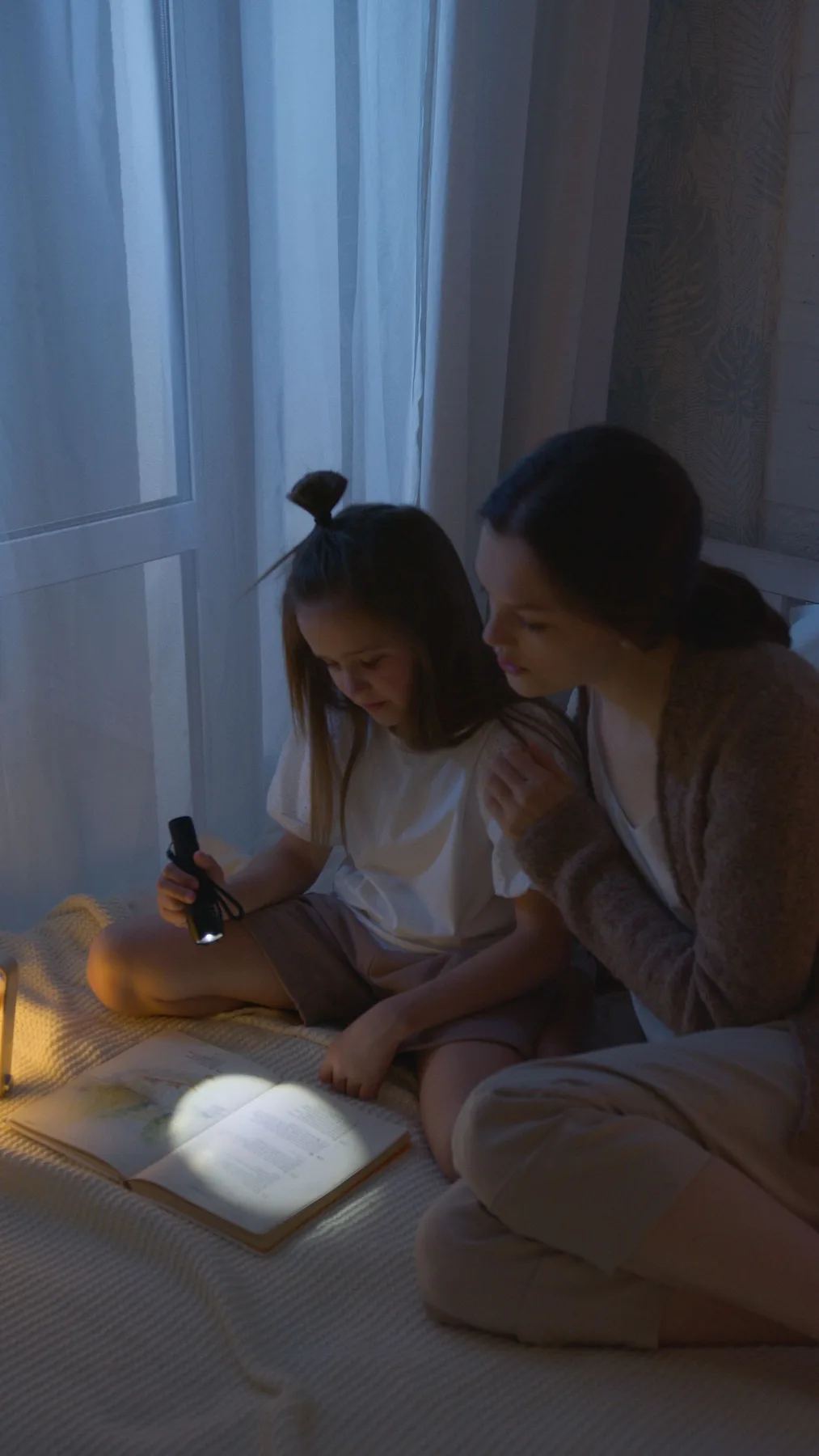
At 4:11 p.m. on August 14, 2003, most of Ontario and a large part of the northeastern United States lost power. Toronto's subway and streetcars stopped. Traffic lights went dark. Elevators quit. Offices emptied into the streets. More than 50 million people were affected across the two countries.
The failure began in Ohio. It was not terrorism, a cyberattack or something a Toronto resident plugged in. Power-system failures, poor information, inadequate tree trimming and weak coordination allowed a local problem to spread across the grid.
Toronto remembers the blackout as both a serious emergency and an unusually warm community night. Neighbours shared food before it spoiled. Children played outside. People listened to battery radios and looked up at stars normally hidden by city light. But many others were stranded, overheated, unable to use elevators or worried about medicine and family.
That is the honest lesson. Community can make an outage kinder. It cannot keep an elevator moving, food cold or medical equipment running. A small, practical 72-hour plan still matters.
This article was checked on August 27, 2026. Emergency advice and contact details can change. Follow current instructions from the City of Toronto, Toronto Hydro and emergency services during a real outage.
What happened during the 2003 blackout?
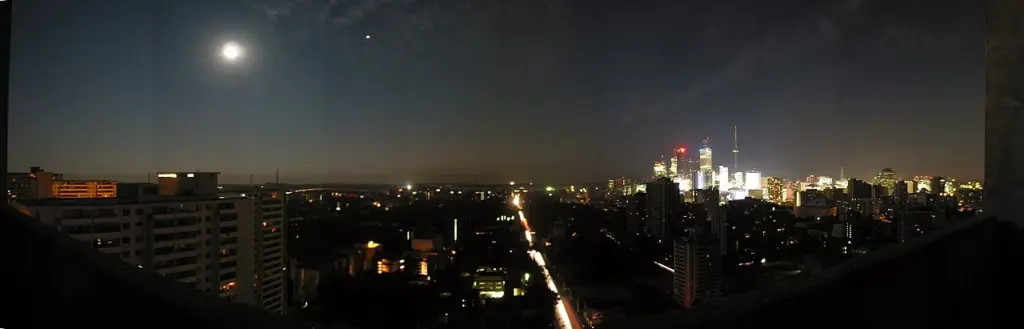

The grid was already under strain on a hot August afternoon. Then a series of failures in Ohio removed important power lines from service.
Some lines sagged into overgrown trees and shut down. Operators did not have a clear picture of what was happening. Computer and alarm problems made that lack of awareness worse. The remaining lines became overloaded. The disturbance grew and moved across a network that joined many utilities and regions.
Large power swings moved through New York, Ontario and Michigan. At 4:11 p.m., parts of the northeastern United States and Ontario began shutting down in a cascade.
The Independent Electricity System Operator's history says about 61,800 megawatts of customer load was interrupted. In Ontario, demand fell from 24,099 megawatts at 4:10 p.m. to only 2,574 megawatts at 4:17 p.m.
That is a huge change in seven minutes.
Was the blackout caused by one tree?
No. Trees were part of the chain, but the official explanation is much bigger than one branch touching one wire.
The joint Canada and United States investigation identified four broad causes:
- Inadequate understanding of the power system.
- Inadequate awareness of the situation as it developed.
- Inadequate tree trimming around transmission lines.
- Inadequate tools and support for the groups responsible for keeping the wider grid reliable.
A later Natural Resources Canada review described the main lessons as trees, tools and training.
The problem was not simply that equipment broke. People and organizations did not see the full danger quickly enough. Voluntary reliability rules were also not strong enough for such a connected system.
Was it terrorism?
No. The official investigation found no evidence that terrorism caused the blackout.
The fear was understandable. The September 11 attacks were still a recent memory. News moved more slowly in 2003. Many people standing on dark Toronto streets did not have a smartphone, social feed or live outage map in their hand.
Rumours moved faster than facts. Some people heard that Ottawa, Detroit or New York had lost power and assumed an attack was underway. The final investigation instead traced the cascade to grid operations and transmission failures in Ohio.
A seven-minute collapse and a long restoration
At 4:10 p.m., Ontario was using more than 24,000 megawatts of electricity. By 4:17 p.m., its supplied load was barely one tenth of that amount.
Protective systems split parts of the grid to keep damage from spreading even farther. Northwestern Ontario stayed connected when the system separated near Wawa. Cornwall retained electricity through its separate connections with Quebec and local hydroelectric supply. The Niagara area also isolated itself and helped restart the wider system.
Restoring a grid is not the same as flipping a house breaker.
Power plants need safe starting conditions. Supply and demand must stay balanced every moment. Voltage and frequency must stay within narrow limits. Turning on too much demand before enough generation is available can cause another collapse.
Ontario's power system was restored within about 30 hours. The provincial state of emergency remained in place until August 22 while generation returned to full capability and conservation continued.
That system-level number does not mean every Toronto home had power after exactly 30 hours. Buildings sit on different circuits. Local equipment can fail. A transformer problem can delay one block even after surrounding blocks are back.
The uneven return became part of the memory. Some households had lights before midnight. Others waited through the next day or longer. That difference is normal in a large restoration and is why a neighbour's power is not proof that yours should be on.
What Toronto felt when everything stopped
The blackout did not arrive with an alarm. Lights blinked out. Computer screens went black. Air conditioning and ventilation stopped. People first assumed a breaker had tripped or one building had a problem.
Then they looked outside.
The next intersection was dark too. Office workers were leaving towers. People were coming out of subway entrances. Radio reports said the outage stretched beyond the city.
Toronto had to improvise before it understood the scale of the event.
The trip home became the first emergency
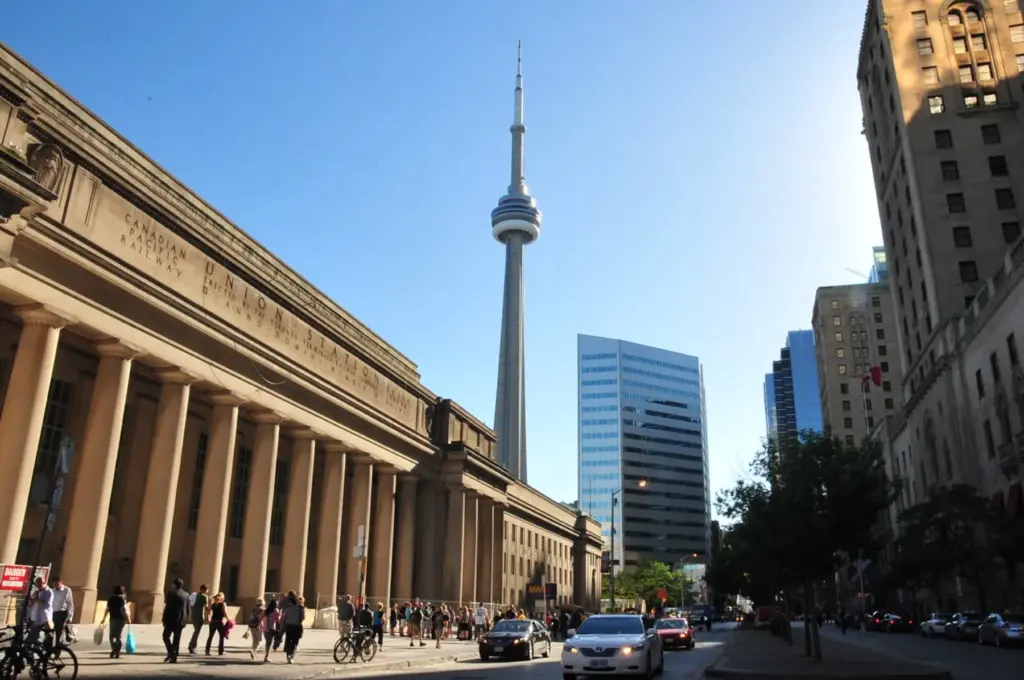
The outage began near the end of the workday. That timing mattered.
Subway trains and streetcars could not provide normal service. Some passengers had to leave vehicles or stations. Buses became packed. Commuter hubs filled with people trying to find another route.
Thousands walked. A trip from downtown to North York, Scarborough, Etobicoke or Mississauga could take hours on foot. Coworkers shared rides. Strangers offered lifts. People waited at offices or slept with friends because home was too far away.
Road travel was not easy. Traffic signals were dark, fuel pumps needed electricity and traffic moved slowly. Some civilians stepped into intersections and tried to direct vehicles. The instinct was generous, but it was risky.
During a power failure today, a signal that is completely dark should be treated as an all-way stop. Come to a full stop. Take turns. Watch for people crossing. Do not enter a large intersection because another civilian waves you through.
Transit may keep some buses moving during an outage, but routes, payment arrangements and operating limits depend on the event. Do not assume a past story about free service or a specific route will apply next time. Check official TTC notices when service is available.
High-rise residents faced a different Toronto
A power outage changes a tall building quickly.
Elevators may stop. Hall and stair lighting may switch to limited emergency power. Water pressure can fall if pumps are affected. Electronic entry systems may fail. Ventilation and air conditioning can stop. A resident on the twenty-ninth floor is facing a different problem than someone in a house with a front porch.
Stories from 2003 include people climbing 14, 21 or 29 floors. Some moved through stairwells with tiny candles. Others nearly entered an elevator just before a second local failure.
Use a flashlight or headlamp in a stairwell. A candle gives weak light, leaves one hand occupied and can start a fire. Do not use an elevator during a power failure unless building staff or emergency officials clearly say it is operating safely.
Ask your property manager now which systems have backup power. Useful questions include:
- Does one elevator run on emergency power?
- Do water pumps work during an extended outage?
- How long will emergency lights last?
- Is there a refuge area with lighting, water, charging or temperature control?
- How will staff communicate with residents who cannot use stairs?
- Does the door or garage system have a manual procedure?
Do not wait for a dark stairwell to learn the answers.
Phones worked differently in 2003
Many homes still relied on landlines. A basic corded telephone could sometimes continue working because the telephone network supplied its own power. A cordless home phone needed electricity at its base and went dead.
Office phone systems also needed local power. Mobile networks became busy or unavailable. Contact numbers stored only on a computer could not be reached.
Today's weak point is different. A charged smartphone may work at first, but home Wi-Fi stops when the modem and router lose power. Cellular towers can become congested. A battery drains faster when a phone struggles to find a signal.
Prepare for that simple failure:
- keep a charged power bank and the right cable
- write important numbers on paper
- download or print an area map
- choose one contact outside the immediate area
- send short text messages instead of making long calls when networks are busy
- turn on low-power mode and lower the screen brightness
- keep a battery or hand-crank radio
A radio sounds old until every household screen depends on a network that is unavailable.
Cash became useful again
Debit terminals, ATMs, electronic locks and fuel pumps need electricity or communications. Many did not work in 2003.
Some businesses took cash. One bank with backup power could complete a time-sensitive bank draft. Other transactions stopped because computer or phone systems were unavailable.
The useful lesson is not to keep a frightening pile of money at home. It is to keep a modest amount of small bills in a secure part of the emergency kit. The City includes small amounts of cash in its current grab-and-go guidance.
Small bills are easier when a shop cannot make change. Cash should pay for essentials first. Spending the last available money on drinks is a funny story only after the emergency ends well.
Why everyone remembers barbecues and ice cream
Fridges warmed. Freezers were full. Stores and restaurants had stock they could not keep cold.
Neighbours moved grills into driveways and yards. Families shared meat, frozen food and melting ice cream. Some shops gave food away. Other restaurants cooked outdoors or served what they could. For children, it felt like a block party that arrived without planning.
That memory is real. It is also not a complete food-safety plan.
Cooking food before it spoils can help only when the food is still safe and the cooking equipment is used outdoors. A closed refrigerator normally keeps food cold for four to six hours. A full freezer can keep food frozen for about 48 hours, or about 24 hours when half full, if the door stays closed.
Do not open the door repeatedly to check. Use an appliance thermometer. Food that has been above 4 C for more than two hours can become unsafe, especially meat, fish, poultry, eggs and leftovers.
Smell and appearance cannot prove food is safe. When in doubt, throw it out.
The stars were bright because Toronto went dark
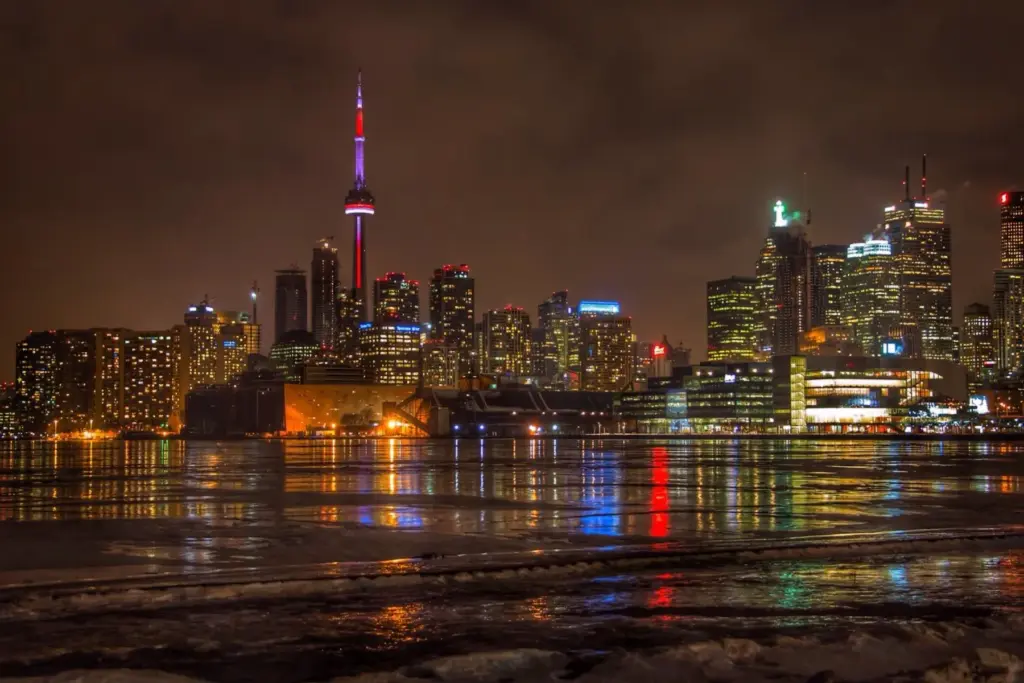
One memory appears again and again: the sky.
With street lights, offices, signs and homes dark across a huge area, Toronto's usual glow faded. People reported seeing many more stars and even the Milky Way. Children and adults stood on porches, roofs and sidewalks looking up.
It was beautiful because the event was so unusual. It was also a visible lesson about light pollution. Much of the night sky is always above Toronto. City light normally washes it out.
The quiet mattered too. Air conditioners, televisions, computers and much of the traffic noise stopped. Neighbours could hear guitars, radios and each other.
But a roof or dark street is not automatically safe. Use a legal, stable viewing area. Carry a light. Do not sleep on a roof or move through traffic just to find a darker view.
Why people remember the community more than the grid
The cause was technical. The memory is social.
People sat on porches with neighbours they barely knew. Children played manhunt, basketball, cards and board games. Someone with a grill cooked for someone with an electric stove. Someone with a car gave a ride. People shared flashlights, batteries, food and news from the radio.
Those acts mattered because the ordinary systems around them had failed.
There is a temptation to romanticize the blackout as one perfect Toronto party. That leaves out people who were frightened, isolated or physically stuck. It leaves out workers managing hospitals and emergency systems. It leaves out parents carrying children up stairs, travellers without money, people using powered medical devices and anyone whose home became dangerously hot.
The right conclusion is not that Toronto needs another blackout. It is that neighbours are part of emergency infrastructure.
Learn who may need a check-in on your floor or street. Share contact information before a storm. Know who has mobility limits, young children or essential medical equipment. Offer help without assuming what someone needs.
Community is most useful when it is planned and respectful.
What changed after the blackout?
The 2003 failure exposed a serious weakness. Electricity reliability rules across much of North America were voluntary.
The joint task force recommended mandatory and enforceable standards, stronger oversight, better operator training, improved system tools and better coordination. Canada and the United States then moved toward stronger reliability frameworks.
Power systems have changed since 2003. Operators have better monitoring and more formal standards. That does not make outages impossible.
Toronto can still lose power because of wind, ice, flooding, equipment failure, fallen trees, extreme heat or damage to local lines. A local outage can last longer for one street than a large event lasts for the wider grid.
The lesson is not to expect the exact 2003 cascade again. It is to understand how quickly ordinary city life depends on electricity.
What should you do in the first five minutes of a Toronto power outage?
Start by finding out whether the problem is inside your home.
Look through a safe window to see whether nearby buildings or street lights have power. Check whether only one room or circuit is affected. If a breaker has tripped, unplug the likely overload before one careful reset. If it trips again, leave it off and call a qualified electrician.
If the neighbourhood is dark, report the outage through the Toronto Hydro Outage Hub or call 416-542-8000 and press 1. Outage and emergency phone support is available at all hours.
Then:
- Turn off the stove and oven.
- Unplug space heaters, toaster ovens, griddles and anything that could heat up when power returns.
- Unplug sensitive electronics or use proper surge protection.
- Leave one light on so you know when service returns.
- Keep the fridge and freezer closed.
- Use flashlights before candles.
- Check on household members and nearby people who may need help.
- Save phone power and follow official updates.
Call 911 for an immediate threat to life or safety. Call 311 for non-emergency City information. Stay far away from a downed wire and report it to Toronto Hydro.
Treat every fallen wire as live. Do not touch it, move it or drive over it.
How to get reliable information
The Toronto Hydro outage map can show known outages and estimated restoration information when the network is available. Sign up for outage notifications before an emergency, not after your home Wi-Fi is gone.
The City may share information through its website, social accounts, news media, telephone, posted notices and building staff. A battery-powered or hand-crank radio gives you another route when internet service fails.
Be careful with screenshots and neighbourhood rumours. Restoration estimates can change as crews find new damage. A rumour about the cause can create panic.
Use these questions:
- Who issued the information?
- Is it current?
- Does it apply to my address or the whole city?
- Is it an estimate or a confirmed instruction?
Share official links and exact wording. Do not turn an estimate into a promise.
How much food must you throw out?
Time and temperature decide, not the size of the grocery bill.
Keep the refrigerator and freezer closed. A closed refrigerator may stay cold for four to six hours. A full freezer may hold a safe frozen temperature for about 48 hours. A half-full freezer may manage about 24 hours.
Use these practical rules:
- Keep a thermometer inside the fridge and freezer.
- Move refrigerated medicine only according to the pharmacist or manufacturer's directions.
- Do not taste food to test it.
- Throw out perishable food held above 4 C for more than two hours.
- Throw out food touched by leaking raw meat.
- Keep a list and photographs if an insurance claim may apply.
Ice crystals can be useful evidence that frozen food stayed cold, but check the current City of Toronto emergency food-safety advice before deciding.
A street barbecue does not reset the clock. If the food was already unsafe, cooking it will not always remove every risk.
Never bring outdoor cooking equipment inside
The most dangerous blackout shortcuts often involve fire or carbon monoxide.
Never use a barbecue, camping stove, portable burner, propane heater, kerosene heater or fuel-burning generator inside a home, garage, shed, basement or enclosed space. An open door or window does not make it safe.
Carbon monoxide has no smell or colour. It can kill.
Portable fuel-burning generators should operate at least six metres from homes and buildings. Point the exhaust away from doors, windows and air intakes. Use a proper transfer switch installed by a qualified electrician if a generator connects to home wiring. Never backfeed electricity through a wall outlet.
A battery power station does not produce carbon monoxide. Its energy capacity and output still need to match the device being powered.
A natural-gas stove may be usable for cooking if the manufacturer permits it and it can be lit safely. Never use the stove or oven to heat the home. Keep working carbon-monoxide alarms in place.
For apartment and condo balconies, check the building's rules. Toronto Fire Services says outdoor cooking needs open-air ventilation, while building rules can be stricter. A balcony is not a universal emergency cooking zone.
Use flashlights instead of candles
Candles were part of the 2003 atmosphere. They were also a fire risk.
LED lanterns, headlamps and flashlights are safer. Keep one beside each bed and another near the main exit. Store batteries with them.
If a candle is the only available light:
- use a stable, non-tip holder
- keep it away from curtains, paper, bedding, children and pets
- never carry it through a stairwell
- never leave it unattended
- put it out fully before sleeping or leaving the room
Do not use a car's headlights as fixed lighting for a home or bar. It wastes fuel, creates exhaust risk if the car is near a building and may leave the battery too weak to start.
Make a plan for medicine and powered equipment
A power outage can become a medical emergency before it becomes inconvenient.
If someone uses a ventilator, oxygen concentrator, CPAP machine, powered wheelchair, lift, refrigerated medicine or other essential equipment, make a specific backup plan with the care team and equipment supplier.
The plan may include:
- the safe backup power type and required capacity
- how long the device can operate on a battery
- where replacement batteries are stored
- the correct temperature range for medicine
- who to call when power is expected to remain out
- an accessible place to relocate
- transport that does not depend on one elevator or one driver
- a paper list of medicine, settings and emergency contacts
Do not guess whether a small battery pack can run a medical device. Check the device rating and supplier instructions.
Register for any utility or building support program that fits your situation, but do not treat registration as a promise of immediate restoration. A personal backup plan is still needed.
Call 911 if a device failure creates an immediate threat to life.
Prepare for heat and cold
The 2003 blackout happened in hot weather. Many people slept in basements because upper floors became uncomfortable.
Heat rises. A high-rise unit without ventilation can become dangerous, especially for an older adult, baby, pregnant person or anyone with a heart or breathing condition.
Close blinds against direct sun. Use cool water on the skin. Wear light clothing. Drink water regularly. Move to a safer, cooler location if officials or building staff open one and you can travel safely.
In winter, wear layers and gather in one safe room. Never heat the home with an oven, barbecue or outdoor heater. Protect pipes according to current building or utility guidance.
Know the signs of heat illness, hypothermia and carbon-monoxide poisoning before the outage. Confusion, fainting, chest pain or severe breathing trouble needs urgent help.
Build a Toronto 72-hour kit without overspending
The City says emergency services may take up to 72 hours to reach everyone during a large event. Your kit should help the household manage for at least three days.
You do not need an expensive survival package. Buy useful items slowly and rotate what you actually eat.
Water and food
The City's current target is four litres of water per person per day for drinking and basic hygiene. That means 12 litres for one person over three days.
Add ready-to-eat food that meets the household's dietary needs. Choose food that does not require electricity, refrigeration or cooking. Keep a manual can opener.
Remember food and water for pets.
Light and information
Keep:
- LED flashlights or headlamps
- spare batteries in the correct sizes
- a battery or hand-crank radio
- a charged power bank and cable
- a paper contact list
- a small local map
Test the radio and power bank twice a year.
Health and daily needs
Add:
- a first-aid kit
- prescription and common over-the-counter medicine
- glasses or contact-lens supplies
- masks and hygiene items
- infant, menstrual and continence supplies where needed
- copies of identification and health information
- a thermometer for people and one for the fridge
- supplies for mobility, hearing or communication needs
Ask a pharmacist how to plan for medicine that needs refrigeration. Do not change its storage method without reliable advice.
Money, comfort and tools
Keep a modest amount of cash in small bills. Add garbage bags, work gloves, a whistle and a basic tool that can shut off utilities only if you know how and officials tell you to do so.
Cards, books and small comfort objects are not silly. A long outage is stressful and boring, especially for children. The 2003 stories about Monopoly, colouring books and porch conversations make that clear.
Make a household plan, not just a box of supplies
A kit helps only if people can find it.
Store supplies somewhere easy to reach in the dark. Give everyone a role. Choose a meeting point. Write down two ways to leave the home. Decide where to go if the building becomes too hot, too cold or inaccessible.
Your plan should answer:
- Who collects children if transit stops?
- Who checks on an older relative?
- How will a person using a wheelchair leave or remain safe?
- Where can pets go?
- Who is the contact outside Toronto?
- Which nearby route avoids an elevator?
- How will the household know an evacuation message is real?
Make a lightweight grab-and-go bag for each person. A home supply kit and a bag for leaving are not the same thing.
Review the plan after a move, new medicine, new baby, new pet or change in mobility.
When the power comes back
Do not switch everything on at once.
Give the electrical system time to stabilize. Reconnect the fridge and freezer first. Wait about 10 to 15 minutes before reconnecting other equipment. Check that the hot-water tank is full before restoring its power.
Inspect food before keeping it. Reset clocks, alarms and medical equipment. Recharge power banks and replace used batteries. Check for water leaks, appliance problems or signs of a surge.
If a breaker trips again, smells hot or makes noise, leave it off and contact a qualified electrician.
Write down what the household lacked. Replace used supplies within a few days. The best time to improve the kit is while the inconvenience is still easy to remember.
Frequently asked questions
What caused the 2003 Toronto blackout?
The failure began in Ohio and spread through the connected power grid. The official investigation found poor system understanding, weak situational awareness, inadequate tree trimming and inadequate reliability support. It was not caused by terrorism.
How long did the 2003 blackout last in Toronto?
The Ontario power system was restored within about 30 hours, but service returned at different times by area and building. Some Toronto homes came back sooner, while local equipment problems left others waiting longer.
How many people were affected by the 2003 blackout?
More than 50 million people in Ontario and the northeastern United States lost electricity. About 61,800 megawatts of customer load was interrupted across the affected system.
How do I report a Toronto power outage?
Use the Toronto Hydro Outage Hub or call 416-542-8000 and press 1. Phone support for outages and emergencies is available 24 hours a day. Call 911 for an immediate threat to life and stay far away from downed wires.
How long is refrigerator food safe without power?
A closed refrigerator may keep food cold for four to six hours. Throw out perishable food that has been above 4 C for more than two hours. Do not use smell or taste as the safety test.
Can I use a barbecue or camping stove during an outage?
Use fuel-burning cooking equipment only outdoors in a properly open area and away from doors, windows and air intakes. Never use it inside a home, garage, shed, basement or other enclosed space. Check apartment or condo rules before using any barbecue on a balcony.
What should be in a 72-hour Toronto emergency kit?
Start with four litres of water per person per day, ready-to-eat food, medicine, a first-aid kit, flashlights, batteries, a radio, a power bank, a manual can opener, hygiene supplies and small cash. Add items for children, pets, disability and medical needs.
What should a high-rise resident do during a blackout?
Use a flashlight, avoid elevators unless staff confirm they are safe and follow the building's emergency instructions. Ask management which lights, water pumps, doors and elevators have backup power. Make an accessible relocation plan before an outage if stairs are a barrier.
The bottom line
The 2003 Toronto blackout deserves both parts of its memory.
It was the night neighbours shared food, children played outside and the city saw the stars. It was also a systems failure that stranded travellers, stopped elevators, shut down transit and placed vulnerable people at risk.
The best lesson is small and practical. Keep water, simple food, light, radio, cash and power ready for three days. Make a plan for medicine, mobility, pets and children. Learn your neighbour's name.
Toronto got through 2003 because skilled workers rebuilt the grid and ordinary people helped one another. We should keep both parts of that readiness.