


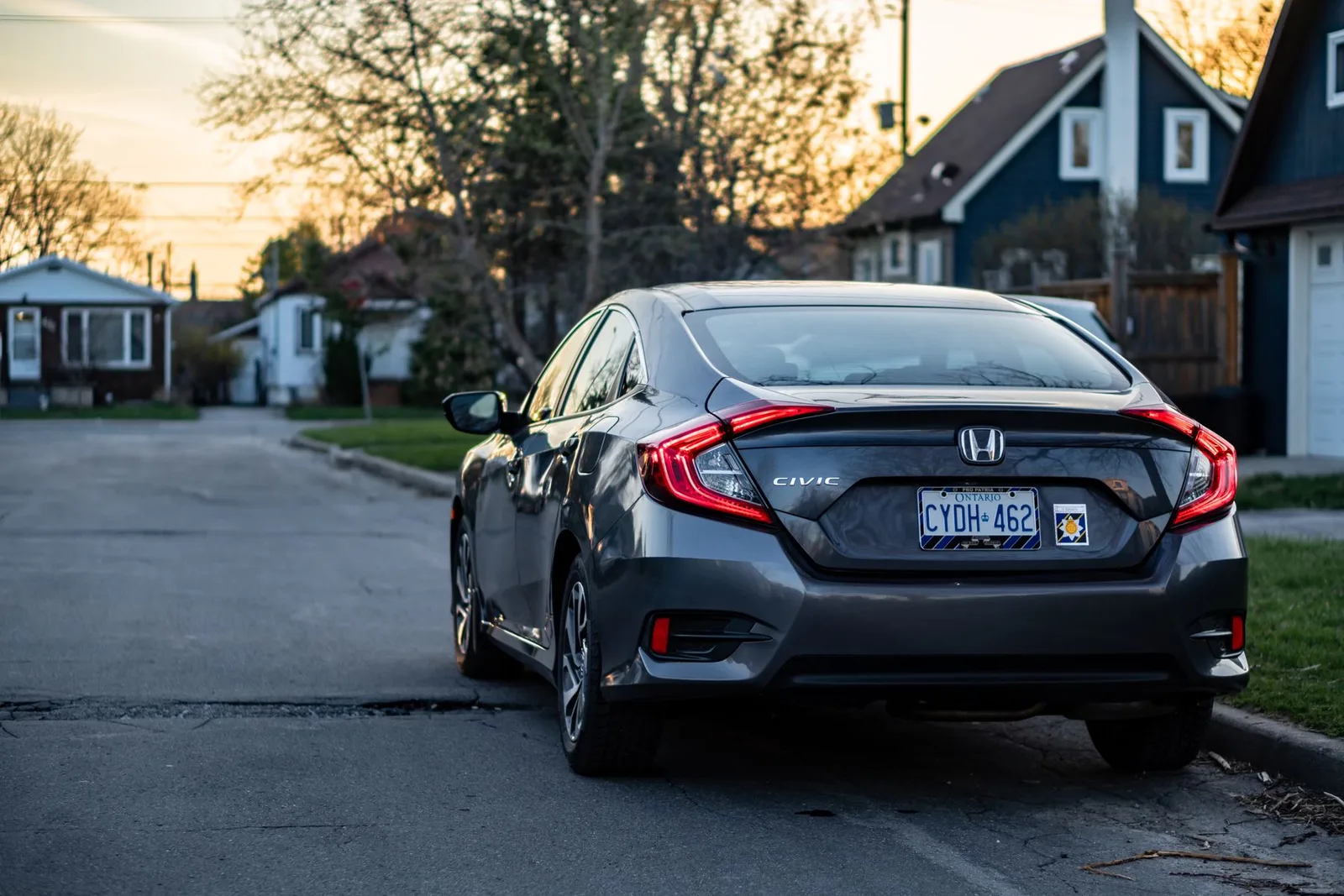
No. Toronto's parking rules do not give a property owner a personal exception to park on the street while obstructing a driveway or laneway. The curb and road are public space. A vehicle can be ticketed even when the blocked driveway leads to the driver's own home.
The same vehicle can also break the unsigned three-hour rule, overnight permit rules or signed restrictions. Owning the house does not turn the street into a private parking spot.
Why “it is my driveway” does not solve it
The offence is parking in a way that obstructs a driveway or laneway. The bylaw is about the use of the road and access, not only about who complains.
A property owner may be the person most likely to request enforcement, but enforcement does not have to treat ownership as permission. Emergency access, pedestrians, snow clearing and future occupants also matter.
The unsigned three-hour rule still applies
On Toronto streets, an unsigned maximum parking time of three hours generally applies unless a sign or permit changes it. This rule exists even when no sign is visible.
An overnight or residential permit may exempt a vehicle from some one, two and three-hour limits. It does not give permission to block a driveway, fire route, hydrant, sidewalk or signed no-parking area.
Signs override the general answer
No parking, no standing, no stopping, rush-hour, snow route, construction and temporary event signs can impose stricter rules. Read the whole block and direction of each arrow.
A legal-looking gap in front of a driveway is not a space when the vehicle obstructs access.
Parking on the boulevard is different
The boulevard is the part of the public road allowance between private property and the roadway. Parking on it, a front yard pad or an altered driveway can require City permission and compliance with zoning.
Do not pave grass or create a pad because curb parking is difficult. Toronto's front-yard and boulevard parking programme has eligibility, landscape, fee and permit rules. An old pad is not automatically legal.
What counts as blocking
A bumper does not need to sit across the centre of the driveway to create a problem. A vehicle that prevents a normal safe turn can obstruct access.
Toronto does not publish one simple universal “leave this many centimetres” answer for every driveway geometry. Park with a clear margin. Narrow lanes, snowbanks and large vehicles need more room.
Do not rely on painted curb marks added by a resident. Only official signs and markings carry City authority.
Shared and mutual driveways
A shared driveway adds private rights and neighbour relationships, but street rules still apply. One owner cannot block the entrance simply because they are not using it.
Check the deed, lease or legal advice for disputes about who may use the private part. Use 311 or Parking Enforcement for an illegally parked street vehicle.
Tenants, guests and contractors
A landlord cannot give a tenant permission to break a City parking rule. A note on the dashboard saying “working at this house” does not create an exception.
For moving, renovation or utility work, obtain the correct temporary street-occupation or parking permission. Do not reserve the curb with cones or garbage bins unless the City authorizes it.
How enforcement happens
Parking Enforcement can act on violations that do not require a sign, including parking longer than three hours, too far from the curb and obstructing a driveway or laneway.
Some residential complaints are enforced after a request. That does not make the parking legal before a neighbour calls.
Use Toronto 311 or the City's parking service request. Give the exact address, side of street, licence plate and vehicle description. Do not exaggerate or make repeated false reports.
If someone blocks your driveway
Take a clear photo showing the vehicle, plate, driveway and street. Check whether a household member or contractor knows the driver. If not, contact Parking Enforcement through the official channel.
Do not box the vehicle in, damage it or arrange an unauthorized private tow from the public street. Let enforcement decide the remedy.
If access is needed for an immediate medical or fire emergency, call emergency services.
If you receive a ticket
Read the offence and location. Photograph signs, curb, driveway and vehicle position as soon as possible. Use Toronto's official screening and dispute process by the deadline.
“It was my driveway” is not a strong defence by itself. A useful dispute explains a factual error, missing sign, wrong plate, wrong location or another legal reason, supported by evidence.
Do not ignore the ticket while arguing with 311. The formal dispute deadline still runs.
Better legal options
Use the private driveway without blocking the sidewalk. Apply for a residential on-street permit if the area and household qualify. Rent a legal off-street space. Ask the City about front-yard or boulevard parking eligibility before construction.
If a driveway no longer serves legal parking, ask the City about curb and access changes. Do not assume an unused curb cut permanently reserves street space.
Common myths
- “Nobody can complain because it is mine.” The road is public and enforcement can still act.
- “A parking permit lets me block it.” A permit does not cancel obstruction rules.
- “No sign means all-day parking.” The unsigned three-hour maximum generally applies.
- “I can put out cones.” Residents cannot normally reserve public curb space themselves.
- “A note in the windshield is permission.” A note does not change the bylaw.
- “My hazards make it temporary.” Hazard lights do not legalize parking.
Frequently asked questions
Can I park across my own driveway in Toronto?
No. You can be ticketed for obstructing a driveway even when it serves your own property.
Does a residential permit make it legal?
No. A permit can change time limits, but it does not allow driveway obstruction or other prohibited parking.
How long can I park on a Toronto street with no sign?
The general unsigned maximum is three hours unless a permit or another rule changes it.
Can I park on the boulevard beside my driveway?
Only when the location and parking space are legally authorized. Boulevard and front-yard parking can require a City permit and zoning compliance.
How close can I park to a driveway?
Leave enough room for a normal safe turn without any part of the vehicle obstructing access. Toronto does not give residents one simple distance that excuses an obstruction.
Can I report a car blocking my driveway?
Yes. Use Toronto 311 or the official Parking Enforcement request channel and provide the exact location and vehicle details.
Can I have the vehicle towed myself?
Do not order a private tow from a public street. Contact Parking Enforcement and let the authorized officer decide.
What should I do after getting a ticket?
Save photos and use Toronto's official screening or dispute process before the deadline. Do not rely only on a phone complaint.
The short answer
Park inside the driveway without crossing the sidewalk, or use a legal street space that leaves the entrance clear. Your address does not create a private exemption on the road.
Official links for planning
- Parking regulations
- Parking restrictions and offences
- Residential on-street parking
- Front-yard and boulevard parking
- Parking violations
More useful Toronto guides
- Toronto Labour Day Weekend 2026: What to Do, What Is Open and What to Avoid
- Is the Temporary Ontario Science Centre Worth It? An Honest Harbourfront Review
- Late-Night Dessert in Toronto: 13 Honest Options After 10 p.m.
- Stores Like Kinokuniya in Toronto: Manga, Danmei, Anime Merch and Japanese Stationery
- Independent Vets in Toronto: How to Check Ownership and Choose a Clinic
- Ontario Tow Truck Rights: What to Do Before You Pay or Let a Driver Leave
- Dog Boarding in Downtown Toronto: Prices, Trial Days and Honest Tradeoffs
- How to Spend Time With Dogs in Toronto Without Owning One
- Financial District Toronto Four Hour Itinerary