


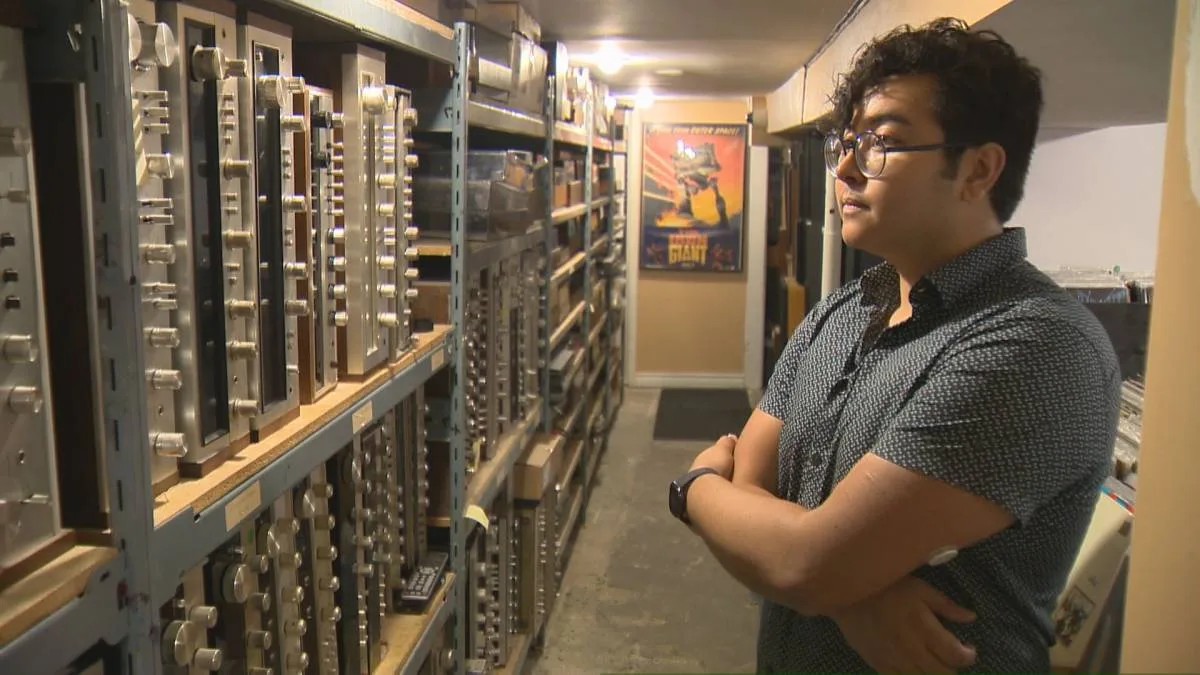
Tonality Records is the strongest first call for cassette decks, four-track recorders, turntables and solid-state receivers because it publishes a clear vintage-audio repair scope. Vinyl Sound is useful for turntable-focused work, while specialist technicians such as Danforth Audio may suit tube equipment. For buying, expect inventory to change daily and budget for service even when a unit powers on.
Quick picks
- Best first repair call: Tonality Records
- Best turntable-focused option: Vinyl Sound
- Best tube-equipment lead: Danforth Audio
- Best broad used buying pool: local hi-fi dealers and Marketplace
- Best rule: test every function
- Biggest trap: confusing power-on with working correctly
Tonality Records

Tonality states that it repairs standalone turntables, cassette decks, four-track recorders and solid-state amplifiers and receivers from the late 1960s to mid-1980s. That exact scope makes it the first call for many vintage home and recording pieces.
Ask about the bench fee, queue, parts, estimate approval and storage fees. Tonality publishes a weekly storage charge for completed repairs not collected within its deadline.
Vinyl Sound
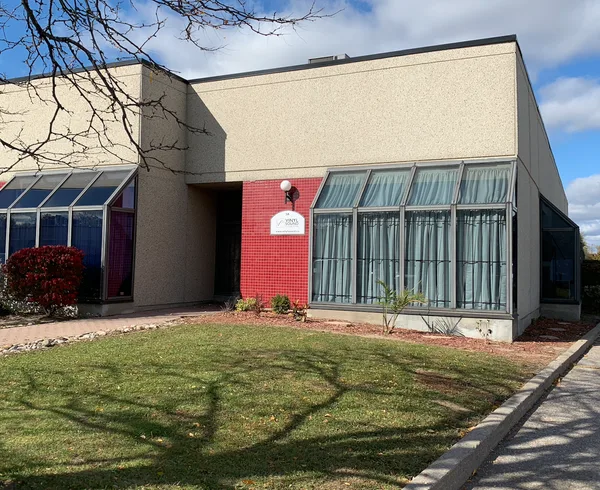
Vinyl Sound focuses on turntables and also advertises vintage electronic repair. It is useful when setup, cartridge, speed or phono issues are central.
A free estimate does not mean a free repair or diagnosis in every case. Confirm what happens if parts are unavailable.
Danforth Audio and specialist technicians
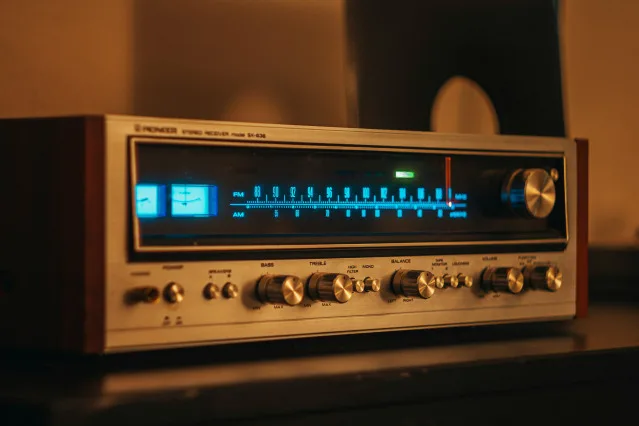
Danforth Audio describes work on vintage tube electronics. Other Toronto-area specialists focus on microphones, studio electronics, guitar amplifiers or consoles. Match the technician to the equipment instead of carrying every old device to the closest shop.
Many specialists work by appointment and may decline brands with unavailable parts. Send the model, symptoms and photographs before travelling.
Where to buy
Used hi-fi shops provide easier testing and some accountability. Marketplace, Kijiji, estate sales and record-store consignments offer more variety and risk. Ask for a cold start, not a unit already warmed up and staged.
Never meet with a large amount of cash in an unsafe setting. Heavy receivers need a stable vehicle and careful lifting.
The five-minute receiver test
Check the power cord, smell for burning, inspect fuses without opening live equipment, test both channels, every input, speaker outputs, balance, tone controls and headphone jack. Listen for hum, crackle, distortion and a channel that drops as controls move.
Do not connect valuable speakers first. A receiver with DC output or internal faults can damage them. A proper bench test is safer.
Cassette deck and four-track checklist
Test play, stop, fast-forward, rewind, record and playback. Listen for unstable speed. Inspect pinch rollers and belts when visible. Confirm the power supply and proprietary accessories are included.
Old belts often turn to goo, and a machine that plays one tape can still record poorly. Four-track heads and transport parts can be difficult to source.
Turntable checklist
Check platter speed, bearing noise, cueing, automatic functions, tonearm movement, cartridge condition, dust-cover hinges and isolation feet. Ask whether the cartridge is aligned and whether a replacement stylus exists.
Do not judge a turntable only through a cheap Bluetooth speaker. Mechanical noise and speed error need a closer test.
How much to budget after purchase
Assume an unserviced piece may need cleaning, capacitors, belts, lamps, relays or controls. A cheap purchase can be a good project, but it is not automatically a cheap working system.
Ask for service records and keep the original receipt. A seller saying “worked last time I used it” is not a warranty.
Our verdict
Buy serviced gear from a reputable shop when reliability matters. Buy untested gear only when the price leaves room for a failed repair. Call Tonality first for a four-track or cassette deck, and use a turntable specialist for mechanical setup issues.
Speakers create their own repair risks
Inspect foam surrounds, cones, tweeters, cabinets and terminals. Listen at low volume first. Vintage speakers can need refoaming, crossover work or matched driver replacement.
Large speakers are expensive to transport and easy to damage. Measure doors, stairs and the vehicle before buying.
What a repair estimate should say
Ask for the diagnostic fee, labour rate, likely parts, approval threshold, turnaround and warranty. Clarify whether cleaning controls counts as the repair or whether deeper testing is included.
Some intermittent faults appear only after warm-up. Describe when the problem happens and bring a short video if the unit cannot reproduce it at the counter.
Serviced, restored and working are not the same
“Working” may mean only that sound came out. “Serviced” should have an invoice listing work. “Restored” can imply a larger rebuild, but there is no universal marketplace definition.
Judge the documentation, measurements and warranty rather than the adjective.
Building a first system
Start with speakers and room size, then choose an amplifier with suitable power and connections. Add a turntable only if you want the cost and care of records. A simple modern streamer can work with a vintage receiver through a line input.
Do not buy five project pieces at once. One known-good source makes troubleshooting much easier.
Frequently asked questions
Where can I repair a four-track recorder in Toronto?
Tonality Records specifically lists four-track recorders in its repair scope. Confirm the model before bringing it in.
Is vintage audio cheaper than new equipment?
Not always. Purchase price, repair, parts and energy use can make vintage gear more expensive.
What does recapped mean?
It usually means some or all ageing capacitors were replaced. Ask for an invoice because the term can be used loosely.
Should I buy a receiver that only powers on?
Only at a parts-or-project price. Power does not prove that both channels and controls work safely.
Can every old cassette deck be repaired?
No. Belts may be available, but motors, gears, heads and proprietary parts can be difficult or impossible to source.
Do I need a phono preamp?
It depends on the turntable cartridge and amplifier. Many vintage receivers have a phono input, while many modern speakers do not.
How should I transport a turntable?
Remove or secure the platter, lock the tonearm and protect the stylus. Never carry it loose with the counterweight swinging.