

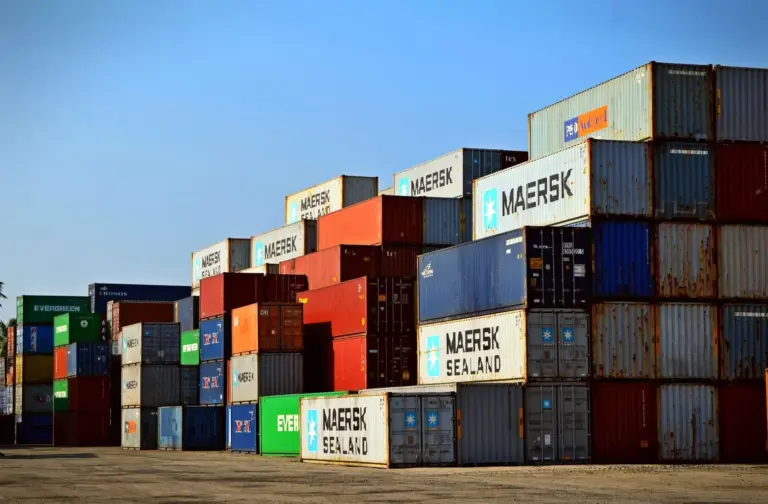

The U.S. trade dispute can affect Toronto through higher costs, weaker exports, delayed business investment and job risk in industries tied to steel, autos, appliances, food and manufacturing. It will not make every price rise at the same time.
Some goods face direct tariffs. Others may rise because a Canadian company pays more for an input. A business may absorb part of the cost, change suppliers, delay hiring or pass it to shoppers. The impact will vary by product and job.
Status on August 26, 2026
This fact box must be checked again before publication because trade measures can change with little notice.
- The United States imposed 50 per cent tariffs on $27.6 billion of Canadian goods effective August 22, 2026, according to Canada's Department of Finance.
- Canada announced countertariffs on $27.6 billion of U.S. goods, scheduled for September 8, 2026.
- Canada's announced rates are 15, 25 and 50 per cent, depending on the product.
- The Canadian list includes steel and aluminum products, furniture, clothing, appliances, dairy, seafood, farm equipment, pulp and paper, and some electronics.
- Existing auto trade measures are a separate part of the dispute.
- Canada also announced $7.5 billion in support for affected workers and businesses.
These numbers describe announced policy on one date. They do not predict your personal grocery or employment result.
The simple chain from a tariff to Toronto
- A government adds a tax to an imported good.
- The importer pays the tariff at the border.
- The importer, supplier, store and customer decide how the cost is shared.
- A business may raise a price, accept a smaller profit, switch products or delay a purchase.
- Workers can feel the result through hours, hiring, wages or layoffs.
A tariff is not a fee paid directly by a foreign government. It is collected from the importer. The final economic cost can spread across several businesses and customers.
There are two main paths into a Toronto household:
- Direct: the product you buy is covered by a tariff.
- Indirect: your employer, landlord, contractor, restaurant or retailer pays more for an affected input.
The indirect path is slower and harder to see. A restaurant may not add a “tariff fee.” It may change a supplier, remove a dish or raise several menu prices months later. A business may freeze hiring before it cuts a job.
What prices could rise in Toronto?
Appliances and home goods
Canada's announced countertariff list includes appliances and furniture at different rates. That can affect refrigerators, laundry machines, some electronics and home furnishings imported from the United States.
Do not panic-buy a fridge that still works. Retailers hold stock bought at different times, and not every model comes from the United States. Check the country of origin, final price, warranty and delivery fee.
Food
Dairy, fish and seafood are among the announced Canadian countertariff categories. Other food prices can move through packaging, fuel, feed, fertilizer and transport.
Grocery prices do not respond in one clean line. A Canadian product can use imported packaging. A U.S. brand can be made in Canada. Seasonal produce may have no quick local substitute.
Clothing
Some apparel is on the announced Canadian list. A Toronto store may raise prices, change suppliers or reduce promotions. The result depends on where the item was made and how it entered Canada.
Steel and aluminum products
Steel affects much more than a beam. It can enter cars, appliances, tools, construction, cans and machinery. Higher material costs may show up slowly in contracts and replacement orders.
Electronics
Some electronics are included, but the product details matter. A laptop assembled in Asia and shipped through a U.S. distributor is not the same as a U.S.-origin product covered by one tariff code.
Do not label an item affected based only on its brand. Country of origin and customs classification control the tariff.
Four Toronto household examples
A renter replacing a broken fridge
The tenant should first confirm who is responsible under the lease and Ontario rules. If the renter must buy, compare in-stock models, origin, delivery, removal and warranty. Do not assume every refrigerator will jump by the announced tariff rate.
A family planning to buy a car
Vehicle pricing can involve assembly location, parts, existing auto measures, dealer stock, financing and exchange rates. Compare the exact vehicle identification and written total. A lower sticker price with expensive financing may still be the worse deal.
A worker at a small exporter
The first signs may be delayed orders, shorter shifts, a hiring pause or management asking about new markets. Ask what share of sales depends on U.S. customers and what support exists. Update your resume and emergency fund without assuming a layoff is certain.
A grocery shopper
Watch the items you actually buy. Record the normal price of ten staples for a month. This is more useful than reacting to one dramatic receipt or a viral photo from another province.
Which Toronto jobs may feel the pressure?
Auto and parts
Toronto is not an auto-assembly city, but the region is tied to Ontario plants through headquarters, finance, dealerships, logistics, parts, software and professional services.
When plants slow or companies delay investment, the effect can reach office and contract jobs in Toronto.
Construction and real estate
Steel, aluminum, appliances and fixtures enter building budgets. Higher or uncertain costs can delay a project or reduce what a developer buys.
Interest rates, housing demand, zoning and financing also matter. It would be wrong to blame every delayed condo on tariffs.
Manufacturing and logistics
Toronto and nearby Peel, York, Durham and Hamilton contain warehouses, food processors, fabricators and transport businesses. They can face direct tariffs, weaker U.S. demand or higher input costs.
Retail and restaurants
A restaurant may pay more for food, equipment, packaging or replacement parts. A retailer may carry less stock or raise a price. Customer spending can also slow when people worry about work.
Finance, technology and professional services
These sectors are not protected from a goods dispute. Banks, insurers, software firms, consultants and legal teams serve affected businesses. Uncertainty can create some advisory work while delaying other projects and hiring.
What the Bank of Canada is watching
In its July 2026 outlook, the Bank of Canada expected weak 2026 growth followed by a gradual pickup. It said tariffs and trade uncertainty were lowering the path of exports and investment. It also identified goods and food price pressure.
The Bank's second-quarter business survey found that about 20 per cent of firms reported tariff cost pressure. Steel was a frequent source. Companies described different responses, including passing on costs, absorbing them or changing suppliers.
That survey was published before Canada's August 25 countermeasure announcement. It is useful context, not a forecast of the newly announced list.
Will Canadian companies pass every tariff to shoppers?
No.
Passing the full cost may lose customers. A company can accept a lower profit, negotiate with a supplier, use existing inventory, switch country of origin or redesign a product. Each choice has limits.
Small businesses may have less bargaining power. Large chains may have more supplier options but more complex systems. Competition can keep one price down while another rises.
The clearest answer appears on an actual invoice, not in a general tariff headline.
Could the trade dispute lower prices?
In some narrow cases, yes.
Goods that can no longer sell easily to the United States may be redirected to Canada. A supplier may offer discounts to keep a plant running. A weaker economy can also reduce demand.
That does not make a trade war good for shoppers. Lower prices in one category can arrive beside job losses, lower investment and higher prices elsewhere.
Exchange rates can complicate the picture. A weaker Canadian dollar can make imports cost more even when no new Canadian tariff applies. A stronger dollar can soften part of an increase. Do not attribute every price move to one policy.
What should an average Toronto household do?
Do not panic-buy
Buying an appliance early only makes sense if it already needs replacement and the current total is good. Storage, credit interest and a wrong model can cost more than a future increase.
Compare country of origin
Look at the label and product details. Ask a retailer whether a quoted price is final and how long it is valid. A U.S. brand is not always a U.S.-origin good.
Keep a repair fund
If appliances or car parts become more expensive, a small cash buffer is more useful than guessing which product to buy today.
Delay optional debt, not necessary maintenance
It may be wise to pause a luxury financed purchase. It is not wise to ignore a dangerous tire, broken furnace or leaking pipe while waiting for trade policy to settle.
Use Canadian alternatives carefully
Buying Canadian can support local work. Check where the product was made and whether the quality and price fit your need. A maple leaf on packaging does not prove every input is Canadian.
Watch your job sector
Read employer updates, union notices and official government programmes. Update your resume and emergency contacts before a crisis, not because a headline guarantees a layoff.
Track prices without feeding panic
Choose a small list: the groceries you buy every week, the appliance already near the end of its life and any major purchase planned within six months. Save current prices and model numbers.
Do not fill a storage locker with goods you may not use. The cost of credit, storage and waste is certain. The future increase is not.
Keep contracts and quotes
For renovations, vehicles, appliances and furniture, ask how long the written quote is valid and whether it allows a tariff-related adjustment. A verbal “price should hold” is not the same as a fixed total.
What should a small Toronto business do?
- List imported goods and inputs by country of origin and customs code.
- Ask the customs broker which announced tariff line applies.
- Separate current inventory from future landed cost.
- Model absorbing, sharing and passing on the increase.
- Check supplier and contract terms before changing an order.
- Avoid advertising “tariff-free” unless you can prove it.
- Review federal support and remission processes with a qualified adviser.
Customs classification is technical. A guess based on a product name can be expensive. Use the Canada Border Services Agency, Department of Finance and a licensed customs professional.
Signs the pressure is becoming real
One headline does not show the size of the local effect. Watch several signals together:
- official changes to the tariff list or effective date
- employer notices, reduced shifts or cancelled orders
- supplier letters showing a new landed cost
- repeated price changes for the same model or grocery item
- slower hiring in an exposed sector
- government details on worker and business support
The signal should match the decision. A household needs real retail prices. A worker needs employer and sector information. A business needs customs codes and invoices.
Predictions as of August 26, 2026
High confidence: affected importers and exporters will face more paperwork and uncertainty. Some businesses will delay purchases or investment.
Medium confidence: some appliance, furniture, food, steel-related and business-input prices will rise after current inventory and contracts turn over.
Lower confidence: the exact Toronto job total, citywide grocery increase, duration of the dispute and interest-rate path.
The basis is the announced tariff lists, Bank of Canada outlook and business survey. Negotiations, exemptions, supplier changes, exchange rates and government support could change the result. Recheck this section immediately before publication.
What is confirmed, possible and unknown?
Confirmed on August 26, 2026
The U.S. tariffs took effect on August 22. Canada announced a September 8 start for tiered countertariffs on a list of U.S. goods. Canada also announced business and worker support.
Likely effects
Some import costs will rise. Businesses will delay some decisions. Export-linked sectors will face pressure. The size and timing will differ.
Not known yet
How long every tariff will last, whether negotiations change the list, how much each retailer passes on, and how many Toronto jobs will be added or lost.
Anyone giving an exact city-wide grocery increase or exact job-loss number this early is making a forecast, not reporting a fact.
Frequently asked questions
Will the U.S. trade war make Toronto groceries more expensive?
Some food costs may rise, especially where tariffs or imported inputs apply. Not every grocery item is affected, and stores may absorb or delay part of the cost. Check actual shelf prices and country of origin.
What Canadian countertariffs were announced in August 2026?
Canada announced 15, 25 and 50 per cent tariffs on $27.6 billion of selected U.S. goods, scheduled for September 8, 2026. The list includes steel, furniture, clothing, appliances, dairy and other products.
Which Toronto jobs are most exposed?
Jobs linked to autos, parts, steel, manufacturing, construction, logistics and affected retail may face more direct pressure. Finance, technology and professional services can also be affected through their clients.
Should I buy a car or appliance before prices rise?
Do not buy only because of a headline. If replacement is already needed, compare in-stock price, origin, financing, warranty and delivery. Interest and a rushed choice can cost more than a possible increase.
Does buying Canadian avoid tariffs?
It can reduce direct exposure when the product and inputs are Canadian. Some Canadian goods still use imported parts or packaging. Check the actual origin rather than relying on branding.
Are tariffs paid by the foreign government?
No. The importer pays the tariff at the border. The cost may then be shared among suppliers, businesses, workers and shoppers.
Where can a Toronto business check whether a product is affected?
Use the official Department of Finance tariff list and CBSA customs information. A customs broker can help identify the correct classification. Do not rely on a social-media list.
Could these trade measures change before publication?
Yes. The dates, rates, exemptions and product lists can change. This article was checked August 26, 2026 and must be rechecked against official government pages before it is published.
The bottom line
Toronto will feel a trade dispute through many small decisions, not one overnight price jump. Expect pressure on some goods and jobs, but do not guess at every result. Keep cash flexibility, compare real prices and use dated official information before making a large decision.