


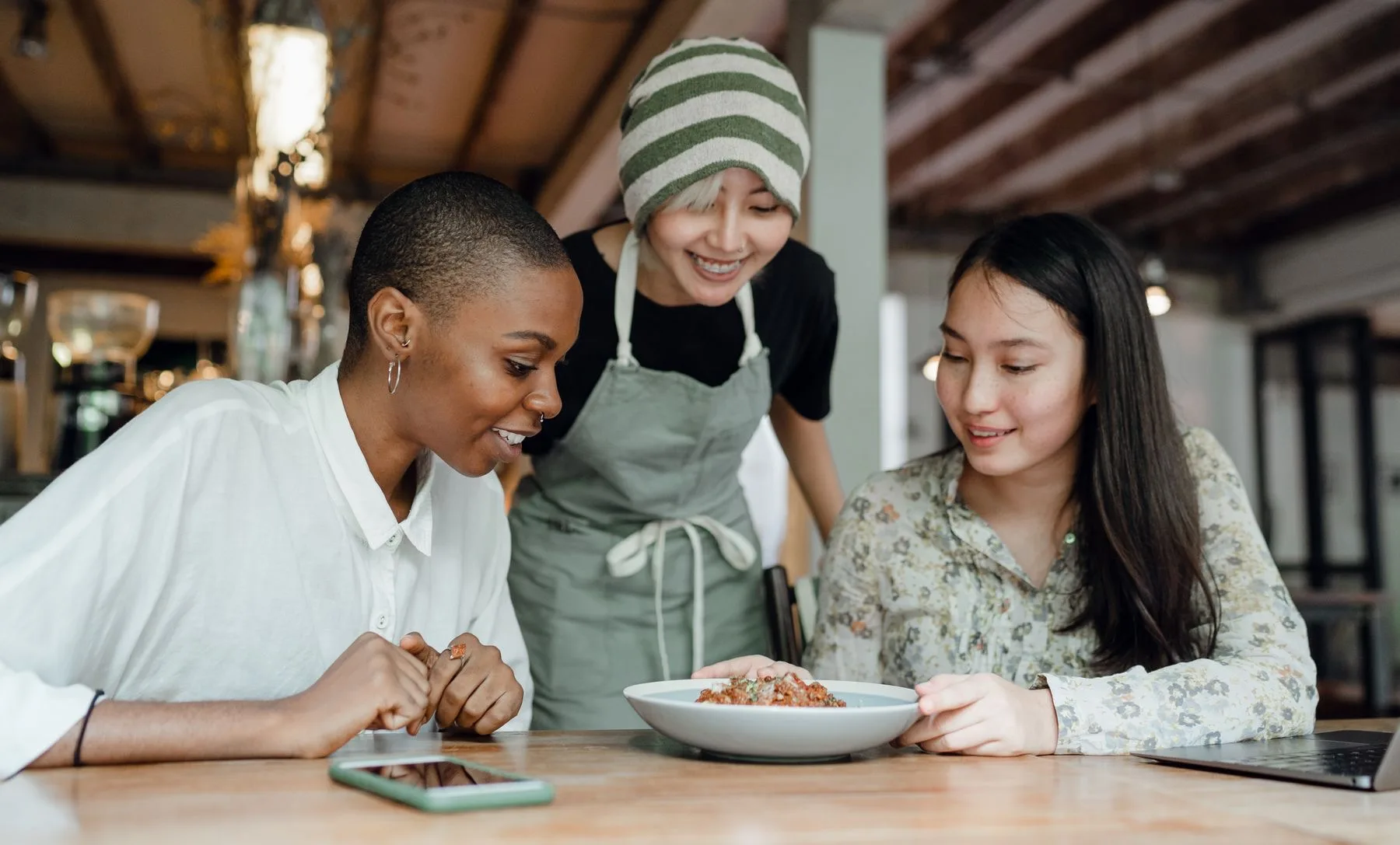
Dining out in Toronto feels harder because the full bill has risen faster than many diners' comfort level, while quality still changes from visit to visit. A $30 main and one $12 drink can become about $55 after HST and an 18 per cent pre-tax tip. That is a high price for an ordinary meal.
Toronto still has excellent food. The problem is the weak middle. A familiar room can charge enough to create big expectations without offering a dish, service or setting that feels special.
The answer is not to trust the highest rating or spend as much as possible. It is to choose more carefully and calculate the bill before sitting down.
The quick answer
- Set a full after-tax and tip budget, not a menu-price budget.
- Read the current menu before reading praise.
- Use reviews to find patterns, not a final score.
- Look for dishes that need skill, time or equipment you do not have at home.
- Avoid paying a premium only for décor, location or social hype.
- Tell staff about a real problem early and calmly.
- Eat out less often if that lets each visit have a clear reason.
Our best rule is simple. If the restaurant cannot explain why the meal is worth more than the home or takeout version, keep looking.
Restaurant prices are still rising
Statistics Canada reported that prices for food purchased from restaurants were 3.0 per cent higher in May 2026 than one year earlier. Alcohol served in licensed establishments was up 3.7 per cent.
That came after several years of food, rent and labour pressure. A smaller current increase still sits on top of earlier increases.
Restaurant sales are also growing in dollar terms. Ontario food-service sales were 5.7 per cent higher in June 2026 than in June 2025. That does not tell us that people ate 5.7 per cent more meals. Current-dollar sales include higher prices and a changing mix of orders.
Restaurants Canada says affordability now strongly shapes where people eat. Operators still name food, labour and a weak economy as major problems.
The diner and the restaurant can both feel squeezed at the same time.
Why a $30 main becomes a $55 night

Ontario adds 13 per cent HST to most restaurant meals. The City describes 15 to 20 per cent of the pre-tax bill as a standard tip when a diner is happy with the service.
Here is one simple meal:
| Item | Amount |
|---|---|
| Main dish | $30.00 |
| One drink | $12.00 |
| Subtotal | $42.00 |
| 13% HST | $5.46 |
| 18% tip on the pre-tax subtotal | $7.56 |
| Final total | $55.02 |
Two people ordering the same amount spend $110.04. Add another $12 drink each and the total rises to about $141.48.
This is why looking at the main-dish column alone is misleading.
Check whether the restaurant has added a service charge or automatic gratuity, especially for a group. Do not accidentally tip twice.
Price creates an expectation, not a guarantee
A higher price can pay for better ingredients, more staff, skilled technique and a comfortable room. It can also pay for expensive rent and a popular address.
The diner cannot see that split from the menu.
Instead, ask what the higher price gives you:
- a difficult cooking method
- an ingredient that is hard to buy in a normal amount
- a dish that takes many hours to prepare
- careful service that removes stress
- a room that improves the occasion
- a menu with a clear point of view
If the answer is only a trendy room and a familiar plate, value may be weak.
The mid-range trap
Cheap food has a clear promise. Fine dining has a clear promise. The middle can be confusing.
A mid-range restaurant may have polished lighting, a long cocktail list and safe dishes made for many tastes. Nothing is terrible. Nothing is memorable. The final bill still feels like an occasion.
This is where disappointment grows.
Do not judge the room only by how grown-up it looks. Read the menu and ask what it does differently. If every dish sounds like one you can get at five nearby places, the restaurant needs another reason to earn the price.
A $40 budget is not wrong
Some diners hear that $40 is too little for a good Toronto meal. That is too simple.
At a full-service restaurant, $40 can disappear quickly after tax and tip. It can still buy excellent food when the format keeps costs down. Counter service, a focused menu, sharing and no alcohol can protect the budget.
The better question is what kind of experience $40 can reasonably buy.
It may buy:
- one strong main and water
- two smaller dishes at a counter
- a lunch special
- a shared casual meal
- a focused regional dish
It probably does not buy a long full-service dinner with cocktails, several courses and a large tip.
Match the expectation to the format.
How to read restaurant reviews without getting fooled
A 4.8 rating is not proof that you will like the food.
Scores can be pushed up by a new opening, a small number of reviews, loyal regulars, an event crowd or an incentive. A long-running restaurant with thousands of reviews may have a lower score because it has served many more types of customer.
Use this method:
- Check the number of reviews.
- Read the newest reviews, not only the most helpful ones.
- Search for the dish you plan to order.
- Compare weekday and weekend comments.
- Look for repeated details about temperature, timing, portion and noise.
- Check whether management responds to a problem calmly.
- Read a few three-star reviews. They often describe tradeoffs better than angry or glowing posts.
One vague five-star line tells you little. Ten recent people mentioning the same cold dish or slow seating tells you more.
Watch for review incentives
A restaurant may ask happy customers to leave a review. That is normal.
The concern begins when a reward is tied to a positive rating, or when the request is made before the customer has finished the experience. A free dessert or discount can influence the score.
Do not assume every high rating is fake. Look for disclosure, repeated wording and sudden groups of short reviews.
Use at least two sources. The restaurant's own menu and booking page should be one of them.
Social media is a lead, not a verdict
A short video can show a beautiful cheese pull, a crowded room or a dramatic plate. It cannot show how long the wait felt or whether the fifth bite was as good as the first.
Before following a social recommendation, ask:
- Was the meal paid for?
- Is the post marked as an ad or invitation?
- Does the creator discuss price?
- Do they show a normal portion?
- Was the visit recent?
- Do their tastes match yours?
A person who calls every place amazing is giving entertainment, not useful comparison.
Word of mouth works when it is specific
"It was good" is not enough.
Ask a friend what they ordered, what the bill was and what they would skip. Ask if the room was loud. Ask how long the meal took.
The best recommendation comes from someone who knows your budget and taste. A friend who loves a busy cocktail room may be the wrong guide for a quiet family dinner.
Order food that earns the restaurant premium
Some dishes are easy to make well at home. Others need equipment, time or years of skill.
Value often improves when you order:
- bread or pastry from a serious oven
- noodles or dumplings made in-house
- slow-cooked dishes with long preparation
- food from a grill, tandoor or wok that a home kitchen cannot match
- a regional dish with several hard-to-find ingredients
- a tasting portion that lets you try something unfamiliar
This does not mean every complicated dish is good. It means you are paying for more than assembly.
Alcohol can break the budget fastest
A drink is easy to add and hard to notice in the moment.
Two $16 cocktails add $32 before tax and tip. On an 18 per cent pre-tax tip, that pair adds about $41.92 to the final bill.
Decide before the meal whether the drink is part of the experience. If not, water can protect the value without changing the food.
Happy hour can help, but read the exact menu and time. A cheaper cocktail does not save money if the food offer is weak or you order more because it feels discounted.
Lunch can be the smarter full-service meal
Some restaurants offer a smaller lunch menu, lower set price or easier reservation.
The kitchen may serve the same style of food without the long evening commitment. A bright room and quieter service can also make it easier to judge the meal.
Do not assume lunch is always cheaper. Compare the portion and menu. A limited lunch may remove the dish you wanted most.
Fewer meals, clearer reasons
Dining out used to be an easy default for many people. At current prices, it works better as a choice with a purpose.
Choose the reason:
- a dish you cannot make
- time with someone
- a celebration
- a new cuisine
- a room you enjoy
- a night without cooking or cleaning
If the only reason is that you are hungry near a random restaurant, takeout or a simple counter may be better value.
Saving for one careful dinner can feel better than three rushed meals that are only fine.
What to do when the food is wrong
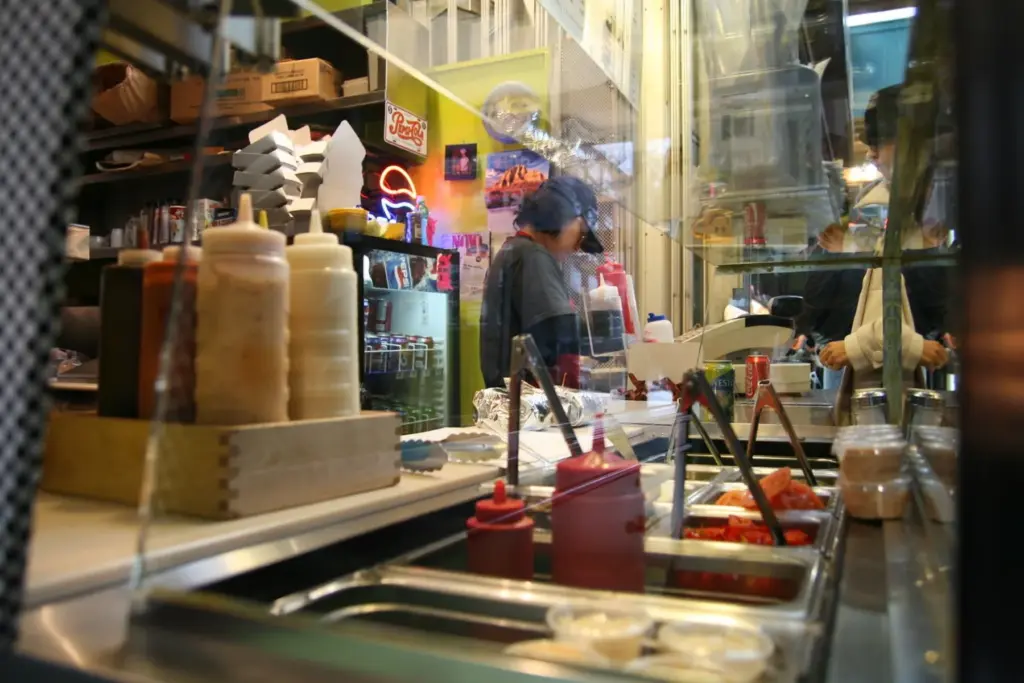
Tell the server early and describe the problem clearly.
Try:
"This chicken is still cold in the centre. Could the kitchen please check it?"
Or:
"We have been waiting 45 minutes for the mains. Can you tell us what happened and how much longer it will be?"
Do not insult the staff or wait until every bite is gone before asking for a full removal. Give the restaurant a reasonable chance to fix a correctable problem.
If the response is dismissive or the food is unsafe, ask for a manager. Keep the conversation about the specific dish, wait or bill.
Poor service is sometimes a system problem
A missing server can be careless. It can also mean the room is understaffed, the kitchen is backed up or several tables were seated at once.
The cause does not erase your experience. It helps you ask for the right fix.
If the room is clearly overwhelmed and you have not ordered, leaving politely may be reasonable. If food is already being made, ask before walking out.
Good management explains the delay, checks on the table and offers a realistic next step.
How much should you tip in Toronto?
The City tells visitors that 15 to 20 per cent on the pre-tax bill is a standard expression of appreciation when service is good.
A payment terminal may show higher options. The screen is not a law. Check the bill, choose the amount that fits the service and calculate on the pre-tax subtotal if that is your practice.
Look for an automatic gratuity before adding another tip.
For counter service or takeout, expectations vary. A prompt does not create an obligation. Tip when you want to recognize the service.
Our take
Toronto has not become a bad food city. It has become a harder city for a casual restaurant decision.
The full bill is high enough that an average meal feels like a failure. High online scores make the expectation worse.
We would rather eat out less often and pick a place for one clear reason. Choose the dish, check the bill and know what the restaurant can do better than home.
That approach does not guarantee a perfect meal. It improves the odds that the money buys something you will remember.
Frequently asked questions
Why are Toronto restaurant bills so high?
Menu prices reflect food, labour, rent and other operating costs. The diner then pays 13 per cent HST and may add a 15 to 20 per cent pre-tax tip, so the final total can be much higher than the menu price.
Is $40 enough for a good meal in Toronto?
Yes, but the format matters. It is easier at a focused counter, lunch special or casual place without alcohol. A full-service dinner with drinks will usually pass $40 after tax and tip.
Can I trust a Toronto restaurant with a 4.8 rating?
Treat the score as one clue. Check the number and age of reviews, read recent three-star comments and search for the dish you plan to order. Repeated specific details matter more than the average alone.
Should I tip on the pre-tax or after-tax amount?
The City describes 15 to 20 per cent on the pre-tax bill as standard when you are happy with the service. Check for an automatic gratuity before adding a second tip.
Is lunch better value than dinner in Toronto?
It can be. Some restaurants offer smaller menus, set prices and easier bookings at lunch. Compare the exact menu because the portion or dish selection may also be smaller.
What should I do if a restaurant meal is bad?
Tell the server early and describe the exact issue. Give the restaurant a reasonable chance to fix it. Ask for a manager if the food is unsafe, the bill is wrong or the response is dismissive.
Are restaurant prices still rising in 2026?
Yes. Statistics Canada said food purchased from restaurants was 3.0 per cent more expensive in May 2026 than one year earlier. That annual increase sits on top of earlier price growth.
The bottom line
Dining out in Toronto is too expensive for blind trust.
Calculate the final bill. Read review patterns. Pick a dish that earns the restaurant price. Speak up calmly when something is wrong.
Toronto still rewards curious diners. It now punishes careless choices more quickly.