


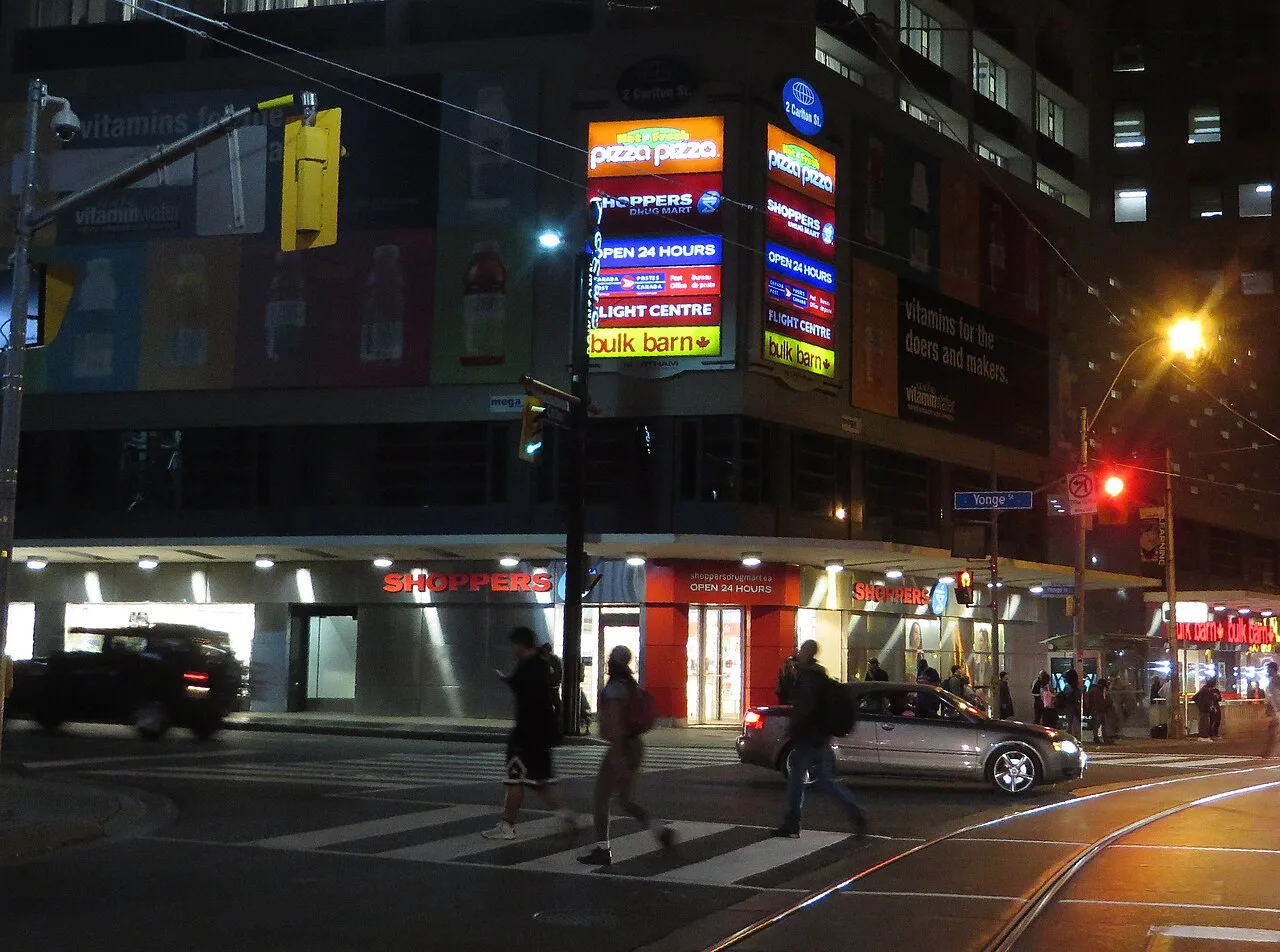
The Toronto subway does not run all night. If you miss the last train, use the TTC Blue Night Network, which runs buses and streetcars on major routes from about 1:30 a.m. to 5:30 a.m. Service is scheduled every 30 minutes or better.
That is the simple answer. A good late-night plan needs more. The night route may not stop where the subway stopped. A bus can be full after a concert or game. A GO train will not wait because an event ran late. A ride-hail price can rise in minutes.
This guide explains what to check before you go out, how the main night routes work, when walking or Bike Share makes sense, how taxis differ from app rides and how to get help if you feel unsafe.
<div class="lit-quick-picks">
The fastest plan
- Check the last train at your station. “About 2 a.m.” is not an exact departure time.
- Save the current Blue Night map. Look for 300-series buses and streetcars.
- Know your two main routes. The 300 covers much of the Bloor-Danforth corridor. The 320 covers the Yonge corridor.
- Check the live arrival before waiting. Overnight construction and full vehicles can change the trip.
- Keep a second way home. Walking plus transit, Bike Share, a licensed taxi or an app ride may beat one mode for the whole distance.
- Never assume special service. It counts only when the TTC or GO Transit publishes it for your event and date.
</div>
What time does the Toronto subway close?
Lines 1, 2 and 4 run approximately 6 a.m. to 2 a.m. from Monday through Saturday. On Sunday, they run approximately 8 a.m. to 2 a.m.
Lines 5 and 6 end earlier. Line 5 runs to about 1:20 a.m. Line 6 runs to about 1 a.m. Their Sunday start times are also later than on weekdays.
These are broad hours, not a promise that a train leaves every station at 2 a.m. The last train passes each station at a different time. Its direction matters too.
Open the TTC routes and schedules page and select your station. Check the last train in the direction you need. Do the same for any transfer.
A common mistake is checking only the first train. You may board it, arrive at the transfer station and discover that the connecting line has ended.
What is the TTC Blue Night Network?
.jpg)
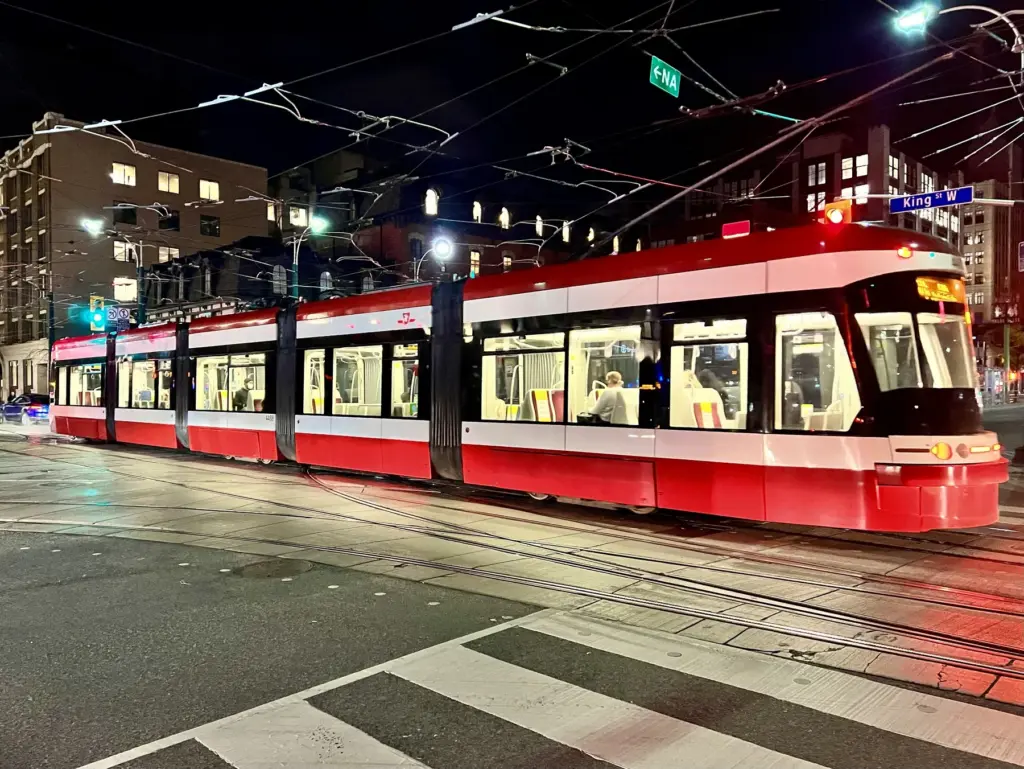
Blue Night is the overnight TTC network. Buses and streetcars replace the subway and many regular surface routes while rail service is closed.
The network operates every morning from about 1:30 a.m. to 5:30 a.m. The TTC schedules service every 30 minutes or better. Blue Night route numbers begin with 3, and stop poles use a reflective blue band.
Open the current TTC Blue Night Network map
The word “network” matters. Blue Night is not one bus that follows the full subway map. It is a web of routes on regular streets. You may need to walk farther, make a different transfer or cross the road to find the correct stop.
The roads may be quiet, so a night bus can move quickly once it arrives. But waiting can take longer. Construction, vehicle bunching, road closures and a large crowd can all change the real trip.
The five night routes most visitors should know
Toronto has many Blue Night routes. These five are the best starting point for a person leaving the downtown area.
| Route | Main corridor | Best use | Main warning |
|---|---|---|---|
| 300 Bloor-Danforth | Bloor and Danforth | Travelling east or west near Line 2 | Branch letters and endpoints differ |
| 320 Yonge | Yonge | Travelling north or south near the Yonge side of Line 1 | It does not replace the full U-shaped Line 1 route |
| 301 Queen | Queen and the western waterfront corridor | Long east-west trips | Track work may cause a bus replacement or diversion |
| 304 King | King and connecting streets | East-west travel through the core | The route is not a straight copy of daytime service |
| 310 Spadina | Spadina and Queens Quay | Moving north-south on the west side of downtown | Streetcar construction can split the trip |
The 305 Dundas night streetcar is another useful east-west route. The full map also includes night buses on many major suburban roads.
300 Bloor-Danforth night bus
The 300 Bloor-Danforth covers much of the Line 2 corridor. It is the main east-west night bus for many riders.
Read the destination sign. The 300 has branches. Not every vehicle travels to the same outer endpoint. A bus with the right number can still be the wrong bus for your full trip.
It serves street stops, not every subway entrance. Use the official route page to find the nearest stop and direction. Cross-reference the stop number with live arrival information.
320 Yonge night bus
The 320 Yonge runs north and south on the Yonge corridor. It is the main night replacement for the Yonge side of Line 1.
It does not follow the western side of Line 1 through University, Spadina and Allen. A rider going northwest may need another route or a second transfer.
The 320 is famous enough to have an old Toronto nickname. That nickname will not help you get home. The route number, direction and live arrival will.
301 Queen night streetcar
The 301 Queen is a long east-west route. It can be useful when a subway trip is no longer possible.
Streetcar routes change often during track, road and overhead work. On the check date, the official page carried an active service notice. Always open the route page on the night you travel.
304 King night streetcar
The 304 King runs through the King corridor and connects to areas east and west of downtown.
Do not assume the overnight route is identical to the daytime 504. Look at the destination sign and current route map.
310 Spadina night streetcar
The 310 Spadina is a useful north-south link through the west side of downtown and the waterfront. The TTC lists low-floor accessible streetcars on the route.
Construction can replace part of the line with buses. A trip-planning app may show the scheduled route before it fully reflects a new diversion, so also check the TTC advisory page.
How to plan the trip before you leave home
Do not wait until 1:45 a.m. in a crowd to learn Blue Night.
Step 1: Find your final regular train
Look up your station, direction and transfer. Give yourself a buffer. A long exit line, washroom stop or coat-check queue can erase ten minutes.
Step 2: Save the night route
Find the Blue Night stop nearest your event and the stop nearest your home. Note the direction of travel and any branch letter.
Take screenshots. Your phone may lose signal or power.
Step 3: Save a second route
The second route may be a different night bus. It may also be a 20-minute walk followed by a cheaper taxi or app ride.
Step 4: Check the weather
Thirty minutes at a stop feels very different in January rain, high wind or a heat warning. Bring the clothing your wait requires, not only the clothing your event requires.
Step 5: Decide your leave time before the event
Set a decision point. For example, leave at the end of the scheduled show if the encore would make you miss your last reliable connection.
That may sound dull. It is better than arguing about a $70 car quote while five thousand people refresh the same app.
What to do when a major event ends after transit
The best answer is usually a mixed trip.
Walk away from the biggest crowd, if the route is lit and feels safe. Board a night route that is not already packed. Take it far enough to reduce the app-car distance. Then finish by walking or by car.
This approach has four advantages:
- You avoid the worst pickup traffic.
- A shorter car ride may cost less.
- You are not betting the whole trip on one full bus.
- You keep moving while thousands of people are standing still.
Do not walk blindly. Check the route first. Avoid construction zones, isolated paths and streets where you cannot see a safe way across.
If you are with friends, agree on the plan before leaving the building. Crowds separate people quickly. Share phone battery, not just location.
Can you rely on special TTC or GO service?
Only when it is published for your date.
Transit agencies sometimes add or adjust trips for very large events. That does not mean every late game, extra inning, overtime or delayed concert receives extra service.
An event ticket does not make a train wait. A large crowd does not make the last departure move later.
Check the TTC service notice and the GO Transit trip planner on the day. Sign up for alerts if the trip matters. Save the actual final departure, not a memory from last season.
GO does not have one official dedicated mobile app. Its current browser tools are the main official source. A saved PDF can help when your phone has no data, but schedules change and the online planner takes priority.
What if the first GO trip is at 4 or 5 a.m.?
Waiting may work, but plan the waiting place too. A station entrance, building or café may be closed. Cold, fatigue and a dead phone can turn a cheap plan into a bad one.
If you have lawful access to a safe indoor place, waiting can make sense. Do not trespass in an office, sleep in an unsafe public corner or assume a business will stay open for you.
Taxi or ride-hail: which is better late at night?
Neither wins every time.
A licensed street taxi
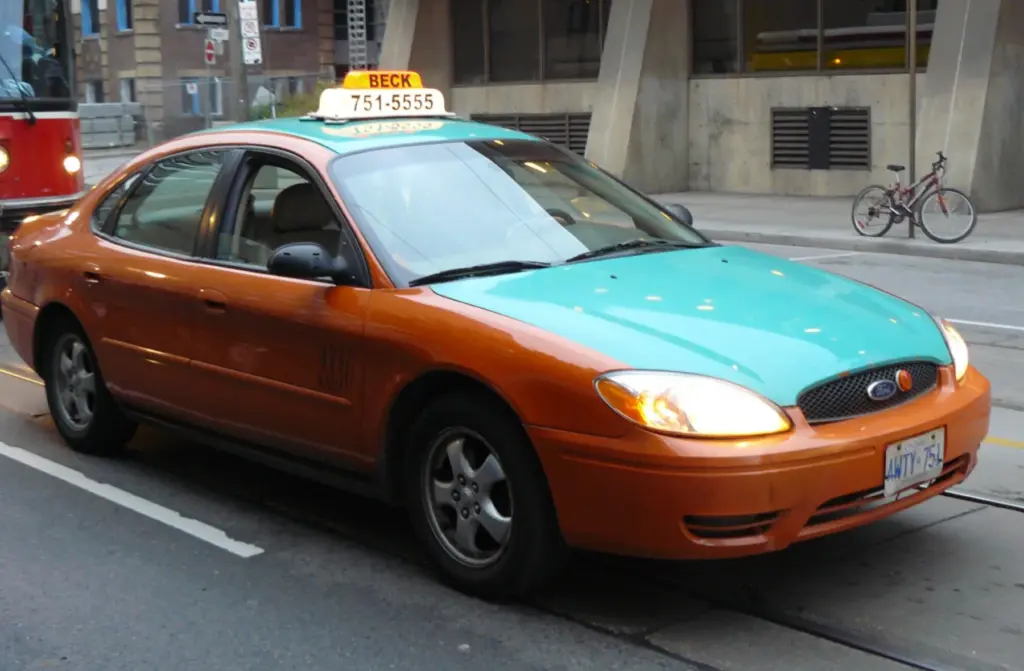

Only licensed taxicabs can accept a street hail or use a taxi stand in Toronto. A marked taxi has a roof light, a City taxi plate at the rear and identifying numbers on the side.
For a taxi hailed from the street or taken from a taxi stand, the driver must turn on the meter and use the City-regulated rate. The driver must serve the first person requesting a trip, even for a short fare, subject to limited lawful refusal reasons.
A driver should not demand a made-up flat cash price for a normal street-hailed trip. Record the taxi number, place and time if you have a fare, meter or refusal problem. Report it to 311 when you are safe.
A taxi booked through a brokerage may offer different pricing if you agree before the trip. Ask before you get in.
An app ride
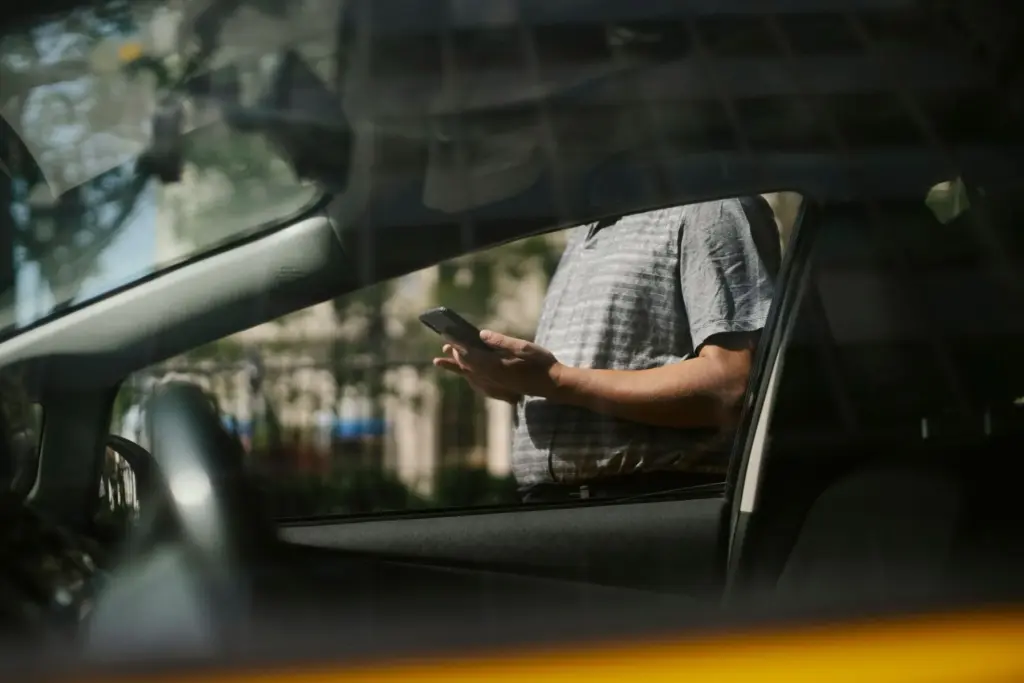
An app ride shows a price before you request it. The price can rise during a demand surge. After a stadium or festival empties, many people are asking for a small number of cars.
Compare two pickup points. Walking ten or fifteen minutes away from the road closure may improve the trip. It may also put you somewhere dark or isolated. Saving money is not worth an unsafe pickup.
Match the driver's face, car and licence plate to the app before entering. Do not get into a car because someone says they are your driver. A private app ride must be booked in the app.
Splitting the fare
Sharing with people you know can make a car practical. Set the drop order before leaving. Do not exceed the number of working seat belts.
Is Bike Share a good after-hours option?
It can be excellent for a sober, confident rider in safe weather.
Bike Share Toronto operates 24 hours a day. As of August 27, 2026, it listed more than 10,000 bikes and 1,000 stations. Pay-as-you-go pricing was $1 to unlock, then 12 cents a minute for a classic bike or 20 cents a minute for an e-bike.
Open the Bike Share system map before walking to a station. You need both a bike at the start and an open dock at the end. A large event can empty one station and fill another.
Do not ride after drinking or using cannabis. Do not ride when exhaustion, medication, poor weather or unfamiliar roads make safe control doubtful.
At night, the bike must have a white front light and a red rear light or reflector. The City also requires reflective tape and a bell or horn. Wear something visible. Choose a protected route where possible.
Bike Share is not a consolation prize for missing transit. It is a vehicle on a real road. Treat it that way.
When walking is the best answer
For a short trip, walking may be faster than waiting for a bus or watching an app search for a driver.
Check the actual door-to-door time. A “ten-minute drive” in conversation may be a 35-minute walk. That can be reasonable on a dry summer night and unreasonable during freezing rain.
Wear shoes you can walk in. Keep one ear free. Stay on lit routes. Cross at safe points. If the street ahead feels wrong, change course early.
Walking with a friend is often better. If you are alone, share your route and estimated arrival with someone you trust.
Use the TTC Request Stop program
The Request Stop program can shorten the walk from a bus at night.
It is available to any person travelling alone on a TTC bus between 9 p.m. and 5 a.m. Ask the operator at least one stop before the place where you would like to leave. The operator can stop between regular stops only where it is safe.
Exit through the front door. The rear doors stay closed.
Request Stop does not apply to streetcars. They often run in the middle of the road, where an unmarked stop would be unsafe.
How to stay safer on a night route
Keep your phone charged, but do not stare at it through the whole wait. Know what is around you.
Wait in a lit place where other people can see you. Stand far enough from the curb. Keep bags closed and in front of you.
Do not fall asleep on the bus. You can miss your stop, lose a phone or become easier to target.
If something feels wrong, move near the operator or other riders. The SafeTTC app, text option and web form can contact Transit Control. Tell the operator about an urgent problem.
Call 911 for a police, fire or medical emergency. Say the vehicle route, direction, nearest intersection and vehicle number if you can see it.
What if you use a wheelchair or have limited mobility?
The Blue Night network uses accessible buses. Low-floor streetcars operate on key overnight streetcar routes. That does not make every stop or transfer easy.
Check the accessible-stop filter on the route page. A snowbank, closed elevator, construction detour or long distance between stops can change the trip.
If you use Wheel-Trans, do not assume an event ending late can be handled as an unplanned regular ride. Follow current booking and same-day trip rules, and leave time for crowd delays.
The Request Stop program can help a person travelling alone on a bus, but the driver still needs a safe place to deploy a ramp when required. Explain the need early.
Why does the subway close at all?
Toronto's subway needs overnight inspections, repairs and cleaning. The TTC says subway tracks are inspected every night. Some emergency track work can happen only when trains are not running.
Much of the network has one track in each direction. There is less room to move trains around a work area than on a railway with extra tracks.
That explains the closure. It does not excuse poor night-bus planning after a known major event.
Our view is that event organizers, the TTC and GO Transit should publish one clear “how to get home” notice whenever an event could end after regular service. The notice should name the final trains, expected night routes, accessible options and backup pickup areas. Riders should not have to build that answer from six apps at 2 a.m.
A late-night plan you can copy
Before leaving home:
- Charge your phone and pack a small power bank.
- Screenshot the last regular train and your Blue Night route.
- Add a taxi number and one app ride account.
- Check the weather and dress for a wait.
- Decide whether cycling is safe and realistic before drinking.
- Set a maximum car price you can afford.
- Tell someone how you plan to get home.
At the end of the night:
- Recheck service alerts before leaving the building.
- Use the washroom before entering a long queue.
- Fill a water bottle where allowed.
- Move away from the largest pickup crowd only by a safe, lit route.
- Keep friends together until each person has a confirmed trip.
- Do not let fatigue or pressure push you into an unlicensed car.
The next morning:
- Do not plan to drive if you are still impaired or too tired to drive safely.
- Give yourself recovery time after an unusually late trip.
- Report a serious taxi, transit or safety problem while details are fresh.
Frequently asked questions
Does the TTC run 24 hours?
The TTC network runs through the night, but the subway and LRT do not. Blue Night buses and streetcars operate on major routes from about 1:30 a.m. to 5:30 a.m. Look for 300-series route numbers and blue markings at the stop.
What time is the last subway train in Toronto?
Lines 1, 2 and 4 operate until about 2 a.m., but the exact last train time differs by station and direction. Lines 5 and 6 normally end earlier. Check the official station page and your transfer before travelling.
How often do Toronto night buses run?
The TTC schedules Blue Night service every 30 minutes or better. A full bus, diversion, bunching or road closure can make the real wait longer. Check live arrivals and service advisories.
Which night bus replaces the Yonge subway?
The 320 Yonge night bus covers the Yonge corridor. It does not replace the full U-shaped Line 1 route. Riders going northwest may need another Blue Night route.
Which night bus replaces the Bloor-Danforth subway?
The 300 Bloor-Danforth night bus covers much of the Line 2 corridor. It has branches, so read the destination sign and check the official route page before boarding.
Do GO trains wait for late concerts or games?
Do not assume they will. Use the GO trip planner for your exact date and line, and rely on extra service only when GO Transit publishes a current notice. Save a GO bus or TTC Blue Night backup.
Can I ask a TTC bus to stop between stops at night?
Yes, if you are travelling alone between 9 p.m. and 5 a.m. Ask the bus operator at least one stop ahead. The driver can make a Request Stop only where it is safe, and the program does not apply to streetcars.
Is a taxi cheaper than an app ride after a Toronto event?
Sometimes. A street-hailed or taxi-stand cab must use the City-regulated meter, while an app ride can use dynamic pricing. Compare the live app price with a licensed taxi, then choose the safer and clearer option.
The bottom line
Missing the subway does not mean you are stranded. Blue Night is the backbone. Walking, Bike Share, a licensed taxi, an app ride or an early GO trip can finish the route.
The best plan uses two of those options, not blind faith in one. Check the final train, save the night map and decide your backup before the crowd reaches the street.