



If you received a TTC fare fine after tapping a card, phone or watch, save your evidence and respond to the ticket before its deadline. Do not rely only on the bank charge. Do not assume a complaint to the TTC cancels the court case.
The most important proof is the same payment method you used for the trip, plus its PRESTO transaction history. If you want to dispute the charge, do not pay it first. Toronto Court Services says paying a provincial offence ticket is a guilty plea and creates a conviction.
This guide gives general information, not legal advice.
The short version
- Photograph both sides of the ticket.
- Write down the date, time, route, vehicle, stop and payment method.
- Save your PRESTO history, card statement and any mobile-wallet details.
- Check whether the charge says you failed to pay or failed to show proof. The wording matters.
- Choose one of the formal options on the ticket within the stated deadline.
- Keep a TTC complaint separate from the court response.
- Do not accept promises that a prosecutor or court will automatically cancel the charge.
What counts as TTC proof of payment?
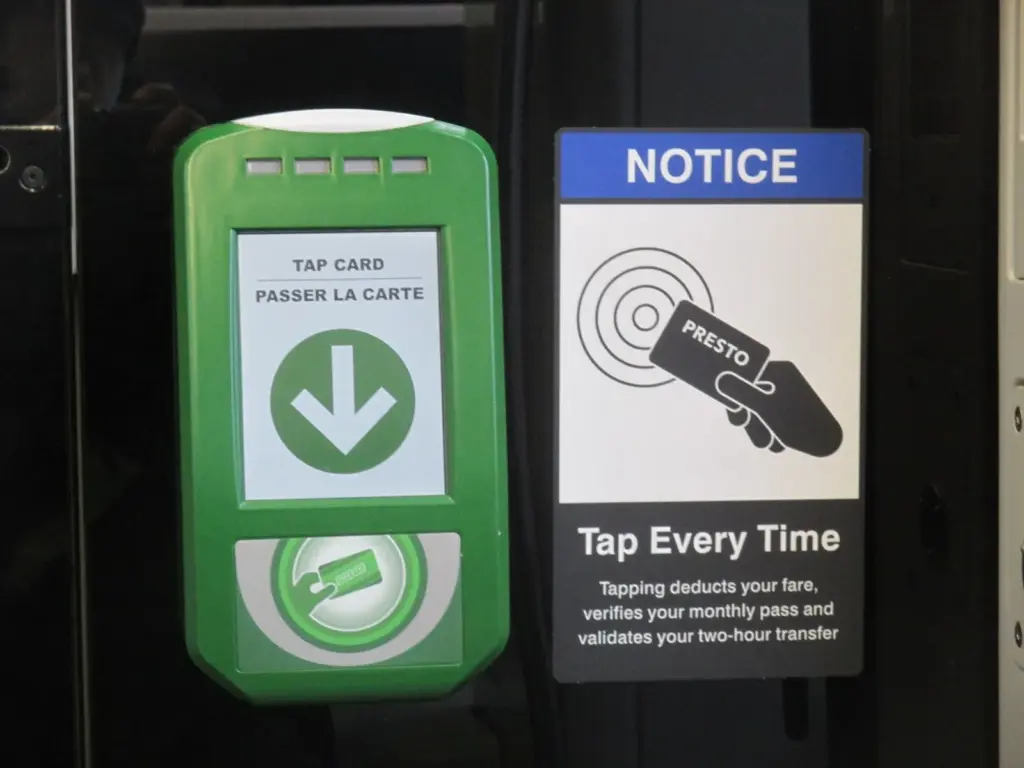

The TTC's rule is direct. The payment method you tapped is your proof of payment.
If you tapped a physical credit card, show that physical card. If you tapped Apple Pay on an iPhone, show that iPhone. If you tapped with a watch, show the same watch.
A physical credit card and that card inside Apple Pay are not the same payment method to PRESTO. Do not tap the plastic card during inspection if you boarded with your phone. The inspector's device may see no trip on the plastic card.
The same rule applies through the full journey. Use one payment method when you transfer. On GO Transit and UP Express, use it to tap off too.
A later bank charge is useful, but it is not the whole case
TTC contactless charges do not always appear in a banking app right away.
The TTC says a charge may take several days to appear. Several trips may also be combined into one or more charges. Before the final credit-card charge, a temporary authorization of up to $1 may appear.
This creates a confusing situation. A rider may have made a valid tap, but the normal bank screen may not yet show a final fare.
A later charge can support your account. It is stronger when it is connected to a PRESTO transaction record with the date and time of the trip.
A total such as $6.60 may show that two adult fares were collected. By itself, it may not identify which two vehicles or taps created the total. Save the detailed history when it is available.
Save this evidence right away
Do not wait for a hearing notice before rebuilding the trip.
Create one folder and keep:
- clear photos of the front and back of the ticket
- the ticket number and exact charge wording
- the date and approximate time you boarded
- the route number and direction
- the stop or station where you tapped
- the vehicle number, if you have it
- the device you used, such as an iPhone or watch
- the exact card selected in the mobile wallet
- screenshots of the PRESTO transaction history
- the final bank or credit-card charge
- any temporary authorization shown earlier
- names and contact details for witnesses who saw the tap
- TTC and PRESTO support case numbers
- a short written account made while the event is fresh
Keep the original files. A screenshot is convenient, but a downloaded statement or official transaction page may be easier to explain later.
Do not edit a screenshot except to make a copy that hides account details for a complaint email. Keep the complete original in your private file.
How to find a contactless PRESTO trip
PRESTO lets many contactless users check transaction history through its app or website.
If you add a physical credit or debit card to a PRESTO account, you can see a longer history. PRESTO says a registered card can show up to 180 days. An unregistered card may show only the most recent seven days.
Mobile wallets need extra care.
If you used a credit card through a mobile wallet, follow PRESTO's instructions for that payment method. If you used an Interac debit card in a mobile wallet, PRESTO says the detailed history may not be available in the app or website. In that case, use your bank record and contact PRESTO for help.
Do not type card details into a link from a search advertisement or a message. Start from the official PRESTO website or app.
Why the same device matters with Apple Pay
Apple Pay does not simply hand the fare reader the number printed on your plastic card.
The mobile wallet uses its own secure payment identity. PRESTO therefore treats the phone, watch and physical card as separate payment methods, even when they are connected to the same bank account.
This can cause three common mistakes:
- A rider boards with a phone but shows the plastic card during inspection.
- A rider boards with a watch but shows a phone.
- A rider selects a different card in the wallet when transferring.
The bank may eventually group those payments under the same account. The inspection system still needs the exact method used for that trip.
Check what the ticket actually alleges
Read the offence wording. Do not argue only from the size of the charge.
A case about not paying may be different from a case about not producing valid proof when asked. A later bank charge can be relevant to both, but it may not answer every legal part of the alleged offence.
Write the wording exactly in your notes. If you request disclosure later, compare the officer's notes and system record with that wording.
This is one reason nobody should promise that a screenshot will automatically end the case.
You normally have three formal options


Toronto Court Services says a person who receives a provincial offence notice normally has three options. The notice says these must be exercised within 15 calendar days. Follow the exact instructions and deadline printed on your ticket.
Option 1: Pay the ticket
Payment is a guilty plea. A conviction is registered.
This is the simplest administrative choice, but it ends the dispute. Do not pay first if your goal is to argue that the charge should be withdrawn.
Option 2: Request early resolution
Early resolution is a meeting with the prosecutor. You can show your evidence and discuss a possible resolution.
The prosecutor may withdraw a charge, offer a lower fine or take another position allowed by the process. No result is guaranteed. Asking for early resolution does not mean every payment record will be accepted in the way you expect.
Read any offer carefully. Understand whether it requires a guilty plea before accepting it.
Option 3: Request a trial
A trial lets you plead not guilty and have the case decided by a Justice of the Peace.
A trial can make sense when you want a decision on the evidence rather than a negotiated result. It also takes preparation and time. Court procedure and disclosure can be difficult if you have never handled a provincial offence.
If the charge, consequences or process worry you, consider legal advice or a licensed paralegal. Ask about fees before hiring anyone.
Early resolution or trial: which is better?
There is no one answer for every ticket.
Early resolution can be faster and gives you a chance to show the prosecutor your record. It may lead to a practical result without a full hearing. It can also produce an offer you do not want.
A trial gives a Justice of the Peace the final decision after evidence and argument. It may require more preparation, more waiting and at least one court appearance.
Consider:
- the exact offence
- the strength and detail of your transaction history
- whether the inspector record appears wrong
- whether a witness is available
- whether you want withdrawal or would accept another resolution
- the time and cost involved
Do not choose only because a stranger says their own charge disappeared. Their ticket, proof and prosecutor may have been different.
A TTC complaint does not dispute the ticket
You may have two separate problems.
The first is the provincial offence case. Toronto Court Services handles the formal options on the ticket.
The second is a service, conduct or equipment problem. That can be reported to the TTC, PRESTO, or the TTC office that handles fare inspector and special constable complaints.
Filing a complaint can create a useful record. It can also help the agencies find a failing reader or inspection process. It does not pause the ticket deadline unless an official court source says so in your case.
Respond to both systems separately.
What to include in a technical complaint
Make the complaint easy to investigate.
Include:
- the exact route, direction and time
- the stop or station where you tapped
- the fare reader location or vehicle number
- what appeared on the reader screen
- the sound and light you observed
- the phone, watch or card used
- the time and location of the inspection
- the later transaction record
- the ticket number
Do not send a full unredacted bank statement to a general inbox. Share only what is needed. Ask how the agency protects and receives sensitive records.
Keep the complaint number and every response.
What not to do during a fare inspection
Stay calm. Show the same card or device you used to pay.
Do not switch between the phone and plastic card. Do not tap a second payment method in a panic unless TTC staff clearly explain what will happen. A new tap may create a new fare without proving the earlier one.
Do not give false information, obstruct staff or follow online advice that tells you to test an officer's legal powers by walking away. The person checking fares may be a Provincial Offences Officer, Special Constable or another authorized employee. Their role and authority may differ.
If you believe the interaction was improper, record the details afterward and use the complaint process. If you need advice about your rights in a specific encounter, ask a qualified legal professional.
How to reduce the risk on your next trip
No payment method is perfect, but these habits help:
- Watch for the accepted message and green light.
- Use the same device for the full trip.
- Keep your phone and watch charged.
- Select the intended wallet card before tapping.
- Do not tap a whole wallet full of cards.
- Give each traveller a separate payment method.
- Register an eligible contactless card in PRESTO so more history is available.
- Check the PRESTO history after any strange tap.
- Note the vehicle number when a reader behaves oddly.
If you qualify for a youth, senior, post-secondary or Fair Pass fare, use a PRESTO product with the proper fare type. Contactless bank-card payments charge the adult fare.
Is a digital PRESTO card better than a credit card?
It depends on what you need.
A digital or physical PRESTO card can hold a concession fare, transit pass or other eligible product. A contactless credit card is simple for an adult single fare and may earn card rewards.
The important difference in a dispute is access to the right history. Learn where your chosen method stores its transactions before you need them.
A PRESTO card does not guarantee that a reader or inspection will never fail. A credit card is not automatically unsafe. The best option is one you use consistently and can document.
Frequently asked questions
Can a TTC credit-card charge take days to appear?
Yes. The TTC says contactless charges may take several days to appear and several trips may be combined. A temporary authorization of up to $1 may appear before the final credit-card charge.
Is my physical credit card the same as Apple Pay for TTC proof?
No. PRESTO treats the physical card and the version in a mobile wallet as different payment methods. Show the same phone, watch or physical card that you tapped when you started the trip.
Does paying a TTC ticket let me dispute it later?
Toronto Court Services says payment is a guilty plea and creates a conviction. If you want to dispute the charge, read the other options on the ticket before paying.
Will early resolution automatically cancel a TTC fare fine?
No. Early resolution is a meeting with the prosecutor, not a promise of withdrawal. Bring complete evidence and understand any proposed resolution before accepting it.
How long do I have to respond to a Toronto provincial offence ticket?
The City says the normal period is 15 calendar days after receiving an offence notice. Follow the exact date and instructions printed on your ticket because missing the response can lead to a conviction in your absence.
Does a complaint to the TTC stop the court deadline?
No. A TTC or PRESTO complaint is separate from the provincial offence process. Submit the formal ticket response on time even if an agency is still investigating your complaint.
Can two people travel with one contactless card?
No. PRESTO says each customer needs a separate credit card, debit card, mobile wallet or PRESTO card. One card cannot provide valid contactless proof for two people travelling at the same time.
The bottom line
A delayed bank charge can make a TTC fare dispute feel impossible. It is not the only record you can use.
Save the exact payment history, the trip details and the ticket. Respond through Toronto Court Services before the deadline. Make a separate complaint if a reader or inspection appears to have failed.
Most of all, do not let confident online promises replace the instructions on the ticket. A careful file is more useful than a loud argument.