


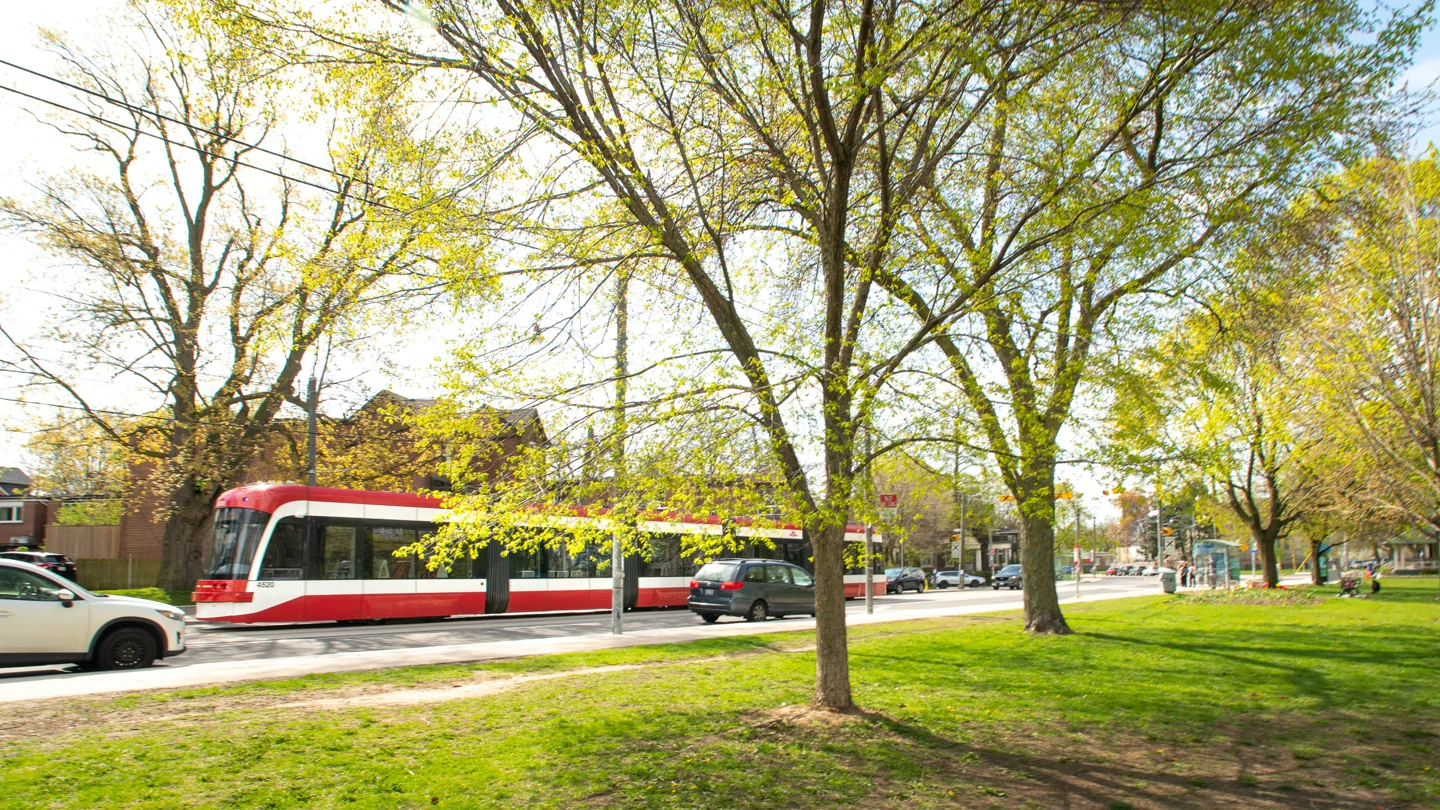
A student PRESTO discount does not work the same way on every Toronto train or bus. GO Transit and UP Express offer reduced single fares to eligible students. The TTC's post-secondary discount is a monthly pass. It does not cut the price of an ordinary single ride.
Our pick for a student travelling to campus three days a week is usually pay-as-you-go. For a student using GO, set up the GO discount first. Do not buy a TTC pass just because you are a student. Count your separate TTC trips before spending the money.
The big September 2026 change is monthly TTC fare capping. The post-secondary pass survives that change, so the right choice still needs a little maths. Here are 20 details that make the decision easier.
Fares and rules checked September 5, 2026. Prices below are Canadian dollars. The examples use the published fares, not a claim that we took these trips ourselves.
Start with the fare that fits your age and route
| Your situation | Start here | Main catch |
|---|---|---|
| Age 13 to 19 | Youth fare on PRESTO | A university student does not need to give up the youth rate |
| Age 20+, occasional TTC travel | Pay for separate trips | Student status does not lower the TTC single fare |
| Eligible student, heavy TTC use | Compare the $128.15 post-secondary pass | Separate TTC photo ID is required |
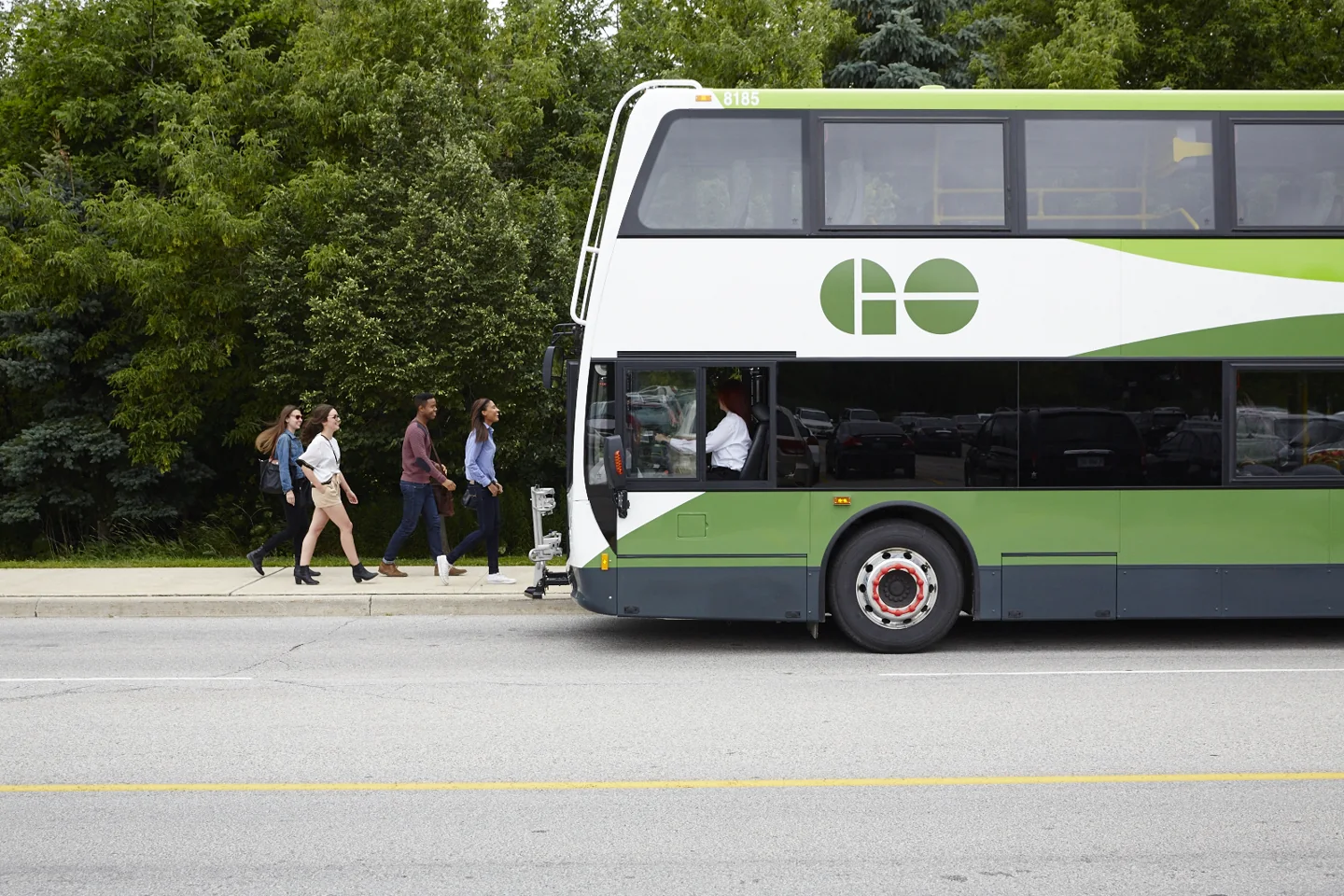
| Eligible full-time student using GO | GO Student ID and the correct PRESTO fare type | Apply and activate the discount; carrying a campus card alone is not enough |
| Eligible student using UP Express | Student fare on the correct PRESTO setup | UP is a separate service with its own fare |
| GO plus TTC in one eligible journey | Student GO fare and One Fare | Keep the same payment method throughout |
1. Being a student is not a universal fare category
PRESTO is the payment system. Each transit agency decides who qualifies and how the fare works. A setting on your card does not make every agency's price the same.
This is why a student can get cheaper GO travel and still see an adult single fare on the TTC. Before reporting an error, check which agency charged you and which product you used.
2. Keep the youth fare while you qualify
GO says its youth and post-secondary discounts have the same rate. It tells customers with a valid youth fare to wait until that fare ends at age 20 before applying for GO Student ID.
The TTC also directs students 19 and under to its youth fare. At the current $2.25 electronic youth fare, 47 paid TTC trips total $105.75. That is lower than a $128.15 post-secondary pass. Do not swap to a more expensive option simply because you have started university.
3. Check full-time eligibility, not just your student card
GO's post-secondary concession is for eligible full-time students at approved schools. Part-time enrolment does not qualify under that category. If your school is missing from the list, ask GO rather than selecting another institution.
The TTC has its own rules for recognised full-time degree or diploma programs in Toronto. Its current page says certificate students are not eligible for the post-secondary pass. Check the TTC eligibility page before paying for ID.
4. Understand what “40% off” means
GO advertises the student saving against its standard adult single-ticket fare. It is not 40% off an already reduced adult PRESTO fare. GO describes the difference from adult PRESTO as just under 29%.
That wording matters when you check a calculator. Compare the same route, direction and ticket type. A smaller saving against the adult PRESTO price is not, by itself, a billing error. See GO's student discount explanation.
Set up GO and your payment method properly

5. Apply for the current GO Student ID
Applications for the 2026–2027 school year are open. Use the application linked from GO's official student page. Keep the approval and electronic ID where you can find them during a journey.
GO says its form is accessible from Canada and the United States. If you are arranging a move from another country, plan to finish this step after you arrive in an eligible location. Do not count on having the discount active for an airport journey before approval.
6. Finish the voucher or fare-type step
An approved application is not the same as an activated card. Follow the current instructions in your approval email and check which PRESTO number you are updating.
GO's help page warns that a voucher used through the wrong process may need staff help. A code is not something to keep submitting until it works. If activation goes wrong, take the details to a customer service outlet or GO ticket counter.
7. Check for a campus U-Pass exception
Some schools have a different route because their local transit pass already sets up the relevant PRESTO card. GO lists exceptions including full-time students at U of T Mississauga, Durham College and Ontario Tech.
Read the exception for your own school. A pass valid on MiWay or Durham Region Transit does not mean unlimited GO rides are included. You still need funds for the GO journey. The local pass and the GO fare are different products.
8. Renew when your eligibility ends
GO says full-time students must reapply each academic year to keep their status. Save the expiry date and renewal instructions with your school calendar.
Do not wait for a week of higher charges to investigate. After renewal, check the fare type and your first journey. If you stop qualifying, use the correct adult fare rather than assuming a card that still taps is valid proof of eligibility.
A phone wallet is not the same thing as tapping a bank card

9. Choose PRESTO in your wallet for a student concession
A digital PRESTO card in Apple Wallet or Google Wallet can hold a fare type. Tapping a debit or credit card through the same phone is a different payment method.
The agencies' current guidance says direct bank-card taps use adult fares. A phone does not know that you are a student merely because your campus app is installed. Check which card appears when you tap.
10. Stick with one card and one device
Use the same payment method for a journey and for the TTC monthly cap. A physical bank card and a phone version of that card can be treated separately. Your watch is another device too.
The practical rule is simple: choose one method you can reliably use, then keep using it. Switching between a phone, watch and plastic card makes travel history harder to follow and can split the trips that should count together.
11. Tap off on GO and UP
GO and UP fares depend on the trip. Tap on and off as required, using the same card or wallet. On the TTC, tap each time you board or enter through a fare gate, including transfers. There is no TTC tap-off step.
Read the service name on the reader at a shared station. An UP trip and a GO trip are not interchangeable just because the trains serve some of the same places.
12. Check the first few charges
After changing a fare type, review the first journeys. Check the start, end, agency and amount. If you forgot a tap, changed devices or used the wrong reader, explain that when asking for help.
Keep the relevant journey details, but do not post full card numbers or personal ID online. For a payment dispute, our guide to TTC fare fines after paying by card explains how to organise evidence.
Is the TTC student monthly pass worth it?
13. Know what changed on September 1
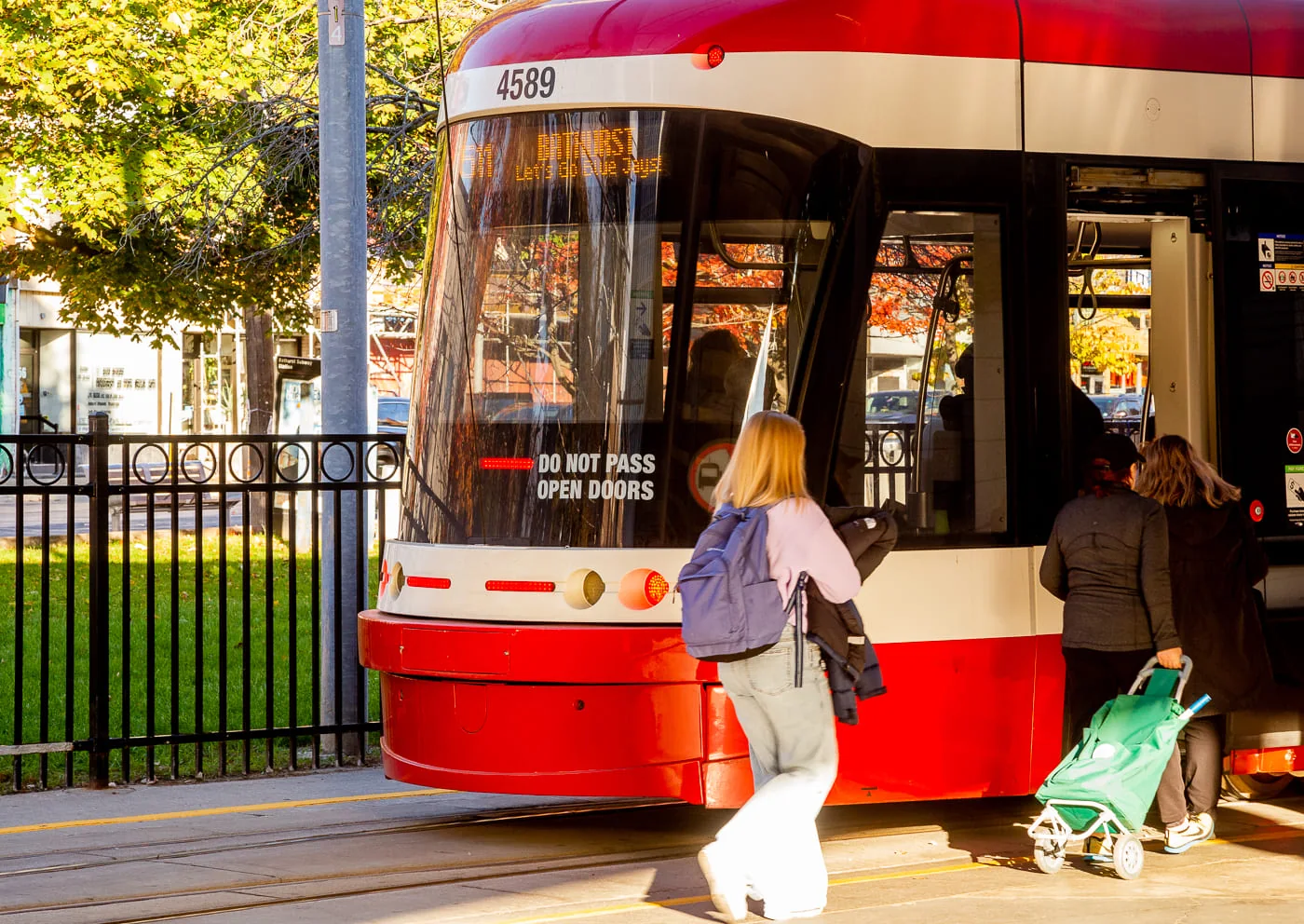
Monthly TTC fare capping now makes further travel free after 47 paid trips in a calendar month, using the same eligible payment method. You must still tap. The ordinary adult, youth and senior monthly passes have been discontinued.
The post-secondary monthly pass remains available. The TTC's September announcement confirms both changes. Old advice saying every monthly pass has disappeared is wrong.
14. Count paid journeys, not every vehicle
A transfer inside the TTC's two-hour window does not mean another full fare. Riding a bus, subway and streetcar in one connected journey is not automatically three paid trips.
Count the journeys that actually create a new fare. For the same reason, do not count a TTC connection already covered through an eligible GO trip as a full extra TTC fare when deciding whether to buy a pass.
15. Use this monthly comparison
The current adult electronic TTC single fare is $3.30. The post-secondary monthly pass is $128.15. Here is a simple four-week example with two separately charged TTC journeys on each campus day.
| Campus days each week | Paid TTC journeys in four weeks | Pay-as-you-go total | Our choice before extra outings |
|---|---|---|---|
| Two | 16 | $52.80 | Pay as you go |
| Three | 24 | $79.20 | Pay as you go |
| Four | 32 | $105.60 | Pay as you go |
| Five | 40 | $132.00 | The pass saves $3.85 before ID costs |
| Heavy use reaching the adult cap | 47 | $155.10 | The student pass saves $26.95 before ID costs |
At 39 adult paid journeys, singles cost $128.70. That is where the $128.15 pass first becomes cheaper, before the separate ID fee. Calendar months have different numbers of weekdays, so use your real class dates.
16. Include the ID cost and trips already paid for
The TTC photo ID costs $5.25 at Bathurst Station or $7 at a campus visit. In the first month, a Bathurst ID plus the pass costs $133.40. That is slightly more than the 40-journey example above.
The ID remains useful while valid, so do not add its cost again every month. But do not ignore it in a tight first-month budget. Also count fares you have already paid before buying a pass. The pass is not a refund for earlier rides.
| Payment choice | Good | Bad | Best for |
|---|---|---|---|
| Pay as you go | No large upfront cost; suits changing timetables | Separate trips add up | Light or irregular TTC use |
| Post-secondary pass | Predictable TTC cost; cheaper for heavy eligible use | Upfront payment and ID rules | Students with enough separate TTC journeys |
| GO student fare plus One Fare | Avoids paying the full local fare again on eligible connections | Timing and payment method matter | Regional campus commutes |
We would skip the pass for a three-day campus week unless extra outings change the calculation. “Student discount” is not enough reason to buy a product you will not use.
Get the right TTC ID and plan your transfers
17. Visit Bathurst or a listed campus session
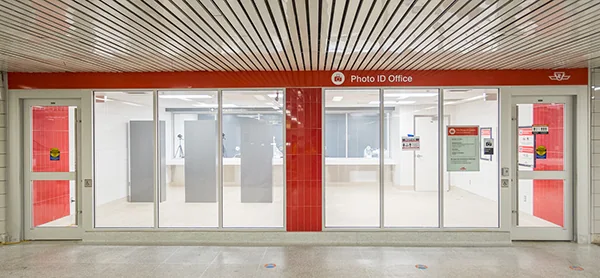
The TTC Photo ID Office is on the concourse at Bathurst Station, 819 Bathurst Street. Its listed hours are Monday to Friday, 3 to 7 p.m., and Saturday, 10 a.m. to 2 p.m. It is closed Sunday. Check the office page before travelling, especially around a holiday.
Bring current proof of full-time enrolment and government or school ID. The documents need to show the student, school and study dates clearly. The current TTC page accepts clear digital documents and lists campus photo visits.
The station has elevators, but check live elevator status if you need them. The map below marks the station. The photo office is inside, on the concourse.
18. Carry the TTC photo ID when using the pass
After getting the TTC ID, follow the instructions to set the post-secondary fare type on your physical or digital PRESTO card. Then load the pass.
Your university card and GO Student ID are not substitutes for the TTC photo ID when using this product. Keep the right proof with you. Monthly passes are sold through the eighth day of the month; check the current fares page before leaving this to the last minute.
19. Let One Fare do its job on GO connections
For eligible GO and TTC connections, One Fare removes the TTC fare from the combined journey cost. It does not make an entire GO journey free just because you boarded the TTC first.
The Metrolinx One Fare page gives a two-hour window for journeys beginning on local transit and three hours for those beginning on GO. Use the same payment method. A long stop between classes and the return trip can be a separate journey.
20. Price UP Express separately
UP Express has its own fares and is not covered by your TTC monthly pass or GO fare. Do not assume a TTC transfer onto UP is free under One Fare.
The current UP PRESTO table lists the eligible student fare between Union and Pearson at $7.41 one way, versus $9.25 for an adult electronic fare. Shorter station pairs have separate prices. Compare your exact pair and the TTC portion too.
If GO and UP both fit your journey, compare the complete fare and departure times. The faster-looking train can be the more expensive overall choice once an extra local fare is added.
Before your first campus journey
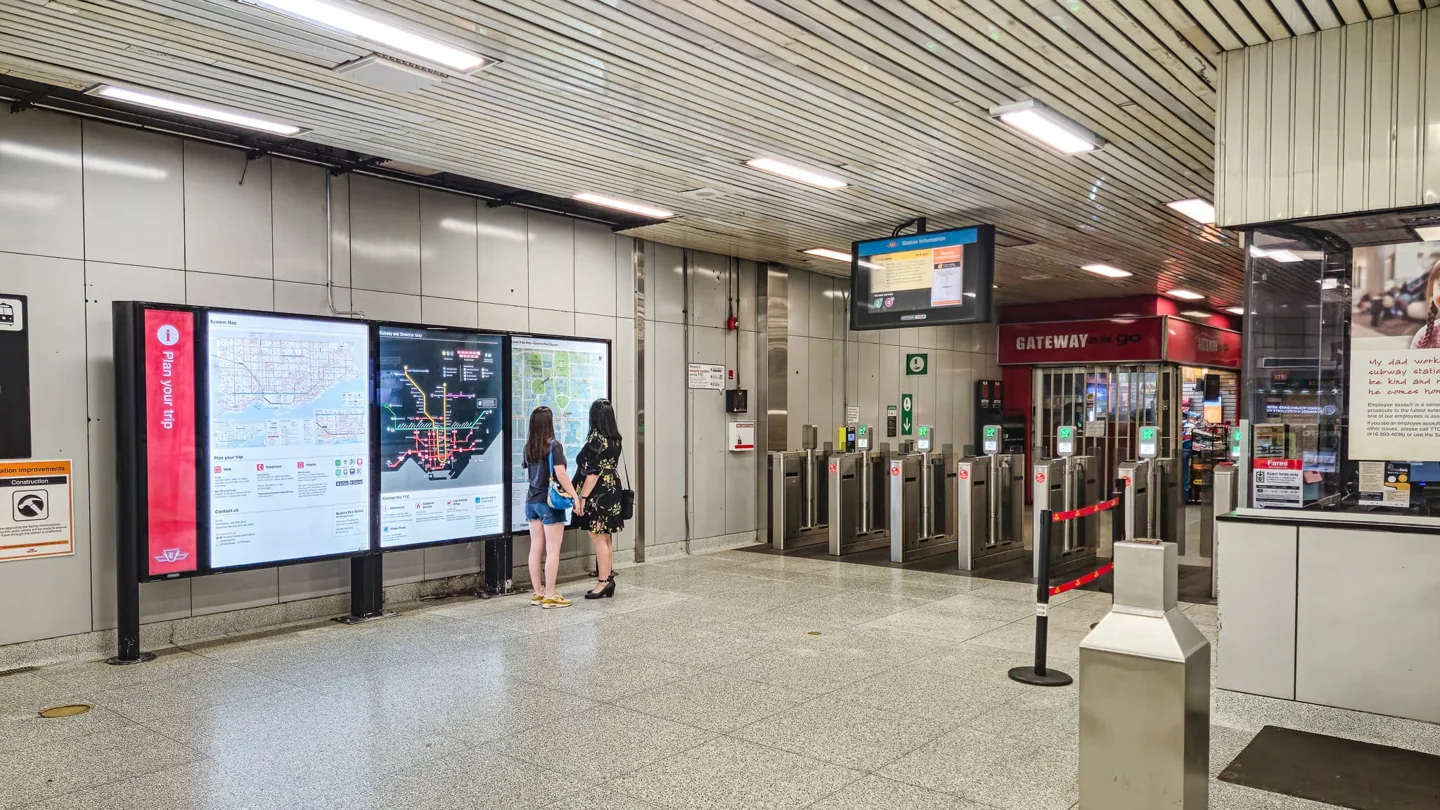
Do a practice trip if the route is unfamiliar. Find the correct entrance, platform and final walk before the morning of an exam. Check service changes, because a fare guide cannot tell you that tomorrow's train is running normally.
Our GO commute cost guide helps with the wider monthly budget. The TTC fare-capping guide covers the new cap in more detail. For late classes, save the guide to getting home after the subway closes before you need it.
The best setup is the one that matches your actual week. Activate the discount you qualify for, keep the right ID and use one consistent payment method. Buy a pass only when the numbers support it.
Frequently asked questions
Does a GO student discount make TTC rides cheaper?
It does not lower an ordinary TTC single fare. The TTC has a separate post-secondary monthly pass. An eligible GO-to-TTC connection can receive the One Fare discount.
Can I use a student PRESTO card in Apple Wallet?
The current agencies' guidance supports digital PRESTO with a suitable fare type. That is different from tapping a bank card through Apple Wallet. Follow the current PRESTO setup instructions and check the fare type before travelling.
Do students still need a TTC monthly pass after fare capping?
Some heavy TTC users can save with the post-secondary pass. Students taking fewer separate journeys usually do better paying as they go. Use your actual paid-trip count, including outings beyond campus.
Is the TTC student pass worth it for three days a week?
Usually not for campus travel alone. In a four-week example, 24 adult electronic fares cost $79.20, compared with the $128.15 pass. Extra travel can change that result.
Can a part-time student get the GO post-secondary discount?
GO limits this category to eligible full-time students. Youth eligibility is a separate question based on age. Check your circumstances on GO's official student page.
Do I need to renew my GO Student ID?
Yes. GO says full-time students must reapply each academic year to keep their status. Follow the approval and activation instructions, then check your fare type.
Does my TTC pass cover UP Express?
No. UP Express has a separate fare. Eligible students can use its student concession with the required PRESTO setup and GO Student ID.
What should I do if the student fare is not working?
Check the agency, card number, fare type, expiry and whether you tapped a bank card instead of PRESTO. Keep the journey details and ask PRESTO or the relevant agency to review them. Do not assume the TTC single fare should fall just because the GO discount was activated.