


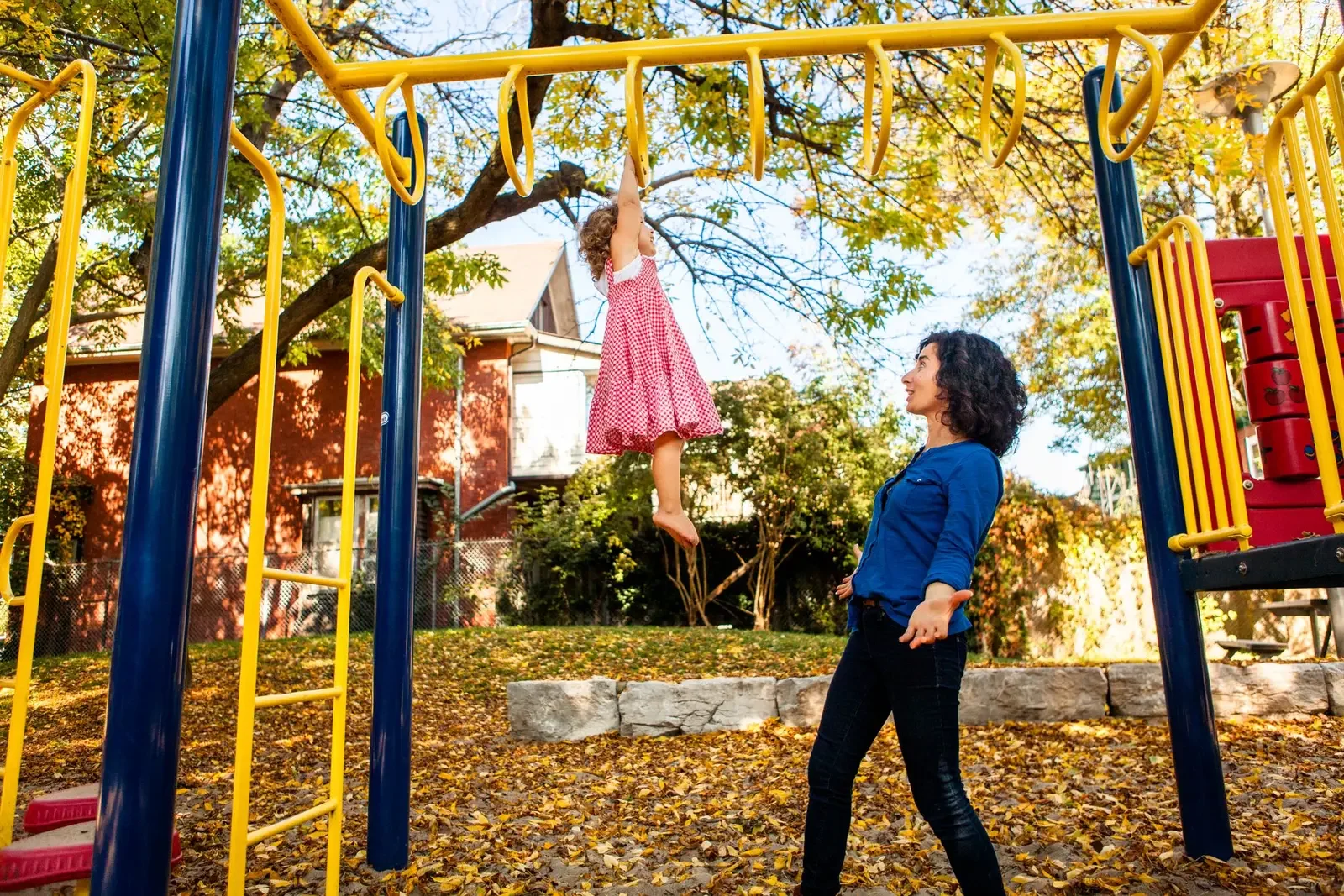
Featured photo source. Pexels licence.
Raising a baby in downtown Toronto works best when your daily needs are close enough to walk to. A short commute, nearby child care, a useful park and a reliable lift matter more than a condo's glossy shared room.
Our pick is a home with a simple daily route: groceries, a family programme, outdoor space and health care. A low-rise home in a walkable area such as Riverdale, Leslieville or Little Italy is the strongest alternative if you want more space. Skip a small high-rise solely because it looks central on a map.
The main deal-breakers are child-care availability, lift failures and a layout that makes sleep or stroller storage hard. Check them before deciding that downtown will be easy.
Test a normal day before choosing a neighbourhood

.jpg)
Make a route for an ordinary weekday. Include work, child care, groceries, a park and the appointment you need most often. Walk it at the time you expect to use it. Try it with a stroller if you can.
A home near Union or St. Lawrence Market can reduce travel for a parent who works downtown. It will not do the same for someone whose job is in Markham. Judge your own route, not the idea that every short commute happens downtown.
Trinity Bellwoods, Little Italy, Riverdale and Leslieville give some families shops, parks and streets they can use on foot. Different blocks still have different costs, traffic and housing. Do not buy a neighbourhood name instead of checking the exact address.


.jpg)
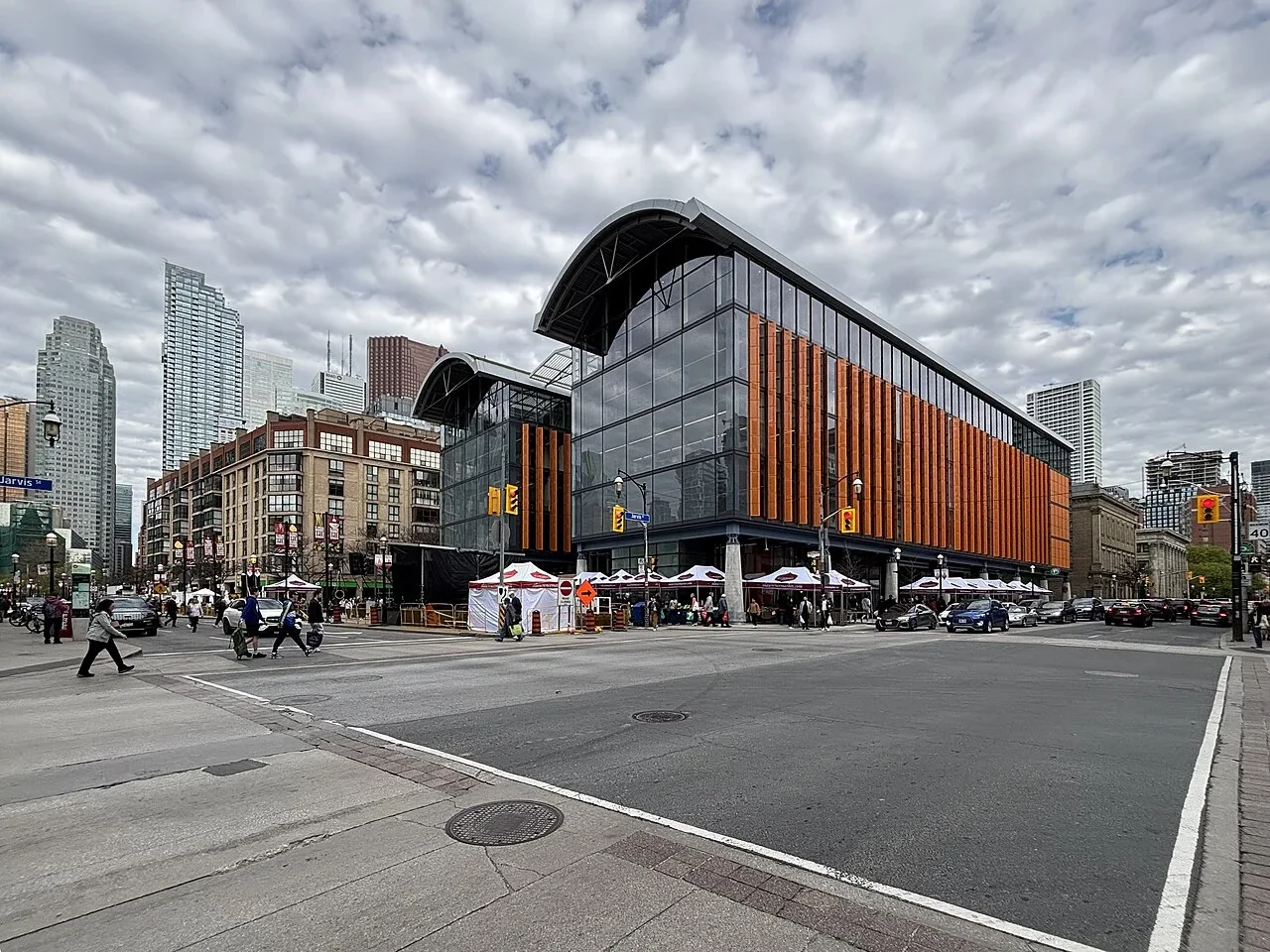

If you are comparing downtown with the suburbs, include pickup time. A large home can feel less useful if both adults spend hours away from it. A suburban home near work and relatives can beat a downtown one with no nearby help.
Draw a circle around the places you can reach comfortably. That is more useful than debating which postal codes or side of Bloor “count” as downtown.
A small home needs a good layout and a plan for later
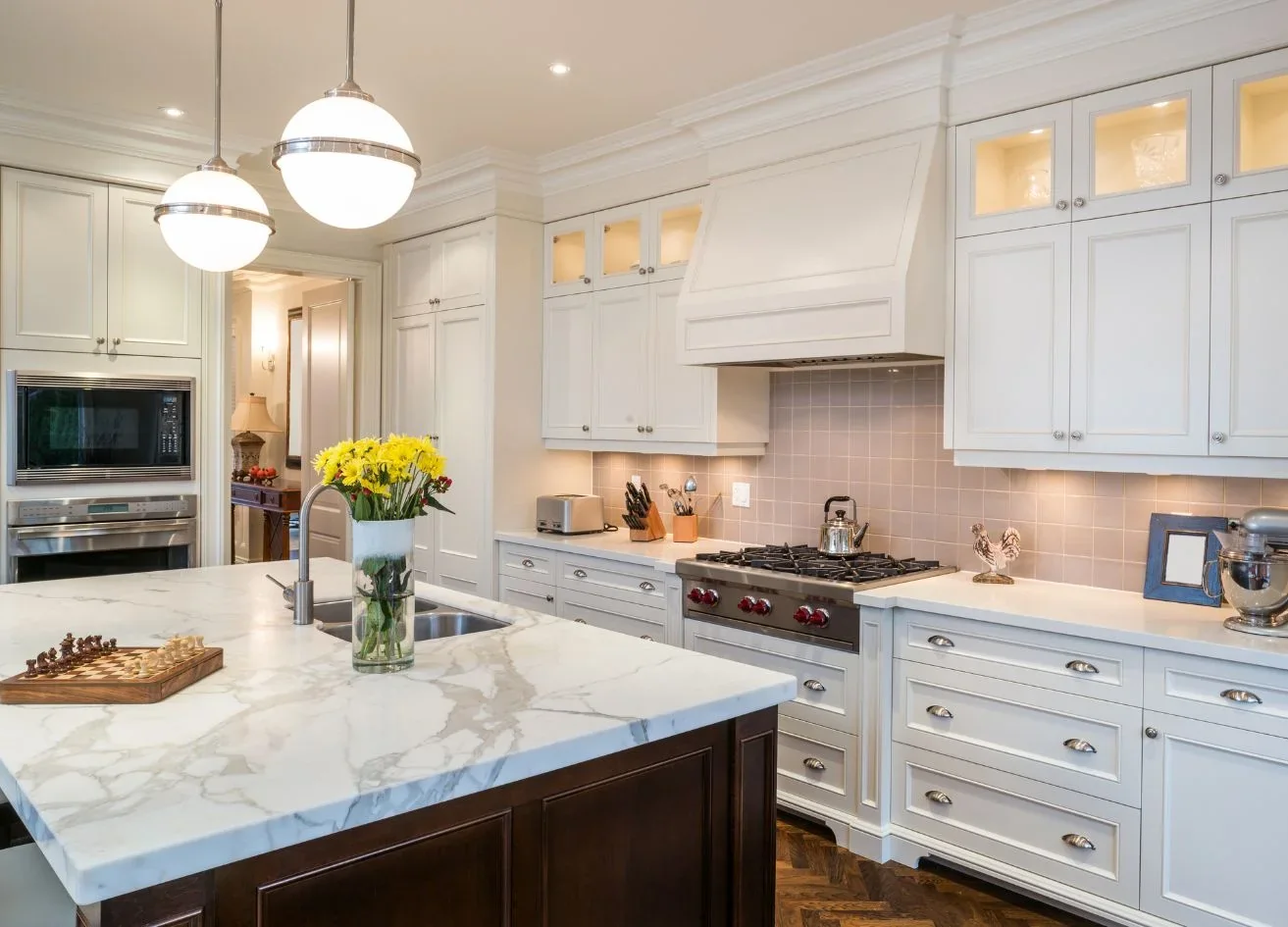
A baby does not need a large house. The adults still need places to sleep, work, store equipment and take a short break. Floor area alone does not tell you if that will work.
Check where the stroller goes. It should not block a hallway or fire exit. Check the route through the lobby, lift and apartment door. A space advertised as a den is not automatically a legal bedroom.
Think about noise. Can one person make dinner while the baby sleeps? Can a working parent take a call? Is there room for a crib without making every trip across the room awkward?
Some families manage in less than 600 square feet. Others find a much larger home crowded. Those experiences do not prove one minimum size. They show why the actual layout, work patterns and family needs matter.
An older rental can have more usable space than a newer condo at the same price. A high-rise can offer a lift and convenient entry. A walk-up can become difficult with a stroller, shopping and a tired child. Test the full route rather than assuming either is better.
If you plan more children, build a second version of the space plan. Think about the next three or four years. Moving after a child forms local friendships or starts school can be harder than moving while the daily routine is still new.
University family housing, including the area around 30 Charles Street, is a lead for eligible families. Check eligibility, waiting lists, green space and the specific building's lifts. Do not treat an individual parent's good or bad building experience as the current condition of every unit.
Choose a home for the life you can picture on a rainy weekday. A party room you rarely book should not decide the lease.
Find child care before assuming the commute is solved

Child care is the biggest practical unknown for many families. Being near several centres does not mean one has an infant space on the date you need it.
Use the City's licensed child-care locator. Check the ages served, hours, location, current fees and programme participation. Contact the centres directly about waiting lists and how often to update your information.
The Canada-wide child-care programme caps base fees at $22 a day for eligible young children at participating providers. Ask the provider for the exact fee, hours and any optional charges. Do not assume every Toronto centre charges $10 a day.
The fee cap does not promise an immediate place. A fee subsidy application and a centre's enrolment waiting list are also different things. Ask what each application does.
Tour the route as well as the room. How long does pickup take? What happens when work runs late? Can both caregivers manage it? Does the centre close on a day your workplace stays open?
Keep a backup plan for illness and closures. Nearby relatives help some families. A paid backup adds cost. Working from home while caring for a baby is not automatically a complete child-care plan.
Read our cost of raising a child in Toronto guide with your actual quotes beside it. A low headline fee is useful only when the space, hours and age group fit.
Build a local routine with EarlyON and the library
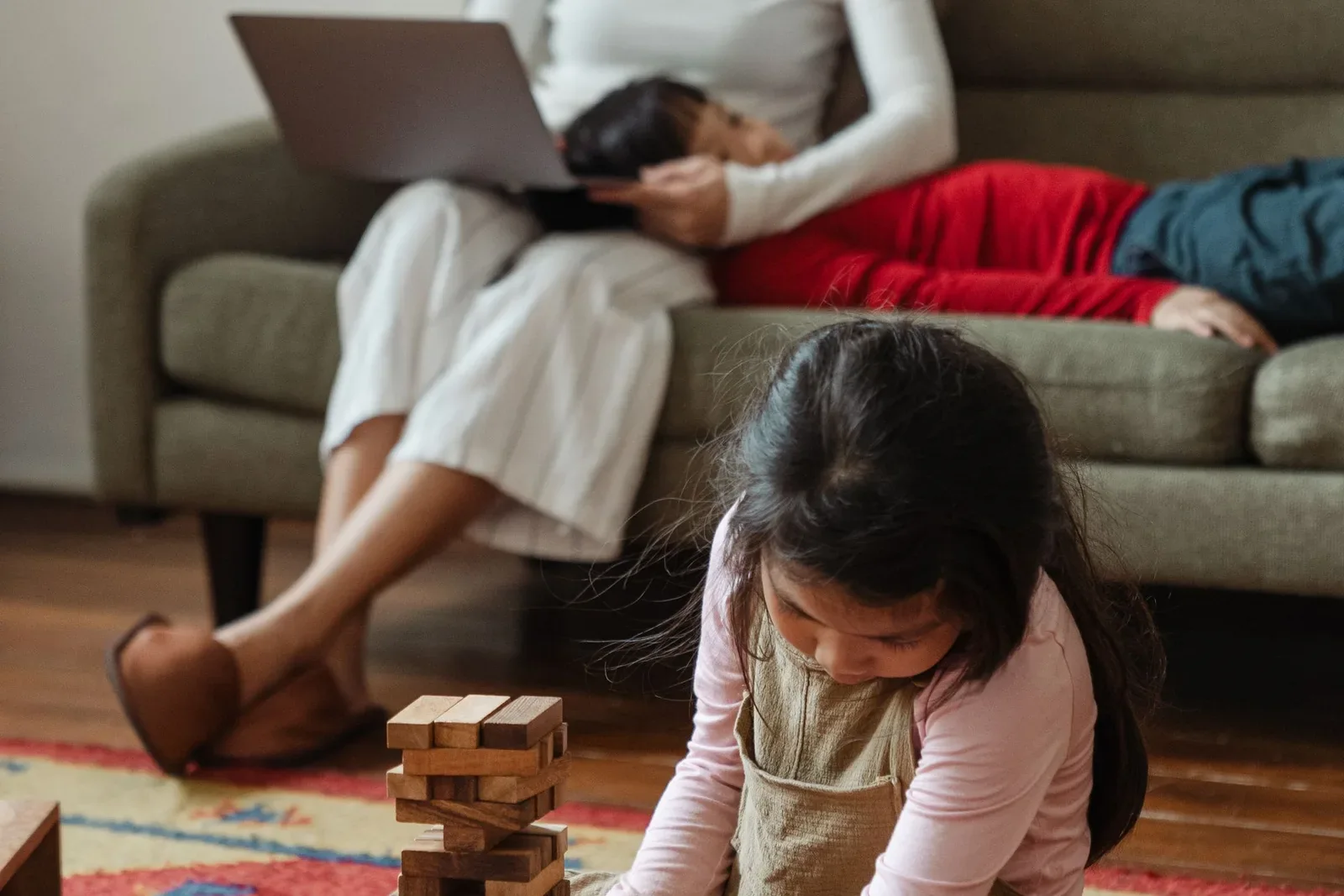
EarlyON Child and Family Centres offer free programmes for children from birth to six and their caregivers. They are our first choice for a low-cost way to meet other families.
The caregiver stays. This is not a child-care drop-off. Contact the centre for its actual schedule, age group, registration and access arrangements.
Libraries offer another repeat stop. Use Toronto Public Library's Ready for Reading information and the branch's current events. A baby programme can give a week some shape even when you do not feel ready to make a lot of conversation.
Toronto Public Health also offers free, confidential parenting support. You do not need an OHIP card to use these services. Call 416-338-7600 to ask about feeding, coping and the right support for your family. A public health nurse can help you find a useful next step.
For registered City recreation programmes, check Early Local Registration. Eligible addresses near participating centres can register one week earlier. Use the City's address checker. This does not cover every programme, and it is not a rule for ordinary drop-ins. Confirm the child's age range before booking.
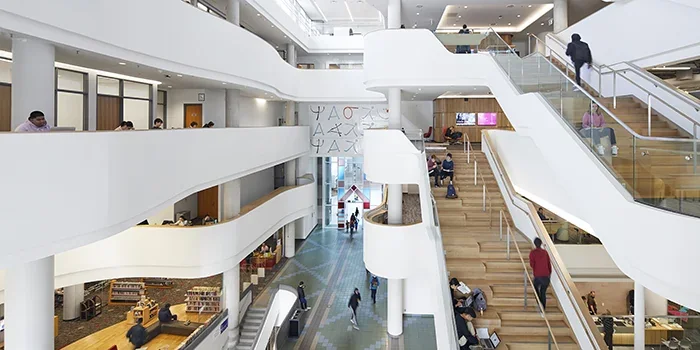
Go to the same session a few times. Say hello to one person. Suggest another short visit if you get along. Community takes repeated contact. It does not appear automatically because a building has many families.
Building chats and park conversations can help too. Respect privacy and do not assume every parent wants to share a phone number. Introverted parents can use quieter, smaller routines. Busy working parents need times they can actually attend.
“Bloorkids” was suggested as another lead. We did not confirm an exact current provider and programme from that name. Checked October 7, 2026, confidence is low. An official programme page and location would be needed before planning a visit.
Choose one nearby routine first. A crowded calendar across Toronto will make the week harder.
Public parks help, but they do not replace every kind of yard
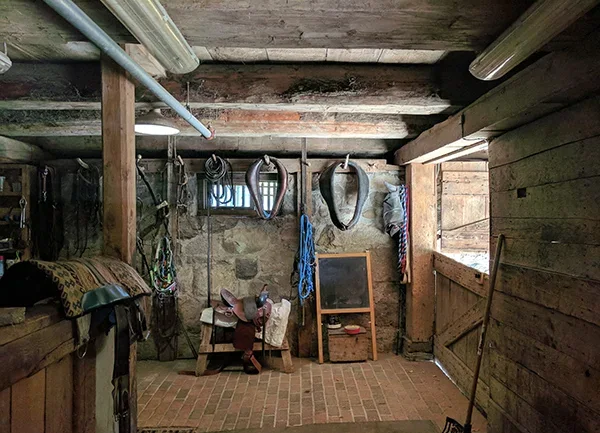
A nearby park gives a small home breathing room. Flat paths, shade, benches and toilets matter when you have a stroller and need to stop often. Check the route and seasonal facilities.
Riverdale Farm can turn a walk into a small outing. The Islands and Biidaasige Park offer other outdoor settings. Queen's Park gives a central walk a clear destination. Ferries, weather and opening hours still need planning.
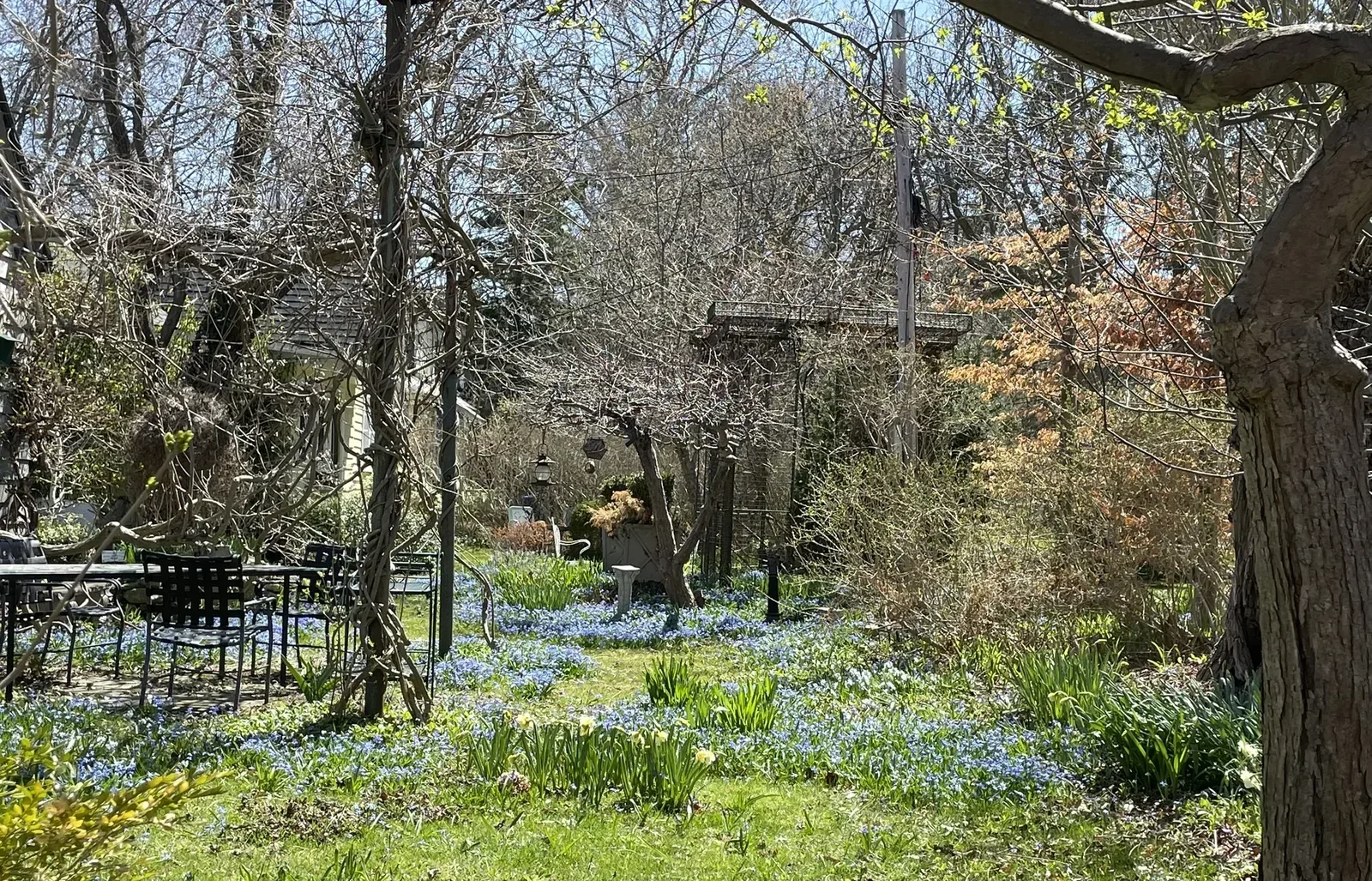


A private yard has a different use. It can allow a short outdoor break without packing up for a trip. It can offer quieter play and easier gardening. It also takes money and work to maintain. A public park cannot always provide that same convenience at bedtime or during a difficult day.
Shared playgrounds bring other children and people to meet. They can also be noisy and crowded. Do not assume either an empty yard or a busy park gives every child the better childhood.
Use a regular short route for daily time outside. Save the ferry outing for a day when the travel feels manageable.
Check TTC lifts and crossing points with a stroller
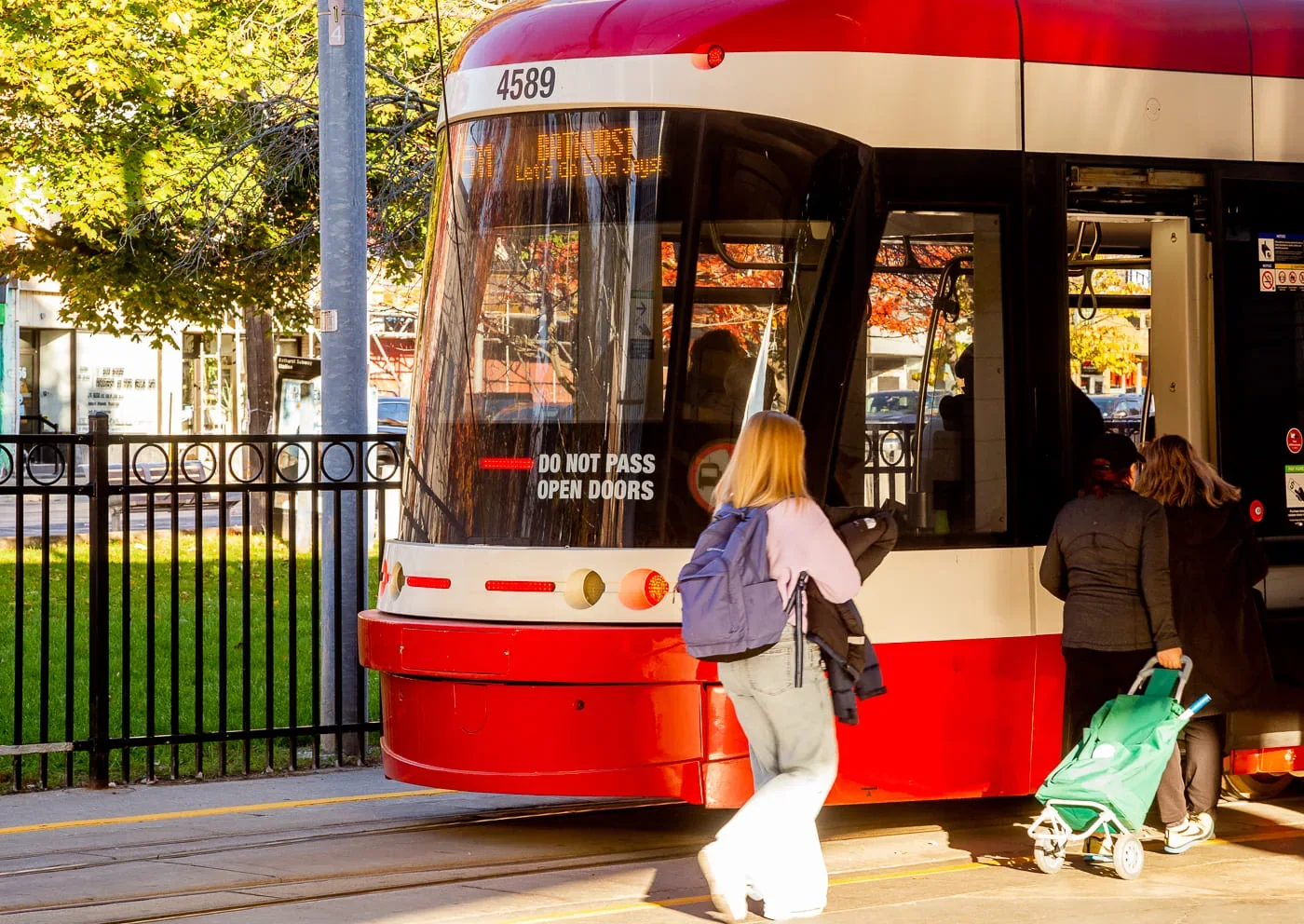
Children 12 and under ride the TTC free under the current fare rules. A parent's fare still applies. Fare savings do not remove the work of boarding, transfers and lift routes.
Check lift status before a trip. A station marked accessible can have a lift out of service. Pick a backup route before arriving at the stairs.
Use a lift with a stroller. Do not plan to balance it on an escalator or depend on a stranger carrying it. On a bus or streetcar, secure the stroller as directed and leave room for other riders. Ask staff for help when you need it.
For health appointments with a newborn, ask your care team about timing and the travel plan. One family's early subway trip is not medical advice for every baby. Include feeding, changing and the chance of a delay.
Crossings need care too. Watch turning vehicles and bikes as well as the traffic light. A delivery rider moving quickly on a pavement can be a concern, but a comment is not enough to prove which risk is statistically greatest for every family.
If someone is behaving in a way that feels threatening, make space and move toward staff or a busy public place. Judge the behaviour. Do not treat poverty, housing type or appearance as proof of danger. Use the TTC's safety guidance for assistance points and emergencies.
Choose the route with the fewest difficult transfers, even if the map says another one is slightly faster.
Check schools at the exact address, before a move

Use the TDSB school finder for the exact address and entry year. Being near a school does not automatically make it your assigned school. Boundaries and admission rules matter.
Alternative schools have their own application and capacity rules. Downtown Alternative is not a guaranteed place for everyone living downtown. Check the current process and keep an ordinary assigned-school plan as well.
TDSB's Early French Immersion page lists applications from November 2 to November 27, 2026 at 4 p.m., for September 2027 entry. Eligible on-time applicants are guaranteed a place in the programme. They are not guaranteed their preferred school.
Keep that date attached to that entry year. A future family should use the next published window. French school assignment and English school assignment are different questions.
Ask about before- and after-school care, special supports and the pickup route. Our school pickup and care guide helps with a gap that can undo an otherwise good work schedule.
School rankings and claims that every city or suburban school is better do not answer your child's needs. Look at the programme, supports and journey. Independence grows with age, readiness and a route the child knows. It is not automatic at one birthday.
Spend on outings your family will actually use
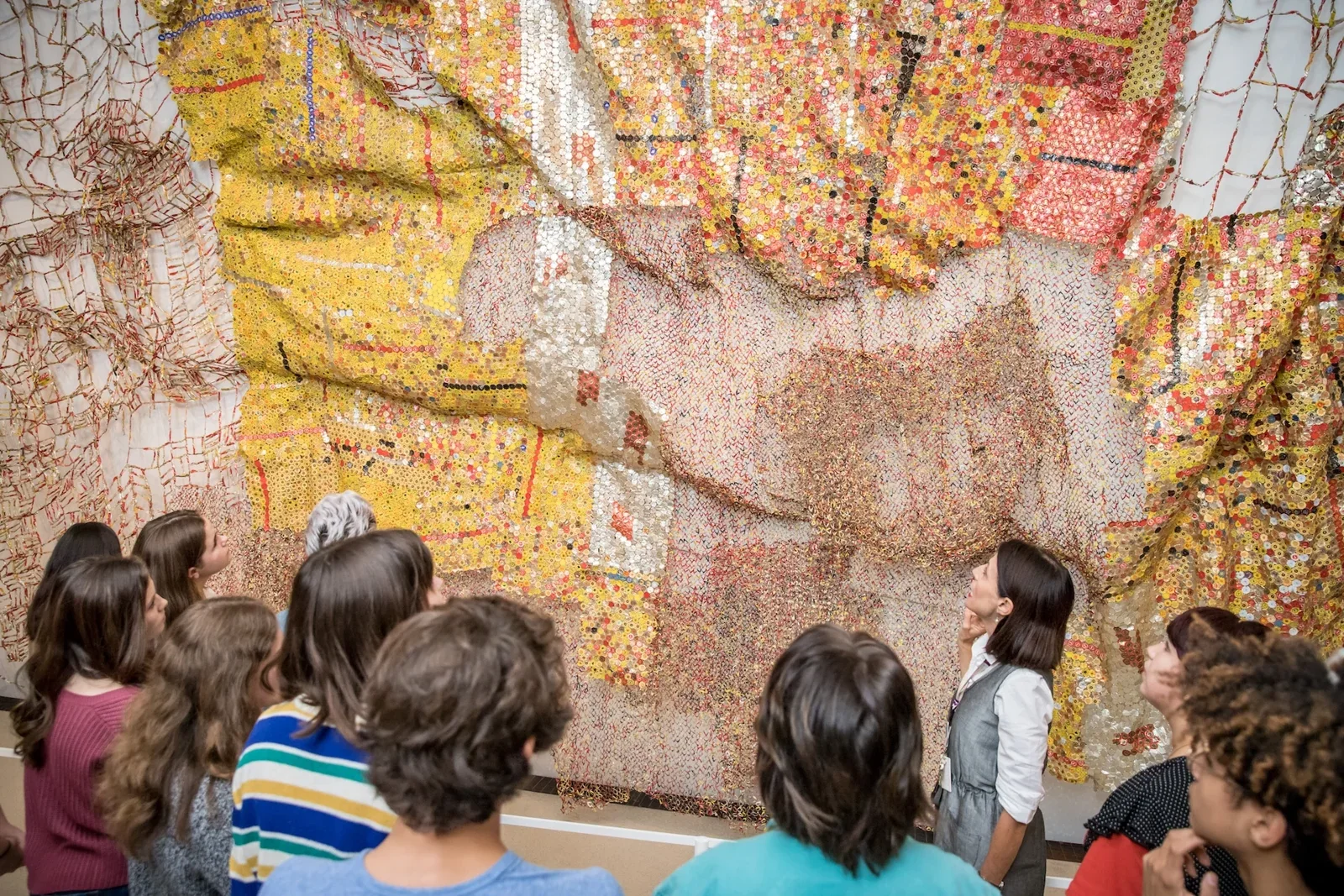
A museum or aquarium pass can suit a family that returns often. It is poor value if you keep missing the opening hours. Count likely visits and check booking, blackout dates and what the pass includes.
ROM, AGO and Ripley's Aquarium are indoor outing leads. The University of Toronto, Toronto Metropolitan University and Harbourfront offer some family activities and camps, depending on the programme. Check ages and the exact session. A university's name does not make every programme suitable for a baby.




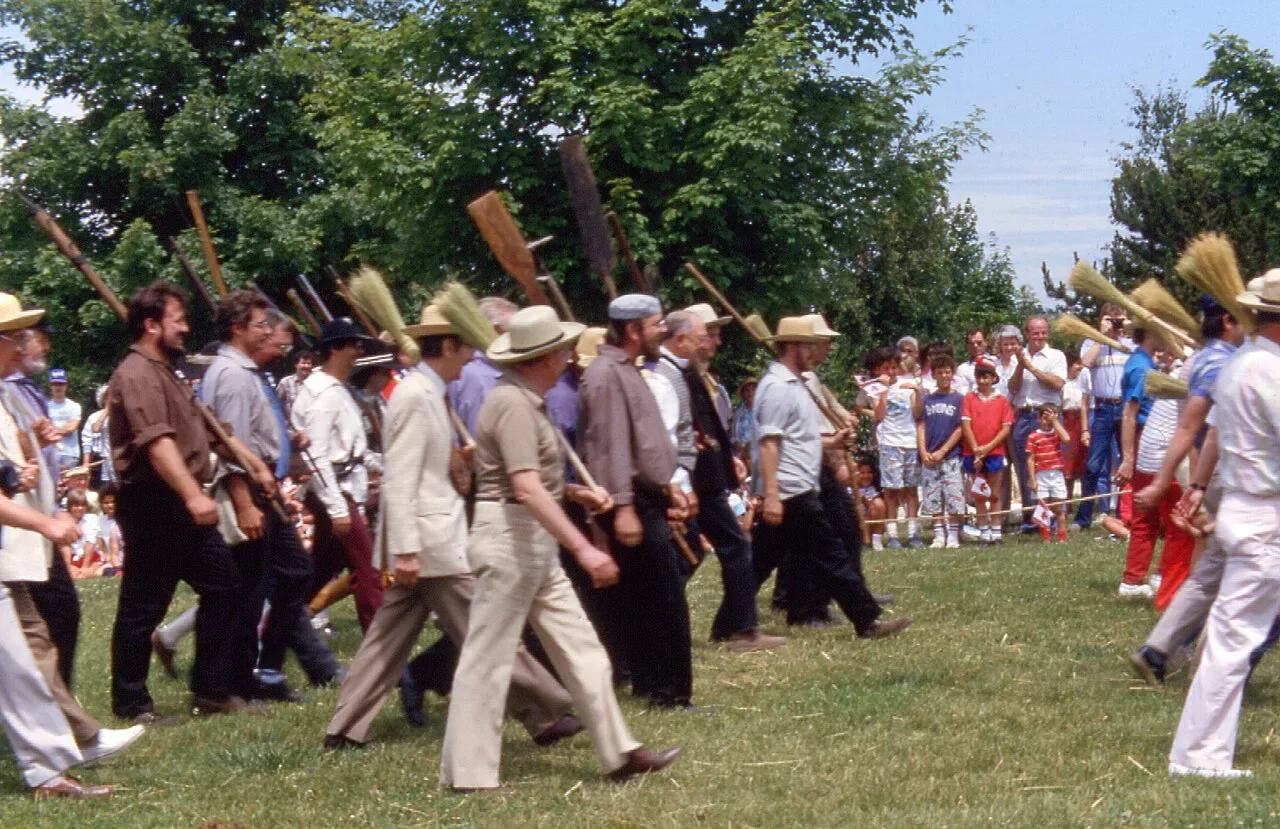
CAMPTO City camps, Toronto Zoo and The Village at Black Creek are later options as the child reaches the relevant ages. Compare the trip and pickup hours before paying. Seasonal camps are not a year-round solution for a baby.

.jpg)
.jpg)
Use our fall recreation registration guide for the registration process, then confirm the next live season. A library card also opens some opportunities described in our free-attractions guide. Availability and reservations still matter.
Start with nearby free programmes. Add a membership only when you can name the visits you will make.
If downtown does not fit, compare other walkable areas

You do not have to choose between a tiny condo and a distant house with a long commute. Compare several kinds of neighbourhood.
St. Clair, Davisville, Bayview and Eglinton, Leaside, the Junction, Bloor West Village, Dovercourt and Pape have different mixes of transit, houses and apartments. High Park offers major green space. Check the actual block, school and housing cost in each.
North York Centre and Yonge and Sheppard are separate station areas. Don Mills and parts of Scarborough offer other family routines. Thornhill, Markham and Mississauga, including Streetsville, can suit families with work or relatives nearby. Some routes remain much easier with a car.
These are areas to compare, not a ranking that proves one family type belongs in each. Suburban families can build strong communities. Downtown children do not automatically become more capable, and suburban children do not automatically become less independent.
Choose the place that makes work, care, sleep and local support easier. The best address is the one that works for your normal week.
Frequently asked questions
Can you raise a baby in a one-bedroom Toronto condo?
Many families do, but the layout and daily routine matter. Check sleep space, stroller storage, noise and the lift route. Plan how the home will work as the child grows.
Are EarlyON programmes free?
The City lists them as free for children from birth to six and their caregivers. The caregiver stays with the child. Contact the centre about its schedule and registration.
Is downtown child care easy to find?
Nearby centres do not guarantee an available infant place. Join appropriate waiting lists early and contact centres directly. Keep a backup plan for your start date.
Do babies and children ride the TTC free?
Children 12 and under ride free under the current TTC rules. Adults still pay their fares. Check lift status and choose a stroller route before travelling.
Does living near a school guarantee admission?
No. Use the school board's address finder and current admission rules. Alternative schools and French programmes can have separate application processes.
Is a house in the suburbs always easier for a family?
More space can help, but travel and support matter too. Compare work, pickup, groceries and relatives. A short daily route can be more valuable than an extra room.