


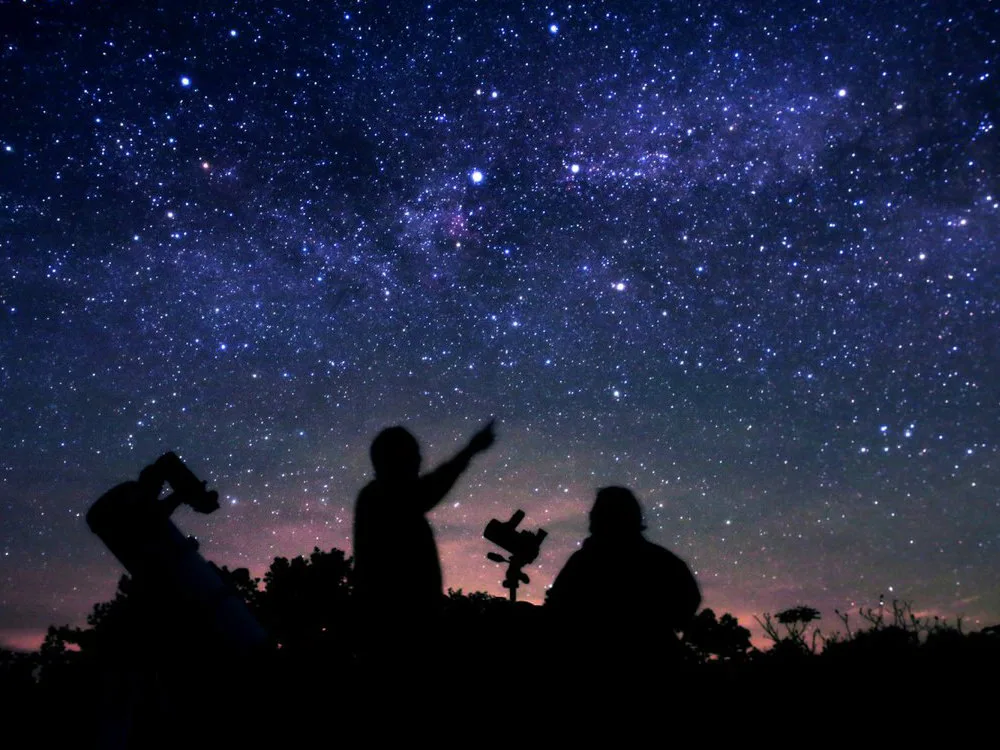
Toronto can show you the Moon, bright planets and a good meteor shower. It cannot usually show you a truly dark sky. For that, drive to a legal, public viewing site such as Torrance Barrens or the Lennox and Addington Dark Sky Viewing Area. If you want the best chance of a night you will remember, plan around the clouds and Moon first. The address comes second.
This guide separates a quick city outing from a real dark-sky trip. It also names the places that look good on a map but are too far, too crowded or too restricted for a casual midnight visit.
Quick picks
- Best first serious dark-sky drive: Torrance Barrens, near Gravenhurst.
- Best organized eastern Ontario option: Lennox and Addington Dark Sky Viewing Area, north of Napanee.
- Best big weekend destination: North Frontenac Astronomy Park.
- Best booked dark-sky event: Point Pelee National Park's Dark Sky Nights.
- Best Ontario Parks overnight: Killarney Provincial Park, if you are making a full weekend of it.
- Best astronomy experience without a long drive: a public event from RASC Toronto or the Dunlap Institute.
- Best no-car plan: a legal open Toronto waterfront location with a clear horizon, plus modest expectations.
- Biggest mistake: driving somewhere dark on a bright or cloudy night, then blaming the location.
The honest answer: how far do you need to go?
For a brighter meteor or the Moon, you do not have to leave Toronto. For the Milky Way, faint meteors, binocular objects or a large field of stars, you need to get well beyond the GTA glow. That usually means a car and a late return or an overnight stay.
Driving 30 to 60 minutes can improve the horizon. It does not turn a suburban field into a formal dark-sky preserve. A good public viewing area with a clear, moonless sky is much more useful than a secret roadside pin.
Before you choose a place, check these five things
1. Clouds and smoke
Cloud cover is the first deal-breaker. Humidity, haze and wildfire smoke can weaken the sky even when an app simply says "clear." Check an astronomy forecast and the normal weather forecast shortly before you leave. Be willing to postpone.
2. The Moon
A full or nearly full Moon is beautiful for a walk or Moon viewing. It is bad for faint stars and most meteor-shower watching. A clear moonless ordinary Tuesday can beat a famous event night with a bright Moon.
3. Legal night access
Never assume a park, conservation area, beach lot or trail is open because a map pin says it is scenic. Check the official site for overnight access, parking, gates, permits and camping rules. Do not climb around a locked gate or use private farmland as a viewing deck.
4. The horizon
Tall trees, ridges, houses and streetlights can make a technically dark place frustrating. Meteor showers need a broad open view. Moon and planet viewing can work from a smaller open clearing.
5. The drive home
The danger is not only the darkness. A two- or three-hour drive after midnight can be exhausting. Share driving, book a campsite or accommodation, or choose a closer site. Do not drive tired because the forecast was good.
Torrance Barrens: the best first dark-sky drive from Toronto
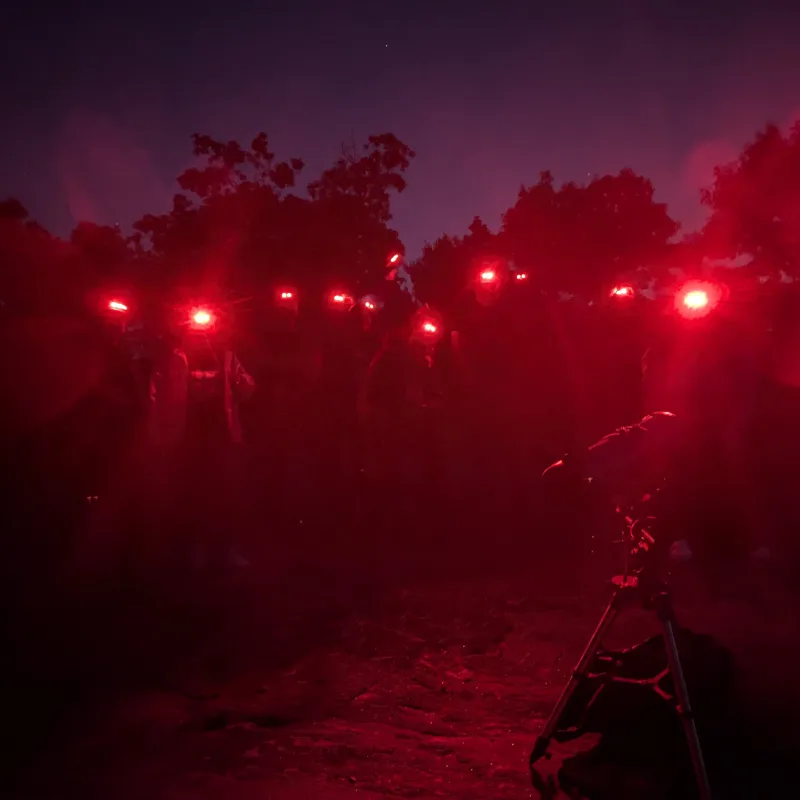
Torrance Barrens Dark-Sky Preserve, near Gravenhurst, is the best-known serious stargazing destination for Toronto-area drivers. It has open Canadian Shield rock, wide sky and far less light than the city. On a clear, moonless night, it can feel like a different province.
It is our best first pick for someone who wants one memorable dark-sky night without turning it into a multi-day trip. It is especially suited to meteor showers, wide-angle night photography and people who already have basic warm clothing and a red flashlight.
But it is not a secret. Major meteor showers bring heavy traffic, headlights, crowded rock and a slow exit. It can be roughly two hours each way in good conditions, then much longer when everybody leaves at once. Go on an ordinary clear night if you can. That is often the better experience.
Use official campsites if you intend to sleep there. Stay on established routes, do not light fires outside permitted areas, and do not set up where cars need to pass. Bare rock becomes slippery when wet or frosty.
Lennox and Addington Dark Sky Viewing Area: the easier planned destination east of Toronto
The Lennox and Addington Dark Sky Viewing Area is north of Napanee, east of Toronto. It is a purpose-built viewing location, which makes it more comfortable for a first planned outing than guessing at a rural road. The area is known for events and an astronomy community, so there can be more structure when an event is running.
Pick it if eastern Ontario fits your route, you prefer a designated place and you are prepared for the late drive. It is farther than Torrance Barrens for many Toronto residents, so it works best when you can make it an overnight or a wider Kingston-area trip.
Check the official site for events, parking and access before you leave. A structured site does not mean there will be staff every night, and a clear sky does not make a long tired drive safe.
North Frontenac Astronomy Park: the serious weekend trip
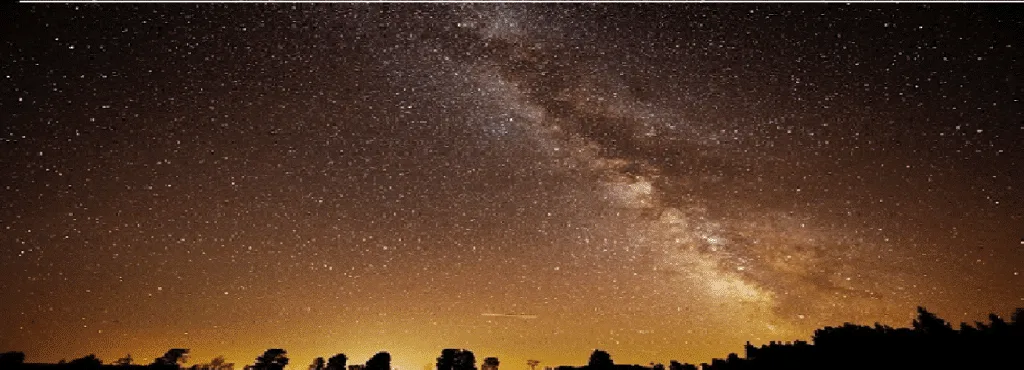
North Frontenac Astronomy Park, near Plevna, is a step up in commitment and darkness. The township calls its preserve one of the darkest skies in southern Ontario. The public park has parking, accessible washrooms, electrical service, picnic tables and a 16-inch telescope for organized events.
This is the right choice when astronomy is the point of the weekend. It is not the best spontaneous Friday-night answer from Toronto. The trip is long enough that you should plan a bed, campsite or second driver, plus food and fuel before you reach the remote area.
The payoff is that the viewing area is meant for telescopes and long looks at the sky, not a five-minute stop beside a road. The drawback is that more equipment and darker skies do not remove basic risks. You still need a clear forecast, warm layers and a safe way home.
Point Pelee National Park: a real dark-sky event, but not a quick escape
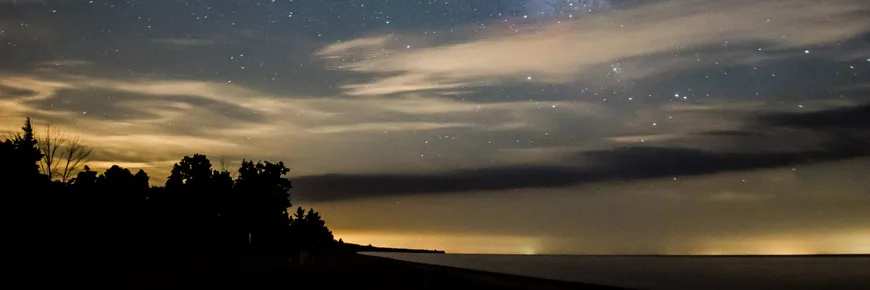
Point Pelee National Park is a Parks Canada dark-sky preserve near Leamington. It runs scheduled Dark Sky Nights and keeps the park open late on selected dates. Parks Canada identifies West Beach and the Visitor Centre parking lots as its best car-accessible stargazing spots. Some events include Royal Astronomical Society of Canada telescopes, weather permitting.
This is a great option for a planned summer weekend, especially if you want to pair astronomy with hiking, birds, the beach or an overnight nearby. It is not close. Treat it as a destination trip, not a cheaper substitute for Torrance Barrens.
Use the current event calendar, not an old social post. The open-late dates, admission rules and programs can change. If the sky is cloudy, the park may still be open, but you will not get the night you travelled for.
Killarney Provincial Park: the breathtaking overnight answer
Killarney Provincial Park is Ontario Parks' first official dark-sky preserve. Its pale rock, lakes and minimal light pollution make it one of the most beautiful stargazing settings in Ontario. It is also much farther than the quick answers in this guide.
Go only when you want a real camping or cabin weekend. Ontario Parks describes it as about four hours north of Toronto. The distance is a feature, not a flaw. It is why the sky is better. It is also why a same-night drive is not a good plan for most people.
Book ahead, check seasonal operations and follow the park's camping rules. Do not assume every viewpoint, road or trail is suitable after dark. Winter is especially demanding, even when the sky is crisp.
MacGregor Point and other Lake Huron weekend parks
MacGregor Point Provincial Park, south of Port Elgin, is another Ontario Parks option for people willing to travel. The Lake Huron shoreline gives a low western horizon and the park has cabins and yurts for some overnight stays. It is useful for a quiet weekend, not for Toronto's next clear Tuesday night.
Other parks can look dark on a light-pollution map but may have gates, seasonal facilities, tree cover, limited overnight access or crowded summer campgrounds. Check a park's official operating information and reservation rules before you choose it for astronomy.
David Dunlap Observatory and public astronomy events: best for learning, not darkness
You do not need a dark-sky drive to learn the sky. RASC Toronto and the University of Toronto's Dunlap Institute run public astronomy events, telescope help and talks in the GTA. These are much better for a first telescope, a family who wants guidance or a person who is not ready to drive remote roads at night.
The David Dunlap Observatory area and organized public programs are not a substitute for a dark-sky preserve. City and suburban light still limit faint objects. But a knowledgeable person pointing out Jupiter, Saturn, a cluster or a telescope setup can make a short evening much more rewarding than standing in a field with an app.
Check the RASC Toronto and Dunlap calendars for the current event, location, registration and weather policy. Do not assume an event repeats every month or that walk-ins are always possible.
Can you stargaze inside Toronto?
Yes, if you change the goal. Toronto is fine for the Moon, bright planets, a conjunction, the International Space Station, a lunar eclipse and the brighter parts of a meteor shower. It is not the place to expect a rich Milky Way sky with your naked eye.
Choose a legal, public open area with a clear horizon and a safe route back to transit. Waterfront locations can help because the lake gives you an open side of sky, but the skyline and city lights remain. Check local park rules and the last TTC departure before you settle in.
Do not publish or rely on advice that says a closed park is "usually fine" after midnight. A location can be quiet and still be closed, unsafe or poorly lit for the walk out.
The no-car plan that actually works
- Pick a bright target. The Moon, Jupiter, Venus, Saturn or a strong meteor shower is better than a faint galaxy.
- Use a public place you can legally reach and leave by transit. Check the last bus, streetcar or subway first.
- Watch for 30 minutes with your phone dimmed or away. Your eyes need time to adjust.
- Bring a friend, a warm layer and a dim red light. Skip isolated water edges.
- Leave before the trip home becomes stressful. A safe, short outing is better than a dramatic but bad plan.
Best places by the type of night you want
For a meteor shower
Choose Torrance Barrens, Lennox and Addington, North Frontenac or a booked Point Pelee Dark Sky Night. You need a wide view, a reclining chair or blanket and several patient hours. Do not use a telescope. Meteors can appear anywhere in the sky, so your unaided eyes are the right tool.
For the Moon and planets
Toronto, a RASC event or an observatory program can be enough. Bright targets survive city light much better than faint nebulae and galaxies. Binoculars can improve a Moon view, but never point them or a telescope at the Sun without a proper solar filter.
For the Milky Way or deep-sky photography
Use a true dark-sky destination such as Torrance Barrens or North Frontenac, ideally near a new moon. You need a clear forecast, an open view and enough time to fail once and try again. A photograph can show more than your naked eye, so do not judge the trip only by what appears on a phone screen.
For a family first try
Start earlier with the Moon, a bright planet or a public astronomy event. Bring chairs, snacks, a blanket and a simple goal such as finding one constellation. A midnight drive and a two-hour cold wait are not a fair first test for many children.
For a romantic but low-stress outing
Choose an established public event, a legal campground or an earlier waterfront Moon watch. Do not call a pitch-black remote roadside romantic if neither person knows where the washroom, exit or cell signal is.
How to plan a meteor shower properly
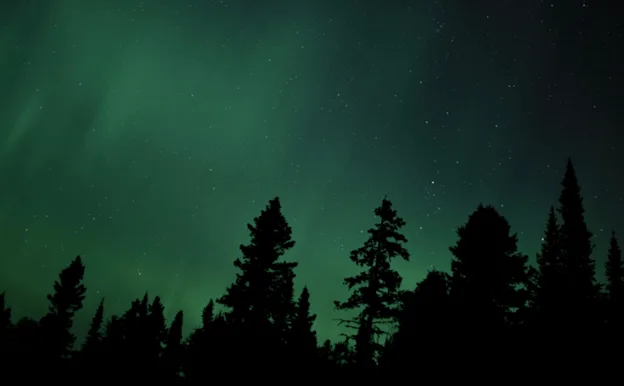
Peak date is only one part of the plan. Look up the peak window, moon phase, cloud forecast, the direction of the radiant and when that part of sky is high enough. Some showers are best after midnight, which changes the safety and transport plan.
Give your eyes at least 20 to 30 minutes without a bright phone. Wear more clothes than you think you need. Standing still under a clear night sky feels colder than walking. A reclining chair, sleeping pad or blanket helps you look up without getting a sore neck.
Do not turn on music, use flash photography or sweep a bright flashlight around a dark-sky site. Other people came for darkness too.
Equipment that is worth bringing
- A dim red flashlight or red-light mode, not a bright white headlamp.
- Warm layers, hat, gloves and dry socks. Bring more for autumn, spring and winter.
- A charged phone plus an offline map. Remote service can be weak.
- Water, snacks and a small first-aid kit.
- A camp chair, blanket or ground pad for meteor watching.
- Binoculars if you know how to hold them steady. They are more useful than a cheap telescope for many beginners.
- A tripod for photography. Keep it out of walking paths.
What to leave at home
Leave drones, speakers, firewood from home, bright lanterns and any plan that relies on trespassing. Do not bring a powerful laser pointer to a public viewing area. It can ruin other people's night vision and create a real safety problem.
Stargazing photography without ruining the view for everyone else
Use a tripod, wide lens and manual focus. Focus on a bright star, then enlarge the preview to check it. Start with a test exposure and adjust instead of filling the area with repeated bright screens.
Use a red screen mode and turn the brightness down. Do not light-paint people, tents or trees without asking. Never walk through another person's exposure. If you photograph people, ask before sharing identifiable images.
Safety and accessibility after dark
Tell someone where you are going and when you expect to return. Stay on established ground. Canadian Shield rock, roots, water edges and loose gravel look very different at night. In warm weather, prepare for ticks and mosquitoes. In cold weather, prepare for ice, frost and dead phone batteries.
If you need an accessible washroom, paved route, electrical hookup or an easier setup area, North Frontenac's published amenities make it a stronger candidate than an improvised outdoor spot. Confirm current access first. Accessibility details can change with construction, weather and seasonal operations.
Our verdict by effort
Stay in Toronto for the Moon, planets or a casual meteor attempt. Drive to Torrance Barrens for your first real dark-sky night. Choose Lennox and Addington if a designated eastern Ontario site fits the trip. Choose North Frontenac, Point Pelee or Killarney when you are willing to make astronomy part of a full weekend.
The best stargazing trip is not the farthest one. It is the legal public place that is open, safe, clear, dark enough for your goal and realistic to get home from.
Frequently asked questions
Where is the best place to stargaze near Toronto?
Torrance Barrens is the best first serious dark-sky trip for many Toronto drivers. It has a wide open sky and is closer than the major eastern or southwest destinations. Check current access, the forecast and the Moon before making the drive.
Can I see the Milky Way from Toronto?
Usually not clearly with the naked eye because city light hides faint detail. A dark, moonless and clear night at Torrance Barrens, North Frontenac or another formal dark-sky location gives a much better chance. A camera can record more detail than your eyes see.
Where can I watch a meteor shower without a car in Toronto?
Choose a legal public location with a clear horizon, a safe walk and late transit. Expect fewer visible meteors than at a dark-sky preserve. This is best for a bright shower or a casual attempt, not a guaranteed show.
Do I need a telescope for stargazing?
No. Meteor showers are best with your unaided eyes because a telescope shows too little sky. Binoculars can be useful for the Moon and selected star fields. A guided public event is a better way to try a telescope before buying one.
Is Torrance Barrens open all night?
Do not assume so from an old post or map review. Check the reserve's current official rules, parking information and camping guidance before leaving. Access and crowd conditions can change, especially around a major meteor shower.
What colour flashlight should I use for stargazing?
Use a dim red light. It protects your night vision better than white light and is kinder to other visitors. Avoid repeatedly checking a bright phone screen.
What is the best time to stargaze?
After full darkness is the basic answer. For a specific event, check when its radiant rises, when the Moon sets and when the clouds are expected to clear. The best hour can be after midnight, so plan the return trip before you leave.
Is it safe to stop on a country road to see stars?
No, not as a general plan. Do not stop in a traffic lane, shoulder, field entrance or private driveway. Use a legal, public viewing area with a safe place to park and walk instead.
Official links for planning
- Torrance Barrens rules and planning
- Muskoka Torrance Barrens overview
- Lennox and Addington Dark Sky Viewing Area
- North Frontenac Astronomy Park
- RASC North Frontenac preserve profile
- Point Pelee Dark Sky Nights
- Ontario Parks winter stargazing guide
- Dunlap Institute public outreach
- RASC Toronto workshops and courses
- City of Toronto park and trail rules