


Toronto did not return to its old shape after the pandemic. Some losses are clear and permanent. Downtown express buses disappeared. Greyhound Canada stopped domestic service. The weekly print copy of NOW Magazine ended. Many all-night stores, cheap hangouts and small music spaces never returned.
Other things did come back, but in a different form. Libraries again run full calendars. Independent film is alive. Rehearsal rooms still exist. A smaller network of 24-hour restaurants and markets serves night workers. The useful question is no longer “When will 2019 return?” It is “What can we use now, and what should Toronto rebuild?”
This guide was checked on August 27, 2026. Hours and transit schedules change. Use the official links before leaving home late at night.
Not every change was caused by the pandemic
The pandemic was a shock. It forced businesses to close, emptied offices and changed travel. But it did not create every problem people now connect to it.
Online shopping was already hurting stores. Streaming was already changing cinemas. Commercial rent was already hard on independent venues. Grocery chains were already testing shorter hours and more self-checkout. Transit agencies were already under pressure to cut routes that cost a lot per passenger.
Then COVID-19 arrived and sped up several changes at once. A temporary pause became a permanent closure. A store discovered it could close at 10 p.m. without losing enough sales to matter. A company kept hybrid work but gave up assigned desks. A customer got used to ordering on a screen.
That distinction matters. If a service vanished because of one emergency rule, it may return. If the whole business model changed, nostalgia alone will not bring it back.
A practical status table
| What people miss | What happened | What exists in 2026 |
|---|---|---|
| Downtown TTC premium express buses | The network was discontinued after suspension and review | Regular routes, Line 5 Eglinton and the 191 Underhill replace parts of old trips |
| Lakeshore East express GO trains | Paused for major corridor construction | Frequent all-stop trains, with express return tied to future track work |
| Full-size 24-hour supermarkets | Many chains kept shorter hours | A smaller group of urban markets still operates 24 hours |
| Late cafés and diners | Many dining rooms close earlier | A few true 24-hour options remain |
| Weekly NOW paper | Print edition ended | NOW Toronto continues as a digital publication |
| Greyhound Canada domestic buses | Service ended permanently in 2021 | Different carriers cover some routes, but gaps remain |
| Cheap third places | Costs rose and many small venues closed | Libraries, City recreation and community-run spaces remain the best low-cost base |
| Downtown rehearsal rooms | Several central spaces closed or moved | Active studios remain near transit, including west-end options |
| Casual office culture | Hybrid work and desk hoteling changed routines | Social life needs deliberate planning instead of happening by accident |
| Shared-space manners | This is a widespread feeling, not one measurable service | Clear rules, staff reporting and small acts of courtesy still help |
1. Toronto's downtown express buses did not come back
The old TTC routes 141, 142, 143, 144 and 145 carried commuters from several neighbourhoods directly downtown. They charged a premium fare. The 144 Downtown/Don Valley Express served the Underhill and Valley Woods area. The 143 served the Beach.
The routes were suspended during the pandemic and later discontinued. The TTC's technical review said even the best-performing route had a net cost per boarding about five times the system average. The buses also ran in mixed traffic, so a trip could become slow and unpredictable on the Don Valley Parkway or downtown streets.
That official explanation does not make the loss small. A direct seat matters to someone who once avoided two transfers every workday.
What replaced part of the 144 route?
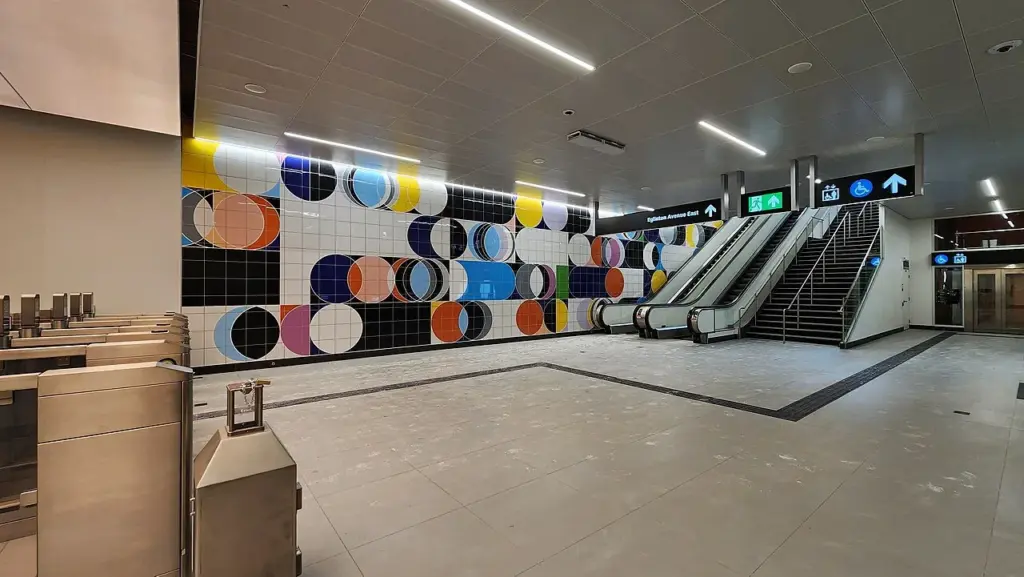

The 191 Underhill now runs all day, every day, between the Valley Woods area and Don Valley Station on Line 5 Eglinton. It does not recreate the old one-seat ride downtown. It gives the neighbourhood a connection to rapid transit.
Line 5 Eglinton opened in February 2026. It crosses the city through Midtown, with Don Valley Station serving the 191 connection. That is a real replacement network, but it asks the rider to transfer.
The right comparison is not “same bus or nothing.” Compare the full door-to-door trip. Include waiting, transfer walking, crowding and reliability. A trip with one extra transfer can still be faster on a bad traffic day. It can also be more tiring.
What about the 143 Beach Express?
The TTC approved a 150 Eastern Avenue route as a partial replacement concept. We could not find a live 150 route page in the current TTC directory when this guide was checked. Do not plan a trip around that number until the TTC shows it in the current trip planner.
Beach riders still have regular streetcar, bus and subway combinations. They do not have the exact old premium express ride.
How to ask for a transit change
Use evidence. Record the trips you take, missed connections, crowded buses and added travel time. Send the same short note to TTC Customer Service and your councillor. Ask for a specific change, such as added peak service on a current route.
“Bring back everything” is easy to ignore. “The 191 leaves 18 minutes before my transfer arrives on weekdays” gives planners something they can test.
2. Lakeshore East lost express trains, not all frequent service
Lakeshore East express trains were paused because corridor construction took the third track out of service. That track allowed express trains to pass all-stop trains. Metrolinx says all-stop service avoids bottlenecks while major GO Expansion, East Harbour and Ontario Line work continues.
The loss is real for riders from Pickering, Ajax, Whitby and Oshawa who once skipped several stations. The current tradeoff is frequency. GO says trains run as often as every 10 minutes during rush hour on the corridor, with current schedules subject to construction changes.
Do not use a memory of the old express timetable to judge a 2026 trip. Check the trip planner for the exact day. Weekend frequency has changed more than once because of construction and staffing.
The return of express running depends on infrastructure. It is not a simple switch that the operator can turn on while the passing track is unavailable.
3. Full-size 24-hour grocery shopping became rare
The clearest everyday loss is the 3 a.m. supermarket. Several large Toronto stores that once stayed open all night kept shorter hours after the pandemic.
There is no public rule stopping a supermarket from opening 24 hours. The barrier is business. Overnight wages, security, cleaning and stocking must be covered by a small number of baskets. When online delivery and daytime shopping absorb most demand, a chain may decide the late shift is not worth it.
The result hurts more than night owls. Nurses, servers, cleaners, airport workers and parents with unusual schedules lose a calm shopping window.
A current 24-hour grocery option
Rabba Fine Foods says its stores operate 24 hours a day, seven days a week. The representative location below is at 171 Front Street East.
It is an urban market, not a giant discount supermarket. Expect convenience and a smaller footprint. It may solve an emergency milk, produce or prepared-food problem. It may not be the cheapest place for a full weekly shop.
The smart night-shopping plan
Keep a short list of emergency items and compare the price of convenience with a taxi, delivery fee or missed sleep. For a large grocery run, a daytime discount store may still save enough to justify planning ahead.
Call before a holiday. A business that normally stays open all night can change access, staffing or counter service.
4. Toronto has fewer all-night cafés, but not zero
Late-night Toronto used to feel less planned. A person could leave work, study, see a show or miss the last easy connection and still find a table.
Today, a listing that says “open 24 hours” can mean drive-through only. A restaurant may keep takeout open but close the dining room. Always check the exact service, not just the badge in a map app.
Fran's on College Street
Fran's official location page lists its College Street restaurant as open 24 hours. This is the practical downtown answer when you need a sit-down diner rather than a drive-through window.
The value is access, not silence. A 24-hour diner can be busy, bright and louder than a study café. Buy something, tip for the service you receive and do not treat one coffee as rent for a table all night.
7 West Cafe
7 West Cafe says it is open 24 hours a day, seven days a week at 7 Charles Street West. It serves comfort food, coffee, cake and drinks across three floors.
This is closer to the old late-café idea. It is also a business, not a free public room. Check the menu and minimum spend that fits your budget before settling in.
5. The weekly paper disappeared, but local information did not
Toronto lost the ritual of picking up a free weekly NOW Magazine on the way to work or school. The print edition ended in 2022. The brand was relaunched in 2023 as a digital publication and was still expanding its digital operation in 2026.
The website is not the same experience. A paper on a subway seat could surprise someone with a concert, film or political story they did not search for. A phone feed is selected by algorithms and personal habits.
You can rebuild part of that discovery habit:
- subscribe to a few local newsletters instead of one giant feed
- check library and independent cinema calendars once a week
- follow a neighbourhood BIA or community group
- save an events list for Friday instead of searching only when bored
The paper is gone. The need it filled is not.
6. Greyhound Canada left a real regional travel gap
Greyhound Canada permanently ended its remaining domestic routes in Ontario and Quebec on May 13, 2021. Transport Canada later noted that new operators entered some markets, but gaps remained, especially for smaller communities with low ridership.
This is different from one closed restaurant. A coach network connected Toronto to towns where rail service was weak or absent. A new operator can cover Toronto to Ottawa and still leave a person without a practical last leg to a smaller place.
When planning an intercity trip now:
- Search the exact origin and destination, not only the nearest big city.
- Compare bus, train and local transit as one trip.
- Check luggage rules and change fees.
- Read whether the stop has a staffed terminal, shelter or only a curb.
- Avoid a final connection that leaves no backup if the first bus is late.
Dynamic prices also mean yesterday's fare may not be today's fare. Compare early, then read the refund rules before paying.
7. Cheap third places became harder to find
A third place is somewhere outside home and work where people can spend time without a large bill. A café can do this, but only if the business can afford a customer who occupies a table. A library or public recreation space is often a stronger long-term answer.
The squeeze is easy to understand. Rent, food, wages and insurance rose. Statistics Canada reported that Canadian consumer prices were 3.0 per cent higher in July 2026 than one year earlier. That one-year number does not capture the whole jump since 2019, but it shows that price pressure did not end with lockdowns.
Toronto Reference Library
2.jpg)
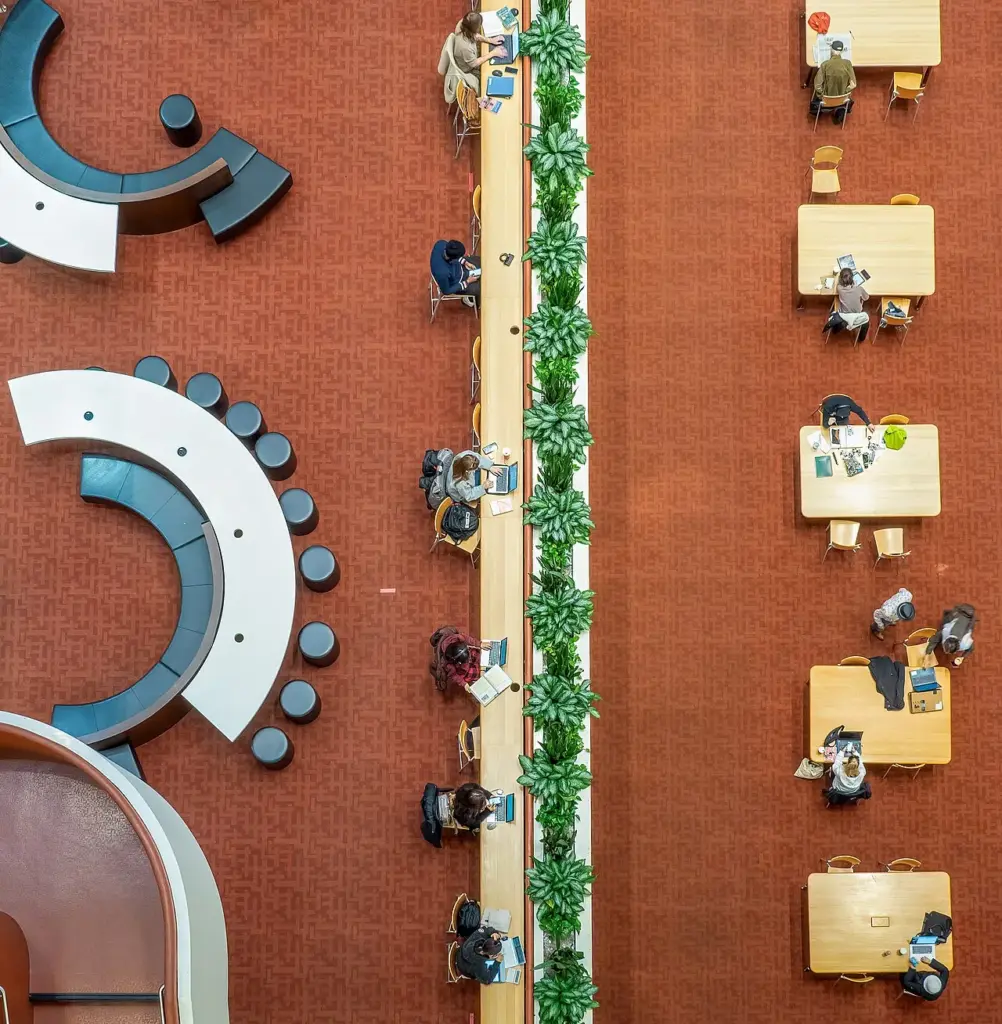
Toronto Reference Library remains one of the city's best free indoor places. It has seating, collections, public computers, exhibits and a large calendar of talks and programs.
There is an important temporary limit. The library announced intermittent closures, reduced seating and limited computer access from mid-August through October 2026 for skylight work. Check the branch page before making it your work plan.
Free and lower-cost recreation
The City lists free centres and free drop-in recreation. Its Welcome Policy gives eligible Toronto residents an annual credit for registered recreation, including swimming, sports, camps, after-school care and memberships.
In 2026, the listed annual credit was $683.04 for a child or youth up to age 24 and $314.60 for an adult or older adult. Eligibility uses after-tax family income and the credit lasts 12 months. Those numbers can change, so use the City's current page.
This does not replace a cheap café open at midnight. It does give families and young people a real path to activities that might otherwise feel lost.
8. Independent cinema still exists, with clearer behaviour rules

Many people feel movie etiquette became worse. Phones glow. People talk. Feet hit seats. That is a pattern of reports, not a controlled Toronto-wide measurement.
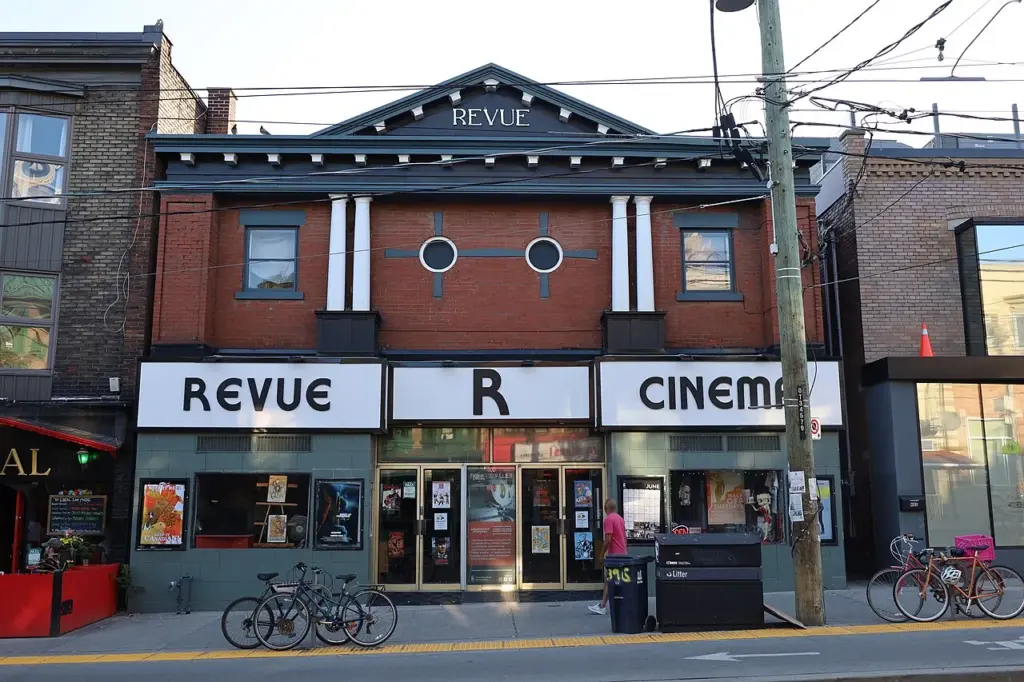
The useful response is to choose a venue with visible rules and staff who can act. The Revue Cinema's venue information lists excessive talking as behaviour staff can address. Its current calendar includes regular screenings, restorations, 35 mm presentations, community series and late shows.
The Revue is not a replacement for every closed screen. It proves that a film night can still feel like a shared event instead of a room where everyone acts alone.
If another guest is disrupting a film, speak to staff early and calmly. Do not start a fight in the dark. Record the auditorium and show time, not strangers' faces.
9. Rehearsal rooms moved away from the core
Musicians lost several convenient central rehearsal spaces. The survivors are often west of downtown or in light-industrial areas. That creates a new cost in travel time, especially for a group carrying instruments.
Lynx Music
Lynx Music lists rehearsal and recording studios at 260 Emerson Avenue. It is open from 10 a.m. to midnight, seven days a week, with after-hours bookings available by phone or email.
The location is close to Dupont and Lansdowne. Confirm what equipment is included before booking. A cheap room is not cheap if the drummer must rent hardware and the guitarist needs a cab.
Geary Avenue Rehearsal
Geary Avenue Rehearsal lists hourly and monthly rooms at 330 Geary Avenue. It is another example of the current geography. Music space still exists, but more of the trip happens west of the old downtown core.
Ask about cancellation rules, noise limits, storage, stairs, loading access and the closest late transit before paying.
10. Public research hours did not always return
The Archives of Ontario used to offer Saturday and later Thursday access, according to people who relied on it. Its current official hours are 8:30 a.m. to 5 p.m., Monday to Friday.
That schedule blocks many people with a normal weekday job. The Archives offers collection search and reproduction services, but a digital copy is not always a substitute for examining a box of records.
Before taking a day off, search the catalogue and request material in advance. Ask whether a reproduction can answer the question. Check access restrictions and retrieval times.
11. Tipping and self-service changed the feeling of service
Many payment terminals now lead with 18, 20 or 25 per cent. That does not create a legal minimum tip. A percentage also rises automatically when the menu price rises.
The reader should decide based on the service, local norms and ability to pay. Check whether the screen calculates the percentage before or after tax. A custom amount or no-tip button is still a valid choice in a retail or counter setting.
Self-checkout and kiosks shifted labour to the customer. Some people like the speed. Others find bagging a large order stressful or physically hard. If a staffed lane is important, ask before filling the cart. Accessibility support should not depend on being good at a touchscreen.
12. Office friendship stopped happening by accident
Hybrid work saved commuting time for many people. It also broke the simple chain that led from the same desks to lunch, then to an after-work drink.
Desk hoteling can make a four-day office feel temporary. A video meeting from an office desk can feel worse than the same call at home.
This is not proof that everyone should return five days a week. It is proof that proximity alone does not create culture. A useful office plan needs:
- team days that overlap
- a reason to be together beyond video calls
- optional social time that does not punish caregivers
- quiet space for focused work
- clear ownership of shared desks
Workers can rebuild some connection by planning one recurring lunch or short walk. Do not make alcohol the only route into the team.
13. Manners feel worse because shared habits broke
People repeatedly describe the same frustrations: blocking subway doors, crowding elevators, standing across escalators, speakerphone calls, litter, theatre talking and failing to pick up after dogs.
We cannot prove that every Torontonian became less considerate. The city also grew, stress increased and public spaces carried more visible mental-health and housing crises.
Still, the small rules are worth stating:
- let people exit before you enter
- keep right when others need to pass
- do not stop at the top of stairs or escalators
- use headphones for calls and videos
- keep a dog leashed where required and pick up waste
- take litter to the next bin
- put the phone away in a dark theatre
Courtesy is not a personality. It is a set of repeatable actions.
14. The mental-health aftershock is still real
Some losses are personal. People describe anxiety, isolation, less ambition, lost friendships and a feeling that life never restarted.
The City says many people may still feel sad, stressed, anxious, confused, scared or angry after recent years. It directs residents to 211 for mental-health and social services. Anyone thinking about suicide can call or text 988. Call 911 for immediate danger or a medical emergency.
It is not weak to need help years later. A delayed effect is still an effect.
What Toronto should bring back first
Our priority is not one closed restaurant. It is dependable access.
- More late grocery and pharmacy hours in areas with night workers.
- Better evening and peak transit connections where old direct routes disappeared.
- Low-cost indoor places that do not require a large purchase.
- Weekend public-service hours for people who cannot take a weekday off.
- Affordable rehearsal, arts and youth space near rapid transit.
These changes would help thousands of ordinary weeks. They matter more than recreating one nostalgic night exactly as it was.
Frequently asked questions
What services did Toronto lose after the pandemic?
Clear losses include the old TTC downtown premium express routes, Greyhound Canada's domestic bus network and the weekly print edition of NOW. Toronto also has fewer full-size 24-hour supermarkets, late cafés, cheap third places and central rehearsal rooms.
Did the TTC bring back the 144 Underhill express bus?
No. The old 144 Downtown/Don Valley Express did not return. The current 191 Underhill connects the neighbourhood to Don Valley Station on Line 5 Eglinton, so reaching downtown requires a transfer.
Are any grocery stores open 24 hours in Toronto?
Yes. Rabba Fine Foods says its stores operate 24 hours a day. These are smaller urban markets, so selection and price differ from a full-size supermarket.
Where can I sit and eat in Toronto after midnight?
Fran's lists its College Street and Victoria Street restaurants as open 24 hours. 7 West Cafe also says it operates 24 hours. Confirm dine-in access on the day you go because late-night service can change.
Does NOW Magazine still exist?
NOW no longer publishes the old weekly print edition. NOW Toronto operates as a digital publication under the ownership that relaunched it in 2023.
Are Lakeshore East express GO trains back?
Metrolinx says express running was paused while the third track is unavailable for major construction. Current Lakeshore East service is frequent and all-stop. Check the live schedule because construction changes are common.
What free activities still exist for Toronto families?
Toronto Public Library runs free programs, including arts, coding and children's events. The City also lists free recreation centres and drop-ins. Eligible residents can apply for the Welcome Policy recreation subsidy.
What should I do if I still feel affected by the pandemic?
Call 211 to connect with mental-health and social services in Toronto. If you are thinking about suicide, call or text 988. Call 911 for an immediate emergency or medical danger.
The bottom line
Toronto did lose real services. Pretending everything bounced back is not useful. But saying the whole city is gone misses the places and programs that still do the work.
Use the late-night businesses that remain. Join a library or recreation program. Support a community cinema. Send specific transit feedback. The old Toronto will not return unchanged. A useful, social and affordable Toronto can still be built from what is here now.