


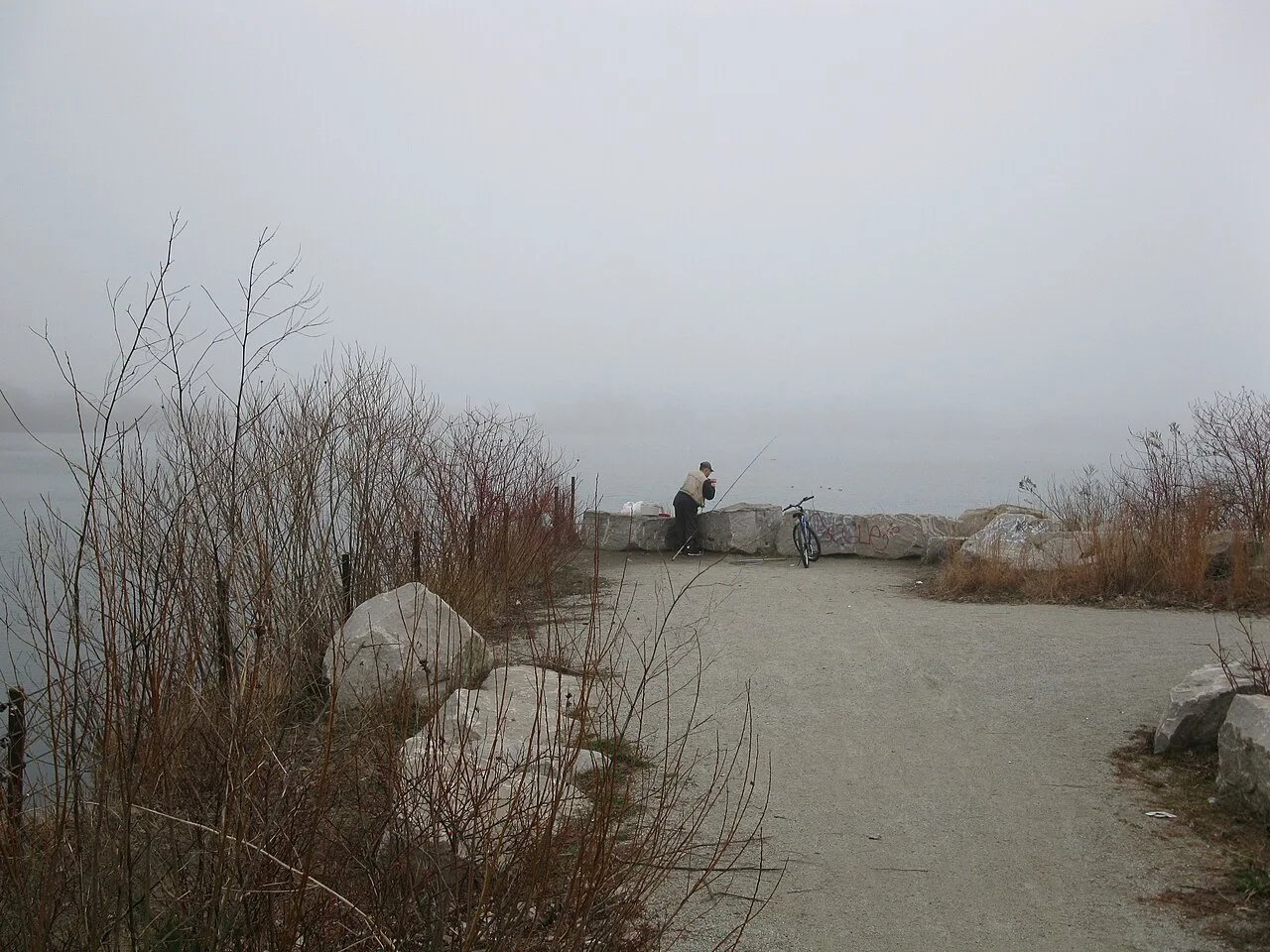
The best first fishing trip in Toronto is a free Ontario Learn to Fish session. It removes the two things most beginners get wrong: gear and rules. Equipment and the licence for the session are provided, and an instructor explains the basics.
If you cannot get a session, choose Ashbridges Bay for a short first cast or Toronto Island for a slower half-day. Do not start at Bluffer's Park. The bluff and lake view does not cancel the awkward transit or less forgiving water edges.
Most Ontario and Canadian residents age 18 to 64 need a valid Outdoors Card and fishing licence. Rules change by species, season, water and hook. Read the 2026 Ontario regulations before putting a line in the water.
Our verdict
- Best first move: Ontario Learn to Fish. Instruction beats buying random gear and hoping.
- Best short solo practice: Ashbridges Bay in daylight. It is easier to leave than Toronto Island and closer than most large nature parks.
- Best half-day: Toronto Island in mild weather. The ferry is a nuisance, but the range of shore conditions makes the trip worthwhile.
- Skip for a first attempt: Bluffer's Park and Tommy Thompson Park. Both demand more travel, walking and safety awareness than a first cast needs.
- Main deal-breaker: If you have not checked the licence, season and exact fishing area, you are not ready to fish.
The beginner plan in five steps
- Book an Ontario Learn to Fish session if one fits your date.
- If going alone, buy the correct licence and carry the digital or printed summary.
- Use one medium spinning rod, a simple float and small barbless hook.
- Pick a safe shore with room behind you to cast.
- Release fish quickly unless the exact species, size, season and food advice all allow you to keep it.
What licence do you need?
Most Ontario and Canadian residents from age 18 through 64 need an Outdoors Card and a valid fishing licence. An Outdoors Card lasts three calendar years. A one-day sport licence does not require an Outdoors Card.
Some people are exempt because of age, disability documentation, Indigenous rights, veteran status or another rule. Read the Ontario licence page instead of guessing.
Ontario also runs licence-free family fishing periods. In 2026, Family Fishing Week ran June 27 to July 5. Licence-free does not mean rule-free. Seasons, limits, protected areas and gear rules still apply.
Quick spot comparison
| Place | Good for | Main problem | Transit reality |
|---|---|---|---|
| Toronto Island | First shore session and varied water | Ferry, wind and seasonal services | Ferry plus a walk |
| Tommy Thompson Park | Nature and harbour edges | Long walk, closures and no weekday morning access | Bus plus long walk or bike |
| Ashbridges Bay Park | Easy lakefront access | Wind, snags and busy paths | Streetcar or bus plus walk |
| Grenadier Pond | Calm shore fishing in High Park | Fishing only from the south shore | Subway plus park walk |
| Humber Bay Park East | Open shore and skyline | Exposed weather, few nearby indoor backups | Streetcar or bus plus walk |
| Colonel Samuel Smith Park | West-end shoreline | Can be windy and quiet after dark | Streetcar plus walk |
| Marie Curtis Park | Creek mouth and lake | Water conditions change after storms | GO, bus or streetcar connection |
| Biidaasige Park | New river habitat and programs | New site rules can change | Streetcar or bus, then walk |
| Bluffer's Park | Dramatic shore setting | Awkward without a car and dangerous bluff edges | Seasonal bus may vary |
The City lists these as fishing locations. That does not mean every metre of shoreline is open or safe. Obey posted signs and closures.
1. Toronto Island is the most flexible first trip


Toronto Island Park has channels, lagoons and lake edges where fishing is allowed outside posted restrictions. A beginner can find calmer water than the exposed outer harbour.
The island is still a full trip. You need ferry time, a walk and a weather plan. Bring only what you can carry. Food, washrooms and rentals are seasonal, and the last trip home can be crowded.
Do not cast near swimmers, paddlers, ferry docks or a busy path. Move if people enter the area behind your cast.
Why it earns a place: Several water types and room to turn the session into a day out.
The problem: Ferry cost, walking distance, wind and a poor quick-exit plan.
Choose it for: A first independent session when the weather is mild and time is flexible.
2. Tommy Thompson Park is a nature half-day, not an easy first stop
.jpg)
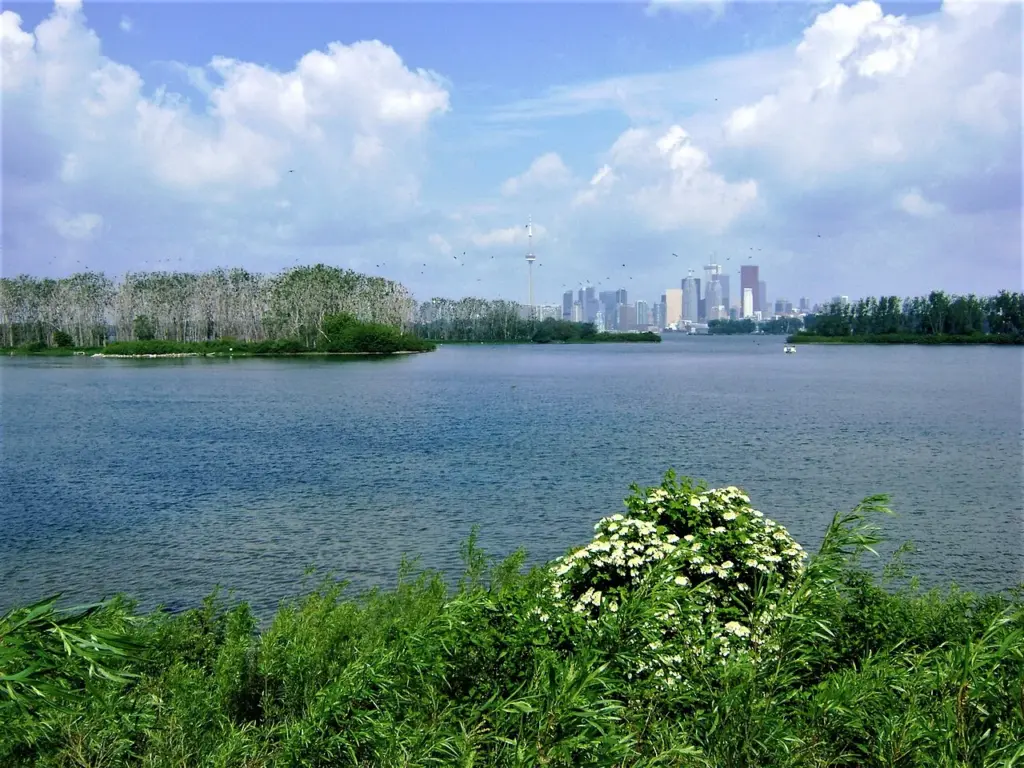
Tommy Thompson Park is a long human-made peninsula with harbour and lake edges. It is one of Toronto's strongest nature settings, but the distances are serious.
Public access is 5:30 a.m. to 9 p.m. on weekends and holidays. On weekdays, the park opens only from 4 to 9 p.m. because the area remains an active work site. In 2026, a Cell 3 bridge closure also limits routes from Monday morning to Friday afternoon through December 18.
Ride a bike or be ready for a long walk. Bring water and sun protection. The further you go, the further you must carry a broken rod or tired child home.
Why it earns a place: Nature, varied shore and no admission fee.
The problem: Long distances, limited weekday hours and active route closures.
Choose it for: A mobile beginner with a half-day, not someone testing fishing for 30 minutes.
3. Ashbridges Bay is the easiest east-downtown shore option

Ashbridges Bay Park is on the City's fishing list and is reachable from the Queen streetcar and buses. The marina and breakwater area create different water conditions within one park.
Watch for boats, cyclists and people walking behind you. Rocks can be wet and uneven. A long-handled landing net may seem useful, but the City says shore anglers may use one rod and reel and may not use nets or other devices to take fish. Follow the current provincial and site rules.
Why it earns a place: Central east-end access and several places to observe before choosing a cast.
The problem: Wind, slippery rocks, boat traffic and snags.
Choose it for: A short practice trip in daylight.
4. Grenadier Pond has one clear fishing side
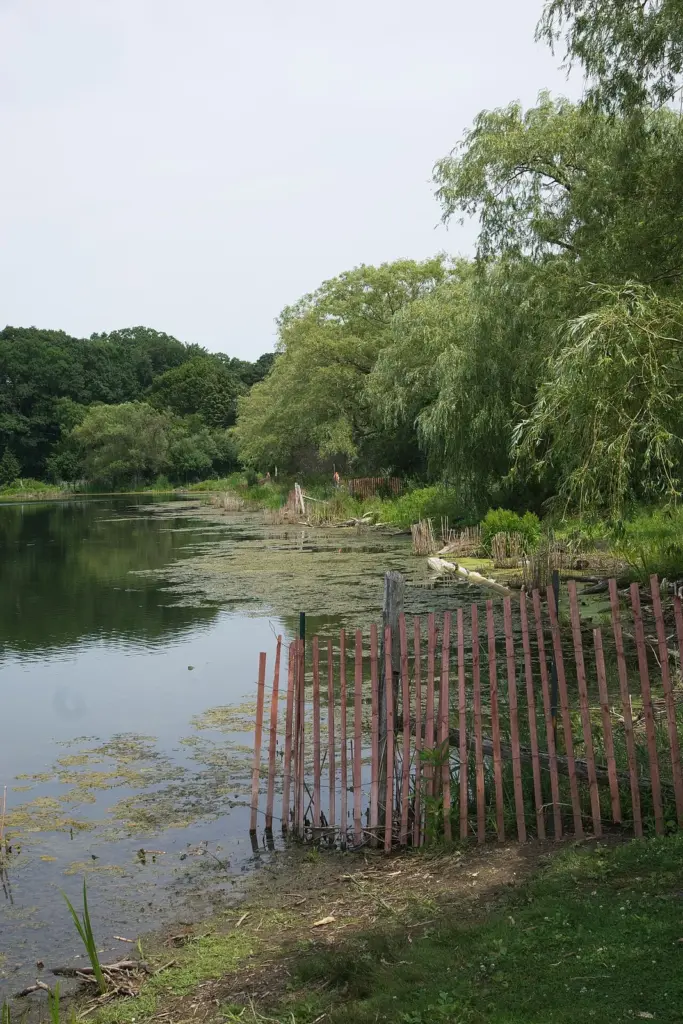

The City allows fishing at Grenadier Pond from the south shore only. That limit protects habitat and keeps people out of sensitive or unsafe areas. Do not walk around looking for a private north-shore spot.
High Park adds washrooms, shade and transit, but the pond is not beside the subway entrance. Carry light gear. Wildlife, dogs, runners and families share the area.
Pond fish may be easier to see than to catch. A slow hour with no bite is normal, not proof that the spot is empty.
Why it earns a place: Calm setting and a clear legal shore.
The problem: One restricted side, park walking and heavy weekend use.
Choose it for: Patient beginners who want a park day more than a guaranteed catch.
5. Humber Bay Park East gives you open shore and a skyline
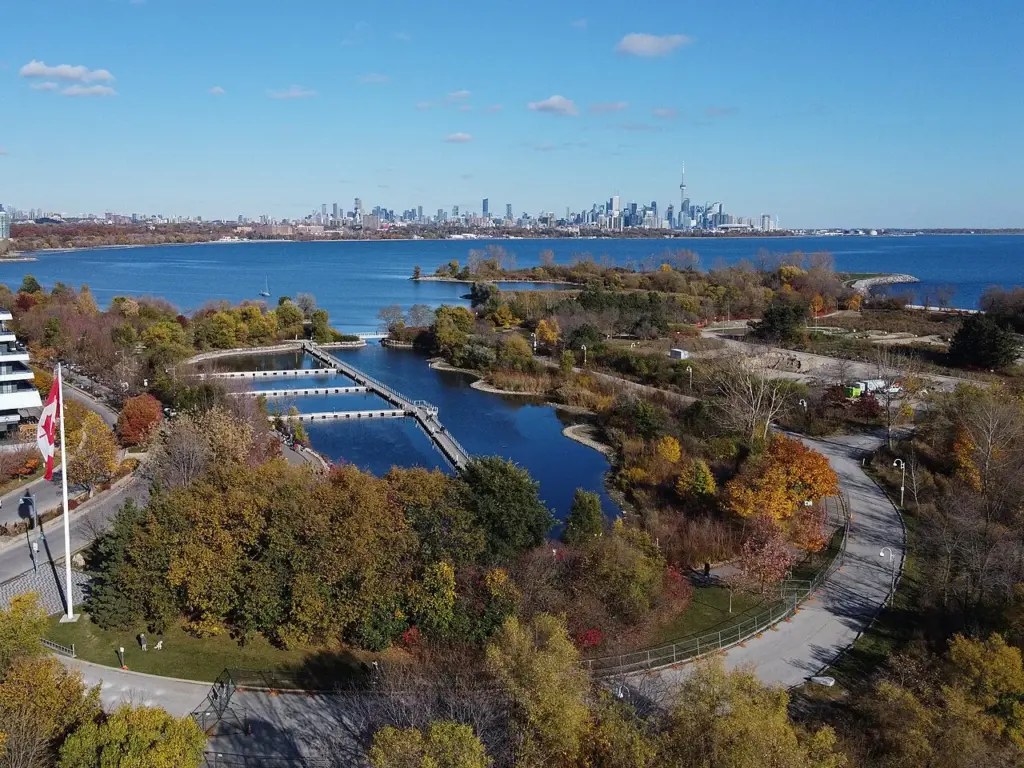

Humber Bay Park East reopened in July 2026 after major work. It offers lake edges, paths and skyline views.
The park is exposed. Wind can make casting hard and turn a mild city day cold. Construction finishing work may continue through fall 2026. New permanent washroom buildings are not expected until later phases, so check the live City washroom map before relying on one.
Why it earns a place: Open shore, skyline view and west-downtown access.
The problem: Wind, changing facilities and little shelter.
Choose it for: A daylight session with good weather and a packed snack.
6. Colonel Samuel Smith Park is the west-end nature pick
.jpg)
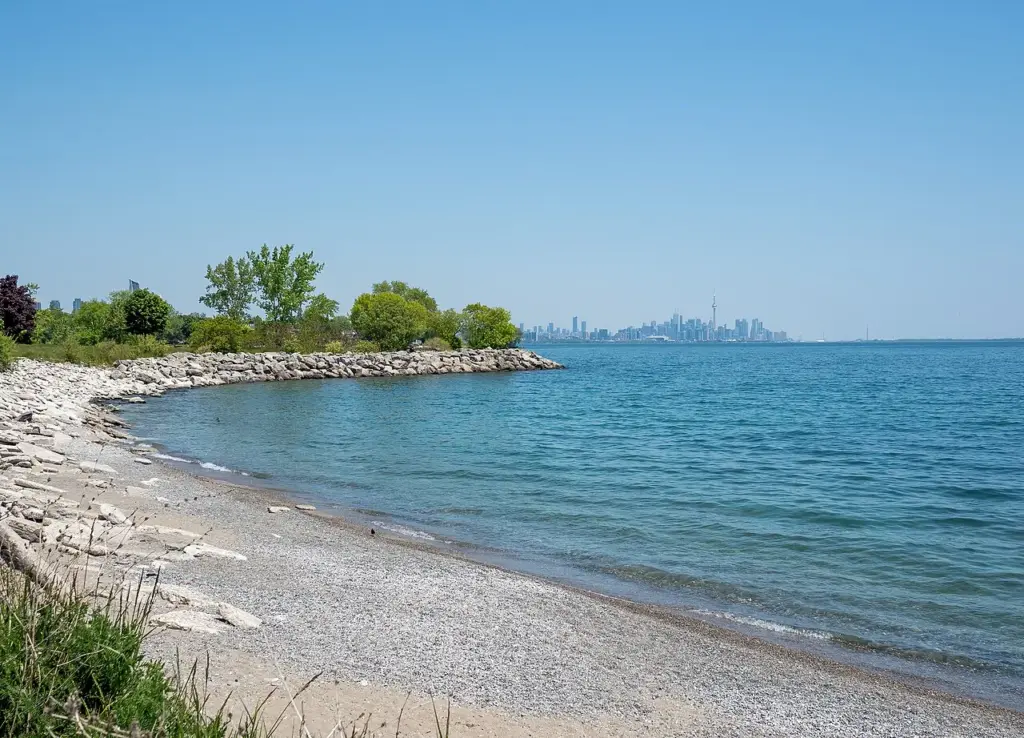
Colonel Samuel Smith Park is on the City fishing list. It has a lakefront trail, rocky shore and wetland habitat near Humber College's Lakeshore Campus.
The open headland gets wind. Rocks and water edges are not a level fishing platform. Stay back from slippery edges and never climb a barrier to reach a promising-looking cast.
The 501 streetcar reaches the area, followed by a walk. Daylight is the better choice for a first visit.
Why it earns a place: Strong west-end setting and bird life.
The problem: Exposed shore, walking distance and quiet sections after dark.
Choose it for: West-end beginners who already have basic casting control.
7. Marie Curtis Park mixes creek and lake conditions
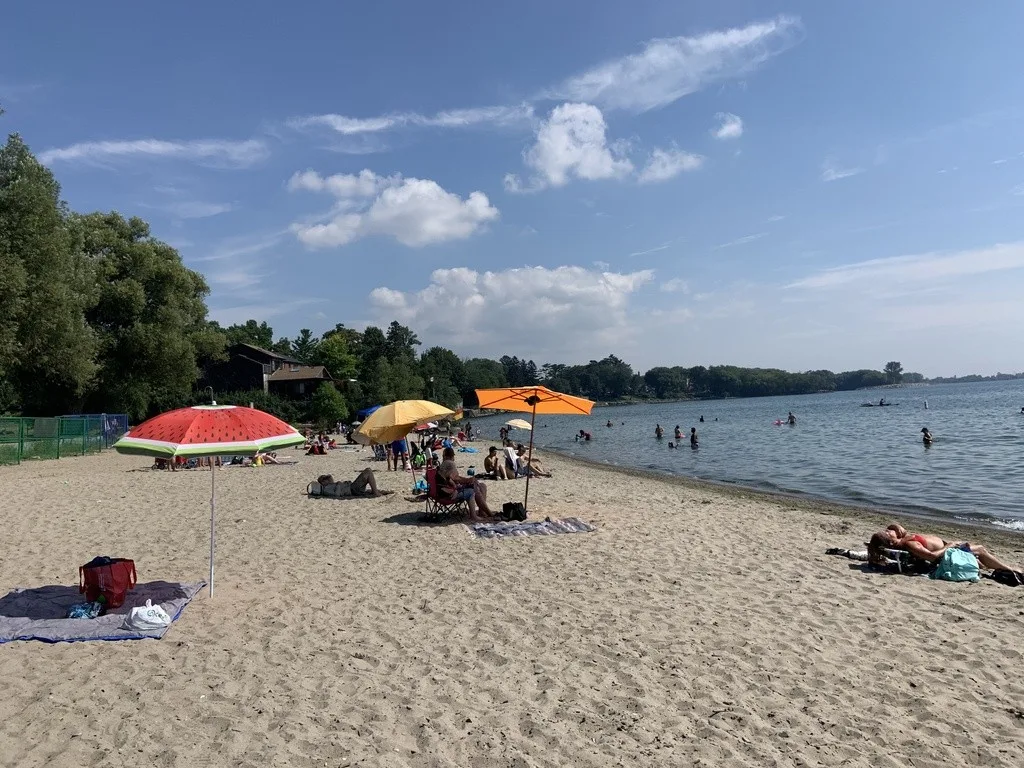
Marie Curtis Park sits where Etobicoke Creek meets Lake Ontario. That creates different habitat in a compact area.
Rain can change creek flow, water clarity and shoreline safety. Do not fish during a storm or from a flooded bank. The park also has beach users, cyclists and dogs, so choose a casting space with a clear back area.
Long Branch GO station is nearby by city standards, but the final walk still matters when carrying gear.
Why it earns a place: Two kinds of water and reasonable west-end transit.
The problem: Conditions change after rain, and the shared park gets busy.
Choose it for: A beginner who checks weather and visits in daylight.
8. Biidaasige Park is new and worth learning through a program
.jpg)
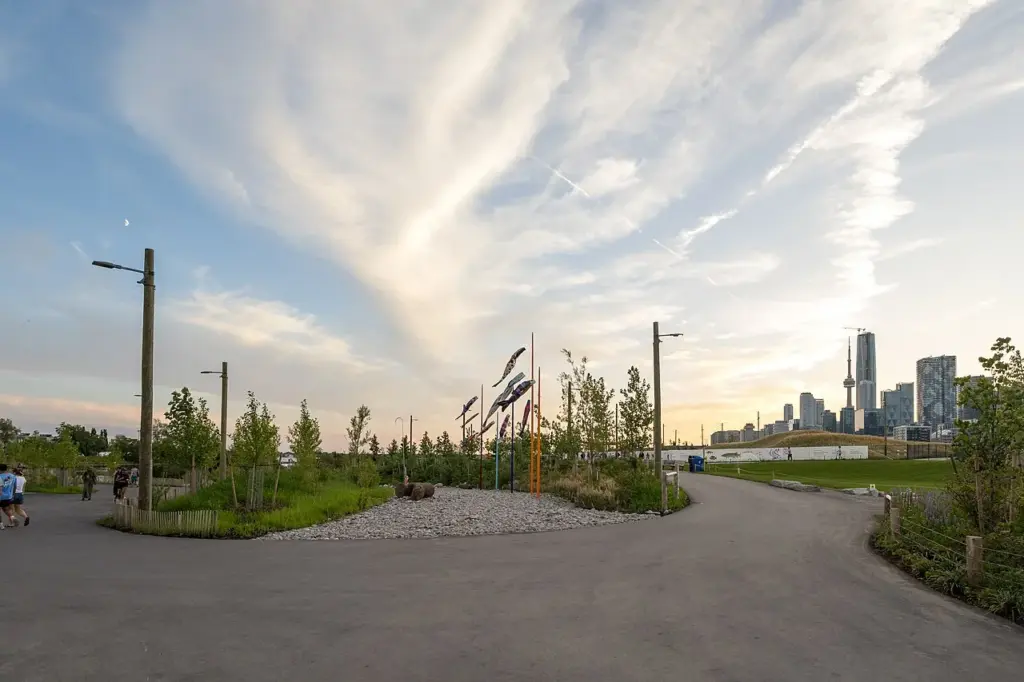
Biidaasige Park opened on Ookwemin Minising near Cherry Street. Its restored river and wetland habitat make it one of the most interesting new outdoor places in Toronto.
TRCA has used Biidaasige for Learn to Fish programming. That is the right way to start here. A new park can have temporary fences, habitat protection zones and changing program areas. Follow the posted sign rather than an old online pin.
Why it earns a place: New habitat, educational programs and a city-building story.
The problem: New-site rules and routes can change. Shade is still limited in young landscapes.
Choose it for: A beginner attending an official program.
9. Bluffer's Park looks dramatic and makes a poor first trip
.jpg)
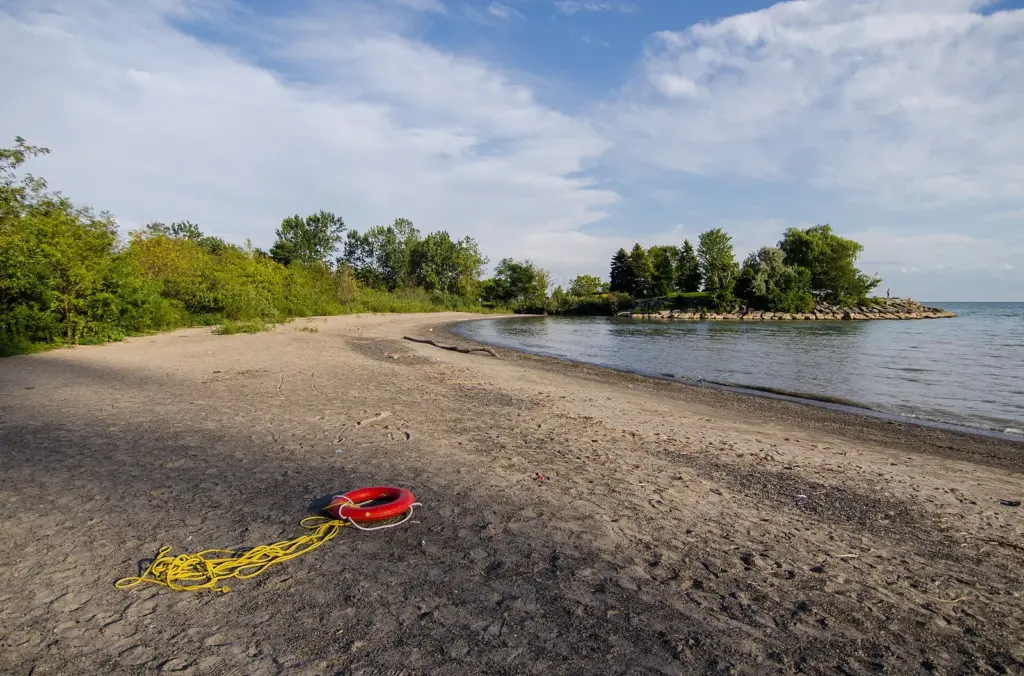
Bluffer's Park is on the City fishing list and offers marina, lake and beach areas below the Scarborough Bluffs.
The scenery attracts crowds. Road access can back up, parking can fill and transit service changes seasonally. The bluffs themselves are dangerous. Stay behind fences and never climb an eroding slope for a photo or fishing position.
Why it earns a place: Dramatic scenery and varied water.
The problem: Difficult without a car, crowded in summer and unsafe near bluff edges.
Choose it for: A planned daylight trip, not a spontaneous first cast.
Simple beginner gear
You do not need a large tackle box. Start with:
- A medium spinning rod and matching reel.
- Fresh monofilament line in a common light-to-medium strength.
- Small barbless hooks.
- A few split-shot weights and floats.
- Needle-nose pliers for hook removal.
- A line cutter.
- Polarized glasses and sun protection.
- A small bag for discarded line and hooks.
- A ruler if you may legally keep a fish.
- A life-jacket near fast or deep water, especially for children.
Ask a local tackle shop to match the line, hook and bait to the current season. Do not buy a heavy rod because a giant fish video made it look necessary.
Fish handling that causes less harm
Use barbless or pinched-barb hooks. Keep the fish in the water while preparing to release it. Wet your hands before touching it. Do not squeeze its body or hold it by the gills.
Remove the hook quickly with pliers. If a hook is deep and removal will cause damage, cut the line close and follow provincial guidance. Keep air exposure very short and let the fish recover in the water before release.
Never leave a line unattended. Collect broken line and hooks. They injure birds, turtles, dogs and people.
Can you eat fish caught in Toronto?
Sometimes, but there is no honest one-word answer. Ontario's Guide to Eating Ontario Fish gives advice by exact water, species and fish length. A smaller fish of one species can have different advice from a larger fish in the same place.
Check the current guide before keeping anything. Fish that are legal to catch are not automatically a good meal for every person. Children, pregnant people and people who may become pregnant need more cautious limits.
Frequently asked questions
Do I need a fishing licence in Toronto?
Most Ontario and Canadian residents age 18 to 64 need an Outdoors Card and valid fishing licence. Exemptions exist. Check the Ontario rules for your age and status before fishing.
Where is the easiest place to fish in Toronto for beginners?
Toronto Island, Ashbridges Bay and Humber Bay Park East are reasonable shore starts in good weather. A Learn to Fish session is even better because gear, instruction and the session licence are provided.
Can I fish in High Park?
Yes, at Grenadier Pond from the south shore only. Other shore areas are not open just because you can reach them. Follow signs and protect the pond edge.
Can I fish with two rods in Toronto Harbour?
Shore fishing is generally limited to one rod and line. A Zone 20 rule allowing two lines from a boat has a Toronto Harbour exclusion. Check the current regulation summary before fishing.
Can I keep and eat a fish caught in Toronto?
Only if the species, season, size and possession rules allow it. Then check Ontario's eating guide for that exact water, species and length. Releasing the fish is the safer simple choice when you are unsure.
Can I use live bait in Toronto parks?
Rules depend on the water and land manager. TRCA conservation areas do not allow live bait. Check provincial regulations and posted site rules before bringing bait.
What should a beginner do with a fish after catching it?
Keep it in the water, wet your hands, remove the hook quickly and release it gently unless you have already confirmed every keeping rule. Do not hold it in the air for a long photo.
Is Toronto fishing free?
The fishing spot may have no admission fee, but most adults need a licence. Ferry fares, transit, parking and gear can add cost. Ontario runs limited licence-free periods each year.
More Toronto guides
- Explore nature trails around Toronto
- Compare Toronto beaches without the Island ferry
- See what Toronto Island is like in winter
What we would actually do
Book Learn to Fish first. If it is full, buy the correct licence and spend two daylight hours at Ashbridges Bay with one simple rod. Save Toronto Island for the second trip. Do not make your first day about catching dinner. Make it about safe casting and releasing a fish without hurting it.